Filters

156 filtered results

Clear all filters
Favorites
With answer key
Interactive

156 filtered results

Difficulty Level

Grade


Check out this FREE Trial Lesson on Math for age 4-5!

Count Forward Starting From Any Number

Favorites
With answer key
Interactive
  • 4-5
  • Cognitive Development
  • Math
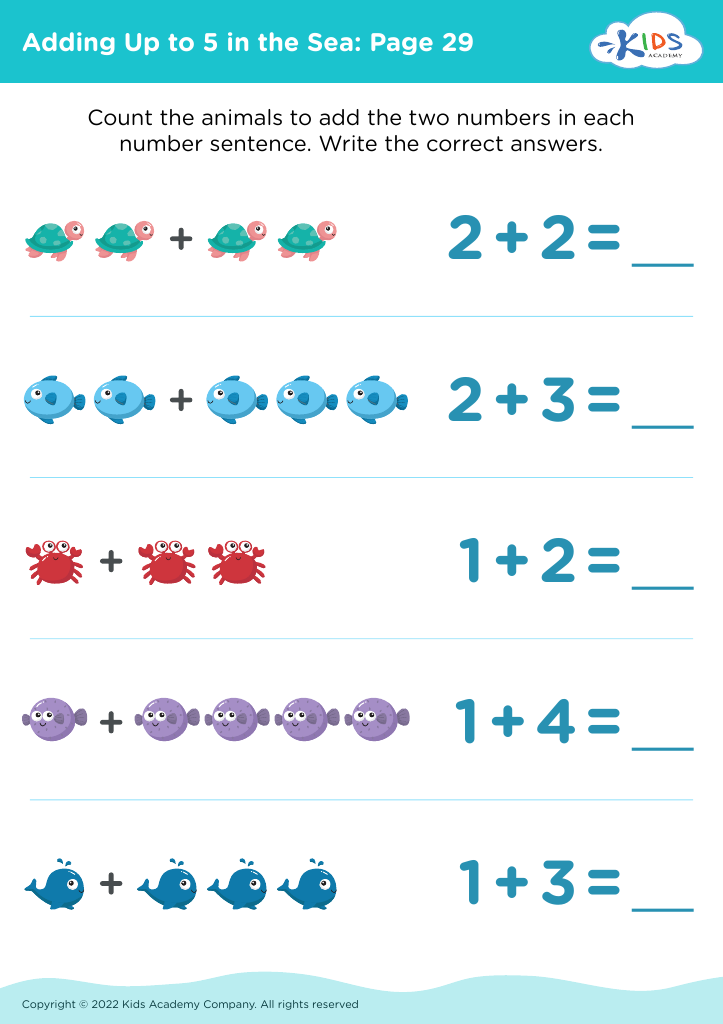
Adding Up to 5 in the Sea: Page 29
Worksheet
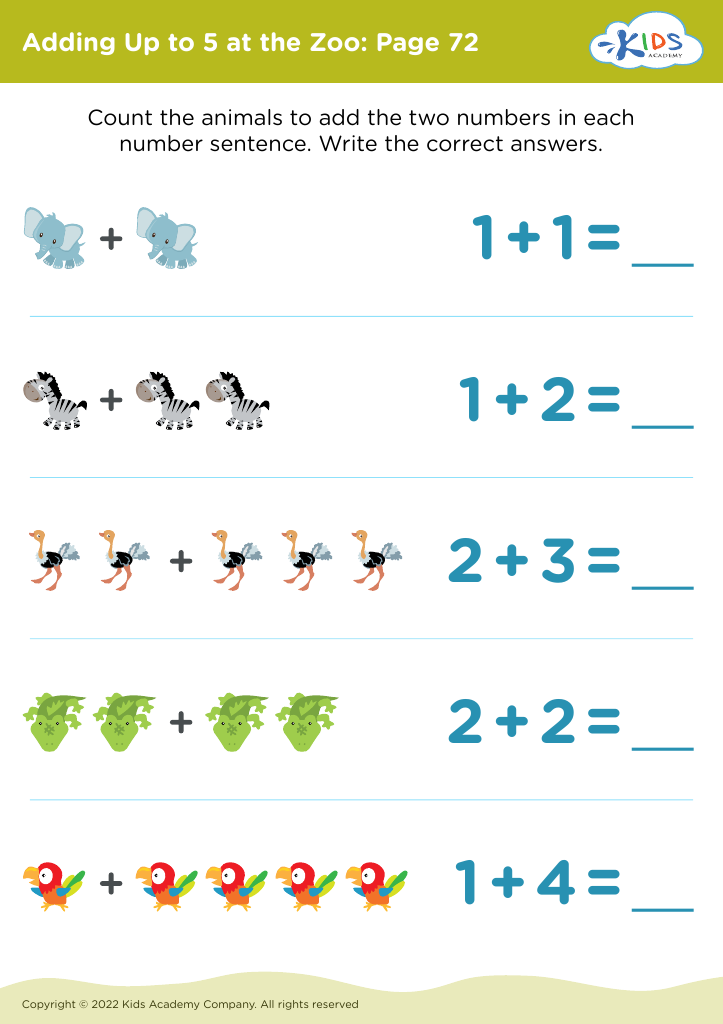
Adding Up to 5 at the Zoo: Page 72
Worksheet
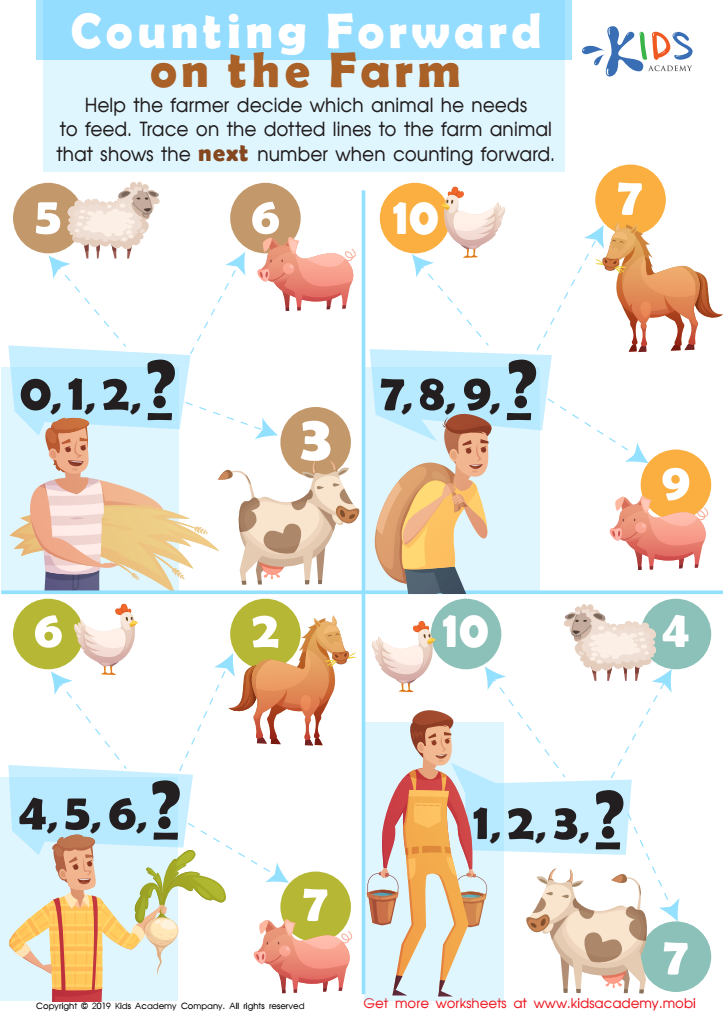
Counting Forward On the Farm Worksheet

Counting Forward On the Farm Worksheet

Help your child practice counting with this fun worksheet. Have them help a farmer feed the right animal by counting on from a starting point. This activity will help them build number line thinking and refine fine motor skills.
Counting Forward On the Farm Worksheet
Worksheet
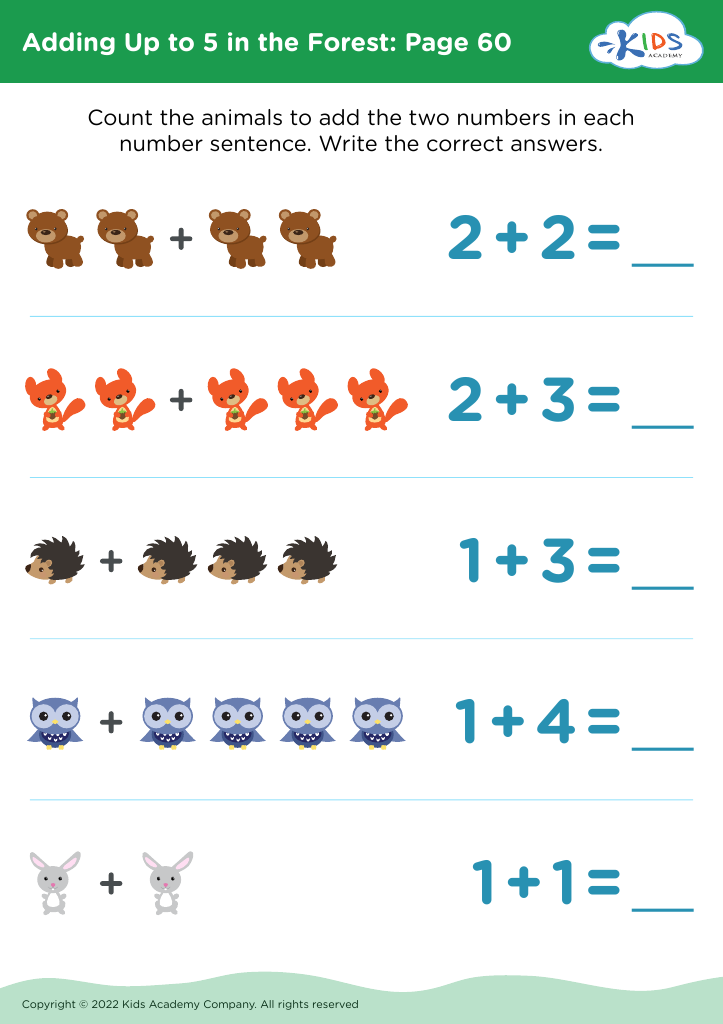
Adding Up to 5 in the Forest: Page 60
Worksheet
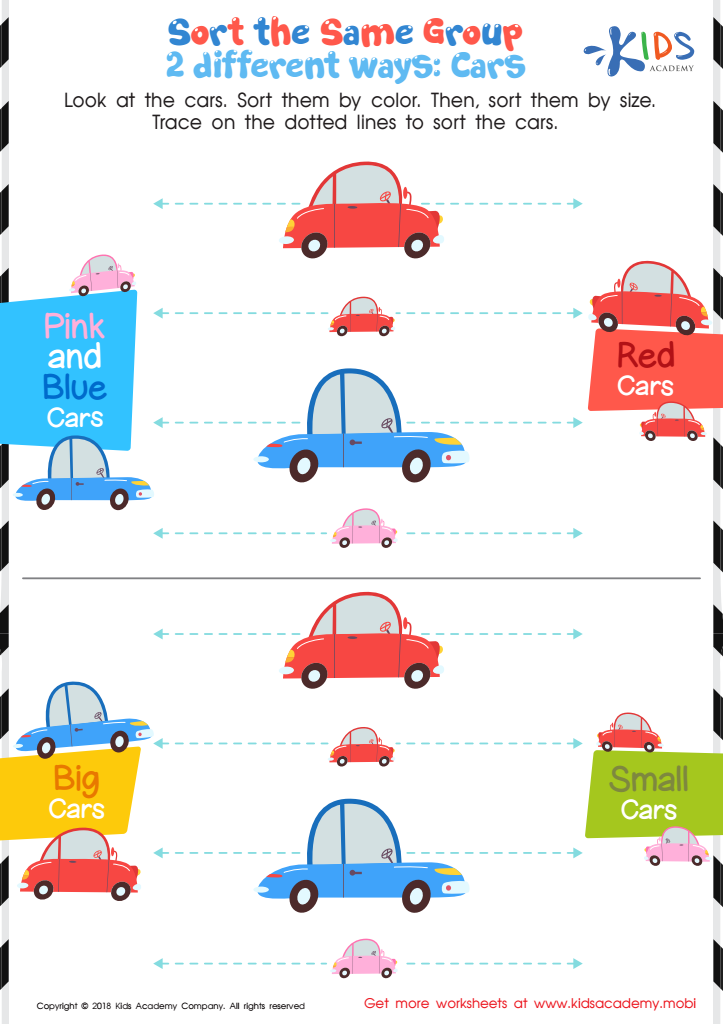
Sort the Same Group 2 Different Ways: Cars Worksheet
Sort the Same Group 2 Different Ways: Cars Worksheet

Look at the pictures with your child. Can they identify the objects? Ask them to sort the cars first by color and then size. Assist them to trace the dotted lines to sort the cars by color and size. This worksheet lets you easily assess your child's color and size organization skills.
Sort the Same Group 2 Different Ways: Cars Worksheet
Worksheet
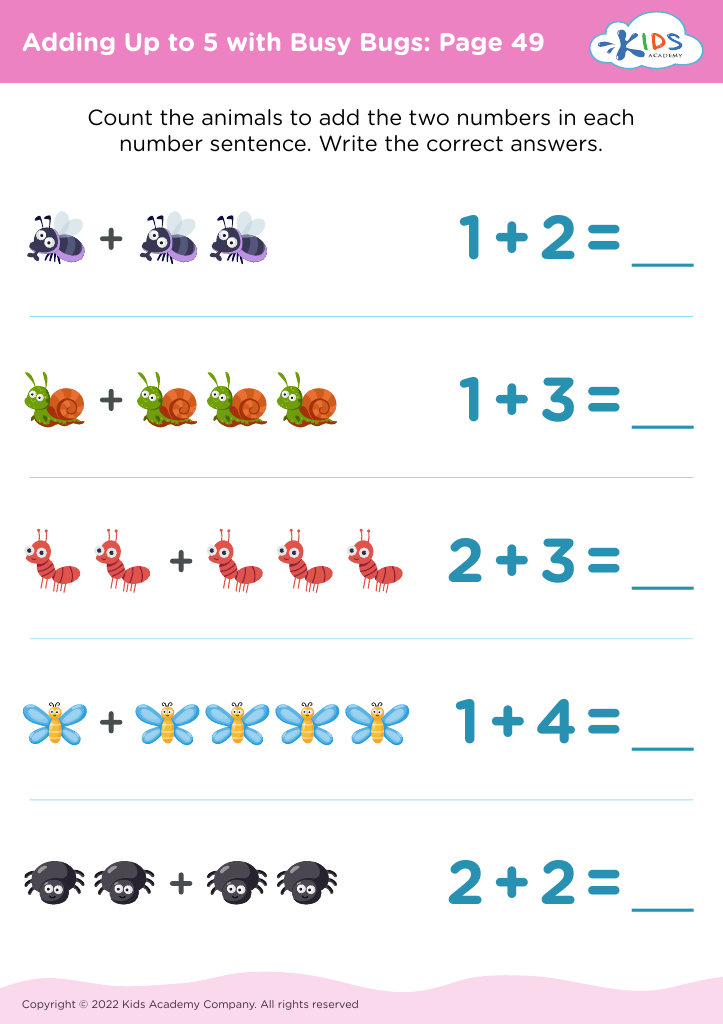
Adding Up to 5 with Busy Bugs: Page 49
Worksheet
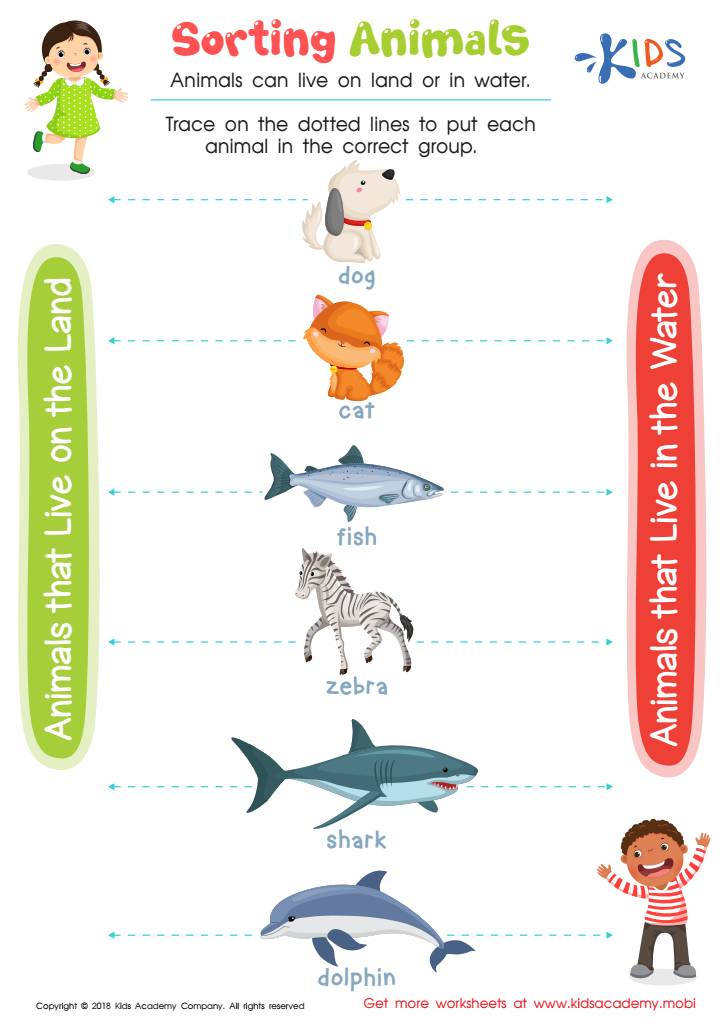
Sorting Animals Worksheet
Sorting Animals Worksheet
Your kids will love this free, interactive worksheet! With image clues, they can read and trace the animal names, and then sort them into groups of land or water animals. It's an enjoyable way to boost their critical thinking, fine motor and prior knowledge skills.
Sorting Animals Worksheet
Worksheet
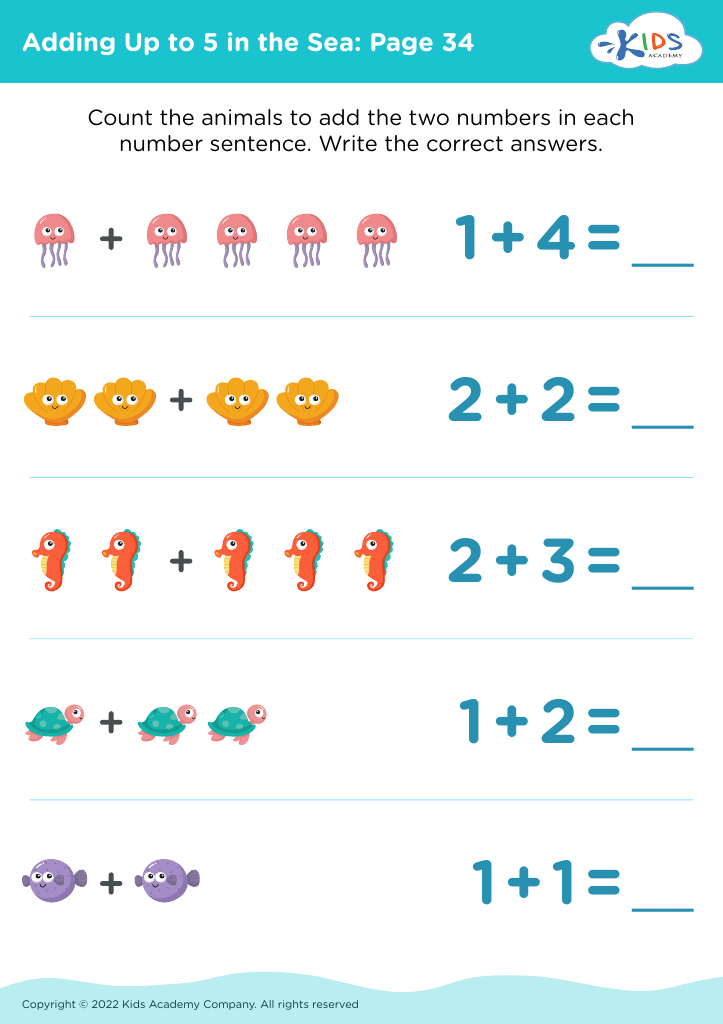
Adding Up to 5 in the Sea: Page 34
Worksheet
Matching Colors Worksheet

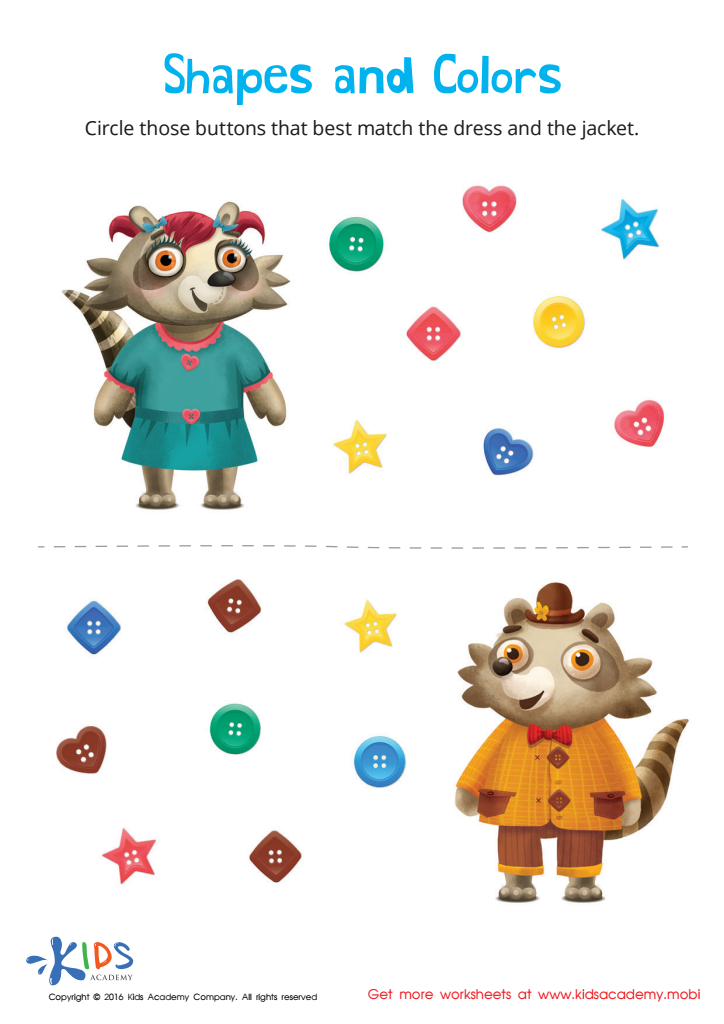
Matching: Shapes and Colors Worksheet
Help Mr. and Mrs. Raccoon find the right buttons to match their shirts! Kids will identify shapes and colors and learn to match them correctly.
Matching: Shapes and Colors Worksheet
Worksheet
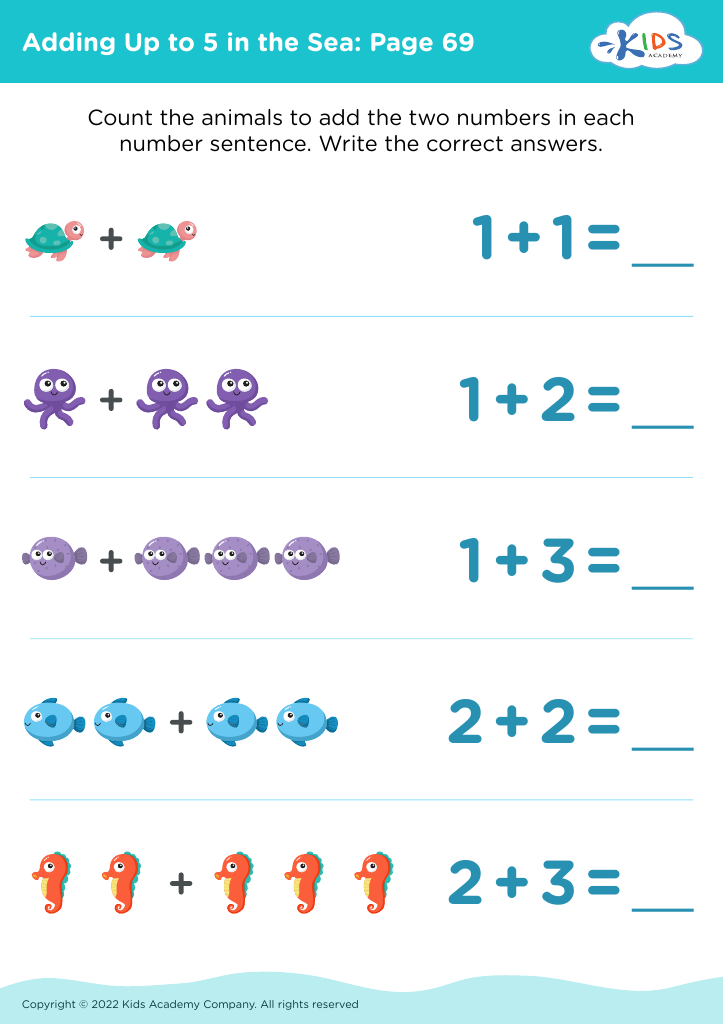
Adding Up to 5 in the Sea: Page 69
Worksheet
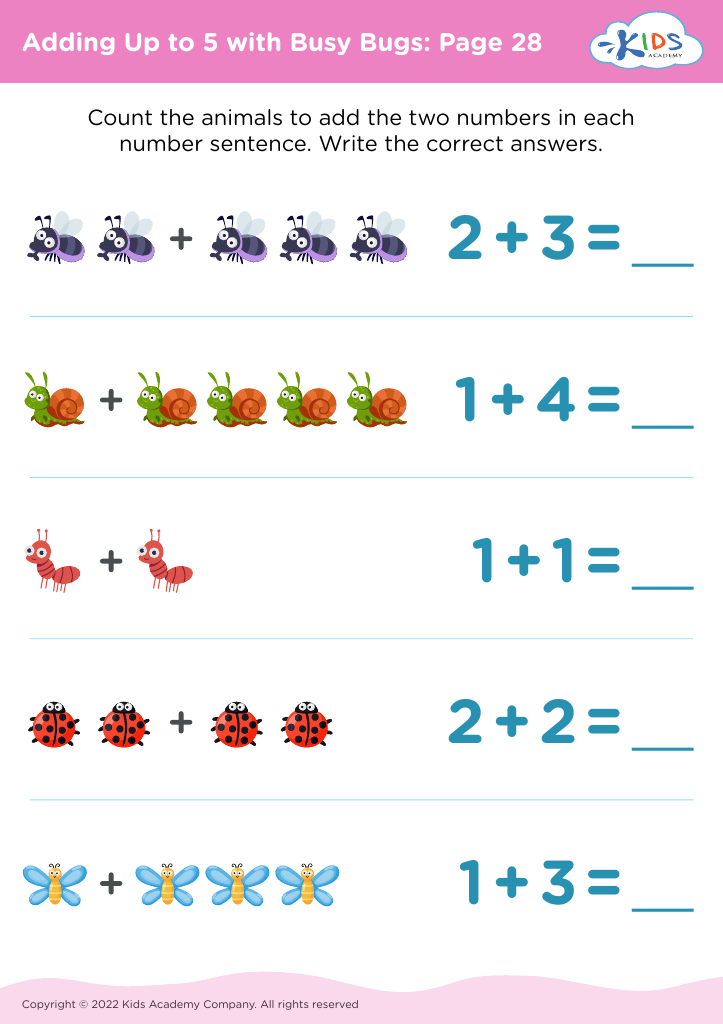
Adding Up to 5 with Busy Bugs: Page 28
Worksheet
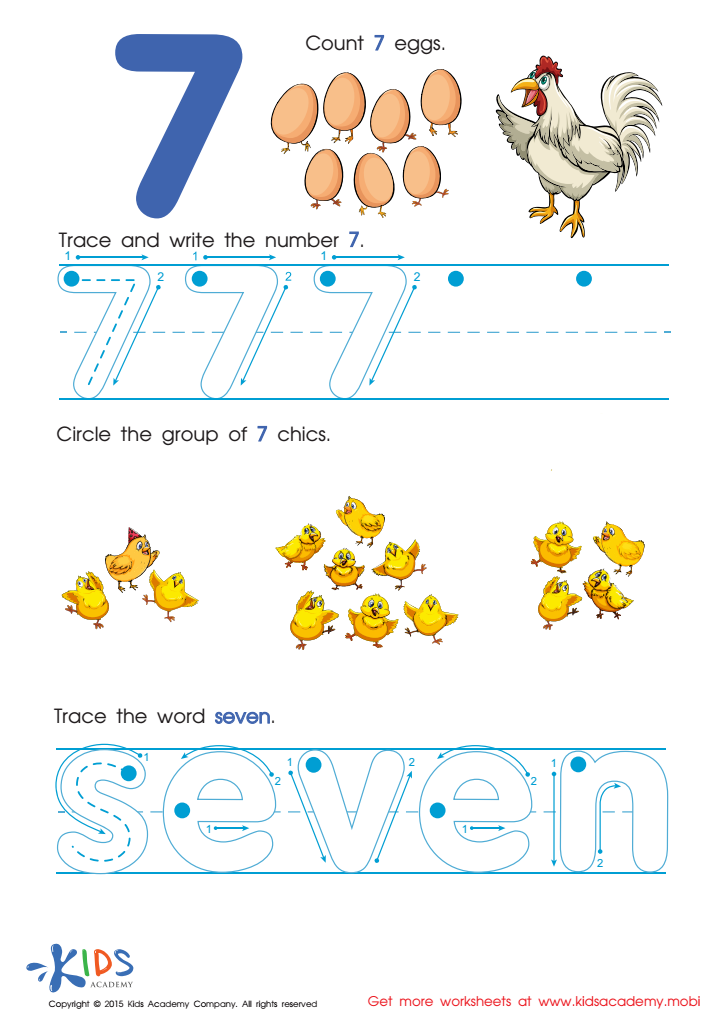
Learning Numbers Worksheets: Trace And Write Number 7 with Fun

Trace And Write Number 7 with Fun Worksheet
Try one with a cute hen and its seven eggs! Trace and write the number 7, circle the group of seven chicks, and trace the word "seven". Fun and educational!
Trace And Write Number 7 with Fun Worksheet
Worksheet
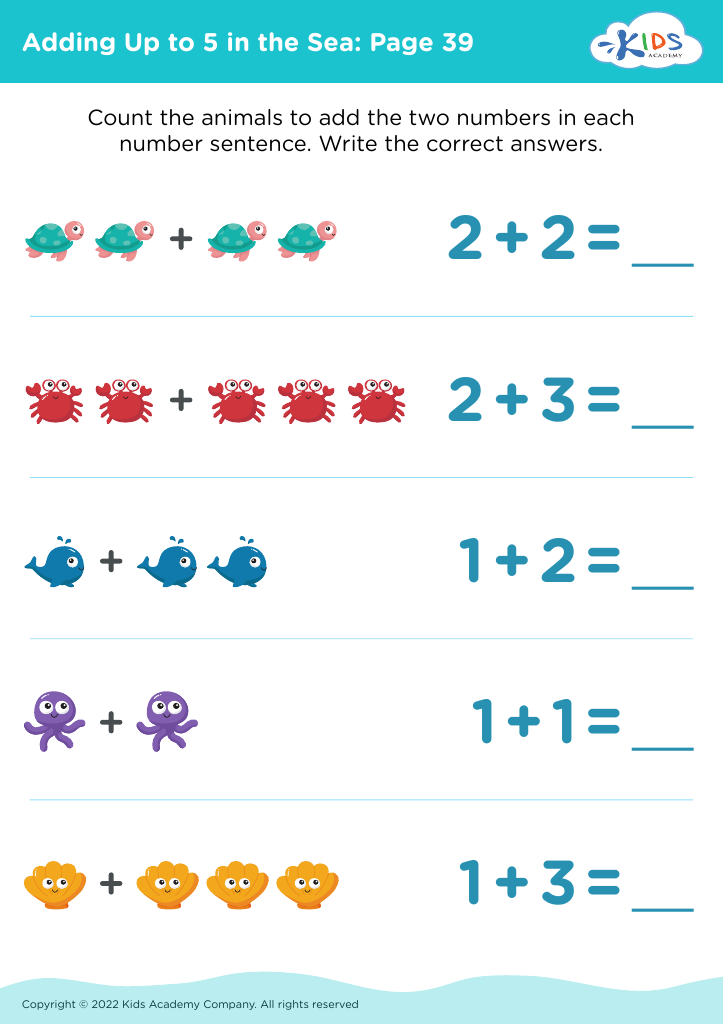
Adding Up to 5 in the Sea: Page 39
Worksheet
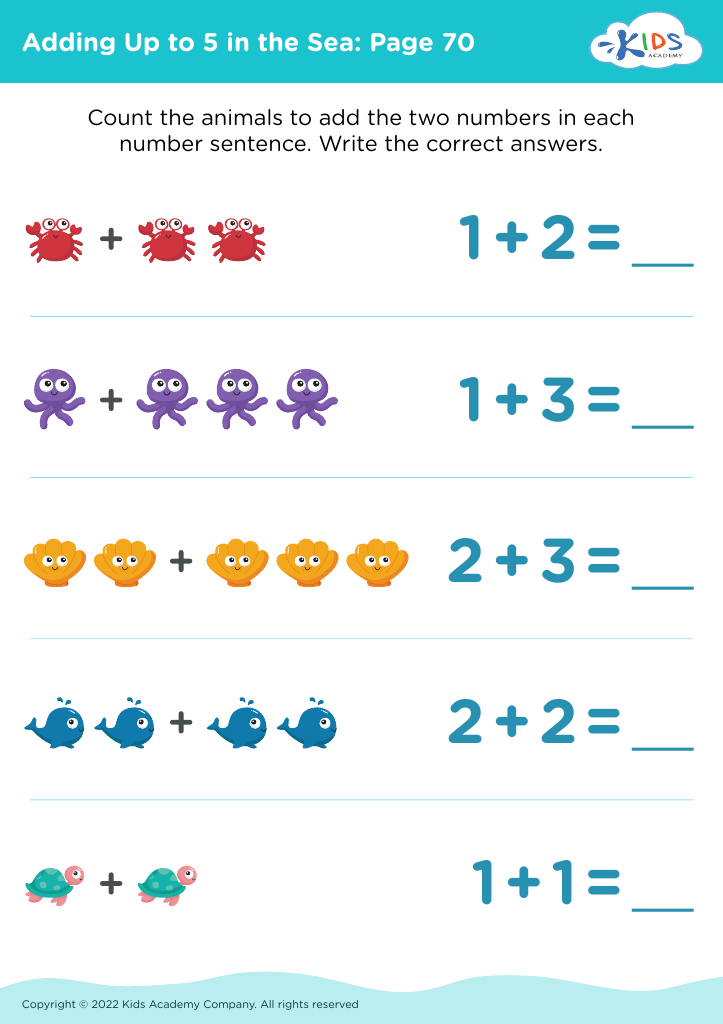
Adding Up to 5 in the Sea: Page 70
Worksheet
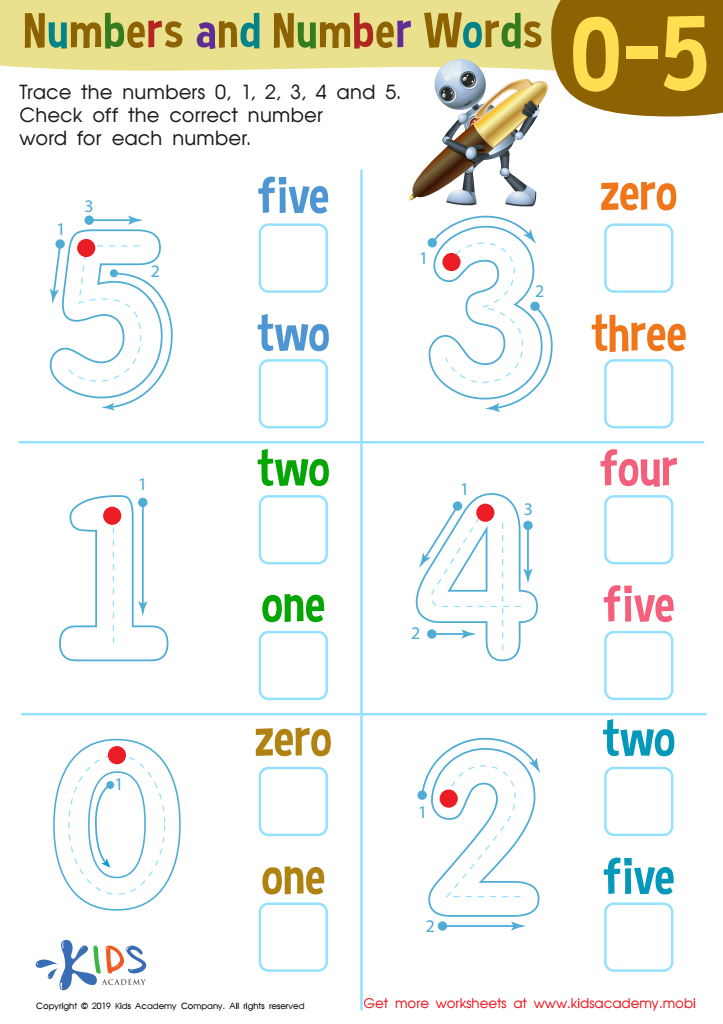
Numbers and Number Words Worksheet

Numbers and Number Words Worksheet

Preschoolers can practice counting and recognizing numbers with this worksheet. Students trace the numbers zero through five and check the boxes next to each number to show the correct number word. Ideal for young kids, this printable helps them learn early math and number words.
Numbers and Number Words Worksheet
Worksheet
Fruits Matching Worksheet

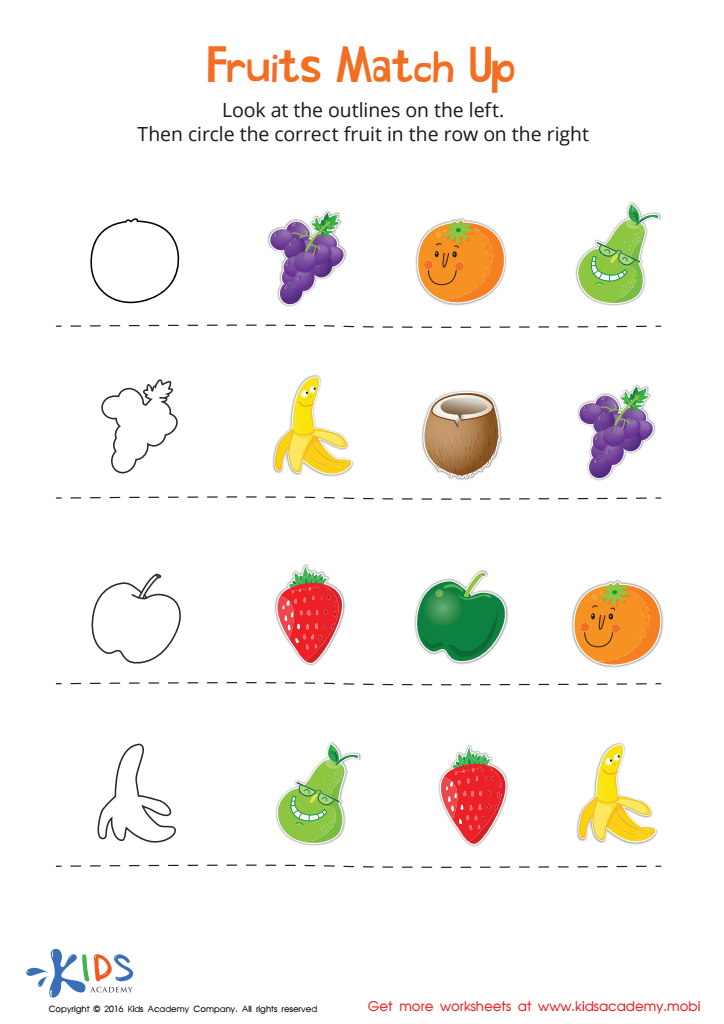
Fruits Match Up Worksheet
Motivate your child to count and sharpen their spatial reasoning skills with this vivid fruit worksheet.
Fruits Match Up Worksheet
Worksheet
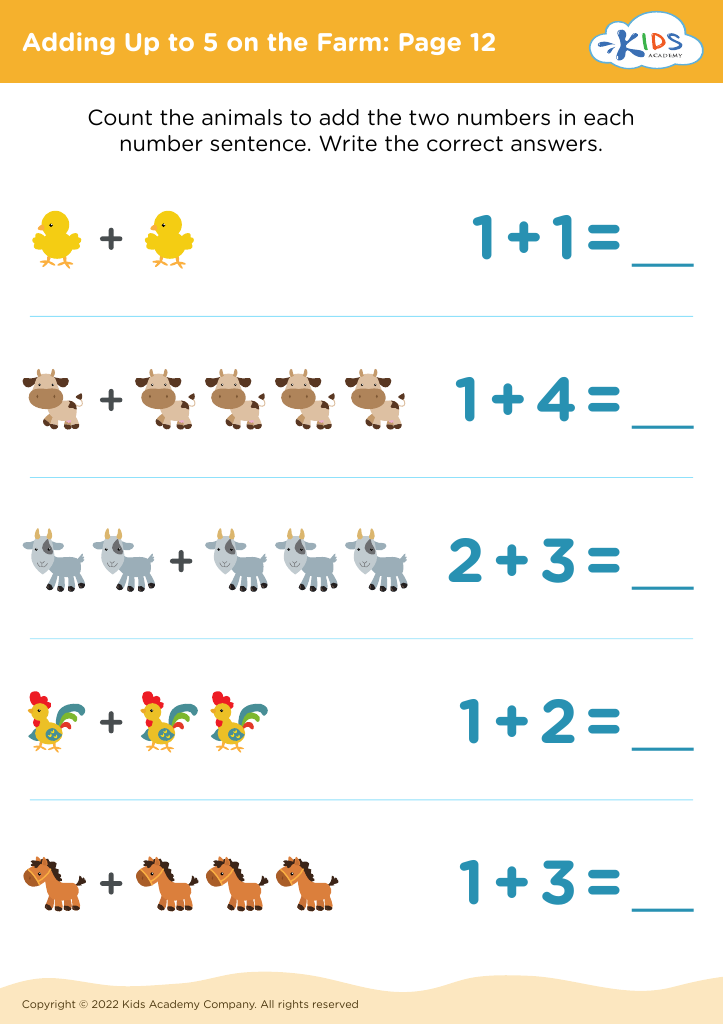
Adding Up to 5 on the Farm: Page 12
Worksheet
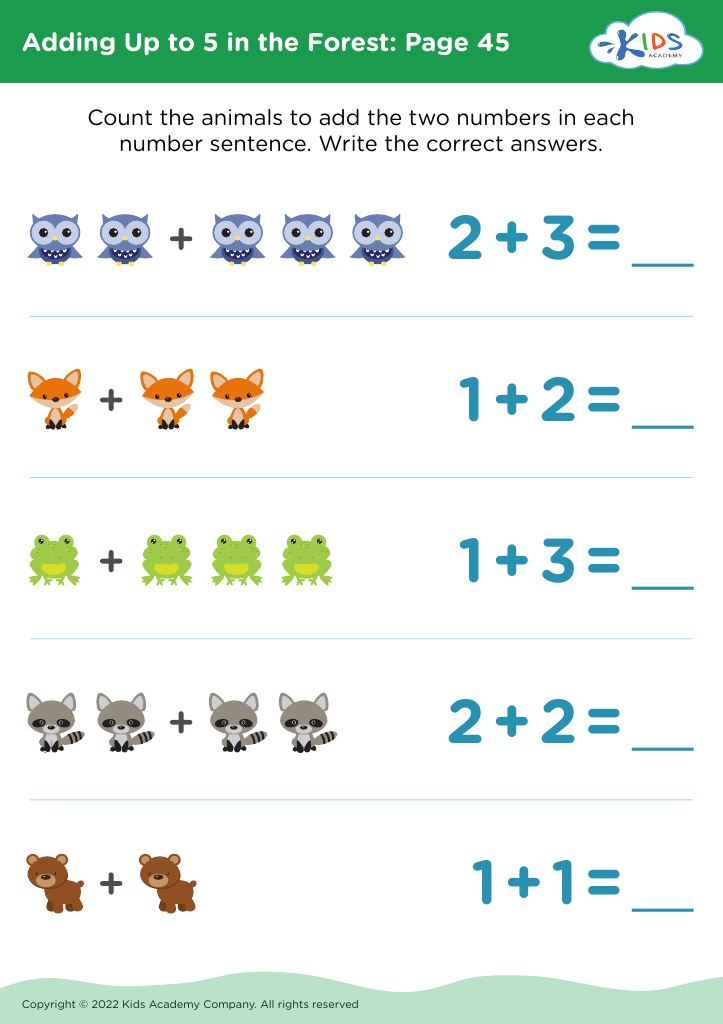
Adding Up to 5 in the Forest: Page 45
Worksheet
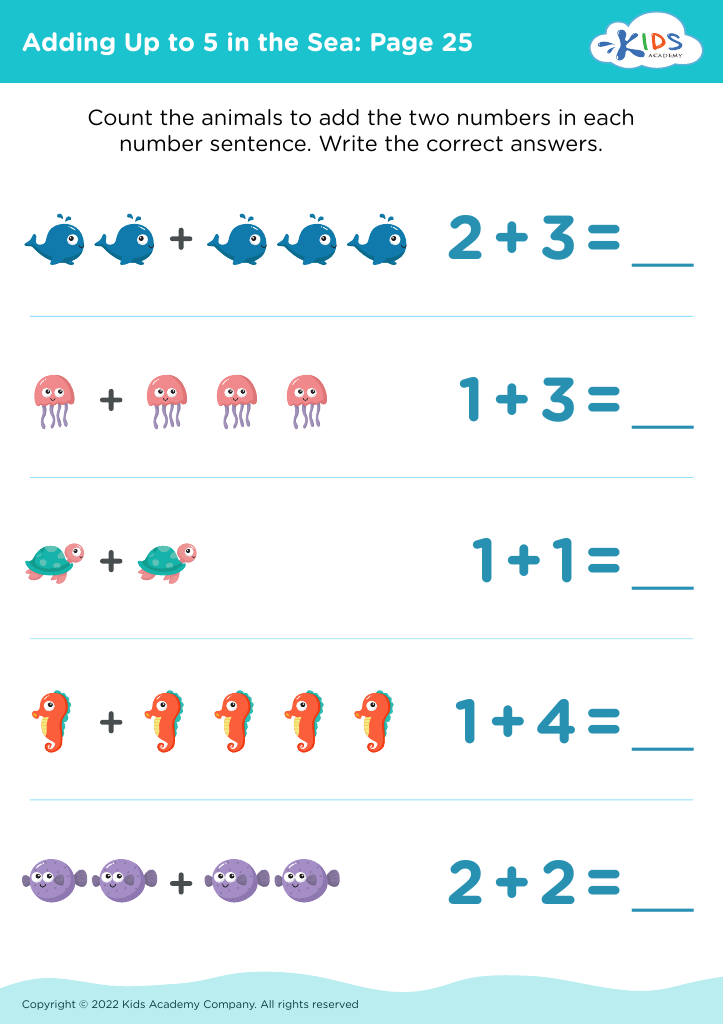
Adding Up to 5 in the Sea: Page 25
Worksheet
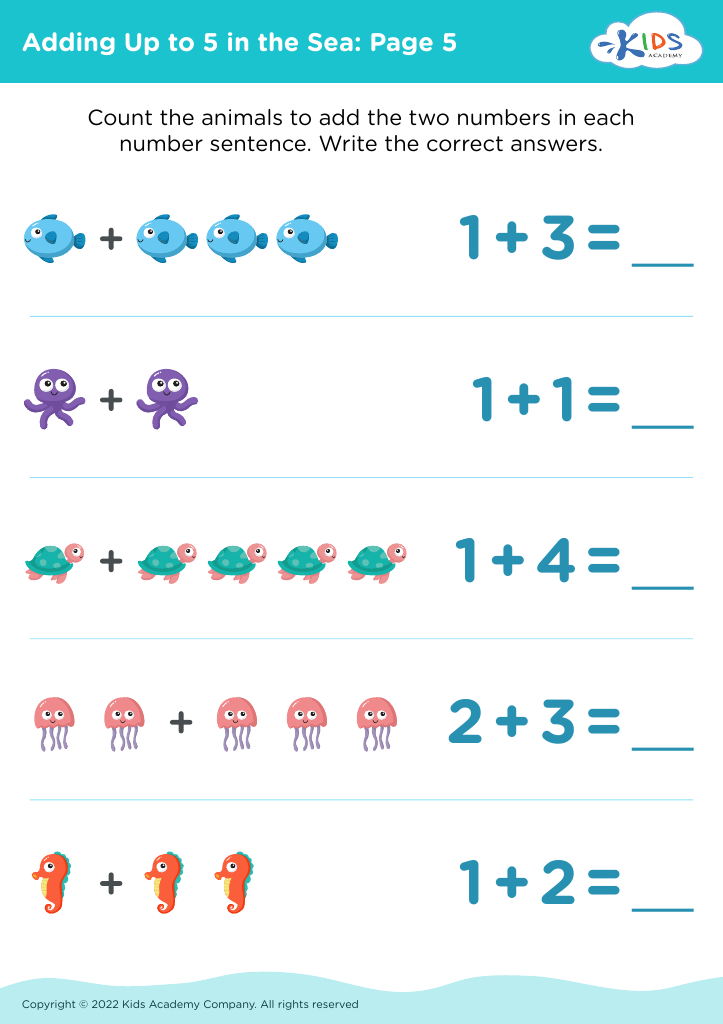
Adding Up to 5 in the Sea: Page 5

Adding Up to 5 in the Sea: Page 5

Adding Up to 5 in the Sea: Page 5
Worksheet
Matching: Classifying Toys by Size Worksheet
Matching: Classifying Toys by Size Worksheet

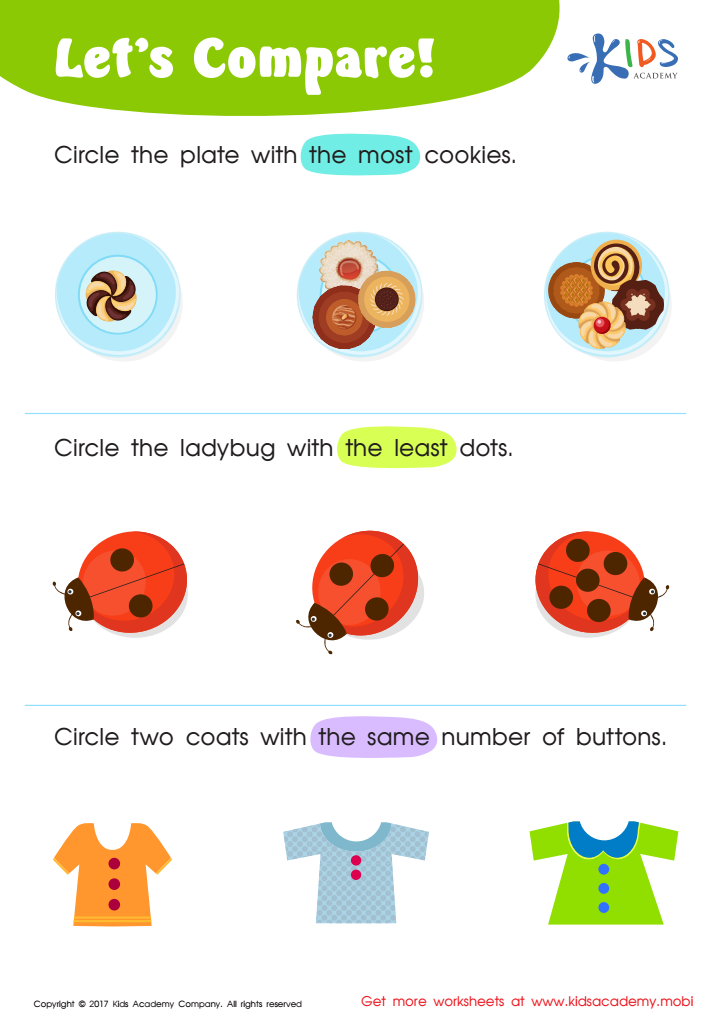
. Have your young one's observation and counting skills ready for this worksheet; carefully look through the images and count the objects, then circle the plates with the least, most or equal number of patterns. Pay attention and have good counting abilities to make this task easy.
Matching: Classifying Toys by Size Worksheet
Worksheet
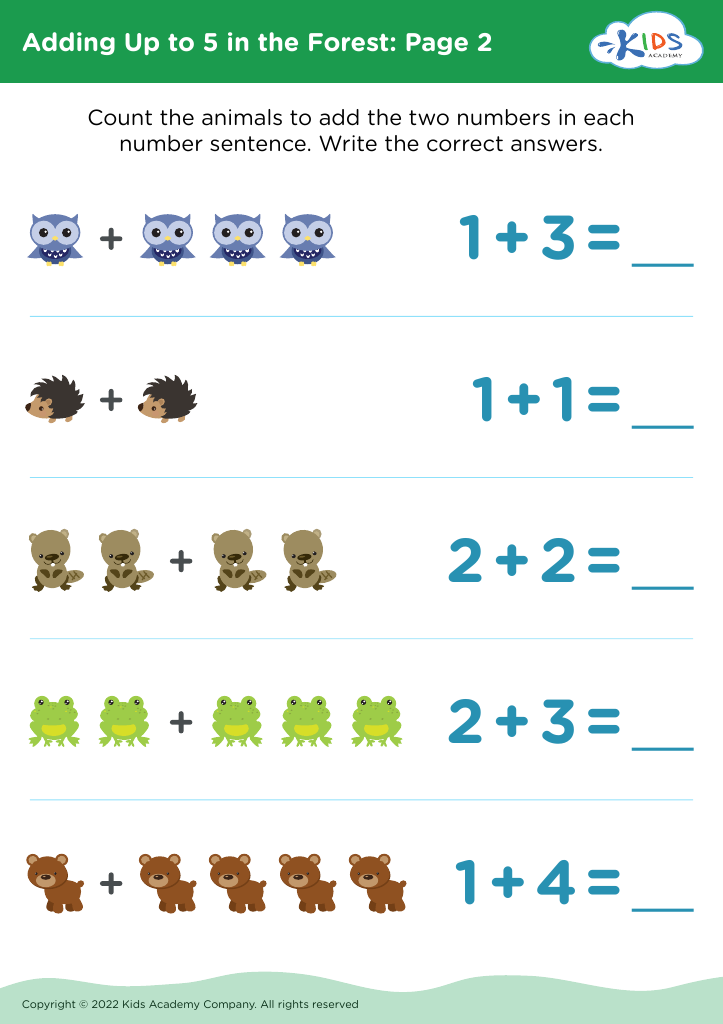
Adding Up to 5 in the Forest: Page 2
Worksheet
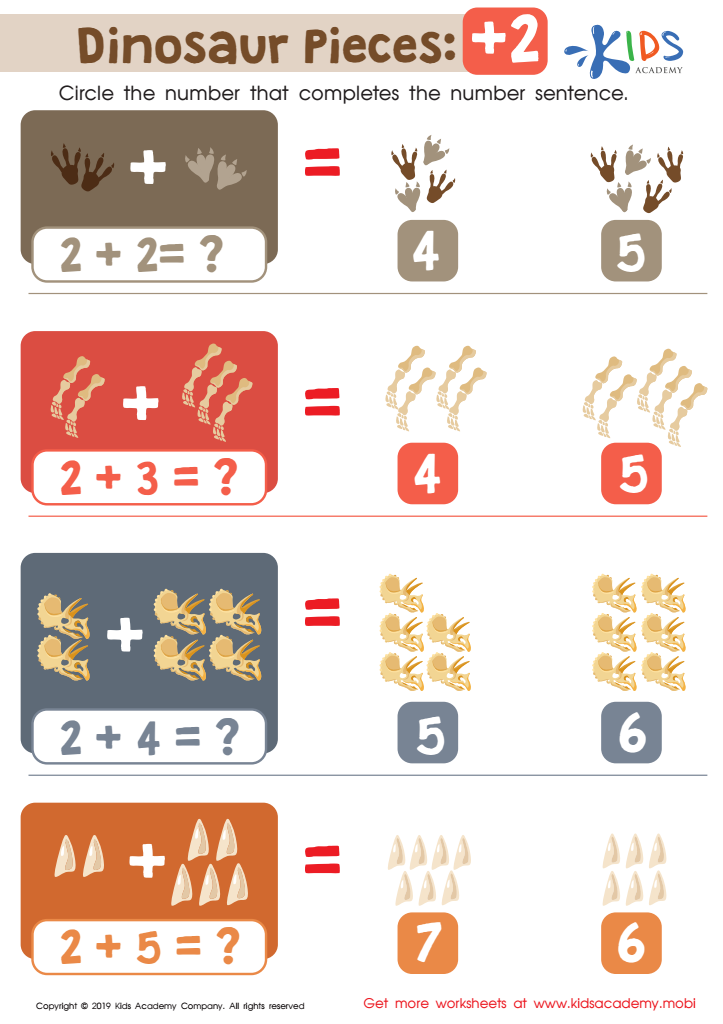
Dinosaur Pieces: +2 Worksheet

Dinosaur Pieces: +2 Worksheet

Kids love dinosaurs! See if your kids can solve these three equations featuring the mysterious creatures. Download the PDF and have them circle the number that completes each equation. Dinosaurs are extinct, not seen for thousands of years, but they can still help kids work on their math skills!
Dinosaur Pieces: +2 Worksheet
Worksheet
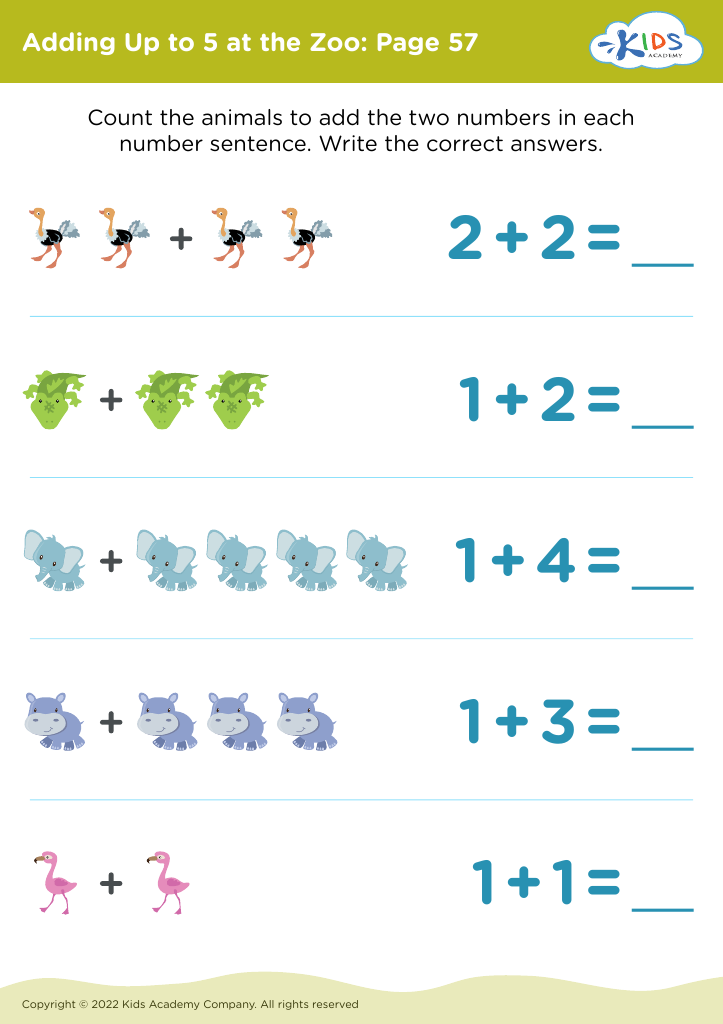
Adding Up to 5 at the Zoo: Page 57
Worksheet


Cognitive development in mathematics for children ages 4-5 is essential, as it lays the foundation for their future mathematical understanding and problem-solving skills. During this critical age, children demonstrate rapid growth in cognitive abilities, particularly in spatial awareness, pattern recognition, and basic number concepts. Engaging in math-related activities helps children develop critical thinking and reasoning skills that are vital across all subject areas.

Parents and teachers should care about this developmental stage because it directly influences children's ability to grasp more complex concepts in later years. Many of the skills needed for early mathematical success, such as counting, sorting, and measuring, can be cultivated through playful interactions and hands-on experiences. This interactive approach not only fosters cognitive skills but also promotes positive attitudes toward learning and school.

Additionally, incorporating cognitive development in math can contribute to emotional and social growth, as children work collaboratively during group activities, learning to communicate and solve problems together. By nurturing mathematical skills and concepts at this young age, educators and parents can create a solid foundation that supports lifelong learning and curiosity, ultimately leading to improved academic performance and well-rounded individuals.