Color recognition Math Worksheets for Ages 4-5
19 filtered results
-
From - To
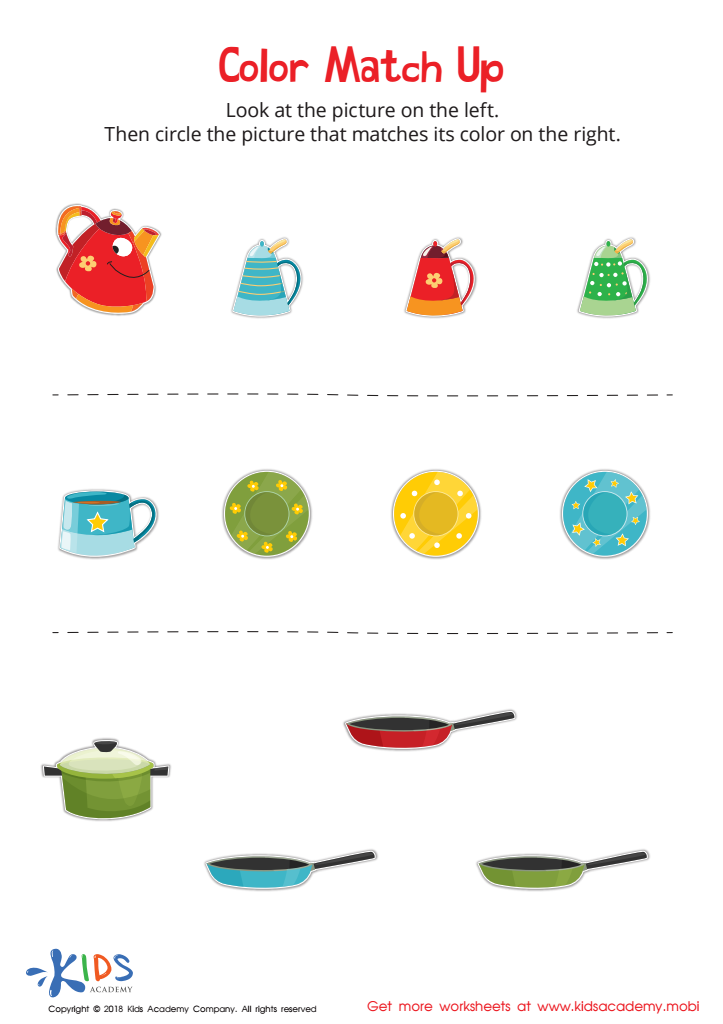
Unlock the colorful world of learning with our engaging Color Recognition Math Worksheets for ages 4-5! Designed to support young learners, these worksheets blend foundational math skills with fun color identification activities. Each activity encourages children to recognize and match colors while developing counting, sorting, and patterning skills essential for early math success. The vibrant illustrations captivate children's attention, making learning enjoyable and interactive. Ideal for homeschooling or classroom use, our worksheets foster creativity and critical thinking. Help your child build confidence in math while exploring the magic of color recognition. Download now and watch their skills flourish!
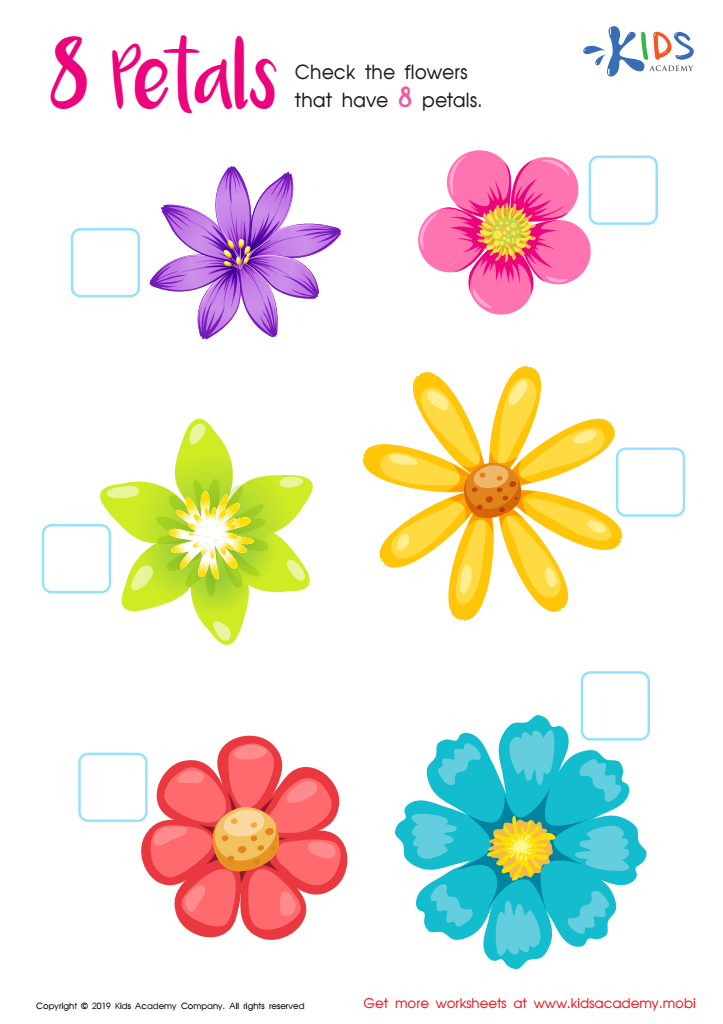
8 Petals Worksheet
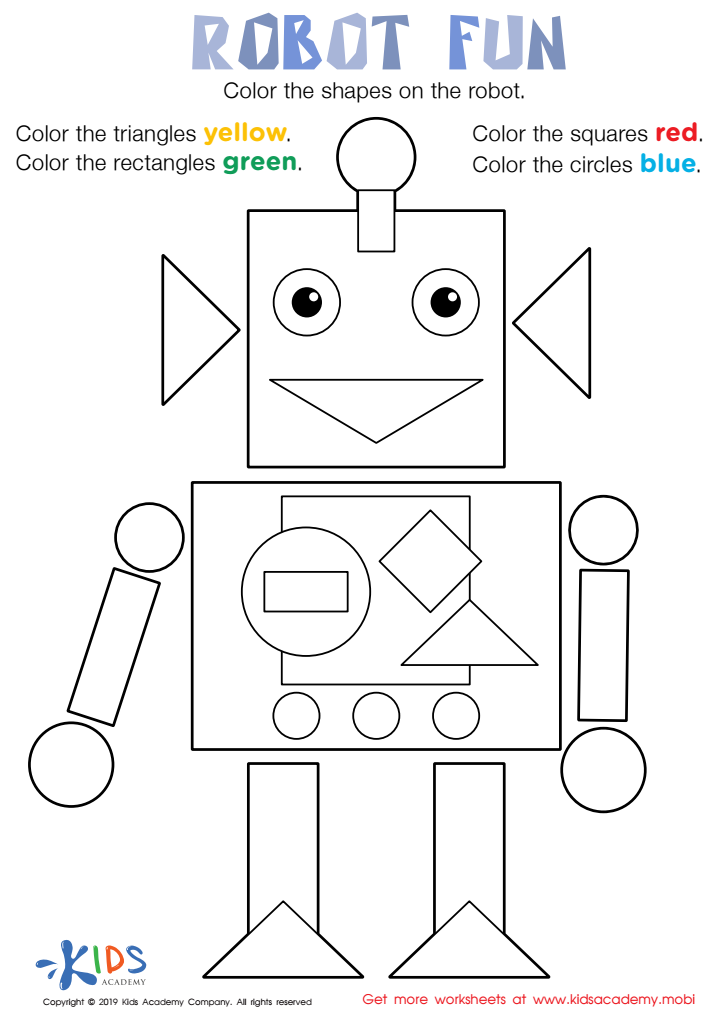
Robot Fun Worksheet
 Assign to My Students
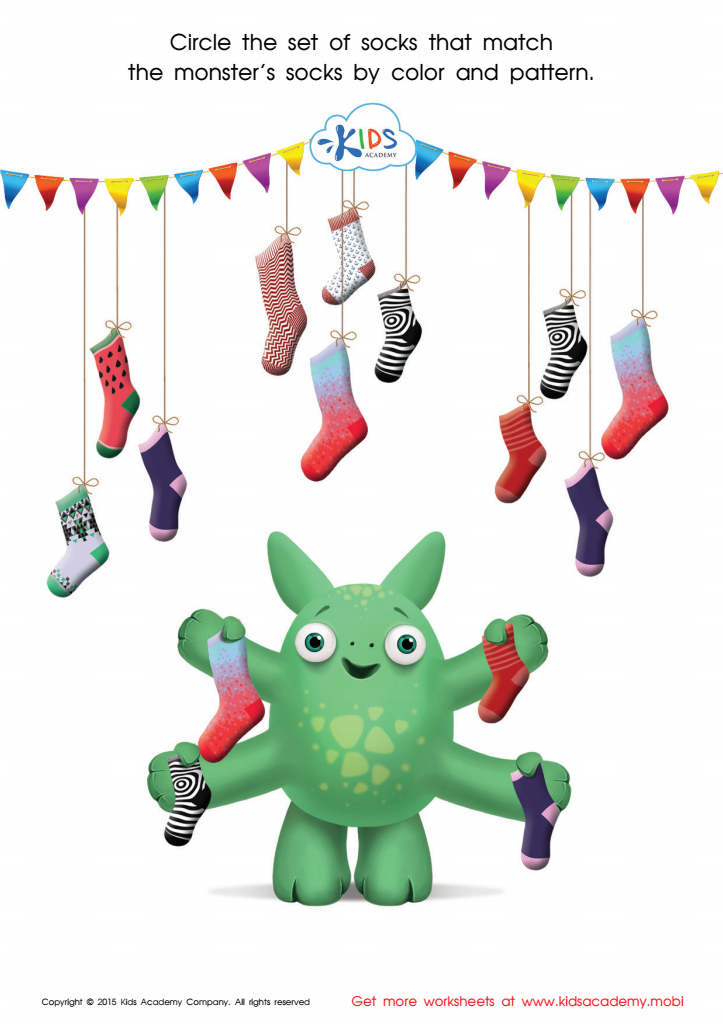
Sort the Monster's Socks Worksheet
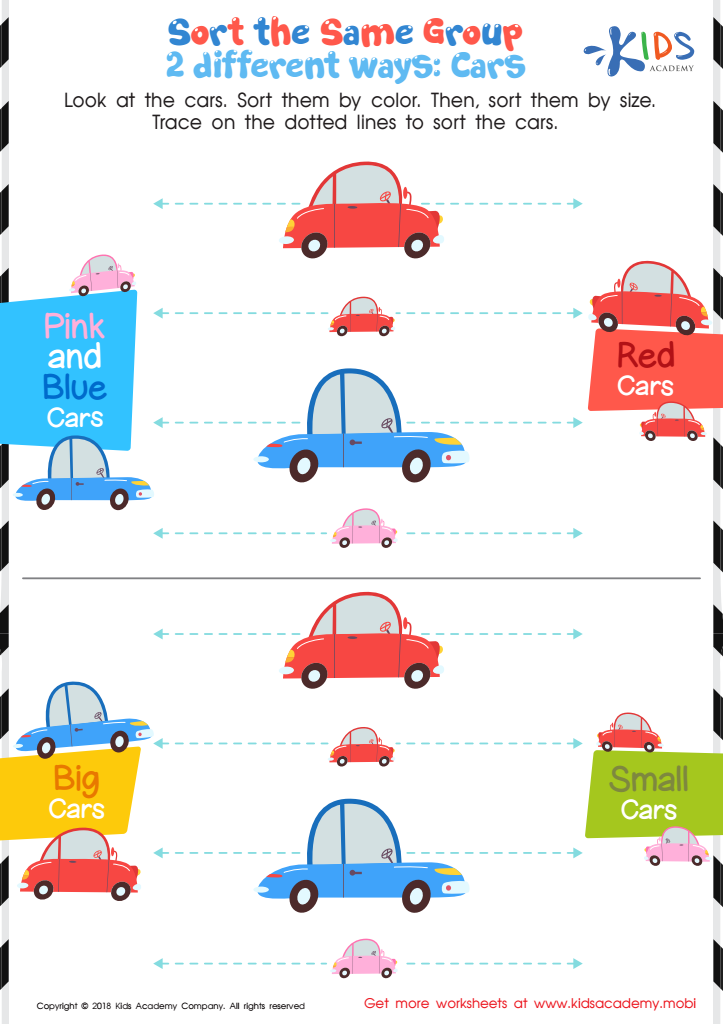
Sort the Same Group 2 Different Ways: Cars Worksheet
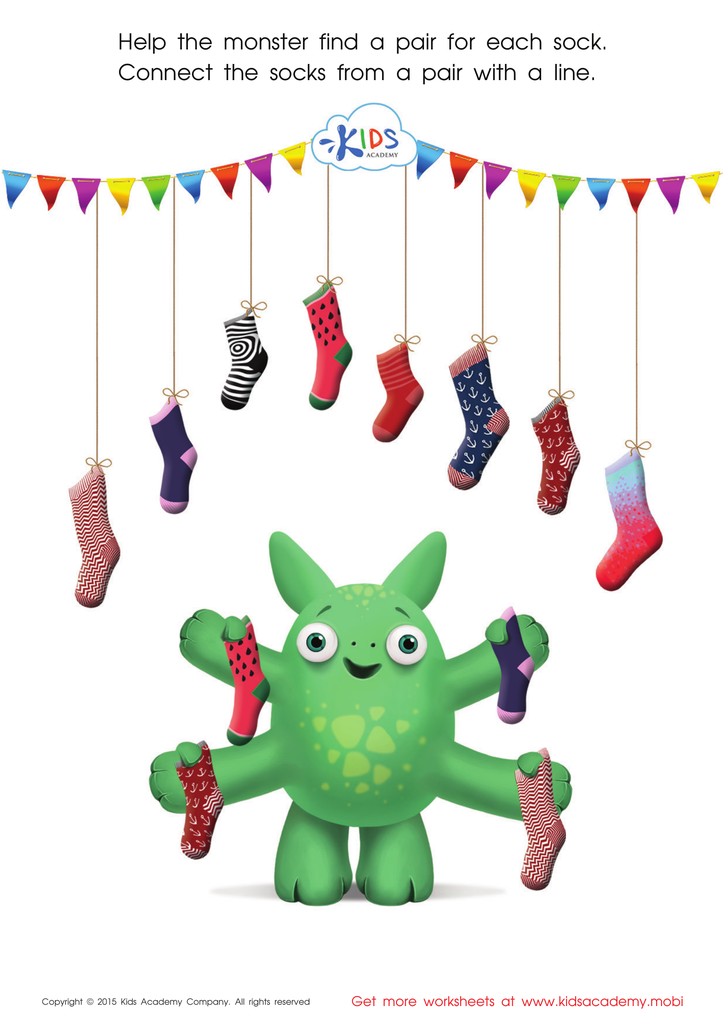
Math Matching Game: Monsterв's Socks Worksheet
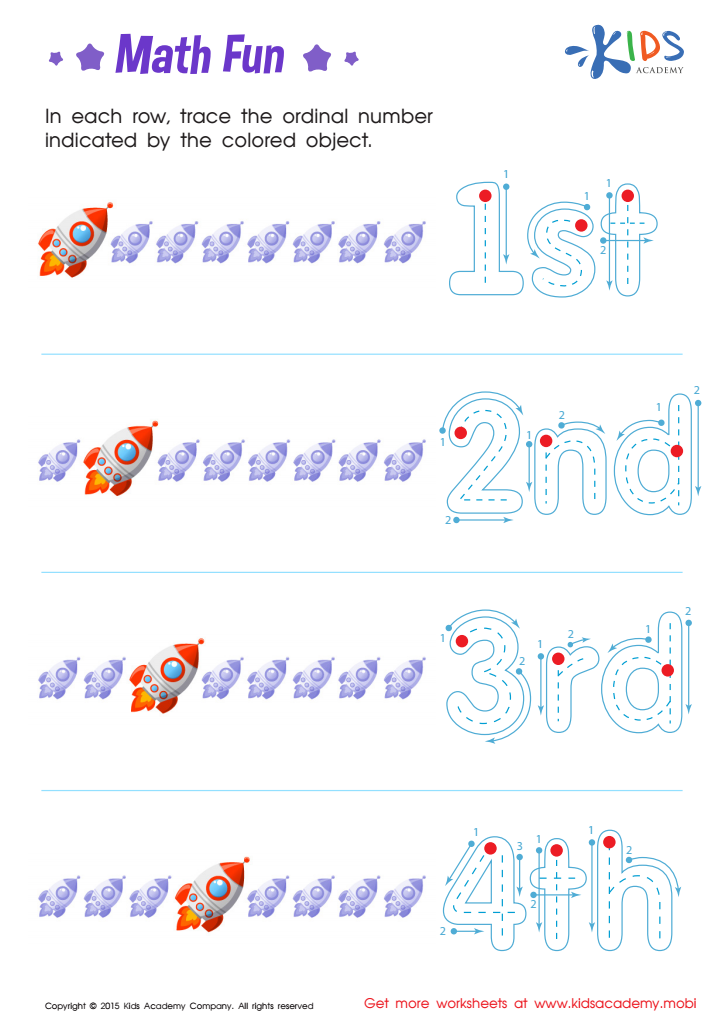
Ordinal Numbers: Math Fun Worksheet
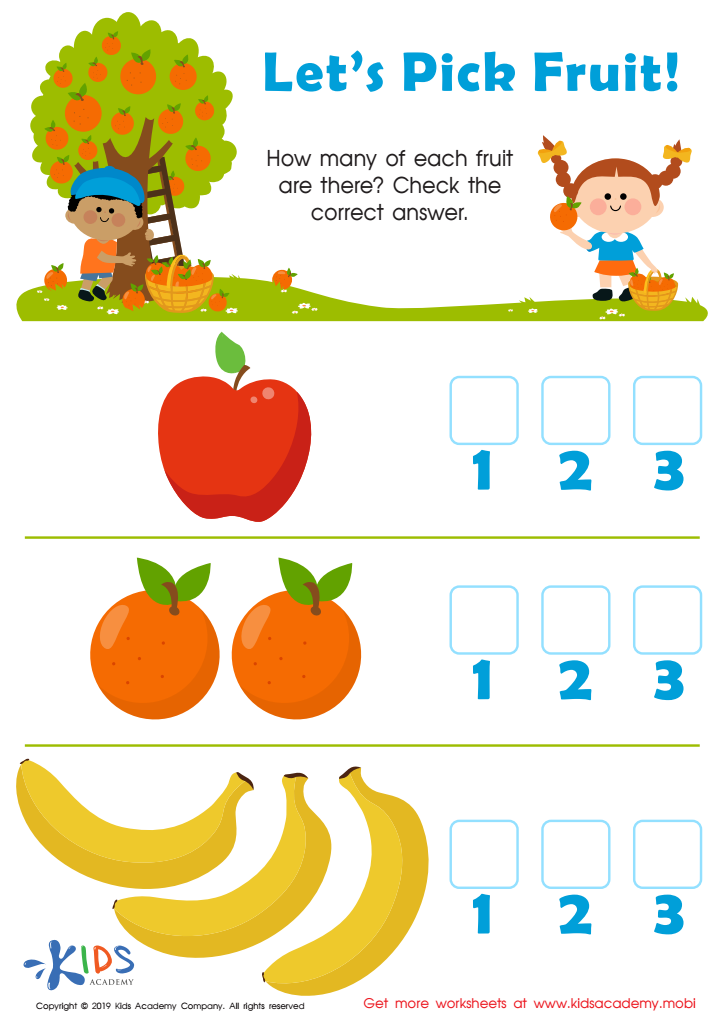
Let's Pick Fruit Worksheet
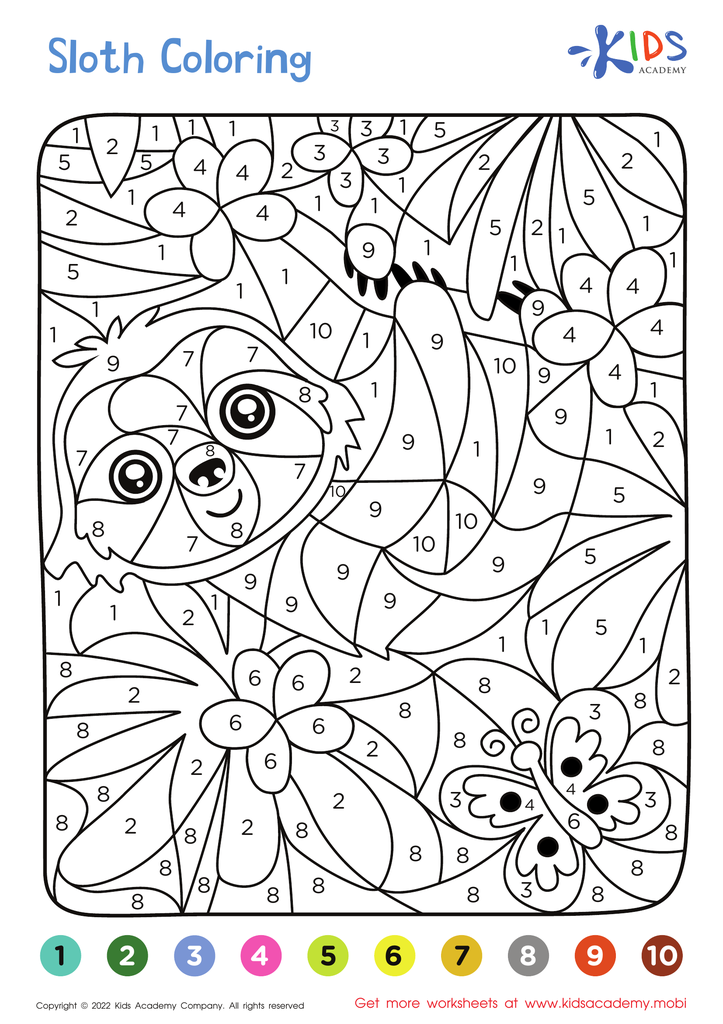
Sloth – Coloring by Numbers
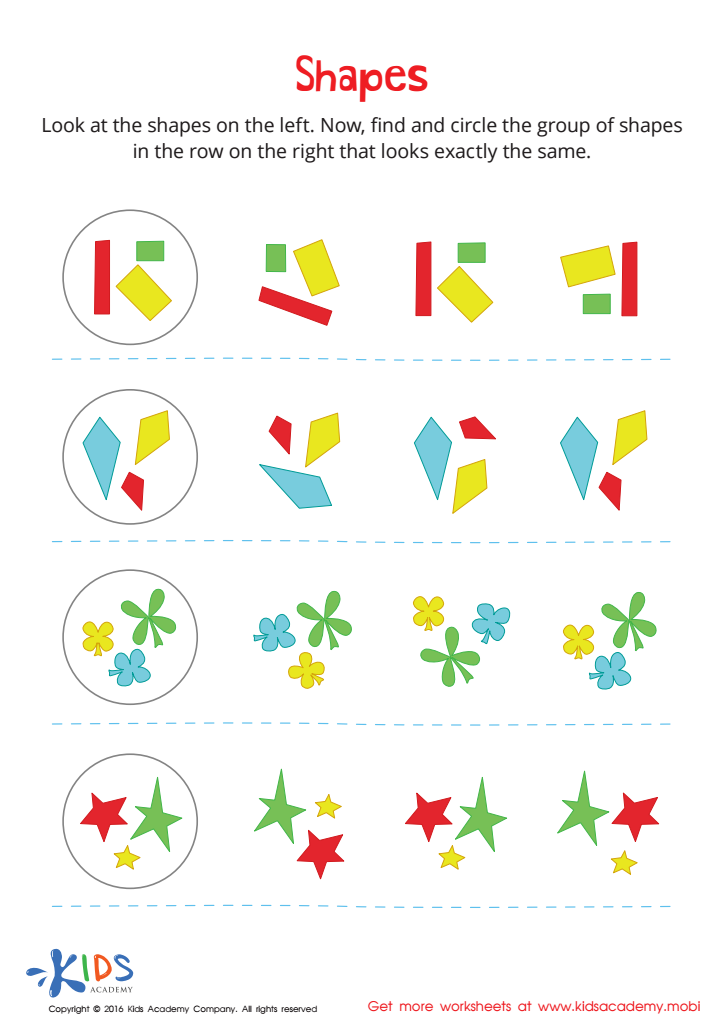
Shapes Worksheet
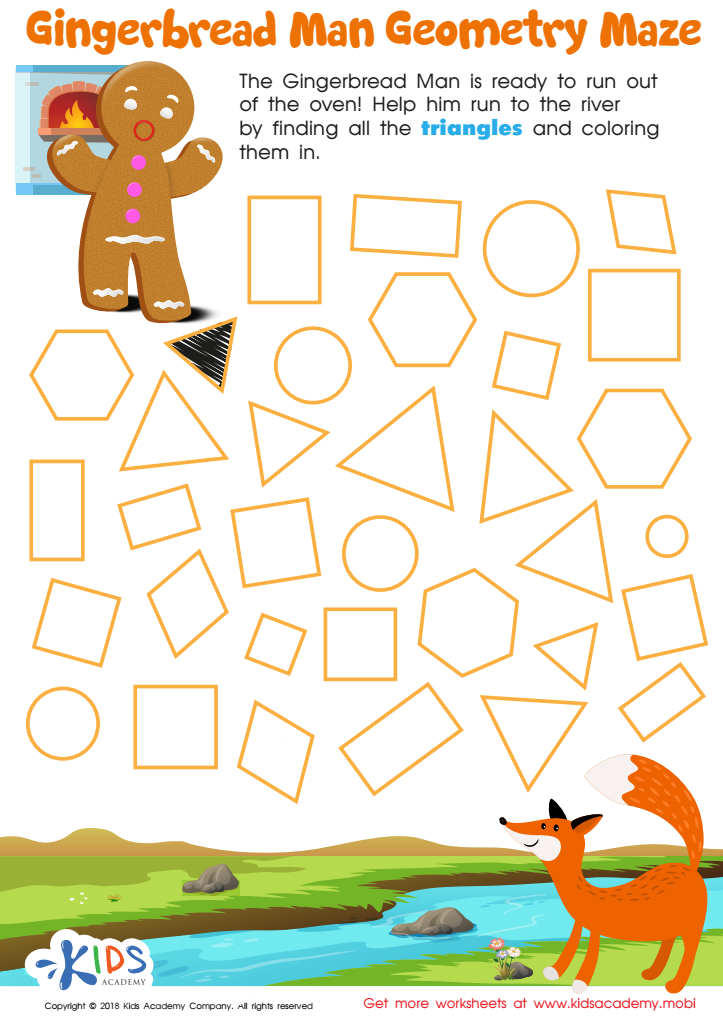
Gingerbread Man Geometry Maze Worksheet
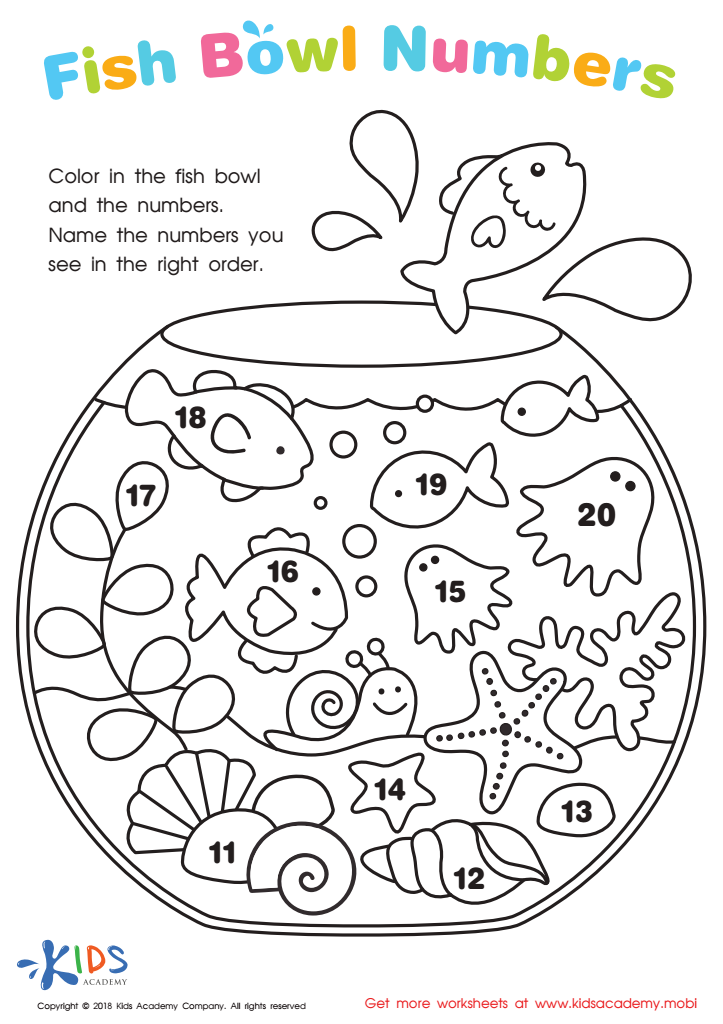
Fish Bowl Numbers Worksheet
Assign to My Students
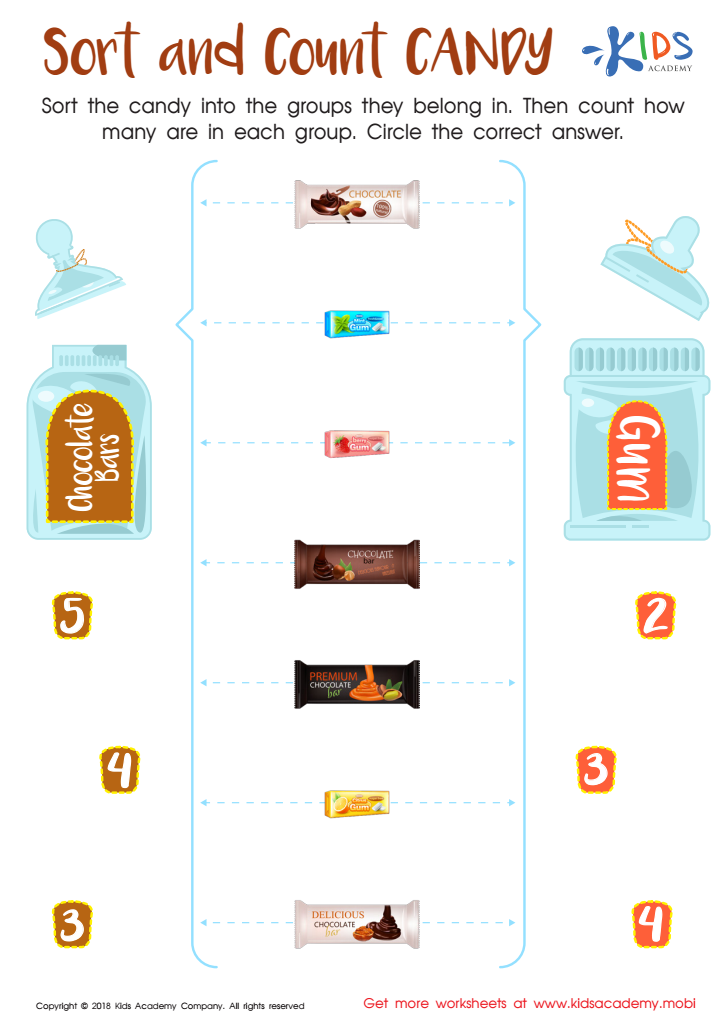
Sort and Count Candy Worksheet
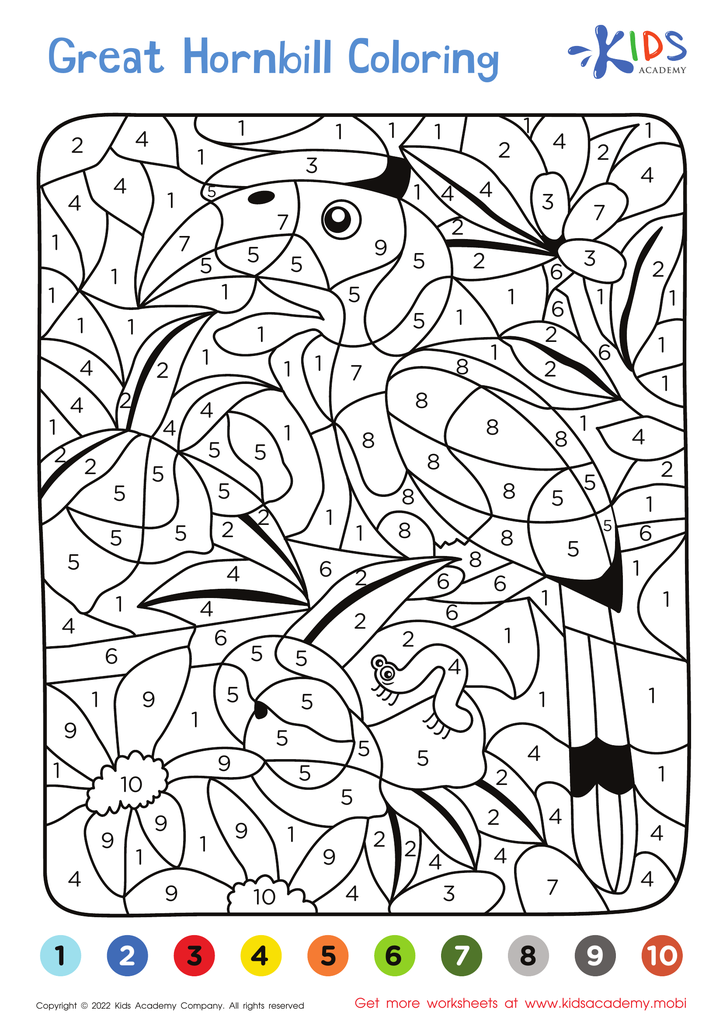
Great Hornbill – Coloring by Numbers
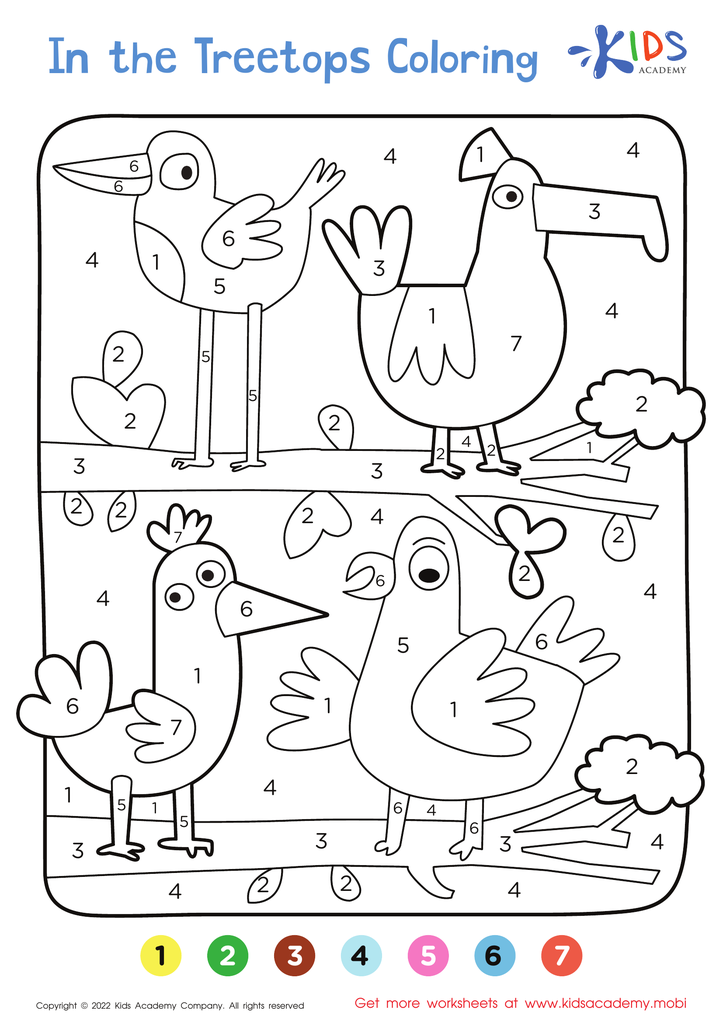
In the Treetops – Coloring Page
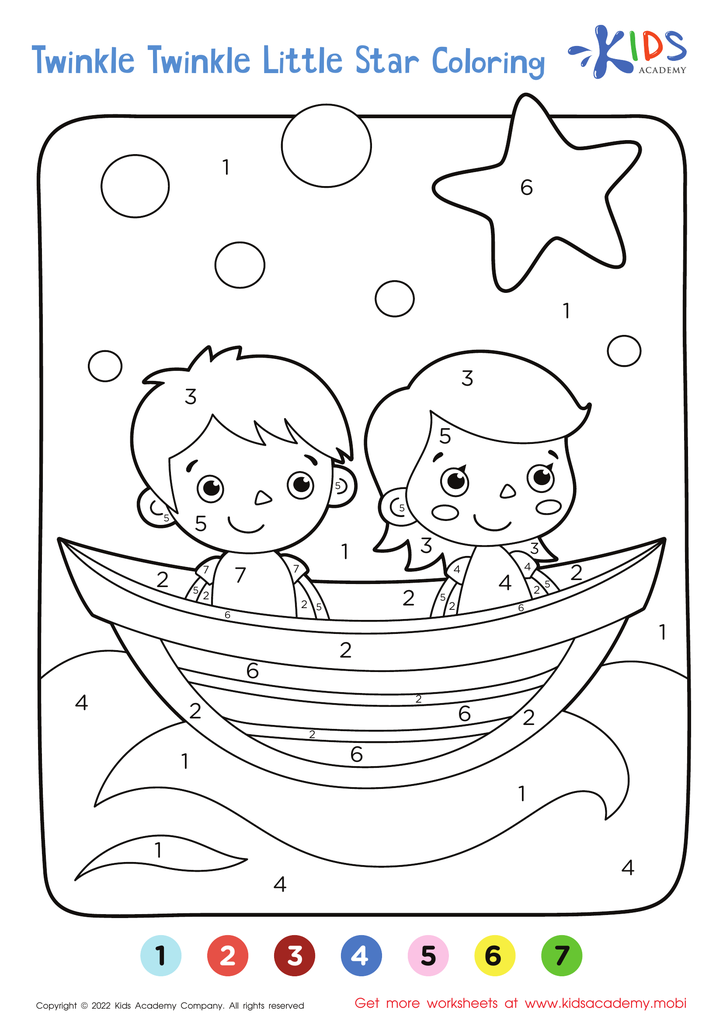
Twinkle, Twinkle, Little Star – Coloring by Numbers
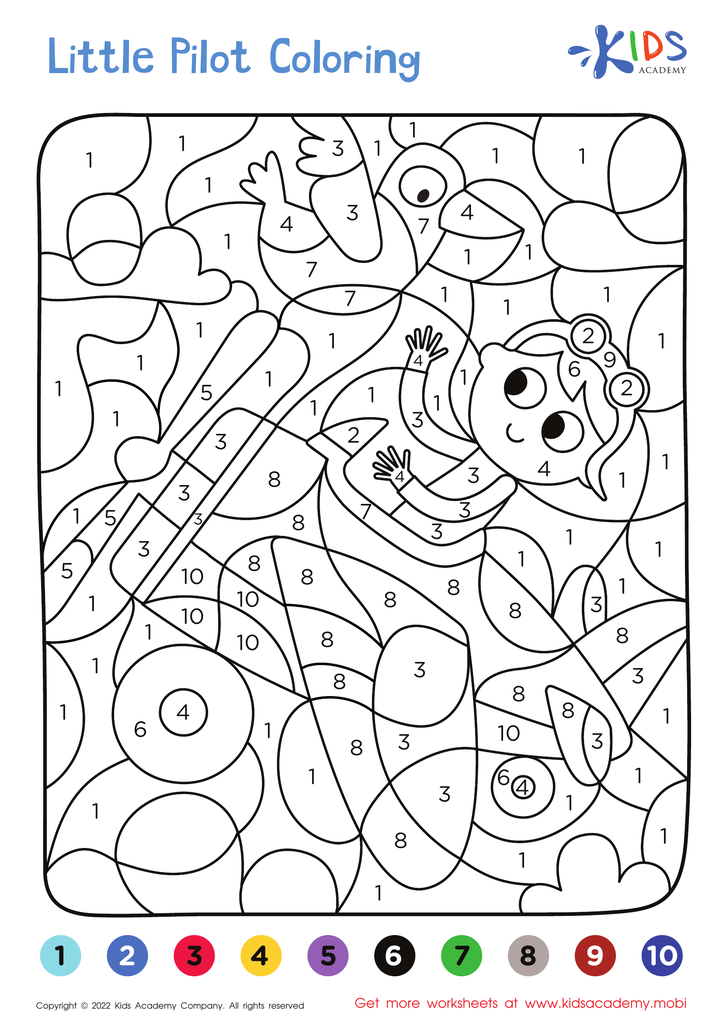
Little Pilot – Coloring by Numbers
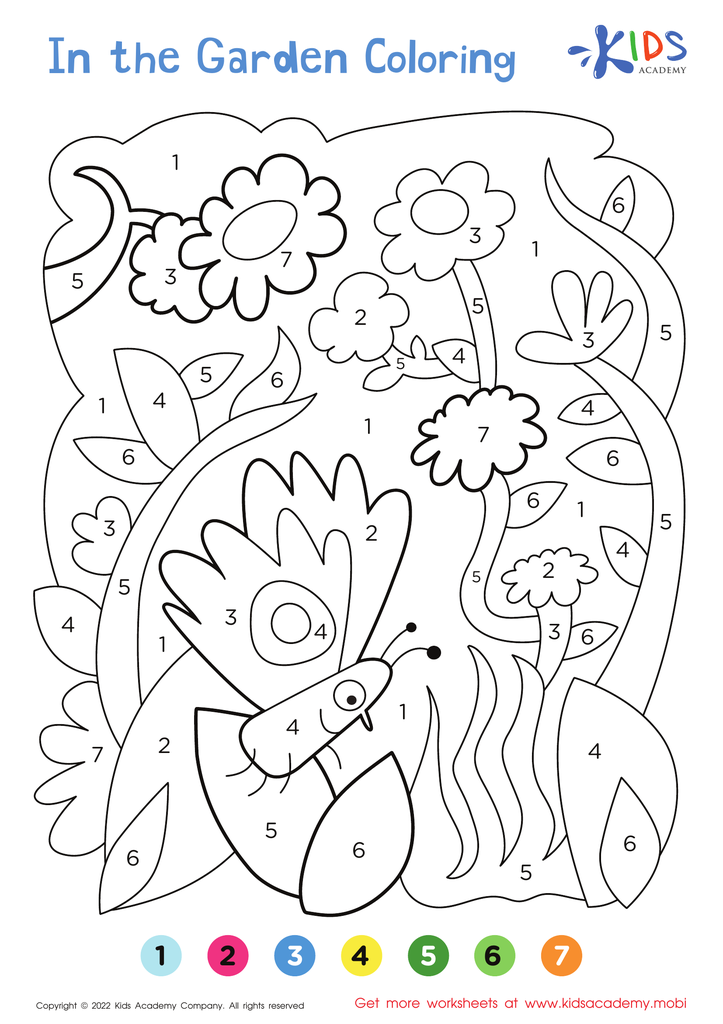
In the Garden – Coloring by Numbers
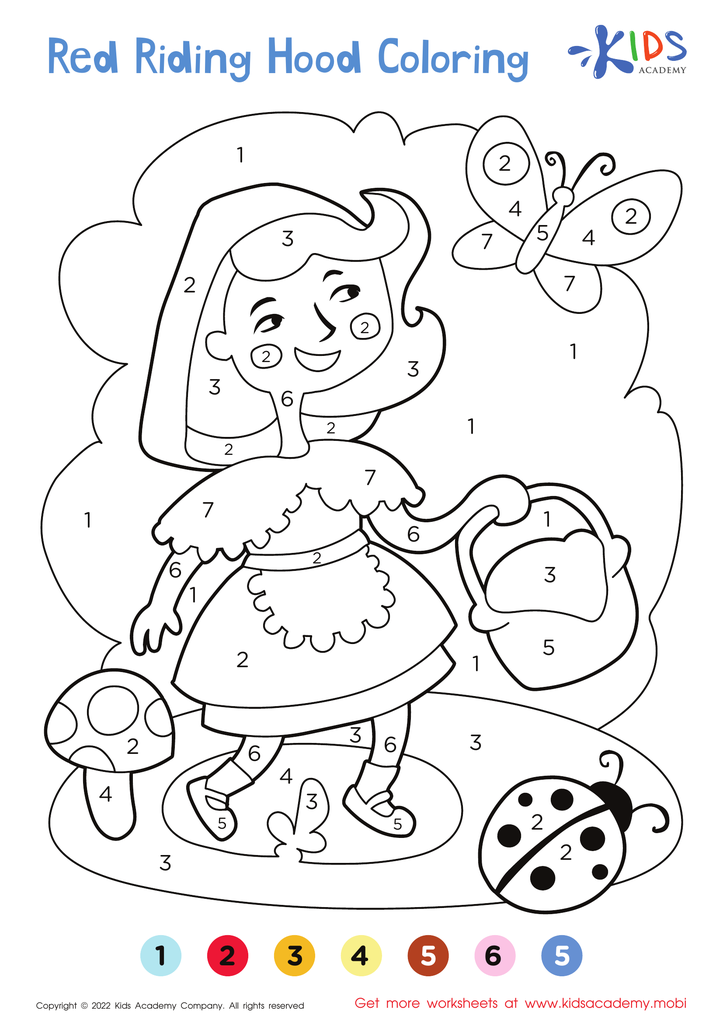
Little Red Riding Hood – Coloring by Numbers








Color recognition is a fundamental aspect of early childhood education that plays a significant role in the development of various cognitive skills, particularly in math for children aged 4-5. First, recognizing and naming colors enhances children's ability to categorize and classify objects, which directly feeds into mathematical reasoning. For example, when children identify and group red, blue, or green items, they are practicing early data sorting skills crucial for future math concepts.
Furthermore, incorporating color recognition in math activities enhances engagement and enjoyment. Children are more likely to participate in learning when it's visually stimulating. Activities such as sorting colored blocks or counting colored objects can make abstract mathematical concepts more tangible.
Additionally, understanding colors aids in following instructions in STEM activities, as directions often involve discerning different colors. It also helps in recognizing patterns, a key skill in mathematics.
By prioritizing color recognition in educational settings, parents and teachers foster an enriching environment that strengthens foundation-building skills for more complex math. Ultimately, enhancing color recognition equips children with valuable tools that contribute to their overall academic success in later years. Hence, it’s crucial for parents and educators to support such early learning experiences.








