Nature appreciation Math Worksheets for Ages 4-5
5 filtered results
-
From - To
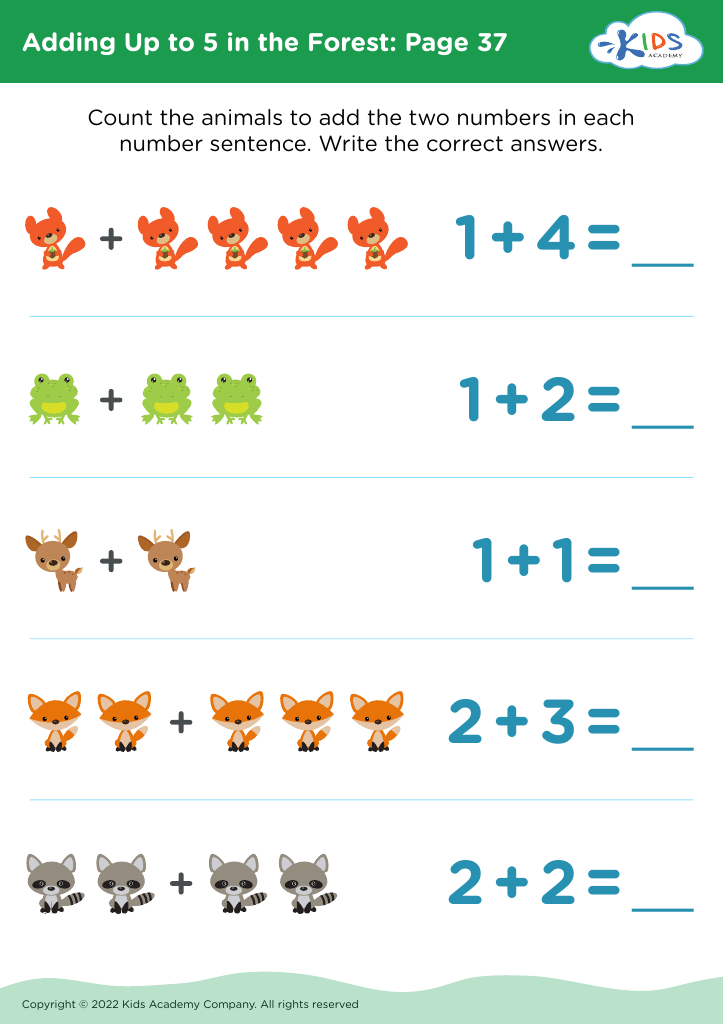
Nurture a love for nature and math in young learners with our specially designed Nature Appreciation Math Worksheets for Ages 4-5. These engaging and educational worksheets blend outdoor themes with essential early math skills, such as counting, pattern recognition, and basic arithmetic. Each worksheet features vibrant illustrations of animals, plants, and natural landscapes, making learning fun and visually appealing for preschoolers. Perfect for homeschooled kids, classroom activities, or extra practice, our nature-inspired printables are an excellent way to spark curiosity and foster a holistic understanding of the world around them while building a strong mathematical foundation.
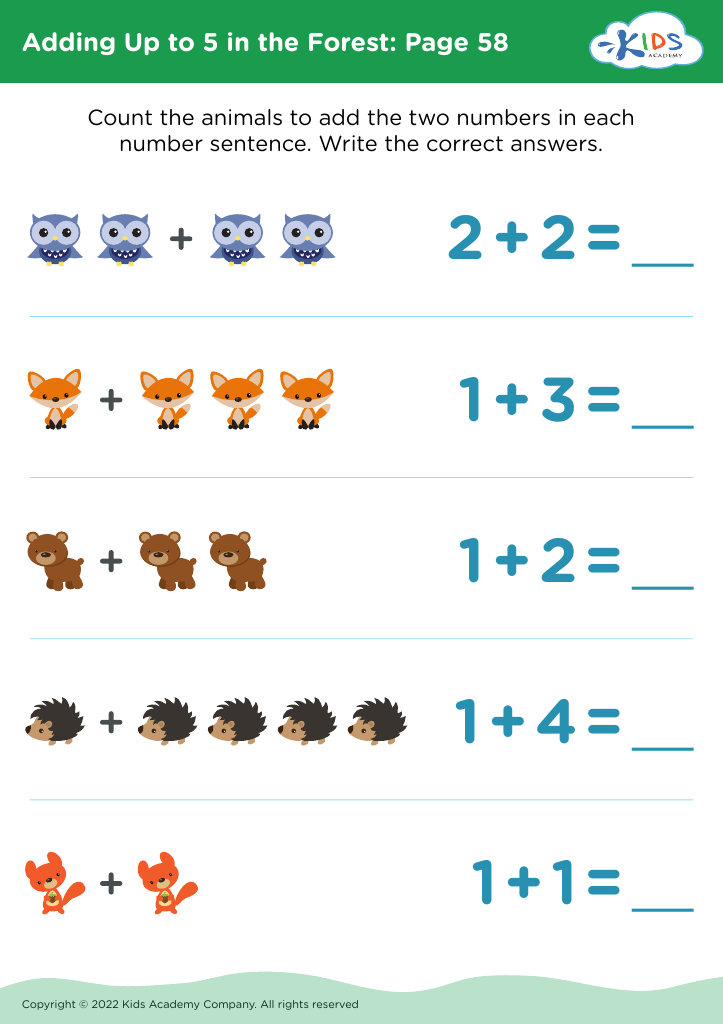
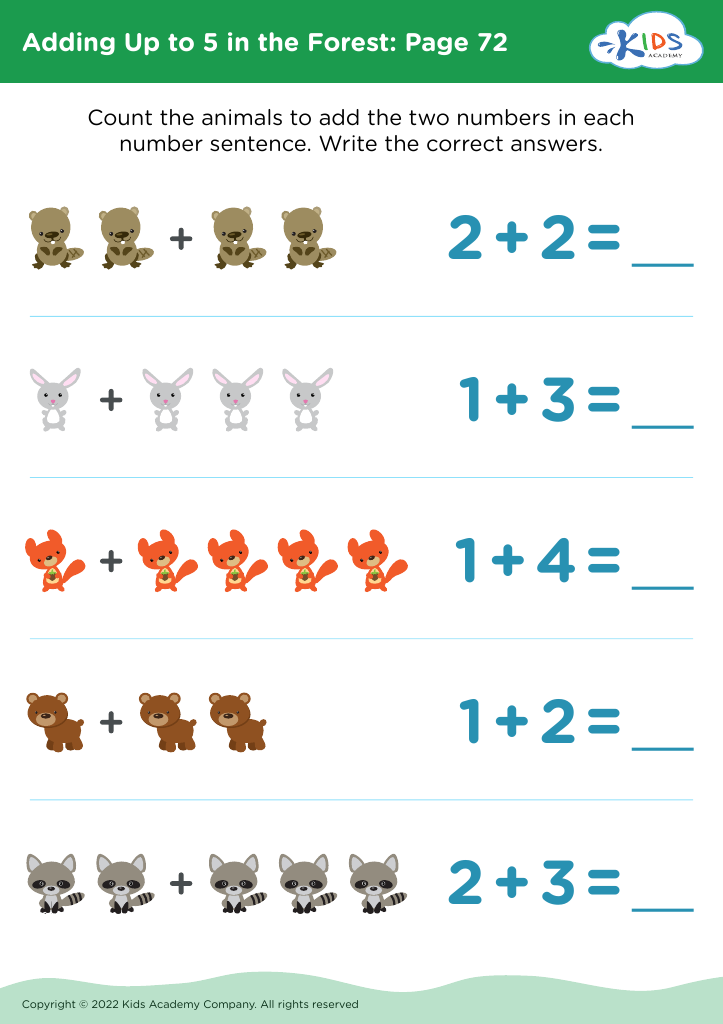
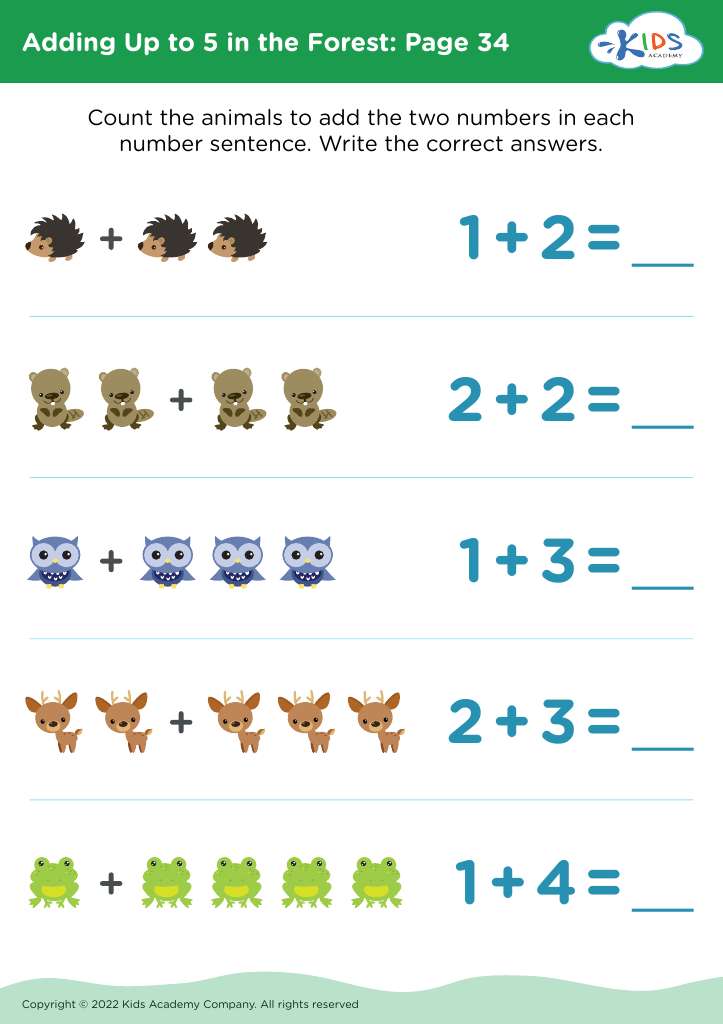
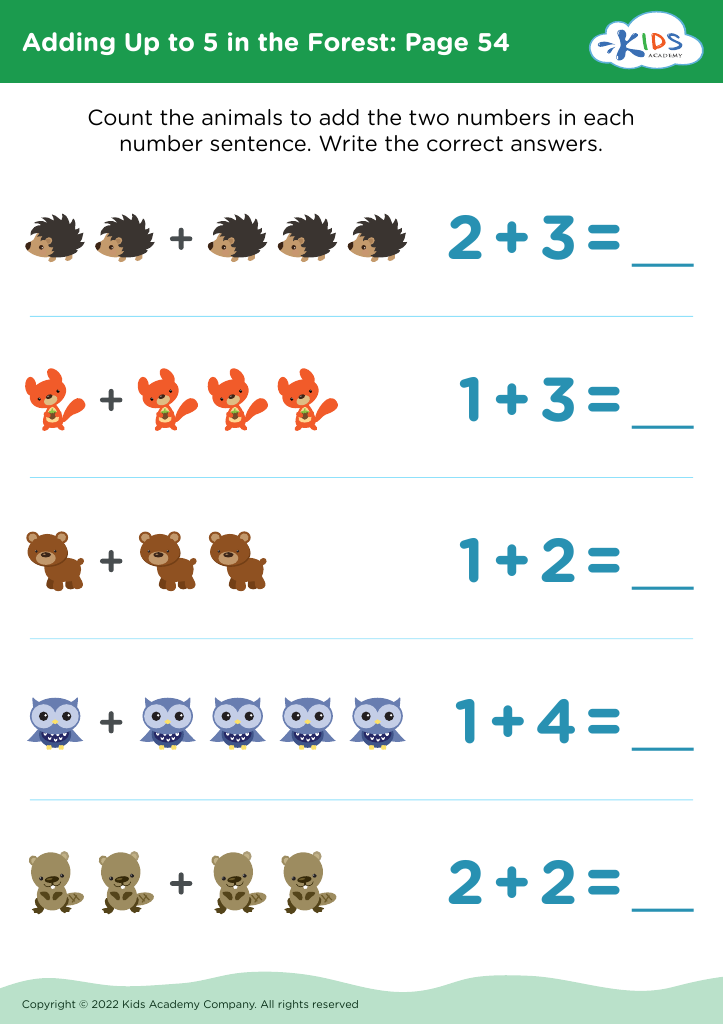



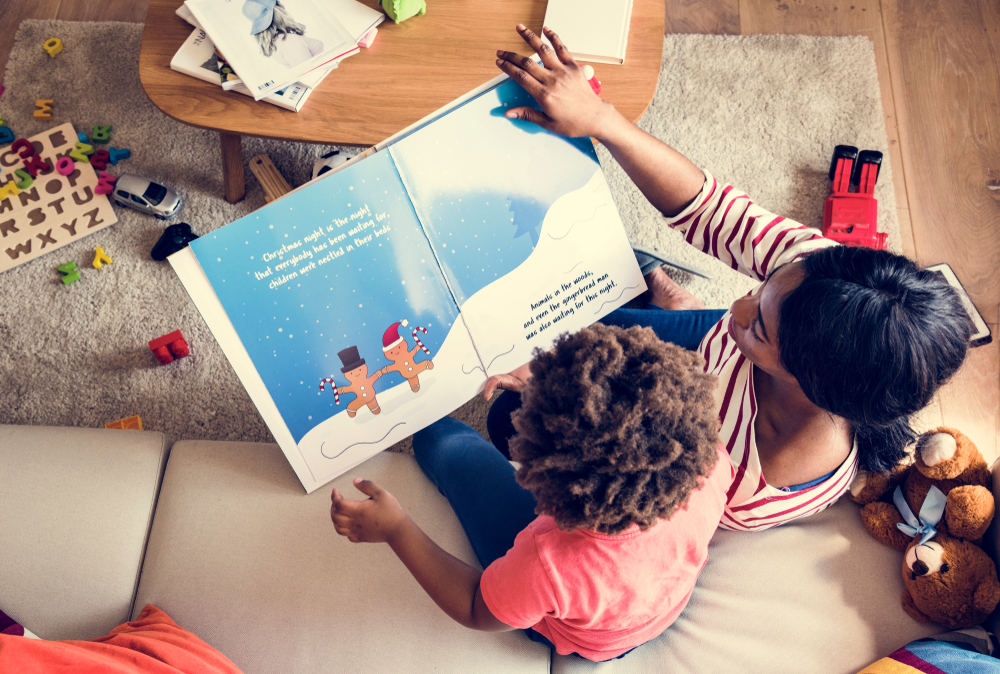



Parents and teachers should deeply value incorporating Nature Appreciation Math for children aged 4-5 because it is instrumental in holistic development. At this formative stage, children are naturally curious, and combining their innate wonder with mathematical concepts can create a rich, engaging learning experience. Nature provides a dynamic, vibrant classroom that stimulates all the senses and offers abundant opportunities for exploring fundamental math skills through real-life contexts.
By engaging with patterns on leaves, counting pebbles, or observing the symmetry of flowers, children begin to see the practical application of math in the world around them. This immersive learning cultivates critical thinking and problem-solving skills as they categorize, compare, and measure natural objects. It fosters a growth mindset, allowing children to approach math with curiosity rather than apprehension.
Moreover, outdoor learning supports physical and emotional well-being, connecting children to the natural world and encouraging a sense of responsibility for environmental stewardship. It also bridges the gap between academic learning and environmental education, making math more relatable and enjoyable. By nurturing nature appreciation through math, parents and teachers lay a strong foundation for lifelong learning and a deep-seated appreciation for both the natural world and mathematics.








