Filters

598 filtered results

Clear all filters
Favorites
With answer key
Interactive

598 filtered results

Difficulty Level

Grade


Check out this FREE Trial Lesson on Math for age 4-5!

Adding with 1's

Favorites
With answer key
Interactive
  • 4-5
  • Number Recognition
  • Math
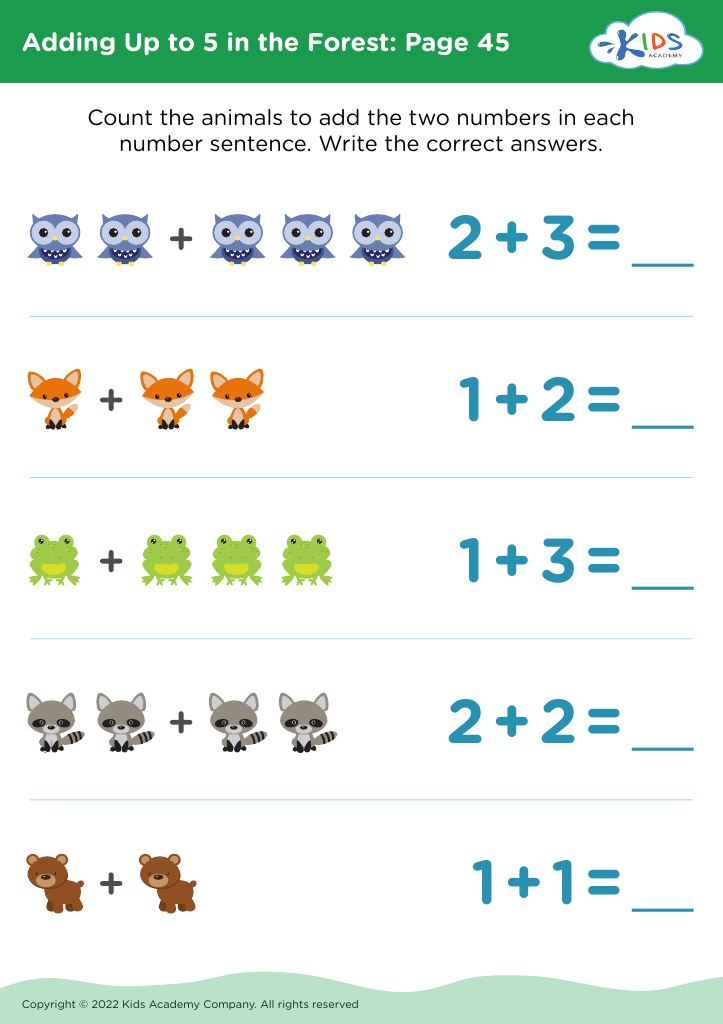
Adding Up to 5 in the Forest: Page 45
Worksheet
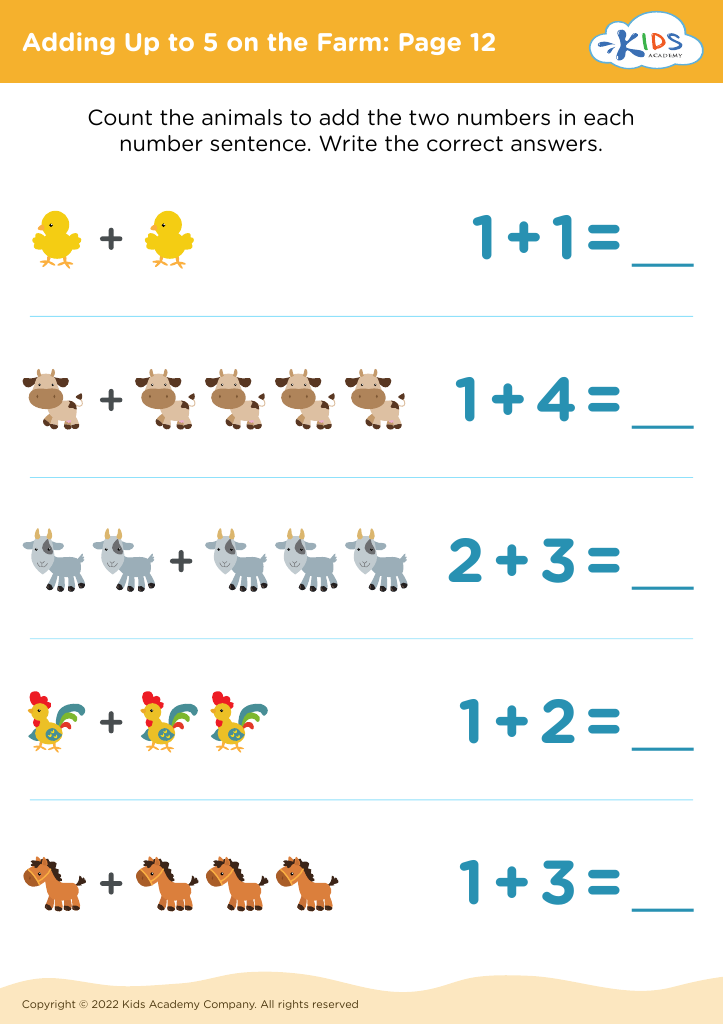
Adding Up to 5 on the Farm: Page 12
Worksheet
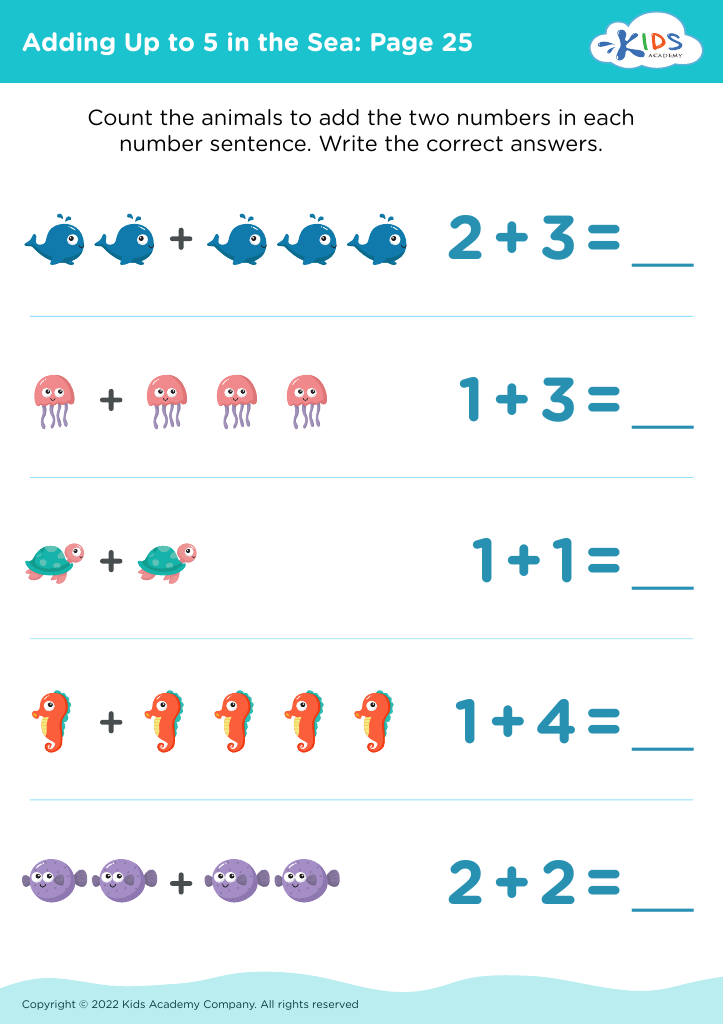
Adding Up to 5 in the Sea: Page 25
Worksheet
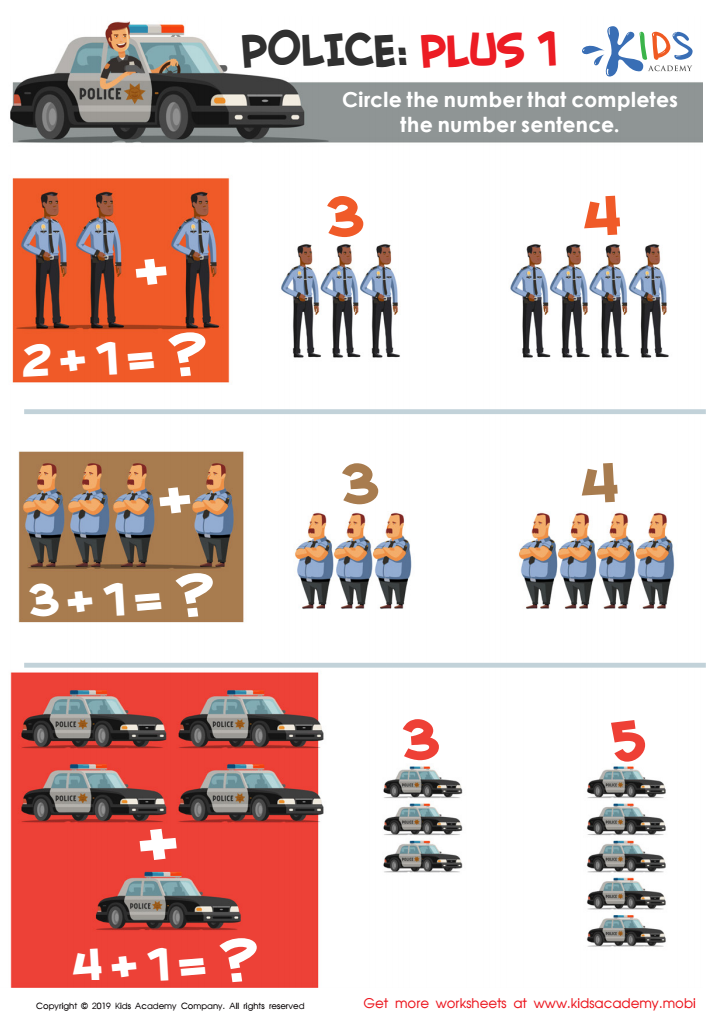
Police: Plus 1 Worksheet

Police: Plus 1 Worksheet

Help your kids count the policemen in the worksheet and circle the number that completes the number sentence. It's a great way to improve their counting and addition skills. Discuss with your kids how policemen contribute to the community too.
Police: Plus 1 Worksheet
Worksheet
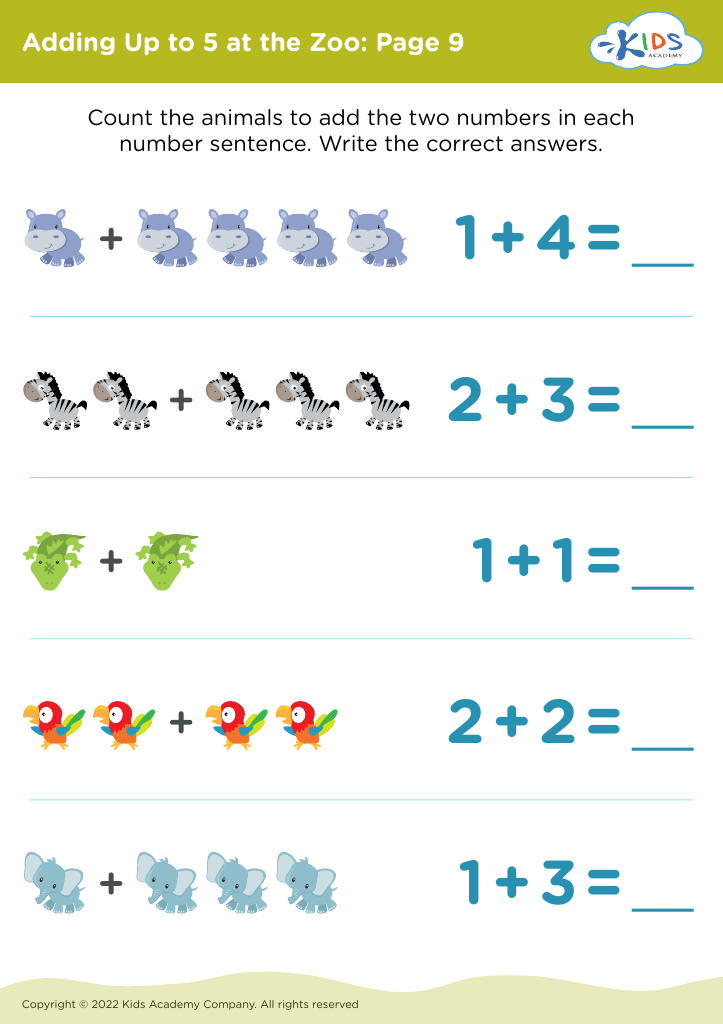
Adding Up to 5 at the Zoo: Page 9

Adding Up to 5 at the Zoo: Page 9

Adding Up to 5 at the Zoo: Page 9
Worksheet
Addition Worksheet for 2nd Grade

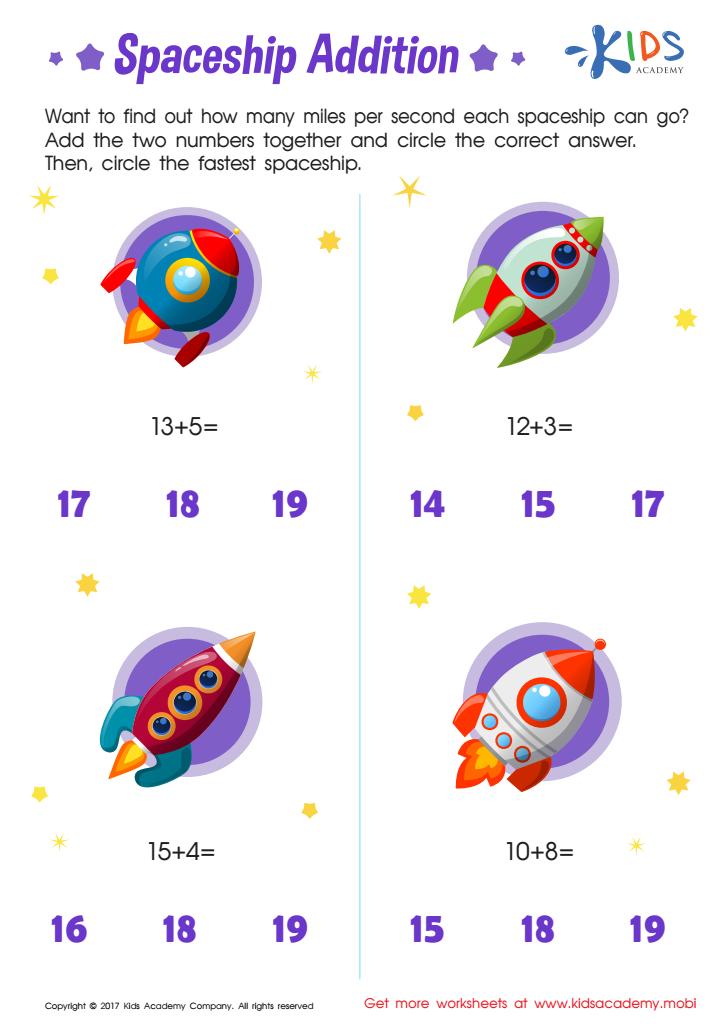
Spaceship Addition Worksheet

Blast off!
Spaceship Addition Worksheet
Worksheet
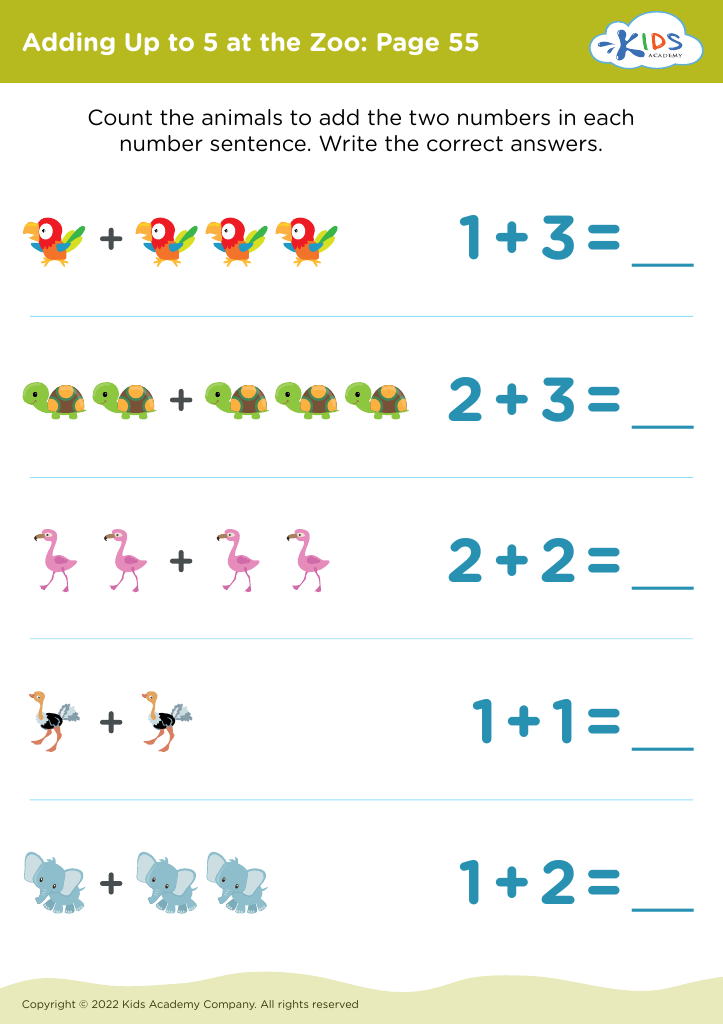
Adding Up to 5 at the Zoo: Page 55
Worksheet
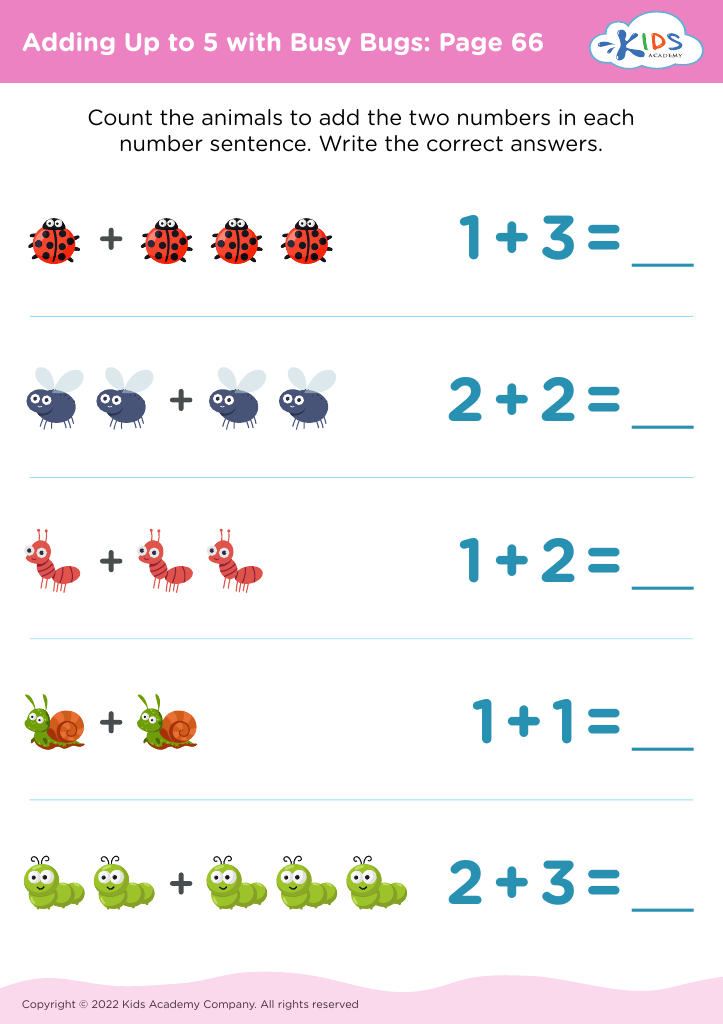
Adding Up to 5 with Busy Bugs: Page 66
Worksheet
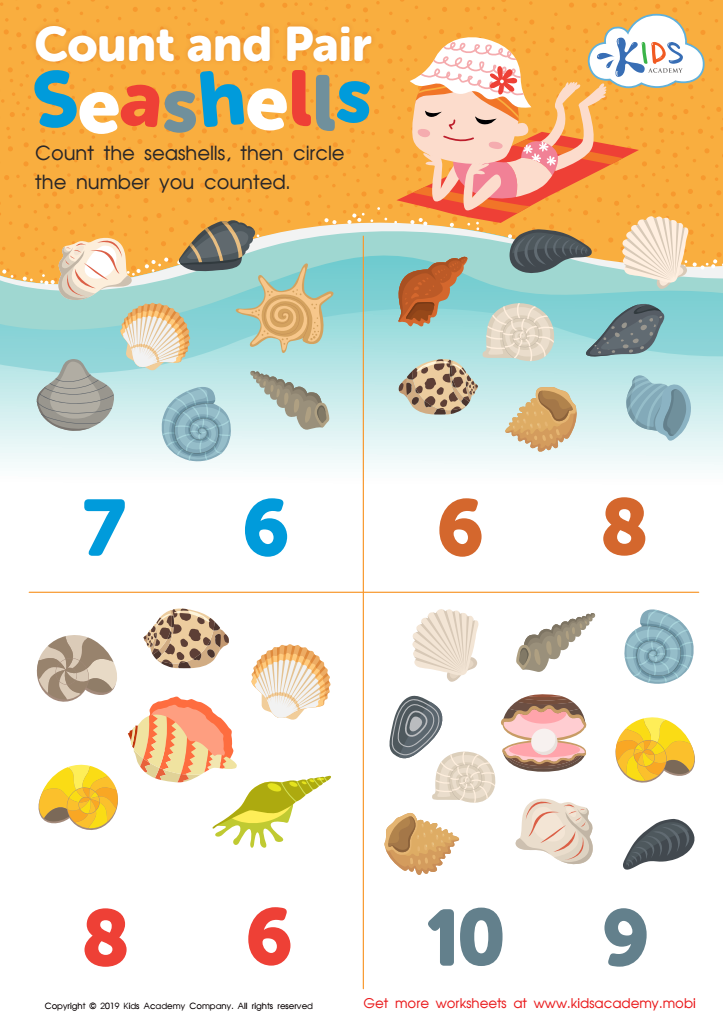
Count and Pair Seashells Worksheet
Count and Pair Seashells Worksheet
Kids love trips to the beach. Ask them to count the shells in the four sets of seashells in this printout - then circle the correct number beneath each set. Let them recall the happy memories of the beach and make this worksheet fun.
Count and Pair Seashells Worksheet
Worksheet
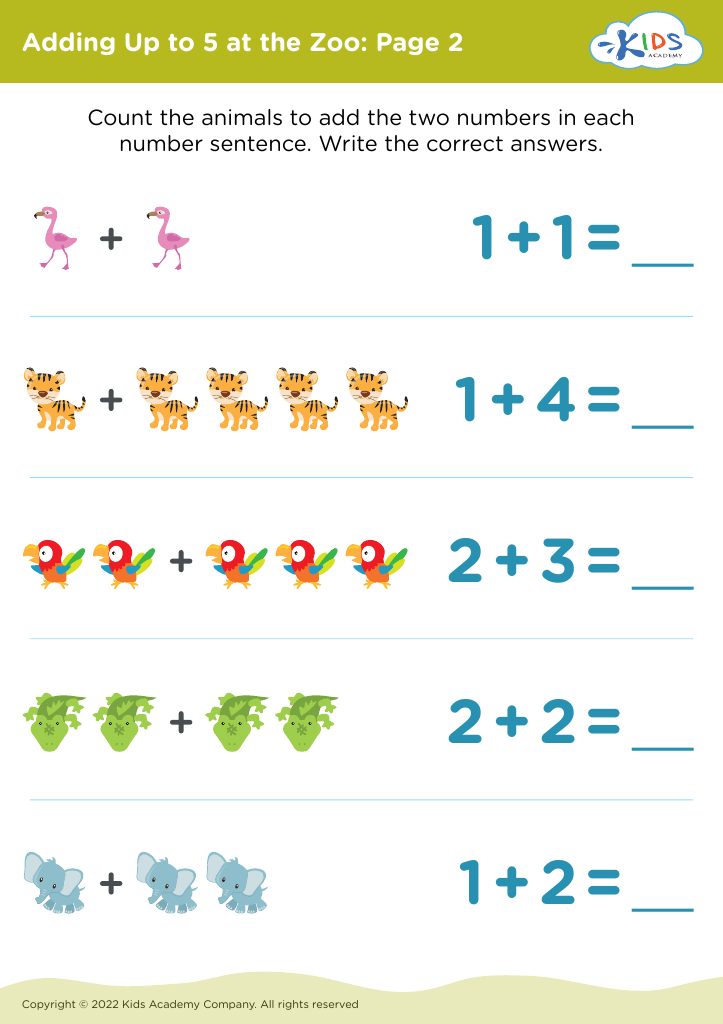
Adding Up to 5 at the Zoo: Page 2

Adding Up to 5 at the Zoo: Page 2

Adding Up to 5 at the Zoo: Page 2
Worksheet
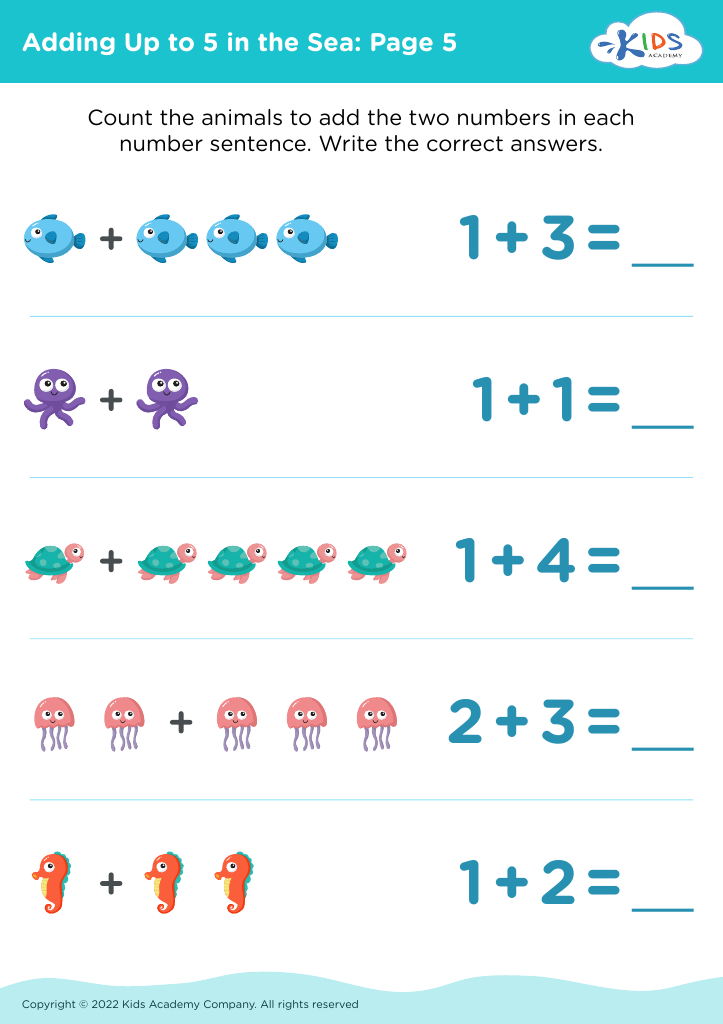
Adding Up to 5 in the Sea: Page 5

Adding Up to 5 in the Sea: Page 5

Adding Up to 5 in the Sea: Page 5
Worksheet
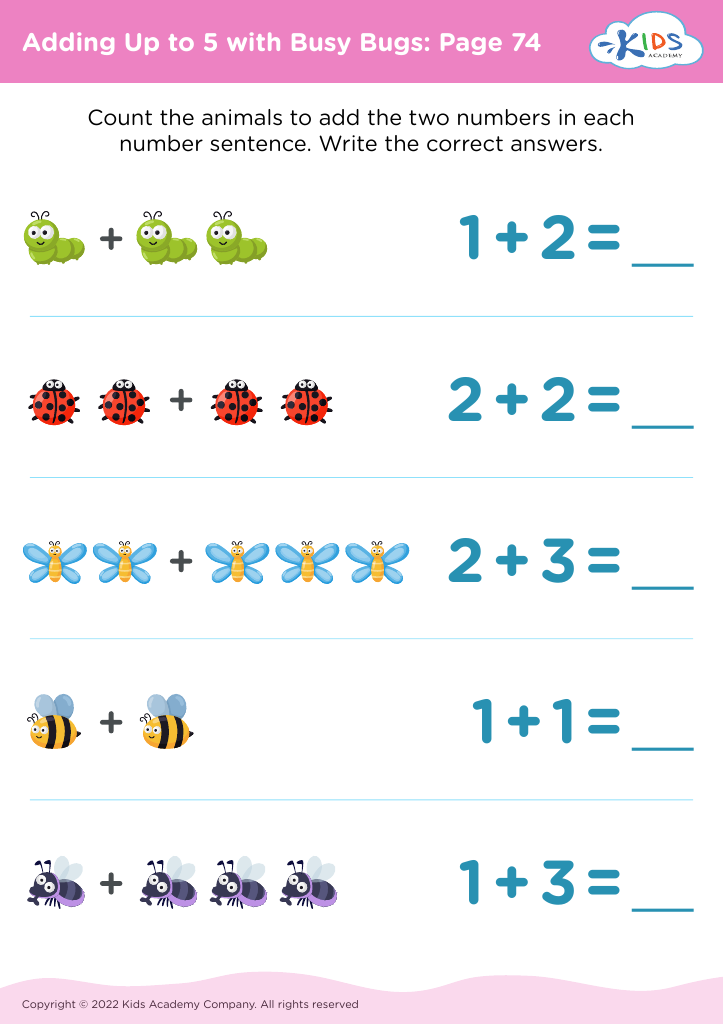
Adding Up to 5 with Busy Bugs: Page 74
Worksheet
none
none

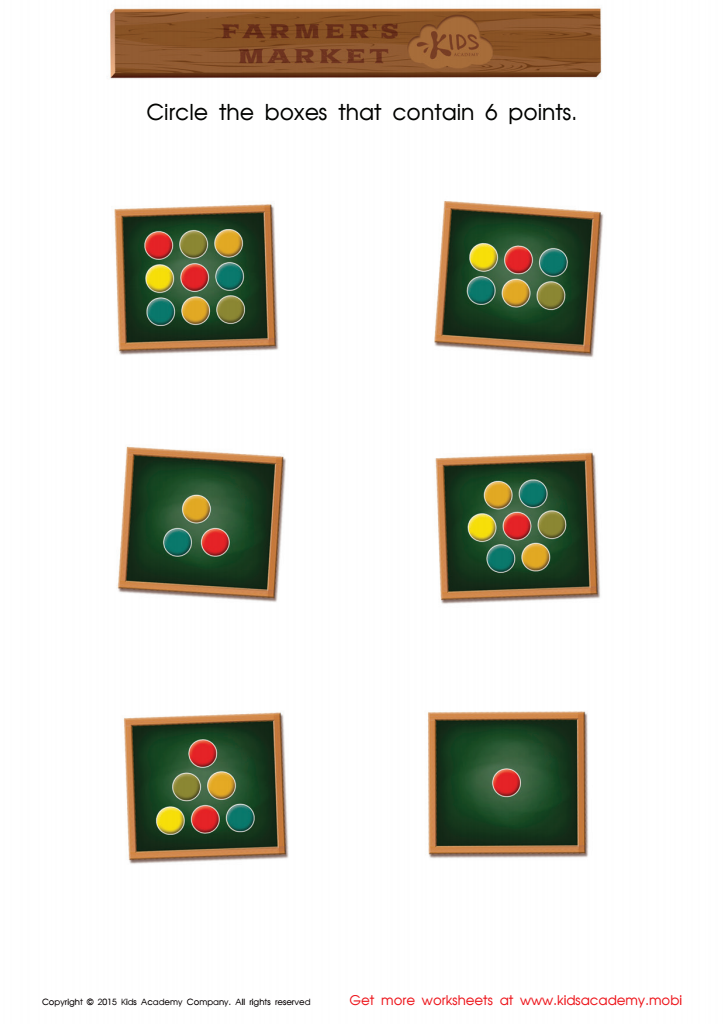
Count and Match Points 6 Math Worksheet
Help your child with mathematics by guiding them with this fun printable worksheet. They will practice counting numbers by looking at all the boxes and circling the ones containing 6 dots. Together you will gain a better understanding of mathematics.
Count and Match Points 6 Math Worksheet
Worksheet
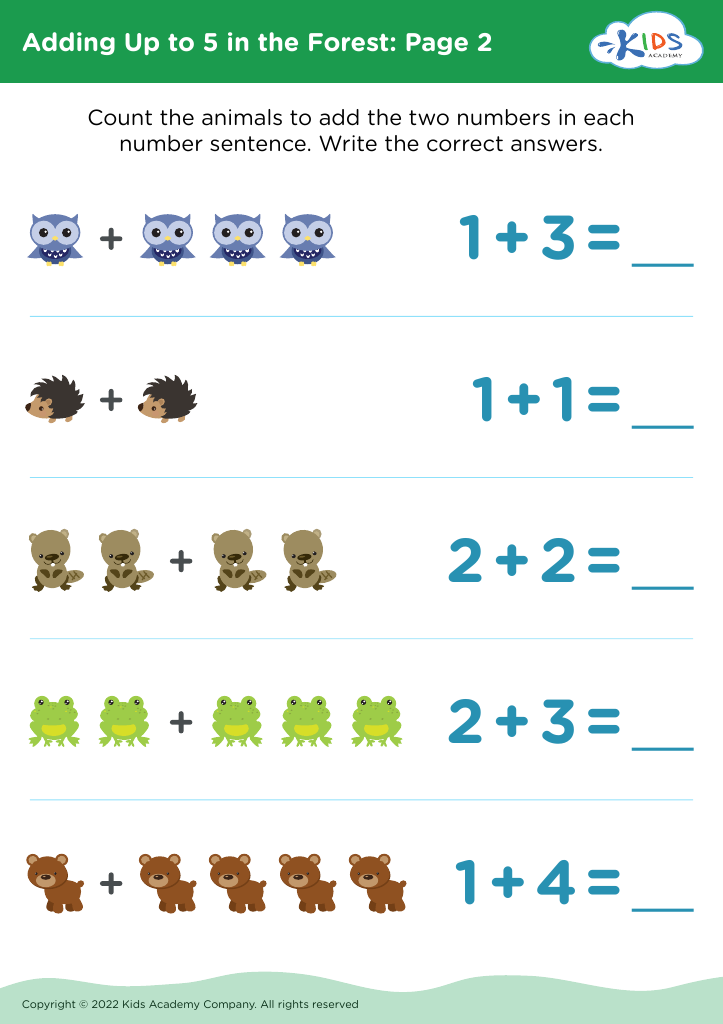
Adding Up to 5 in the Forest: Page 2
Worksheet
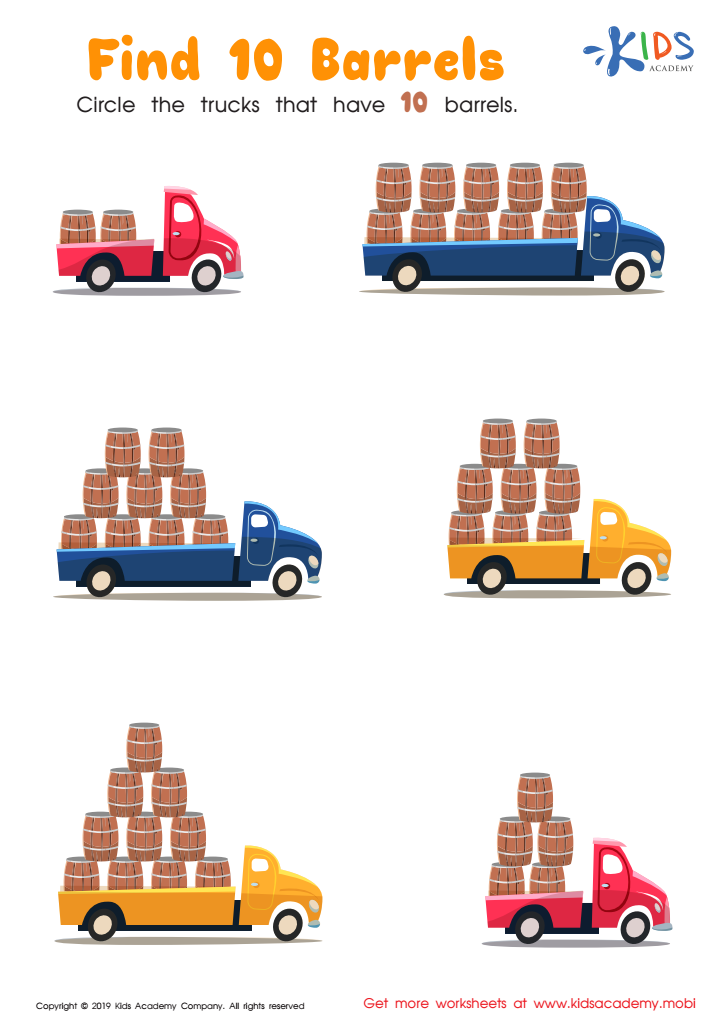
Find 10 Barrels Worksheet

Find 10 Barrels Worksheet

Help your kids learn to count with 1, 2 and 3, then progress to tens and hundreds. Supplied with educational materials and colorful worksheets, they'll be counting as high as they can. Together, count the barrels on the trucks in the printout and encourage them to circle the ones with 10 barrels.
Find 10 Barrels Worksheet
Worksheet
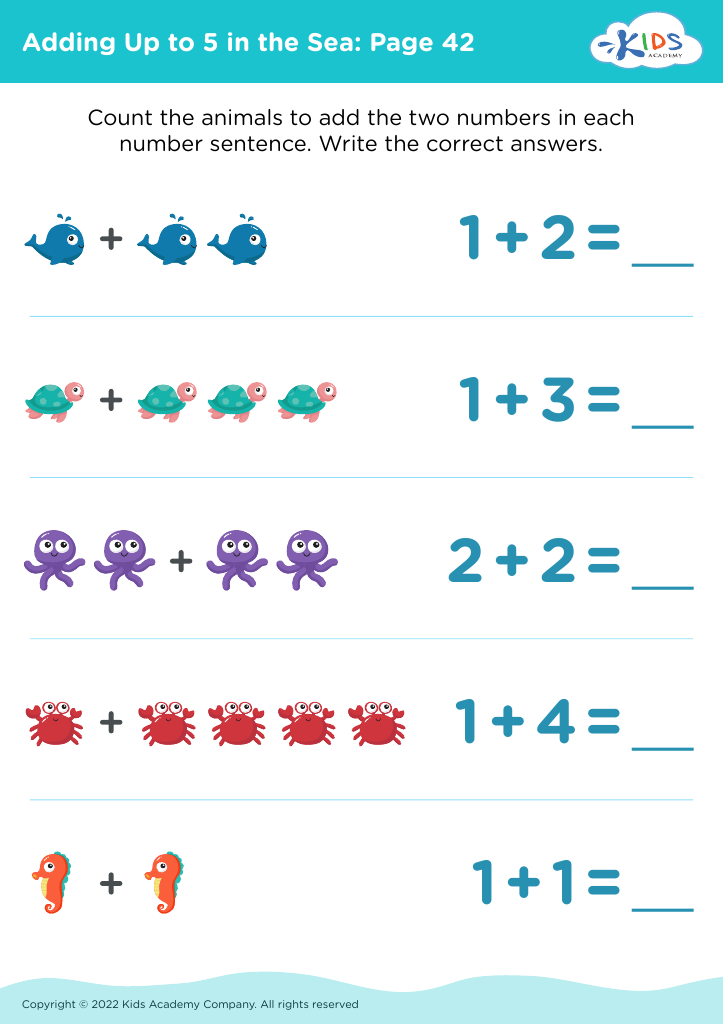
Adding Up to 5 in the Sea: Page 42
Worksheet
Math PDF Worksheet: Count the Deer

Count the Deer Worksheet

Spread festive cheer this holiday season with Kids Academy's Christmas-themed math worksheet! Your little learner can count and color in the cute deer while reinforcing their counting skills. Get your colorful worksheet now and make Christmas counting fun. For more number worksheets, click here.
Count the Deer Worksheet
Worksheet
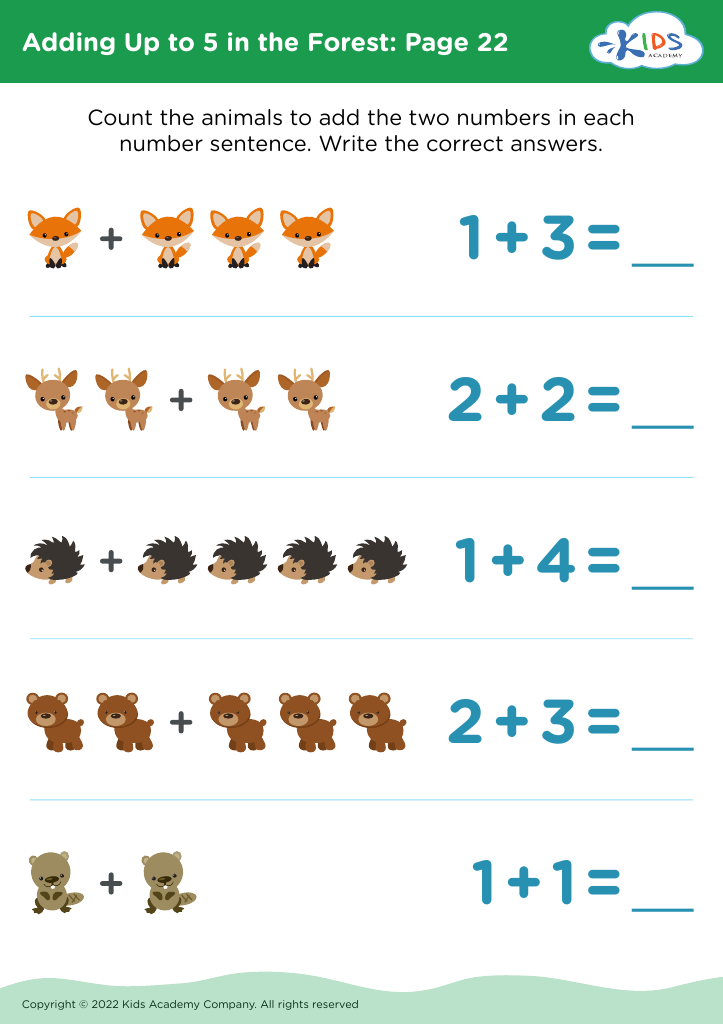
Adding Up to 5 in the Forest: Page 22
Worksheet
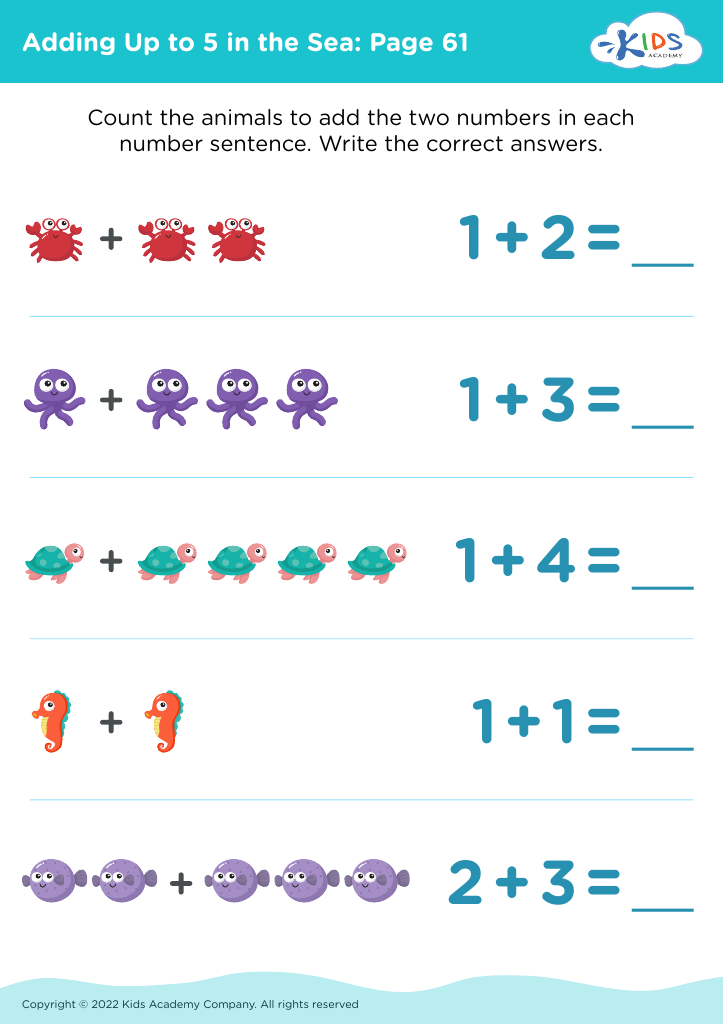
Adding Up to 5 in the Sea: Page 61
Worksheet
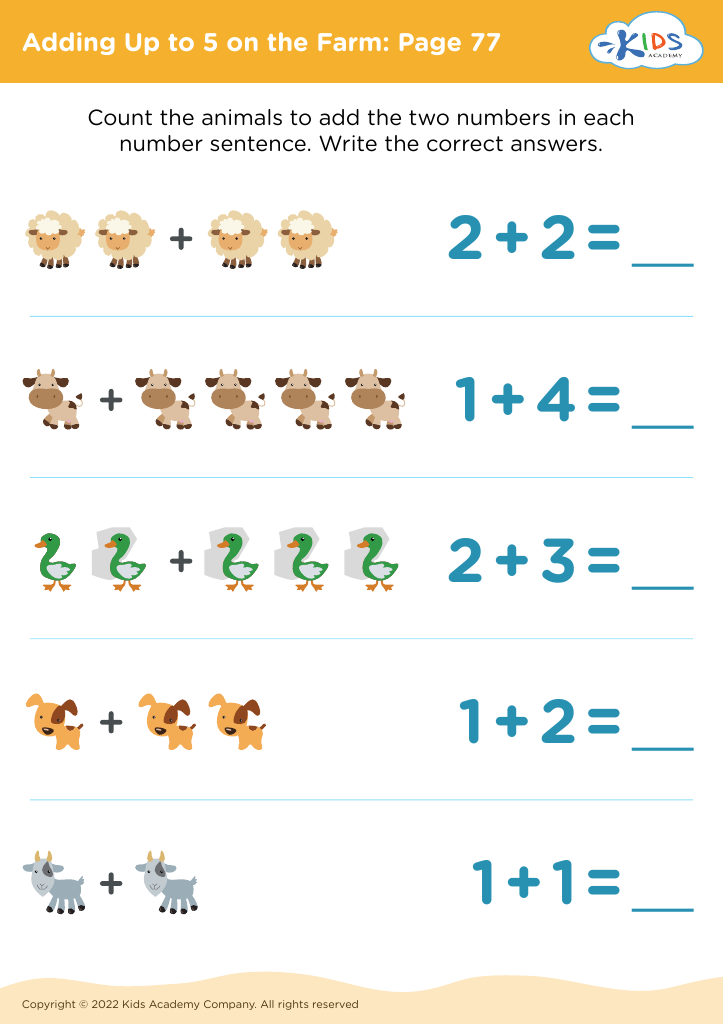
Adding Up to 5 on the Farm: Page 77
Worksheet
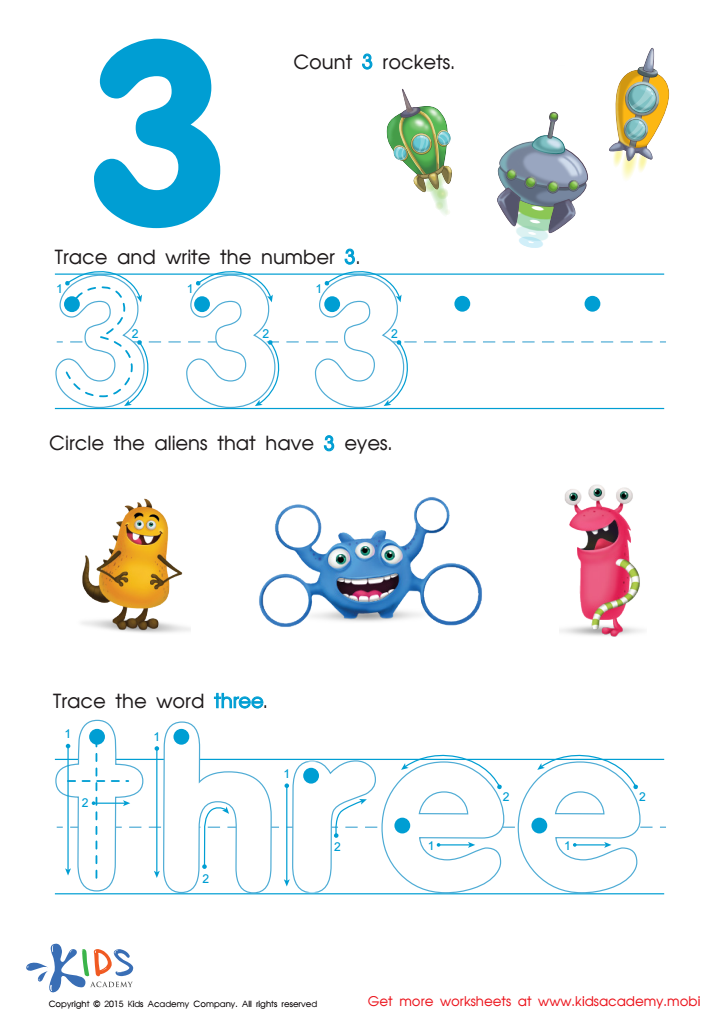
Learning Numbers Worksheets: Learning Number Three PDF

Learning Number Three Worksheet

Learn to count with aliens! Trace the number 3 and circle aliens with 3 eyes. Explore our web site for more number games and activities for preschoolers.
Learning Number Three Worksheet

Worksheet
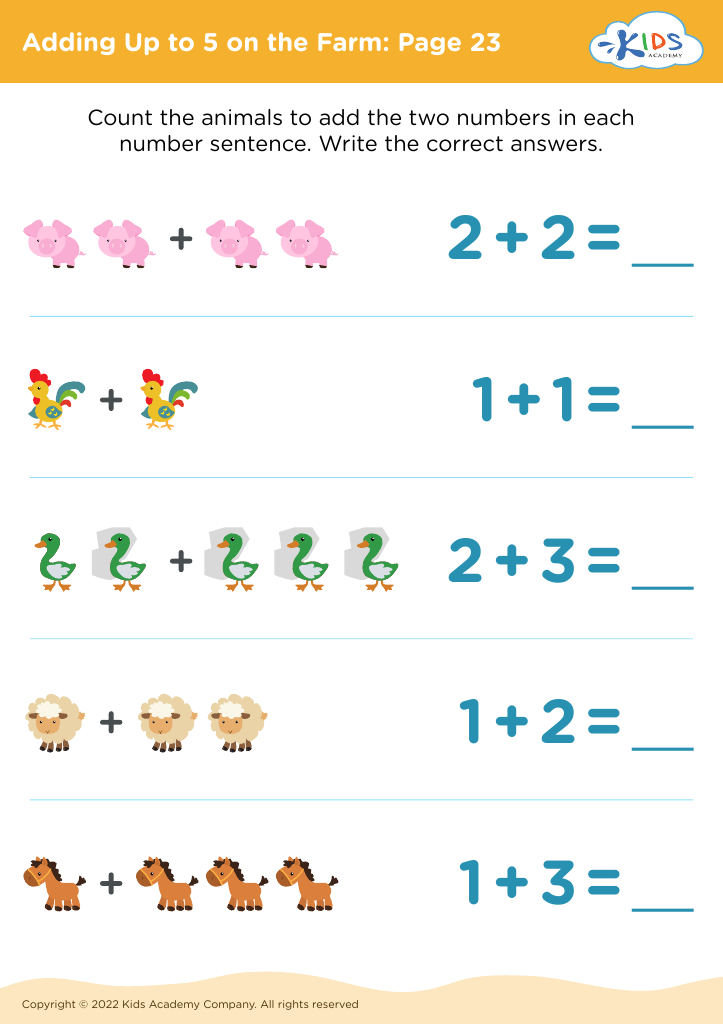
Adding Up to 5 on the Farm: Page 23
Worksheet
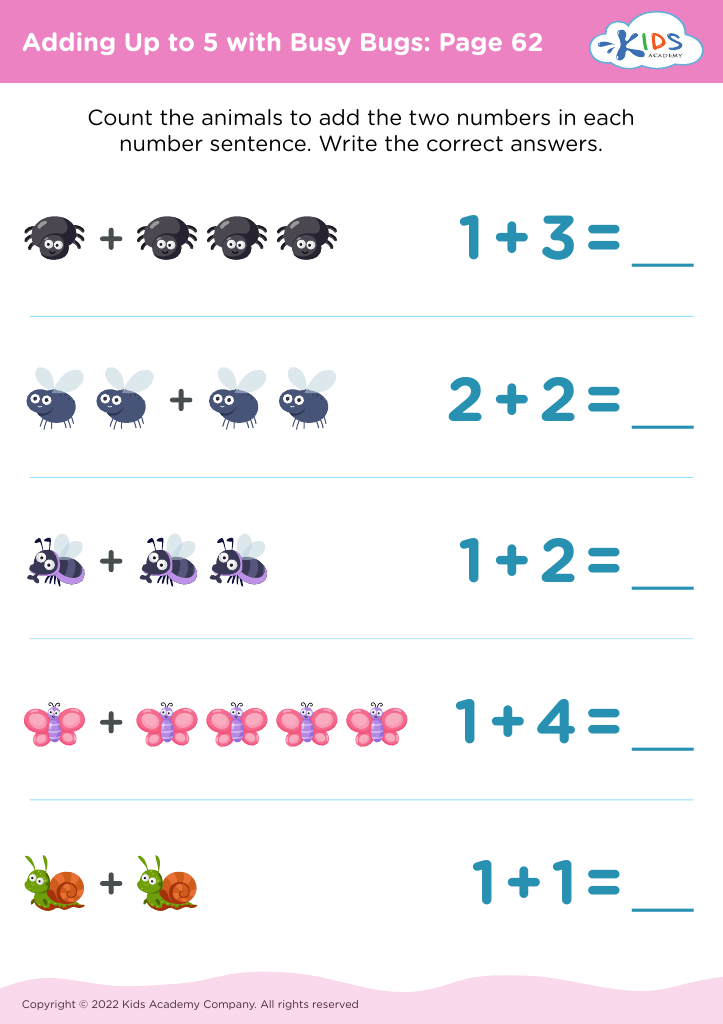
Adding Up to 5 with Busy Bugs: Page 62
Worksheet
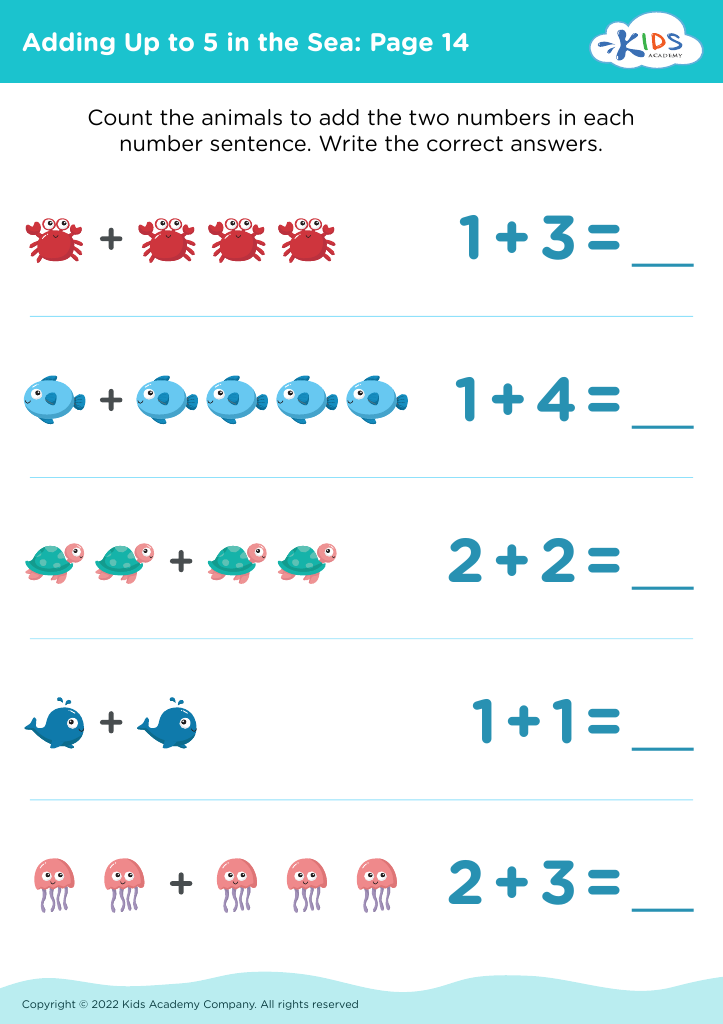
Adding Up to 5 in the Sea: Page 14
Worksheet


Number recognition is a crucial foundational skill in early math education for children aged 4-5. At this stage, children are beginning to understand the world around them, and numbers play a significant role in that exploration. When parents and teachers prioritize number recognition, they help children develop essential cognitive skills such as counting, pattern recognition, and logical thinking.

Understanding numbers allows children to grasp concepts such as quantity, order, and comparison. This knowledge feeds into more complex mathematical reasoning down the line, enabling them to tackle addition, subtraction, and even problem-solving tasks more effectively. Additionally, number recognition often builds confidence in young learners. By mastering this skill, children feel a sense of accomplishment which nurtures a positive attitude toward learning.

Furthermore, early engagement with numbers fosters language development. Children learn not only how to identify numbers but also how to discuss them, enhancing both their vocabulary and communication skills. Parents and teachers, by integrating number recognition activities into daily routines, play a vital role in creating stimulating environments where curiosity about math can flourish. In summary, nurturing number recognition in early childhood is essential for both immediate learning and long-term mathematical success.