Number Writing Practice Math Worksheets for Ages 4-5
7 filtered results
-
From - To
Our Number Writing Practice Math Worksheets for Ages 4-5 are designed to help young learners master number formation, improve fine motor skills, and build foundational math understanding. Through engaging activities and clear guidance, these worksheets make learning numbers from 0 to 10 fun and interactive. Kids will enjoy tracing and writing numbers, recognizing digit shapes, and developing their counting skills. Perfect for both classroom and at-home use, these printable sheets support early education and pave the way for numerical literacy. Start your child's mathematical journey with our expertly crafted number writing practice worksheets!
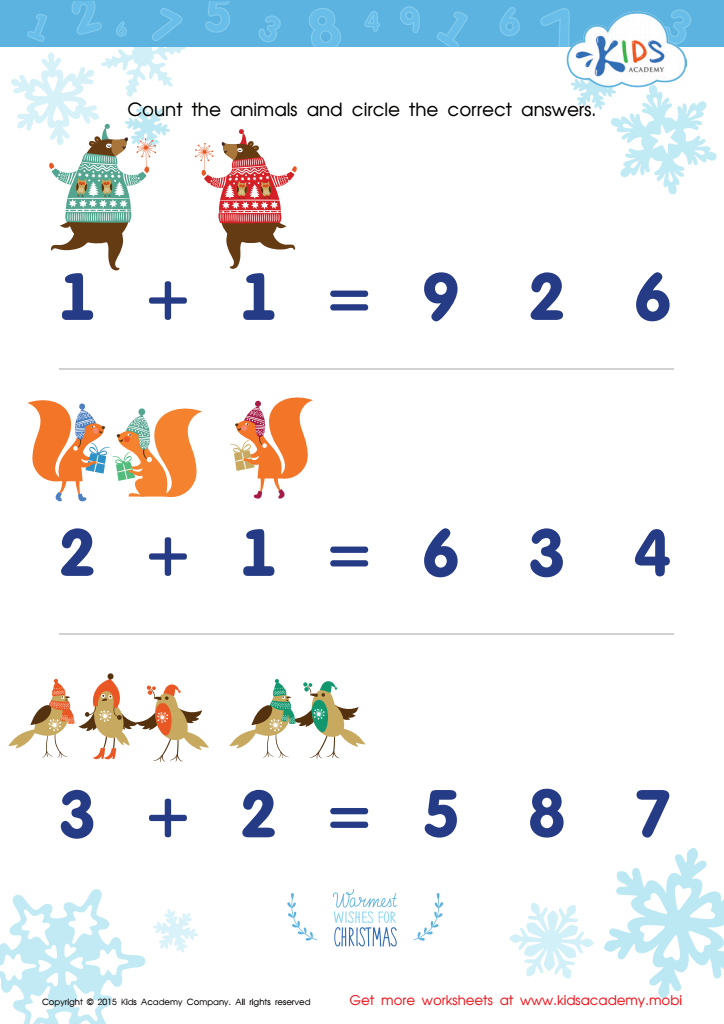
Count Funny Animals Worksheet
 Assign to My Students
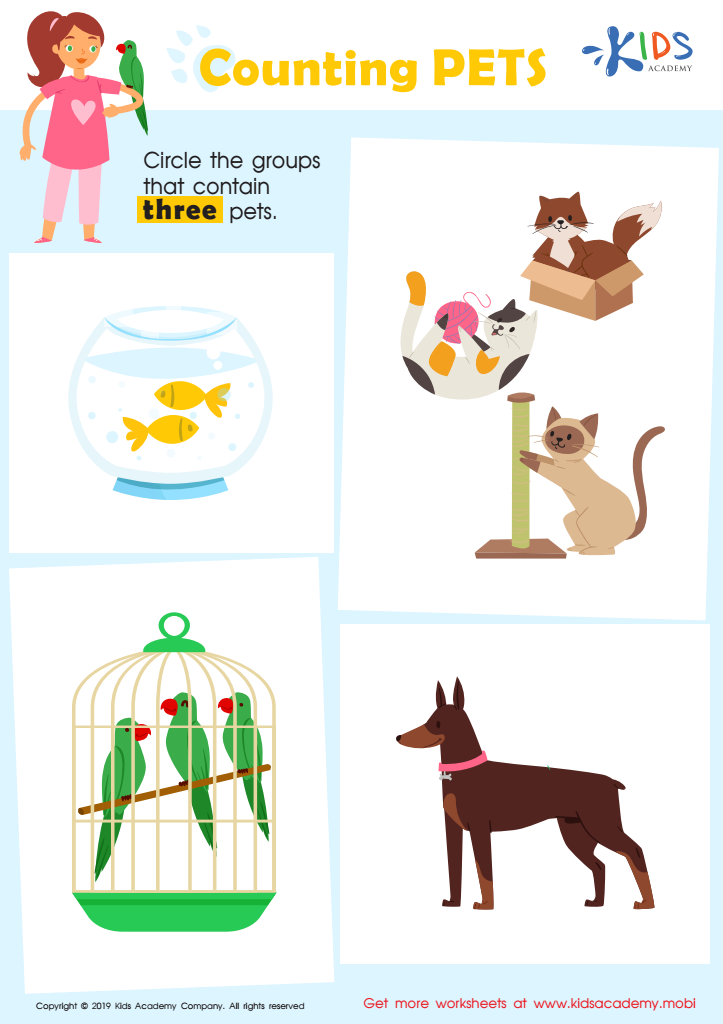
Counting Pets Worksheet
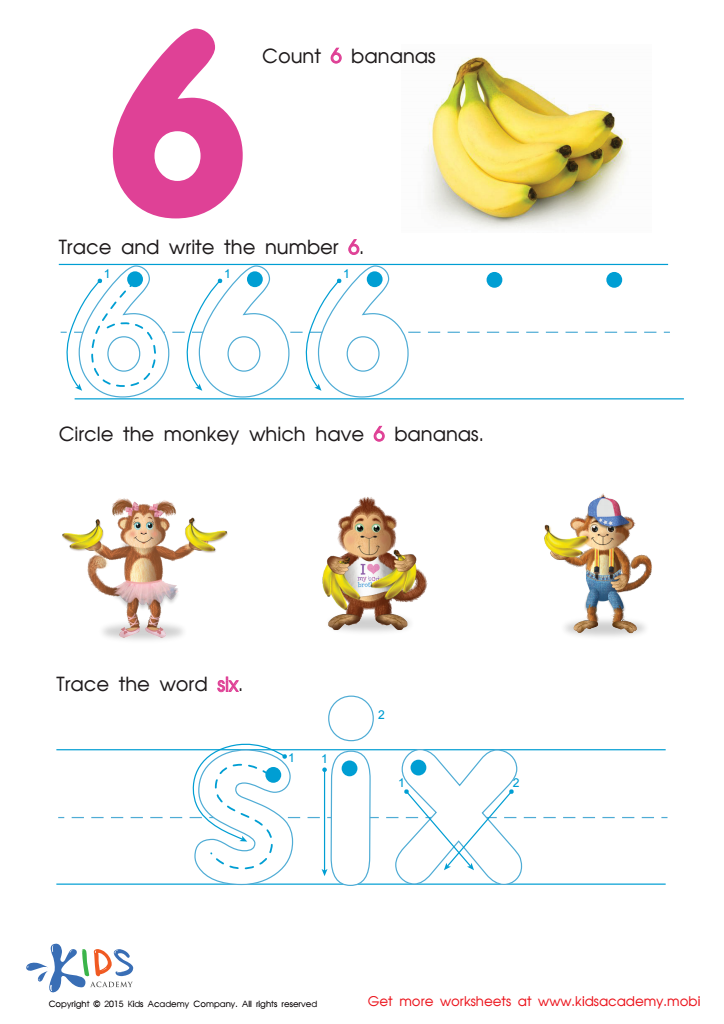
Tracing And Writing Number 6 Worksheet
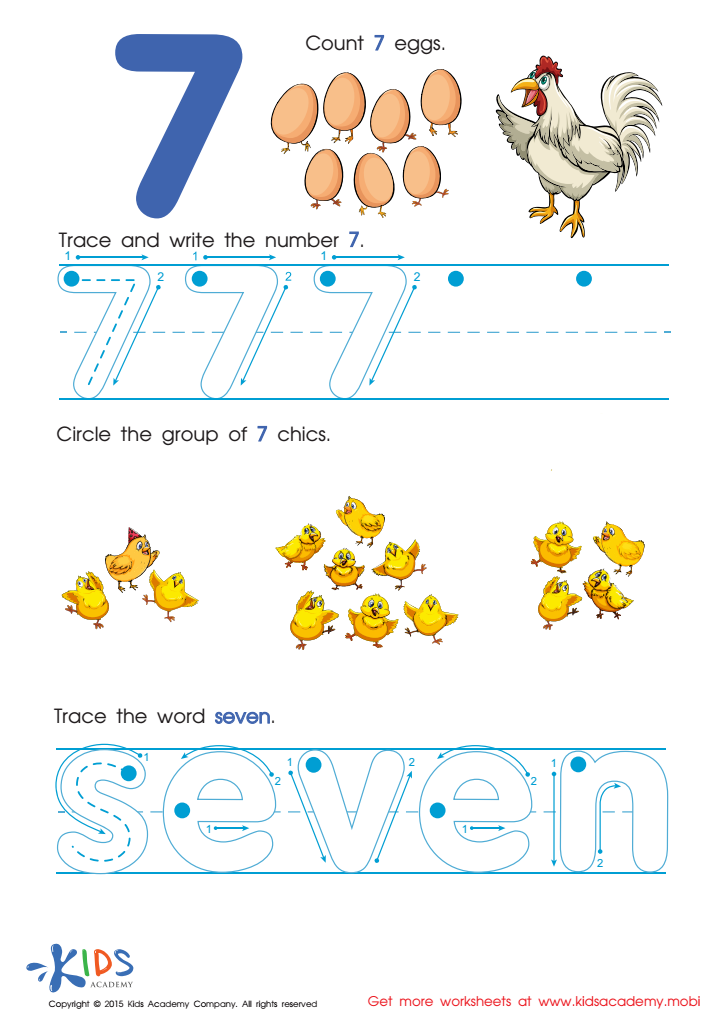
Trace And Write Number 7 with Fun Worksheet
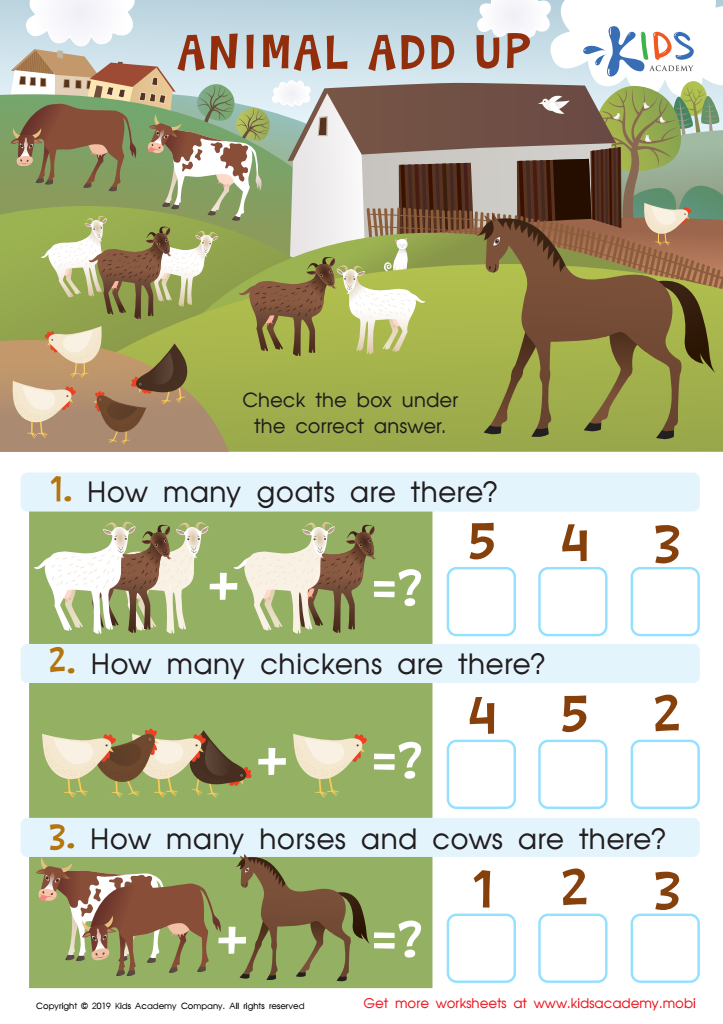
Animal Add Up Worksheet

Earth's Systems: Assessment 2
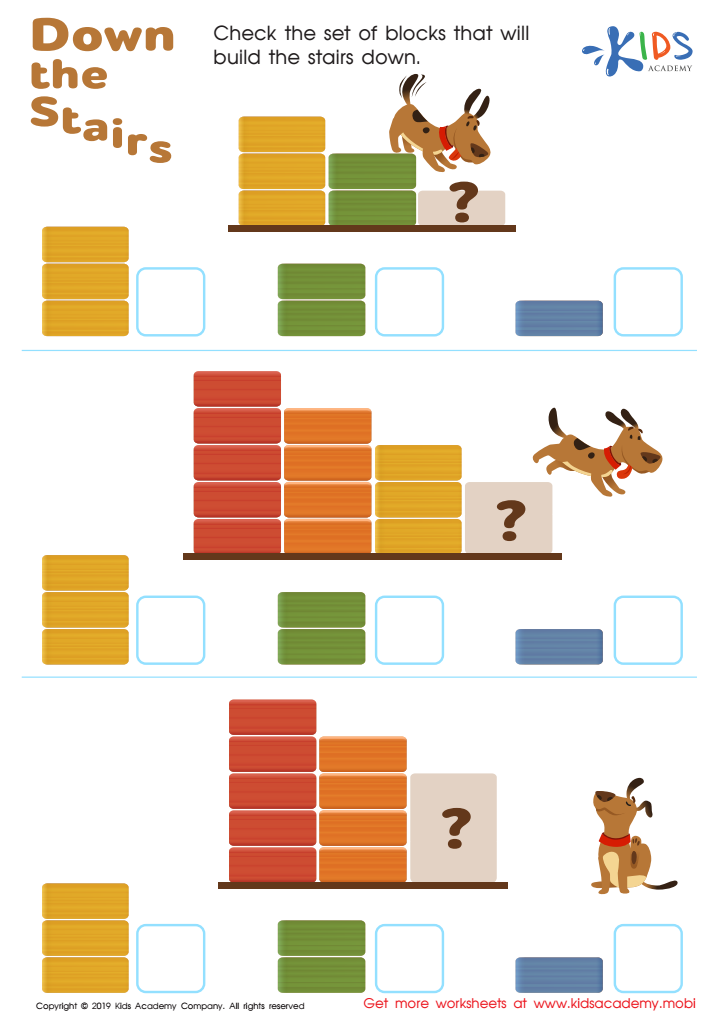
Down the Stairs Worksheet








Number writing practice for ages 4-5 lays a vital foundation for early childhood development in several ways. First, it builds numeric literacy, helping children to recognize and write numbers correctly. This early exposure is crucial as it sets the stage for more complex math skills like addition, subtraction, and even multiplication which they will encounter in later grades. Ensuring that children can accurately write numbers boosts their confidence not just in math but in all academic pursuits.
Moreover, number writing aids in enhancing fine motor skills. As children learn to control pencils or crayons to draw numbers, they develop hand-eye coordination and dexterity, which are essential for a wide range of everyday activities, like dressing, eating, and other personal care tasks.
Socially, practicing number writing in the classroom environment nurtures listening skills, attention to detail, and the ability to follow instructions. These are not just crucial academic skills but also important life skills that border on discipline and mastery.
Furthermore, this practice fosters a sense of routine and structure, benefiting young minds struggling with the sense of order and stability. Ultimately, parents and teachers who emphasize number writing practice for young children give them an invaluable step-up in life’s essential problem-solving frameworks, paving the way for future academic excellence and practical, everyday competence.








