Shape comparison Math Worksheets for Ages 4-5
3 filtered results
-
From - To
Discover our engaging Shape Comparison Math Worksheets designed specifically for children aged 4 to 5! These worksheets provide a fun and interactive way for young learners to explore shapes through comparison activities. Kids will develop essential skills like identifying, sorting, and contrasting shapes, enhancing their critical thinking and observational abilities. With colorful visuals and age-appropriate challenges, our worksheets make learning about shapes enjoyable and accessible. Ideal for both classroom and home settings, these resources support early math development and foster a strong foundation for future learning. Encourage your child's mathematical journey with our Shape Comparison Math Worksheets today!
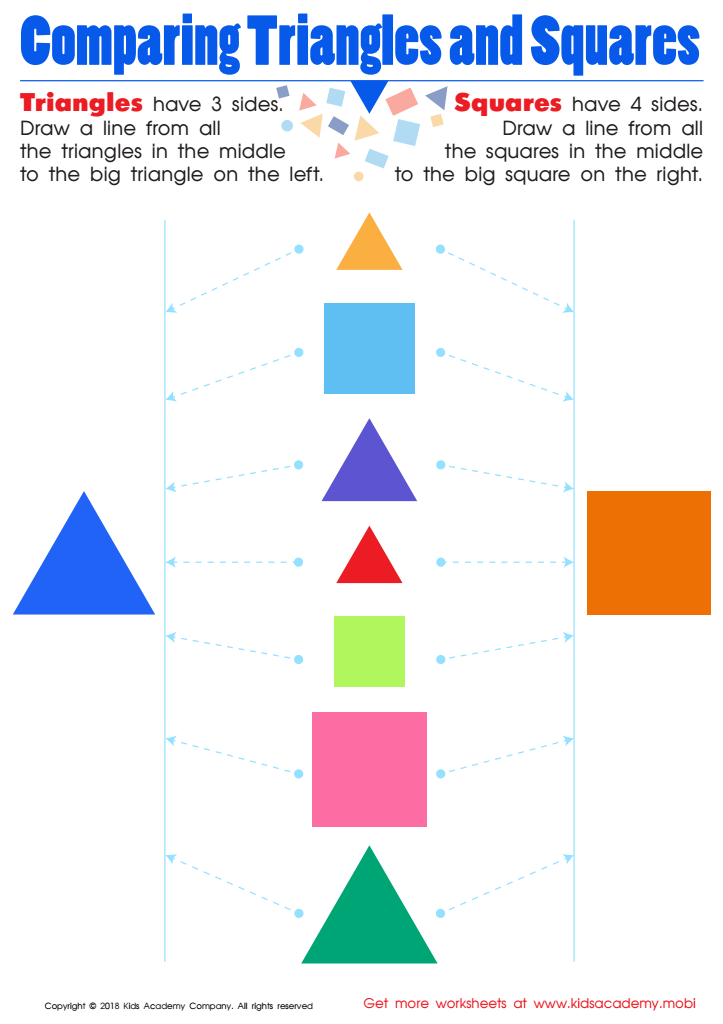
Comparing Triangles Squares Worksheet
 Assign to My Students
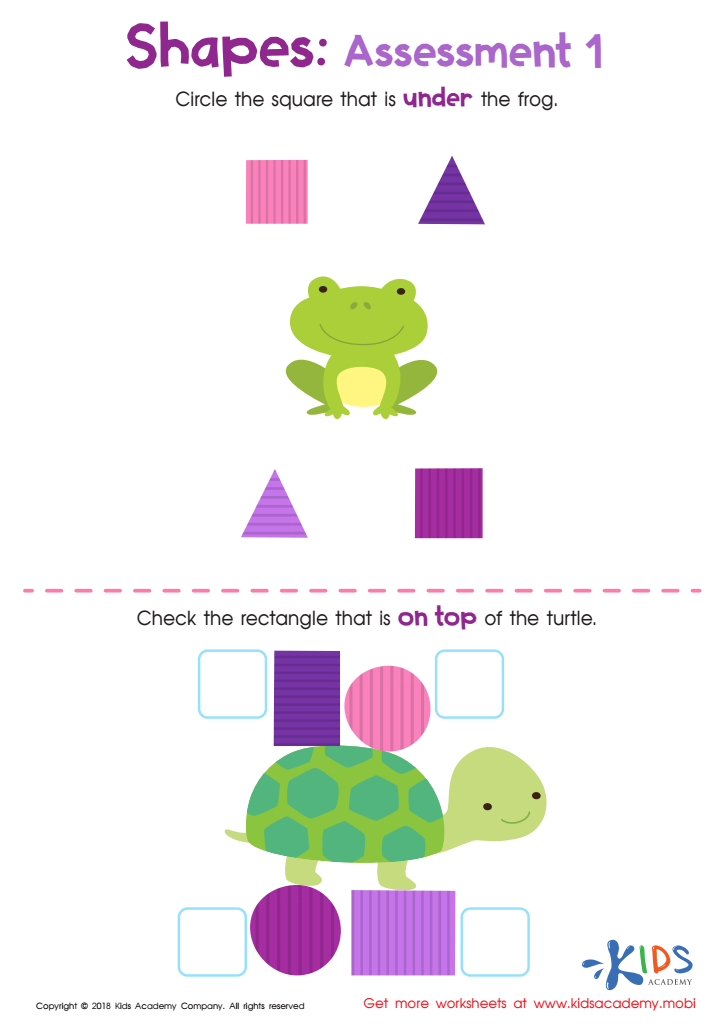
Geometry – Assessment 1 Worksheet
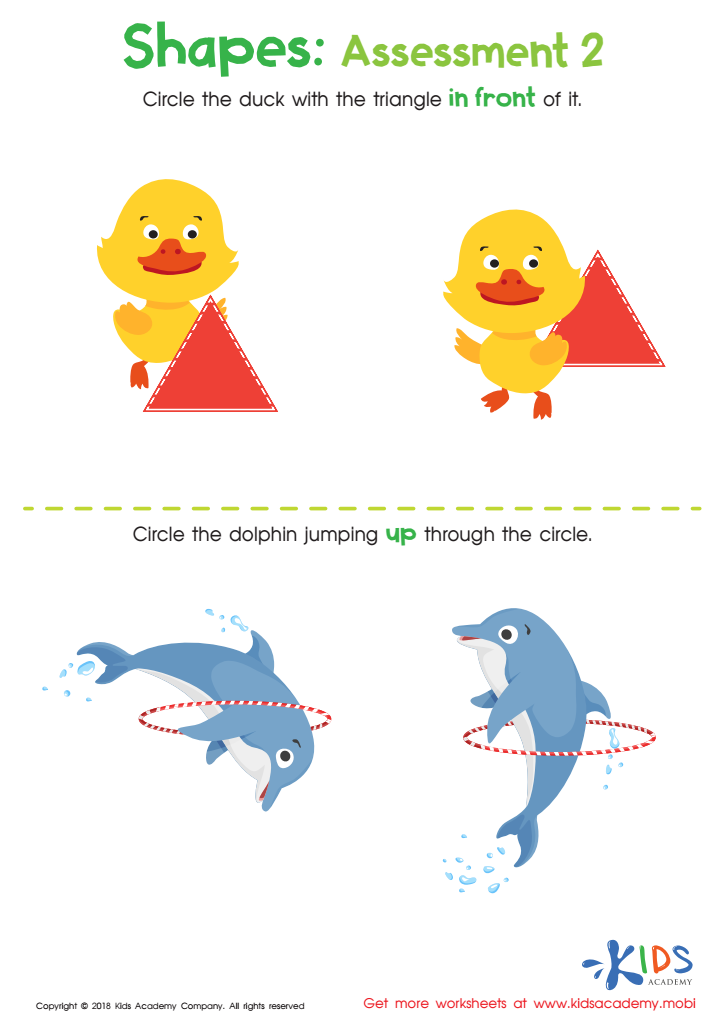
Geometry – Assessment 2 Worksheet




.jpg)


Shape comparison in math for ages 4-5 is crucial for early childhood development and lays the foundation for higher-level mathematical concepts. Understanding shapes and their characteristics enhances spatial awareness, which is essential for navigation in both physical and abstract environments. When children compare shapes, they engage in essential cognitive processes, such as identifying similarities and differences, which fosters critical thinking and problem-solving skills.
Moreover, shape comparison helps develop language skills as children learn the vocabulary associated with shapes, sizes, and positions. By discussing shapes, they also enhance their communication abilities and boost their confidence in expressing their ideas.
Engaging in shape comparison activities can ignite interest in mathematics, making it enjoyable and relatable. This early interaction with math establishes a positive attitude toward the subject and encourages a lifelong love of learning.
Additionally, parents and teachers play a vital role in promoting these skills through playful activities, integrating shape comparison into daily routines, and providing hands-on learning opportunities. By prioritizing shape comparison, adults significantly contribute to children's cognitive growth, setting the stage for success in mathematics and other related disciplines in later years.








