
Visual comprehension Math Worksheets for Ages 4-5
7 filtered results
Difficulty Level
Grade
Age
-
From - To
Subject
Activity
Standards
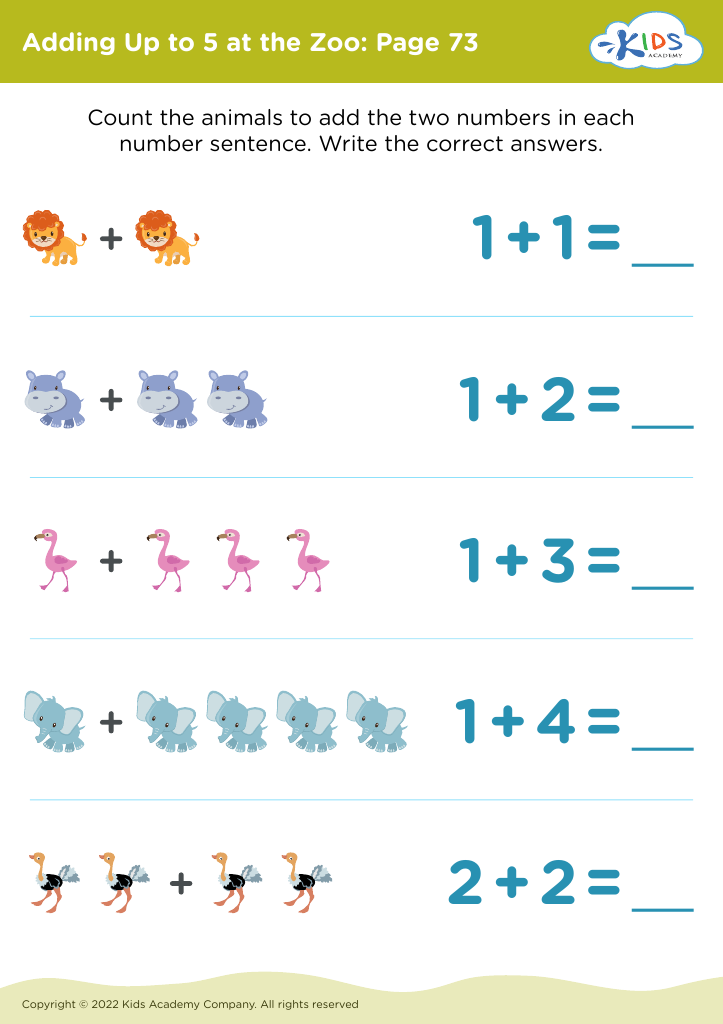
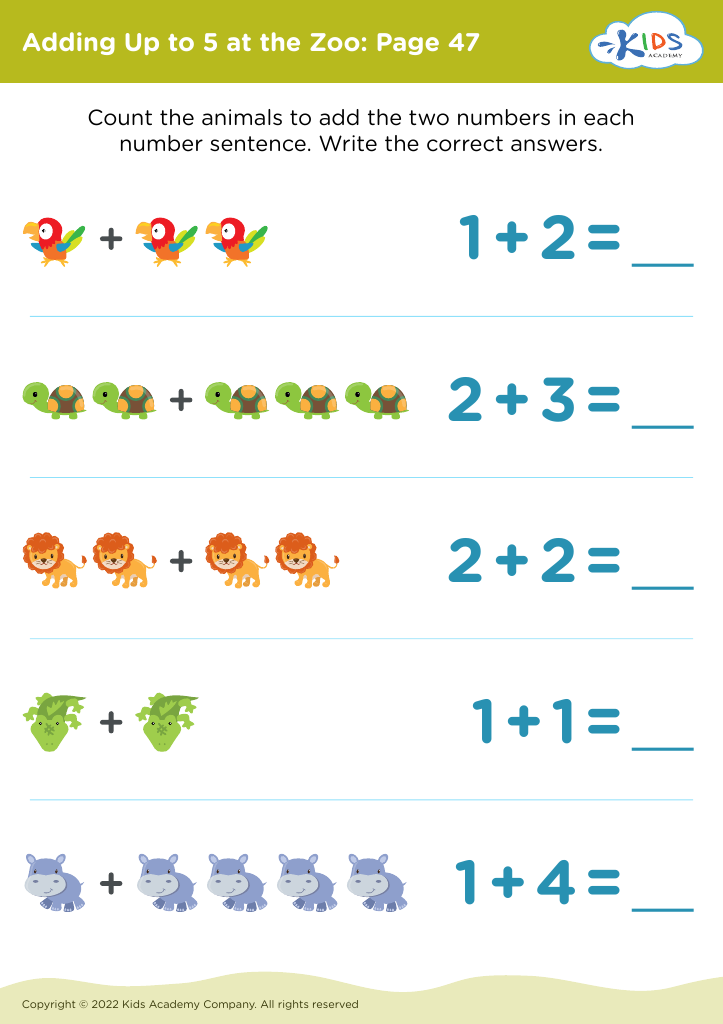
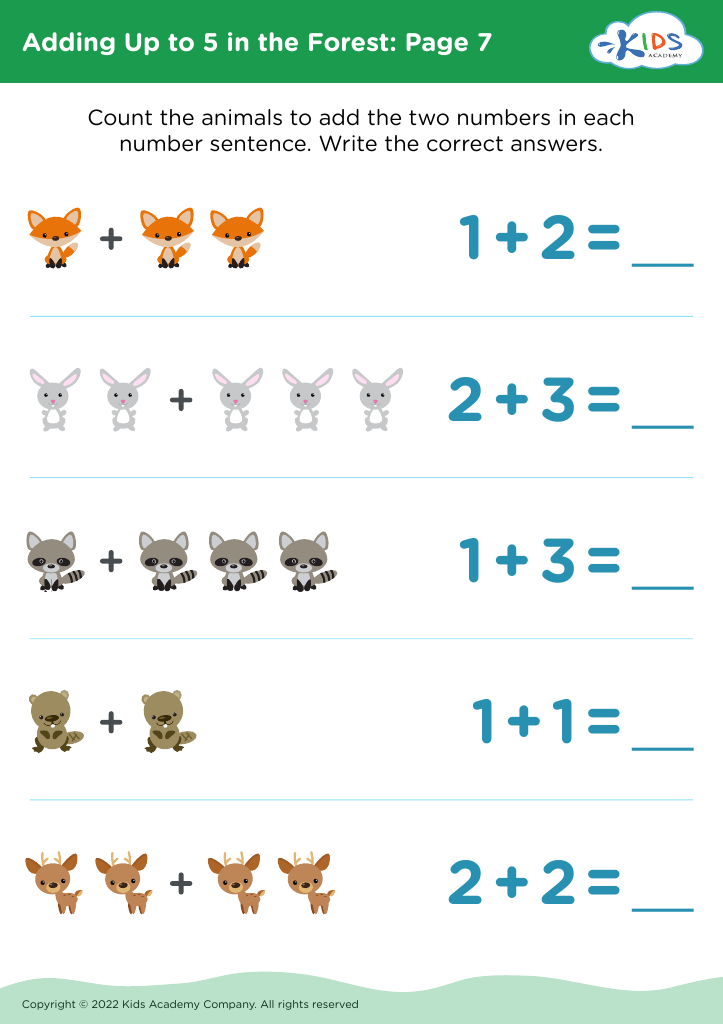
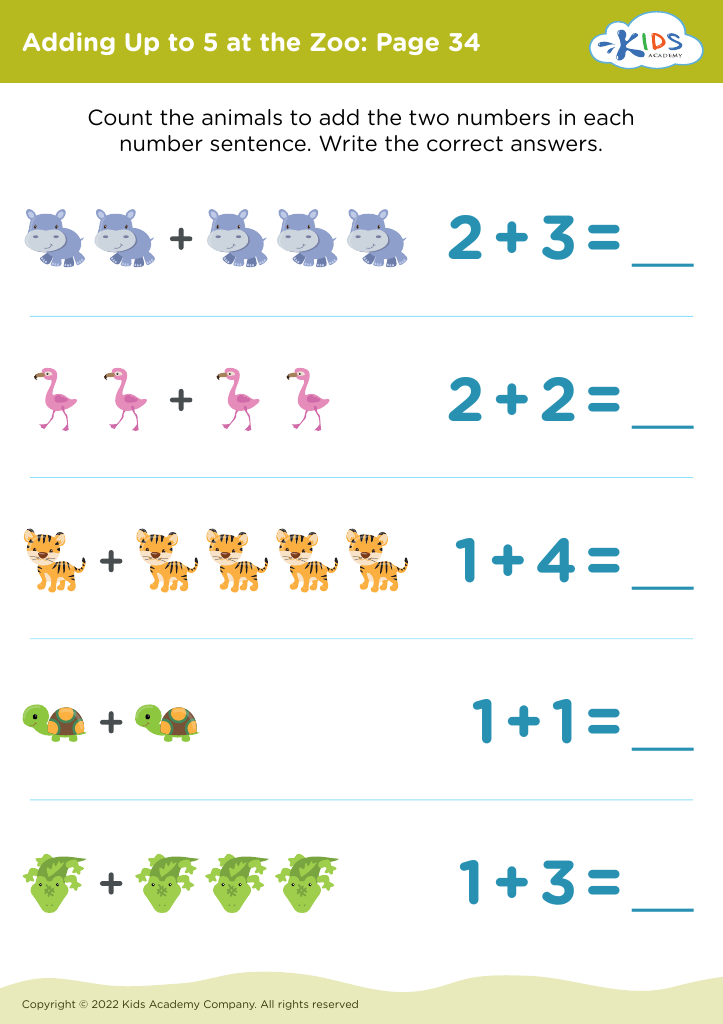
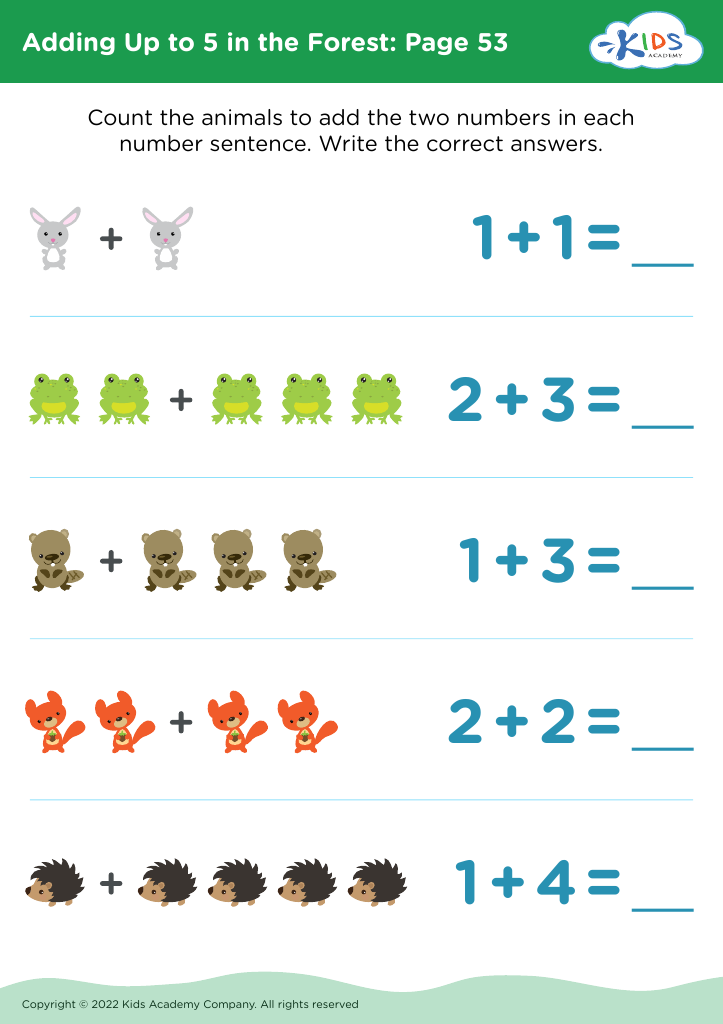
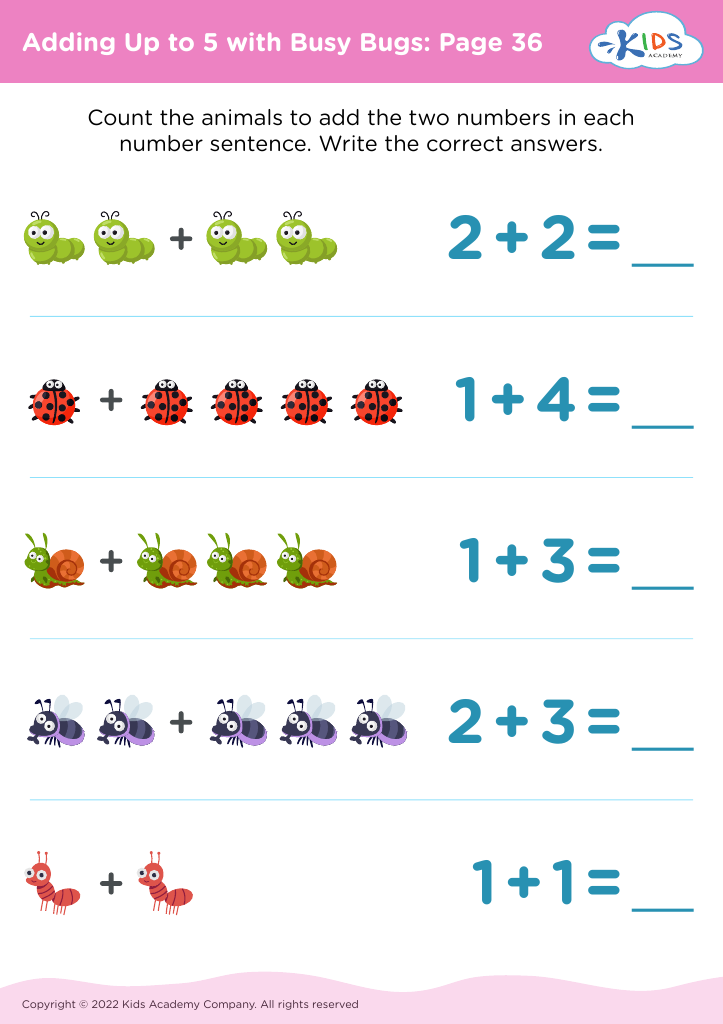
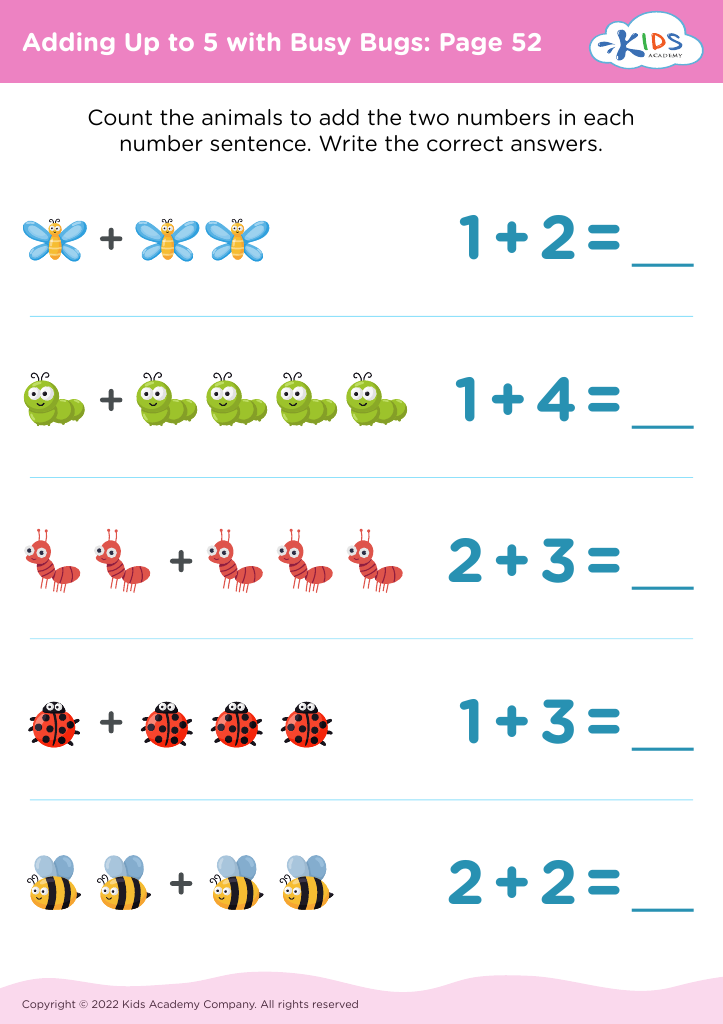
Welcome to our "Visual Comprehension Math Worksheets for Ages 4-5" page, designed to enhance your child's early math skills through engaging visual activities. Our worksheets help young learners recognize and interpret visual information, build number sense, and improve problem-solving abilities. Each worksheet is thoughtfully created to encourage exploration, creativity, and critical thinking in an enjoyable way. Children will enjoy colorful illustrations and interactive exercises that make learning fun. Perfect for homeschooling or supplemental practice, these resources foster a strong foundation in math concepts. Begin your child's adventure in math today with our fun and educational visual comprehension worksheets!
Favorites
With answer key
Interactive
Join Kids Academy for Free
Who is primarily going to use this learning content?








Visual comprehension in math for ages 4-5 is crucial, as it lays the foundation for a child's mathematical understanding and overall cognitive development. At this early stage, children learn to recognize and interpret visual patterns, shapes, and quantities, skills that are essential for future mathematical concepts.
When parents and teachers prioritize visual comprehension, they engage children in meaningful activities that foster critical thinking. For example, using visual aids like blocks or pictures helps children visualize numbers and develop spatial awareness. This hands-on experience enhances their ability to understand basic arithmetic operations and problem-solving techniques.
Furthermore, visual comprehension supports language development. As children describe their thought processes and reasoning based on what they see, they build vocabulary and communication skills.
Incorporating visual comprehension into math learning can make lessons more enjoyable, driving kids' enthusiasm for the subject. It promotes confidence and reduces anxiety around math, which is vital for long-term success. By nurturing these skills early on, parents and teachers not only equip kids with the necessary tools for academic achievement but also instill a love for learning that lasts a lifetime. Thus, prioritizing visual comprehension is beneficial for a child's overall growth in education.








