Following instructions Numbers 0–10 Worksheets for Ages 4-5
13 filtered results
-
From - To
Explore our engaging "Following Instructions Numbers 0–10 Worksheets" designed specifically for children aged 4-5. These worksheets are perfect for helping young learners develop essential skills in number recognition and following instructions. By completing fun activities, kids will practice counting, identifying numbers, and enhancing their understanding of basic math concepts. Each worksheet encourages critical thinking and promotes fine motor skills, making learning a fun and interactive experience. Our user-friendly format ensures that both teachers and parents can easily incorporate these worksheets into their educational activities. Foster a strong foundation in numbers while cultivating essential listening and comprehension skills in your little ones today!
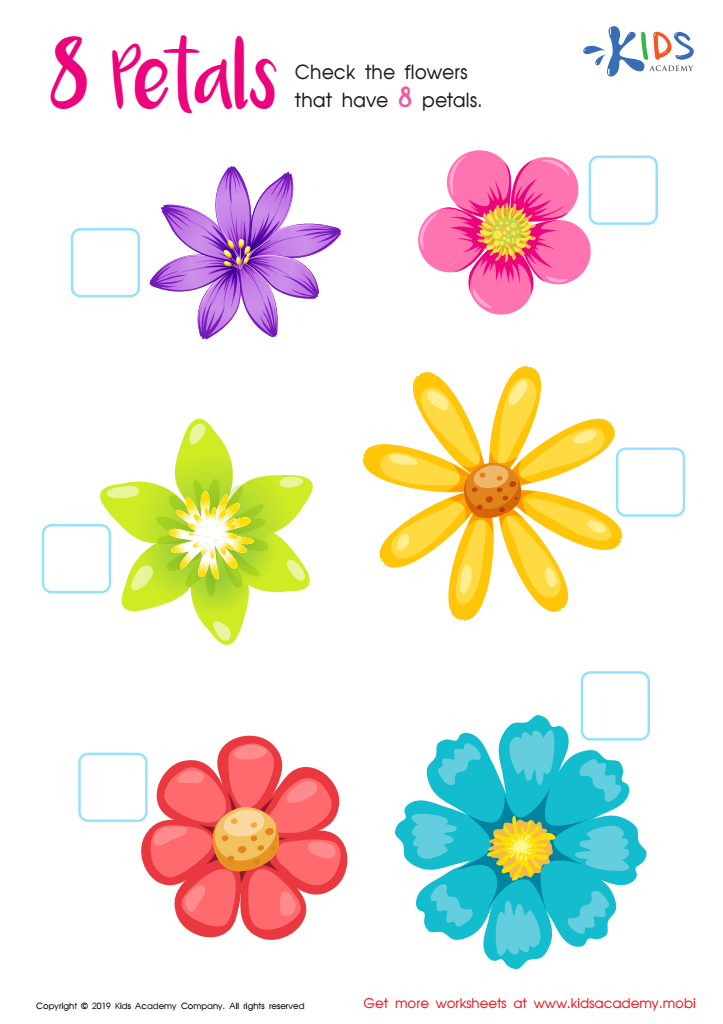
8 Petals Worksheet
 Assign to My Students
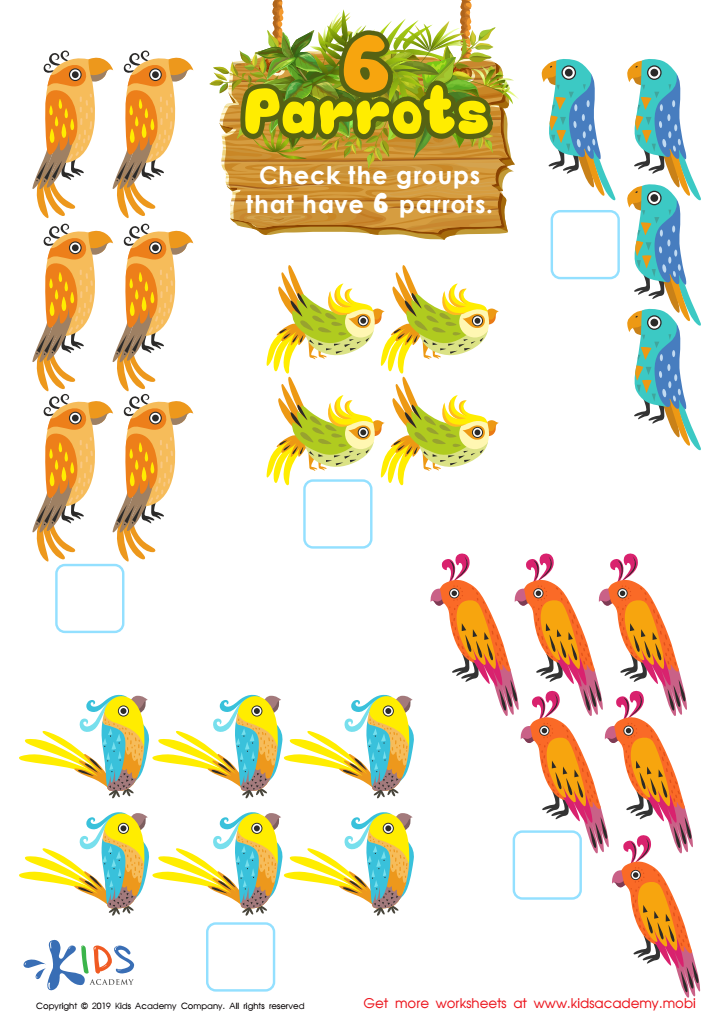
6 Parrots Worksheet
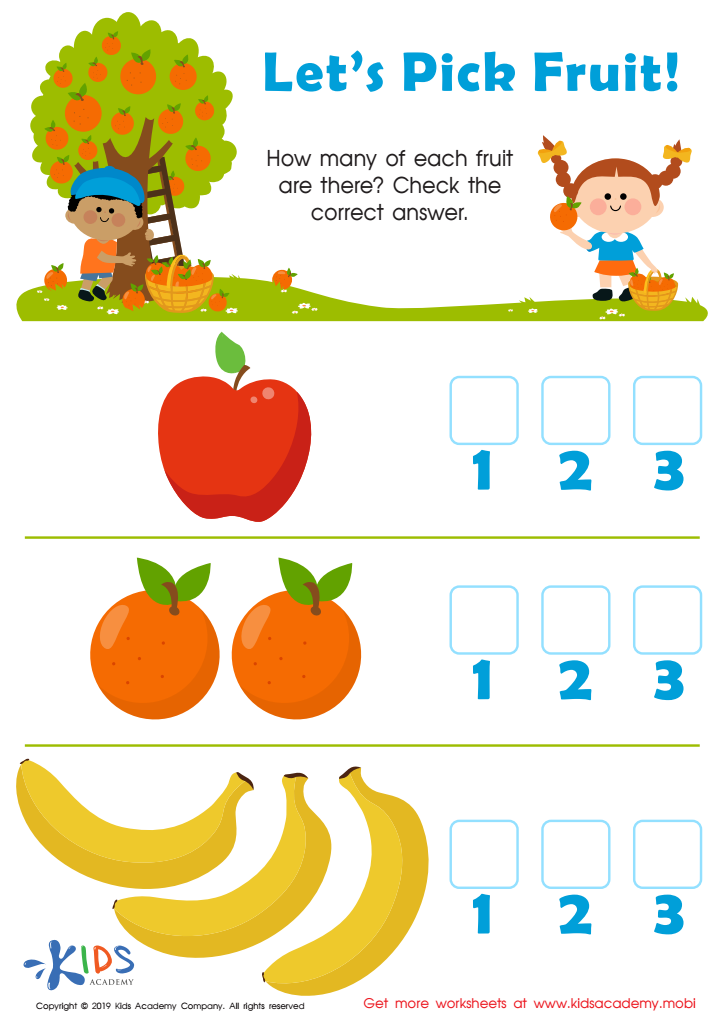
Let's Pick Fruit Worksheet
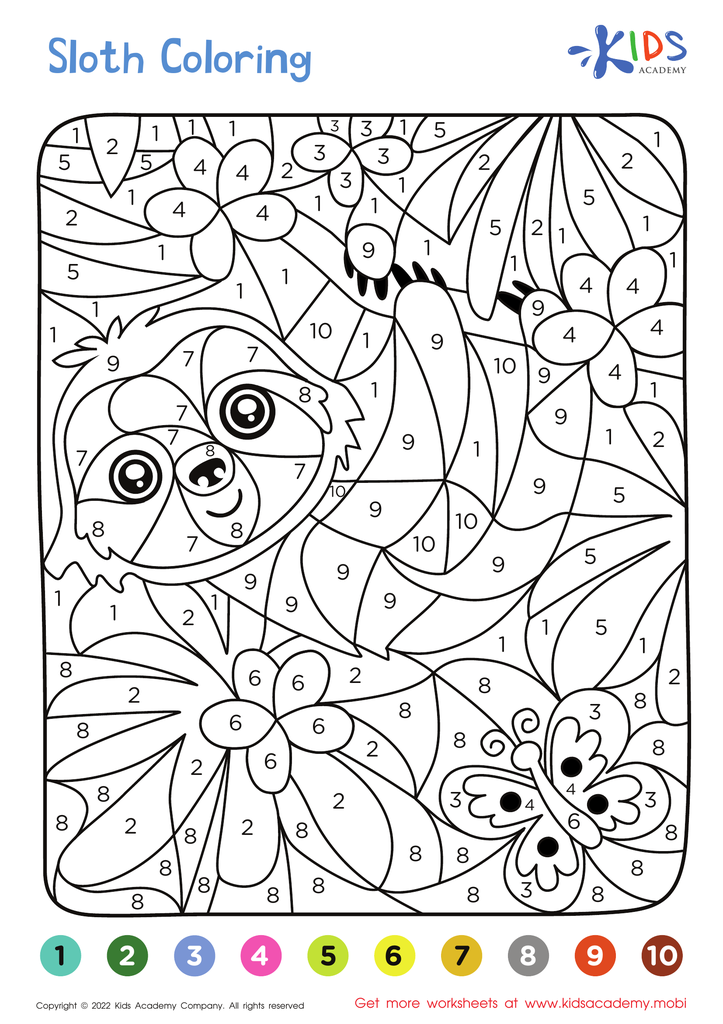
Sloth – Coloring by Numbers
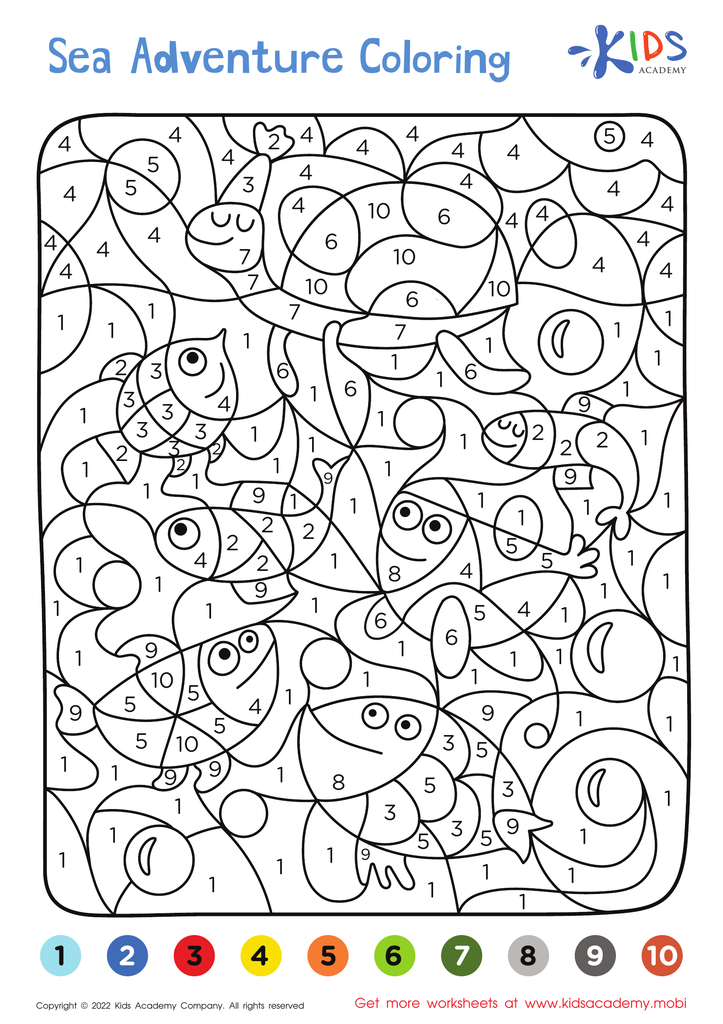
Sea Adventure – Coloring by Numbers
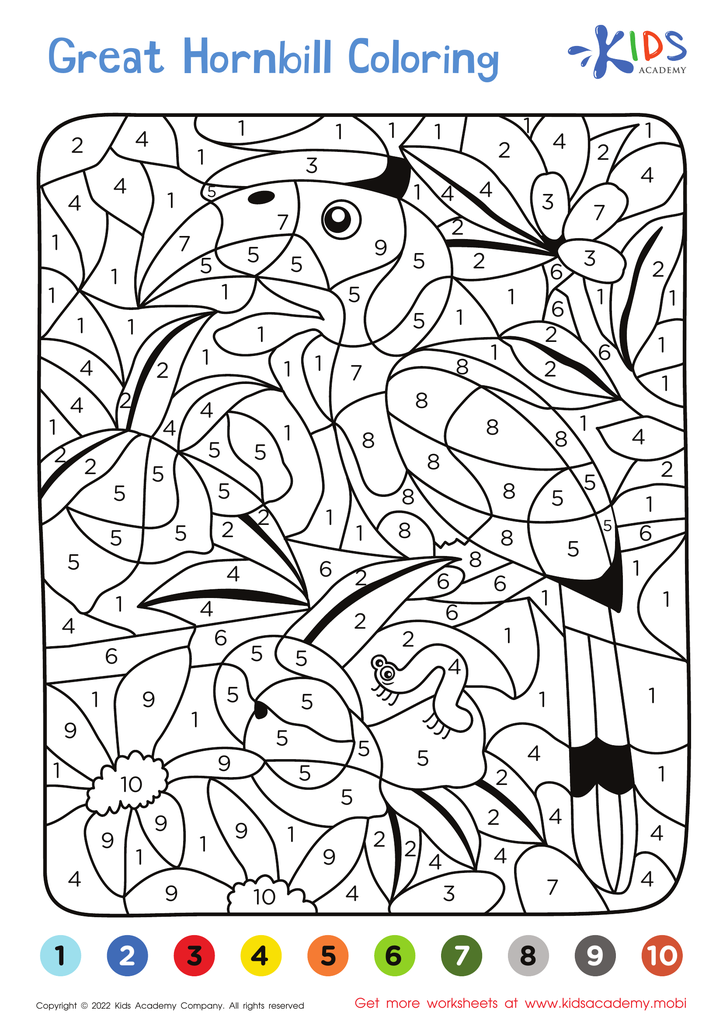
Great Hornbill – Coloring by Numbers
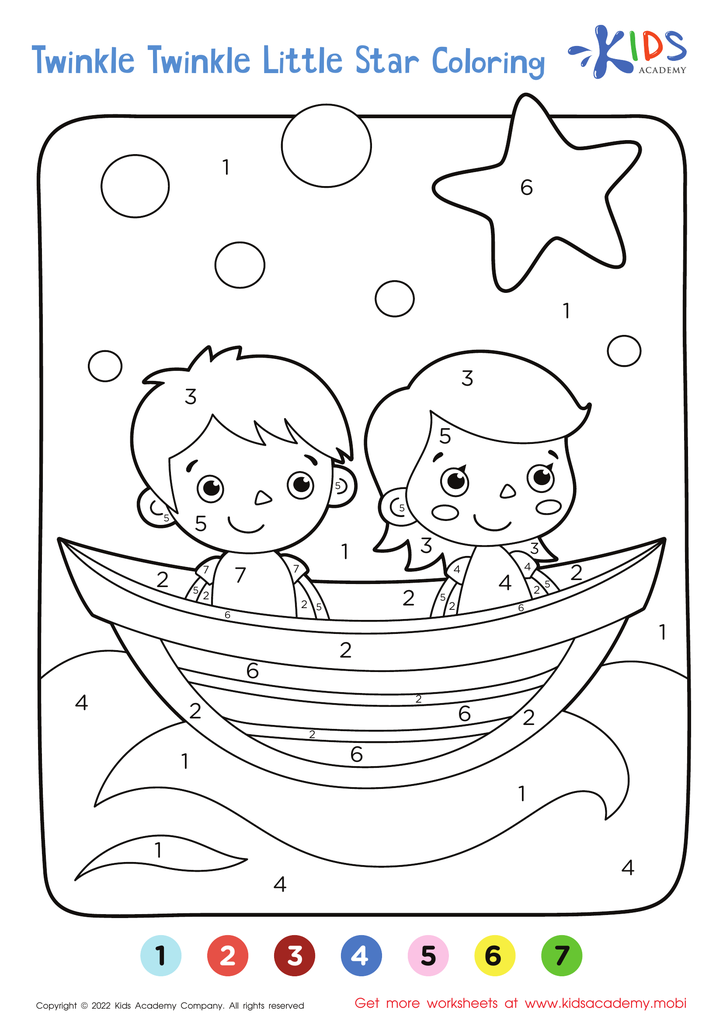
Twinkle, Twinkle, Little Star – Coloring by Numbers
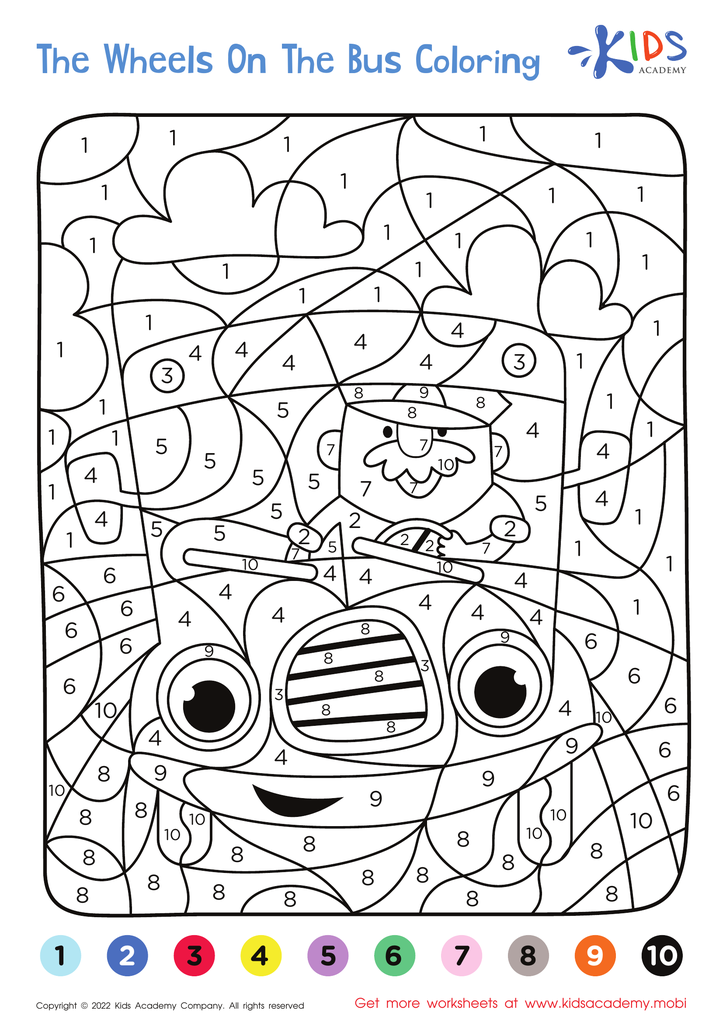
Wheels on the Bus – Coloring by Numbers
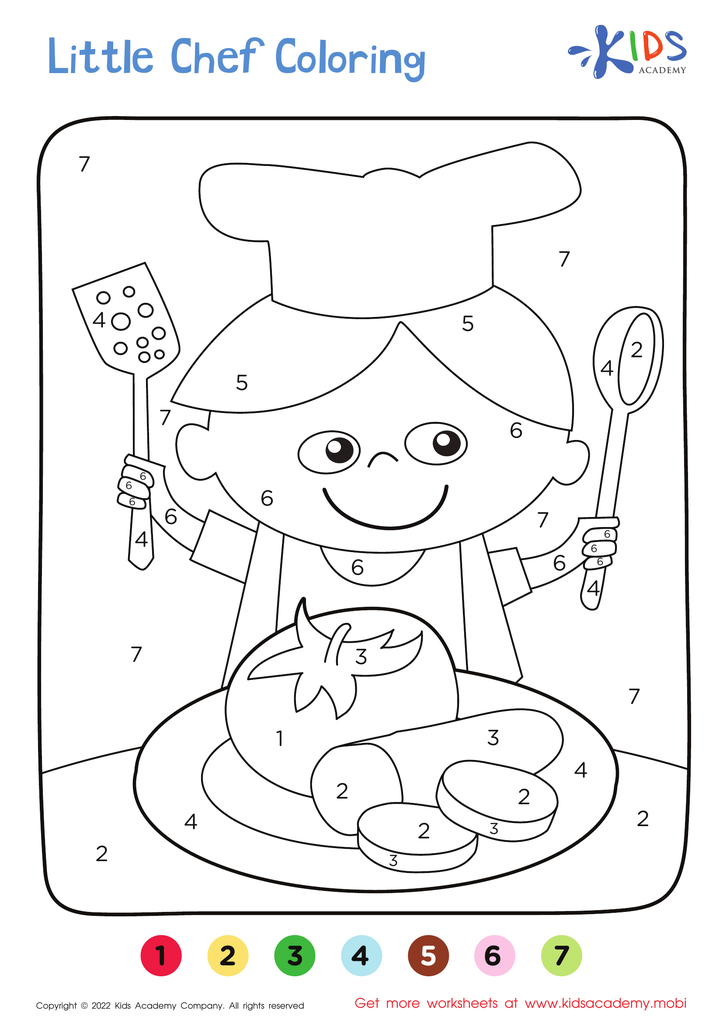
Little Chef – Coloring by Numbers
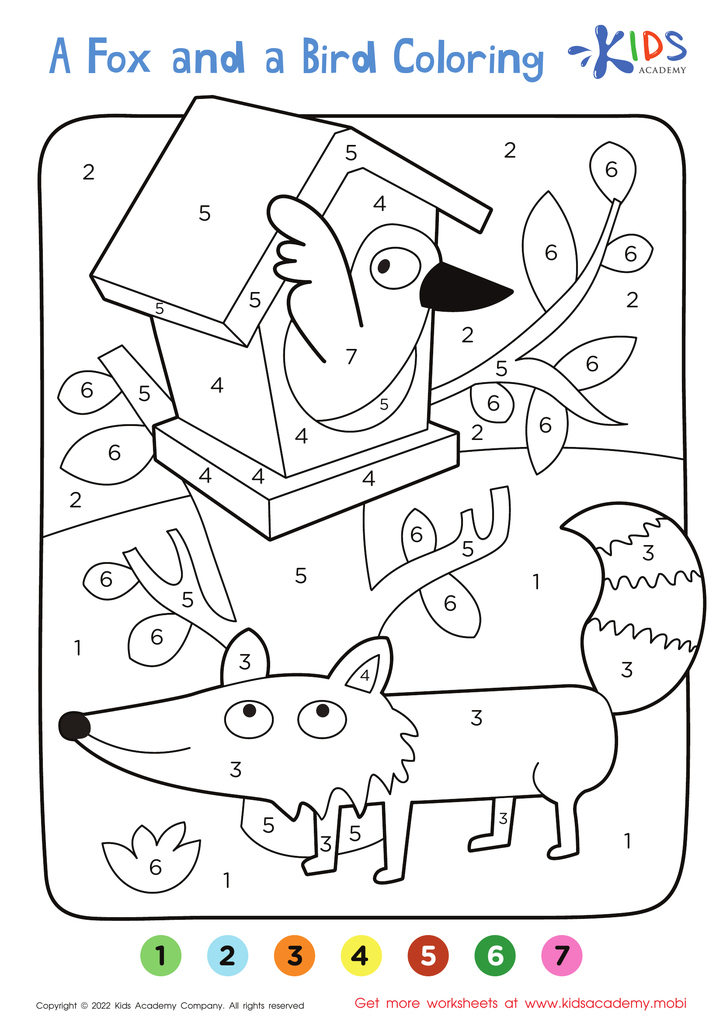
A Fox and a Bird – Coloring by Numbers
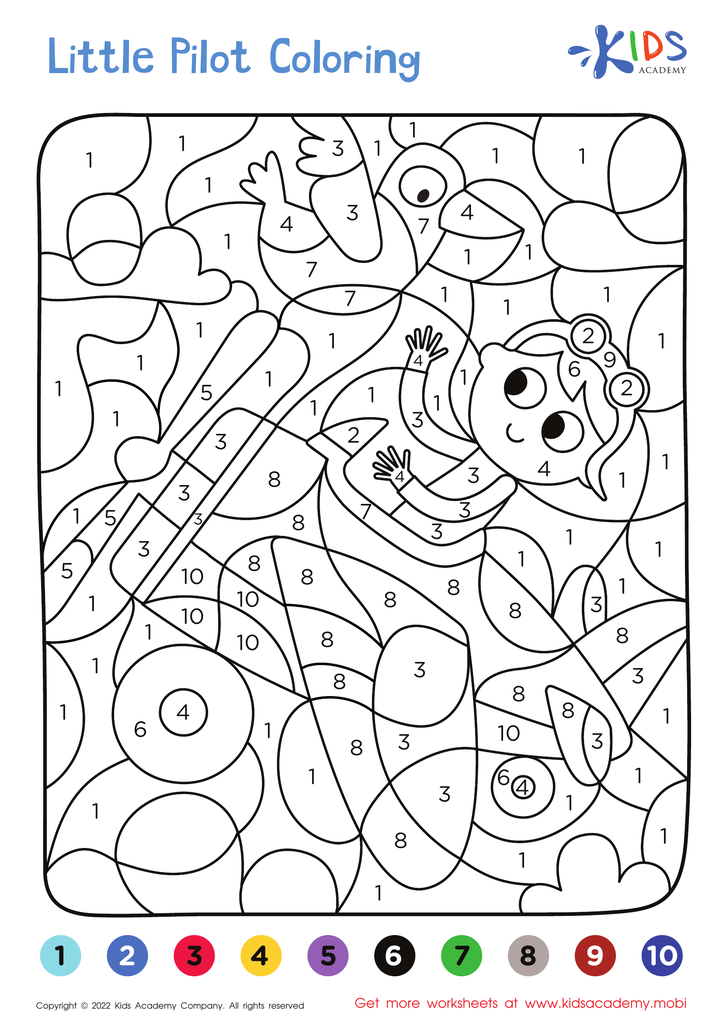
Little Pilot – Coloring by Numbers
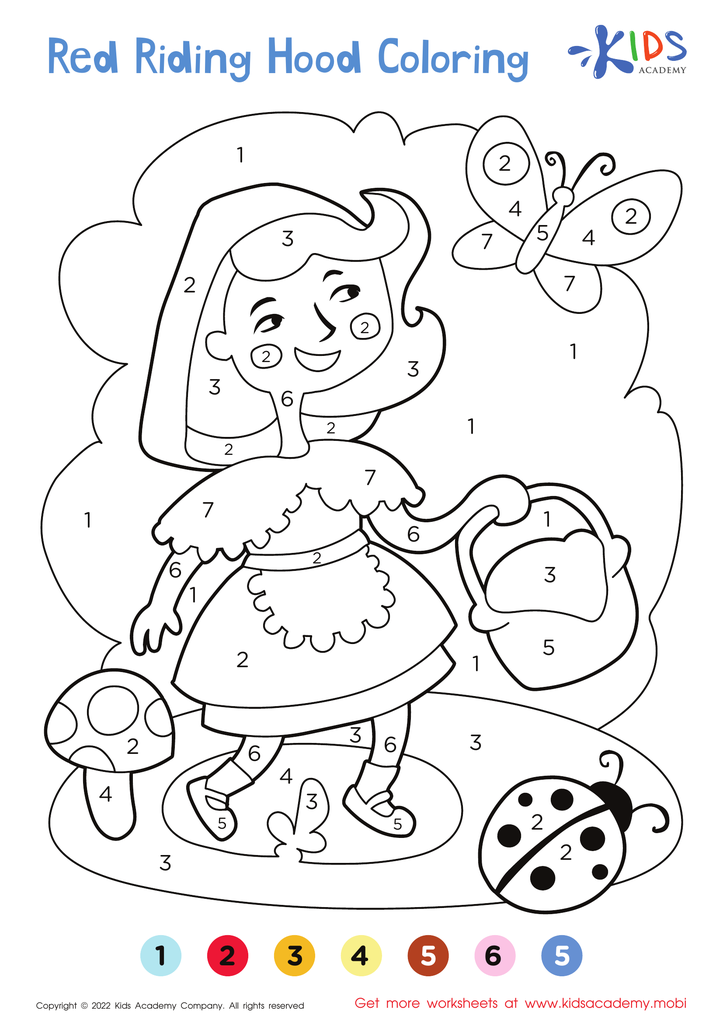
Little Red Riding Hood – Coloring by Numbers
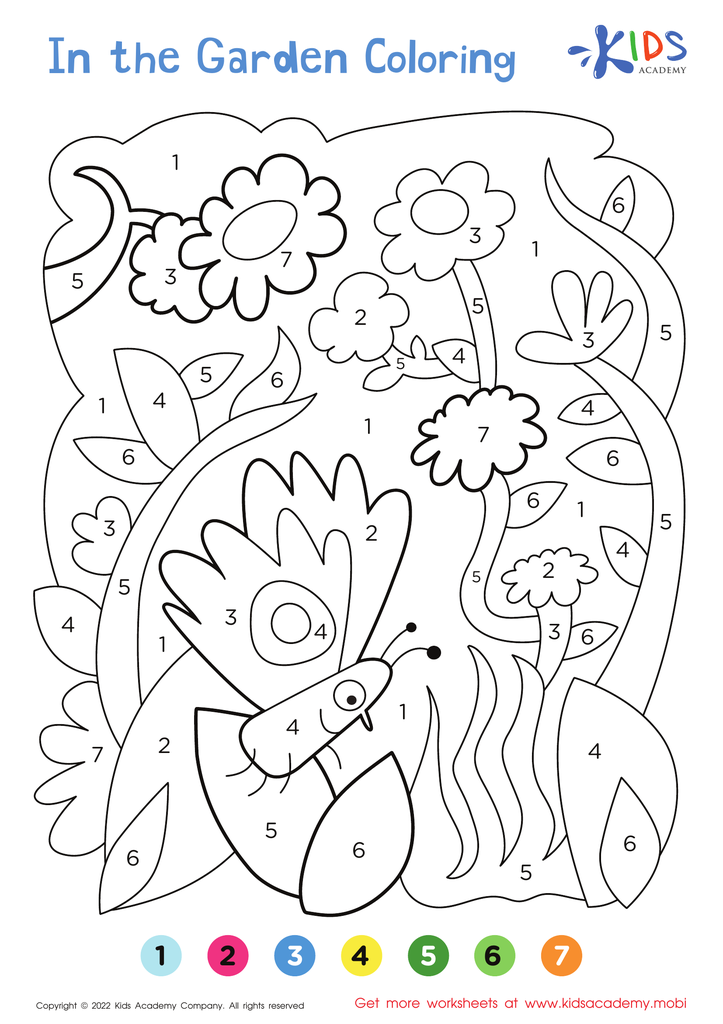
In the Garden – Coloring by Numbers








Teaching young children to follow instructions involving numbers 0-10 is crucial for their cognitive and social development. First, these early mathematical concepts lay the foundation for future learning. When children grasp counting and number recognition, they develop problem-solving skills that extend beyond mathematics.
Moreover, following instructions related to numbers can enhance children's listening skills and attention spans. By learning to process and execute multi-step instructions, children improve their ability to focus, which is essential for their academic success. For example, when a teacher asks students to "count 3 blocks and give them to a friend," they practice both numeracy and cooperative skills, fostering social interaction.
Additionally, engaging with numbers helps enhance motor skills as children manipulate physical objects, fostering hand-eye coordination. This playful yet structured approach boosts confidence; as they follow instructions correctly, children gain a sense of accomplishment.
Lastly, parents and teachers should embrace this learning stage because it encourages a positive attitude toward math and education. By nurturing a love for numbers early on, they pave the way for lifelong learning and critical thinking, ultimately ensuring children are better prepared for future academic and social challenges.








