Fraction simplification Building Vocabulary Worksheets for Ages 4-5
5 filtered results
-
From - To
Introduce young learners to the concept of fractions with our "Fraction Simplification Building Vocabulary Worksheets" designed for ages 4-5! These engaging worksheets offer a fun and interactive way to build vocabulary and understanding around fractions. Using vibrant visuals and simple activities, children will grasp fraction basics while developing their language skills. Our printables are thoughtfully curated to support early educational development, laying the foundation for future math success. Prepare your child for more advanced mathematical concepts by making learning fractions enjoyable and relatable, one word at a time! Download and make learning fractions a delightful adventure today!
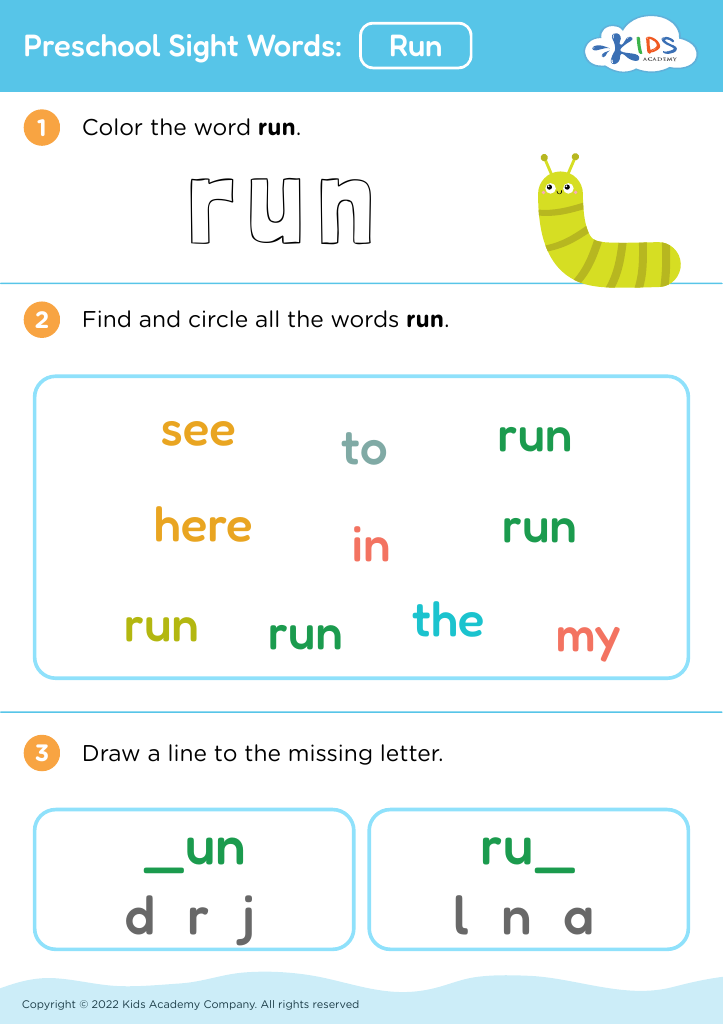











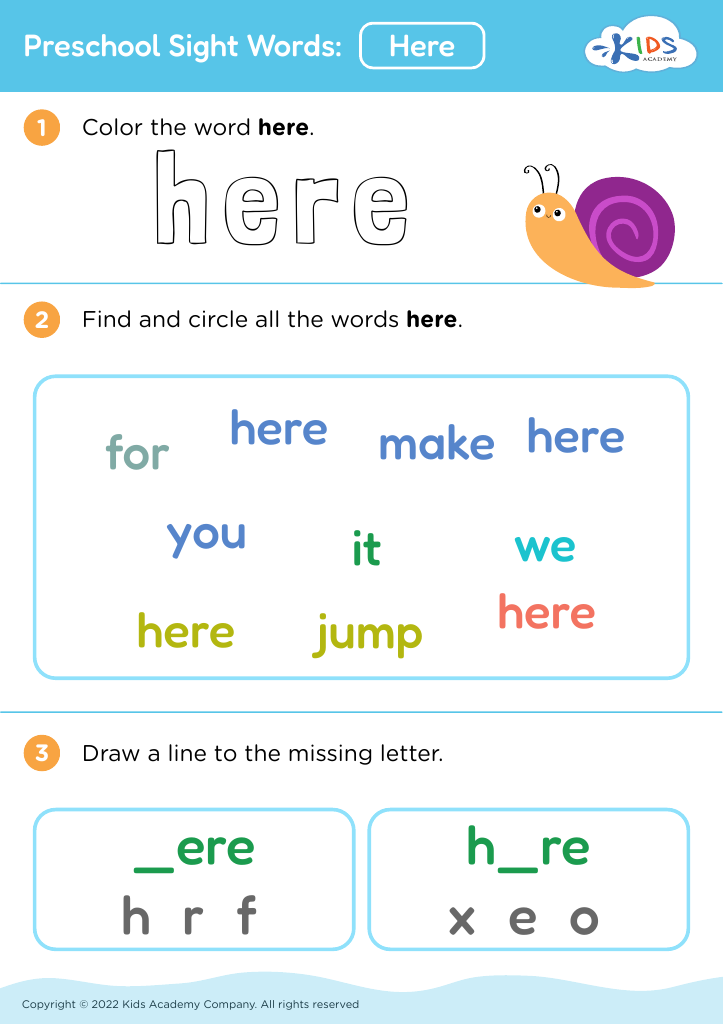
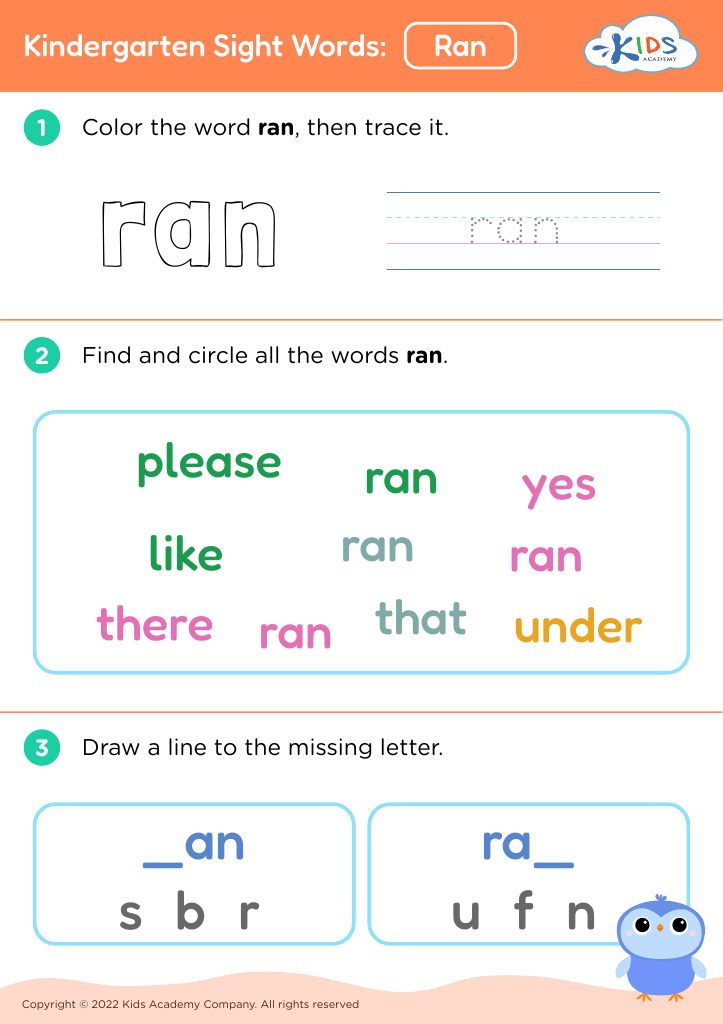
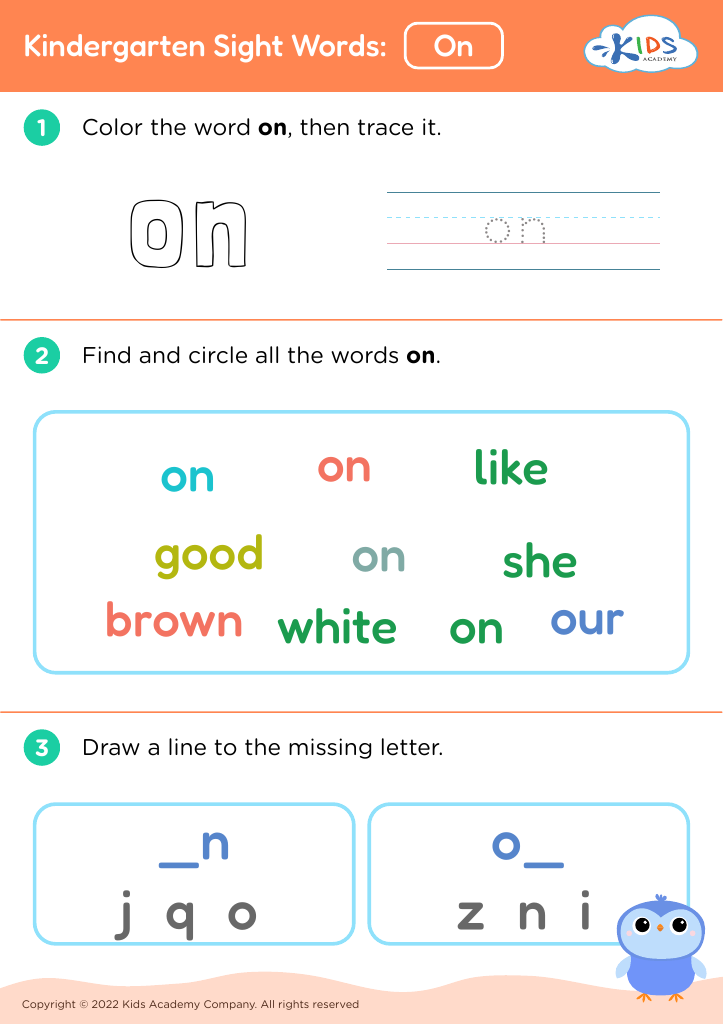





.jpg)


Caring about fraction simplification and building vocabulary for children aged 4-5 is crucial because it lays a foundation for their future academic success. During these early years, youngsters are at a prime developmental stage where they are highly receptive to learning. Introducing basic math concepts like fraction simplification helps them develop critical thinking and problem-solving skills. Although full fraction operations might be premature, these foundational aspects ignite curiosity and mathematical awareness.
Additionally, expanding vocabulary at this age significantly enhances language development. Strong language skills are linked to better reading and comprehension abilities, which are essential for success in all subjects. A rich vocabulary allows children to express themselves more clearly and to understand instructions and stories more deeply.
Combining vocabulary with simple math principles creates an integrated learning experience. For instance, when learning fractions like "half" or "quarter," children simultaneously absorb new words and concepts. This dual approach helps in cognitive development and makes learning more engaging.
Ultimately, by focusing on these areas, parents and teachers equip children with essential skills that build confidence and foster a love for learning, setting them up for a smoother and more successful educational journey.








