Identifying shapes Building Vocabulary Worksheets for Ages 4-5
5 filtered results
-
From - To
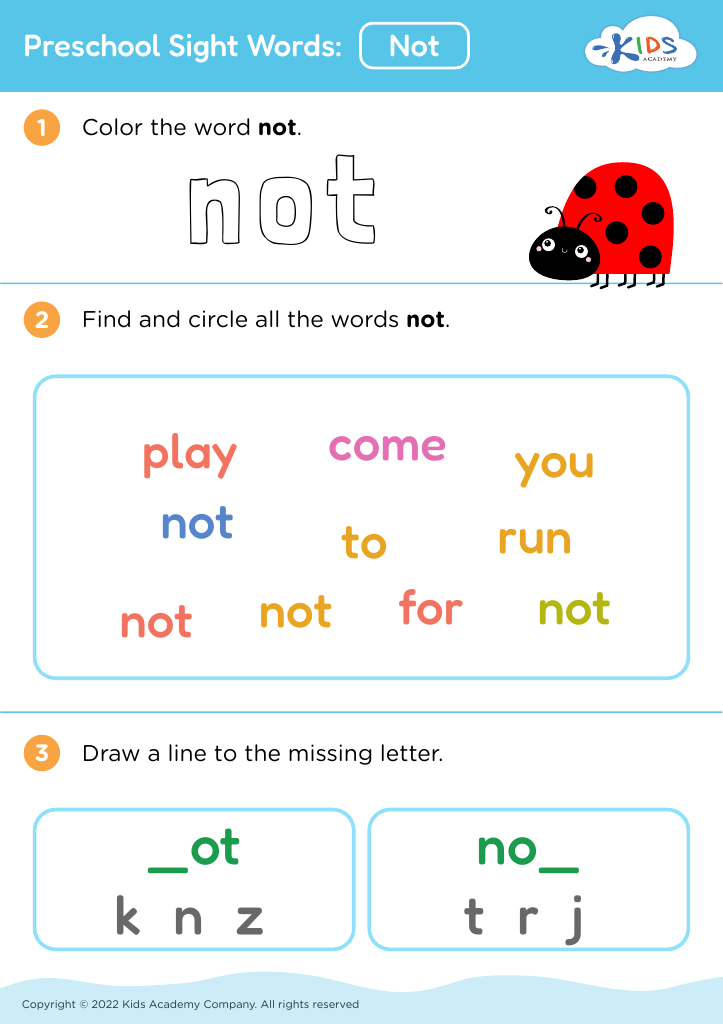
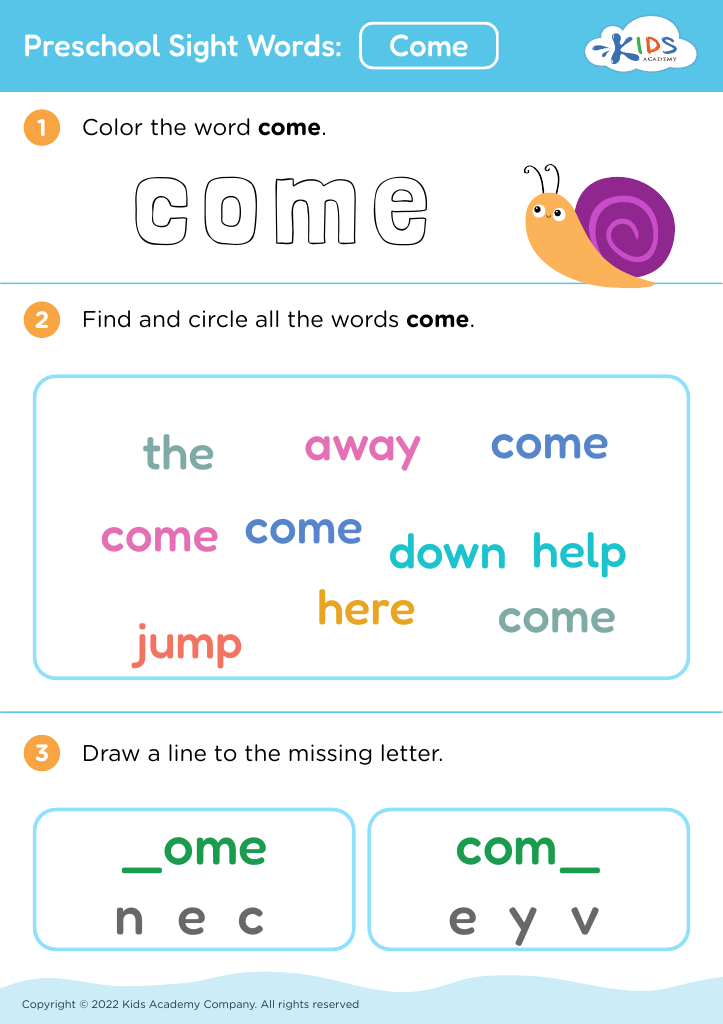
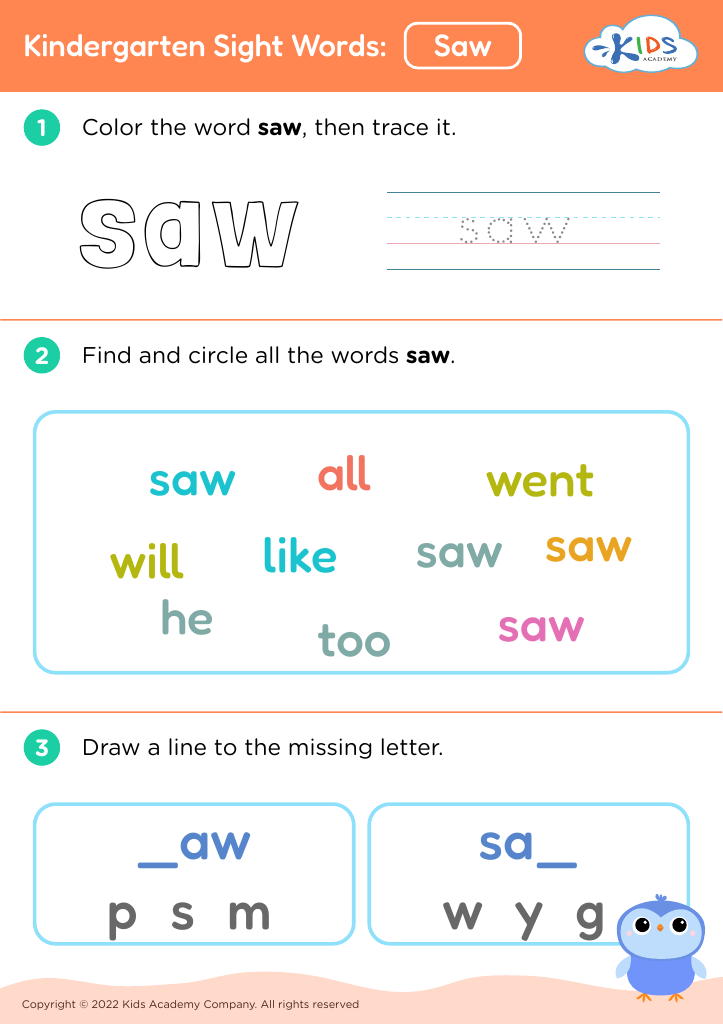
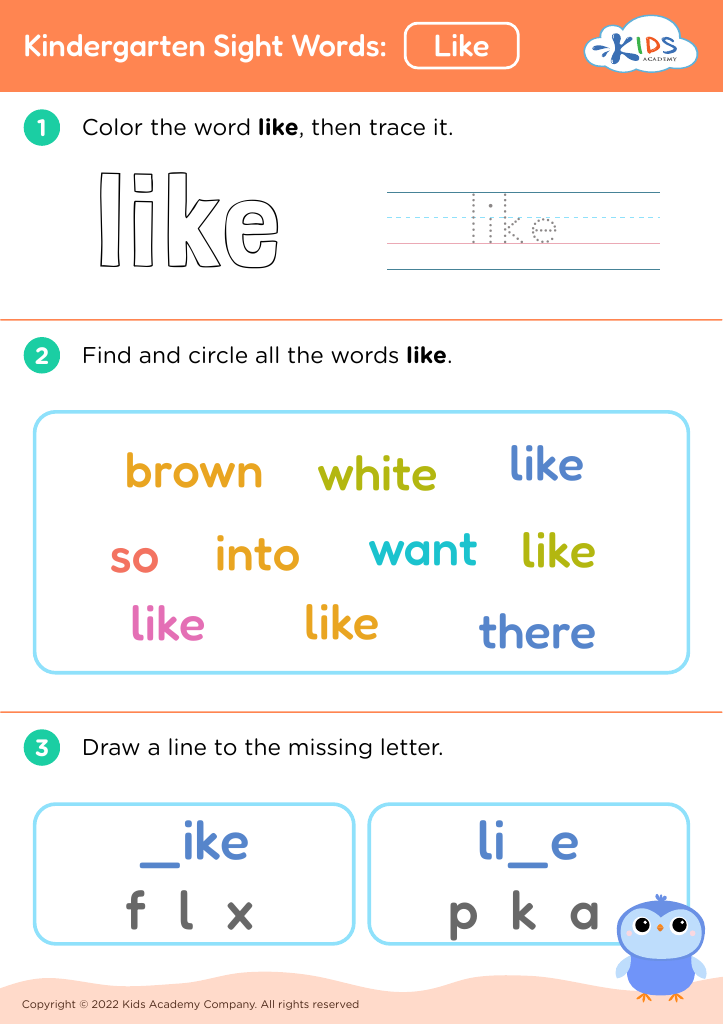
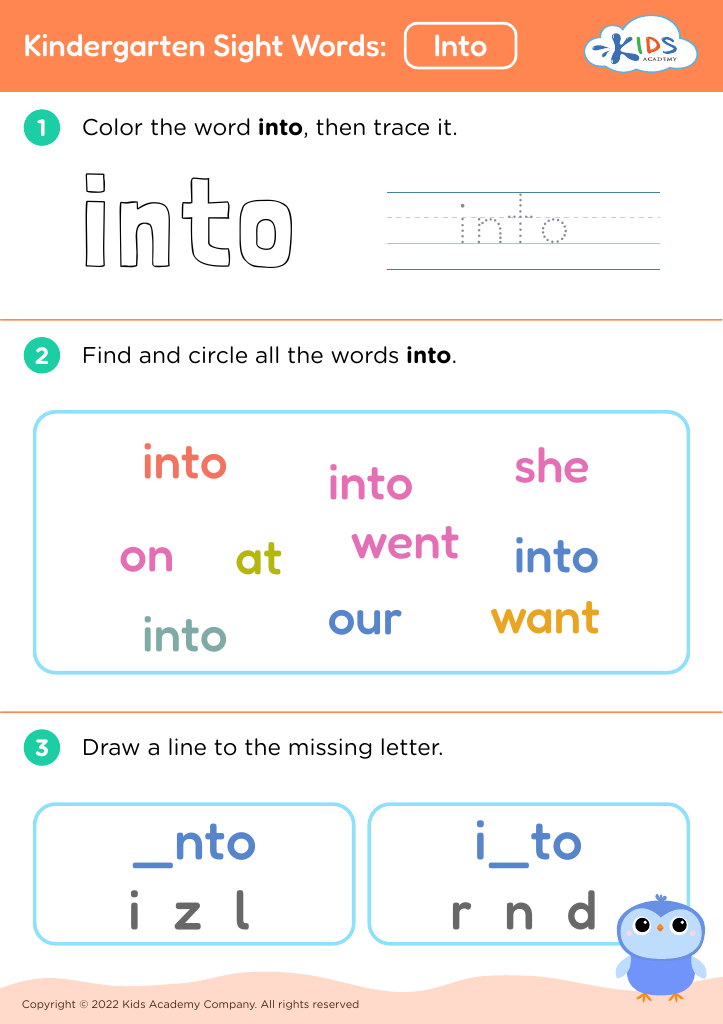
Explore our engaging "Identifying Shapes Building Vocabulary Worksheets" designed for children ages 4-5. These fun, interactive worksheets help young learners recognize and name various shapes while enhancing their vocabulary skills. Through a variety of activities, including coloring, matching, and tracing, kids will gain confidence in identifying circles, squares, triangles, and more. Perfect for home or classroom settings, these worksheets provide an excellent resource for early childhood education. Watch your child's shape recognition and language skills flourish as they play and learn with these valuable educational tools, fostering a love for learning from a young age!
















.jpg)


Identifying shapes and building vocabulary are essential skills for young children aged 4-5, and parents and teachers play a crucial role in fostering these areas of development. Understanding shapes lays the groundwork for spatial awareness, problem-solving, and critical thinking skills. Early exposure to different shapes nurtures children's ability to categorize, compare, and analyze objects in their environment, helping them to connect concepts in math and science later on.
Furthermore, building vocabulary at this age enhances communication skills and supports cognitive development. A rich vocabulary allows children to express their thoughts and feelings more clearly and confidently. It also aids in reading readiness, as children with a robust vocabulary can more easily understand and engage with stories and texts.
Integrating shape identification with vocabulary building can make learning enjoyable and meaningful. For instance, using terms like "triangle," "square," and "circle" during play introduces geometric concepts while simultaneously expanding linguistic skills. By emphasizing these foundational skills, parents and teachers help cultivate a strong educational base that promotes lifelong learning, academic success, and enhances children's social interactions as they discover and describe the world around them.








