Improving reading skills Building Vocabulary Worksheets for Ages 4-5
4 filtered results
-
From - To
Improve your child's reading skills with Building Vocabulary Worksheets for Ages 4-5. These engaging sheets are perfect for early readers, helping them expand their vocabulary through fun and interactive activities. Designed by educational experts, each worksheet encourages children to explore new words, understand their meanings, and use them in sentences. The activities promote critical thinking and improve comprehension, setting a strong foundation for future reading success. Ideal for preschoolers and kindergarteners, these worksheets not only educational but also entertaining, making learning a joyous experience for young learners. Unlock the magic of words today with our expertly crafted vocabulary-building exercises.
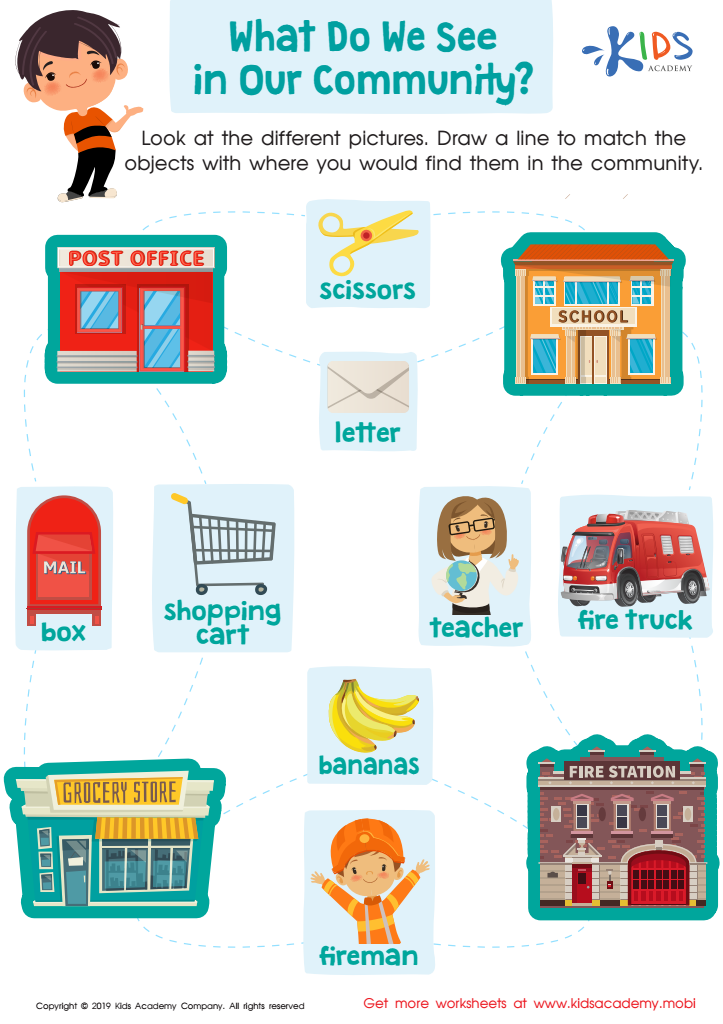
What Do We See in our Community? Worksheet
 Assign to My Students











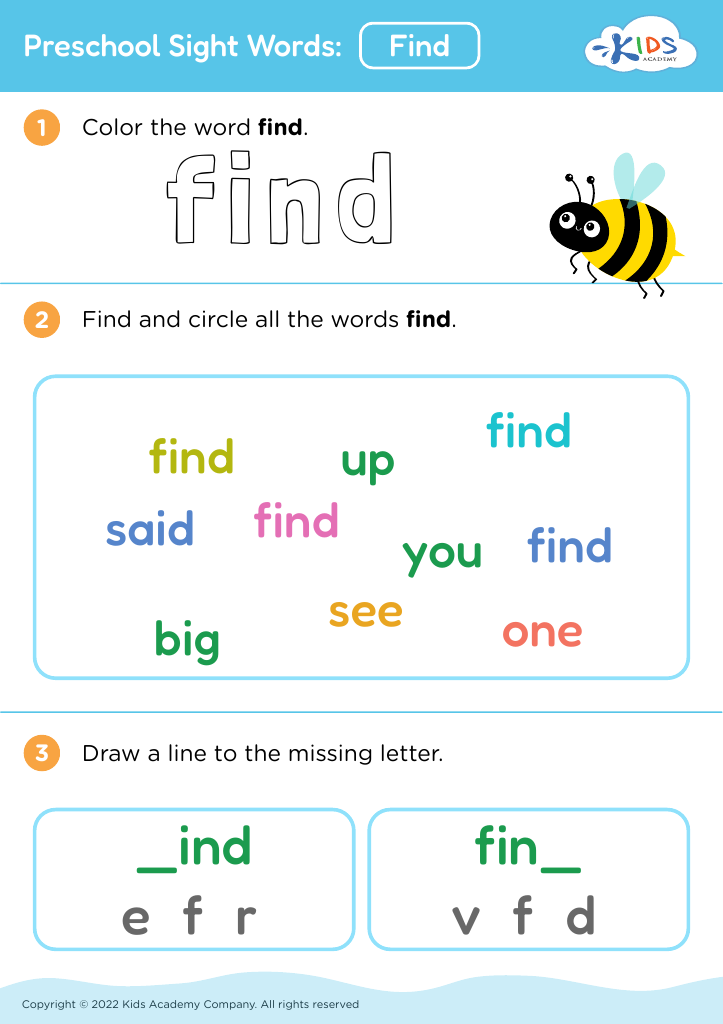
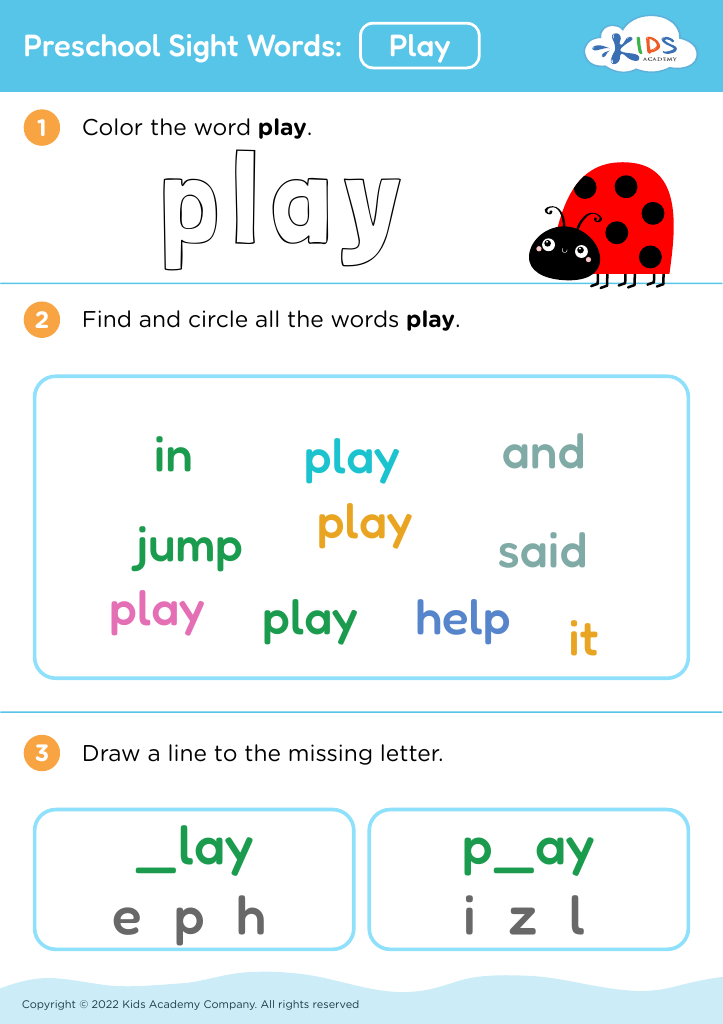
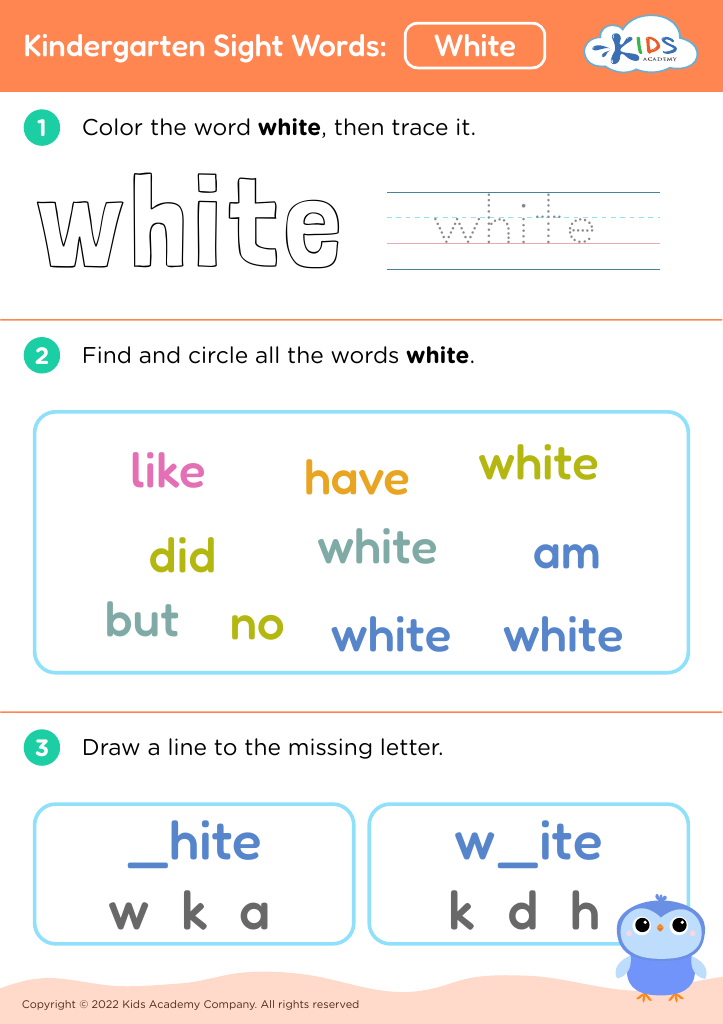







.jpg)
Parents and teachers should prioritize improving reading skills and building vocabulary for children ages 4-5 because these foundational years are critical for cognitive and academic development. At this stage, children's brains are highly receptive, making it the perfect time to introduce and reinforce basic literacy skills. When young children develop strong reading skills, they are more likely to perform well in school across all subjects, not just language arts. Reading skills foster comprehension, critical thinking, and a love for learning, all of which contribute to academic success.
Building vocabulary at a young age expands children's ability to express ideas, emotions, and understandings. A rich vocabulary gives children the tools they need to engage in more meaningful conversations, ask questions, and understand more complex narratives, both orally and in written form.
Investing time and effort in building these skills also has social and emotional benefits. Children who can articulate their needs and feelings are better equipped to navigate social interactions, thereby building confidence and positive relationships with their peers and adults. In essence, solid reading skills and a robust vocabulary provide children a strong foundation for lifelong learning and emotional well-being, helping them navigate and succeed in an increasingly complex world.








