Simplifying Fractions Building Vocabulary Worksheets for Ages 4-5
3 filtered results
-
From - To
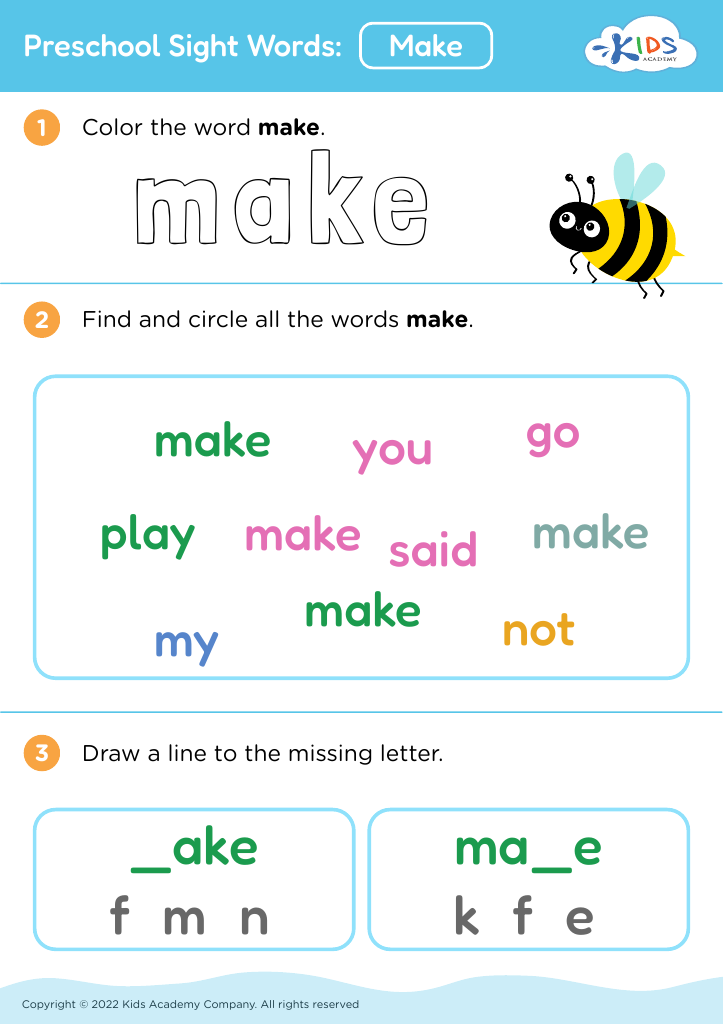
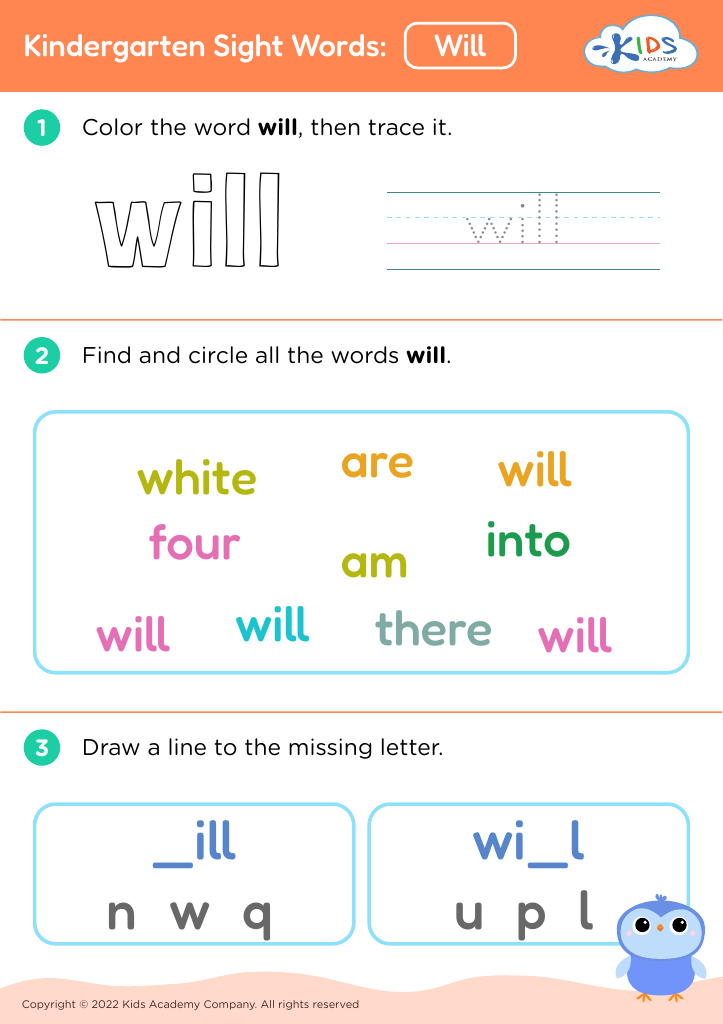
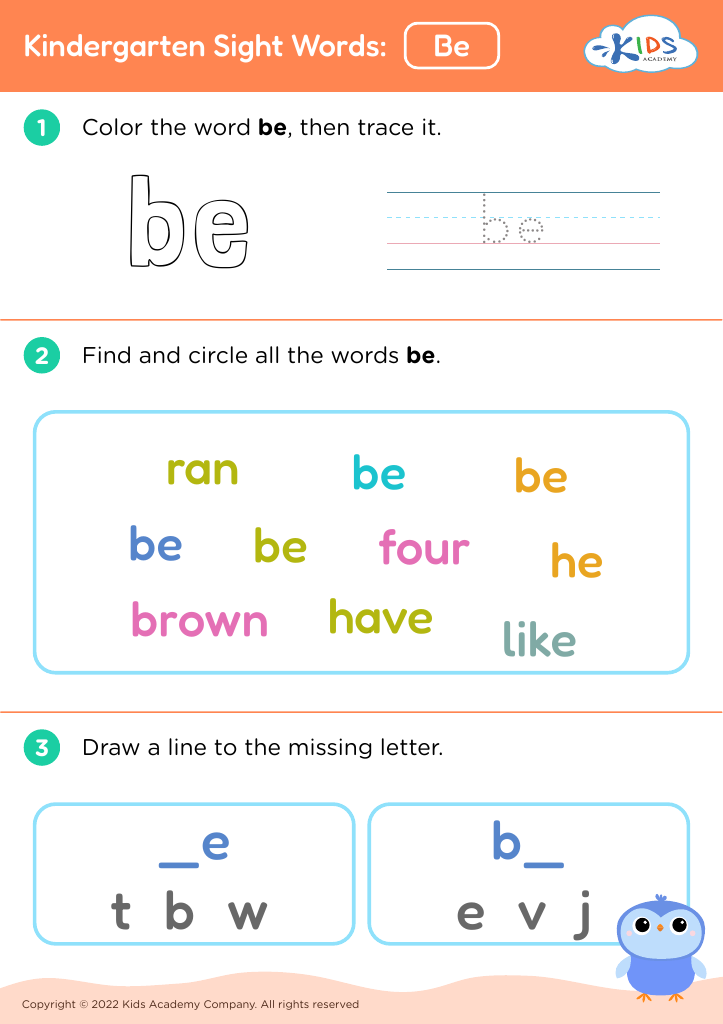
Enhance your child's math skills with our "Simplifying Fractions Building Vocabulary Worksheets" designed specifically for ages 4-5! These engaging and interactive worksheets introduce young learners to the concept of fractions in a fun and approachable way. By combining visual aids with simple language, children will build essential vocabulary while mastering the basics of simplifying fractions. Each worksheet is crafted to encourage critical thinking and creativity, ensuring that learning fractions becomes an enjoyable adventure. Perfect for at-home learning or classroom activities, these worksheets are an excellent resource for reinforcing math concepts and fostering a love for learning in your little ones!
















.jpg)


Simplifying fractions and building vocabulary are crucial for early learners aged 4-5 as they form the foundational skills needed for later academic success. At this age, children are naturally curious and eager to learn, making it an ideal time to introduce complex concepts in a simplified manner.
Understanding fractions promotes critical thinking and problem-solving skills. It helps children grasp the idea of parts of a whole, which is essential not just in math, but in everyday life, such as sharing food or dividing toys. When children learn to simplify fractions, they enhance their ability to recognize patterns and relationships, reinforcing their mathematical reasoning.
Simultaneously, building vocabulary in young learners enhances their communication skills, enriching their understanding of the world around them. Exposure to mathematical vocabulary, such as numerator, denominator, and simplify, broadens their language skills and aids comprehension in future lessons. An advanced vocabulary supports better expression of thoughts and fosters a love for learning.
Therefore, parents and teachers should prioritize these learning areas. Engaging children in creative activities involving fractions—like cooking or art—while incorporating new vocabulary will create a rich learning environment, ultimately setting them up for lifelong success in both mathematics and communication.








