Addition Practice Reading Worksheets for Ages 4-5
3 filtered results
-
From - To
Make math fun and engaging with our Addition Practice Reading Worksheets, designed specifically for children ages 4-5! These exciting printable worksheets support your little learner in developing essential early math skills. By combining colorful visuals with simple addition problems, your child will enjoy learning to add while improving their number recognition and counting abilities. Perfect for preschool or kindergarten students, these worksheets are a fun and effective way to build a strong foundation in math. Plus, they complement early literacy development by encouraging your child to follow directions and interactive reading. Boost your child's confidence and love for learning today!
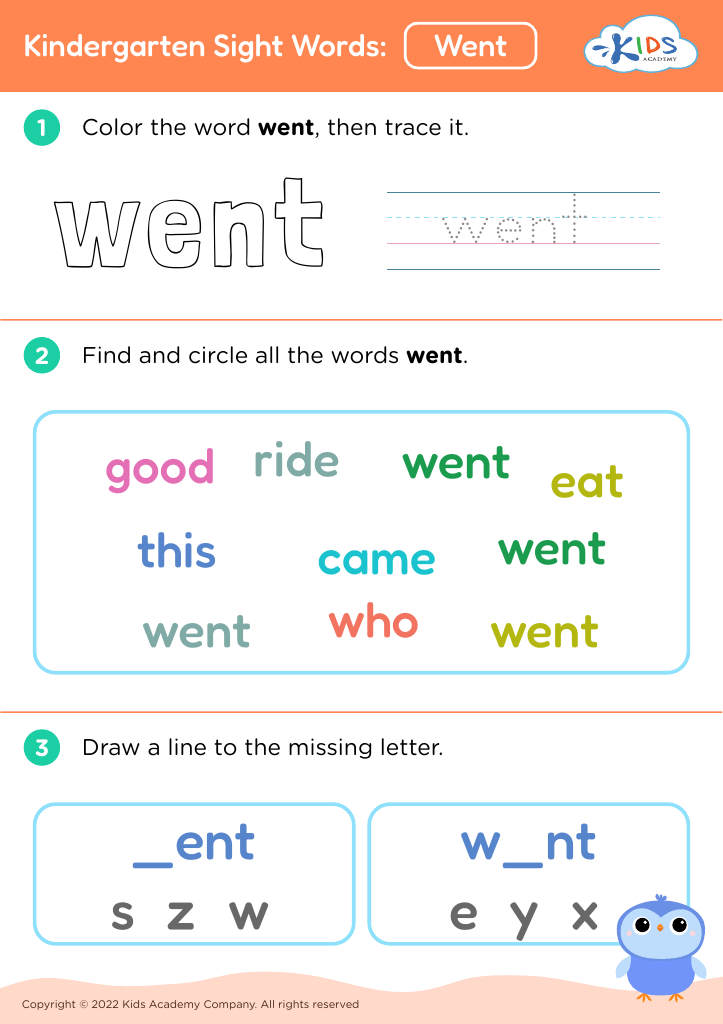
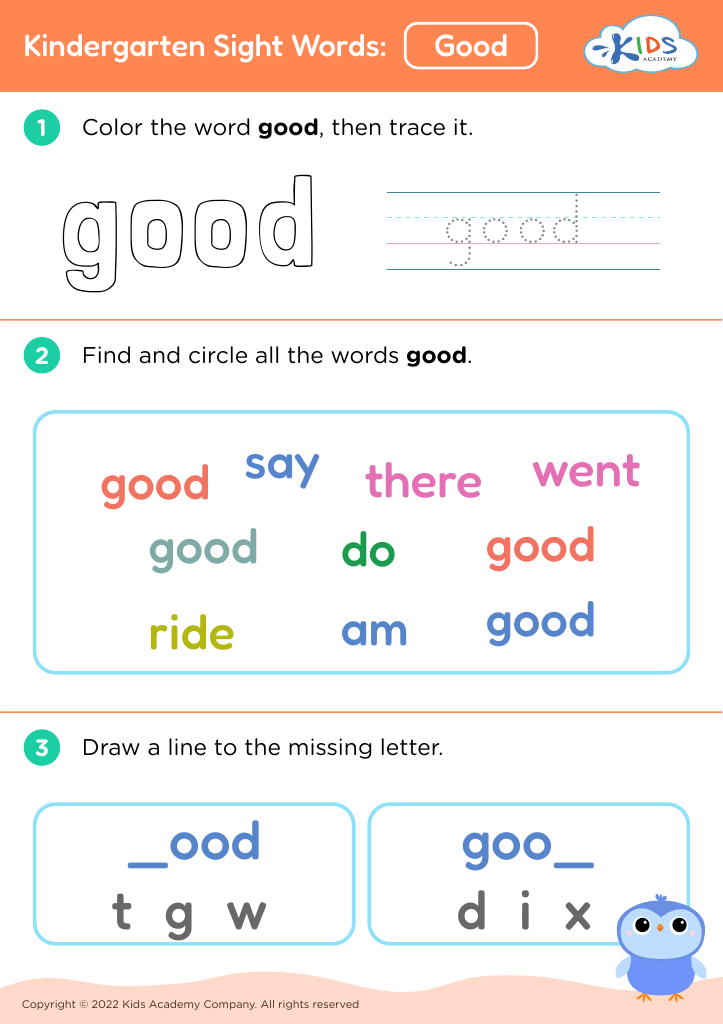
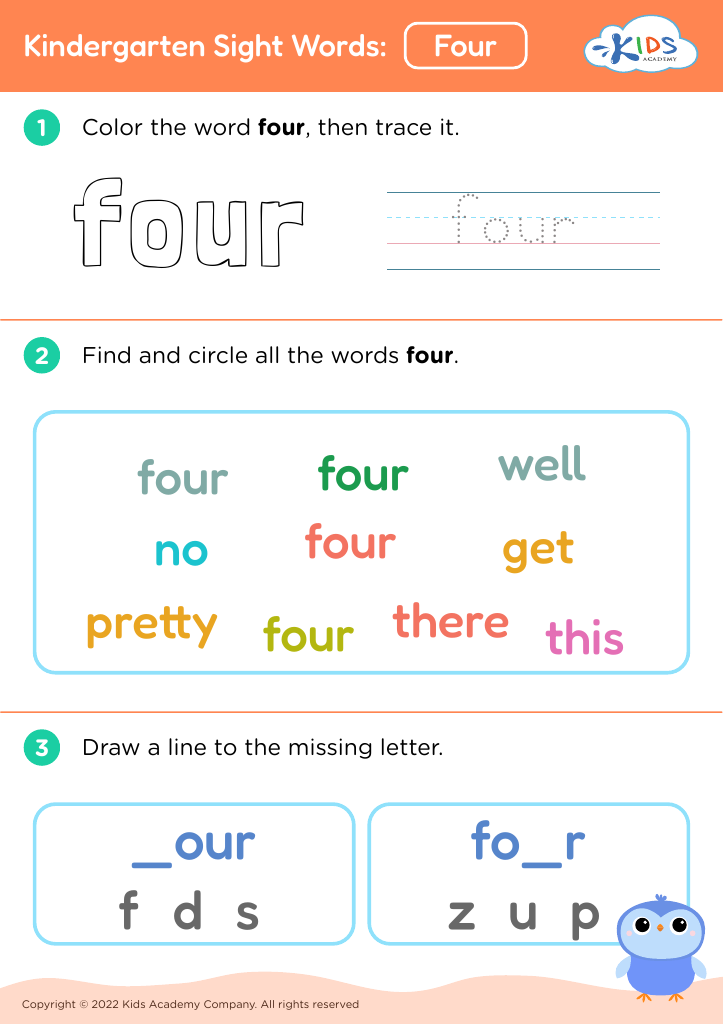








Parents and teachers should prioritize addition practice and reading for children aged 4-5 because these activities lay a critical foundation for academic development and lifelong learning. At this age, children's brains are highly flexible and capable of absorbing new information quickly. Engaging them in addition practice develops their numerical and problem-solving skills, which are essential for future math success. Early exposure to simple addition helps children understand the concepts of numbers and arithmetic operations, fostering analytical thinking and logical reasoning.
Reading, on the other hand, enhances literacy, language development, and cognitive abilities. Through reading, children expand their vocabulary, improve comprehension skills, and develop a deep love for books and learning. Reading to children or with them encourages imagination, empathy, and cultural awareness, creating a well-rounded individual.
Combining both these skills, parents and teachers embed a balanced growth environment. Structured learning routines, incorporating playful methods and engaging books, make these activities enjoyable rather than a chore. Early proficiency in reading and arithmetic builds confidence, ensuring a smooth transition to more formal schooling years. By investing time and effort in these foundational skills, educators and caregivers set children on the path to academic excellence and sustained intellectual curiosity.








