Vocabulary expansion Reading Fiction Worksheets for Ages 4-5
5 filtered results
-
From - To
Unlock the world of words with our Vocabulary Expansion Reading Fiction Worksheets, designed specifically for ages 4-5! These engaging worksheets help young learners enhance their vocabulary through exciting stories and interactive activities. Each worksheet is thoughtfully crafted to stimulate imagination while fostering literacy skills. Children will explore new words in context, boosting their understanding and expression as they dive into captivating narratives. Additionally, our resources promote critical thinking, listening comprehension, and language development, making reading a joyful experience. Ideal for parents and educators, these worksheets are perfect for at-home learning or classroom activities. Start your child’s vocabulary journey today!
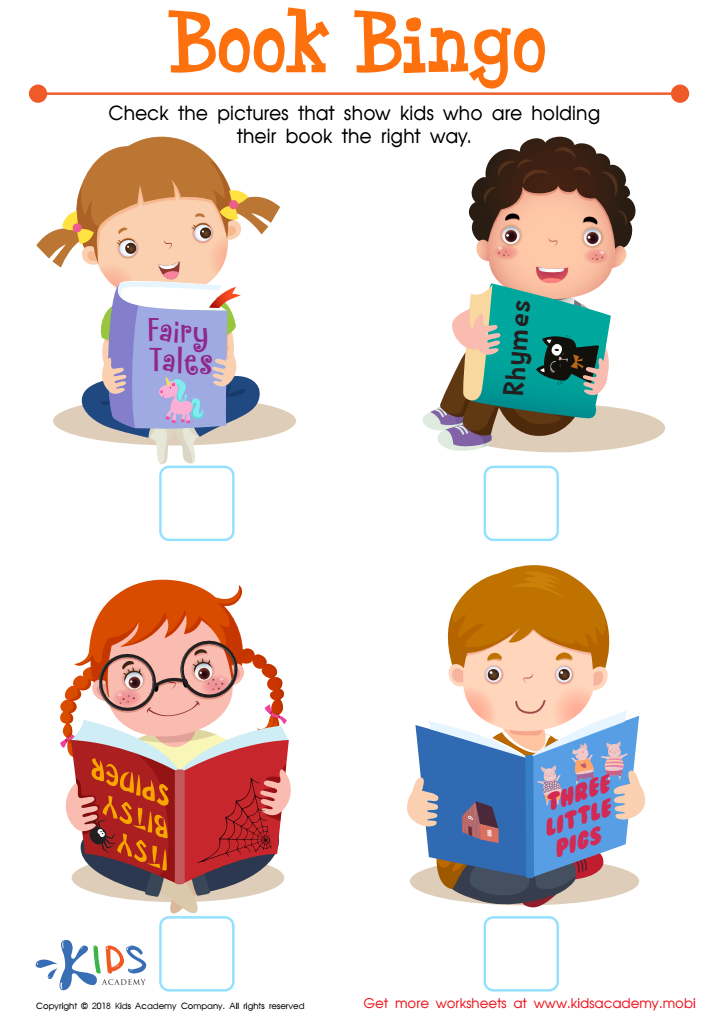
Book Bingo Worksheet
 Assign to My Students
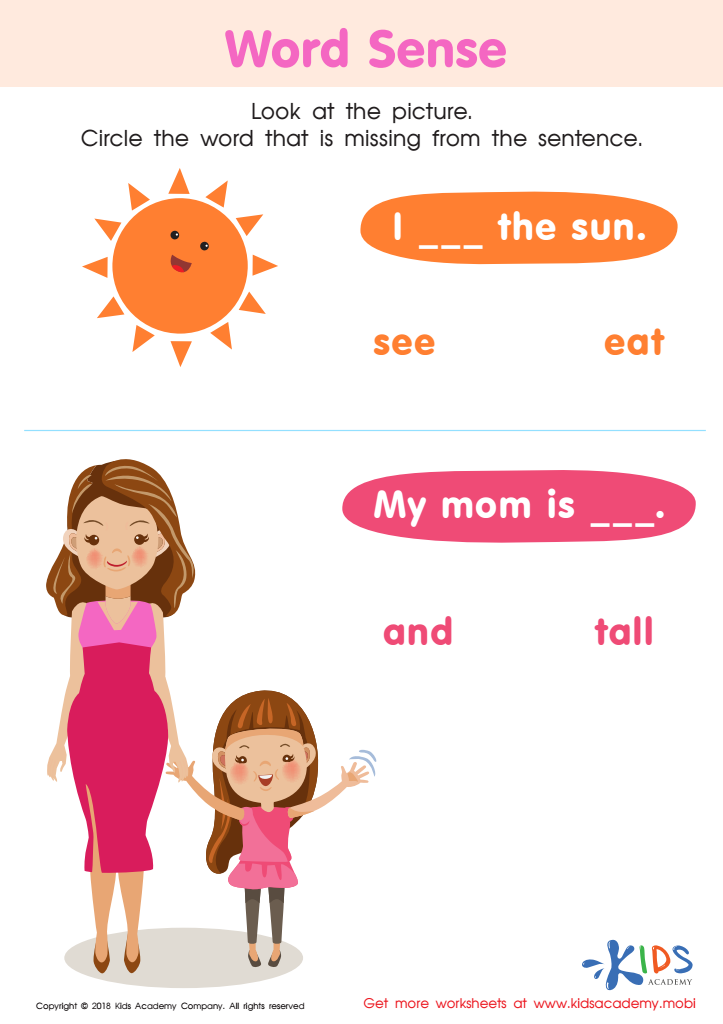
Word Sense Worksheet
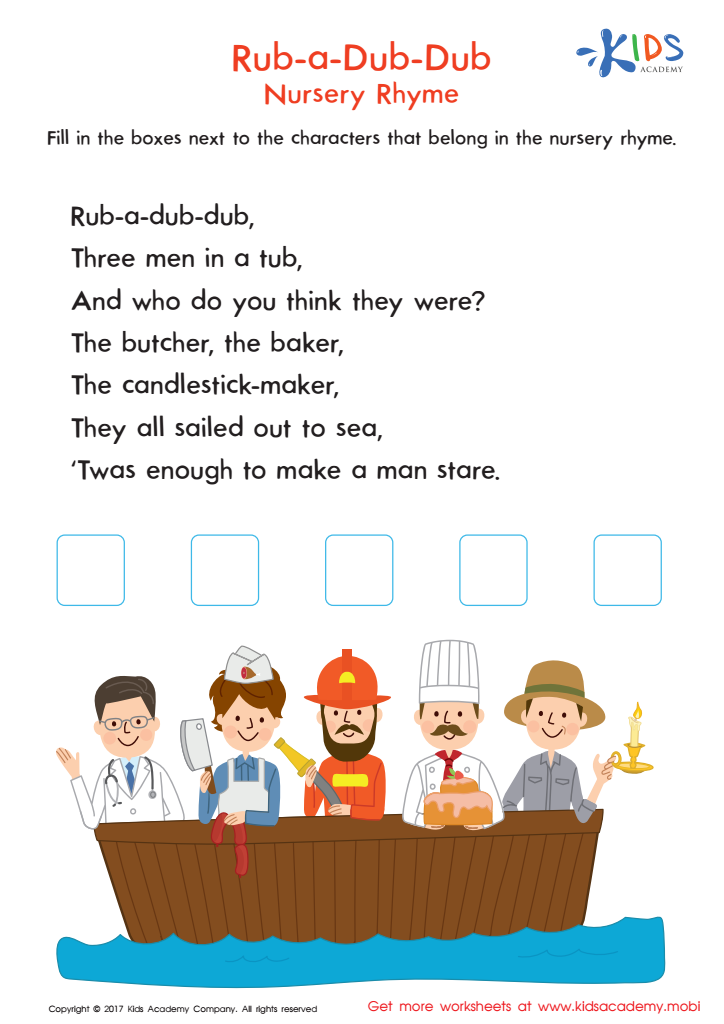
Rub a Dub Dub Printable
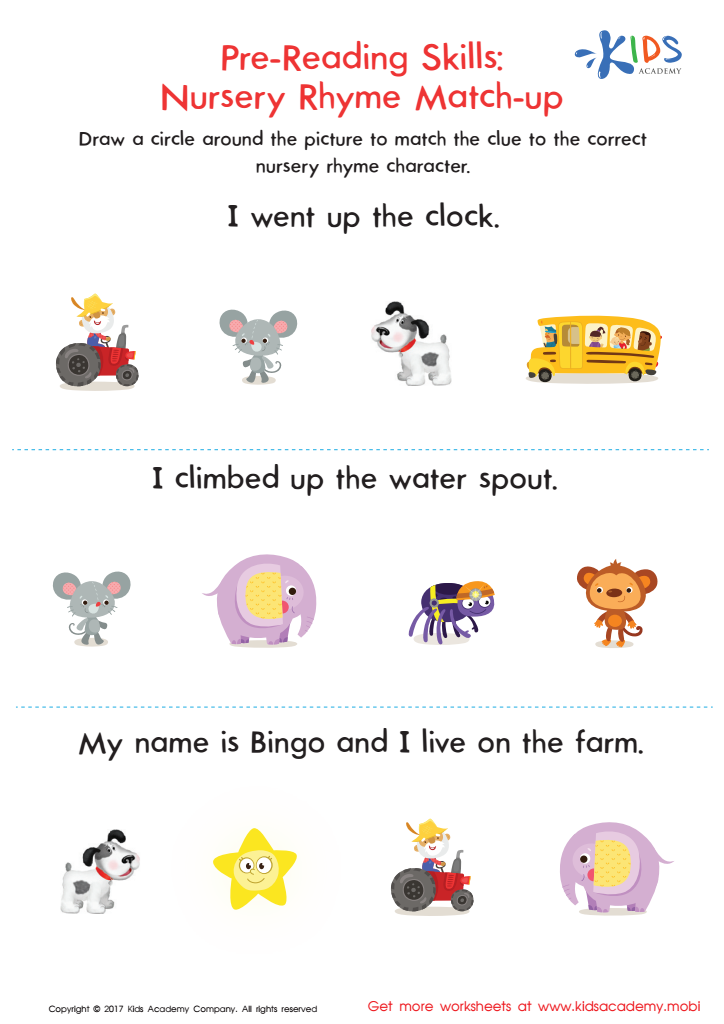
Nursery Rhyme Match–Up Worksheet
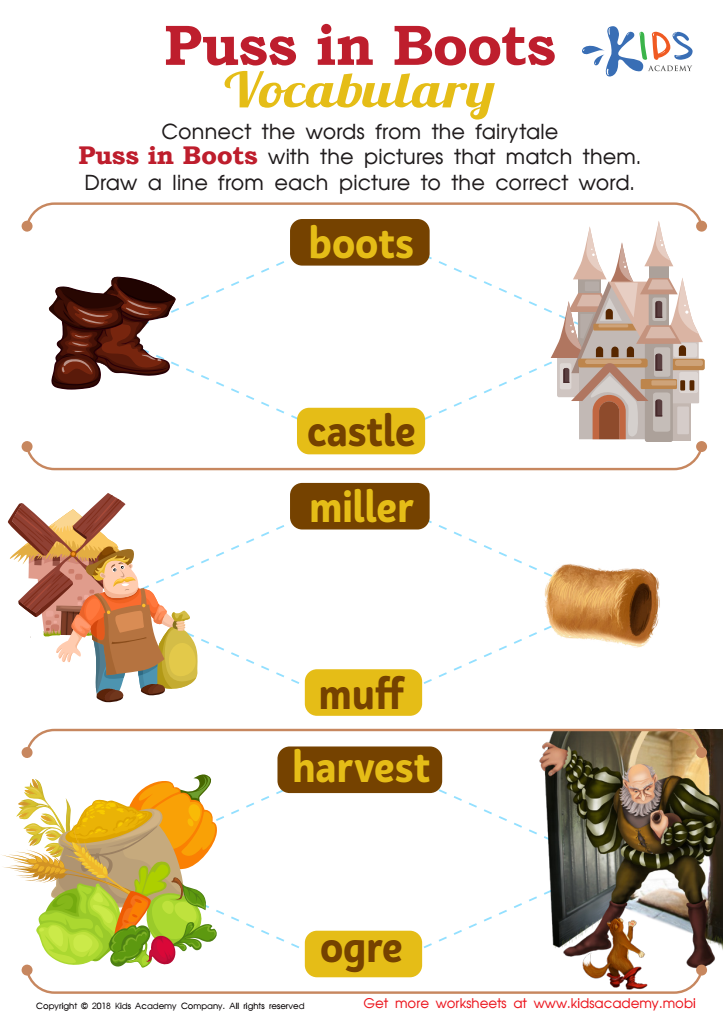
Puss in Boots Vocabulary Worksheet





.jpg)
.jpg)

Vocabulary expansion through reading fiction is essential for children aged 4-5 as it lays the foundation for their language development and comprehension skills. At this age, children are naturally curious and eager to absorb new words and ideas. Engaging with fictional stories exposes them to a rich tapestry of language, enabling them to learn new vocabulary in context, which is more effective than isolated word learning.
Reading fiction also stimulates imagination and creativity, allowing young learners to explore diverse narratives and cultures. As children encounter different characters and settings, they develop empathy and critical thinking skills, enhancing their understanding of the world around them. Furthermore, storytelling often incorporates rhythmic and repetitive patterns, making it easier for young children to remember and retain new words.
For parents and teachers, fostering a love for reading fiction not only boosts vocabulary but also promotes a lifelong passion for literature and learning. Encouraging discussions about the stories enhances deeper understanding, allowing children to express their thoughts and feelings. Overall, expanding vocabulary through fiction is a vital, enjoyable means of facilitating cognitive and emotional development in early learners, setting them up for future academic success and confidence in communication.








