Following instructions Sight Words Worksheets for Ages 4-5
4 filtered results
-
From - To
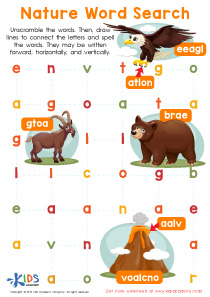
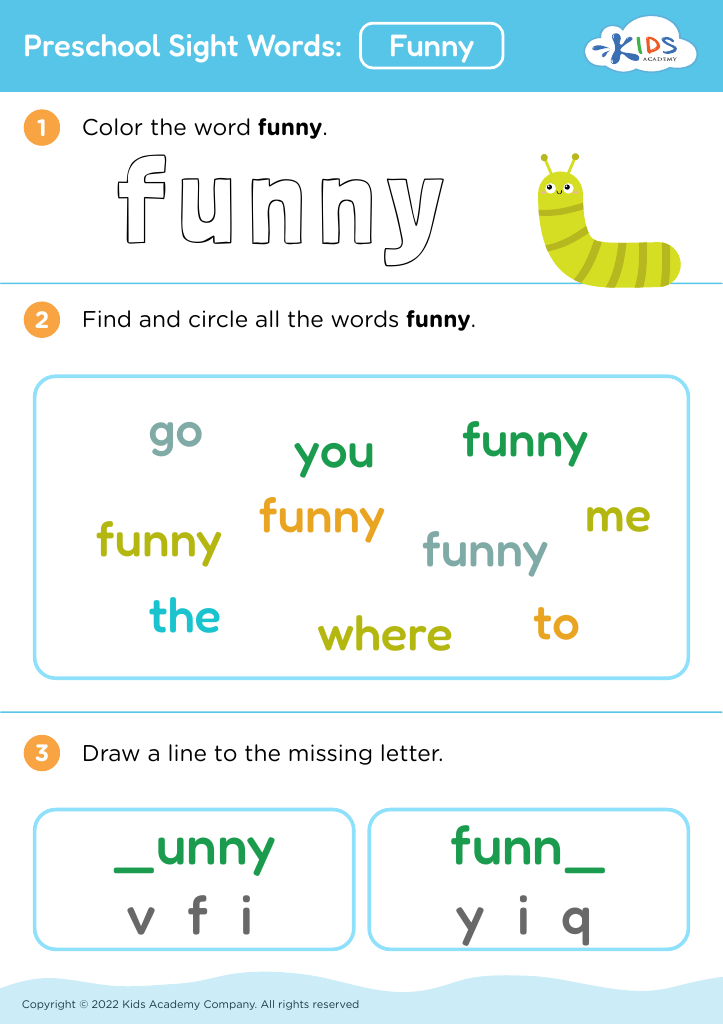
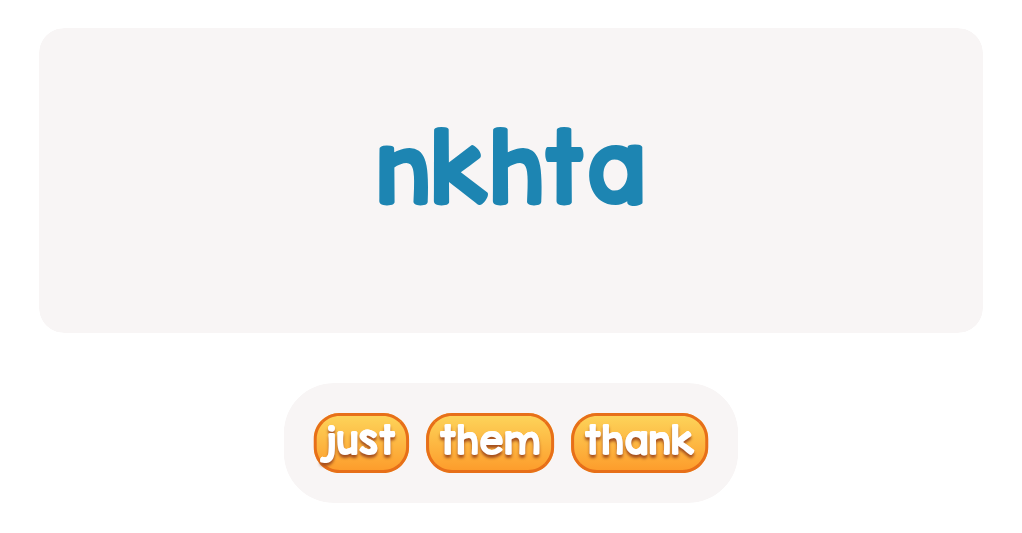
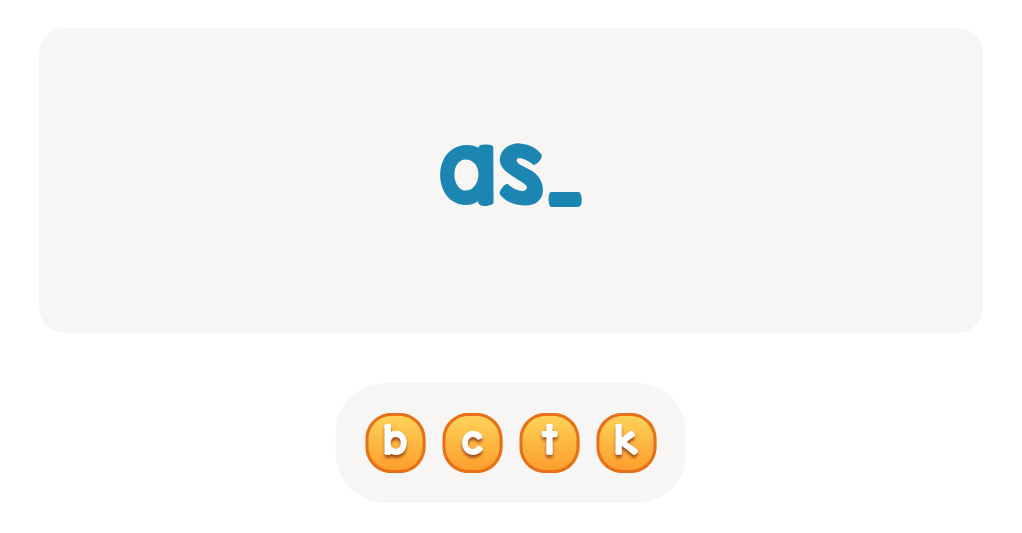
Discover our "Following Instructions Sight Words Worksheets" designed for children ages 4-5! These engaging worksheets help young learners master essential sight words while enhancing their ability to follow directions. Each activity is crafted to make learning fun, interactive, and effective, empowering children to build foundational reading skills. From simple word recognition to completing guided tasks, our worksheets encourage critical thinking through playful exercises. Parents and educators can easily access and download these resources, ensuring children develop confidence and competence in their reading journey. Start fostering independent learning and reading fluency today with our thoughtfully designed worksheets!






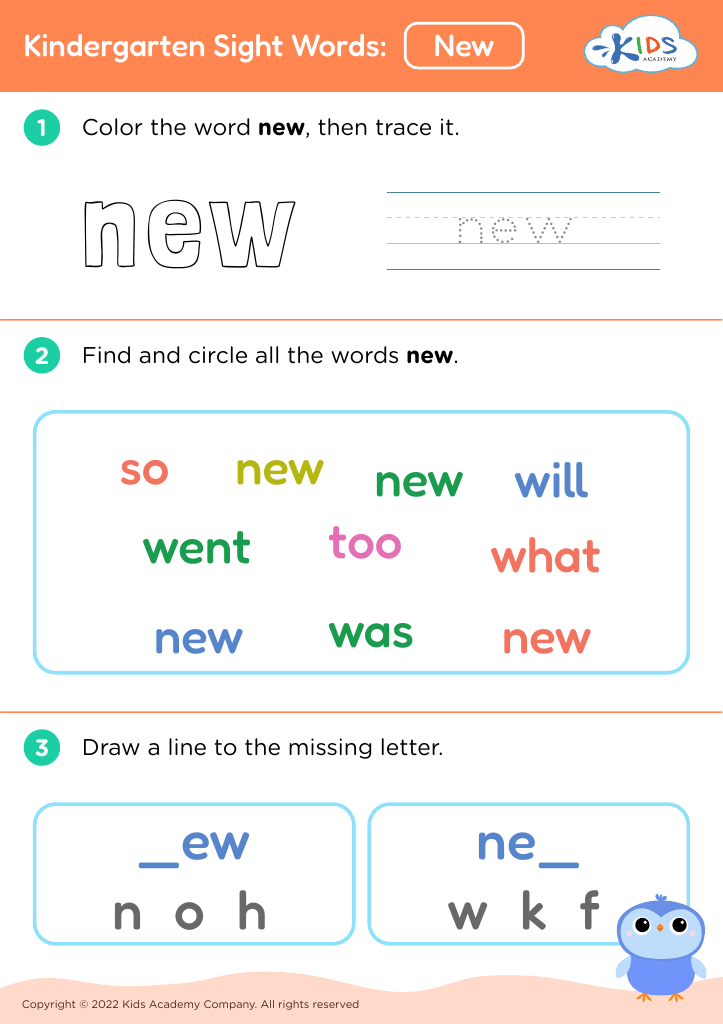
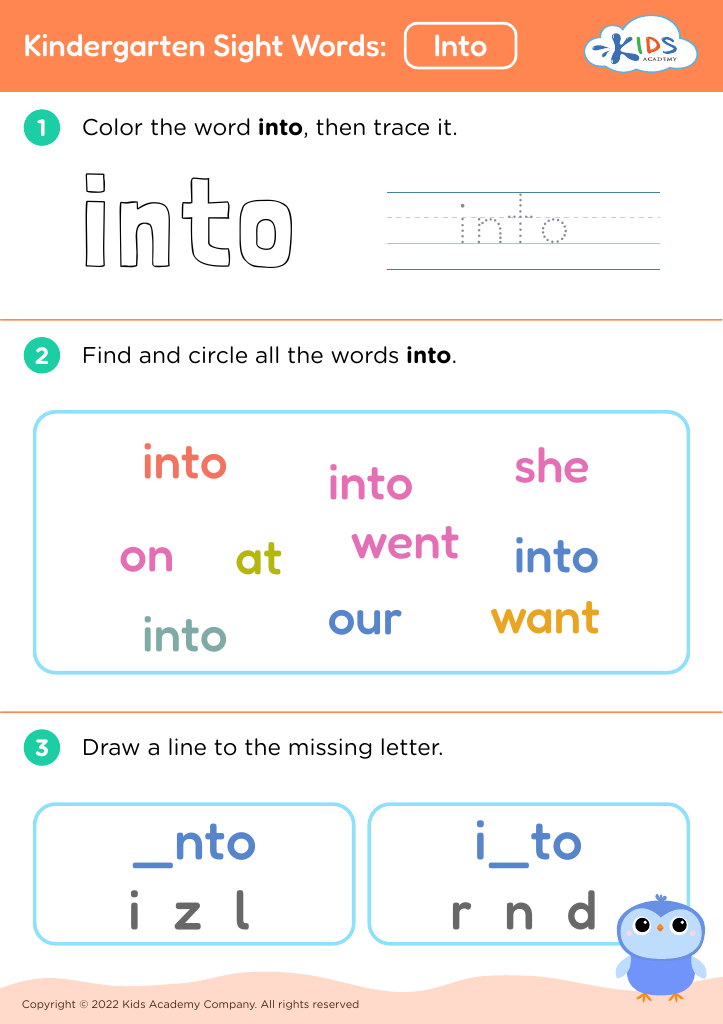
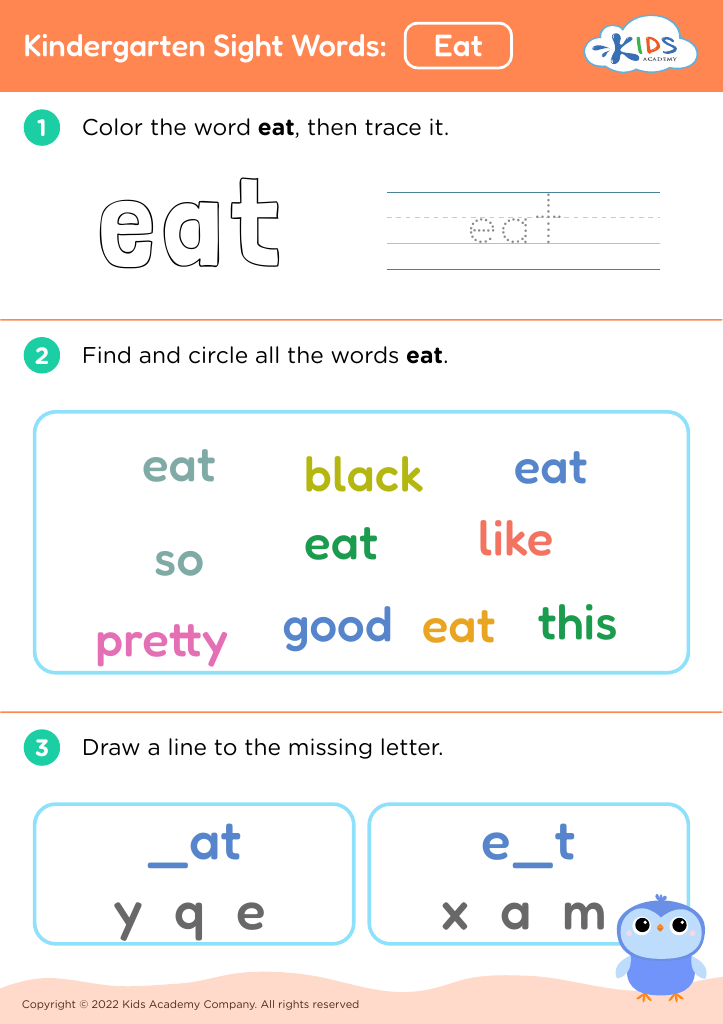



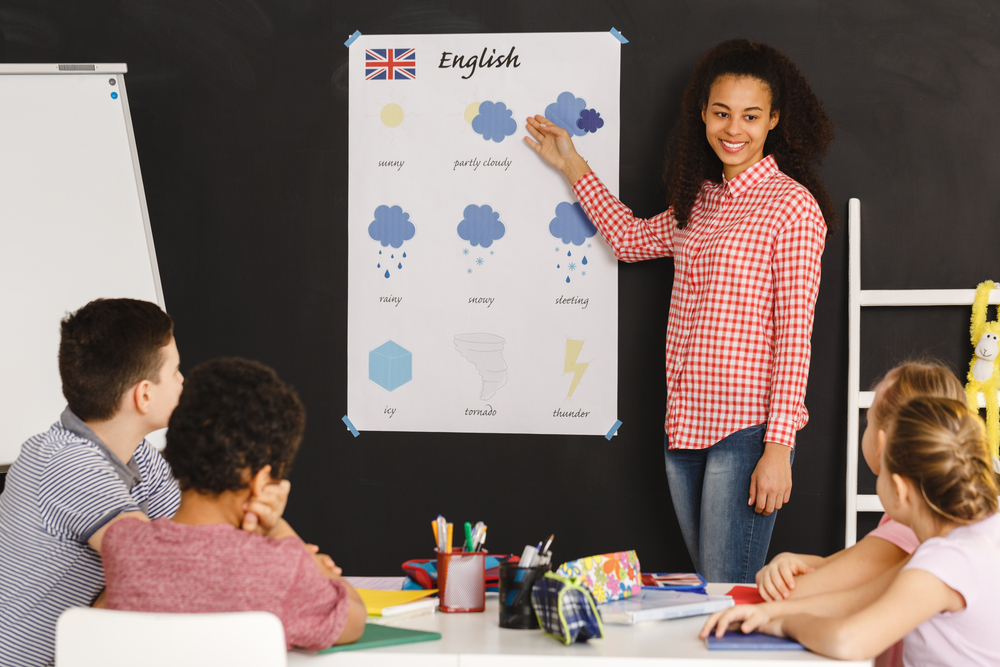




Following instructions and sight words are fundamental components of early literacy for children ages 4-5. At this developmental stage, kids are absorbing language and foundational skills that shape their future learning. Parents and teachers should care greatly about these areas because they directly influence a child's confidence, academic success, and social interactions.
First, following instructions helps children develop listening skills, improve focus, and enhance their ability to process verbal information. These skills are important not only for academic tasks but also for daily activities and routines. Successfully completing tasks based on instructions fosters a sense of accomplishment and boosts self-esteem.
Sight words, on the other hand, are essential for early reading development. These frequently used words, like "the," "and," and "is," account for a significant percentage of the texts children will encounter. Recognizing sight words fluently enables kids to read more smoothly and builds a solid foundation for advancing vocabulary and comprehension skills.
Together, mastering the ability to follow instructions and recognize sight words sets the stage for lifelong learning, enabling children to participate more fully in their education and social environments. Parents and teachers play a critical role in nurturing these skills, guiding young learners toward future success.