Fraction simplification Sight Words Worksheets for Ages 4-5
5 filtered results
-
From - To
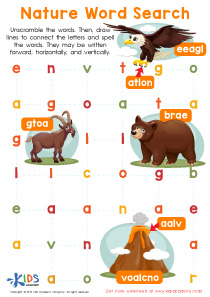
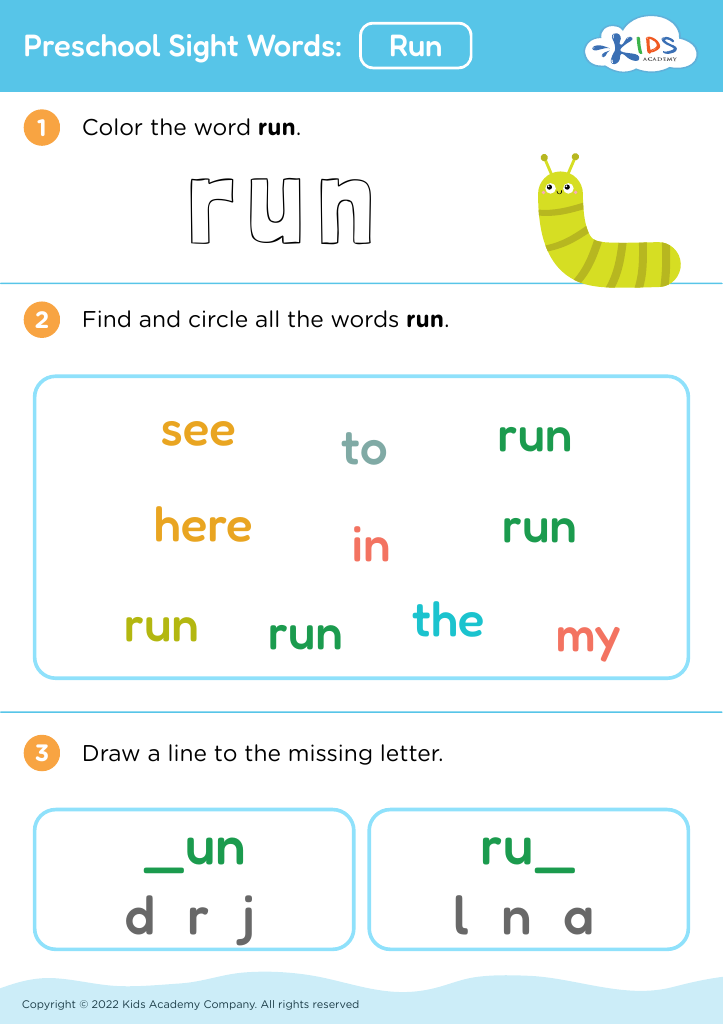
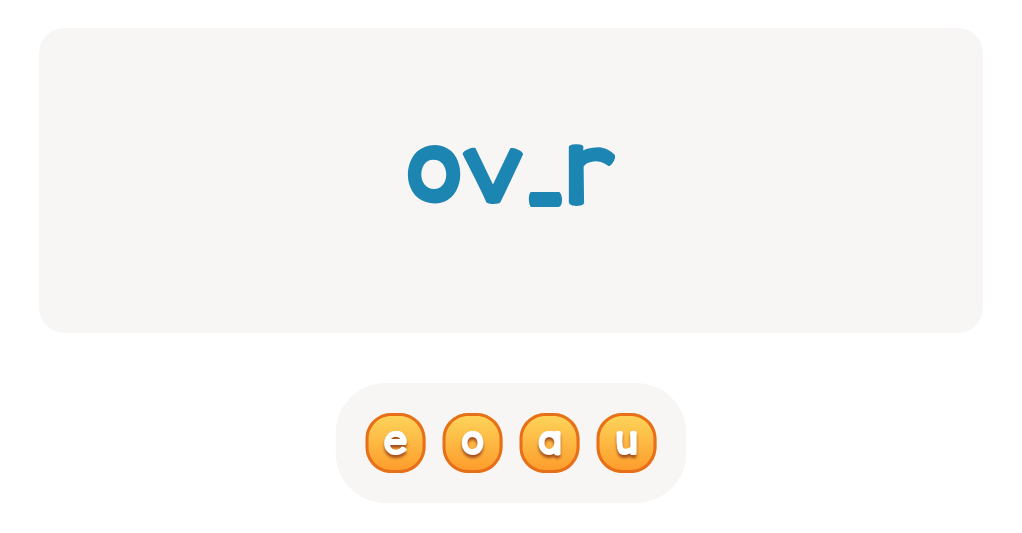
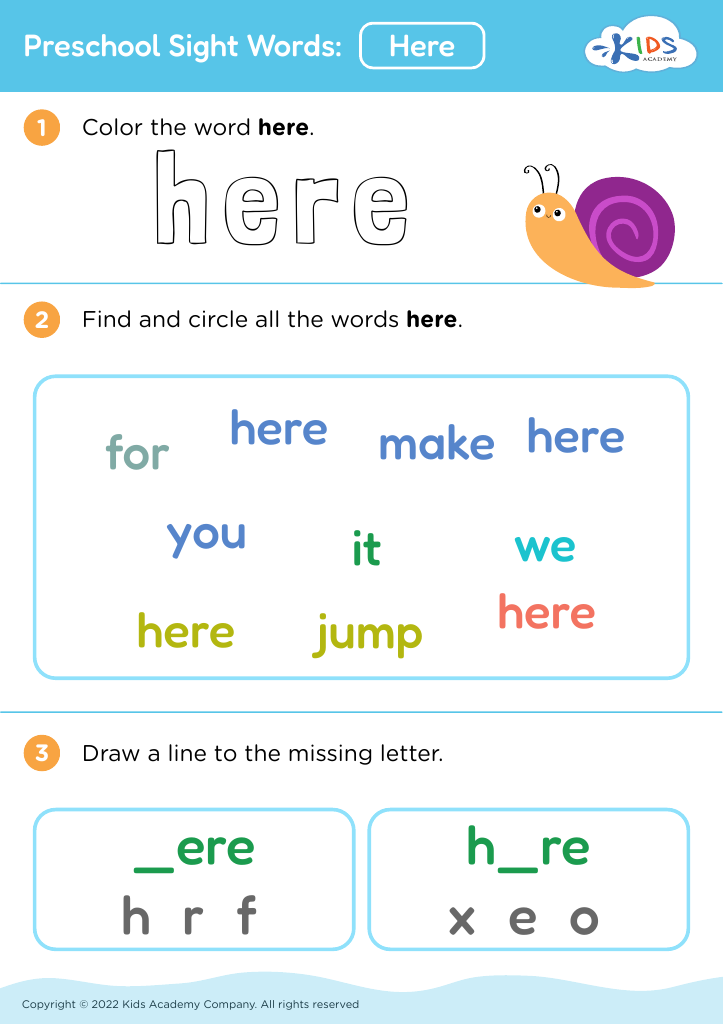
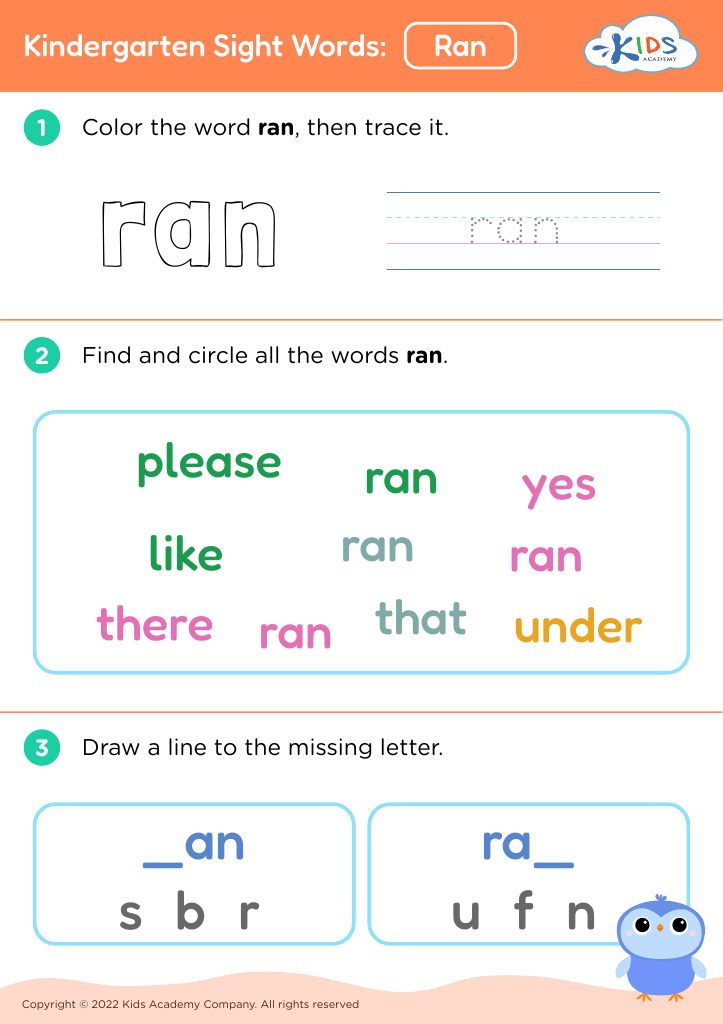
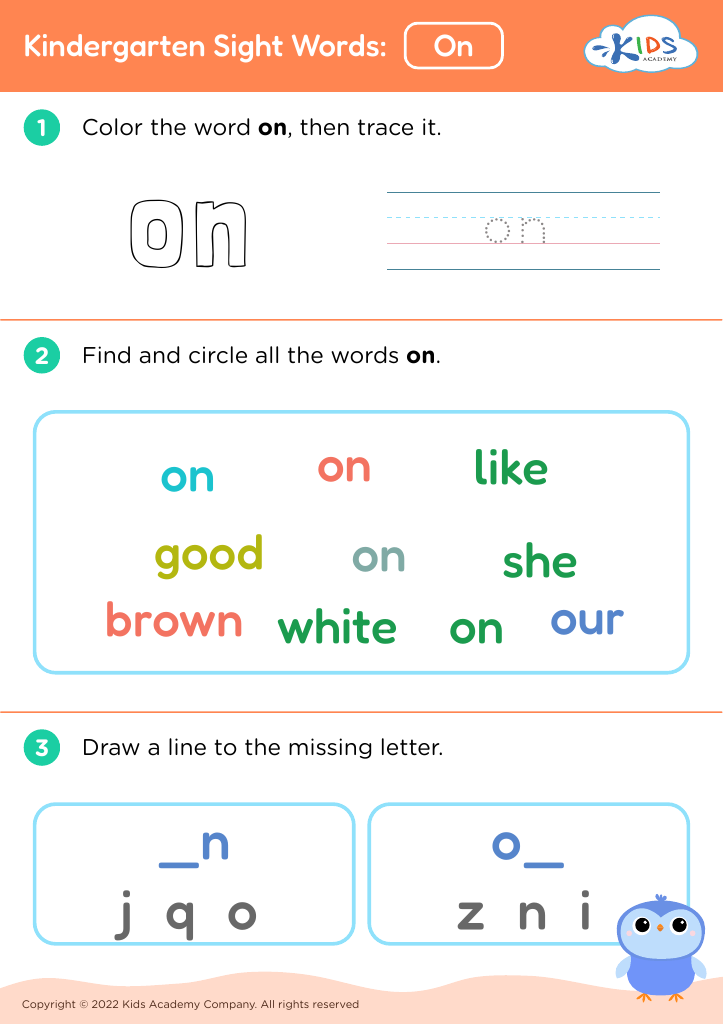
Discover our engaging Fraction Simplification Sight Words Worksheets designed specifically for ages 4-5! These interactive worksheets make learning sight words fun while introducing young learners to the concept of fraction simplification. Through colorful visuals and relatable examples, children will enhance their vocabulary and develop early math skills simultaneously. Ideal for home or classroom use, these worksheets foster a love for learning while building foundational skills necessary for future academic success. Encourage your child's growth in literacy and numeracy with our expertly crafted resources that promote problem-solving and critical thinking. Start their educational journey today with our engaging fraction simplification worksheets!






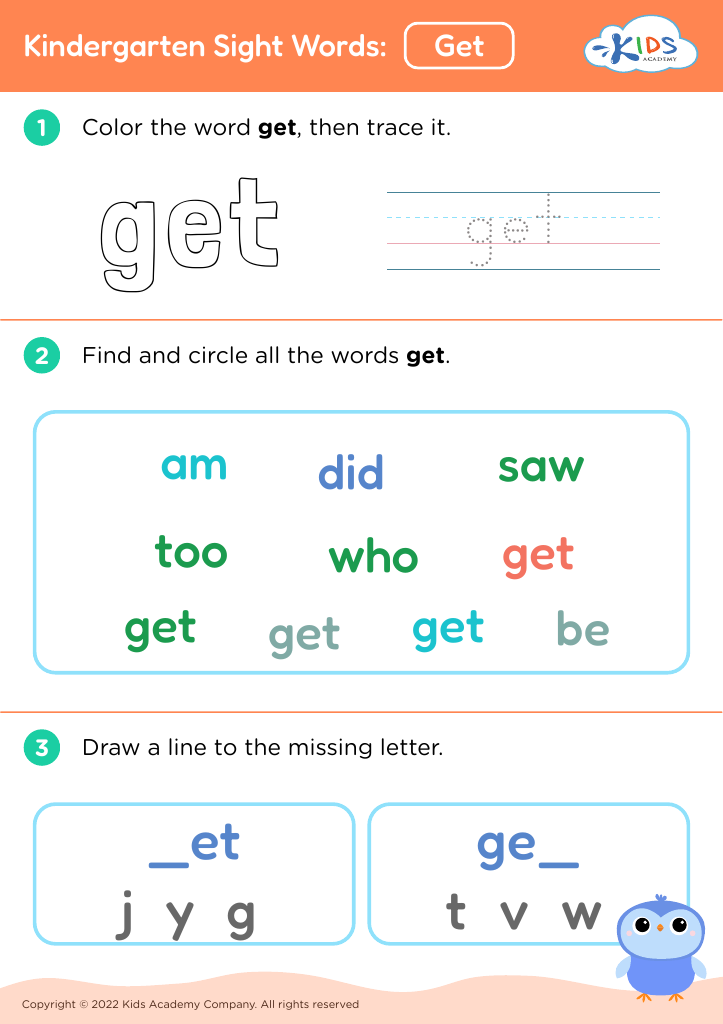



.jpg)




Supporting early learners with fraction simplification sight words is important for several reasons. First, introducing sight words related to fractions, like "half," "quarter," "whole," and "part," builds a foundational vocabulary that fosters mathematical understanding. These terms enable young children to communicate mathematical ideas and relate lessons to real-world contexts, such as sharing food or toys.
Moreover, as math concepts tend to appear abstract for young children, familiarizing them with these sight words makes fractions more tangible. Using visuals and engaging activities—like cutting pieces of fruit in half—makes the learning interactive and enjoyable.
Additionally, teaching specific sight words fosters literacy skills alongside numeracy. Recognizing these words improves reading comprehension and confidence in both math and language arts. By emphasizing fraction simplification sight words, we create a rich learning environment that incorporates both key literacy and numeracy skills.
Ultimately, prioritizing fraction sight words for ages 4-5 aids cognitive development, paves the way for advanced mathematical concepts, and instills an early appreciation for learning. Teachers and parents play a crucial role by reinforcing these concepts at home and in classrooms. By doing so, they equip children with essential skills crucial for future academic success.