Mathematical reasoning Sight Words Worksheets for Ages 4-5
5 filtered results
-
From - To
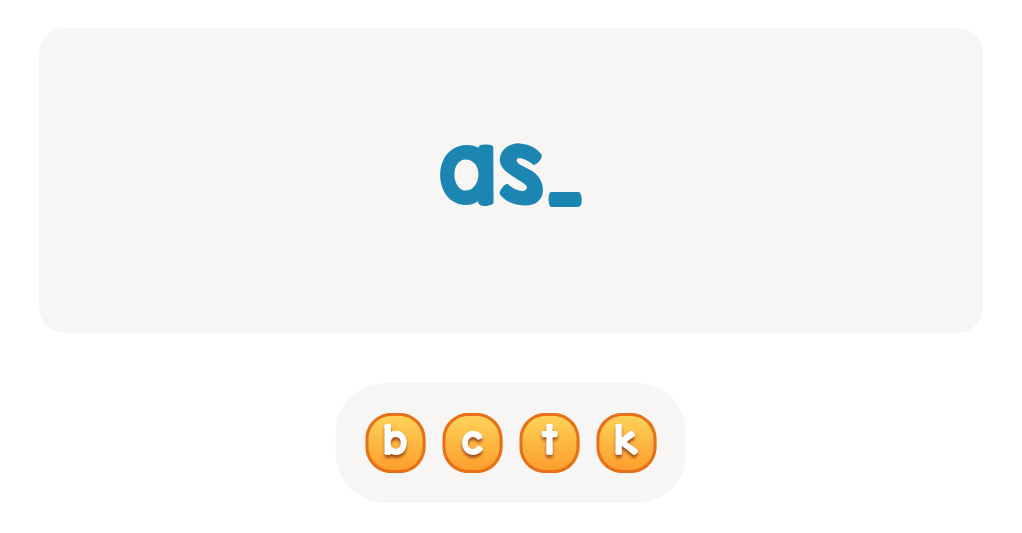
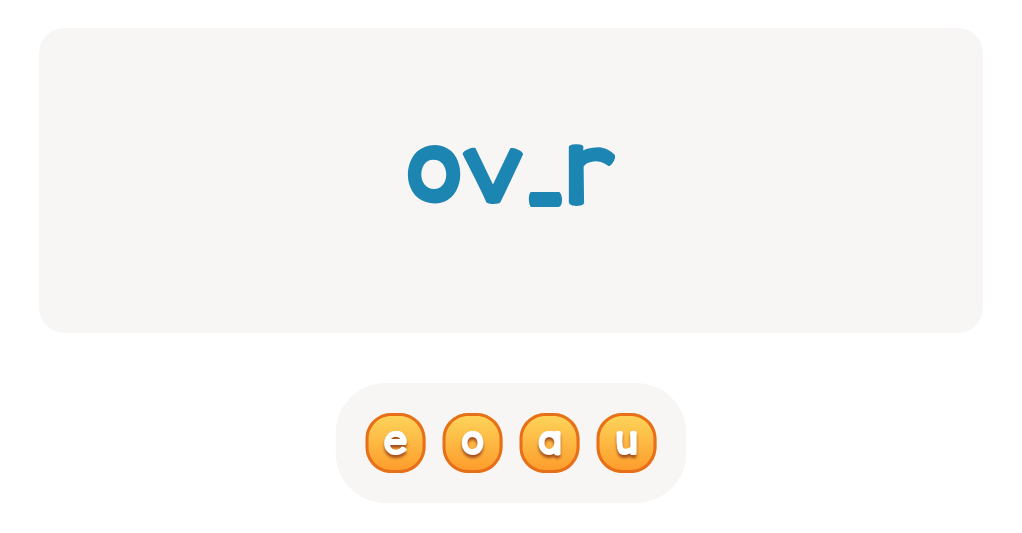
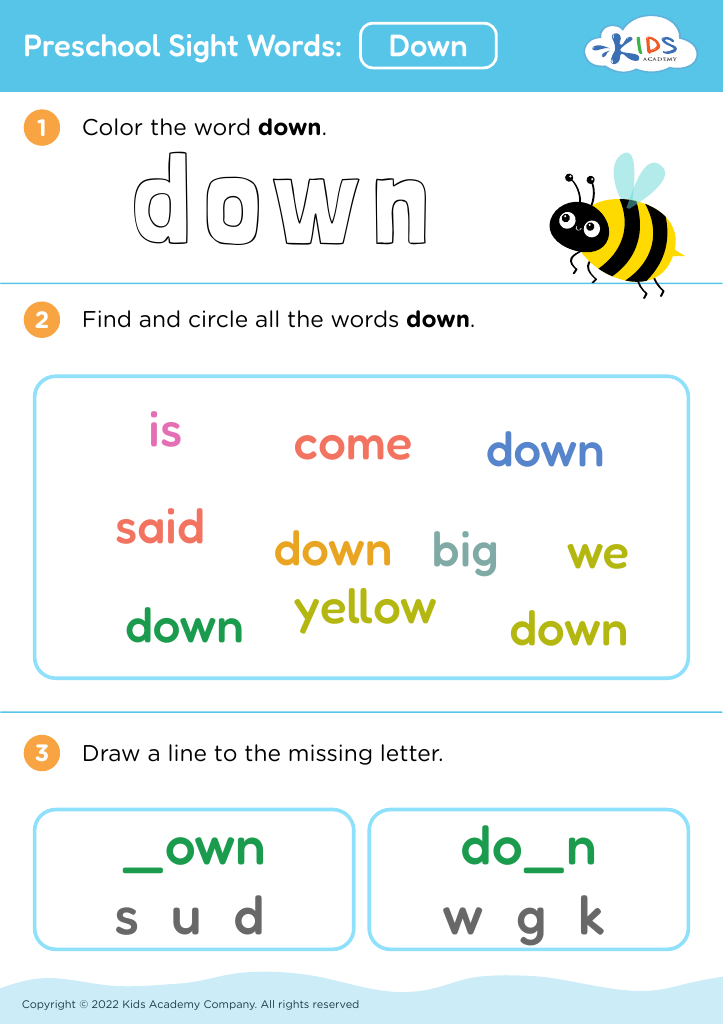
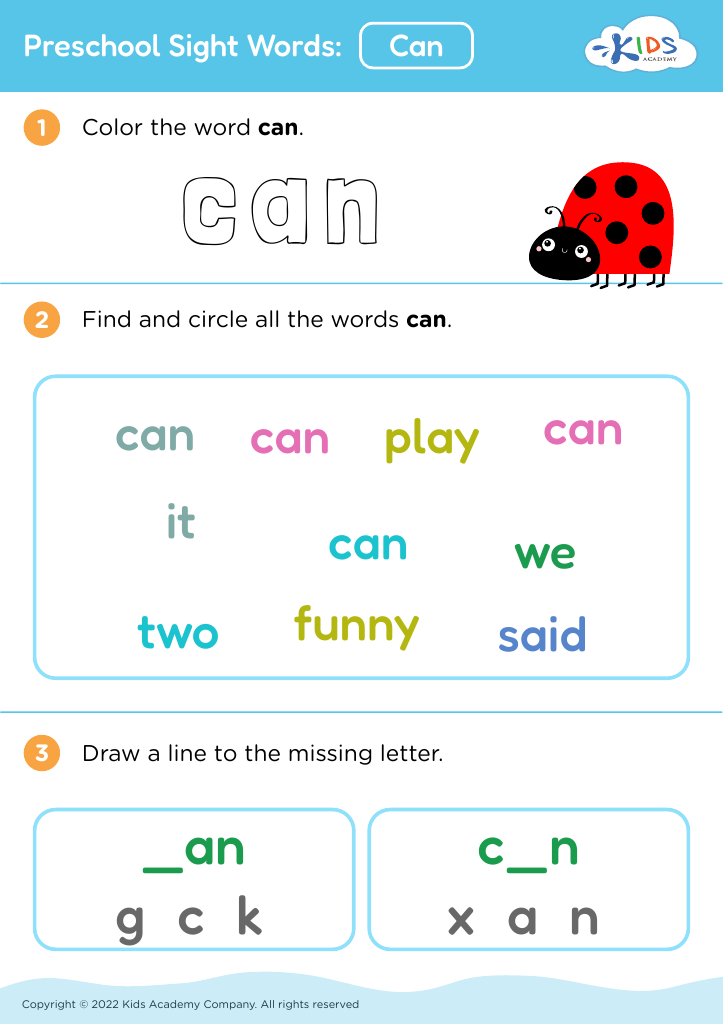
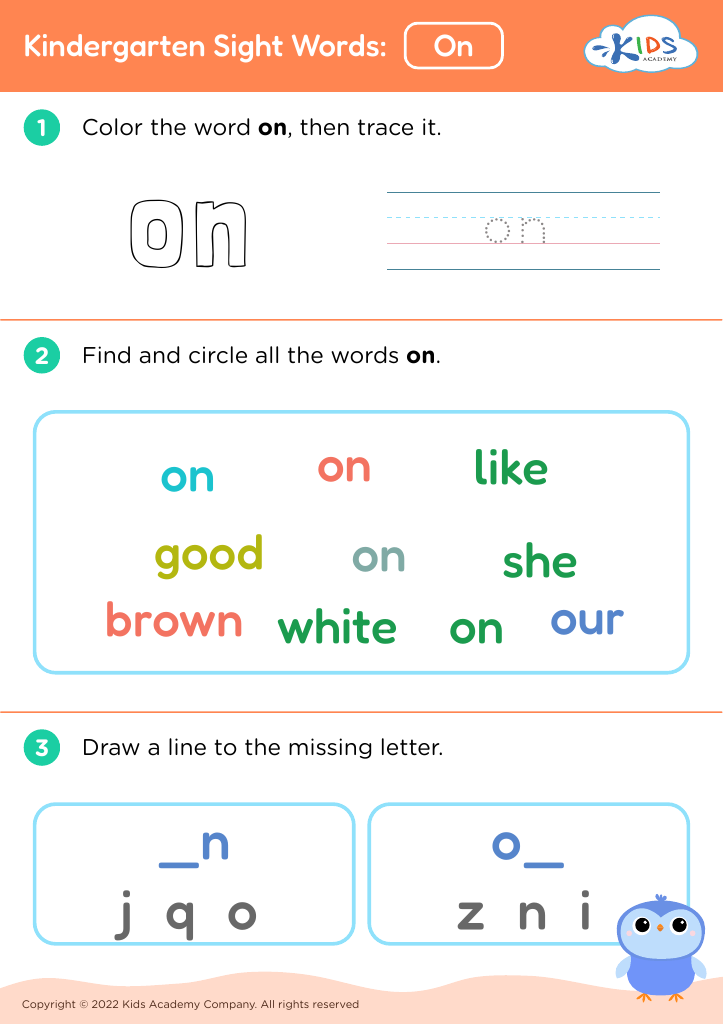
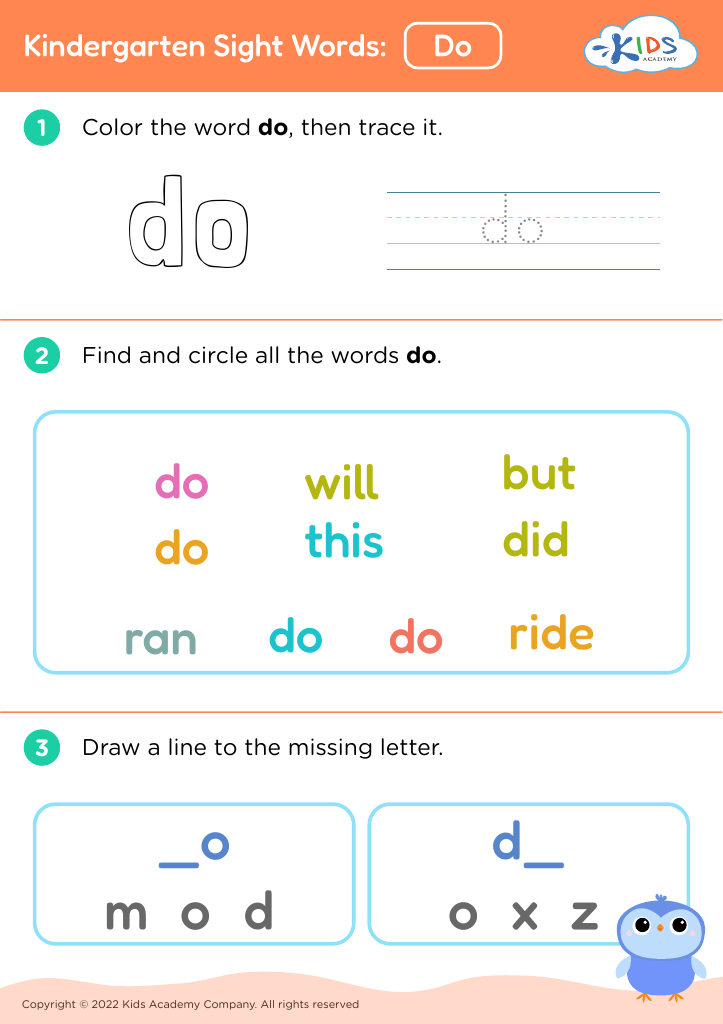
Enhance your child's learning journey with our engaging Mathematical Reasoning Sight Words Worksheets designed for ages 4-5. These worksheets seamlessly blend foundational sight word recognition with essential math concepts, helping young learners develop critical thinking and problem-solving skills while reinforcing their vocabulary. Each activity is crafted to be fun and interactive, making learning enjoyable for your little one. By incorporating visual aids and hands-on exercises, our resources cater to diverse learning styles, ensuring every child can excel. Perfect for parents and educators alike, our worksheets encourage early math proficiency alongside literacy, setting a solid foundation for future academic success. Try them today!
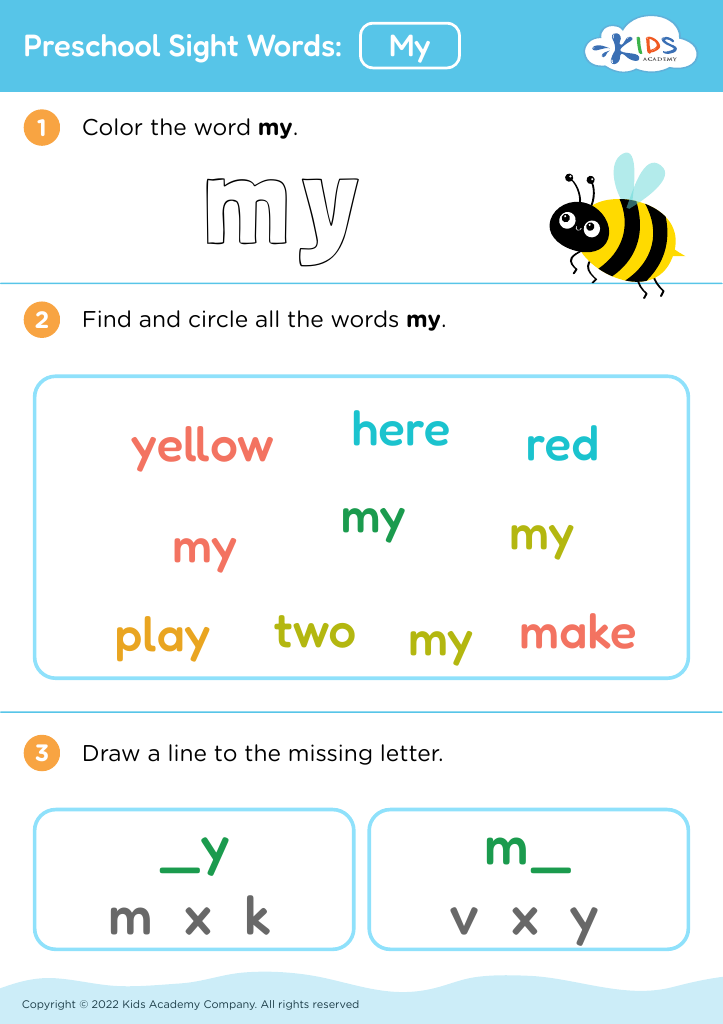









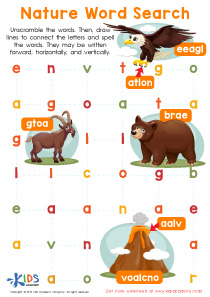
.jpg)


Mathematical reasoning sight words are essential for early learners aged 4-5 as they form the foundation for a child's understanding of mathematical concepts. At this tender age, children are developing critical thinking and problem-solving skills, and a strong grasp of mathematical sight words enhances their ability to engage with various math tasks effectively.
Recognizing these sight words helps kids to communicate mathematical ideas, understand instructions, and develop fluency in math-related discussions. As they identify terms such as "more," "fewer," "equal," and "total," children begin to build their vocabulary and develop a sense of number sense and relationships among quantities.
Moreover, teaching these sight words fosters confidence and independence during early math activities. When children feel comfortable reading and understanding mathematical terminology, they can approach problem-solving challenges with enthusiasm. This makes math less intimidating and more enjoyable.
By supporting the recognition of mathematical reasoning sight words, parents and teachers play a pivotal role in cultivating a positive attitude towards mathematics. Early exposure to these concepts not only nurtures academic success but also prepares children for future mathematical learning, encouraging them to view math as an engaging and essential part of their everyday lives.