Understanding fractions Sight Words Worksheets for Ages 4-5
24 filtered results
-
From - To
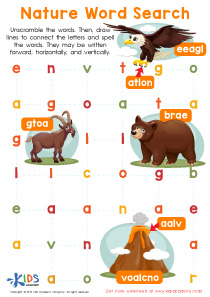
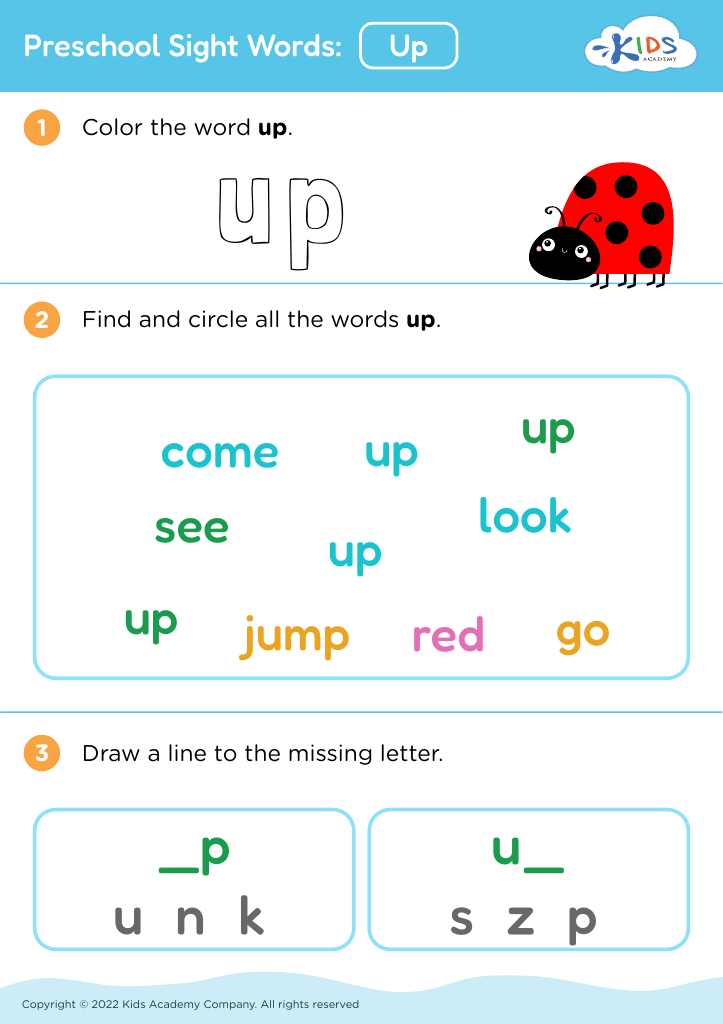
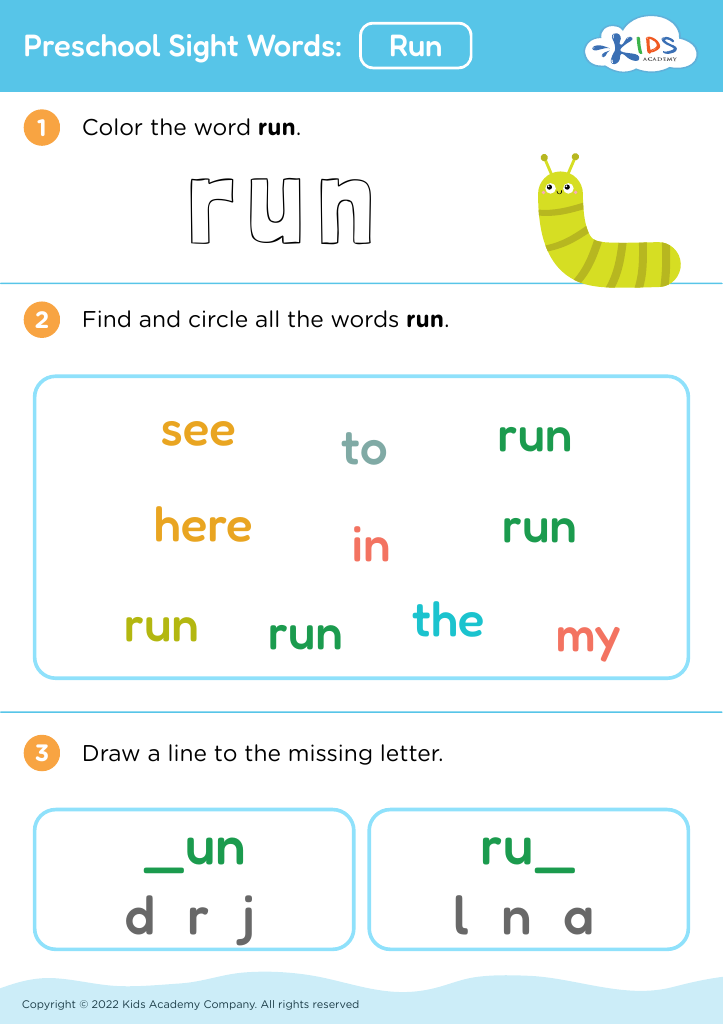
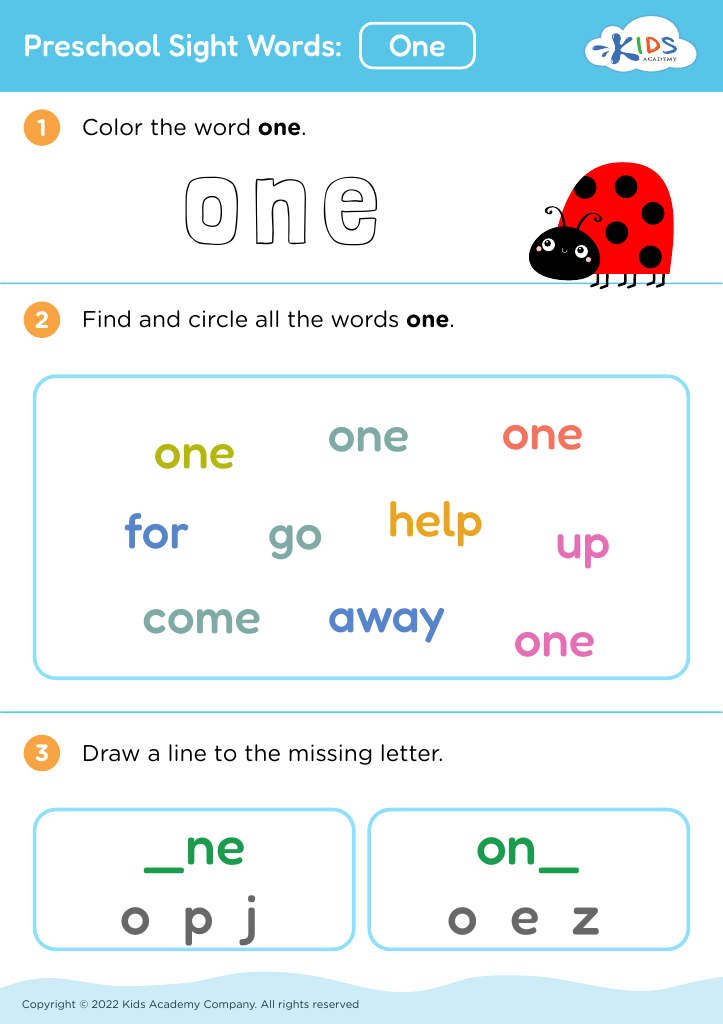
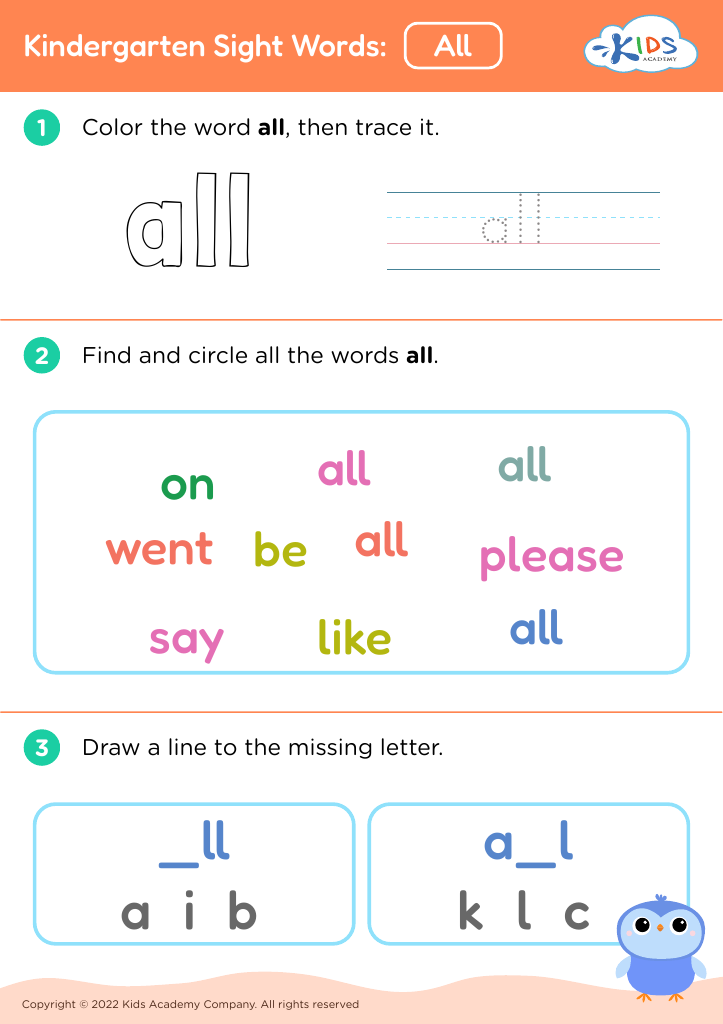
Explore our "Understanding Fractions Sight Words Worksheets" designed specifically for children ages 4-5! These engaging worksheets aid young learners in grasping foundational concepts of fractions while boosting their sight word recognition. Our fun and interactive activities provide a visual and hands-on approach to learning, making complex ideas accessible and enjoyable. With colorful illustrations and appealing formats, children will be excited to practice identifying fractions through relatable contexts. Ideal for enhancing math and literacy skills simultaneously, these worksheets support early childhood development. Foster a love for learning with our thoughtfully created resources that lay the groundwork for future academic success!





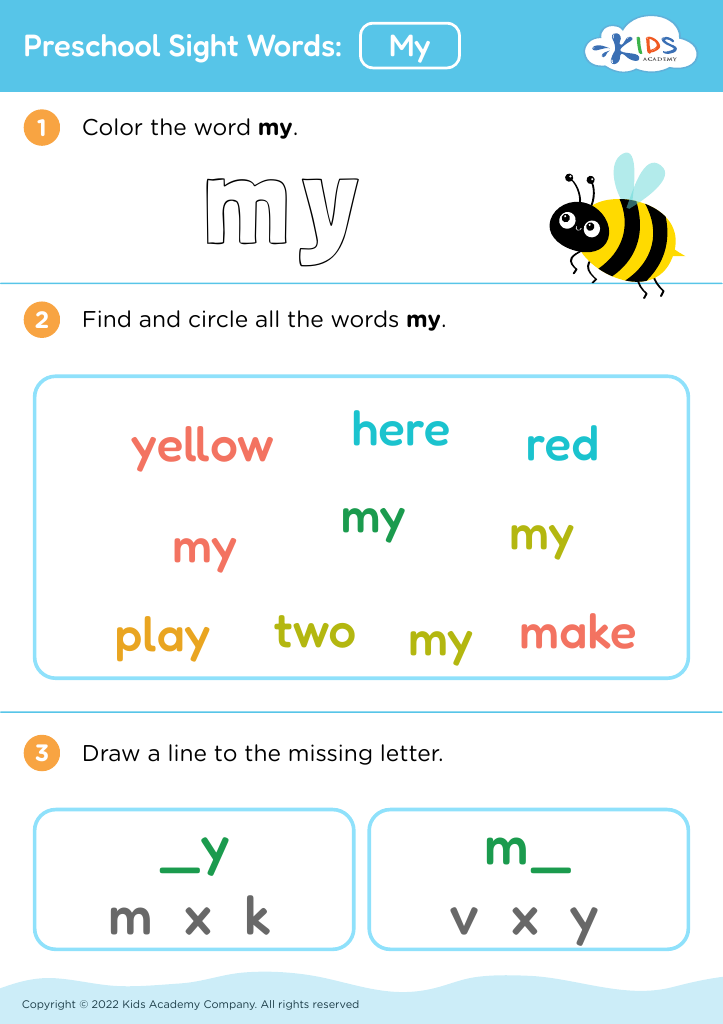
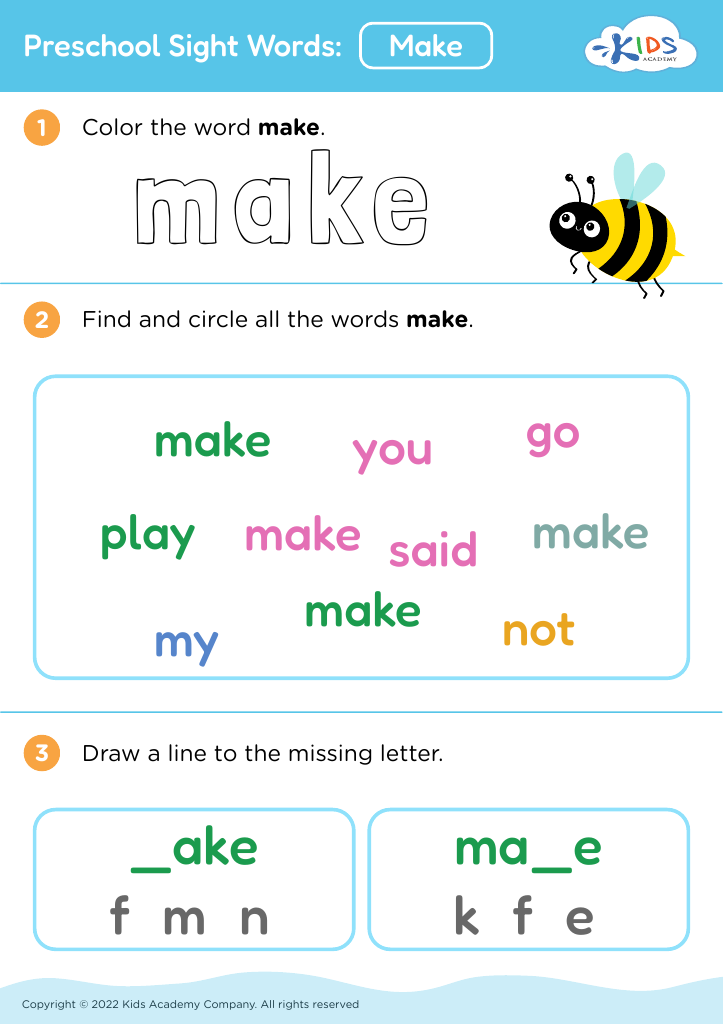
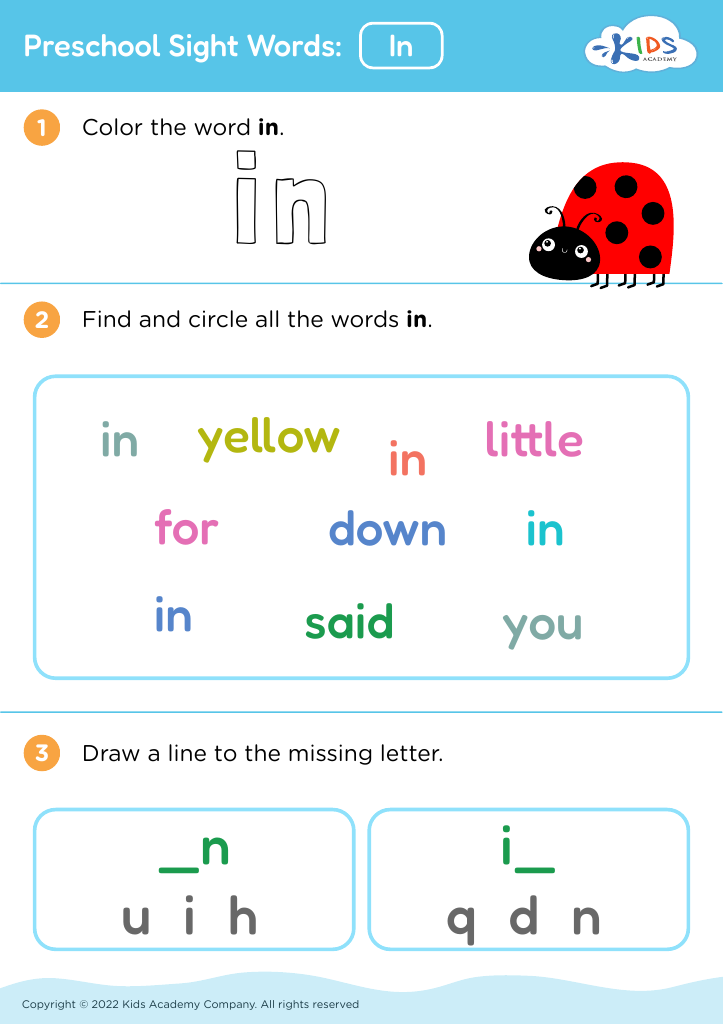
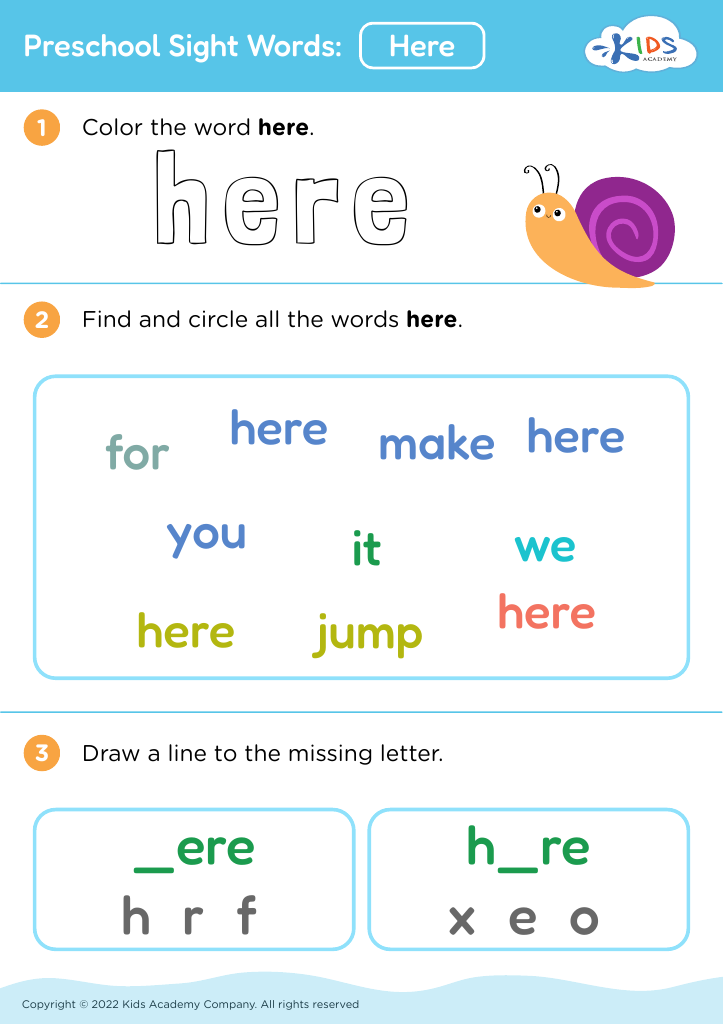
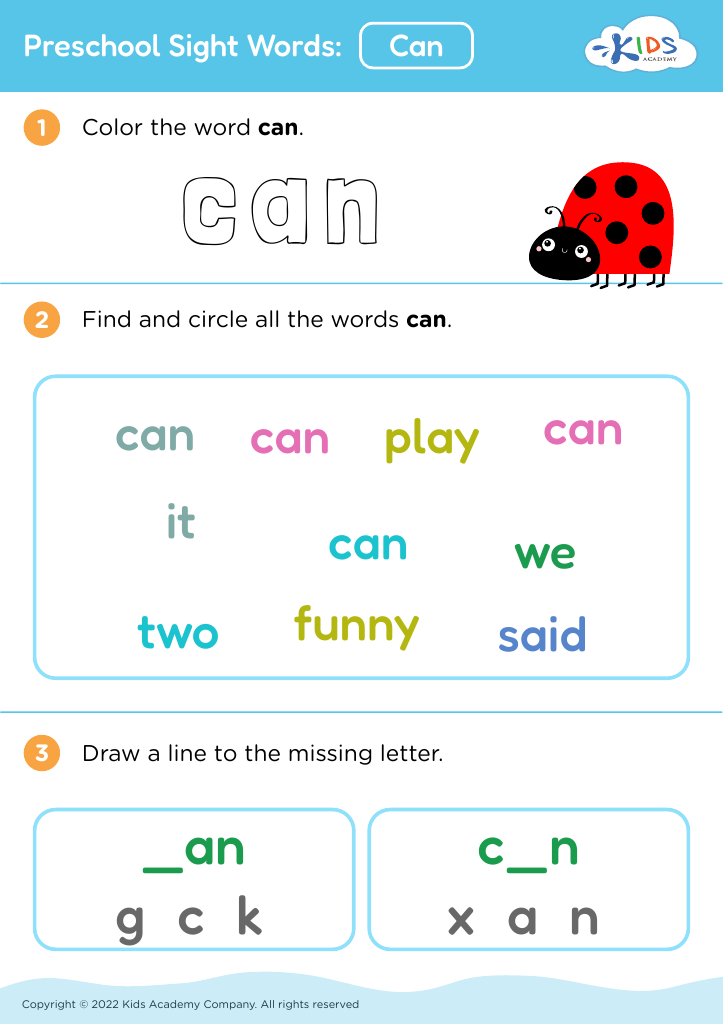
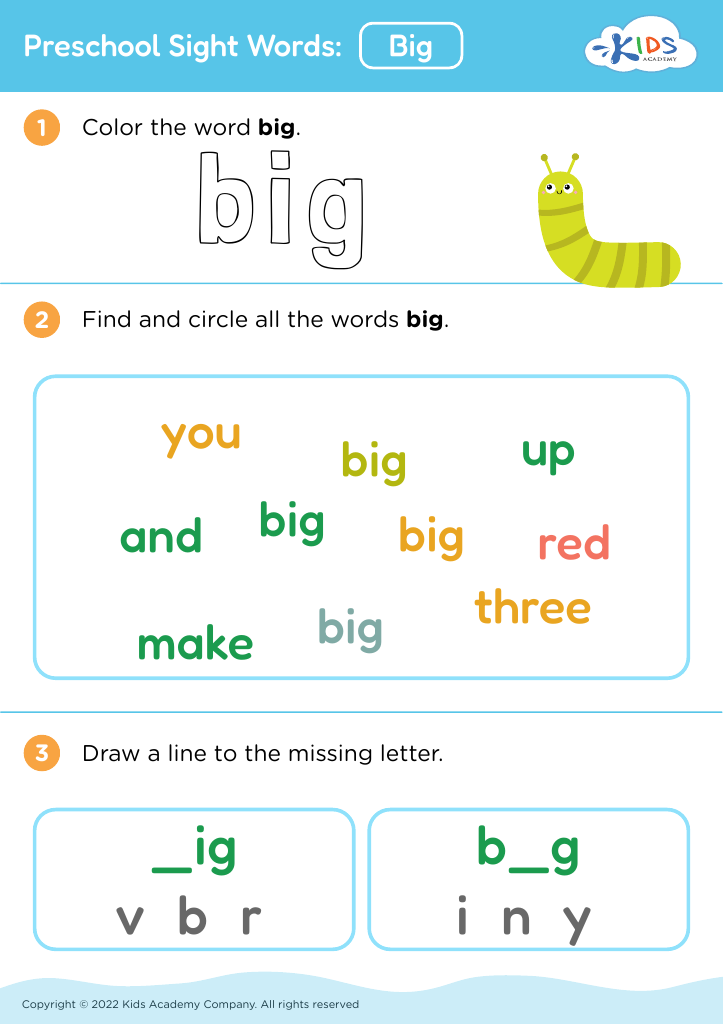
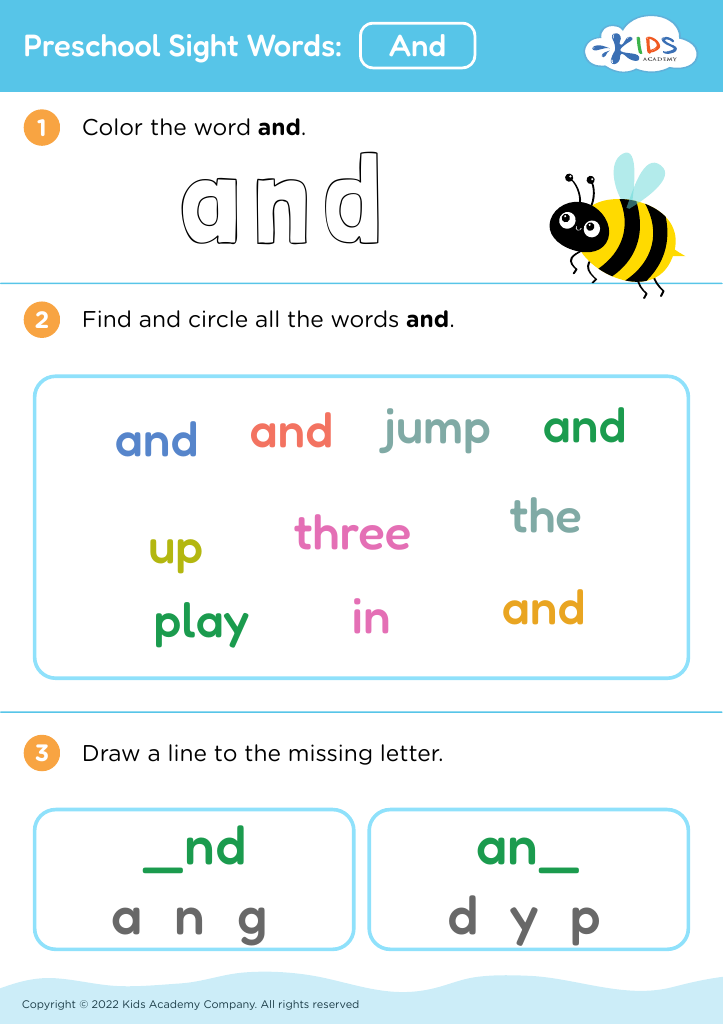
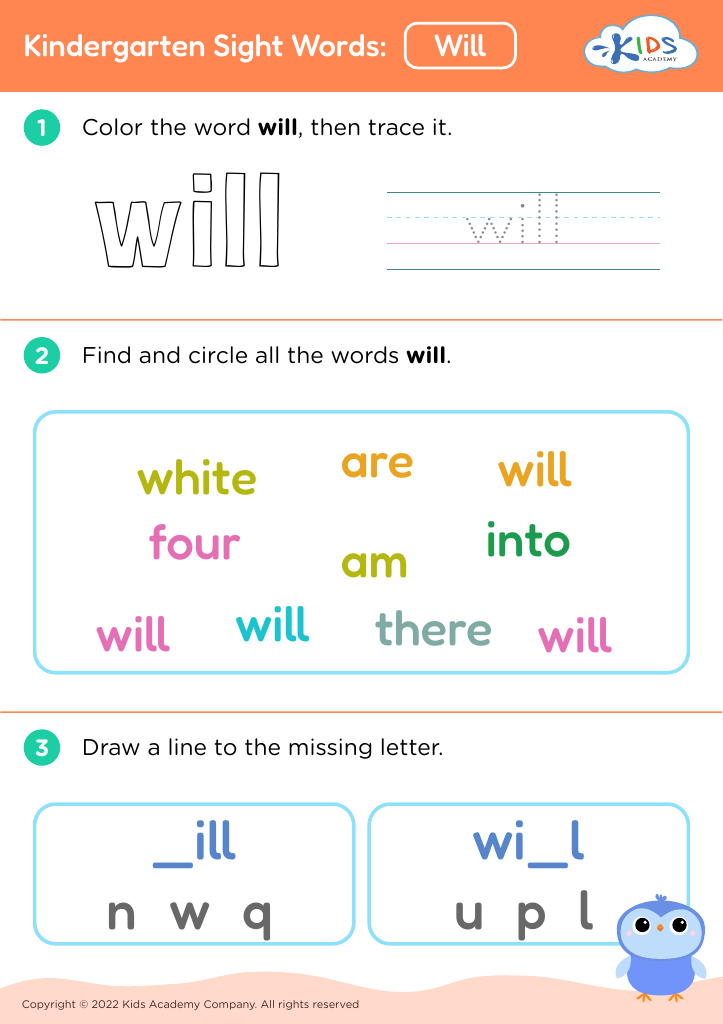
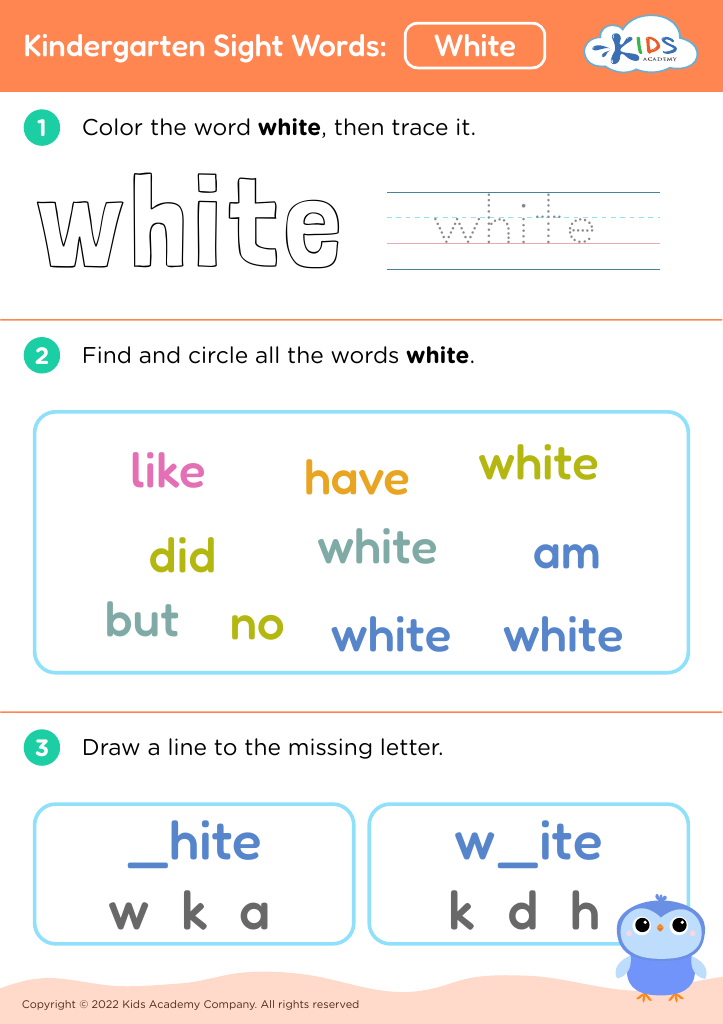
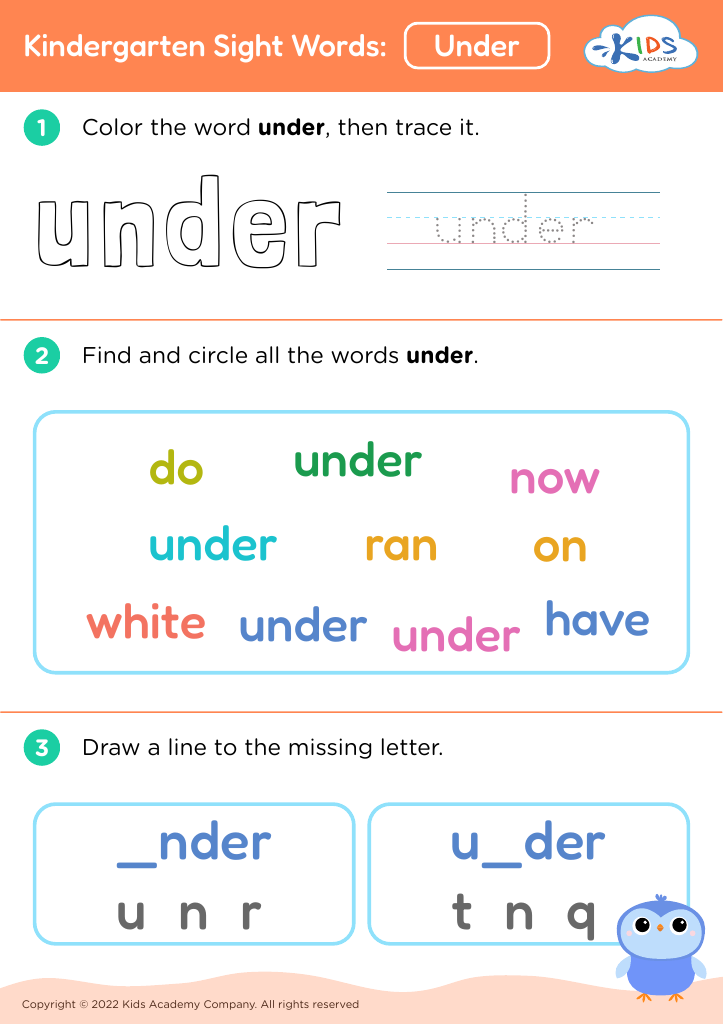
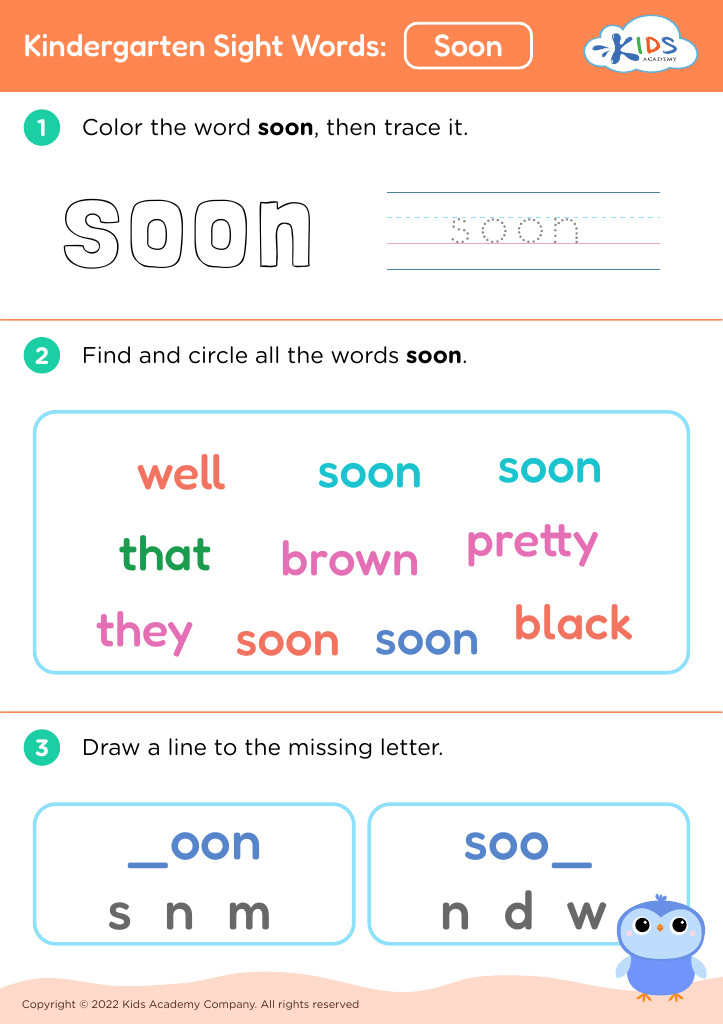
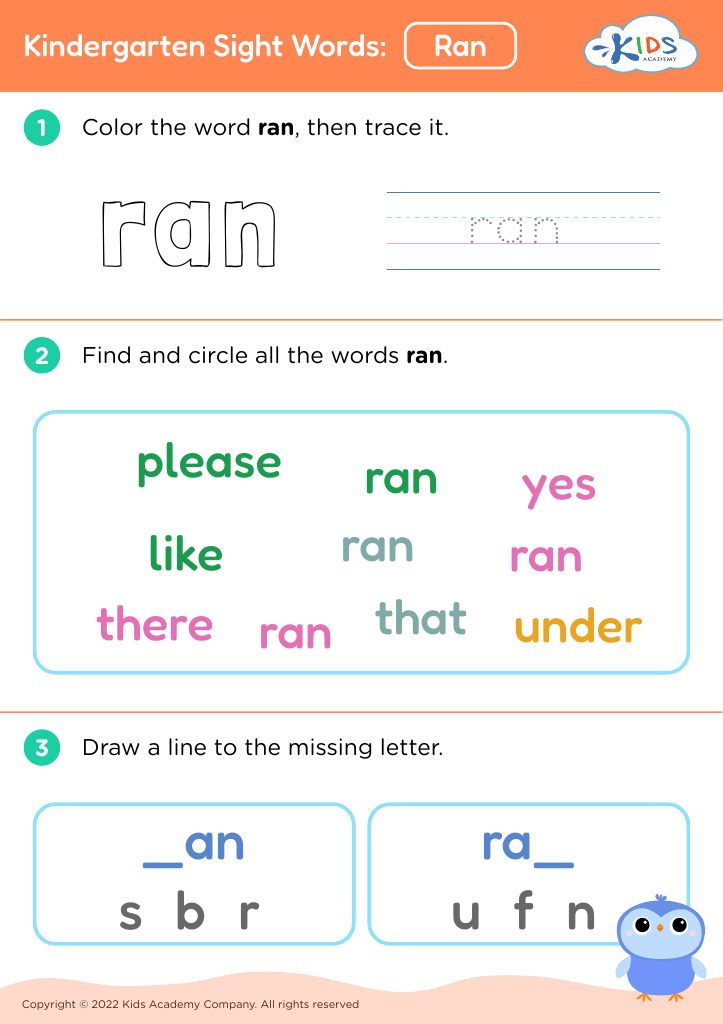
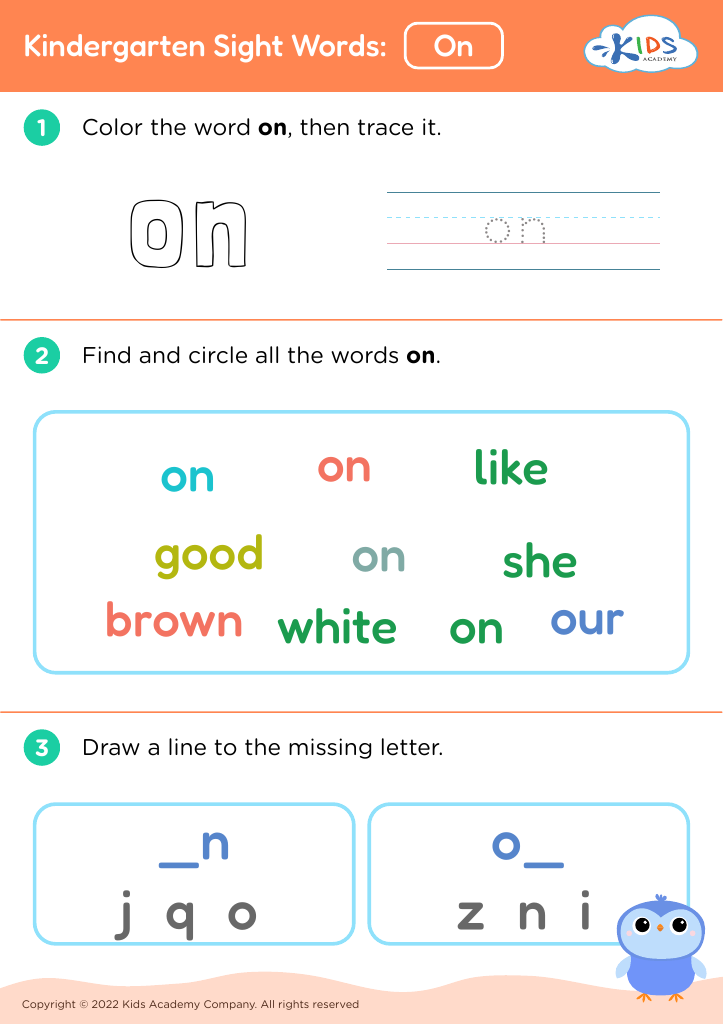
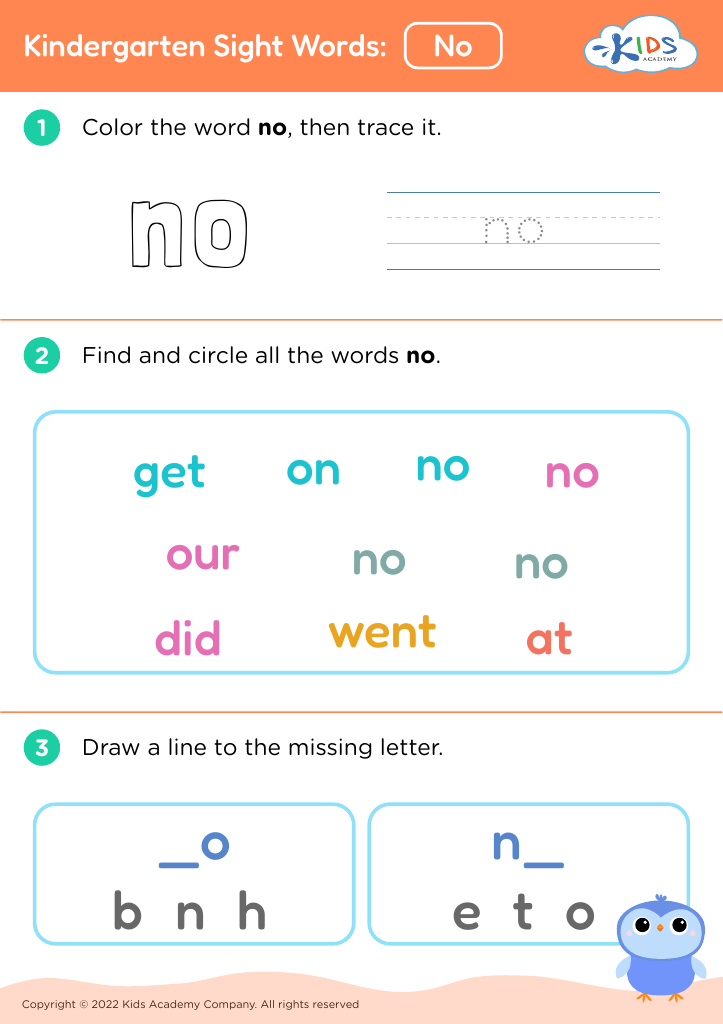
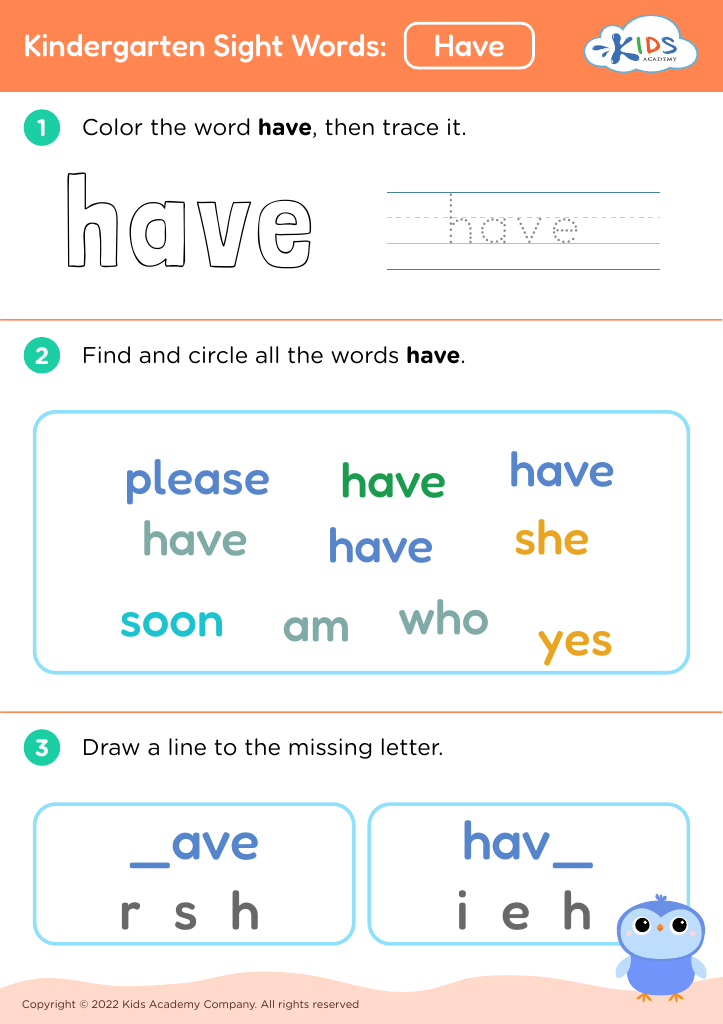
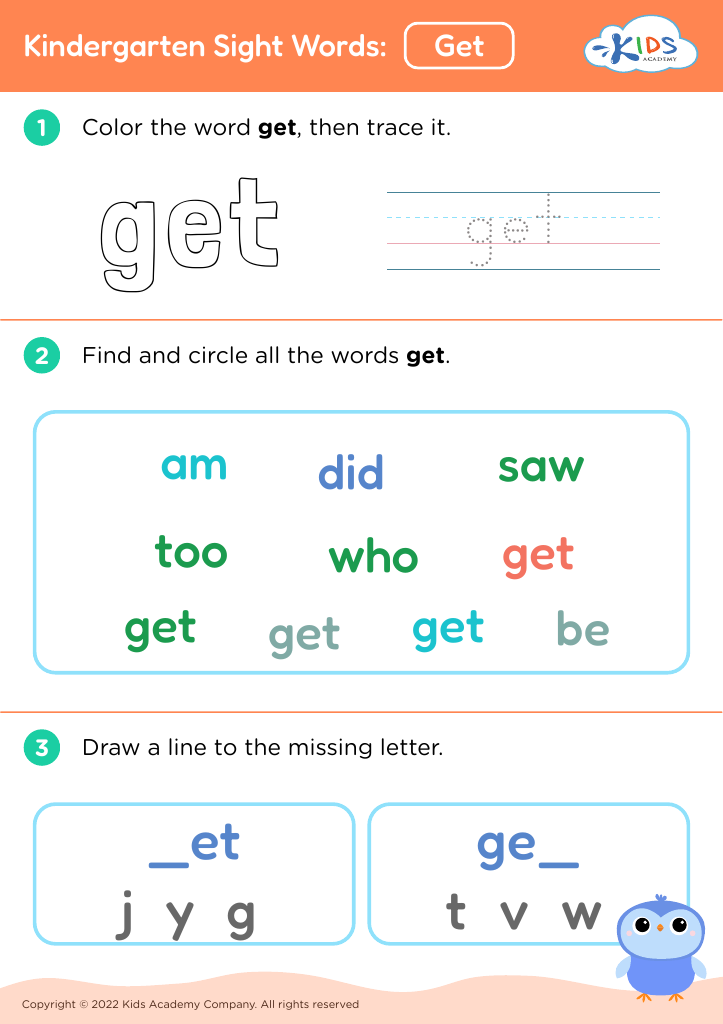
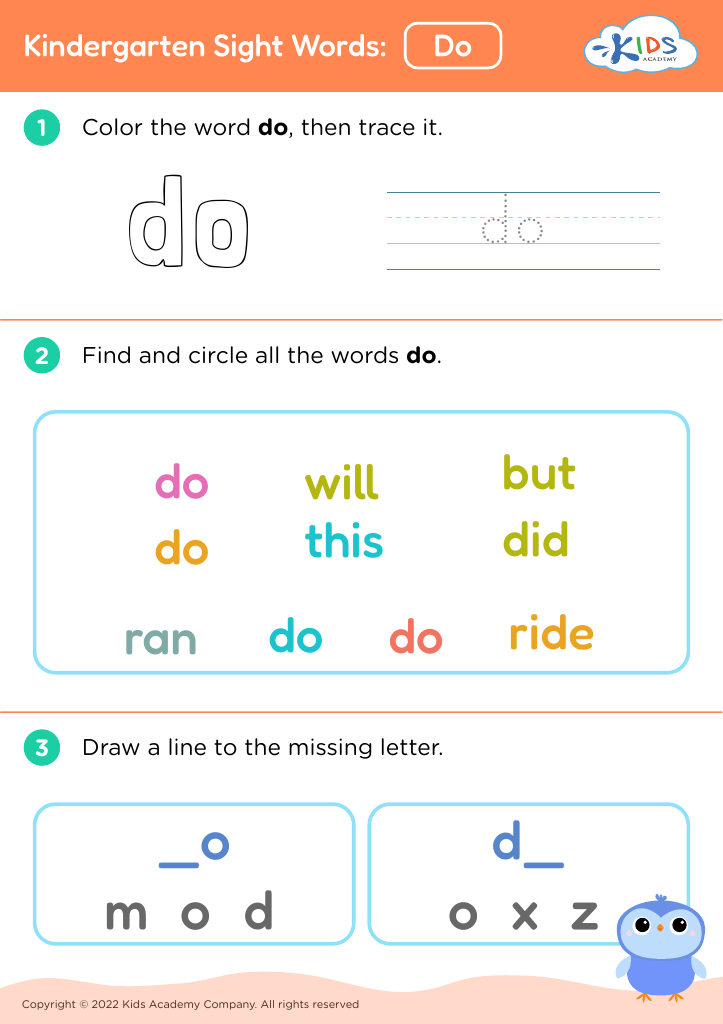
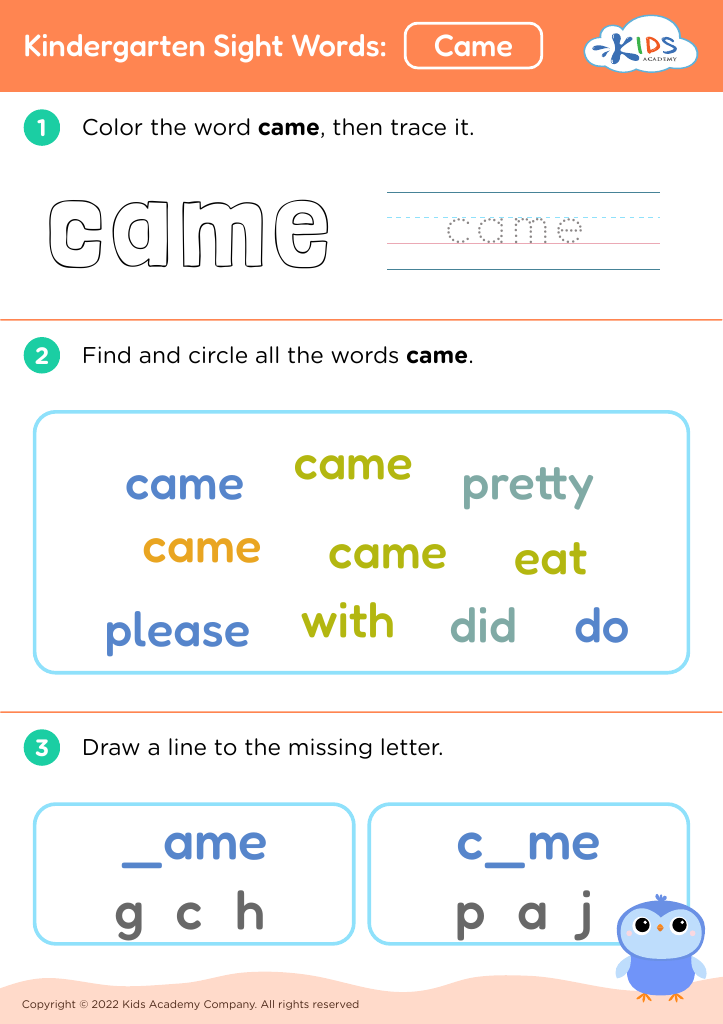
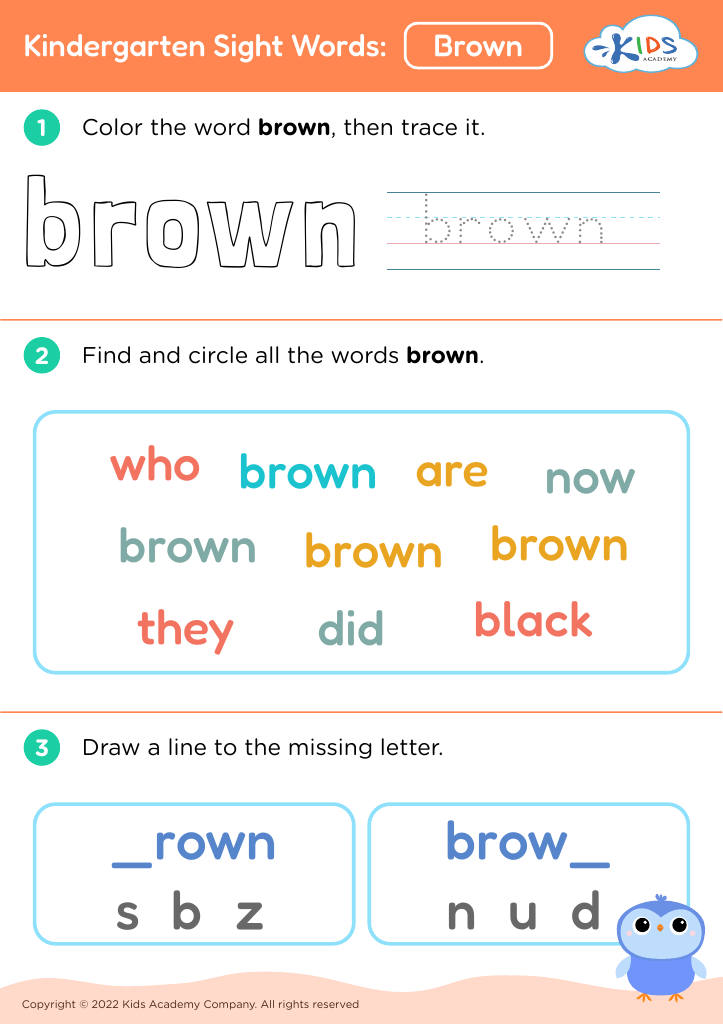
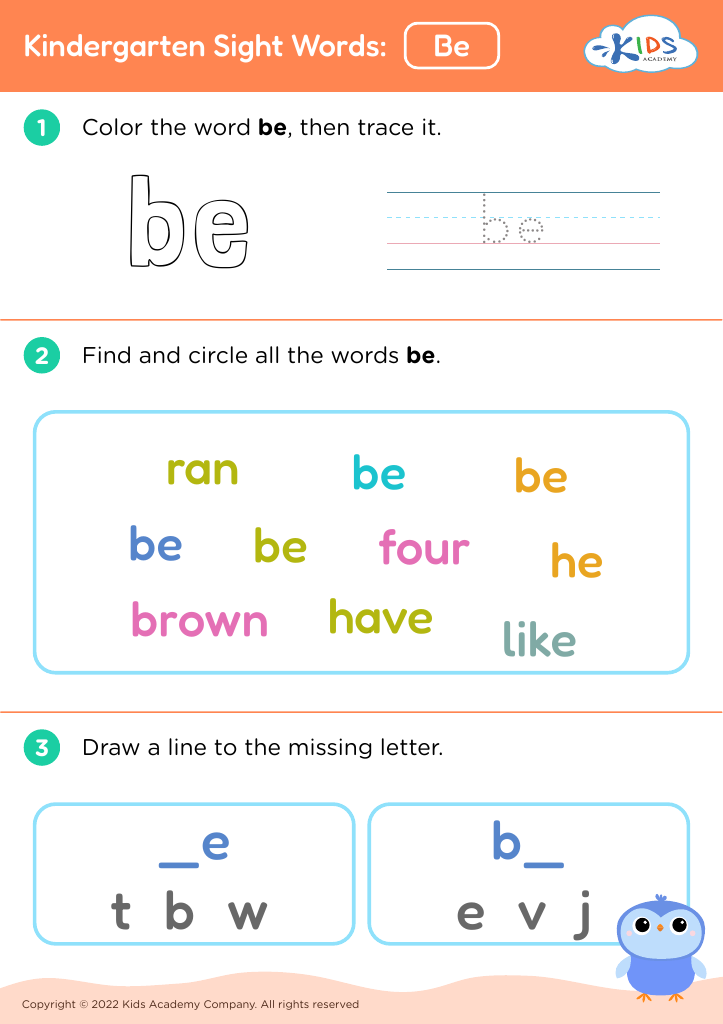






Understanding fractions and sight words is vital for children's early literacy and math development. For ages 4-5, these foundational skills greatly influence academic success.
Fractions introduce children to the concept of parts and wholes, establishing a basis for more complex mathematical ideas later on. Recognizing fractions helps them understand division and proportionality, essential skills in daily life. By integrating visual and tactile experiences with fractions, such as sharing snacks or splitting toys, parents and teachers can make this abstract concept tangible and engaging.
Sight words, on the other hand, are essential for reading fluency. Familiarity with common sight words allows young children to recognize words quickly in text, which enhances reading comprehension and boosts their confidence. When children can read smoothly, they are more likely to engage with stories, fostering a love for reading that lasts a lifetime.
Both fractions and sight words encourage critical thinking, problem-solving, and communication skills. Supporting children in mastering these concepts prepares them for future challenges in more advanced subjects. Thus, parents and teachers should prioritize these vital skills, creating an environment rich in opportunities for learning and exploration. By doing so, they empower children to excel in their educational journey.