Sound Association Alphabet Worksheets for Ages 4-6
31 filtered results
-
From - To
Introduce your little learners to the exciting world of letters with our Sound Association Alphabet Worksheets, tailored for ages 4-6! Designed to enhance phonemic awareness, these engaging worksheets help children connect sounds with corresponding letters, fostering reading readiness. Each activity combines fun illustrations and interactive tasks, making learning an enjoyable experience. As kids practice identifying and associating sounds, they'll build crucial early literacy skills. Perfect for classroom settings or at-home learning, our worksheets provide a solid foundation for young learners. Discover the joy of learning through sound and letter exploration today! Download our user-friendly worksheets and watch your child's confidence soar!
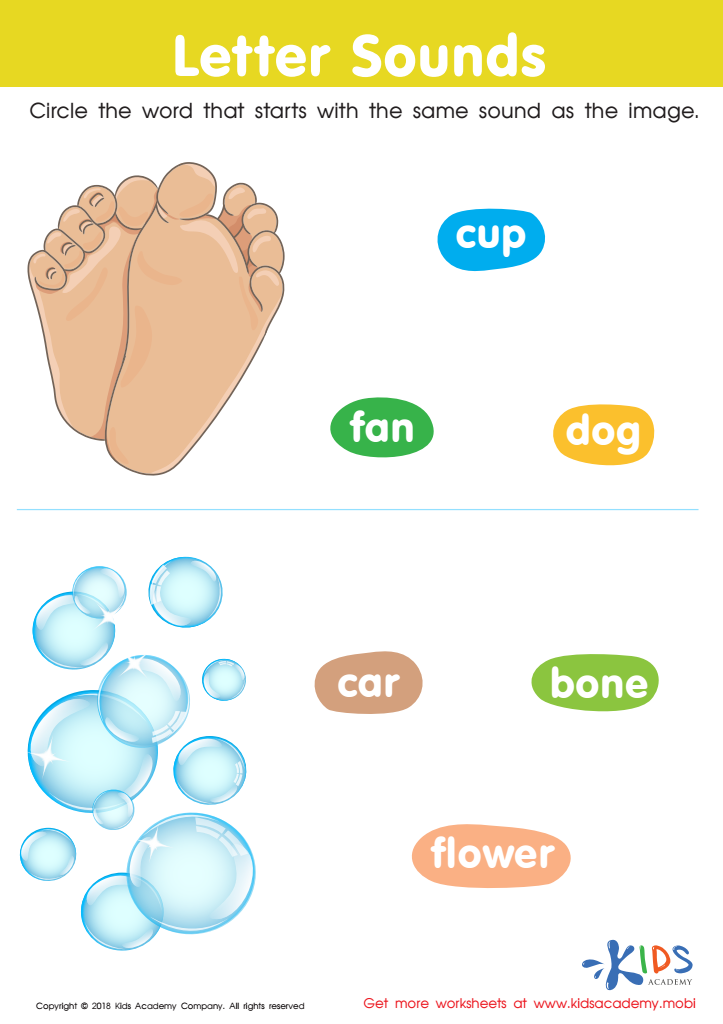
letter sounds Worksheet
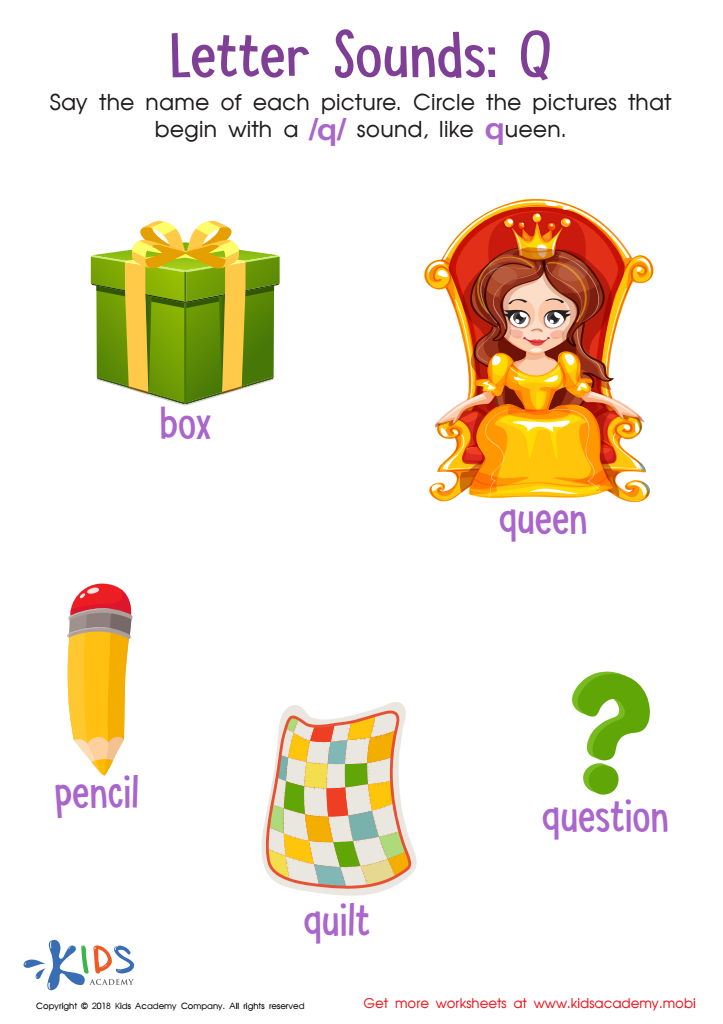
Letter Q Sounds Worksheet
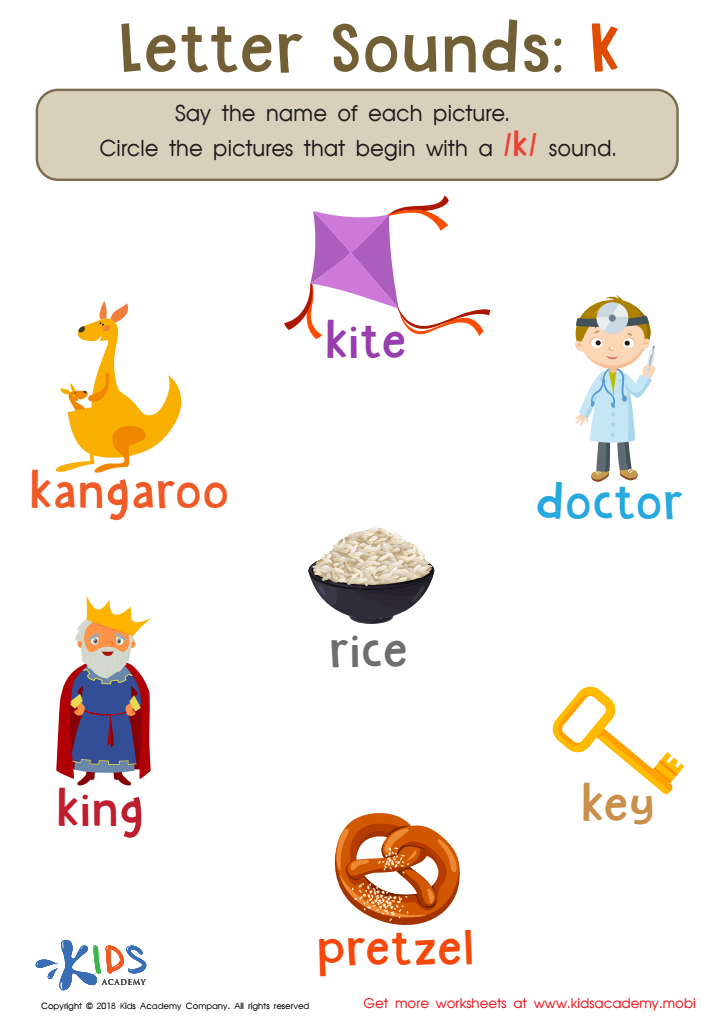
Letter K Sounds Worksheet
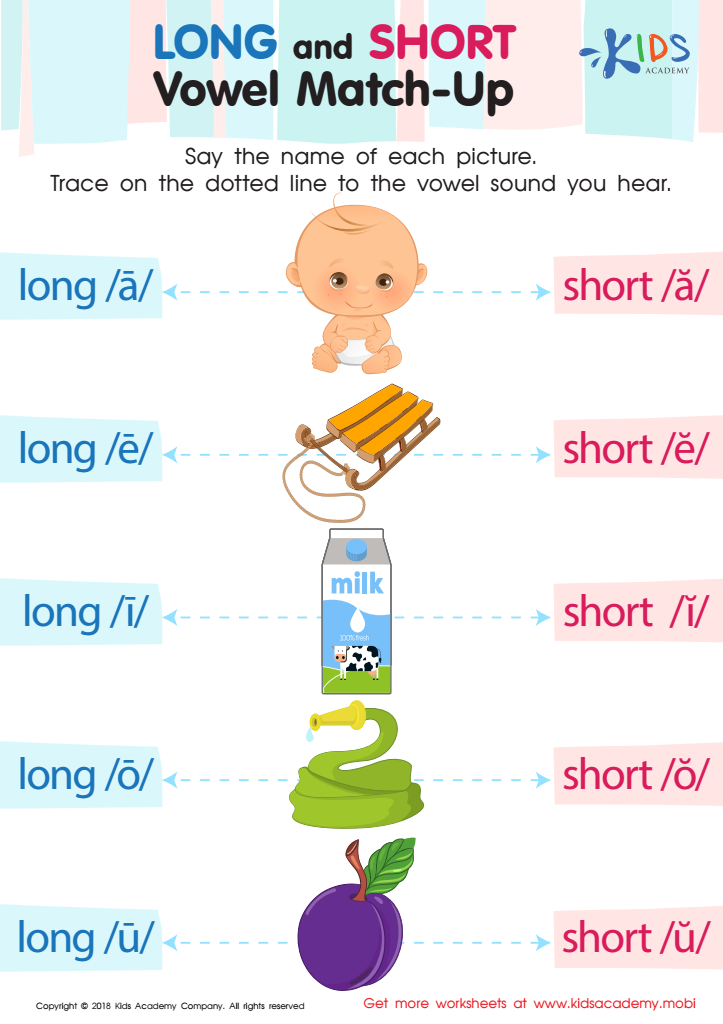
Long and Short Vowel Match up Reading Worksheet
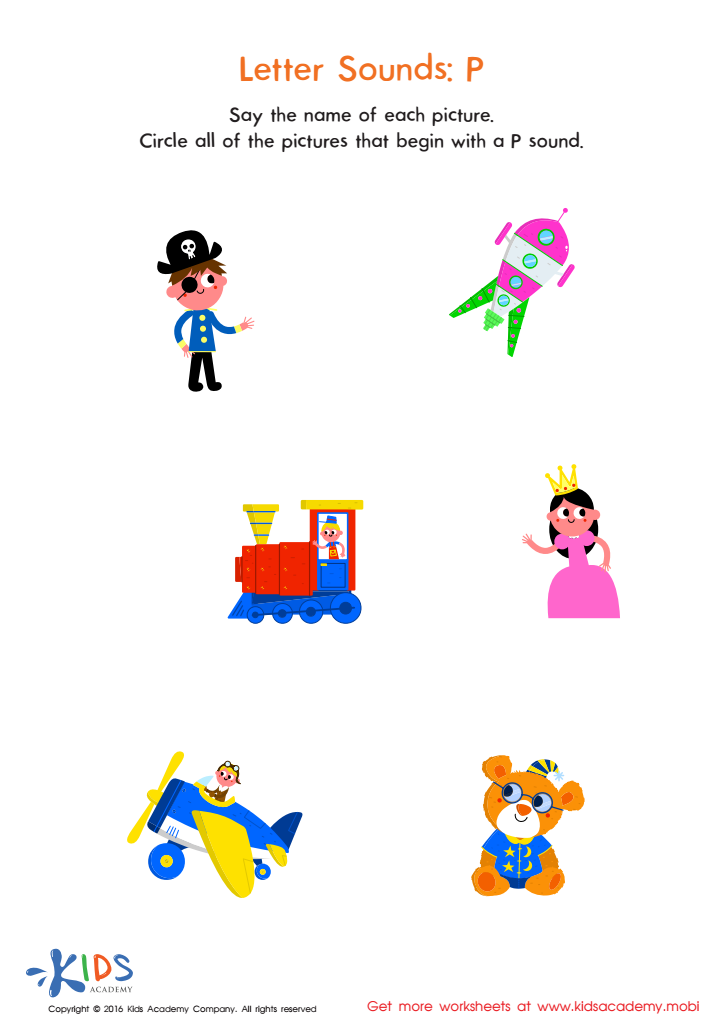
Letter P Sound Worksheet
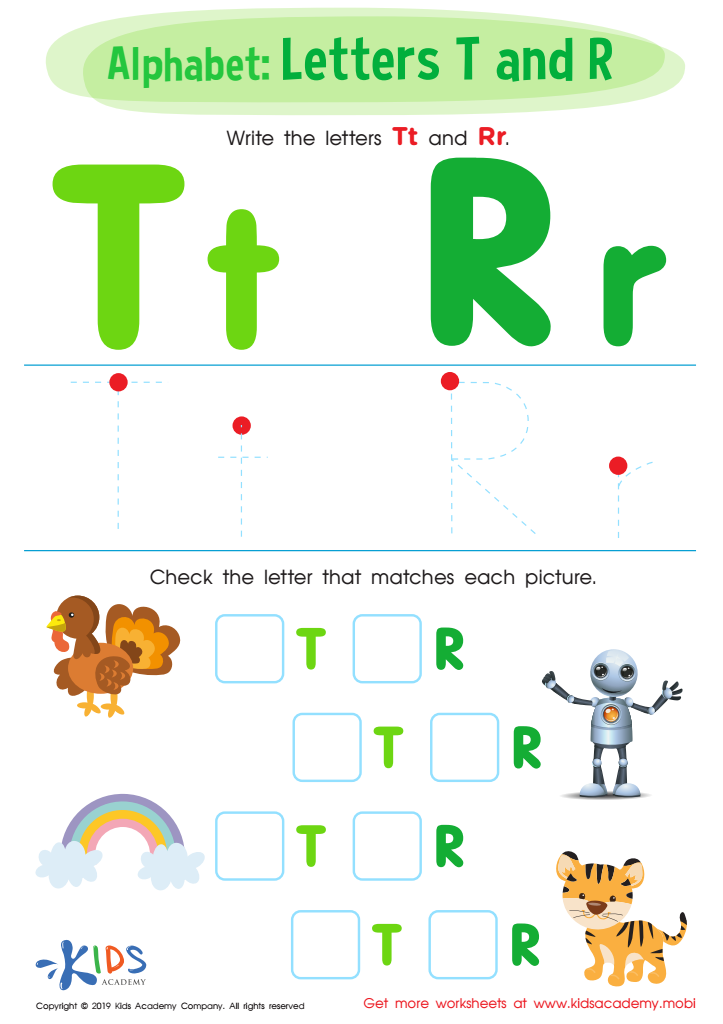
Letters T and R Worksheet
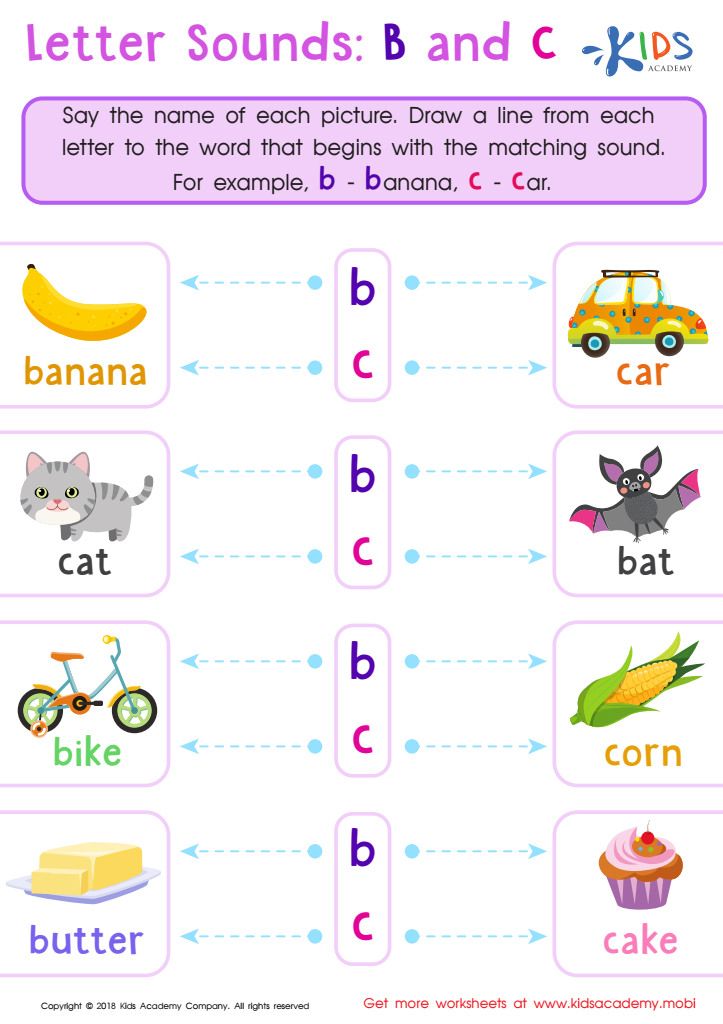
Letter B and C Sounds Worksheet
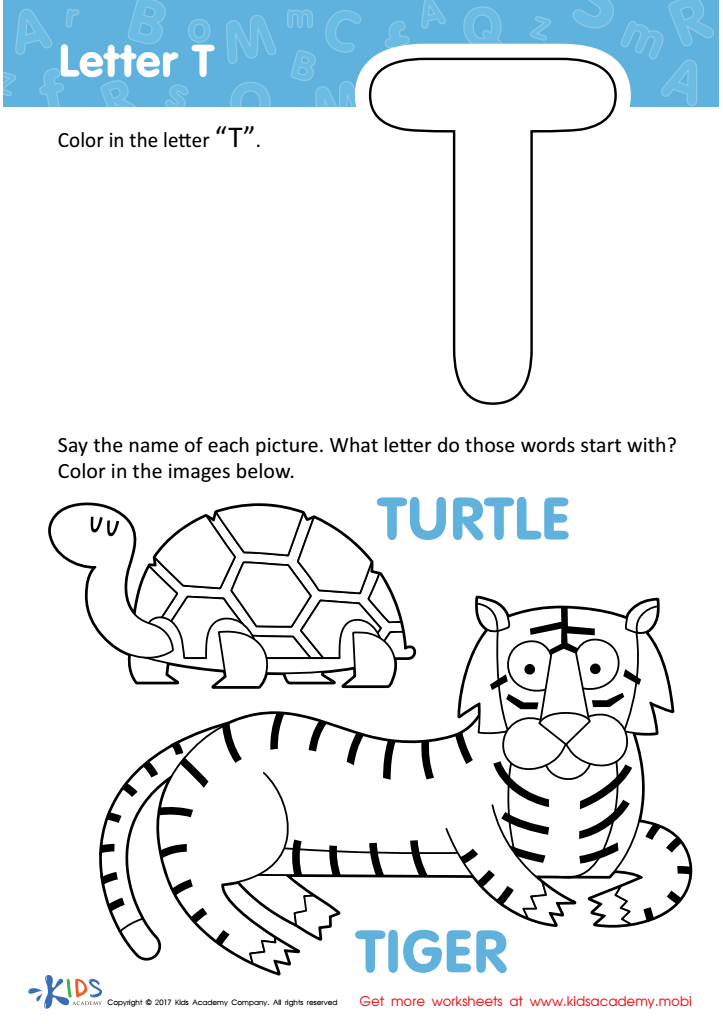
Letter T Coloring Sheet
 Assign to My Students
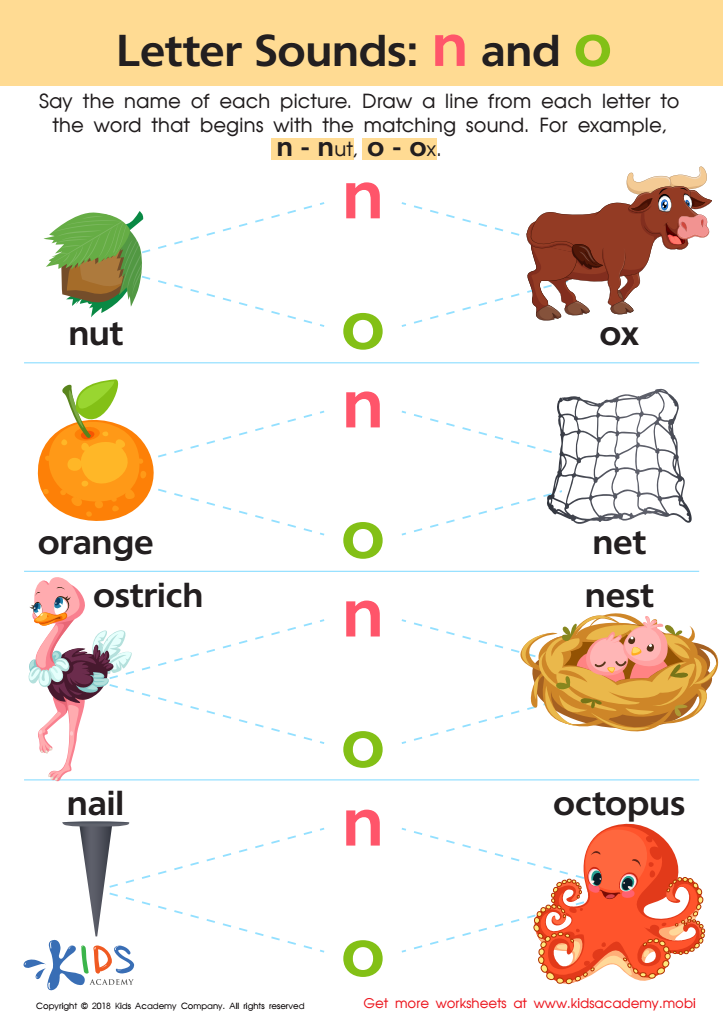
Letter N and O Sounds Worksheet
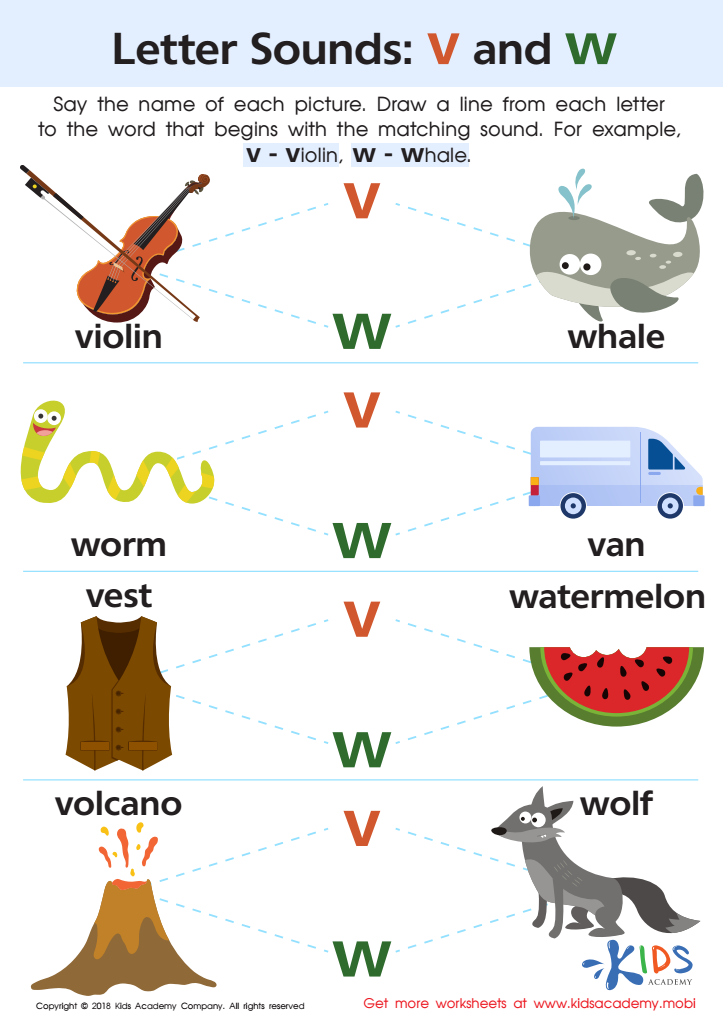
Letter V and W Sounds Worksheet
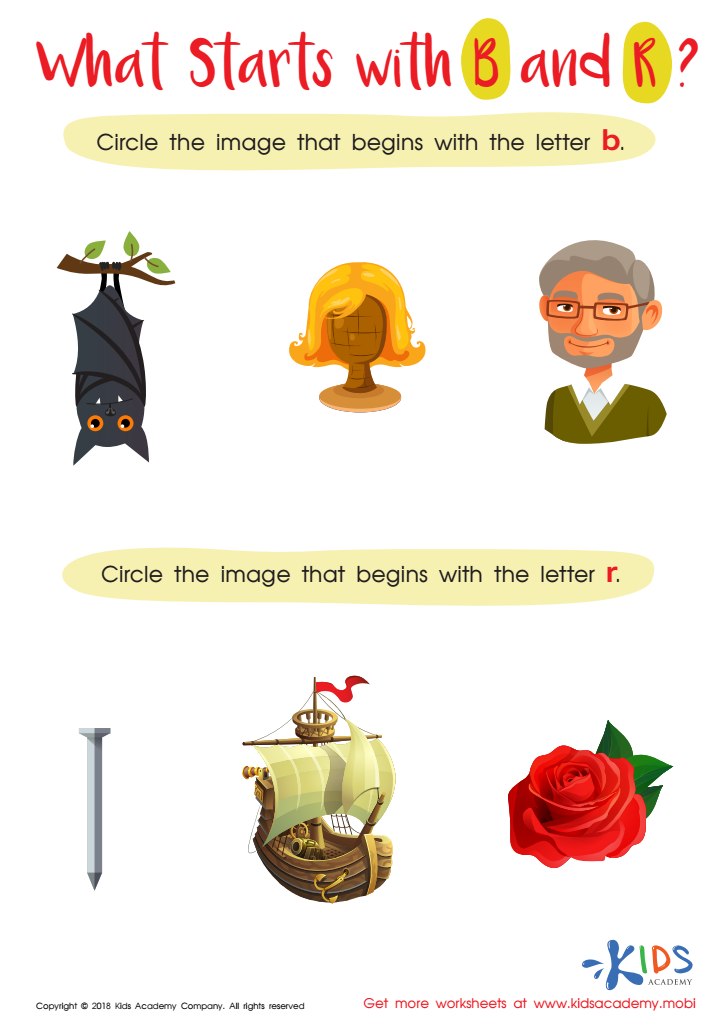
What Starts with B and R? Worksheet
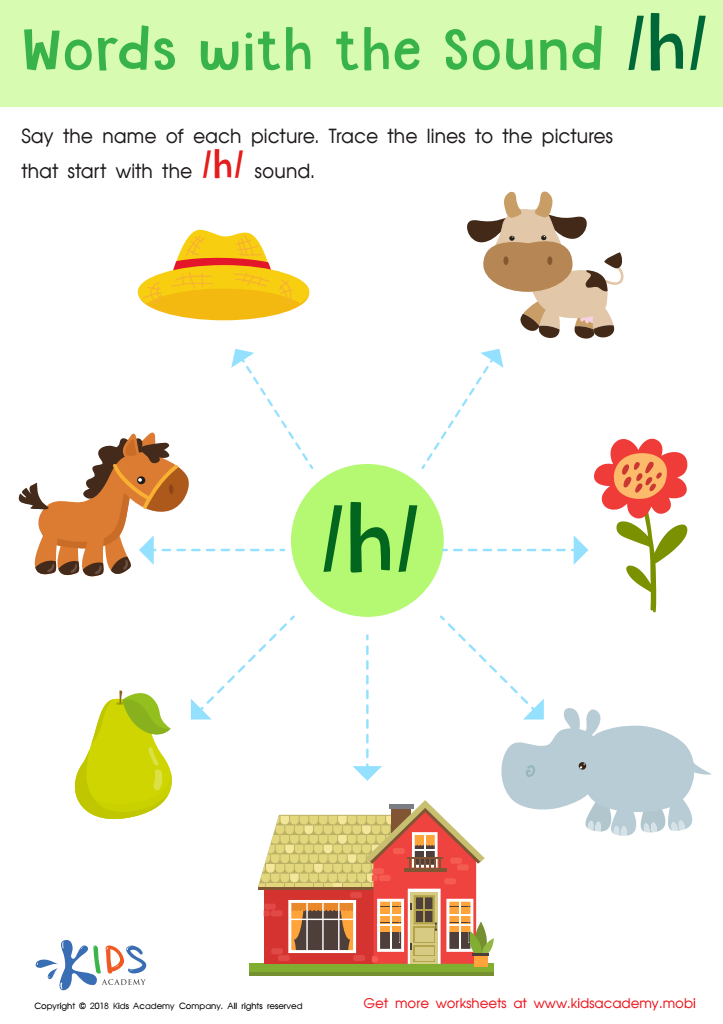
Words with sound h Reading Worksheet
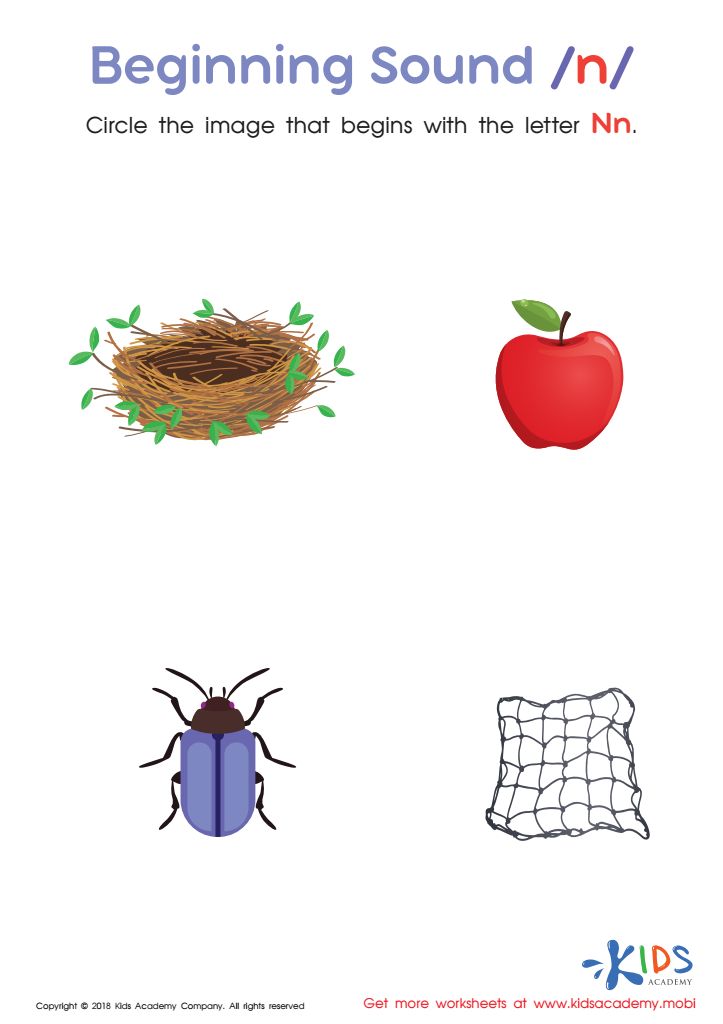
Beginning Sound «n» Worksheet
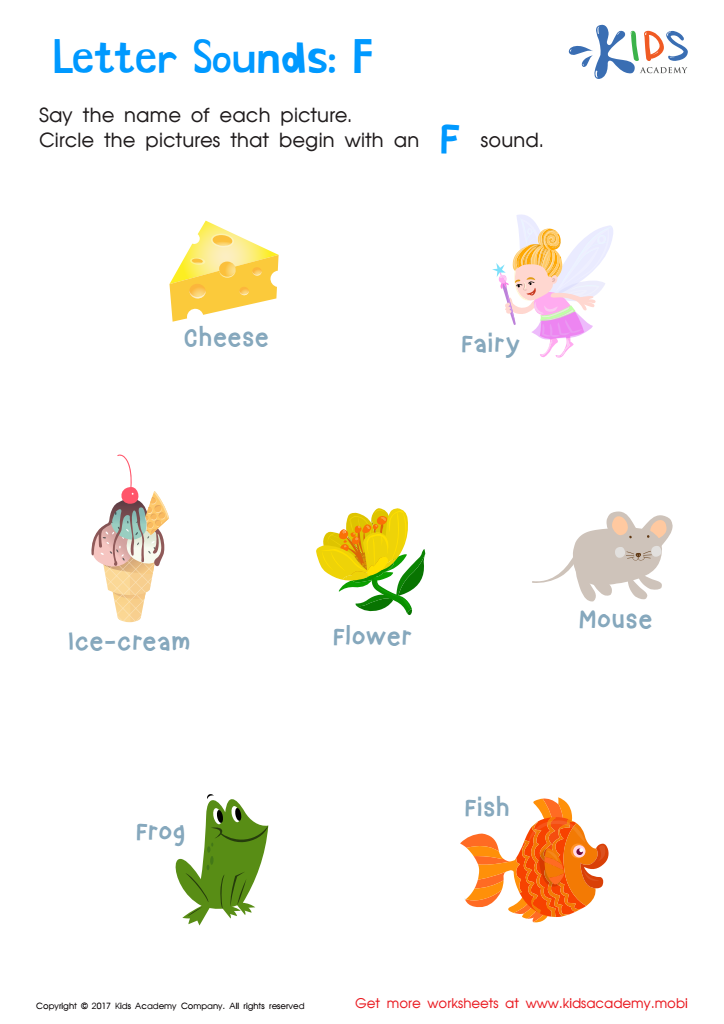
Letter F Sounds Worksheet
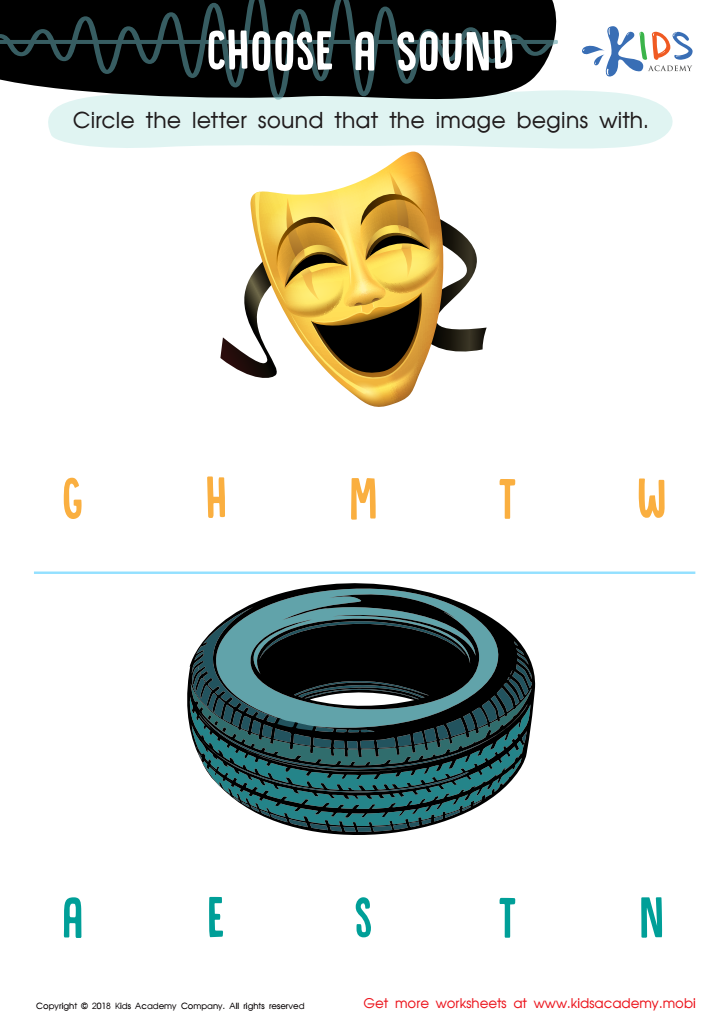
Choose a Sound Worksheet
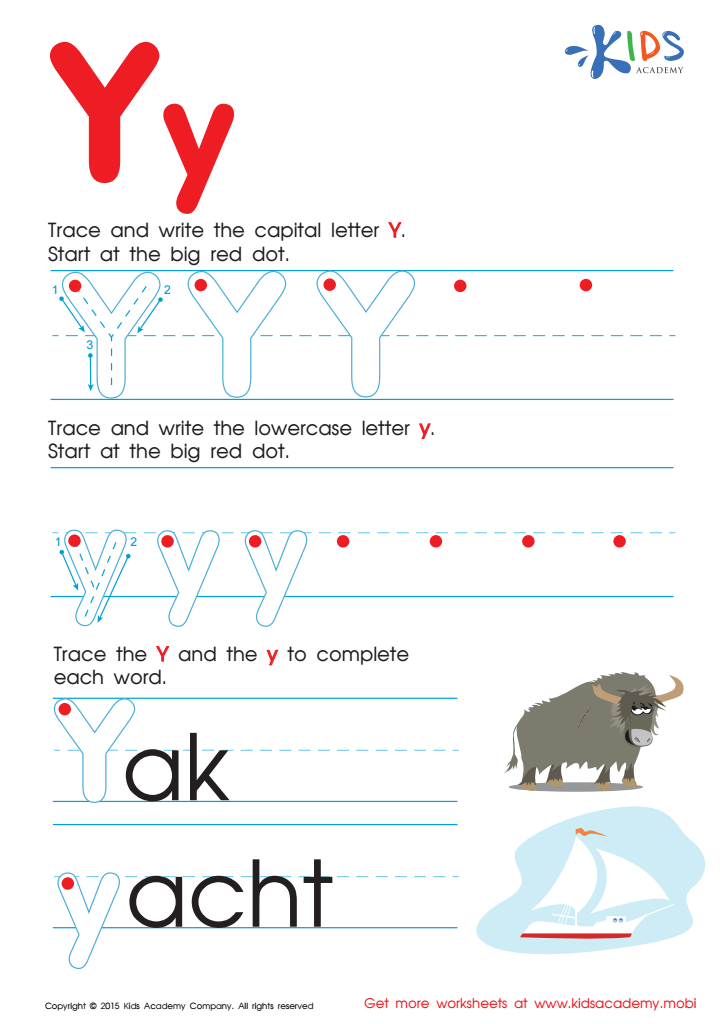
Letter Y Tracing Page
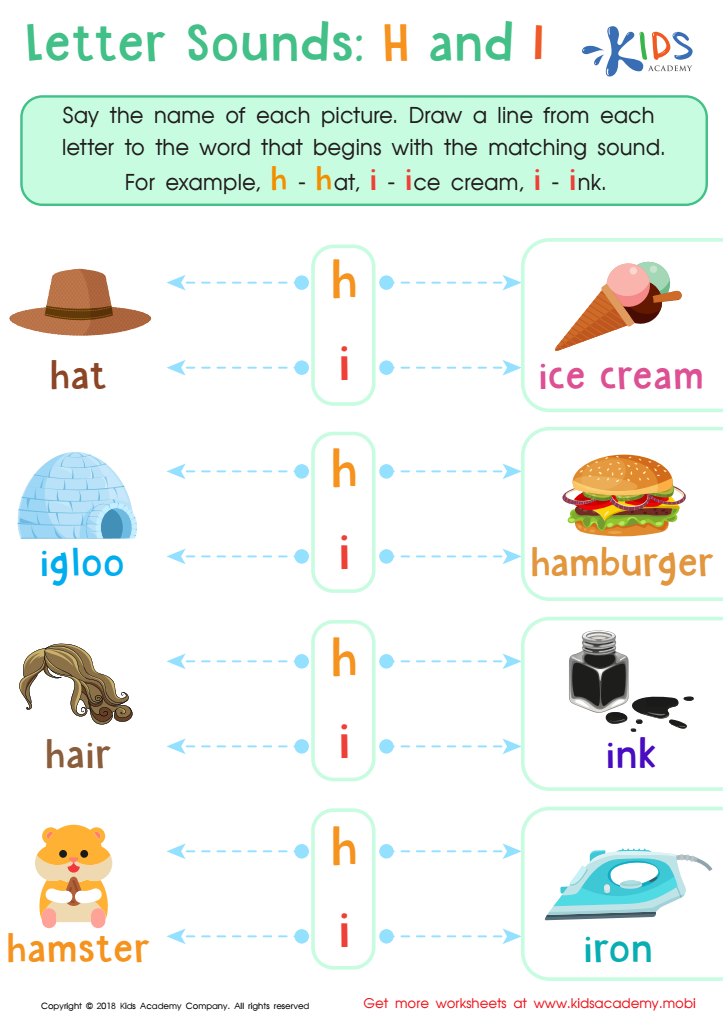
Letter H and I Sounds Worksheet
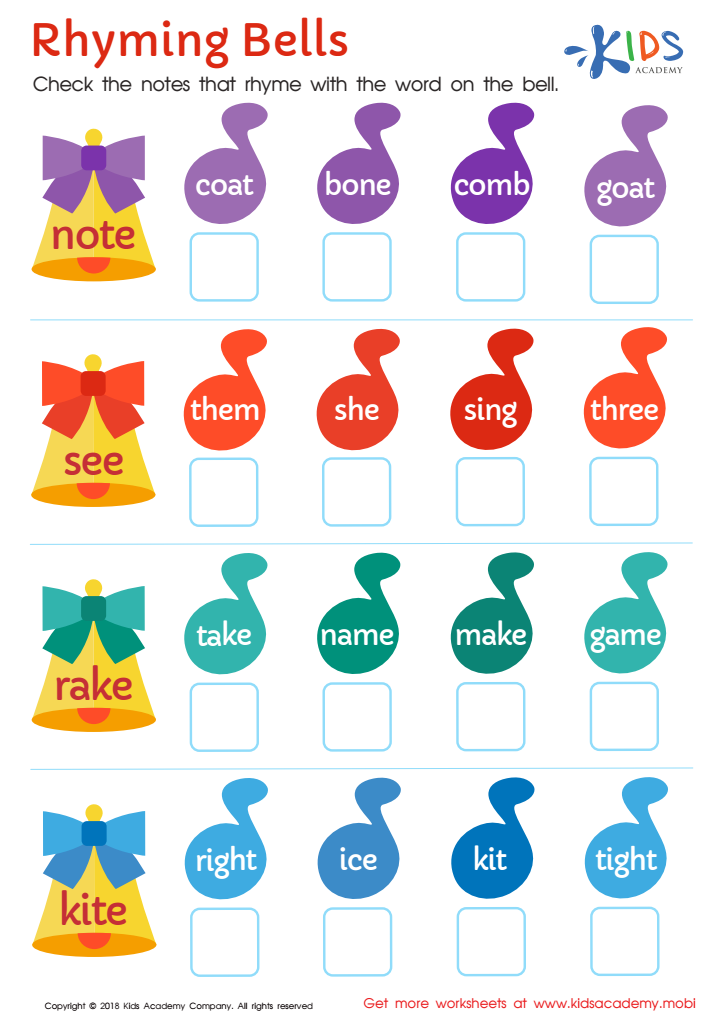
Rhyming Bells Worksheet
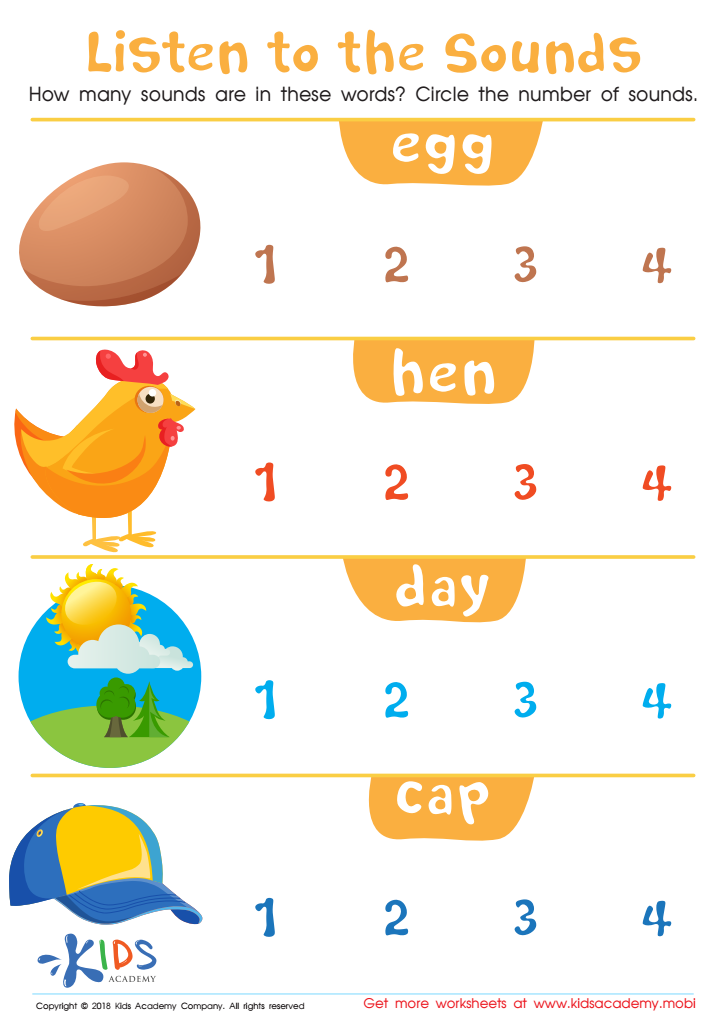
Listen to the Sounds Worksheet
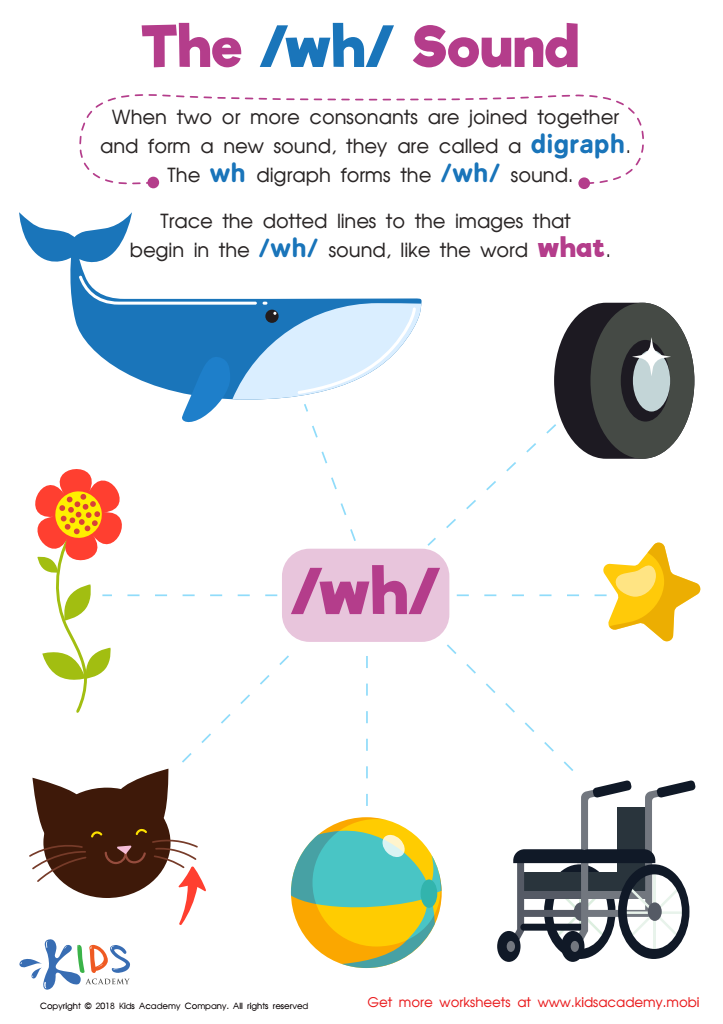
The /wh/ Sound Worksheet
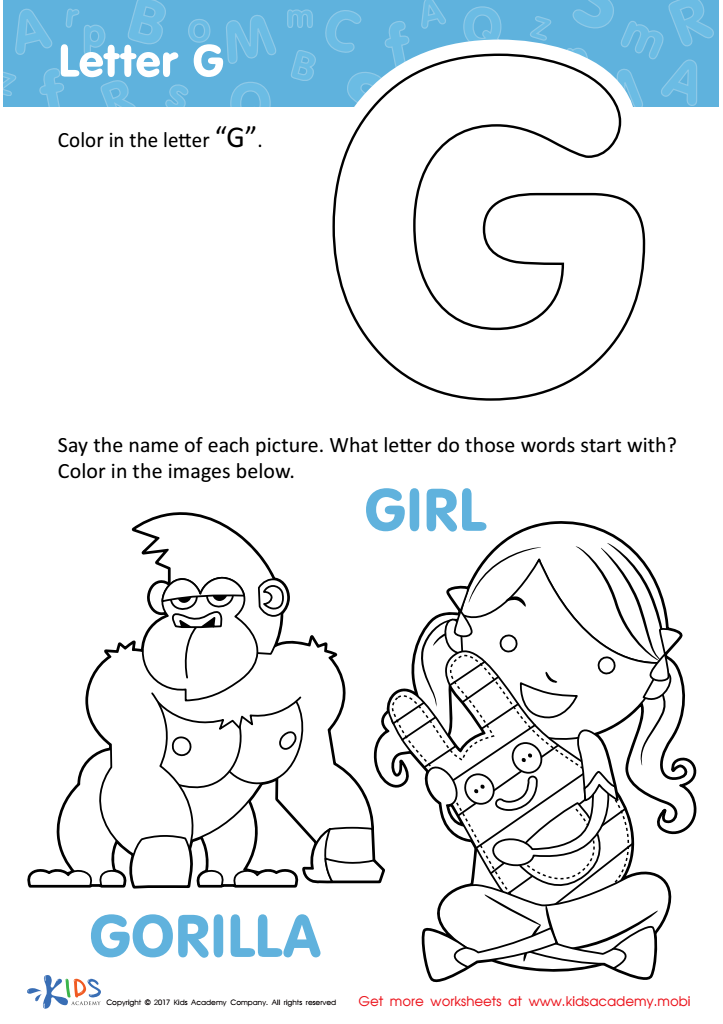
Letter G Coloring Sheet
Assign to My Students
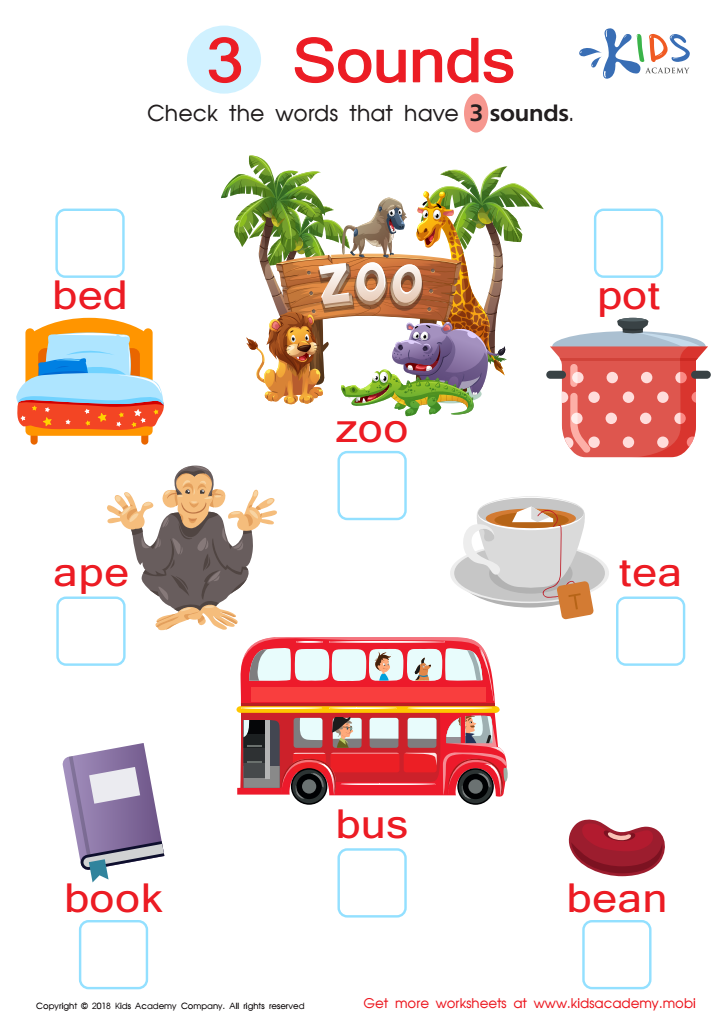
3 Sounds Worksheet
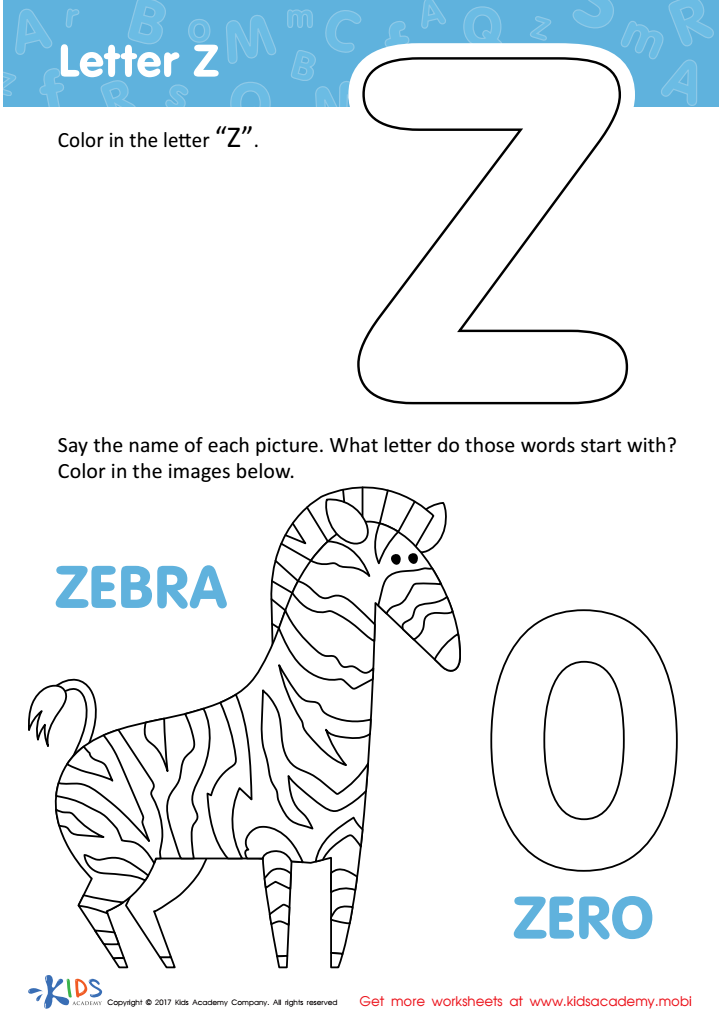
Letter Z Coloring Sheet
Assign to My Students
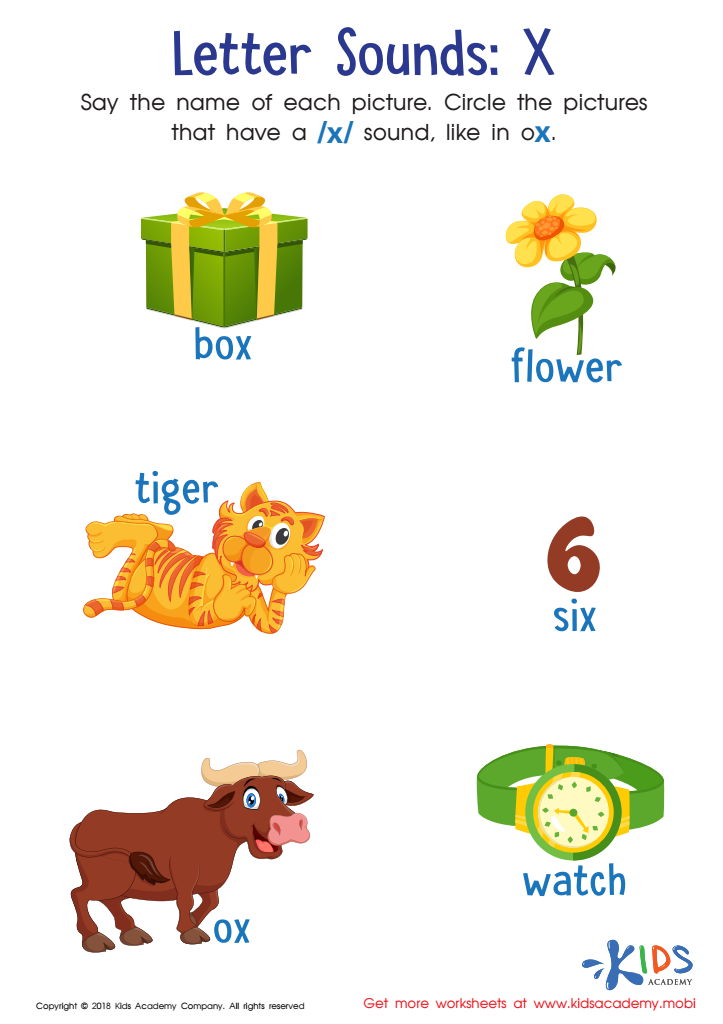
Letter X Sounds Worksheet







Parents and teachers should prioritize Sound Association Alphabet for children aged 4-6 because it lays a critical foundation for literacy skills. During these early developmental years, children are naturally inclined to explore sounds and language. By associating letters with their respective sounds, children enhance their phonemic awareness, a crucial skill for reading and writing development.
Sound Association Alphabet correlates sounds with visual symbols, making it easier for young learners to decode words independently. This method encourages children to hear, identify, and manipulate sounds in spoken language, a precursor to successful reading. Phonemic awareness directly influences the child's ability to read fluently and comprehend text, which are essential skills for academic achievement.
Moreover, engaging activities associated with sound-letter associations can ignite a child’s passion for learning. It supports cognitive development by improving memory and understanding of language patterns. Parents and teachers play a vital role in fostering these skills through interactive and playful approaches, making learning enjoyable. Ultimately, helping children grasp the fundamentals of sound association equips them with the tools necessary for effective communication and lifelong learning, setting the stage for their future educational experiences.







