Letter recognition Upper & Lowercase Letters Worksheets for Ages 4-6
23 filtered results
-
From - To
Enhance your child's literacy skills with our engaging Letter Recognition Worksheets for Upper and Lowercase Letters, designed for ages 4 to 6. These printable resources will help children identify, differentiate, and master both uppercase and lowercase letters through fun, interactive activities. Each worksheet features colorful illustrations and playful prompts that encourage children to practice writing and recognizing letters in various contexts. Ideal for preschool or kindergarten settings, our worksheets simplify the learning process while making it enjoyable. Foster a love of reading and writing in your young learner today by downloading our expertly crafted resources that cater to different learning styles!

Find Lowercase Letters g h i Worksheet
 Assign to My Students


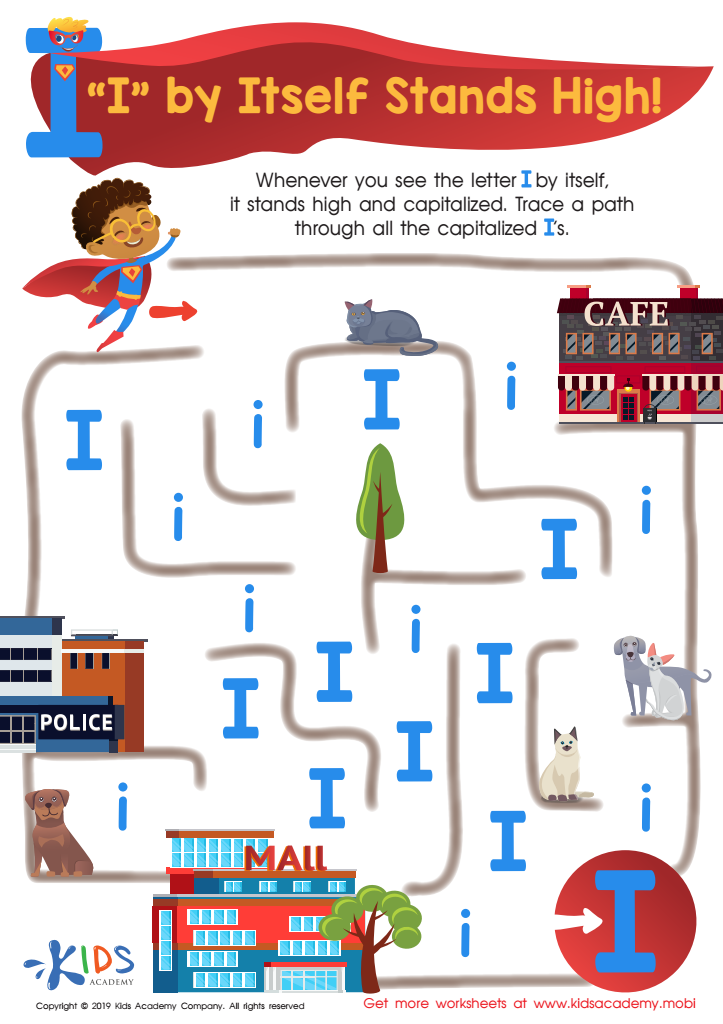
I Stands High Worksheet
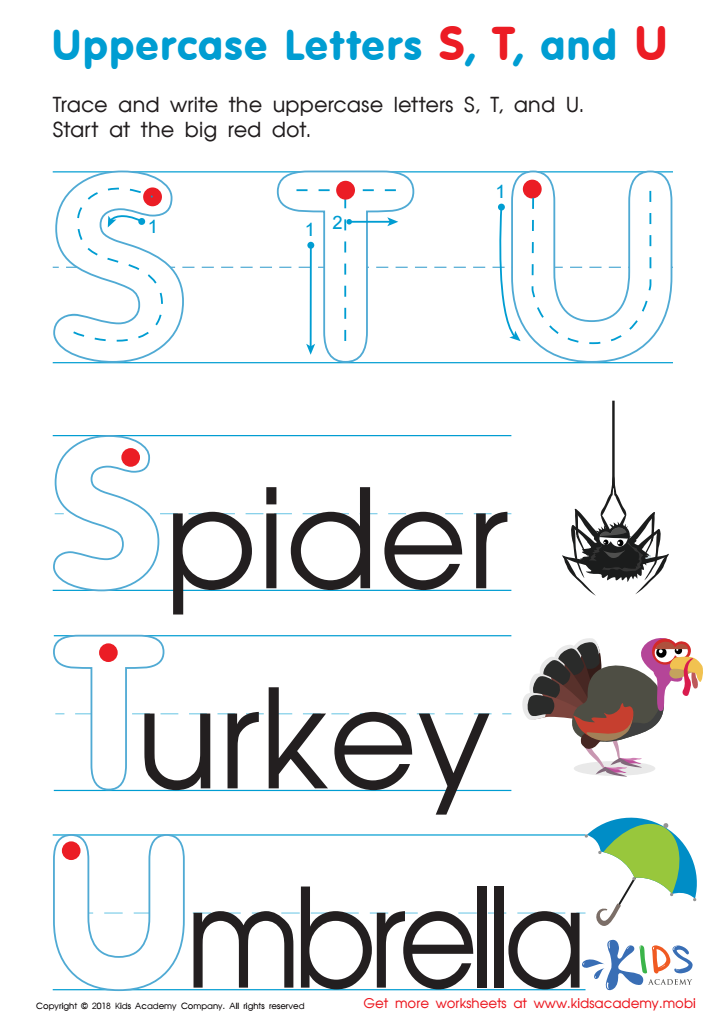
Uppercase Letters S, T, and U Worksheet
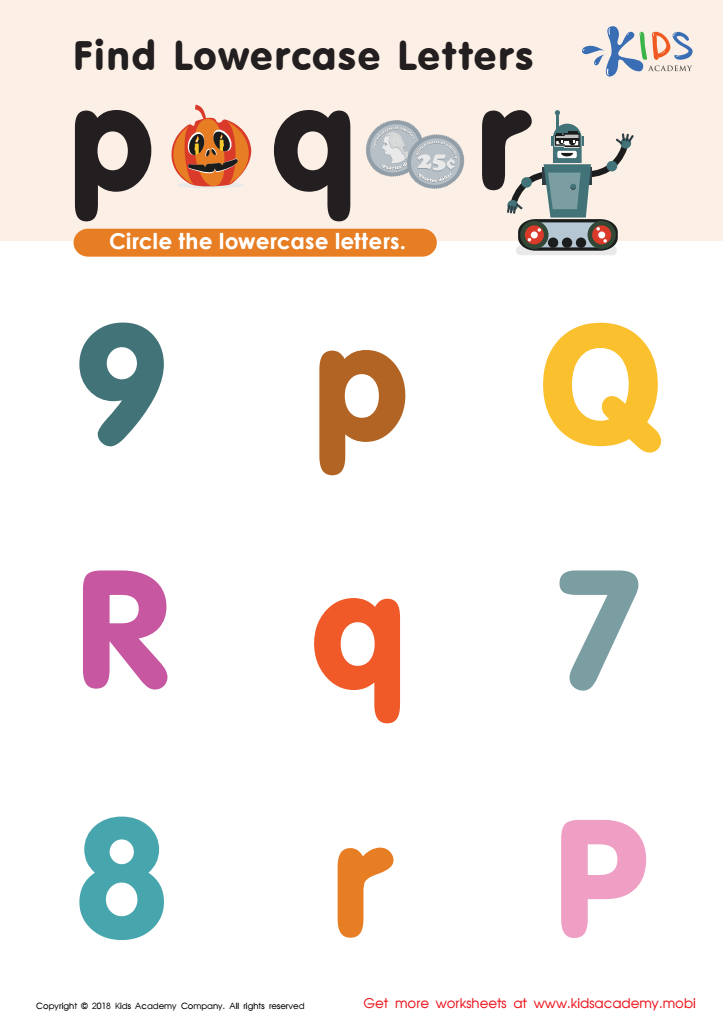
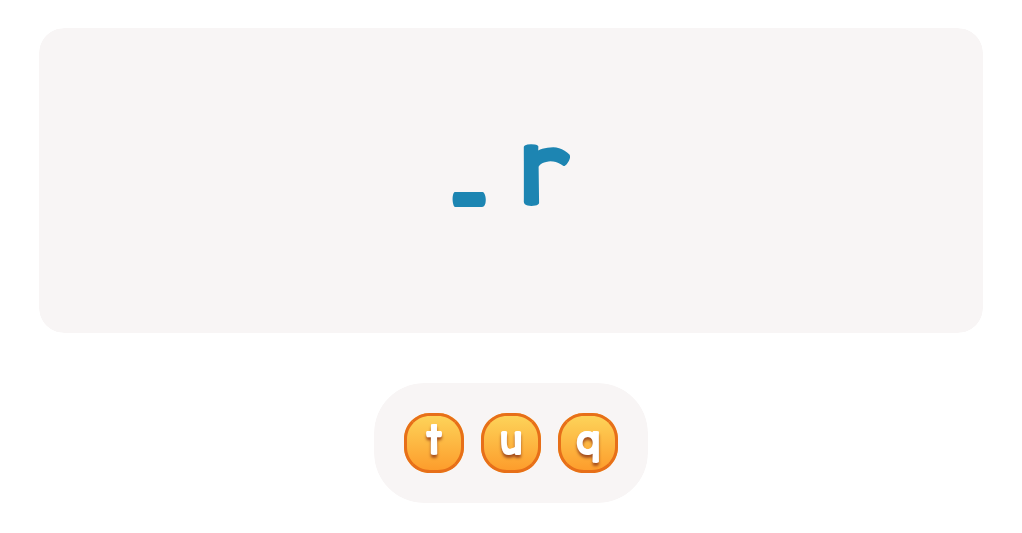
Find lowercase Letters p q r Worksheet
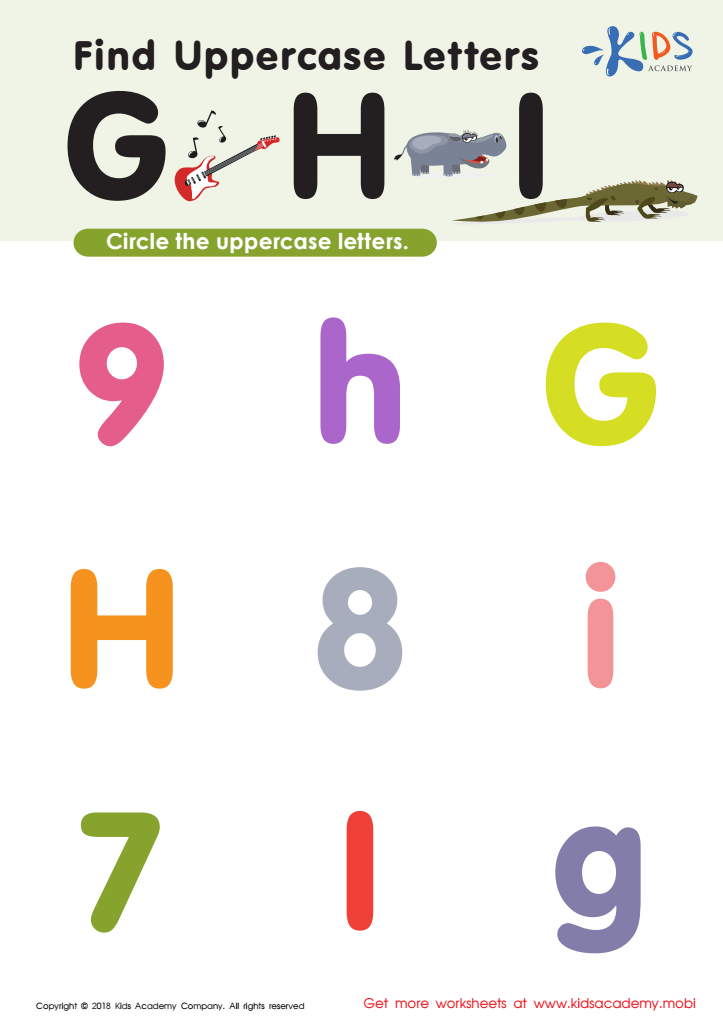
Find Uppercase Letters G, H, and I Worksheet
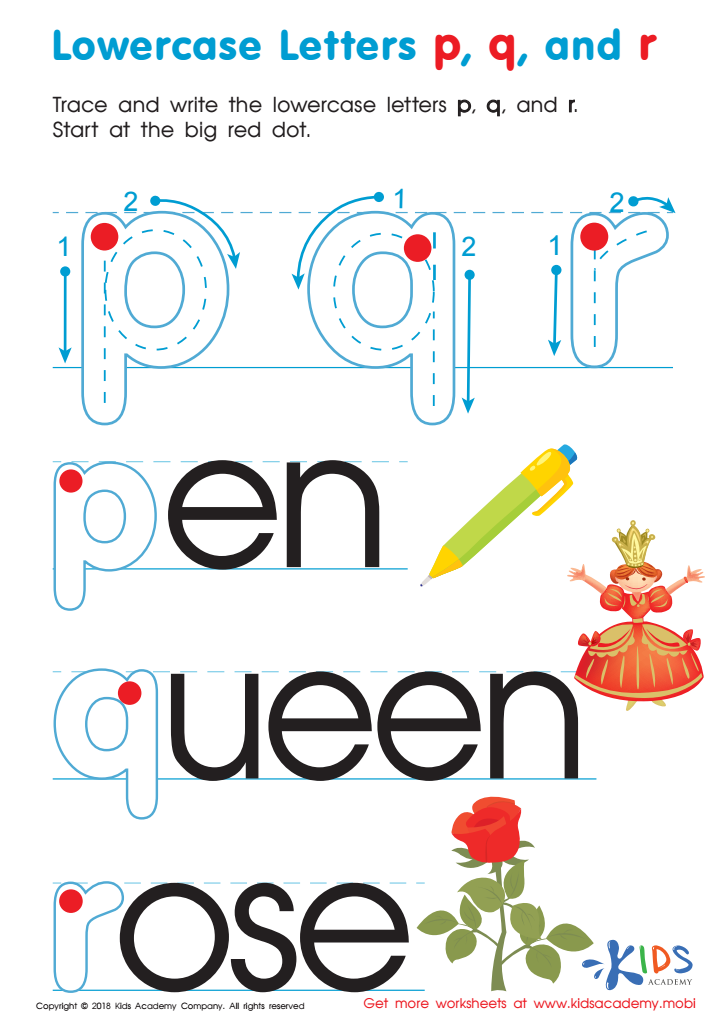
Lowercase Letters p q r Worksheet
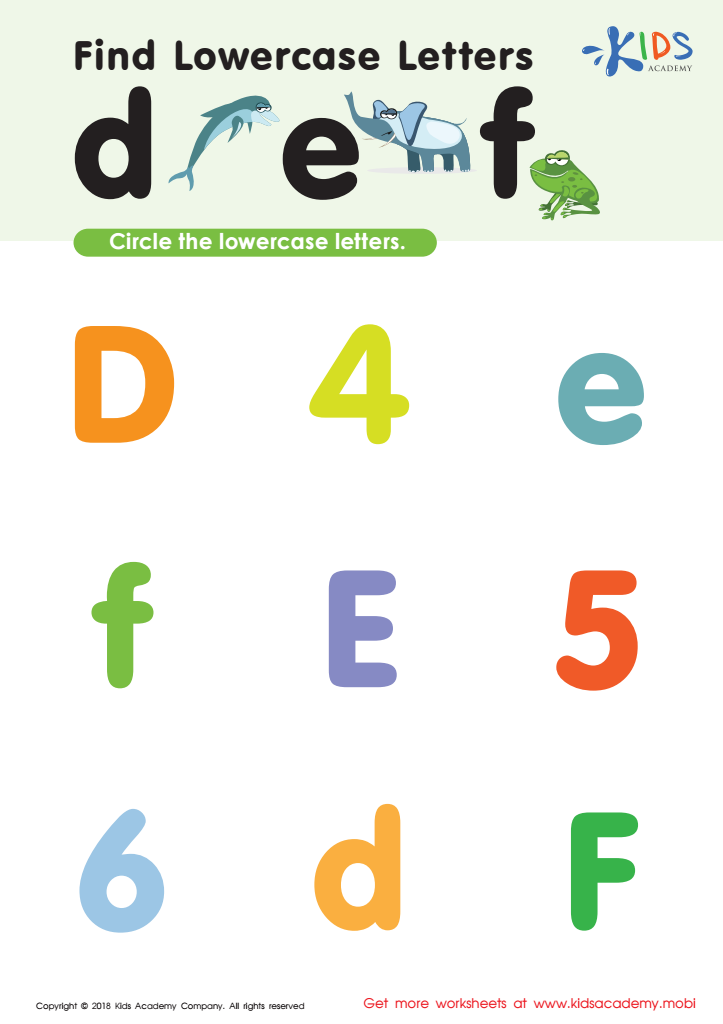
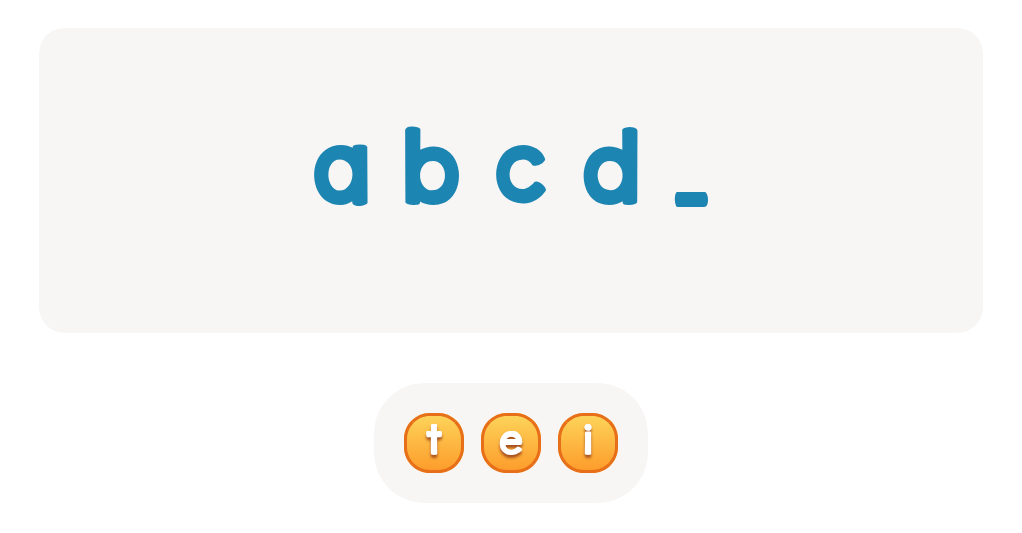
Find Lowercase Letters d e f Worksheet
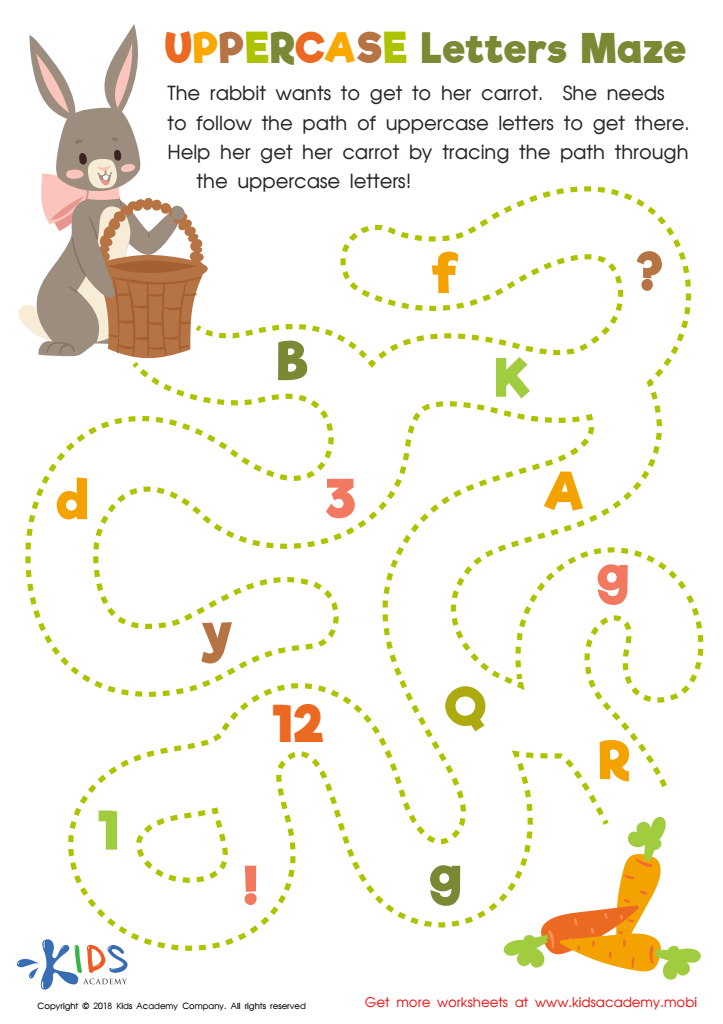
Uppercase Letters Maze Worksheet
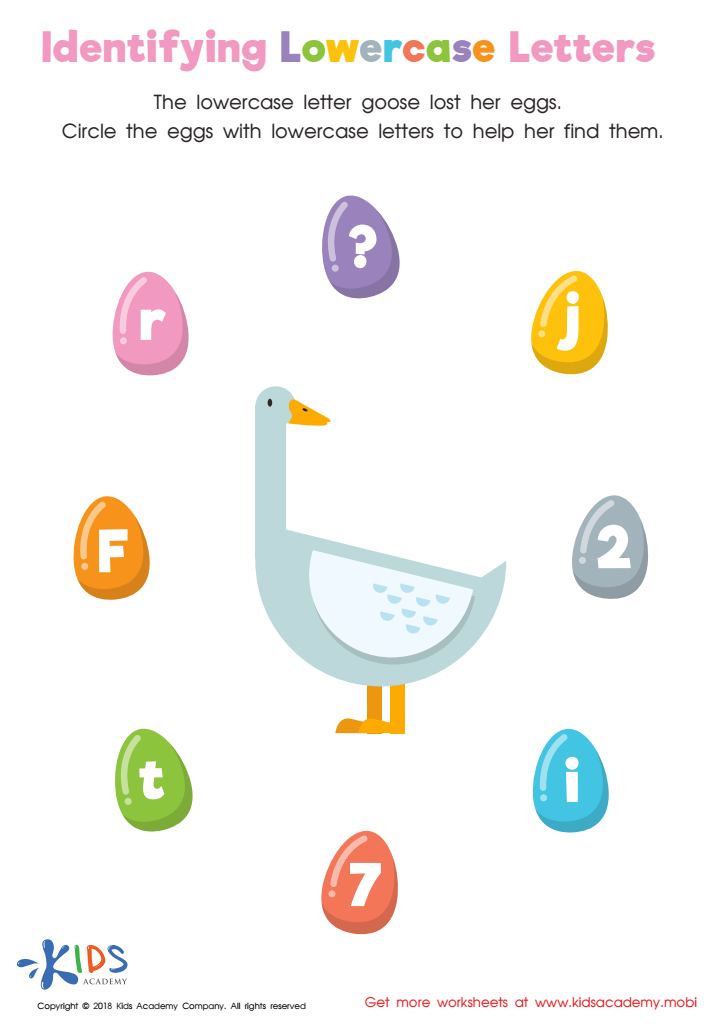
Identifying Lowercase Letters Worksheet
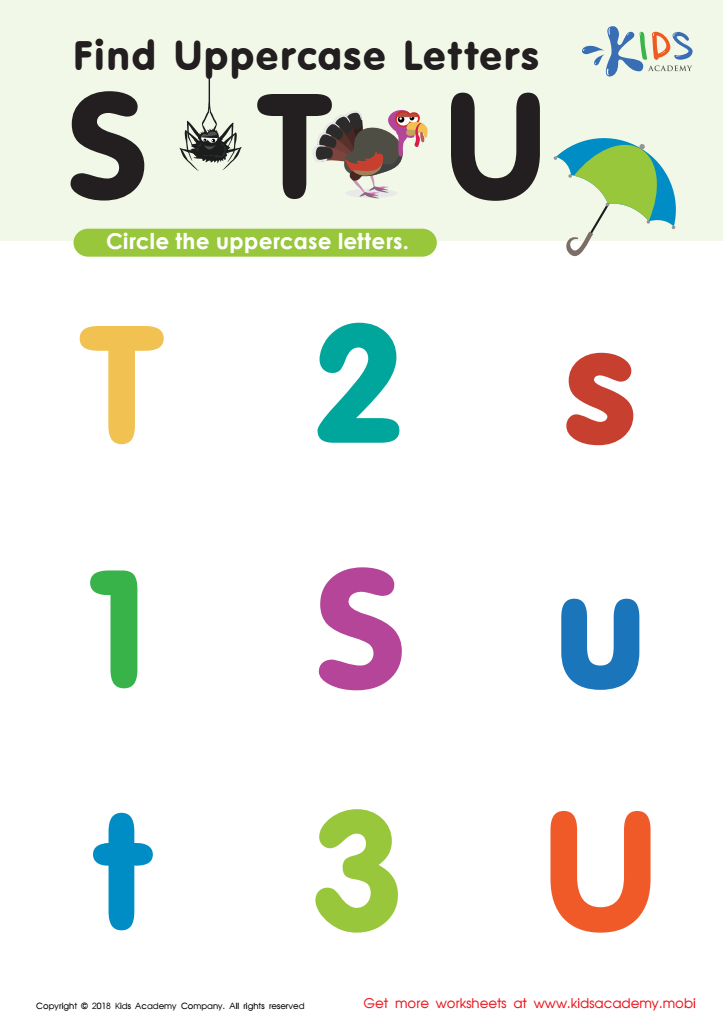
Find Uppercase Letters Worksheet
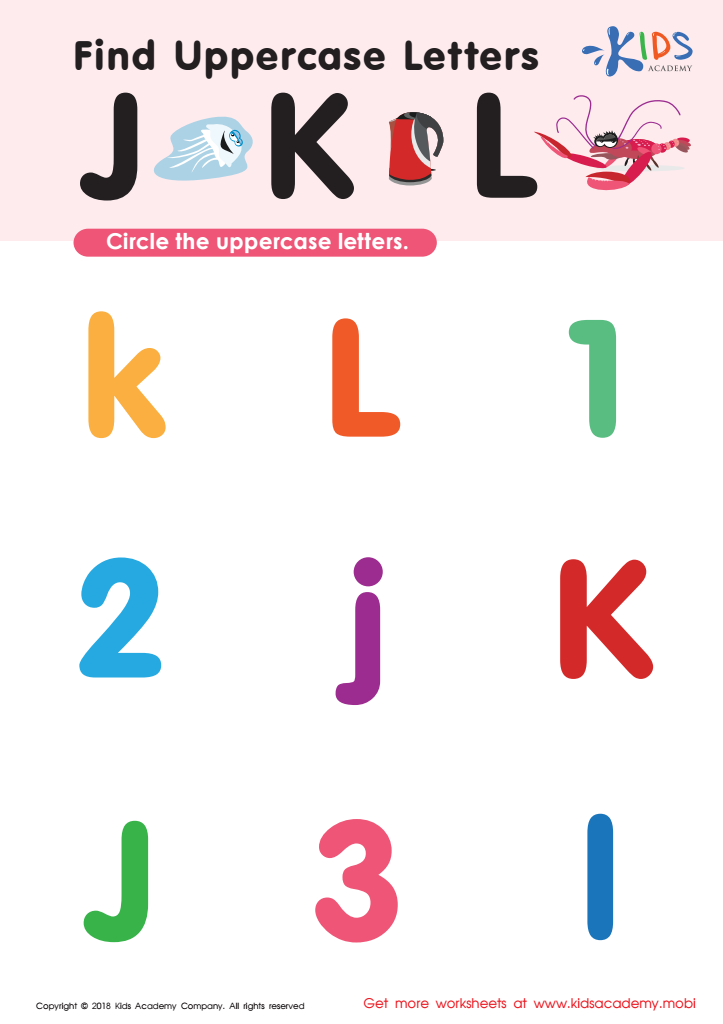
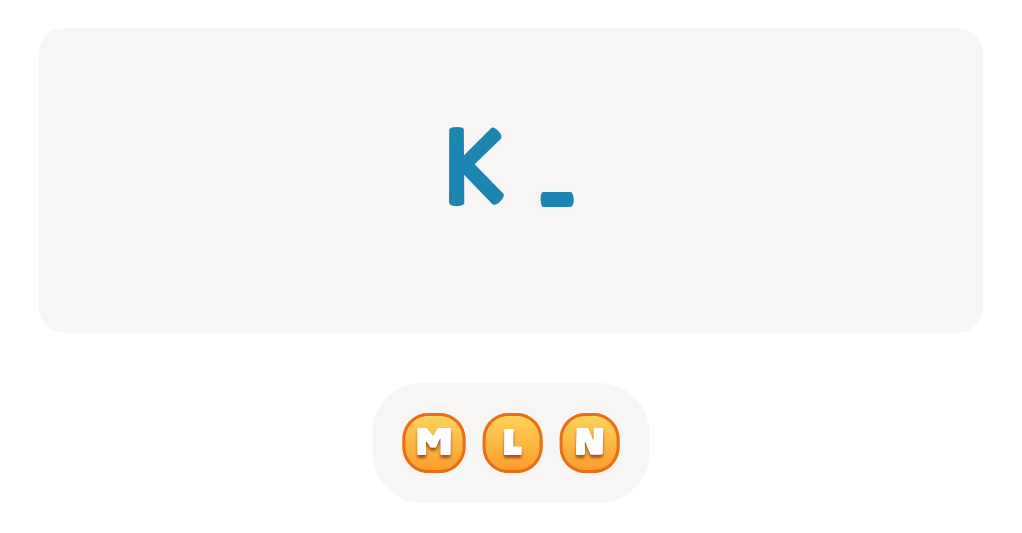
Find Uppercase Letters J, K, and L Worksheet
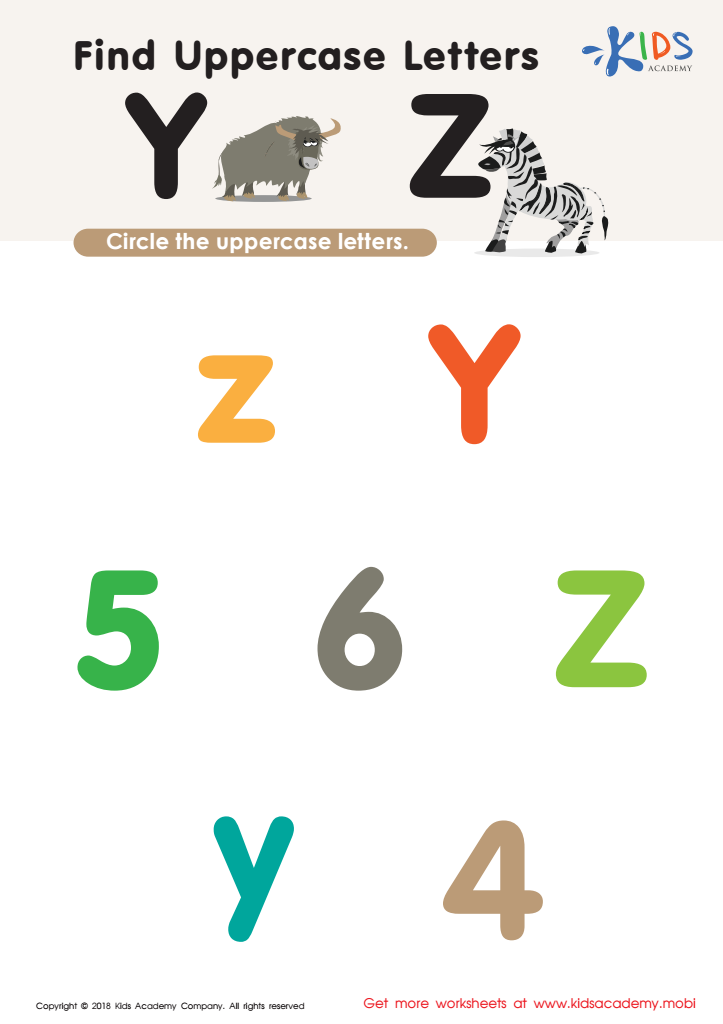
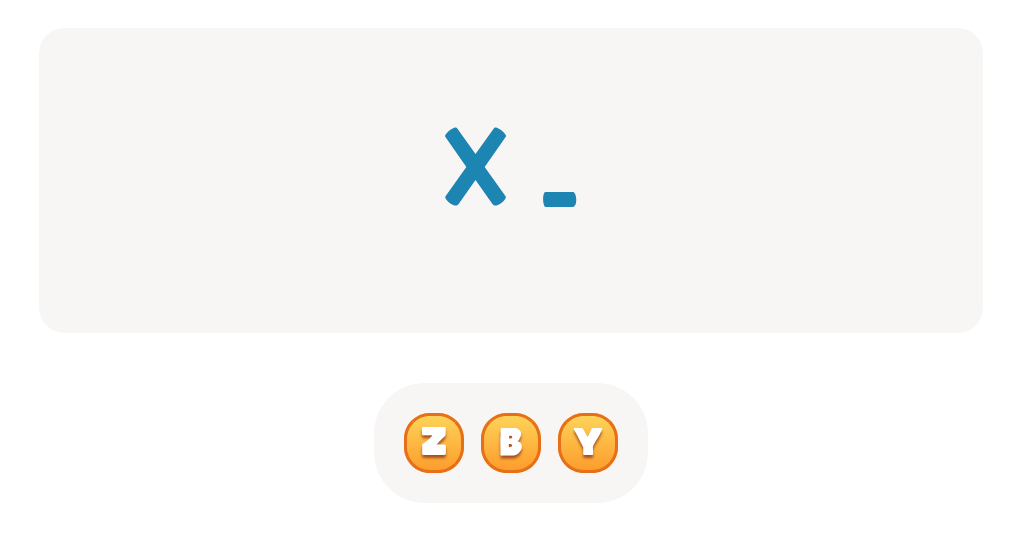
Find Uppercase Letters Y Z Worksheet
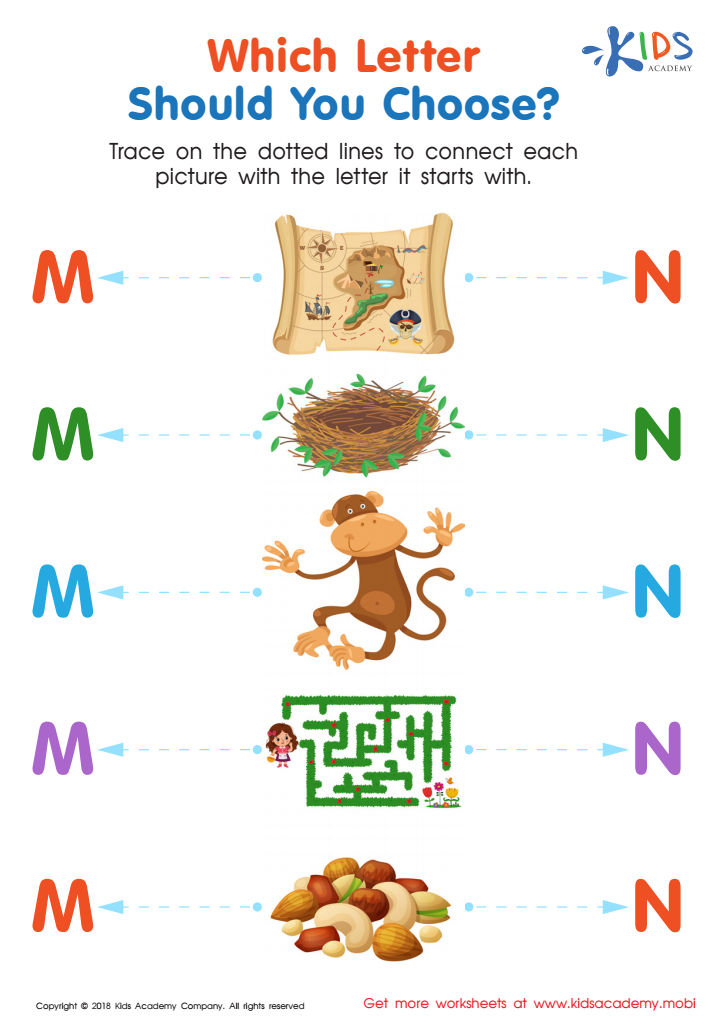
Which Letter Should you Choose? Worksheet
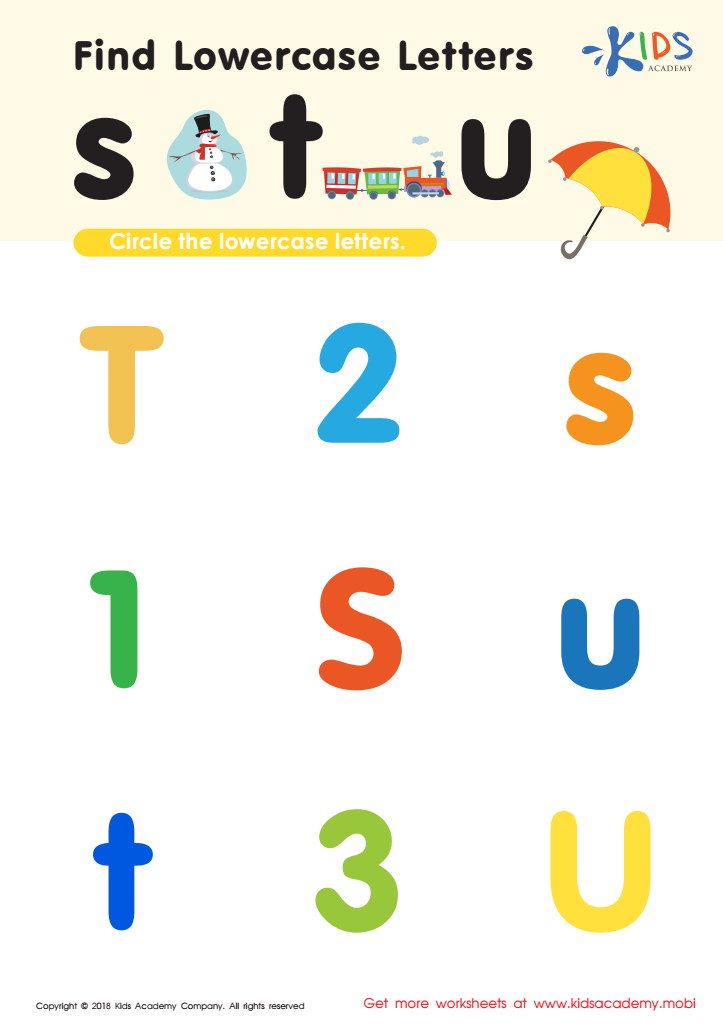
Find lowercase Letters s t u Worksheet
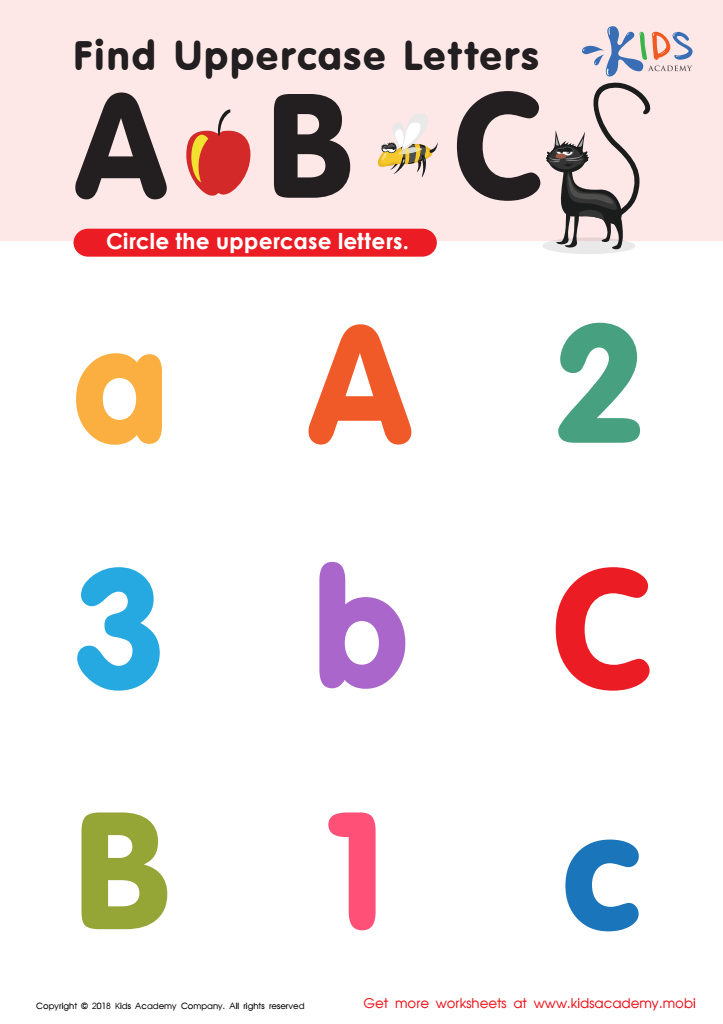
Find Uppercase Letters A, B, and C Worksheet
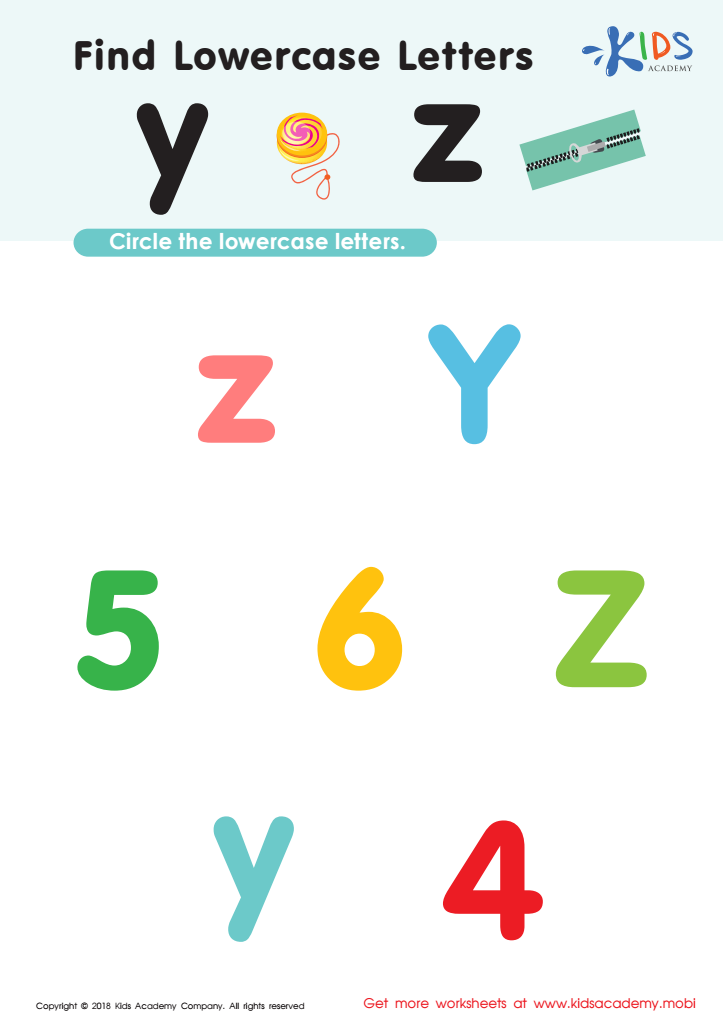
Find Lowercase Letters y z Worksheet
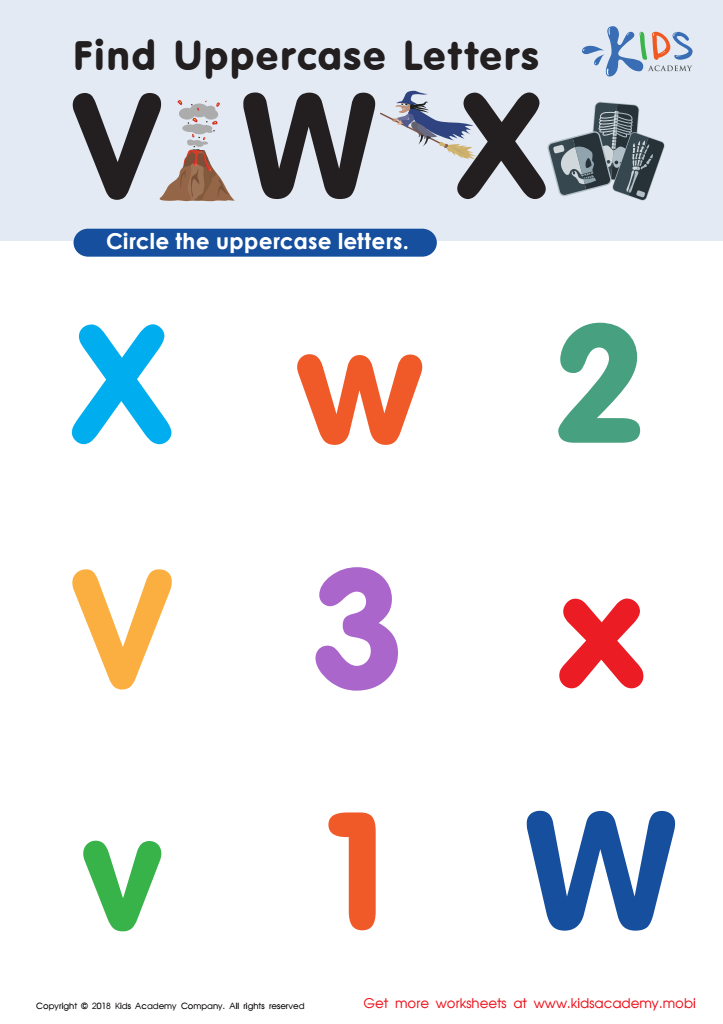
Find Uppercase Letters V, W, X Worksheet
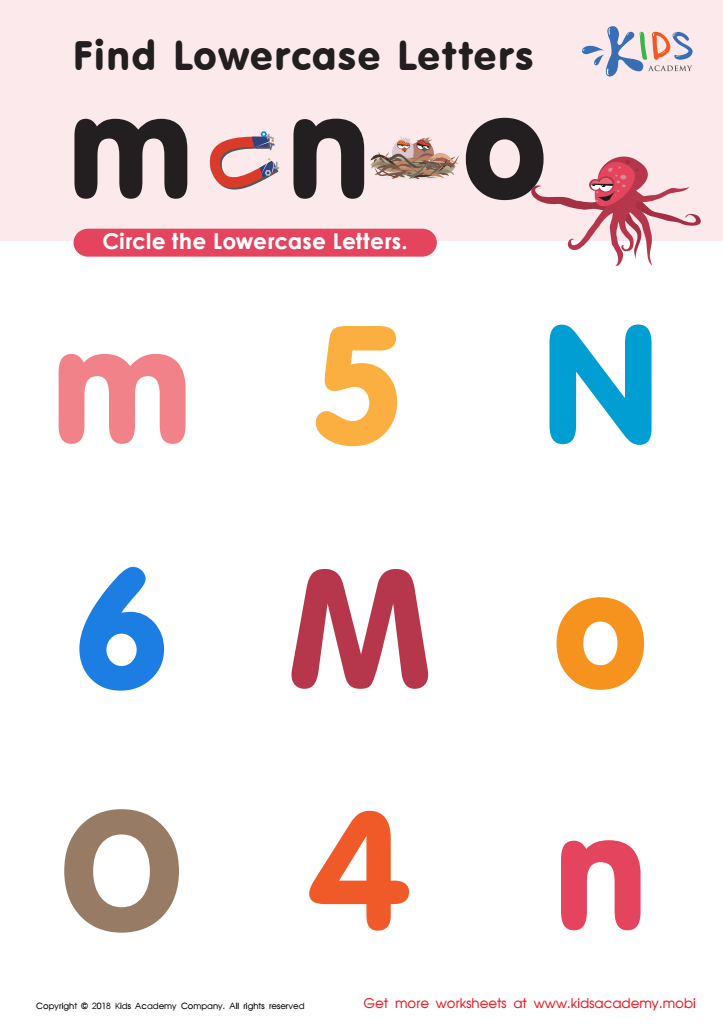
Find Lowercase Letters m n o Worksheet
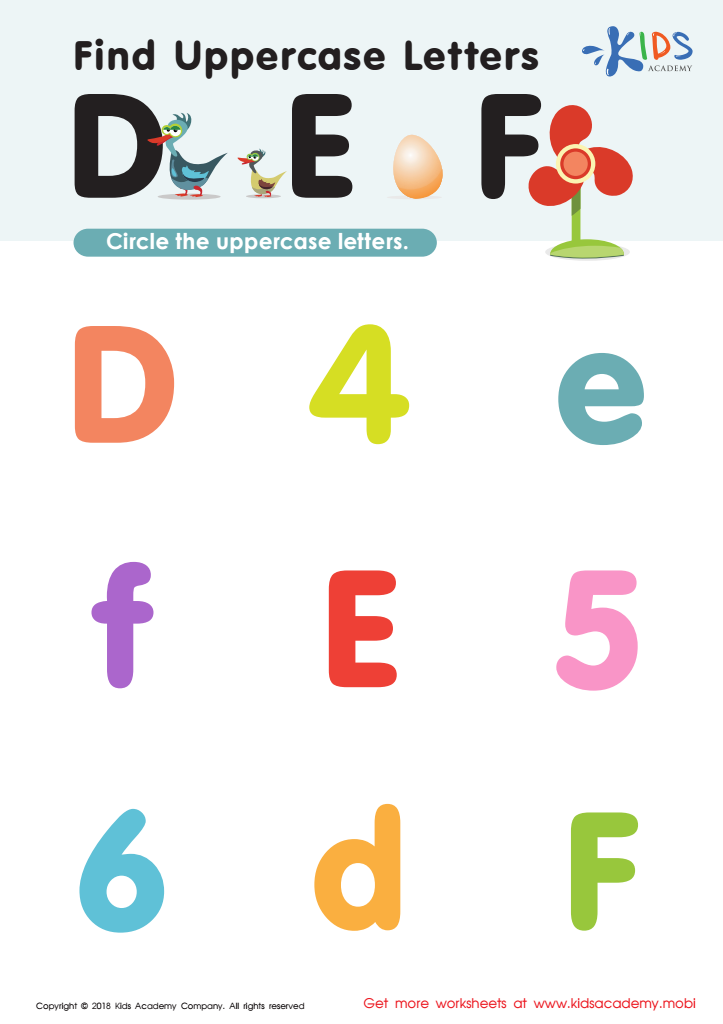
Find Uppercase Letters D, E, and F Worksheet
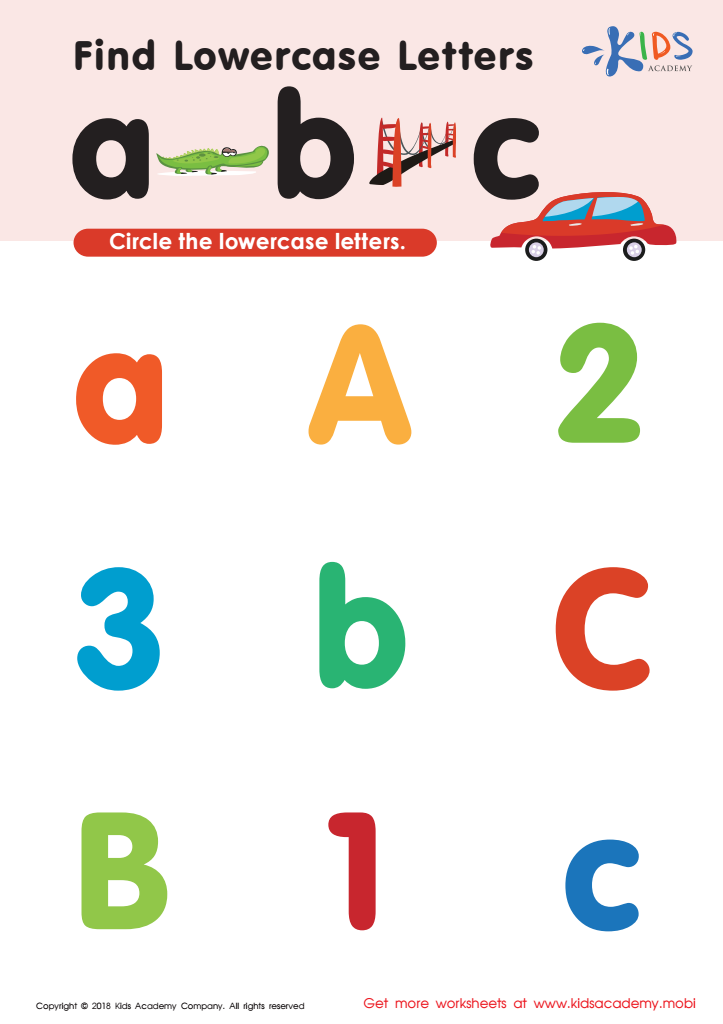
Find lowercase letters a b c Worksheet
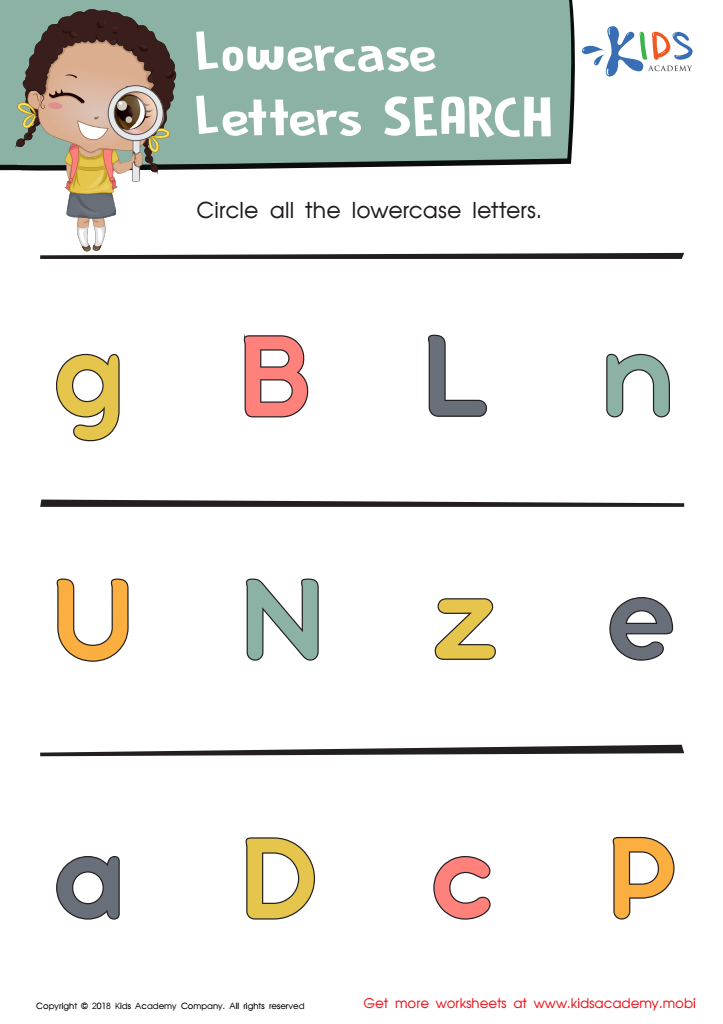
Lowercase Letters Search: Assessment Worksheet
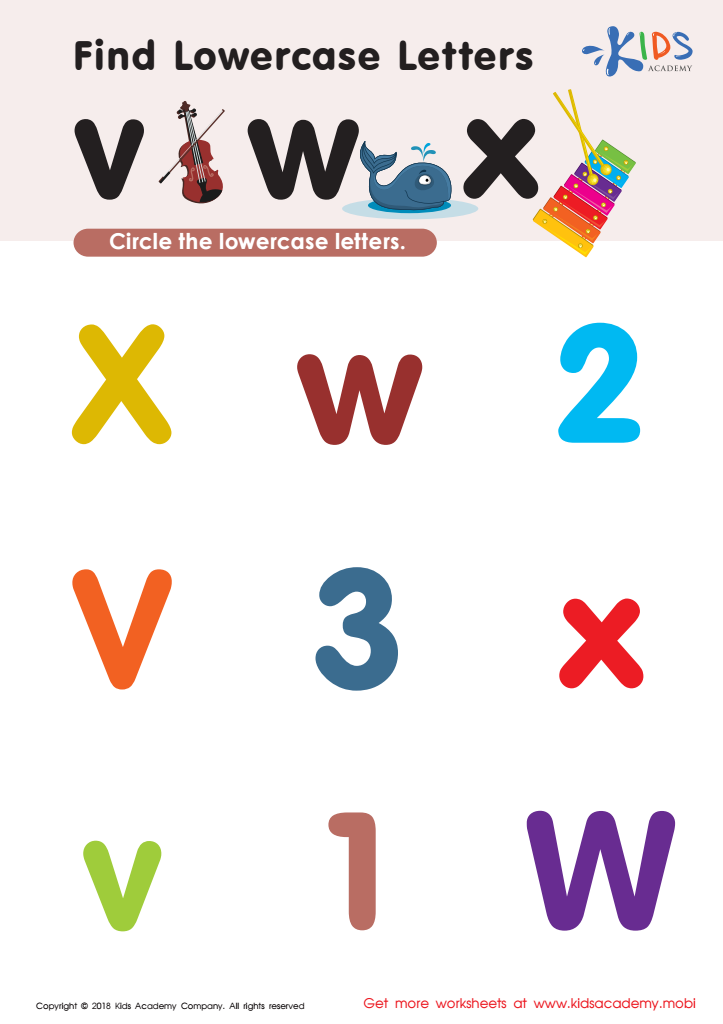
Find Lowercase Letters v w x Worksheet
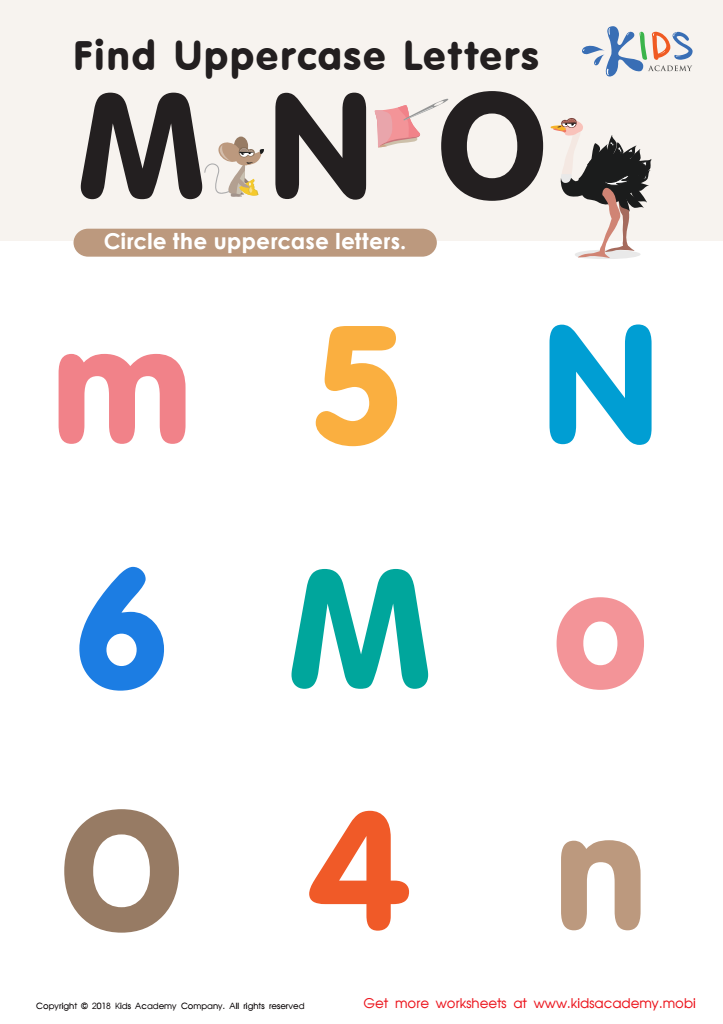
Find Uppercase Letters M, N, and O Worksheet






Letter recognition is a foundational skill crucial for early literacy development in children aged 4-6. For parents and teachers, fostering this skill is key to setting a strong groundwork for reading and writing. Uppercase and lowercase letter recognition helps children understand that letters represent sounds, leading to phonemic awareness and the ability to decode words.
Recognizing both forms is important because they serve different purposes in reading and writing. Uppercase letters often signal the start of sentences or proper nouns, while lowercase letters are predominant in most text. Familiarity with both ensures children can read fluently and write coherently.
Additionally, engagement in letter recognition activities promotes cognitive development, fine motor skills, and attention span. By reinforcing letter recognition through games, songs, and interactive activities, parents and teachers create a supportive learning environment that builds confidence and encourages a love for reading.
Moreover, letter recognition lays the foundation for later writing skills, such as spelling and grammar. When children can readily identify letters, they are better equipped to express themselves in writing as they progress in their educational journey. Ultimately, prioritizing letter recognition in early education is vital for fostering lifelong literacy skills.







