Alphabet Recognition Worksheets for Ages 4-6 - Page 3
68 filtered results
-
From - To
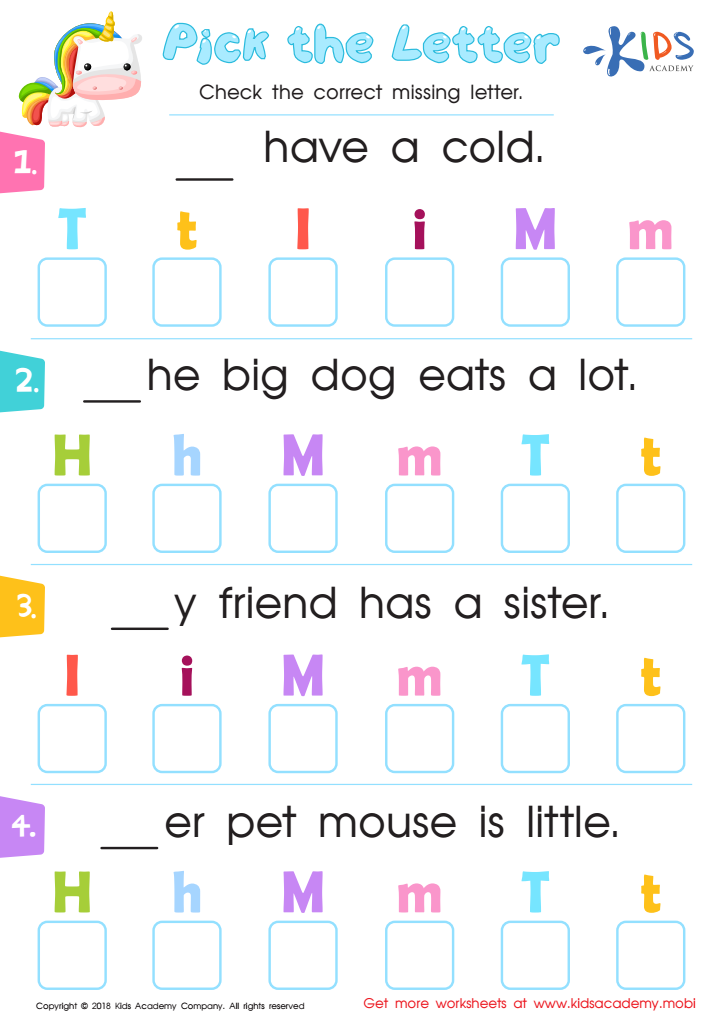
Pick the Letter Worksheet
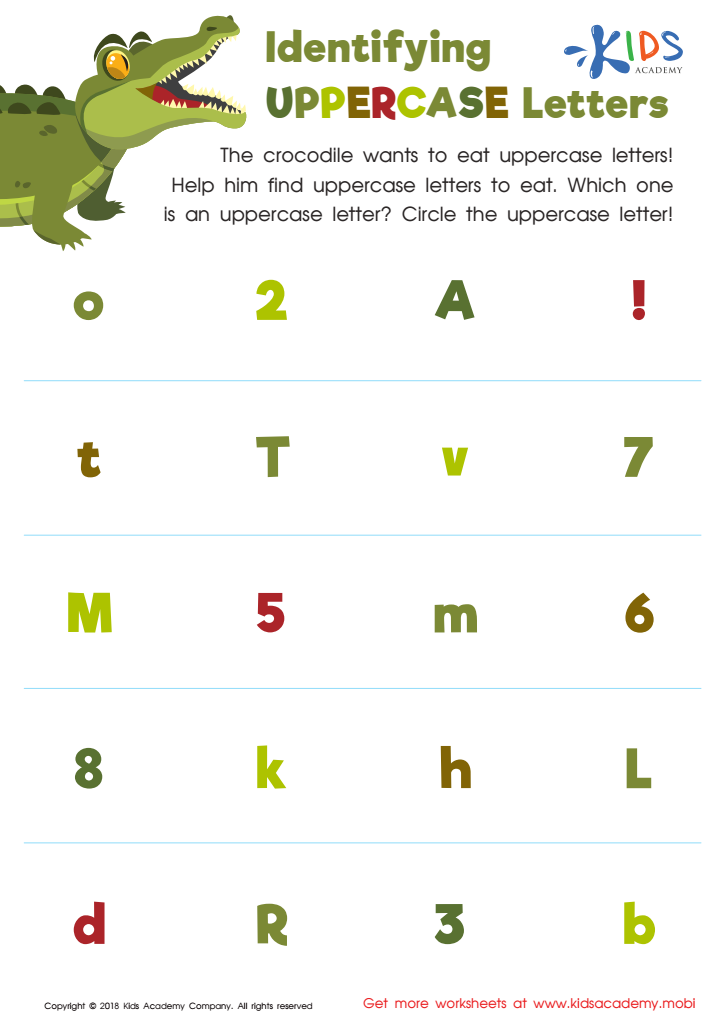
Identifying Uppercase Letters Worksheet
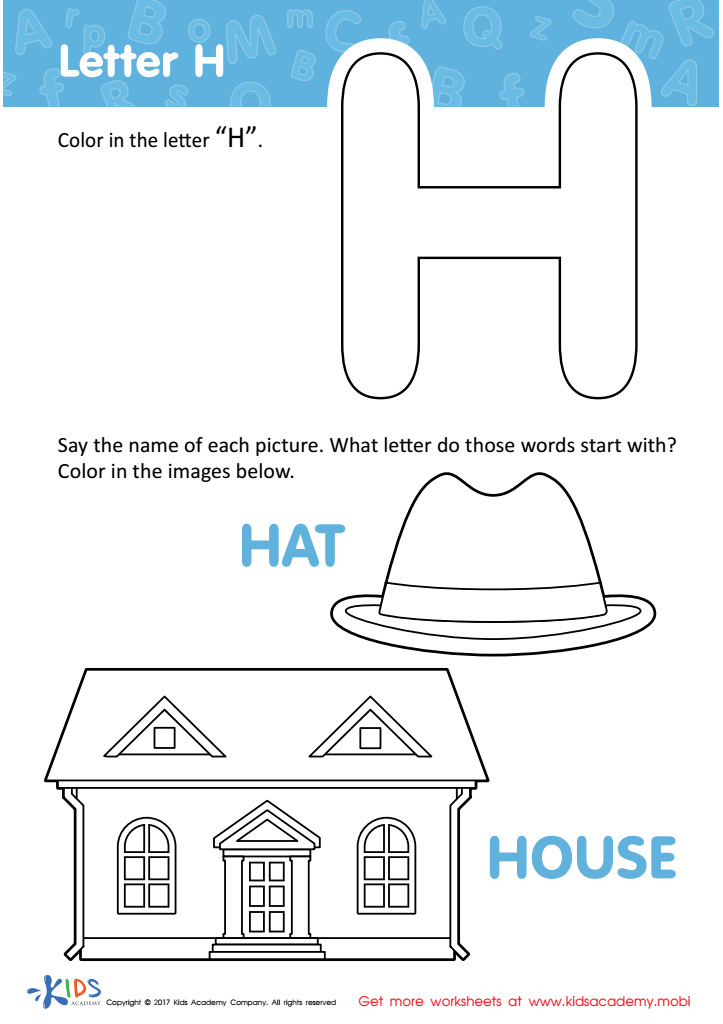
Letter H Coloring Sheet
 Assign to My Students
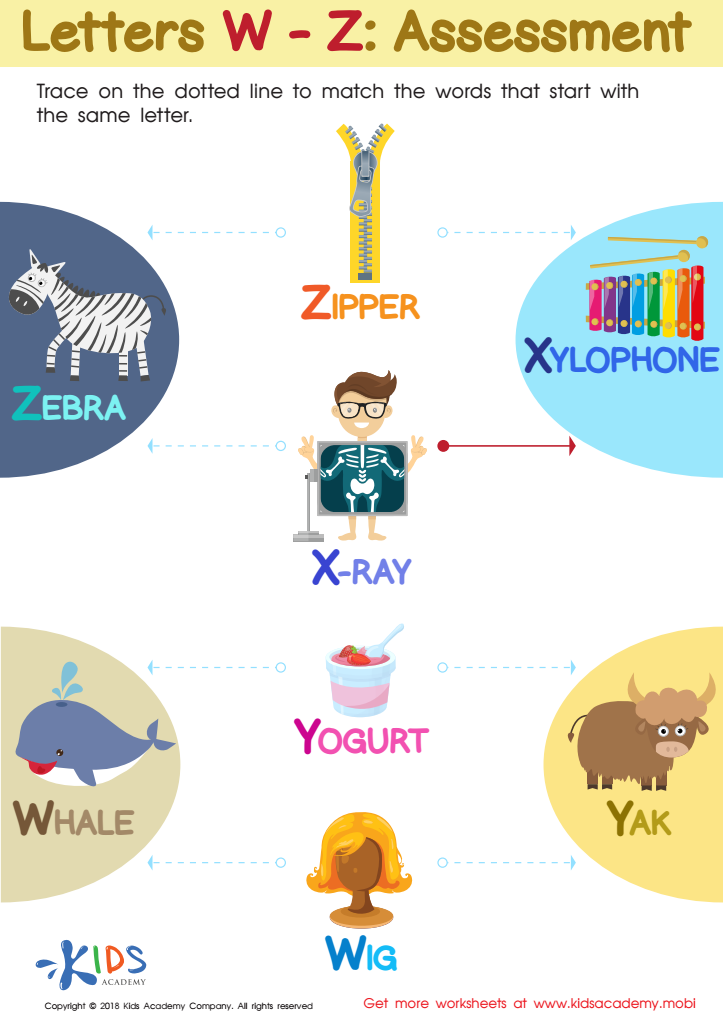
Letters W–Z Tracing Worksheet
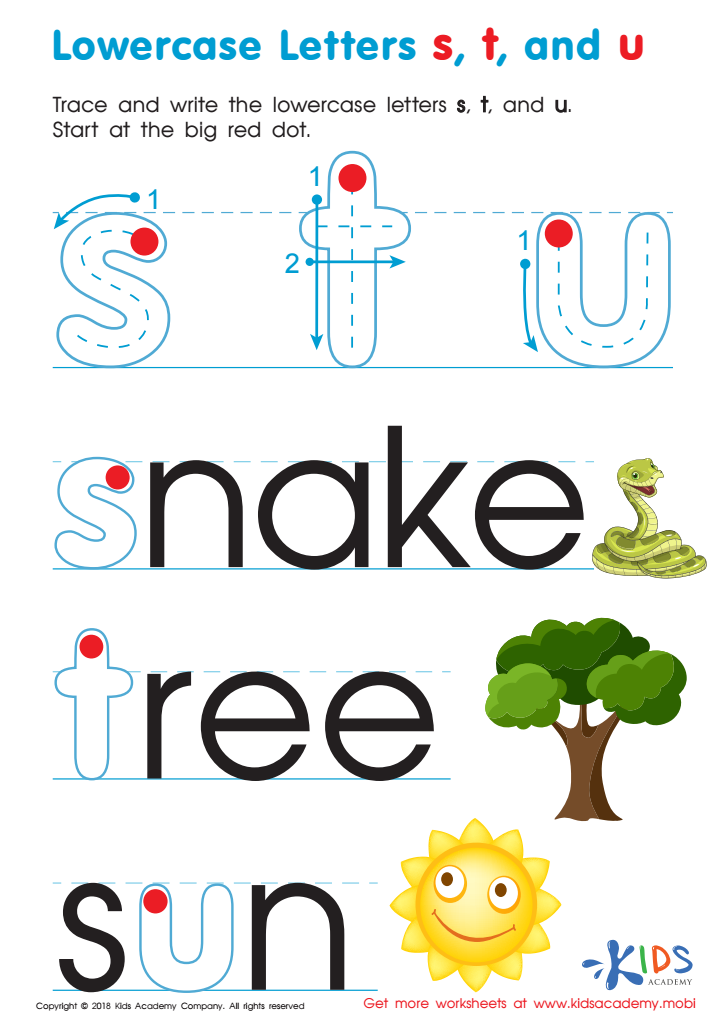
Lowercase Letters s t u Worksheet
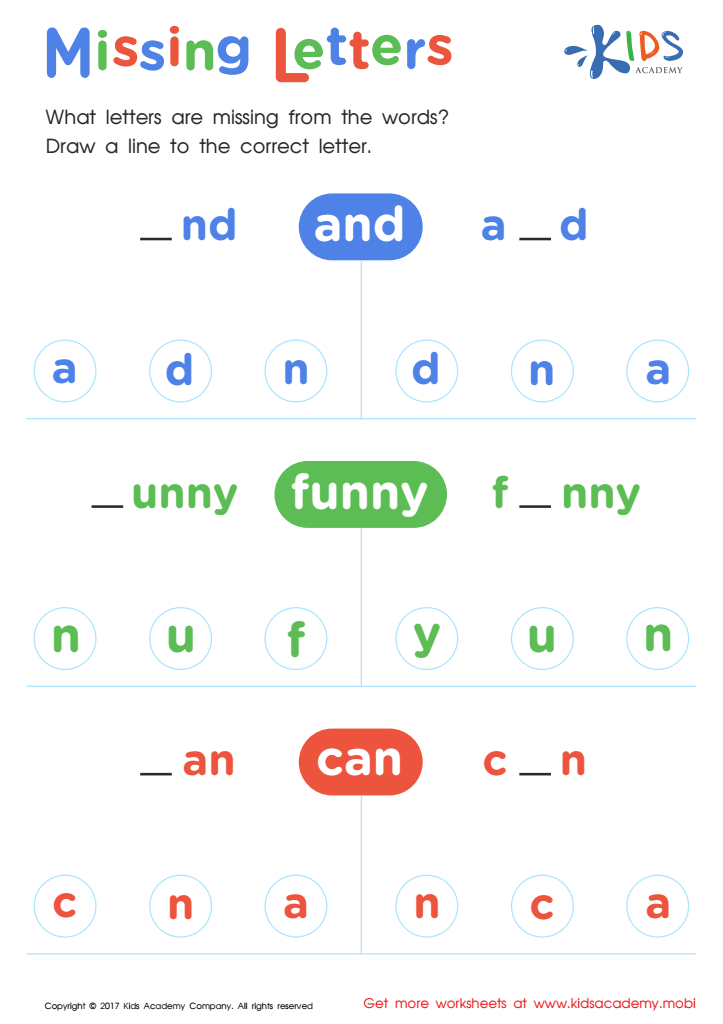
Missing Letters Worksheet
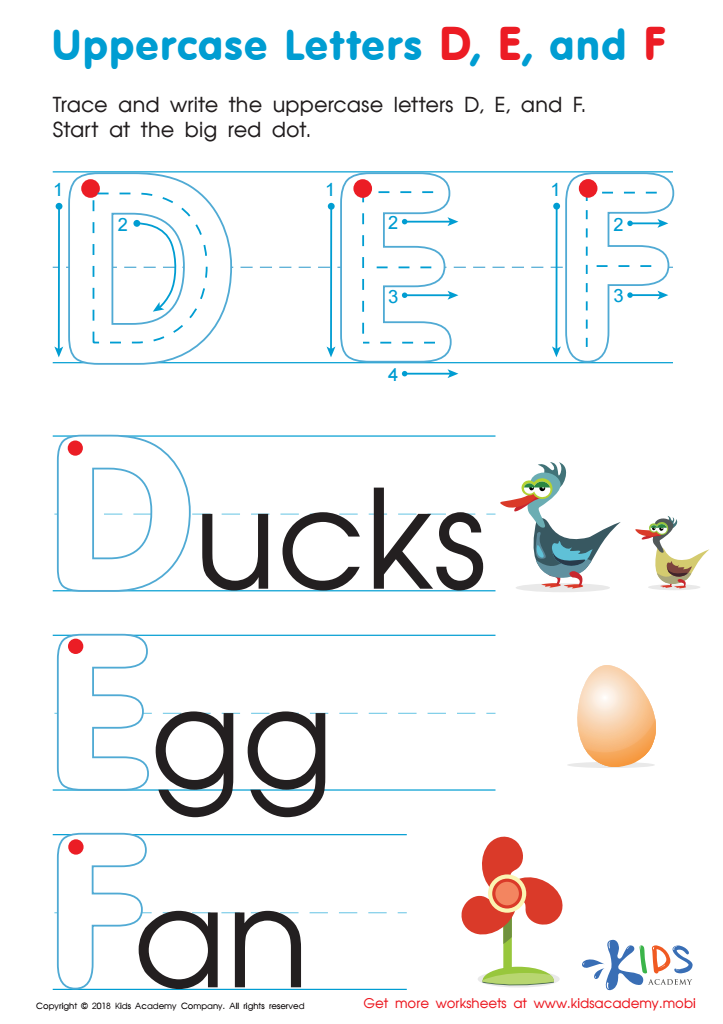
Uppercase Letters D, E, and F Worksheet
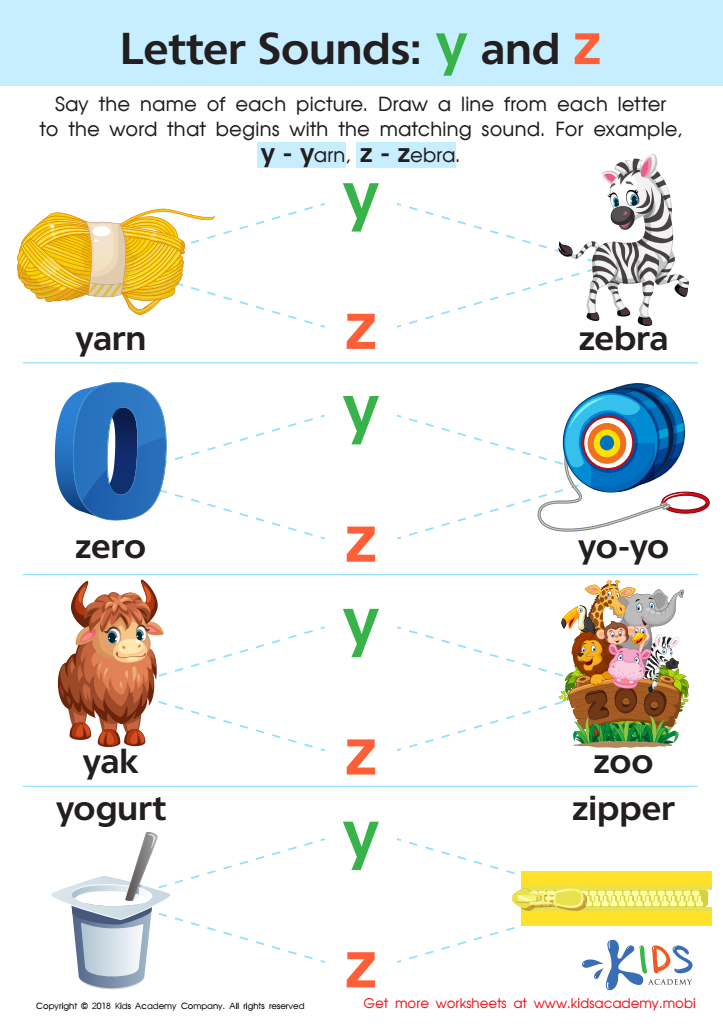
Letter Y and Z Sounds Worksheet
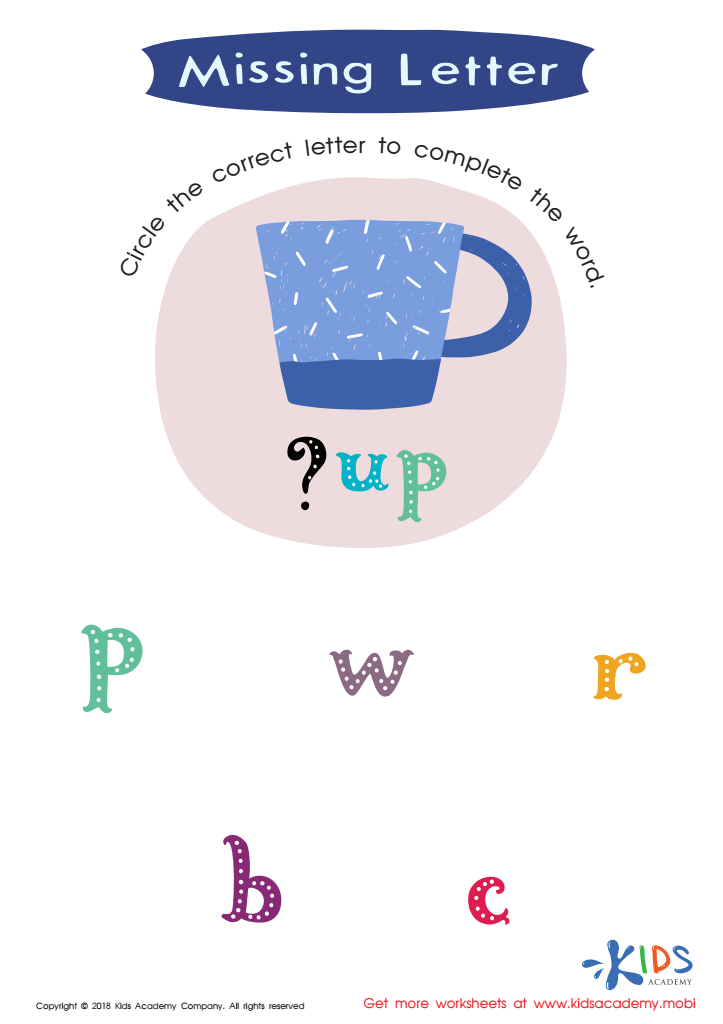
Missing Letter Worksheet
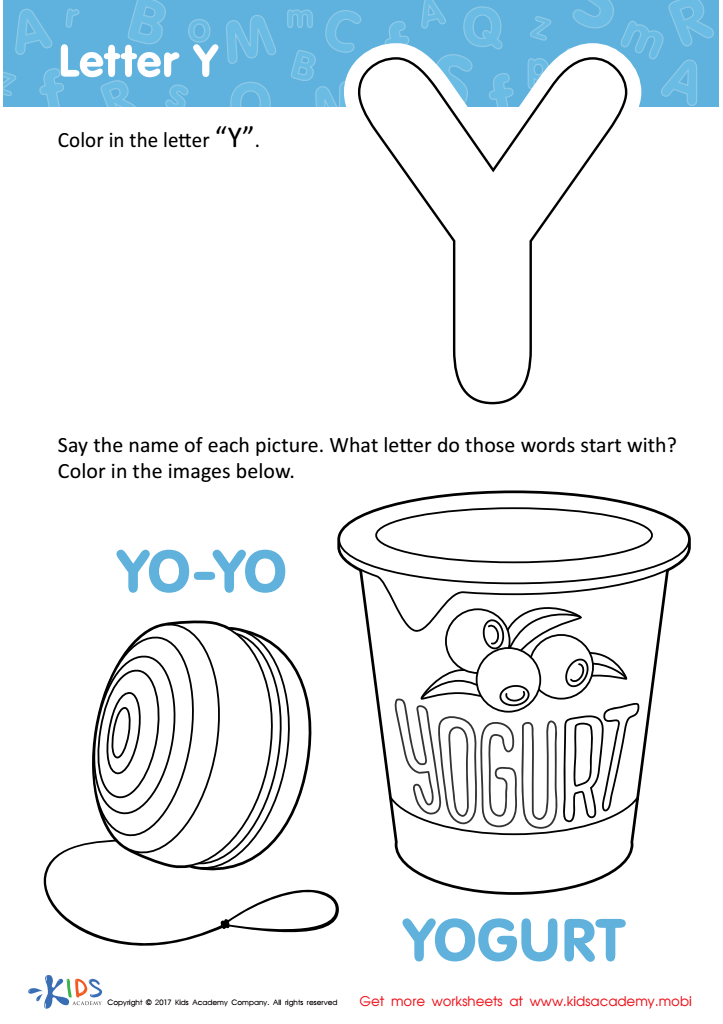
Letter Y Coloring Sheet
Assign to My Students
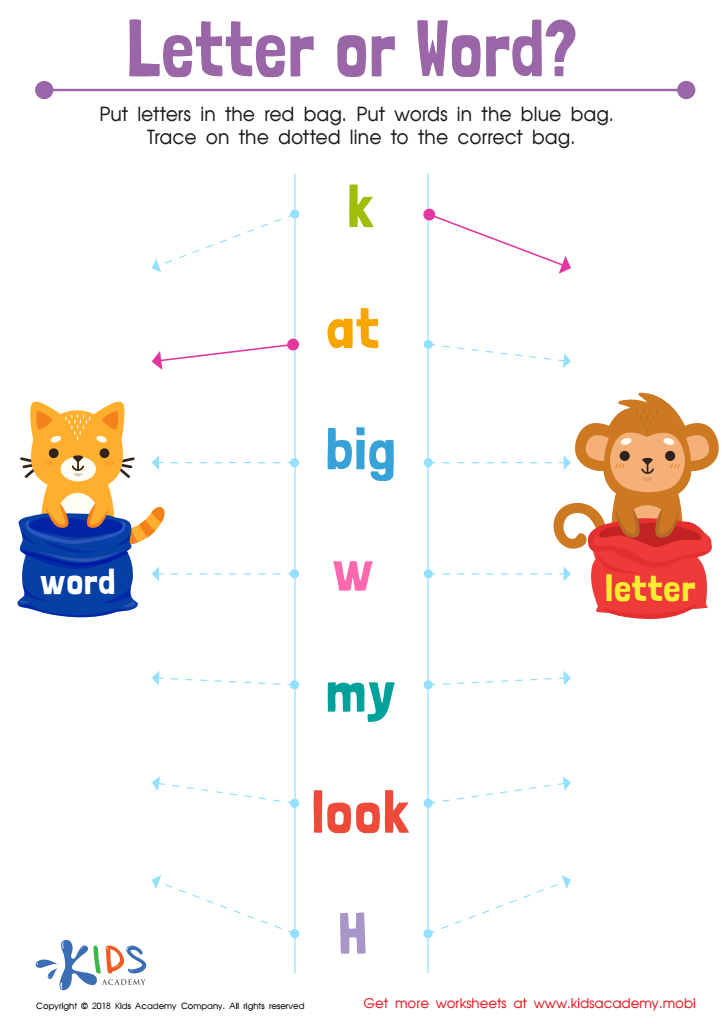
Letter or Word? Worksheet
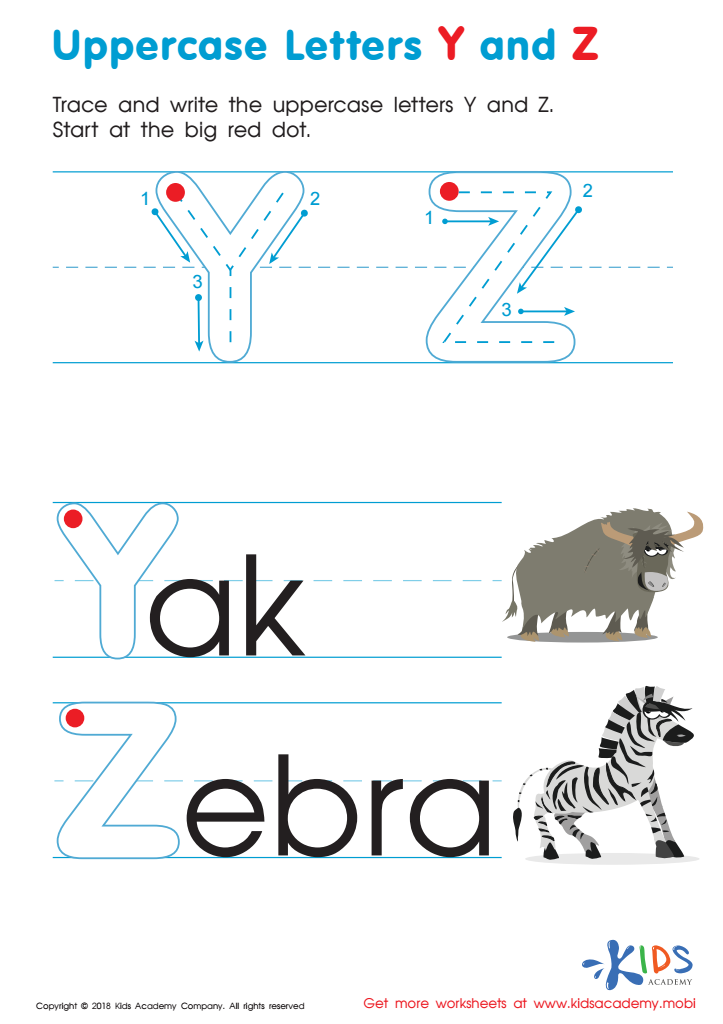
Uppercase Letters Y Z Worksheet
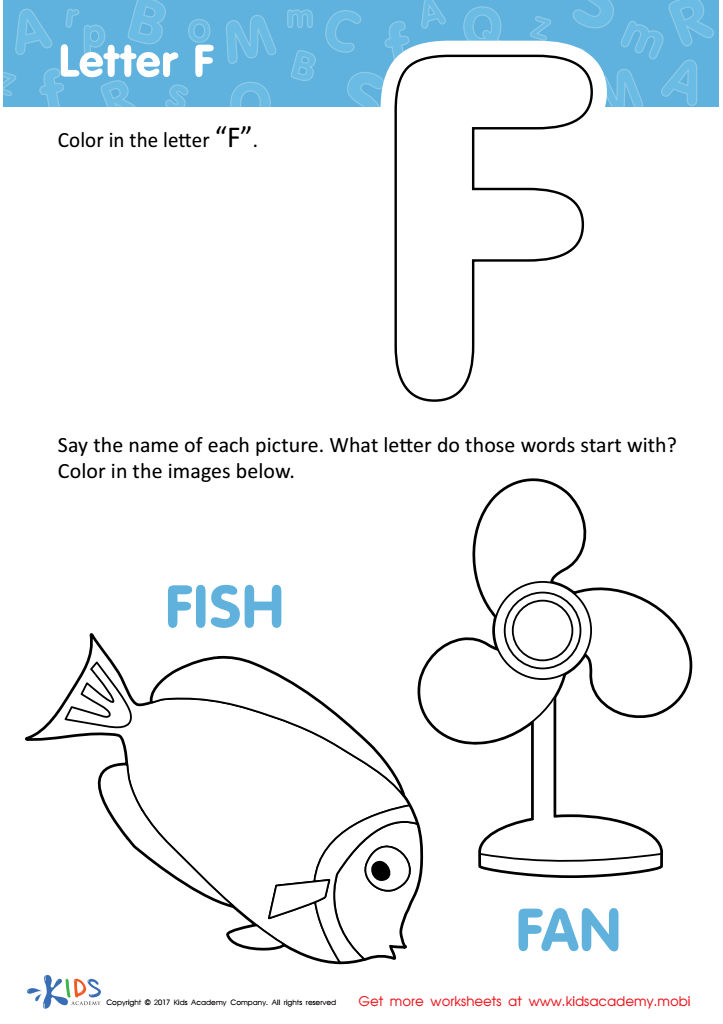
Letter F Coloring Sheet
Assign to My Students
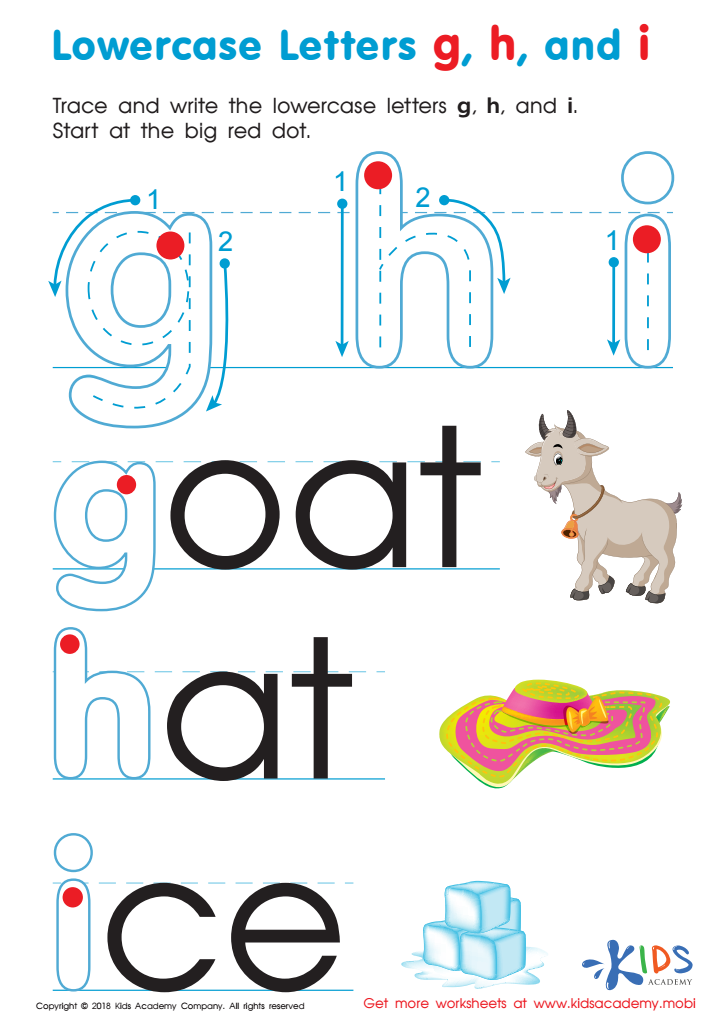
Lowercase Letters g h i Worksheet
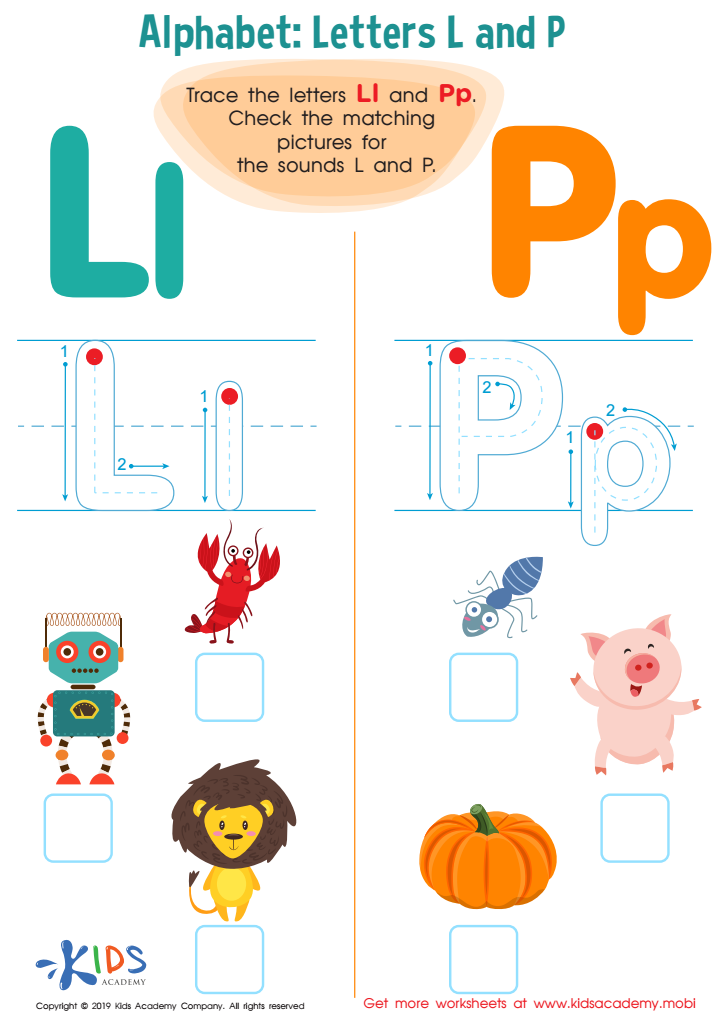
Letter L and P Tracing Worksheet
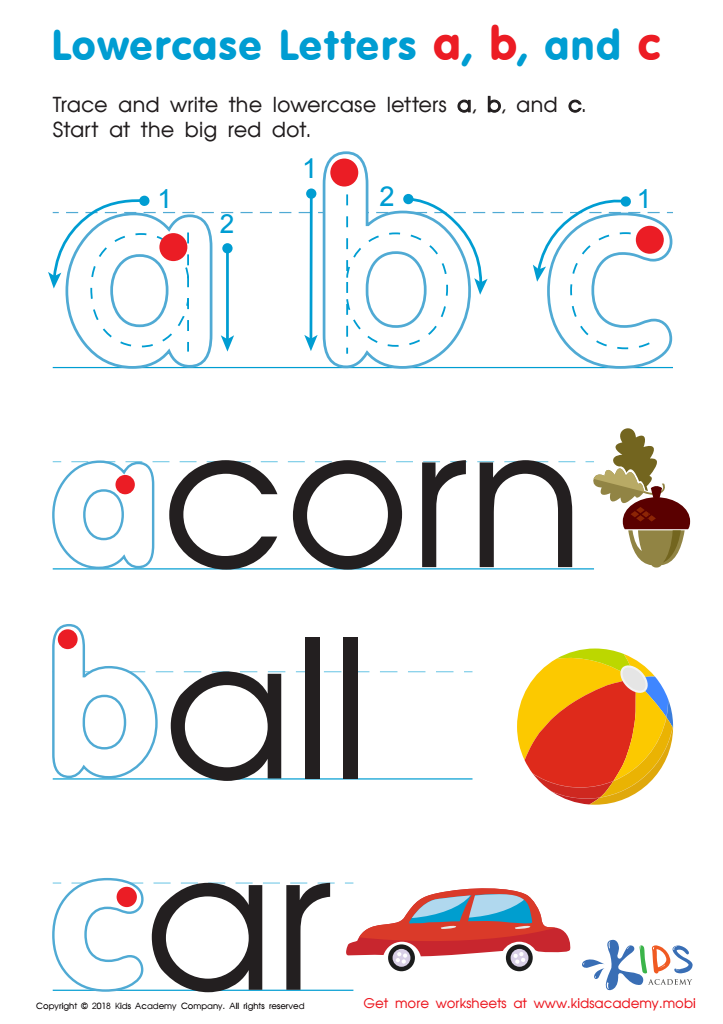
Lowercase Letters a b c Worksheet
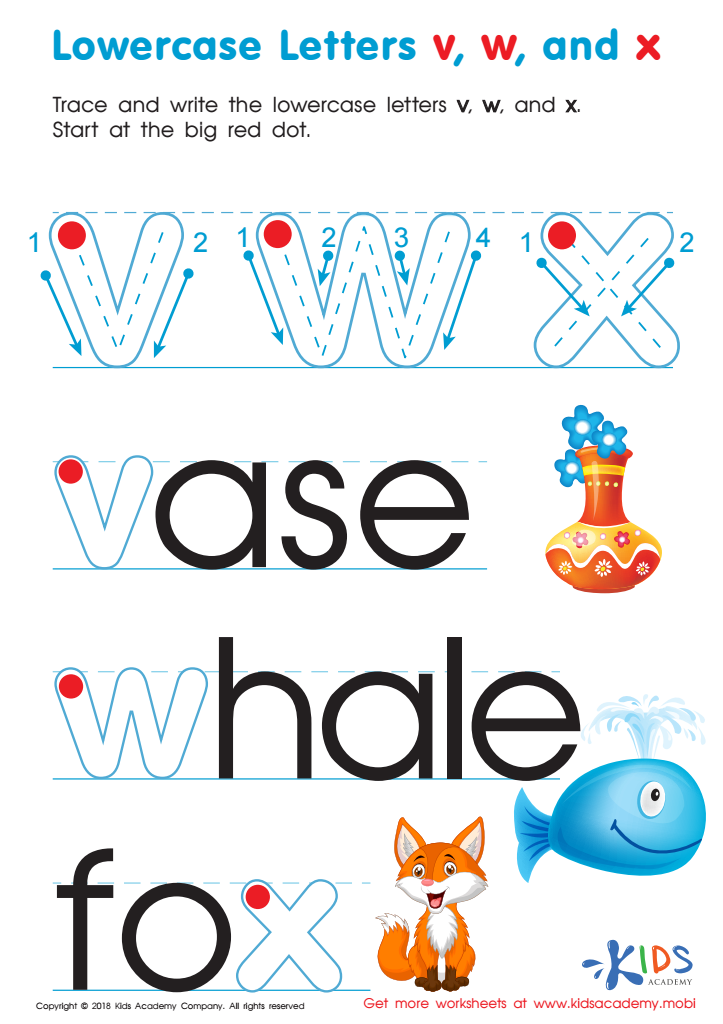
Lowercase Letters v w x Worksheet
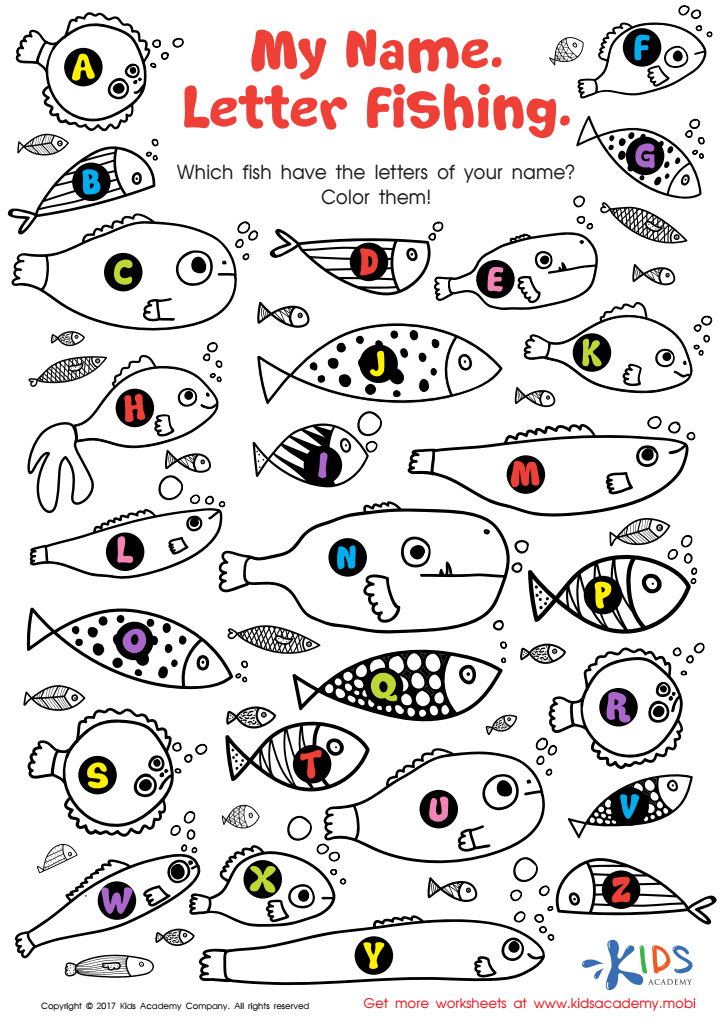
My Name: Letter Fishing Worksheet
Assign to My Students

Uppercase Letters V, W, and X Worksheet
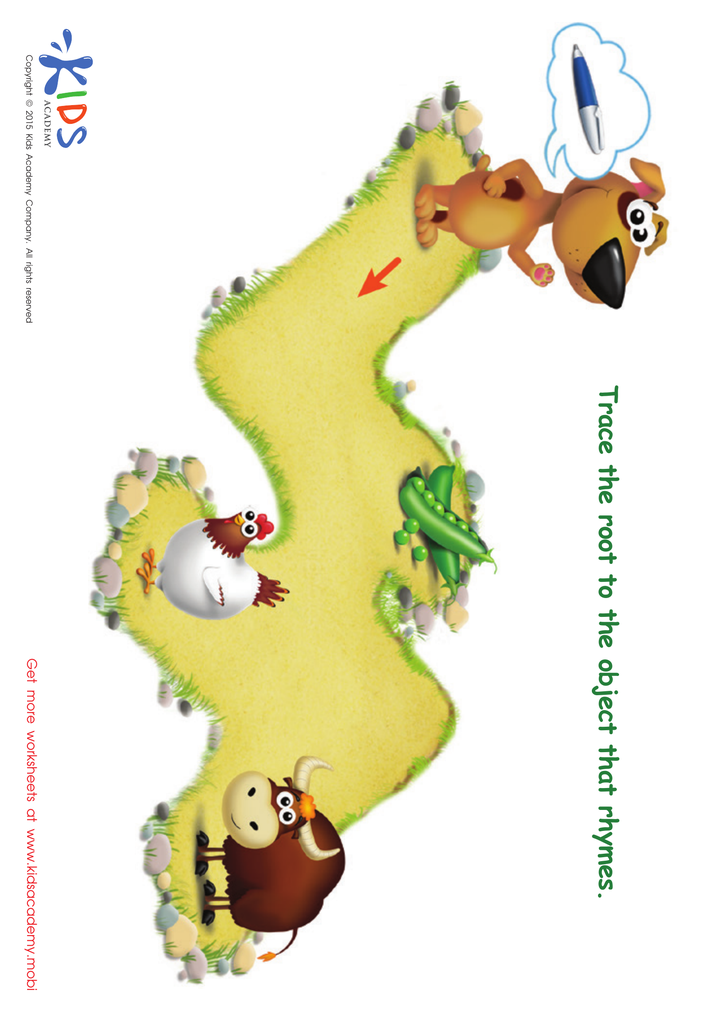
Pen Rhyming Words Worksheet







Alphabet recognition is a foundational skill for young learners (ages 4-6), and it's critical for several important reasons.
Firstly, it is the building block for early literacy. Recognizing letters and knowing their corresponding sounds (phonics) allows children to start decoding words, which is key to reading and writing. Without this basic understanding, children are likely to struggle with more complex literacy tasks later on.
Secondly, alphabet recognition aids cognitive development. Learning the alphabet involves memory work, pattern recognition, and multisensory engagement (such as seeing a letter, hearing its sound, and often, associating it with familiar objects or activities). These are all skills that benefit a child's overall cognitive development.
Moreover, achieving this milestone gives children a sense of confidence and accomplishment. Early success in recognizing letters can make learning more complex educational content less intimidating, setting a positive tone for future learning experiences.
Additionally, it shapes communication skills. When children can associate letters with sounds, they start linking words and meanings, enriching both their spoken vocabulary and ability to write expressively.
Lastly, it is often a predictor of academic success. Proficiency in letter recognition before entering formal schooling is frequently linked to higher achievement in subjects like reading and literacy as children grow.
Therefore, focusing on alphabet recognition at this early age equips children with essential skills for their educational journey, laying a solid foundation for future learning.








