Comparing Fractions Worksheets for Ages 4-6
32 filtered results
-
From - To
Discover our engaging "Comparing Fractions Worksheets" designed specifically for children ages 4 to 6! These worksheets introduce young learners to the fundamentals of fractions in a fun and interactive way. Our resources incorporate colorful visuals and age-appropriate activities that make learning to compare fractions enjoyable and accessible. Students will develop essential skills as they practice identifying greater and lesser fractions through hands-on exercises. These worksheets are perfect for reinforcing math concepts at home or in the classroom. Help your child build a strong foundation in mathematics while fostering a love of learning with our thoughtfully designed comparing fractions worksheets!
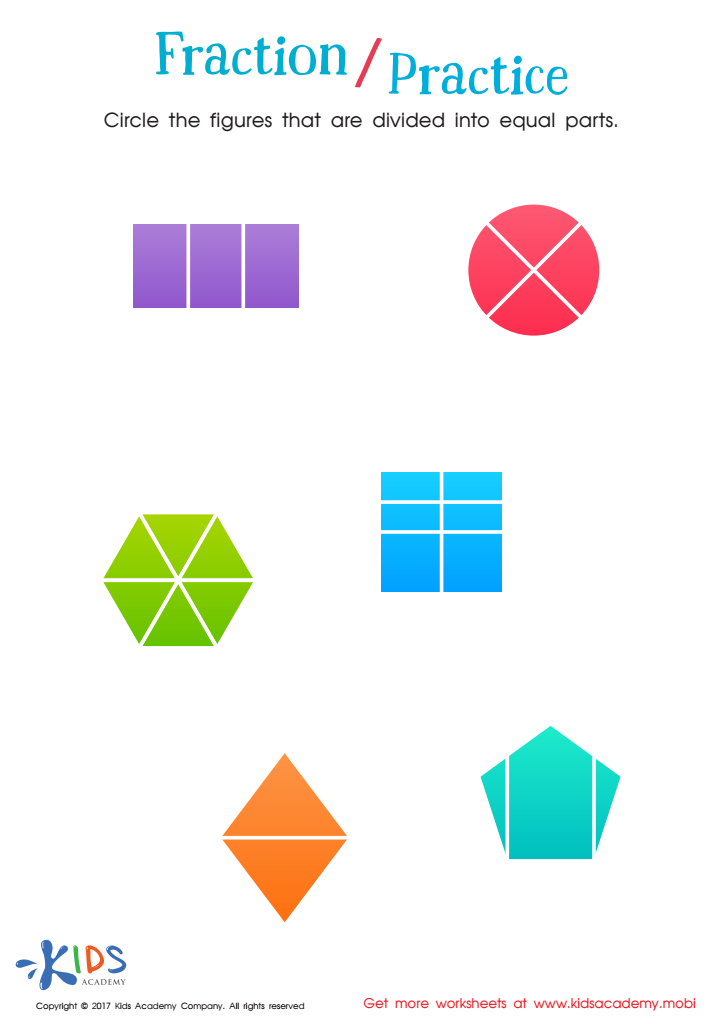
Fractions: Shapes Worksheet
 Assign to My Students
Bubbling Over Worksheet
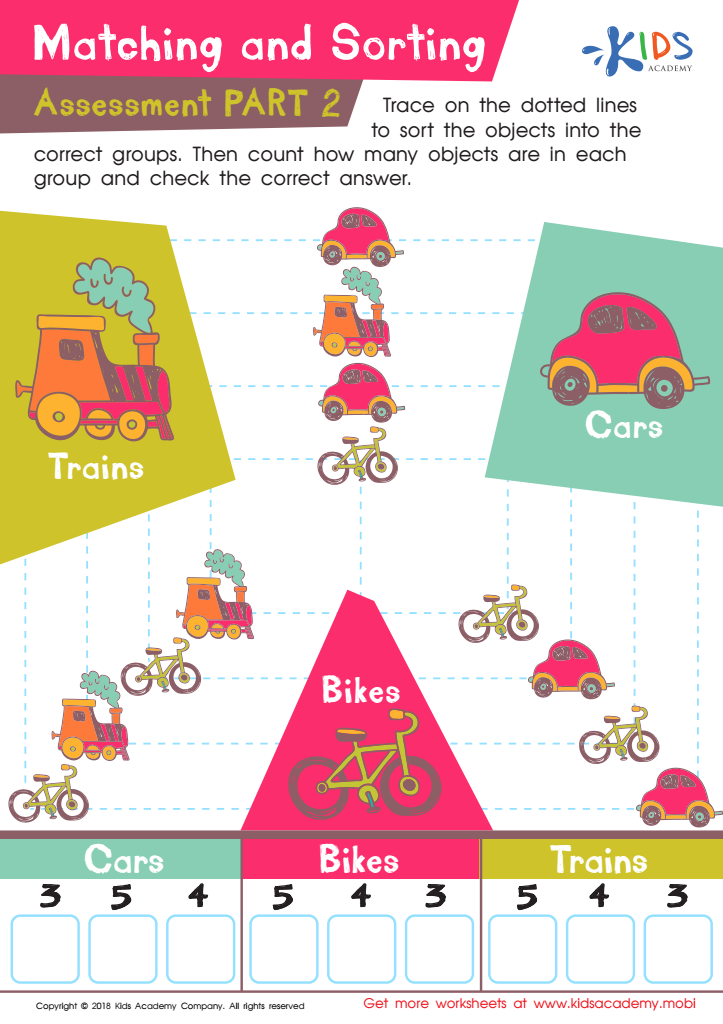
Matching and Sorting for Kindergarten: Assessment 2 Worksheet
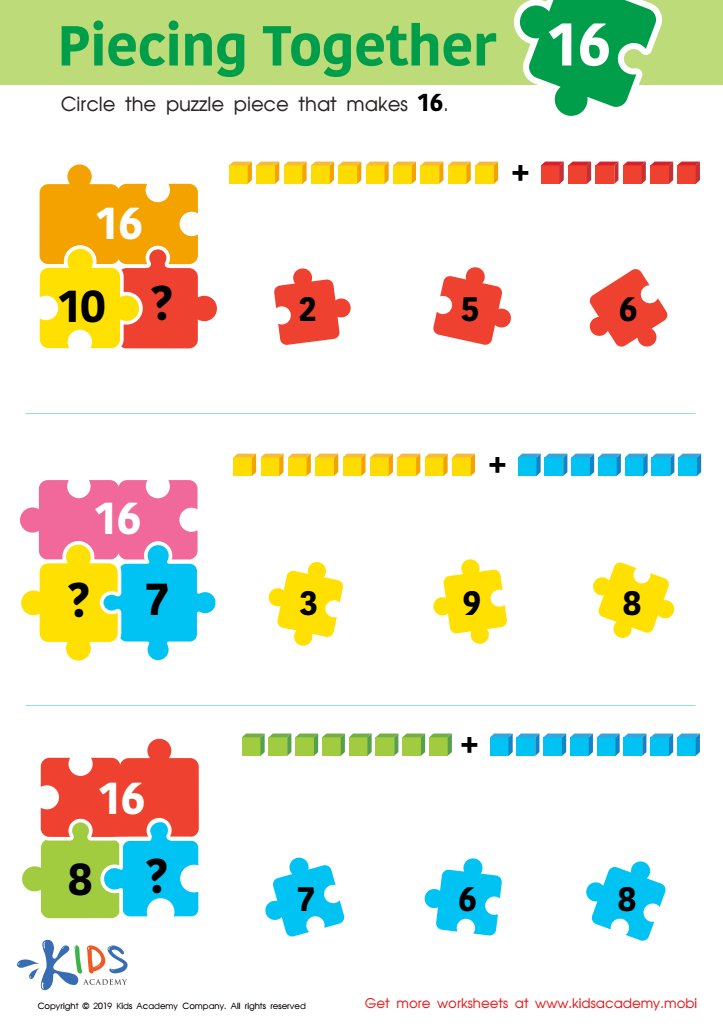
Piecing Together 16 Worksheet
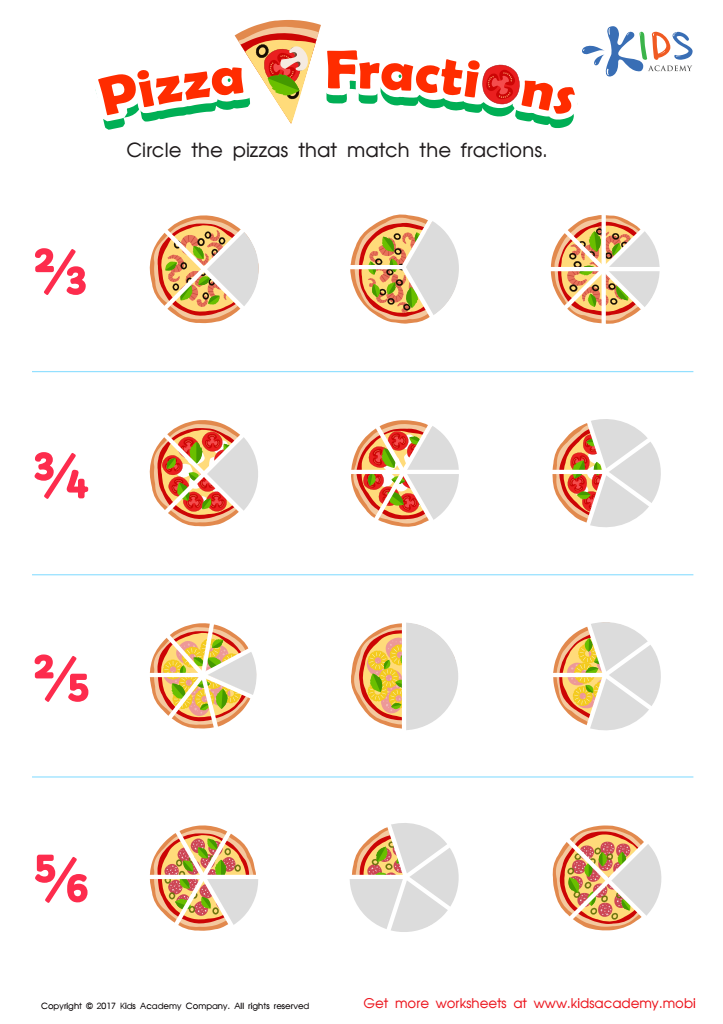
Fractions: Pizza Printable
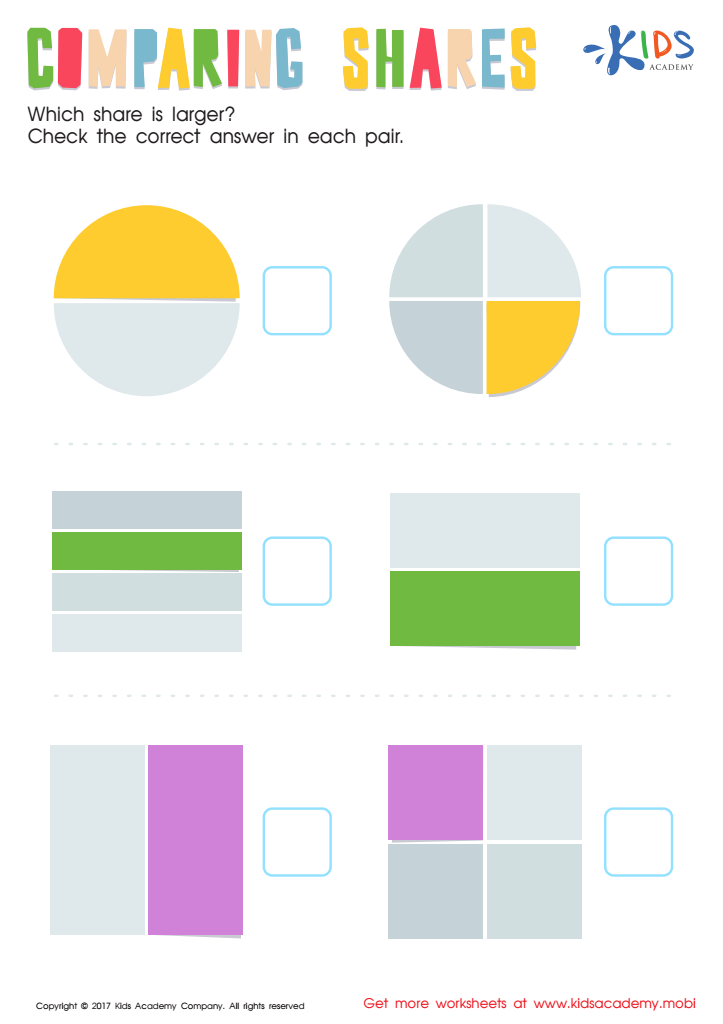
Comparing Shares Worksheet
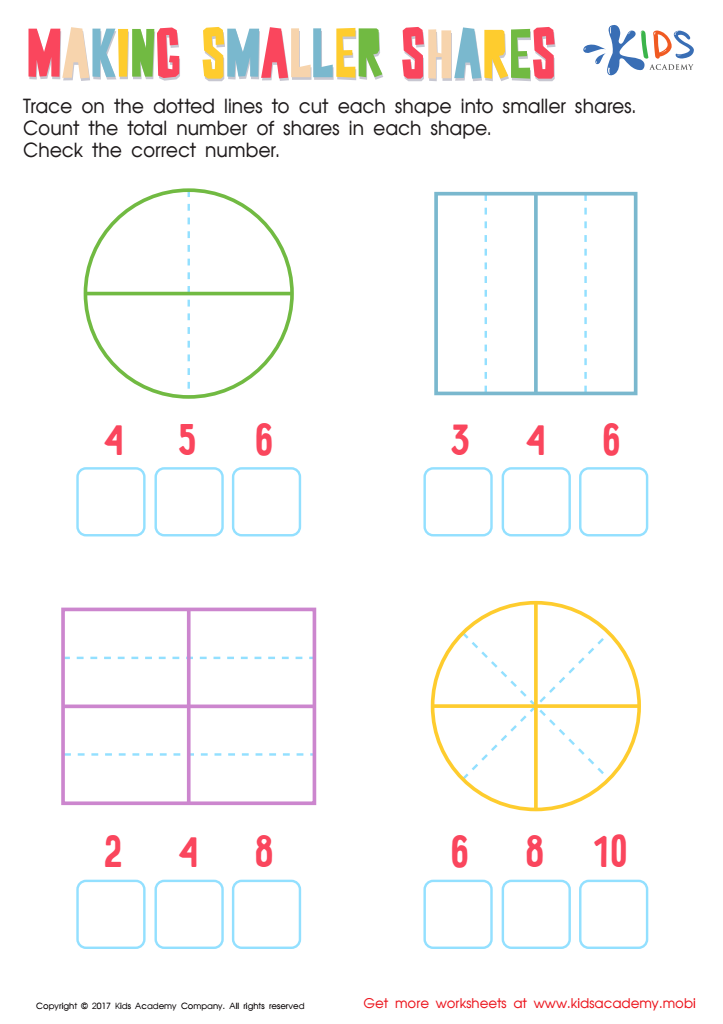
Making Smaller Shares Worksheet
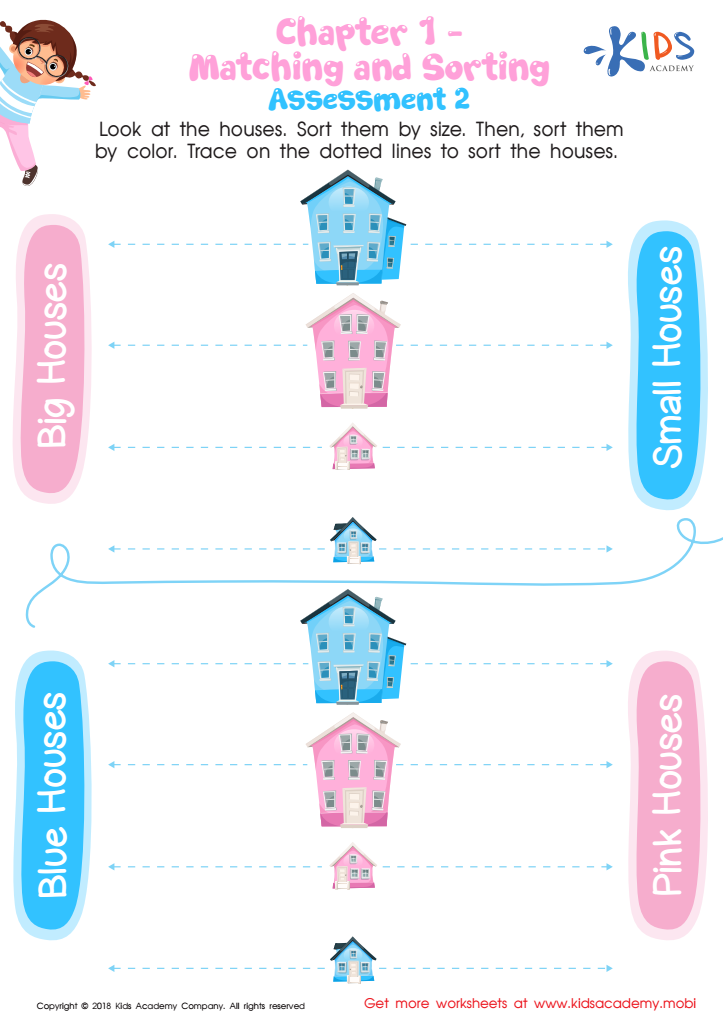
Matching and Sorting for Preschool: Assessment 2 Worksheet
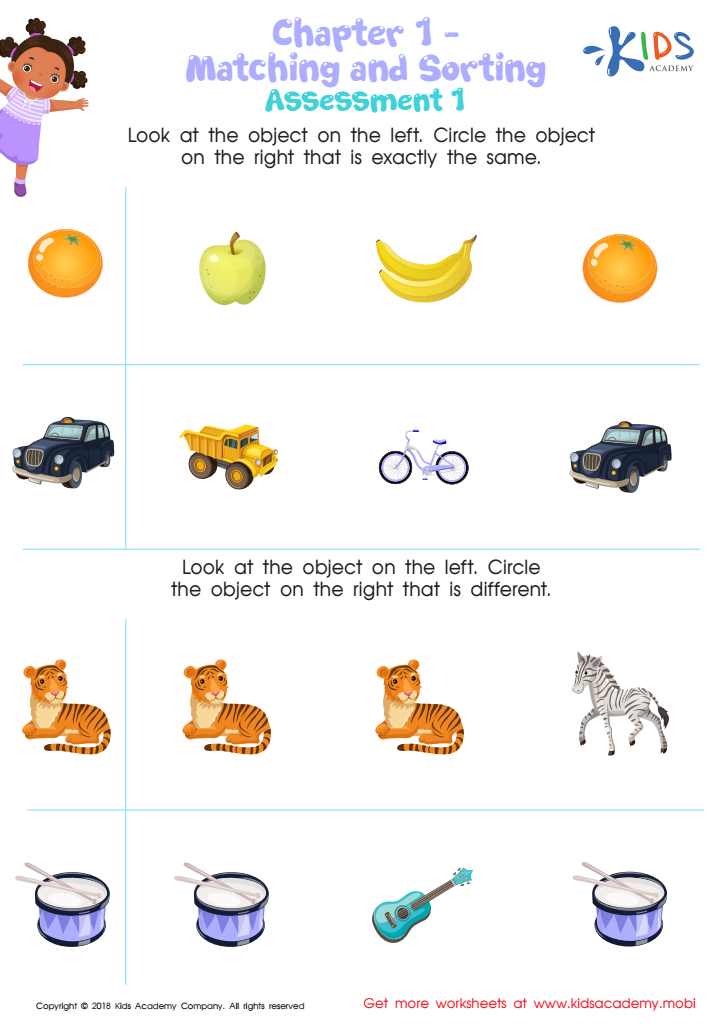
Matching and Sorting for Preschool: Assessment 1 Worksheet
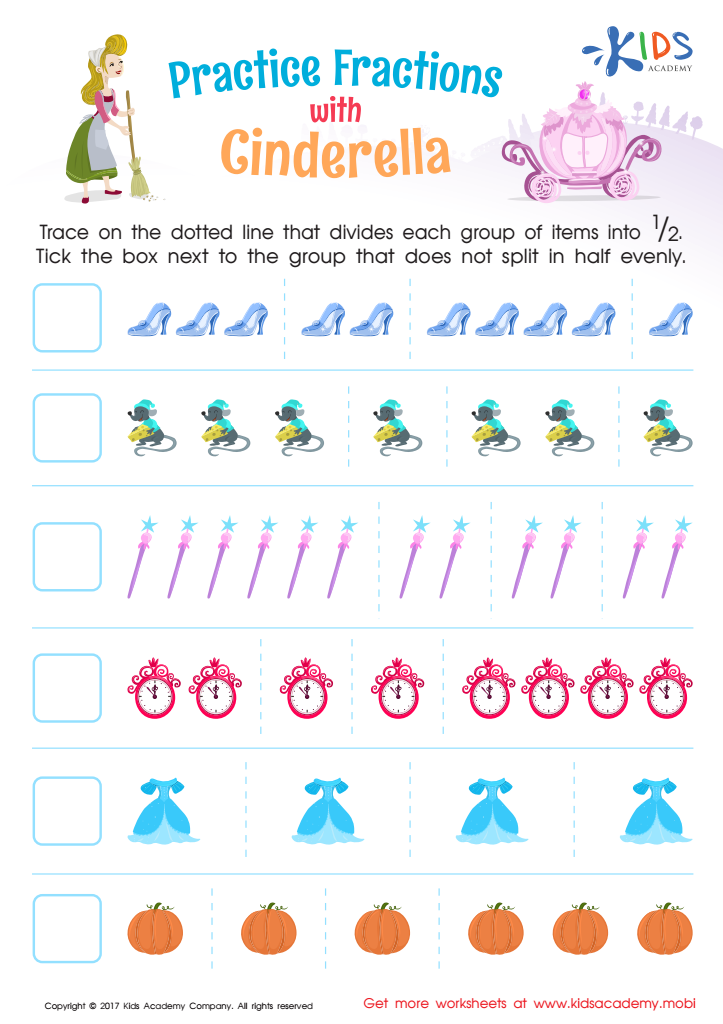
Fractions: Cinderella Printable
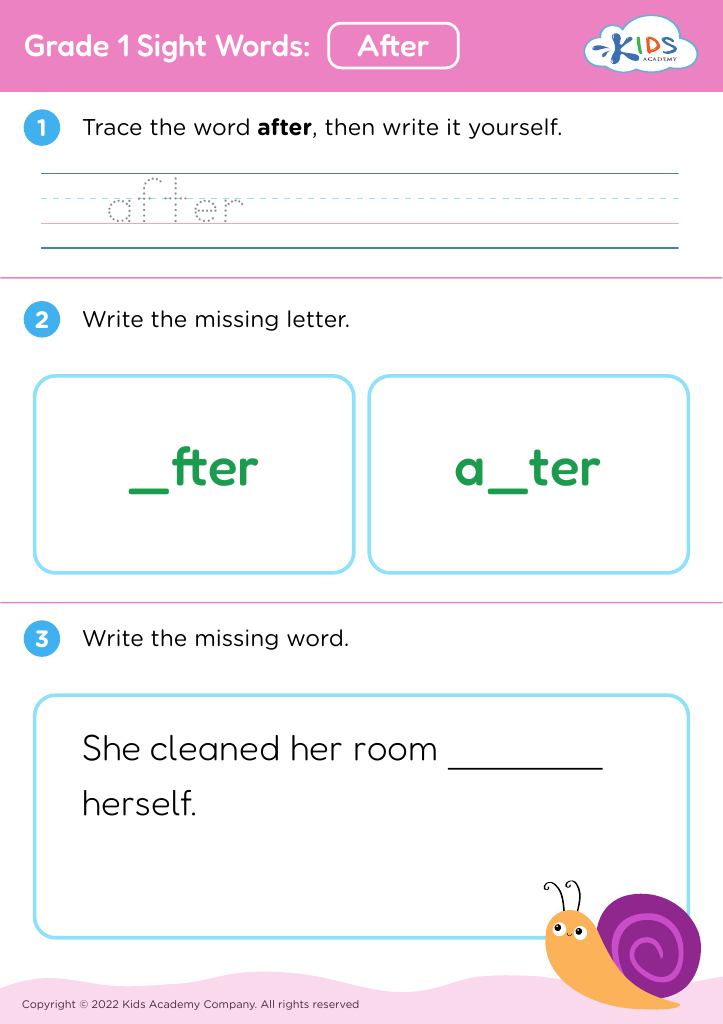
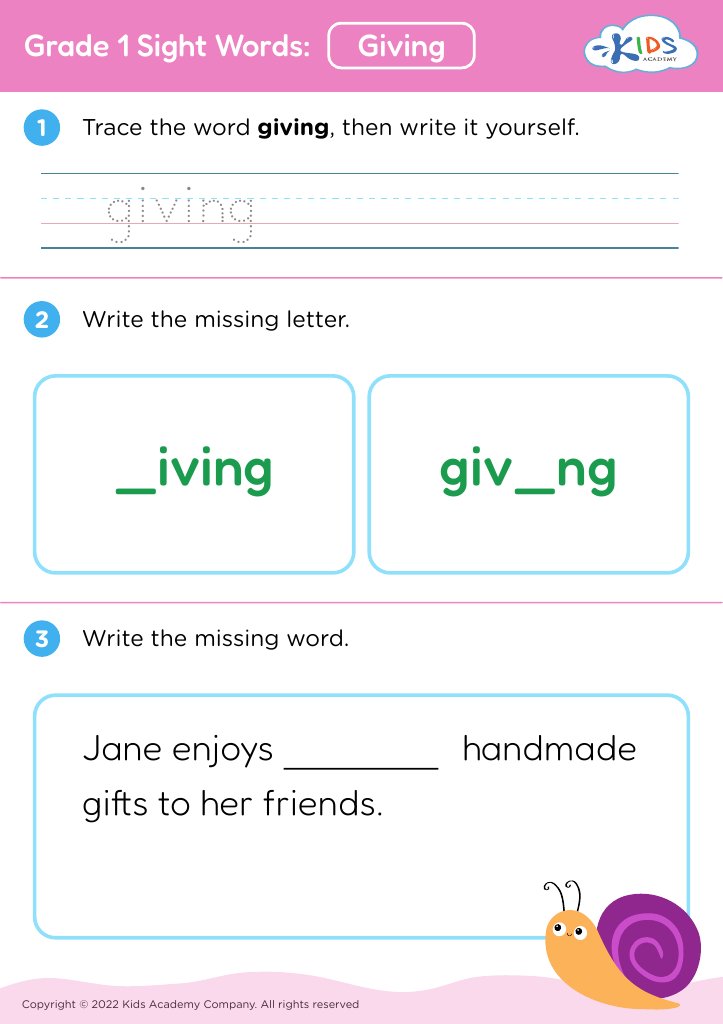




.jpg)

Understanding how to compare fractions is a crucial mathematical skill that lays the foundation for more advanced concepts later in a child's education. For children aged 4 to 6, having a grasp of comparing fractions helps them develop critical thinking and problem-solving skills in a fun and engaging way.
At this age, children are beginning to explore the concepts of part-to-whole relationships and numerical values. Teaching them how to compare fractions introduces these concepts visually and practically, using relatable examples like sharing snacks, toys, or even dividing a pizza. This creates a solid basis for understanding larger mathematical ideas in the future, such as addition and subtraction of fractions, ratios, and percentages.
Moreover, engaging parents and teachers in this process promotes collaboration in early childhood education, reinforcing learning outside of the classroom. It builds confidence in young learners, allowing them to articulate their reasoning as they encounter fractions in everyday situations. By fostering a positive attitude toward math early on, we set the stage for lifelong learning and curiosity. Ultimately, mastering this skill contributes to a well-rounded education, preparing children for future academic challenges while enhancing their cognitive development at a formative age.








