Boost your child’s counting skills with our engaging Counting Proficiency Worksheets designed specifically for ages 4-6. These interactive worksheets provide a fun way for young learners to master numbers through a variety of activities, including counting objects, matching quantities, and tracing numbers. Each worksheet is carefully crafted to enhance fine motor skills while reinforcing early math concepts. Whether at home or in the classroom, our resources support a seamless learning experience that fosters confidence in young mathematicians. Explore our extensive selection today and watch your child's counting abilities blossom, setting a strong foundation for future math success!
Check out this FREE "Counting proficiency" Trial Lesson for age 4-6!

Solve Tricky Number Situations by Drawing (3 numbers) - Part 1

Favorites
With answer key
Interactive
  • 4-6
  • Counting proficiency
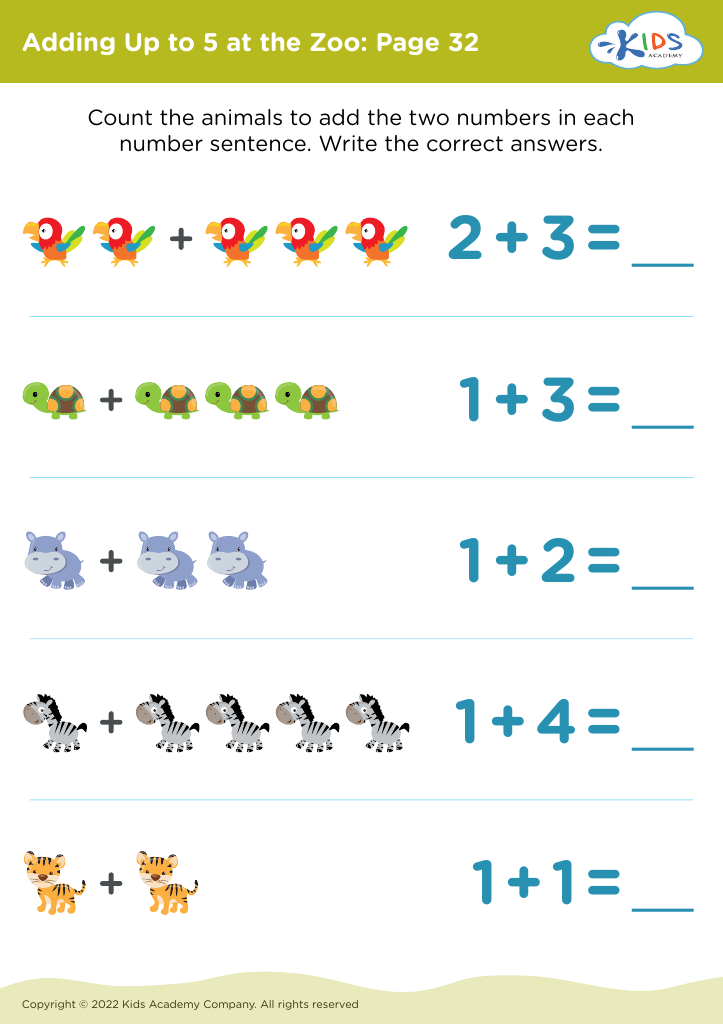
Adding Up to 5 at the Zoo: Page 32
Worksheet
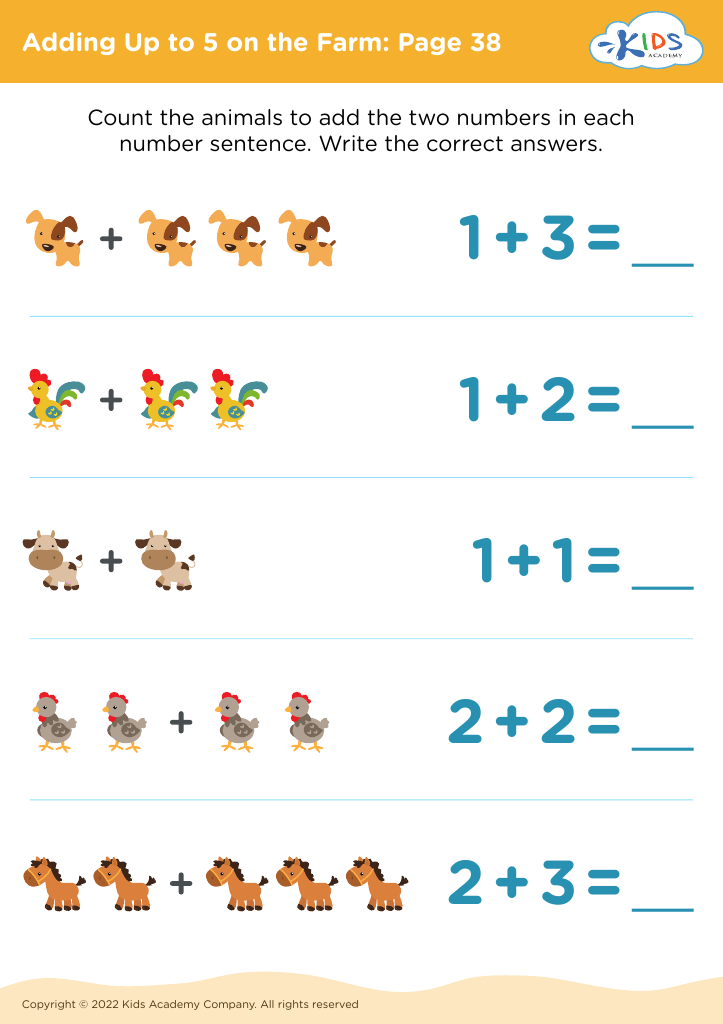
Adding Up to 5 on the Farm: Page 38
Worksheet
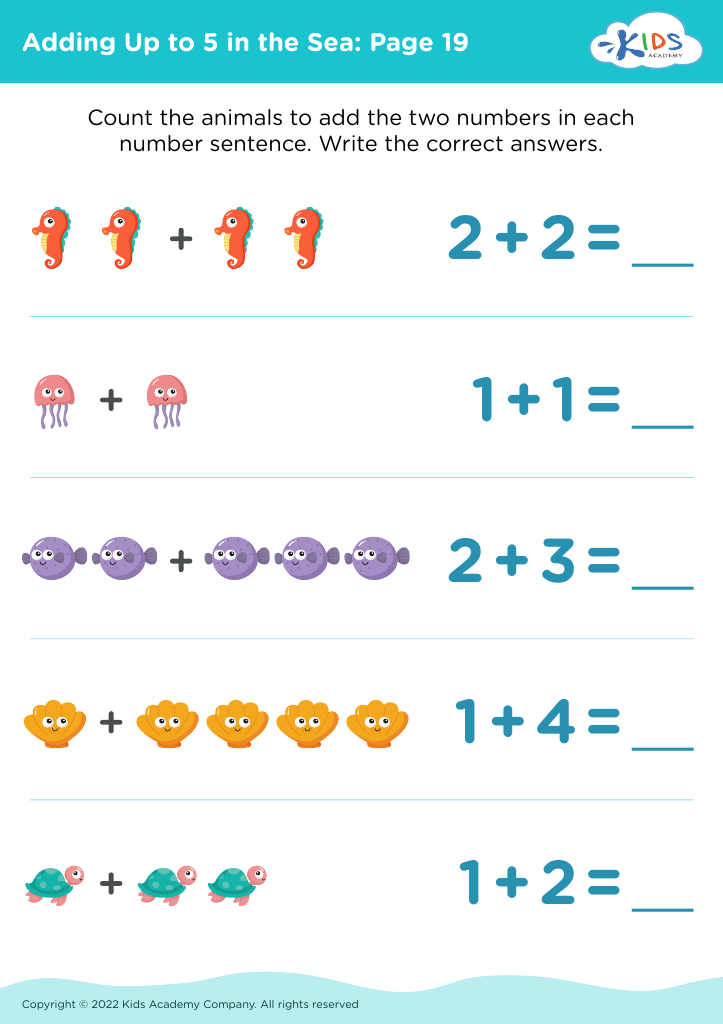
Adding Up to 5 in the Sea: Page 19
Worksheet
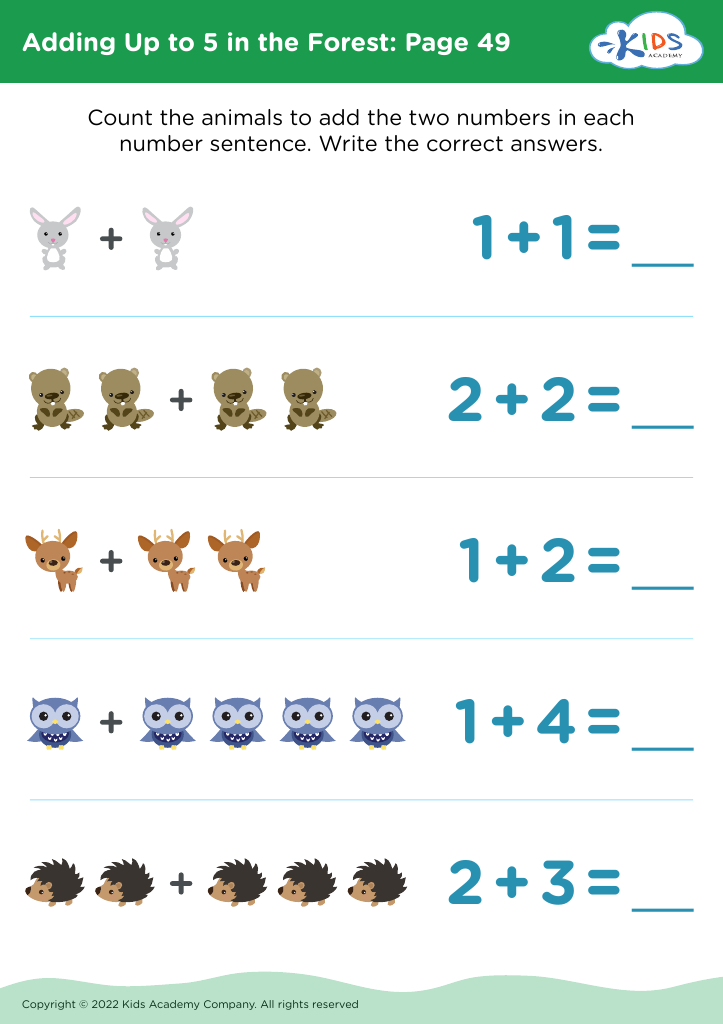
Adding Up to 5 in the Forest: Page 49
Worksheet
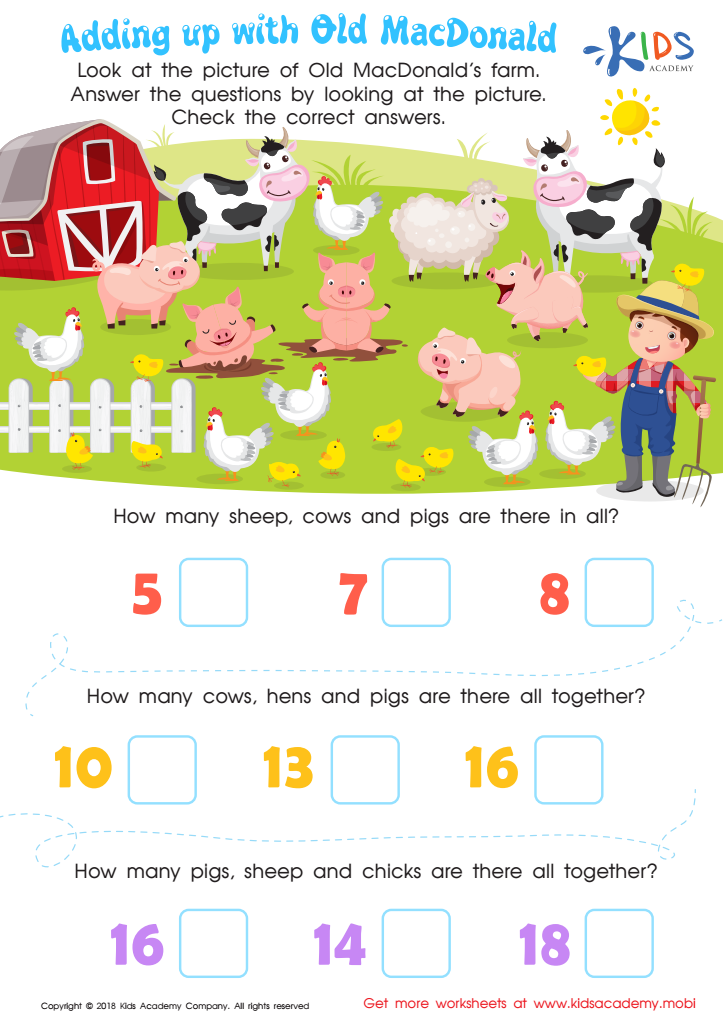
Adding Up with Old MacDonald Worksheet

Adding Up with Old MacDonald Worksheet

Old MacDonald needs help counting his animals! Give your little math whiz a fun challenge with a free PDF worksheet. They'll love counting the animals and doing basic addition with two or three addends. Who knew math could be so much fun on the farm?
Adding Up with Old MacDonald Worksheet
Worksheet
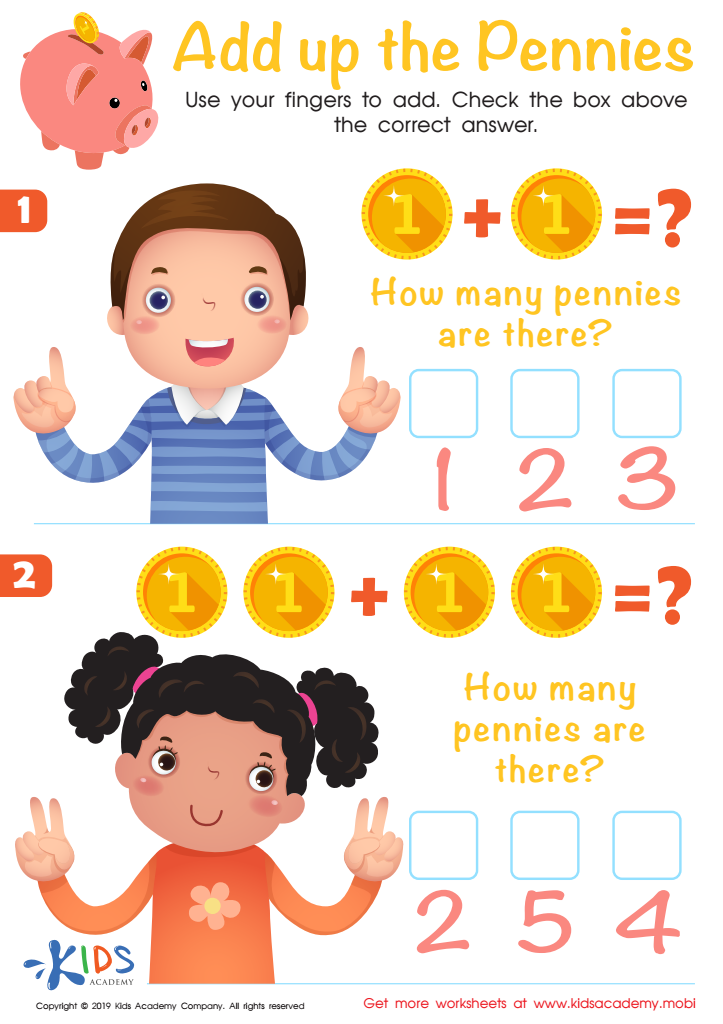
Add up the Pennies Worksheet

Add up the Pennies Worksheet

Help your kids ace their math skills with this simple worksheet! You can guide them to use their fingers to add numbers and then check the box above the correct answer. With practice and your support, they can become faster and better at adding numbers. No sweating required!
Add up the Pennies Worksheet
Worksheet
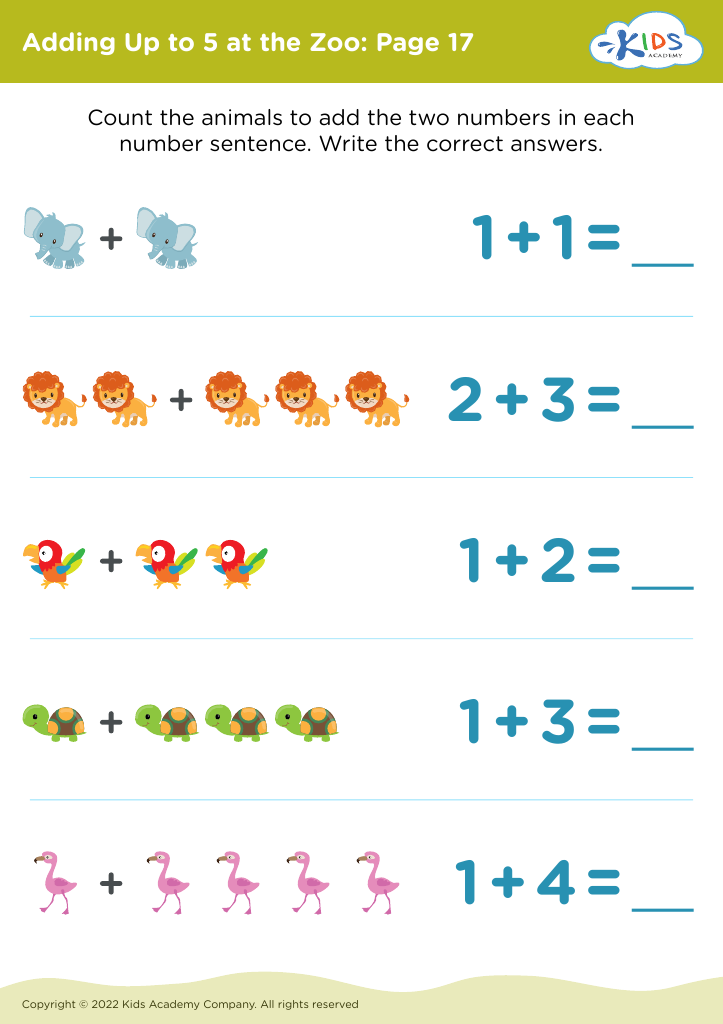
Adding Up to 5 at the Zoo: Page 17
Worksheet
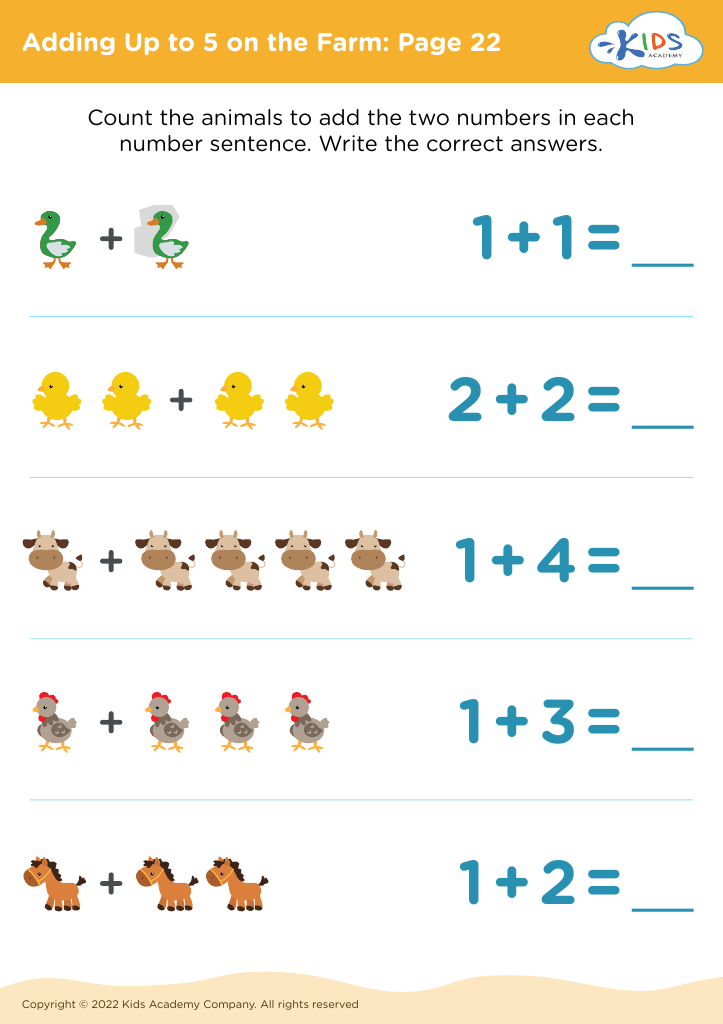
Adding Up to 5 on the Farm: Page 22
Worksheet
Kindergarten Sorting Worksheet

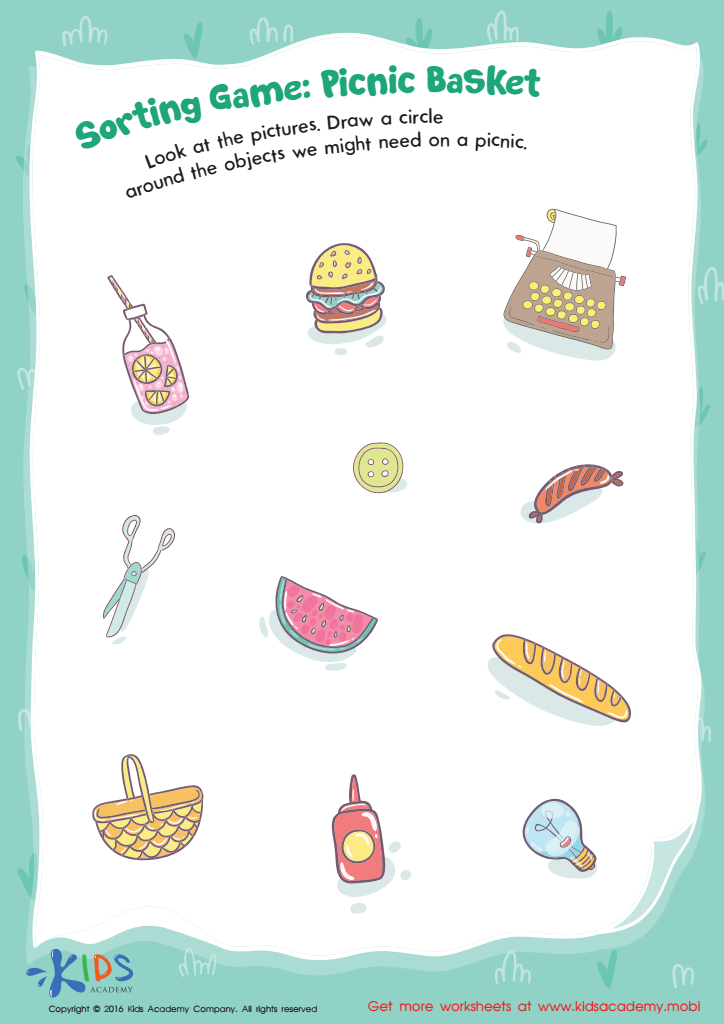
Picnic Basket Sorting Worksheet
Make picnic planning fun with this kindergarten sorting worksheet! Your child will sort everyday objects to find picnic supplies, and then use the worksheet to plan a real or pretend picnic. Extend the learning by discussing the event and its connection to the worksheet. Print out the other worksheets to sharpen sorting and classifying skills in an engaging way!
Picnic Basket Sorting Worksheet
Worksheet
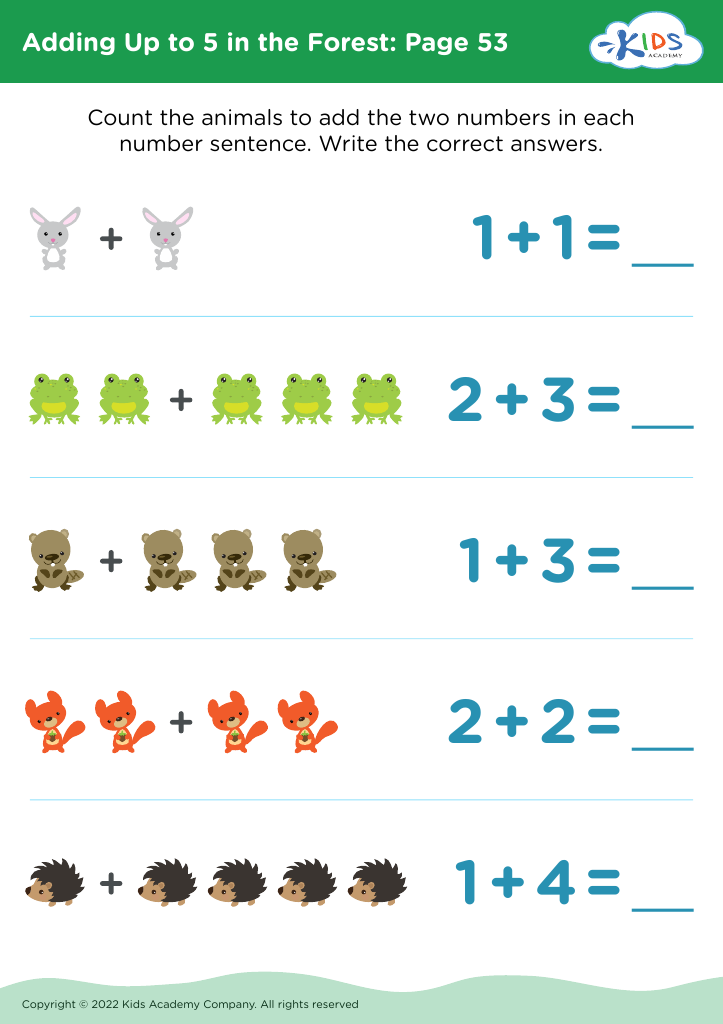
Adding Up to 5 in the Forest: Page 53
Worksheet
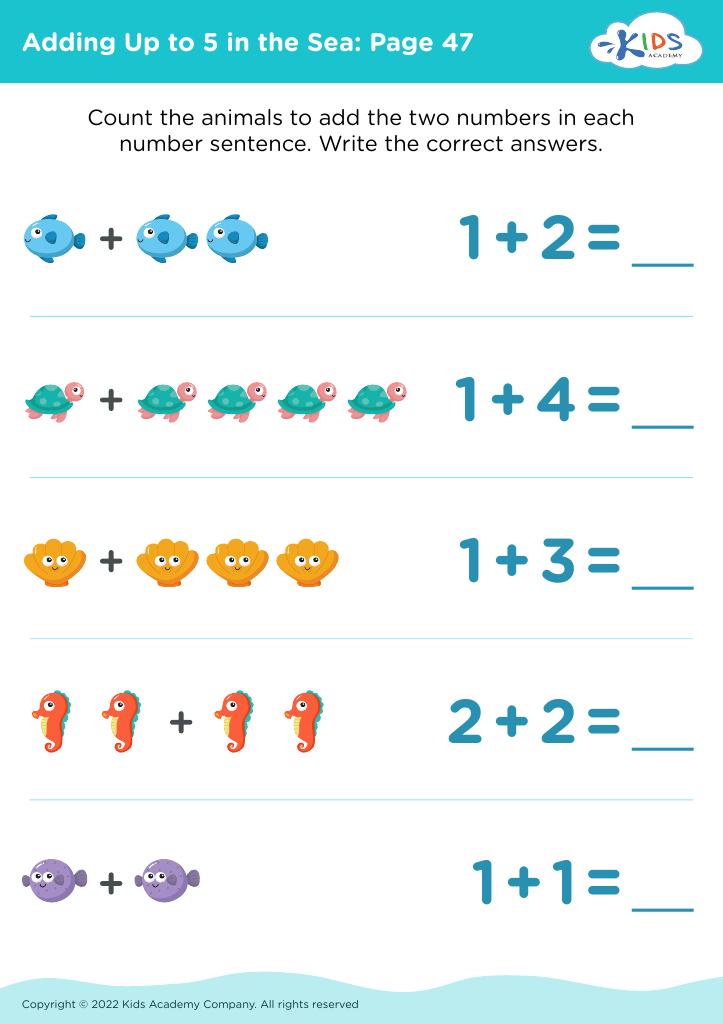
Adding Up to 5 in the Sea: Page 47
Worksheet
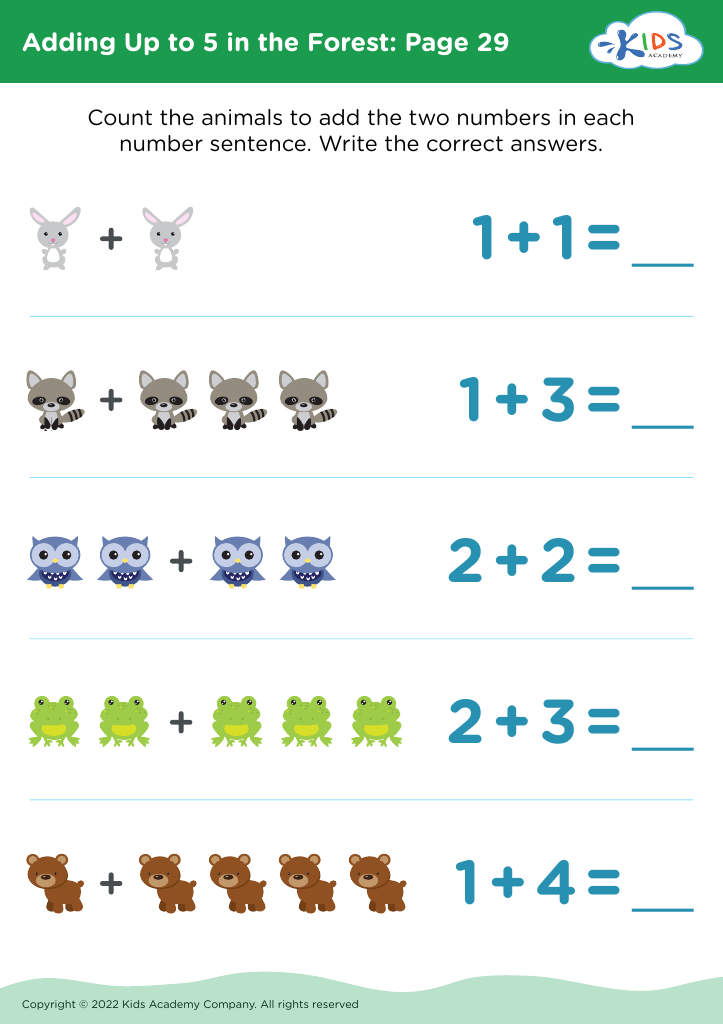
Adding Up to 5 in the Forest: Page 29
Worksheet
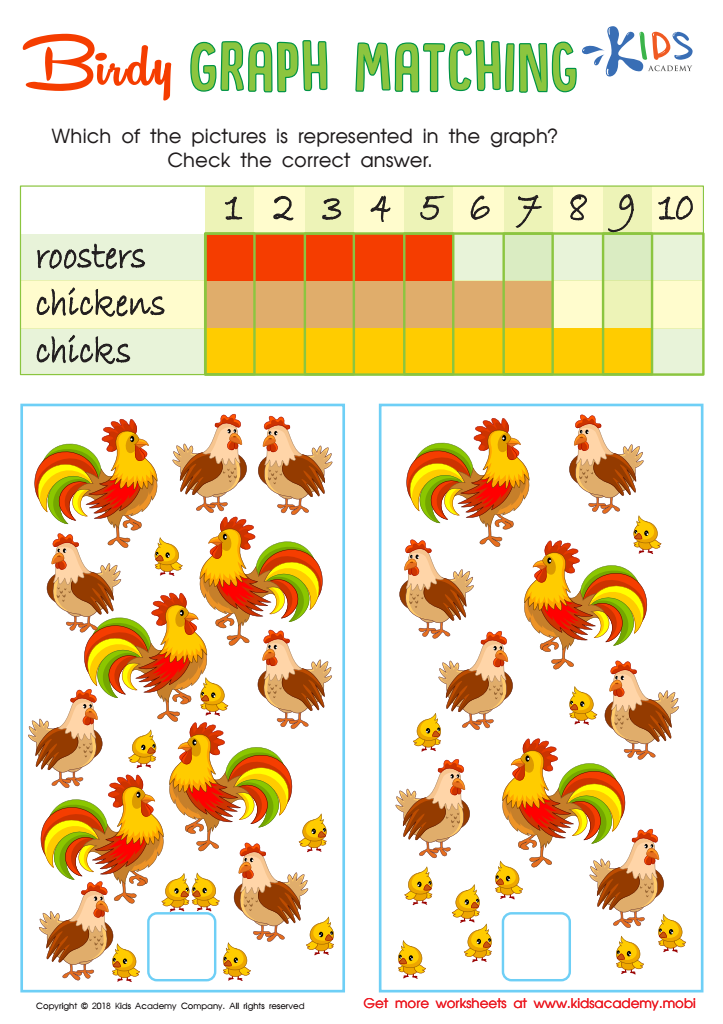
Birdy Graph Matching Worksheet


Birdy Graph Matching Worksheet

Treat your little one to a fun worksheet to practice visual discrimination, counting, graphing and tallying! They will sort the birds, count and assign values and use graph reading to answer the questions. They'll be so busy enjoying the counting that they won't even realize they are honing their skills!
Birdy Graph Matching Worksheet

Worksheet


Counting proficiency is essential for children aged 4-6 because it forms the foundation for crucial mathematical skills. At this early age, children begin to experience the world of numbers, and how well they master counting significantly impacts their future learning. Counting develops not just number recognition but also logical thinking, problem-solving abilities, and reasoning skills.

When children learn to count, they enhance their understanding of quantity and basic math concepts like addition and subtraction. This foundational knowledge is vital for more complex mathematics that they will encounter later on. Additionally, counting is utilized throughout daily life, teaching children to measure, compare, and make informed decisions.

For parents and teachers, nurturing counting proficiency in early childhood promotes confidence in children’s learning journey. Children who struggle with counting may experience frustration, which can affect their overall engagement in school activities. By fostering a supportive learning environment that emphasizes counting, educators and parents can build a strong scaffold for a child’s future academic pursuits.

Ultimately, attentive support in these formative years equips children with essential skills that will serve them well not only in math but in many aspects of their personal and academic lives, fostering a lifelong love of learning.