Developing observation skills Worksheets for Ages 4-6
5 filtered results
-
From - To
Explore our engaging "Developing Observation Skills Worksheets" designed specifically for ages 4-6. These thoughtfully crafted resources encourage young learners to enhance their focus and attention to detail through fun activities like spotting differences, matching pictures, and identifying patterns. Perfect for both classroom and home learning, our worksheets foster critical thinking and fine motor skills while nurturing curiosity about the world. Each worksheet is age-appropriate and promotes interactive education, helping children build essential observation skills in a playful way. Discover the excitement of learning by downloading our free worksheets and watch your child’s confidence and abilities soar!
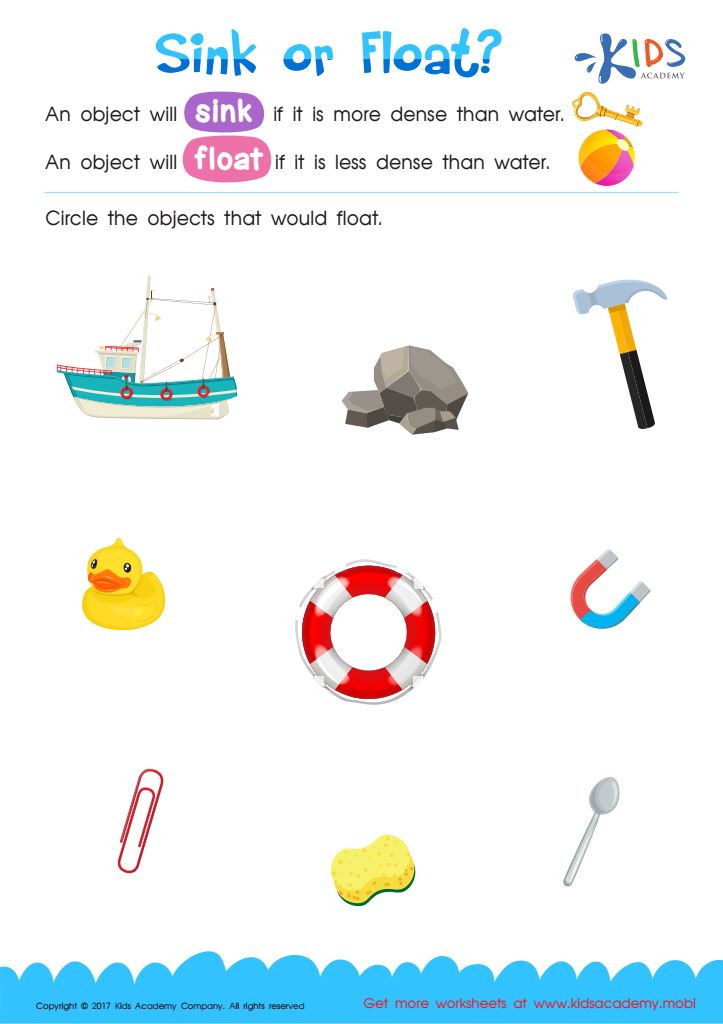
Sink or Float Printable
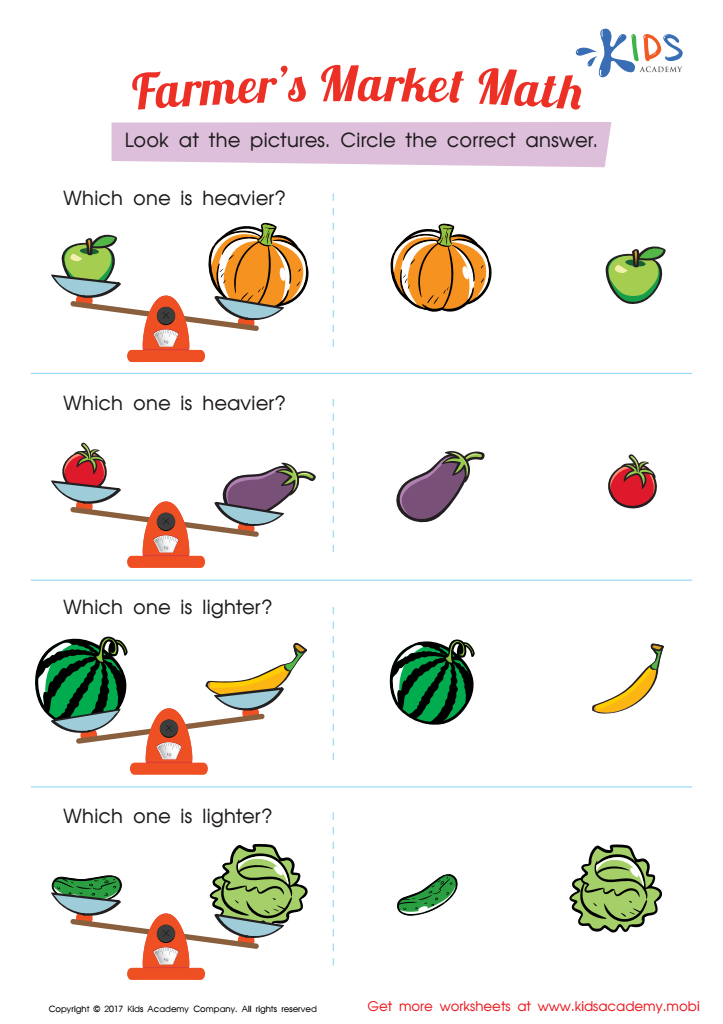
Which One Is Heavier Worksheet
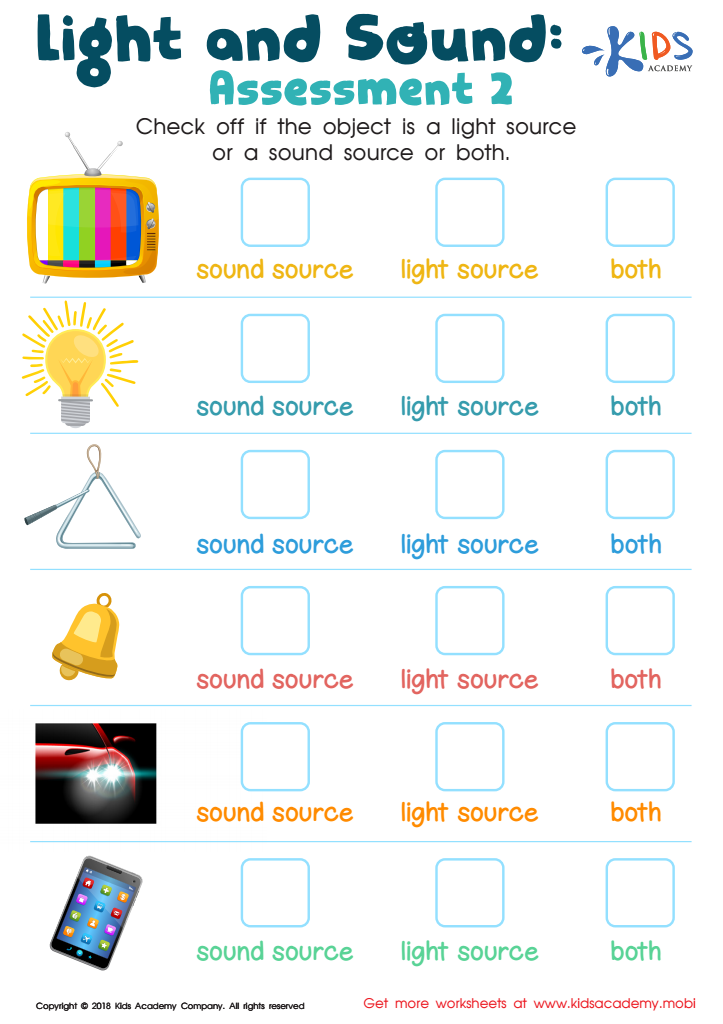
Light and Sound: Assessment 2 Worksheet
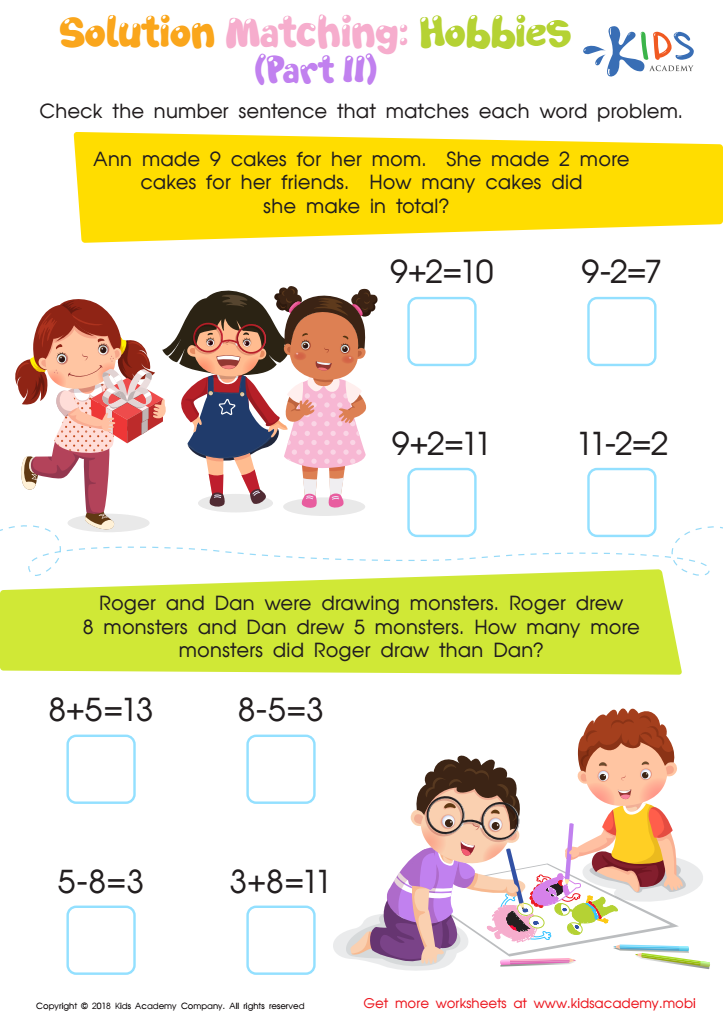
Solution Matching: Hobbies. Part 2 Worksheet
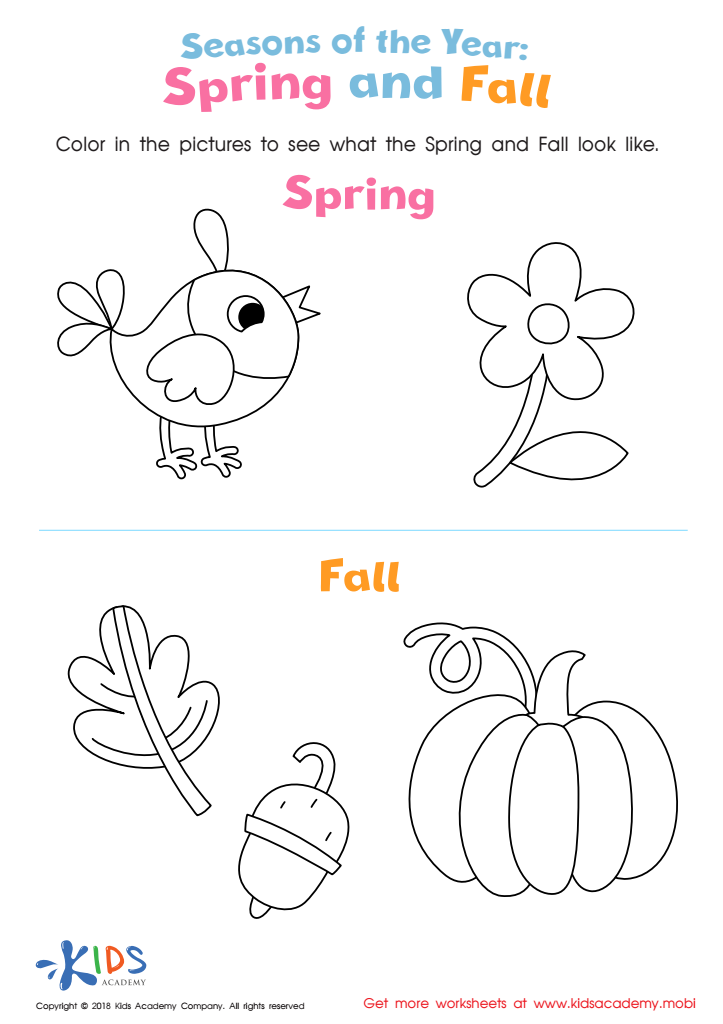
Spring and Fall Worksheet
 Assign to My Students



.jpg)


Developing observation skills in children aged 4 to 6 is crucial for their cognitive, social, and emotional development. At this stage, children are naturally curious and eager to explore their surroundings. By fostering observation skills, parents and teachers can enhance this inherent curiosity, encouraging children to notice and interpret details in their environment.
Observation skills aid in the development of critical thinking and problem-solving abilities. Children learn to make connections, identify patterns, and draw conclusions based on what they see. For instance, observing changes in nature or variations in colors fosters an understanding of scientific concepts. Additionally, strong observation skills promote better communication; children learn to articulate their thoughts and feelings more clearly when they can accurately describe what they observe.
Furthermore, these skills are vital for social relationships. As children learn to observe social cues, they become more attuned to the feelings and emotions of others, enhancing empathy and cooperation. In an educational setting, teachers can guide children in not just seeing but interpreting observations, leading to richer learning experiences. Therefore, nurturing observation skills is foundational for lifelong learning, social interactions, and emotional intelligence, making it a priority for both parents and educators.








