Enhance your child's fine motor skills with our engaging drawing worksheets designed specifically for ages 4 to 6! Our carefully crafted activities promote creativity and precision, helping young learners develop essential hand-eye coordination and grip control. Each worksheet features fun drawing exercises that encourage your child to explore shapes, patterns, and imaginative designs while boosting their confidence in writing and drawing. Perfect for home or classroom use, these worksheets are a fantastic resource for early education, delivering a playful yet educational experience. Start nurturing your child's artistic abilities and fine motor development today with our easy-to-use printable resources!

Check out this FREE "Fine motor skills (drawing)" Trial Lesson for age 4-6!

Draw and Name Shapes up to 6 Sided Shapes & Cubes

Favorites
With answer key
Interactive
  • 4-6
  • Fine motor skills (drawing)
2D and 3D Shapes Worksheet

2D and 3D Shapes Worksheet

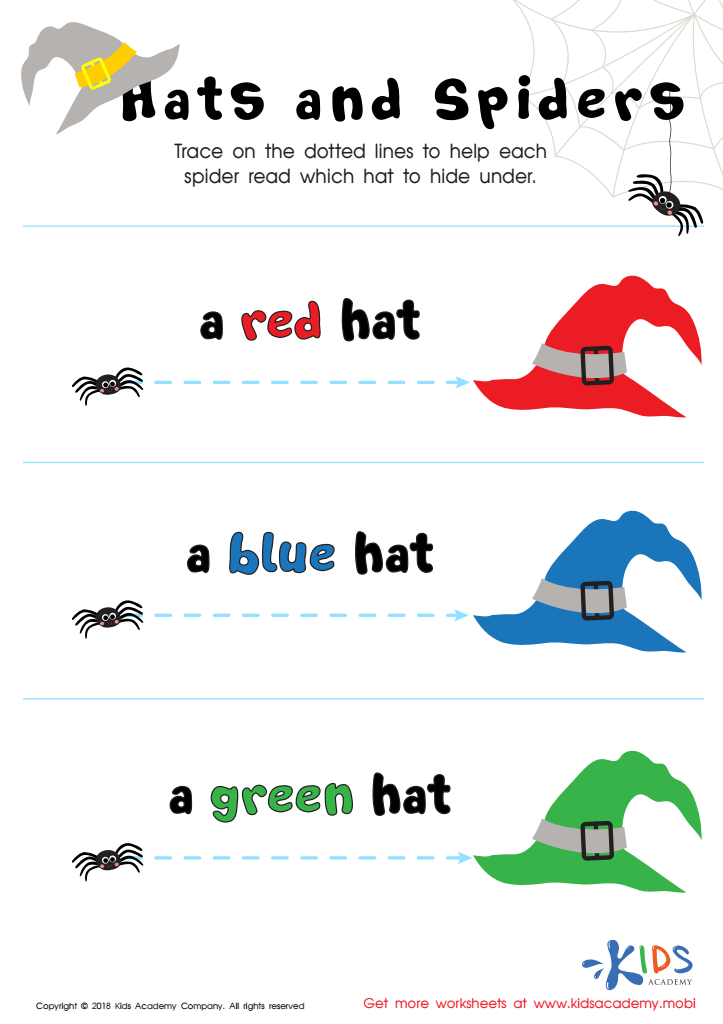
Introduce your child to 3D and 2D with this traceable worksheet. With dotted lines, help them trace and make a 2D shape for each 3D shape: square, triangle, rectangle, and circle. Show them there's more than one way to draw! You may have taken them to a 3D movie, or they've seen some fantastic 3D art. Now they can wonder no more.
2D and 3D Shapes Worksheet
Worksheet
Read from Left to Right: Hats and Spiders Worksheet

Read from Left to Right: Hats and Spiders Worksheet

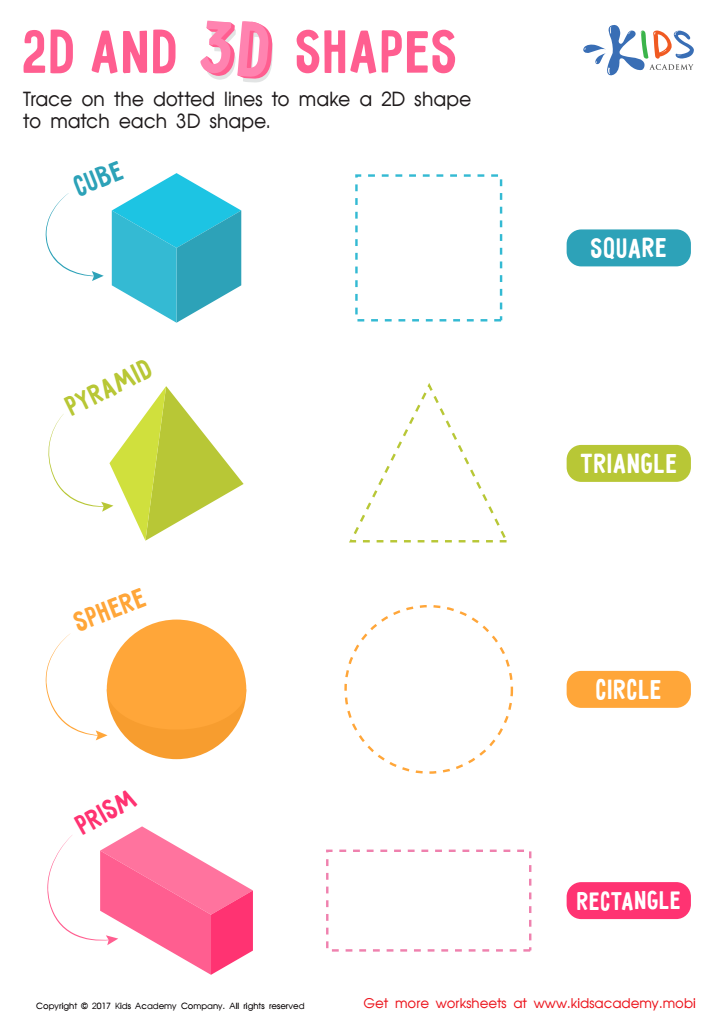
Do your kids love or fear spiders? Either way, they'll enjoy helping the little critters with this traceable worksheet. Ask them to read out the words in the picture, explaining it's the description of the hats. Then help them trace on the dotted lines, so the spiders know which hat to hide under.
Read from Left to Right: Hats and Spiders Worksheet
Worksheet
Twin Shapes Dot-to-Dot Worksheet

Twin Shapes Dot-to-Dot Worksheet

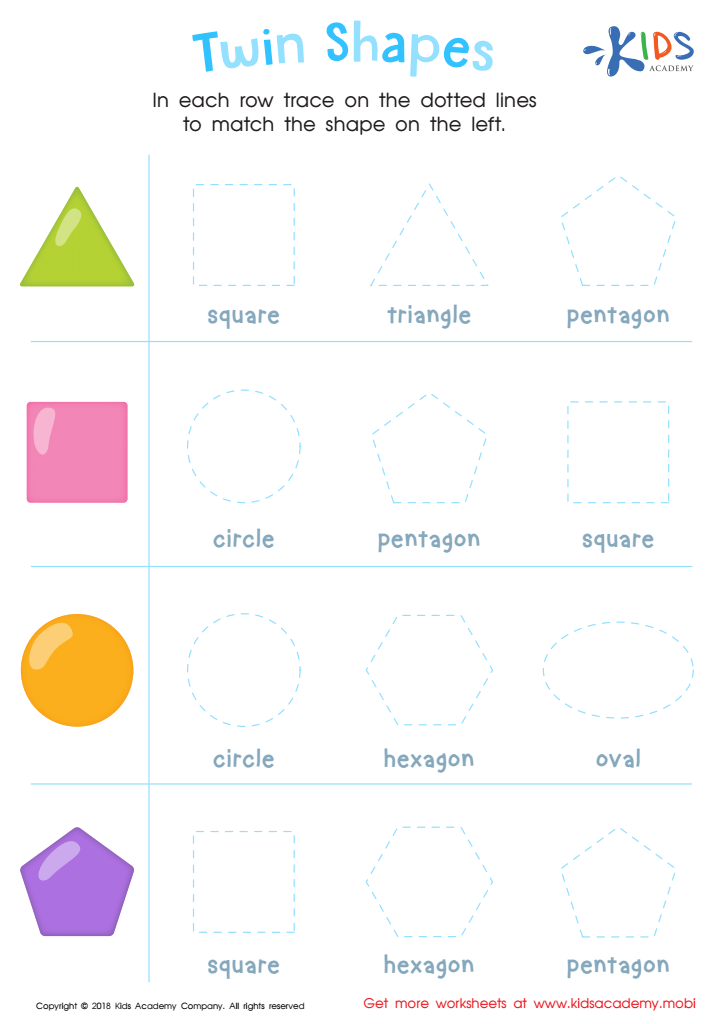
Test your child's ability to copy with this worksheet. Ask them to find and name the four shapes on the left. Then, they must match each with the dotted lines on the right. Help your child with all four shapes in this fun exercise.
Twin Shapes Dot-to-Dot Worksheet
Worksheet
Dot to Dot Numbers 1-10

Jungle Counting Connect Dots Worksheet
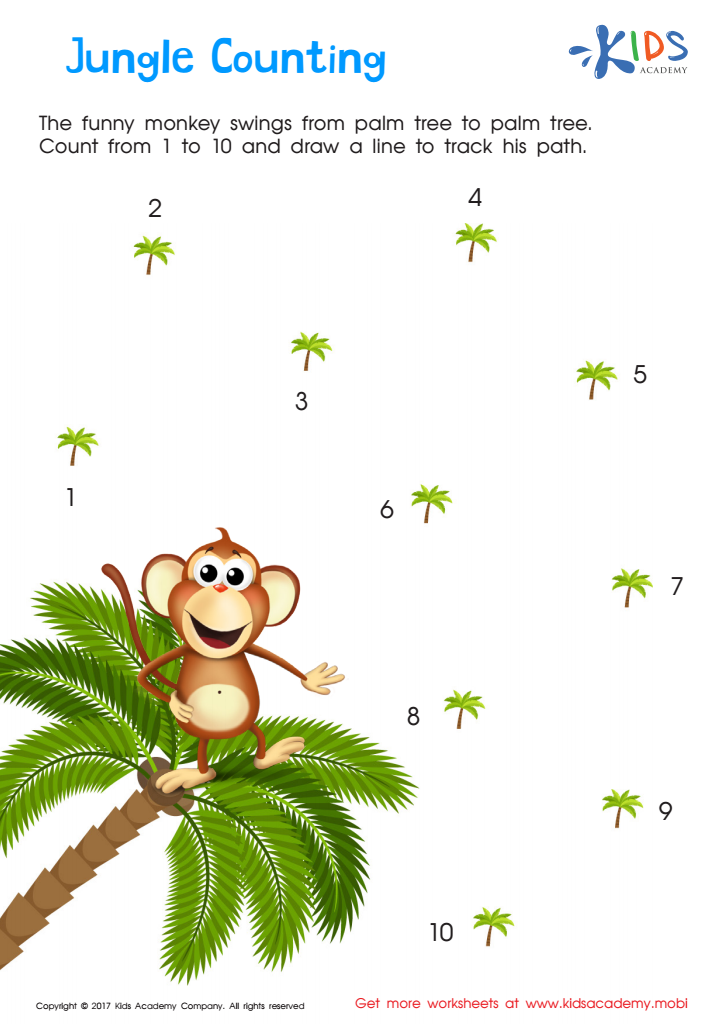
Help your child count from 1-10 and practice problem solving skills with this dot to dot worksheet. Your child will enjoy helping the cute monkey swing from tree to tree while honing their math skills. Let them have a jungle-themed counting adventure!
Jungle Counting Connect Dots Worksheet
Worksheet
Five Little Monkeys and Me Worksheet
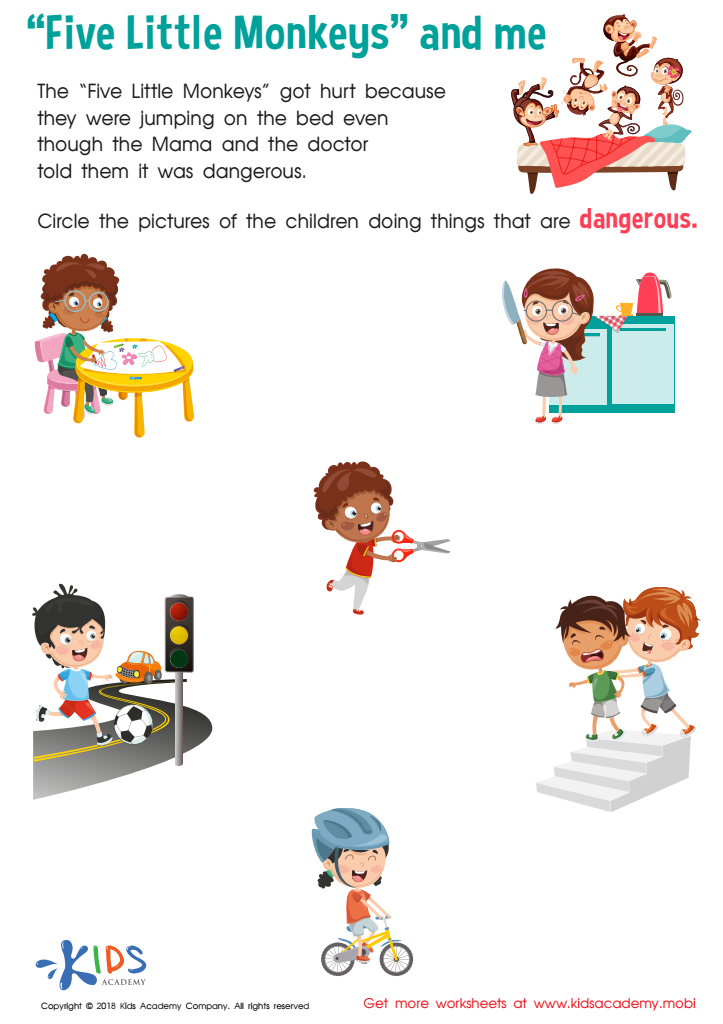
Five Little Monkeys and Me Worksheet

This free PDF worksheet provides preschoolers an understanding of danger and appropriate play. It allows them to recognize dangerous situations and why they can be risky, granting kids perspective from both parents and teachers. It's a fun, safe way to help them internalize what's dangerous and what's not.
Five Little Monkeys and Me Worksheet
Worksheet
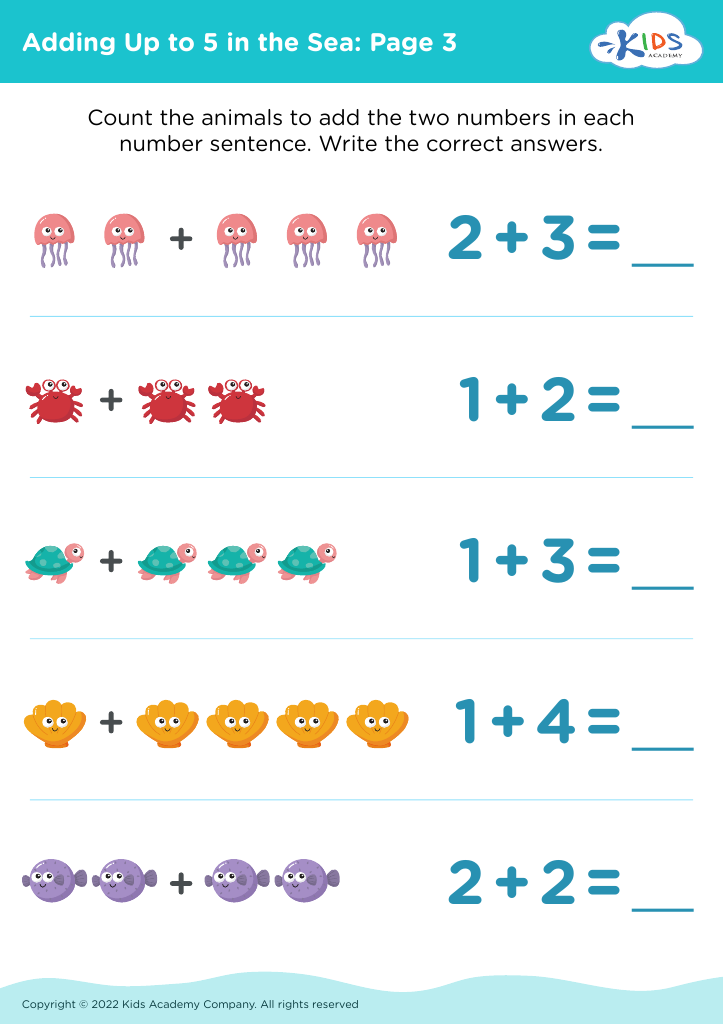
Adding Up to 5 in the Sea: Page 3

Adding Up to 5 in the Sea: Page 3

Adding Up to 5 in the Sea: Page 3
Worksheet
Stars and Constellations Worksheet


Stars and Constellations Worksheet

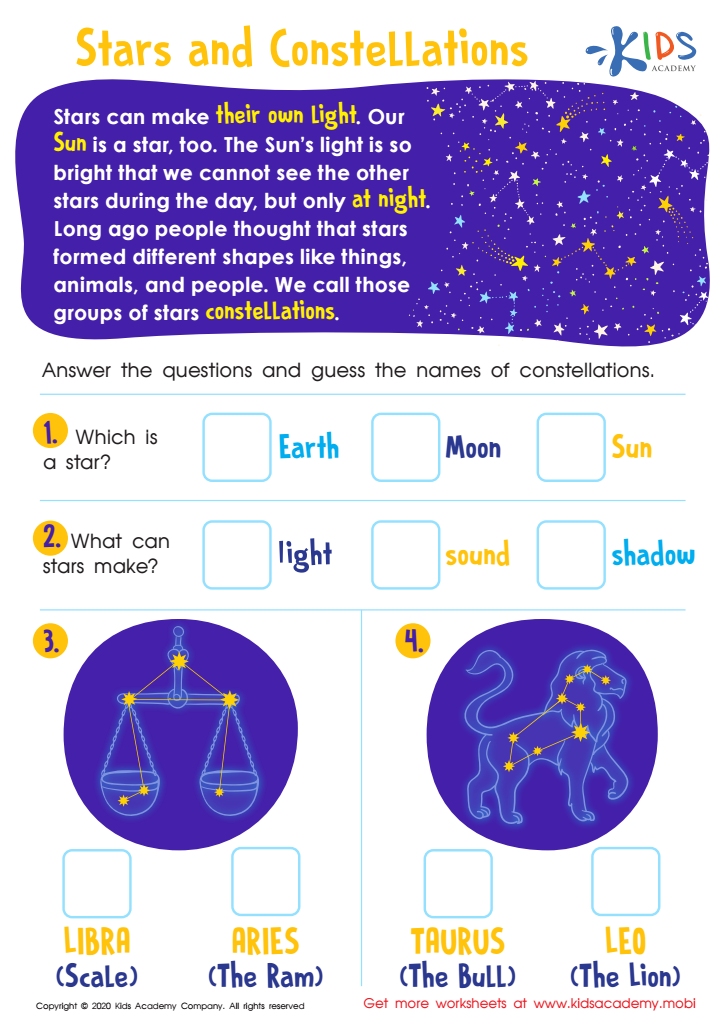
Learn about stars and constellations with this entertaining worksheet! Read the passage at the top of the page to gain an understanding of stars, then test your child's knowledge with the questions below. Check the right answers and finish this science worksheet with your child - they'll be amazed that stars can make their own light, just like the sun!
Stars and Constellations Worksheet

Worksheet


Fine motor skills, particularly drawing, are crucial for children's development between the ages of 4 and 6. During this period, kids are refining their coordination and control over small muscles, particularly those in their hands and fingers. Encouraging drawing contributes significantly to this development, which serves as a foundation for various essential skills.

Firstly, fine motor skills improve children’s ability to perform everyday tasks, such as buttoning shirts, writing, and using utensils. These activities enhance independence and boost self-confidence. Moreover, engaging in drawing can increase children’s emotional expression and creativity, allowing them to convey their thoughts and feelings visually.

Secondly, fine motor activities are closely linked to cognitive development. As children grasp and manipulate drawing tools, they are not only honing their dexterity but also enhancing their problem-solving abilities and hand-eye coordination.

Lastly, drawing serves as a constructive outlet for children to practice patience and perseverance as they work to complete their artwork. This process fosters a sense of achievement when they see their final product.

Therefore, parents and teachers should actively promote drawing as it nurtures essential fine motor skills, cognitive growth, and emotional well-being, setting a strong foundation for future learning and development.