Logical reasoning skills Worksheets for Ages 4-6
5 filtered results
-
From - To
Ignite your child's cognitive development with our “Logical Reasoning Skills Worksheets for Ages 4-6.” Carefully crafted to enhance critical thinking, these engaging worksheets offer a variety of fun activities designed to challenge young minds. Through sorting, matching, and sequencing exercises, your child will develop foundational logical thinking skills essential for future academic success. Perfect for preschool and kindergarten, the colorful, age-appropriate tasks emphasize problem-solving in a stimulating and enjoyable way. Support your child's journey toward becoming a confident and independent learner with our expertly designed worksheets. Explore and download now at Kids Academy to start building your child's logic prowess.
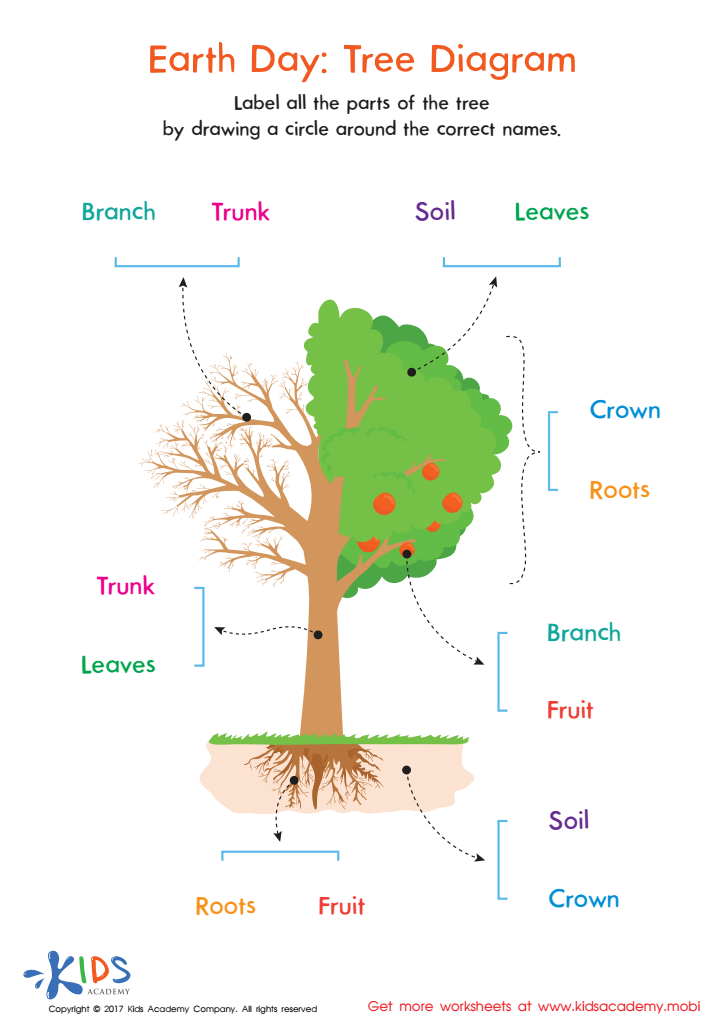
Earth Day: Tree Diagram Worksheet
 Assign to My Students
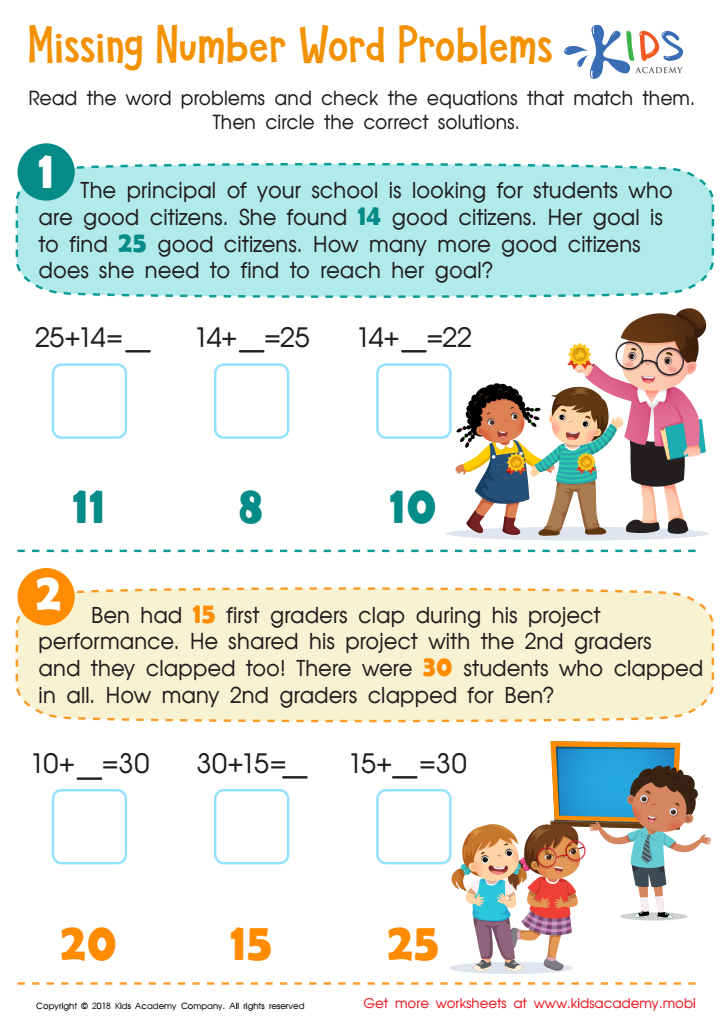
Missing Number Word Problems Worksheet
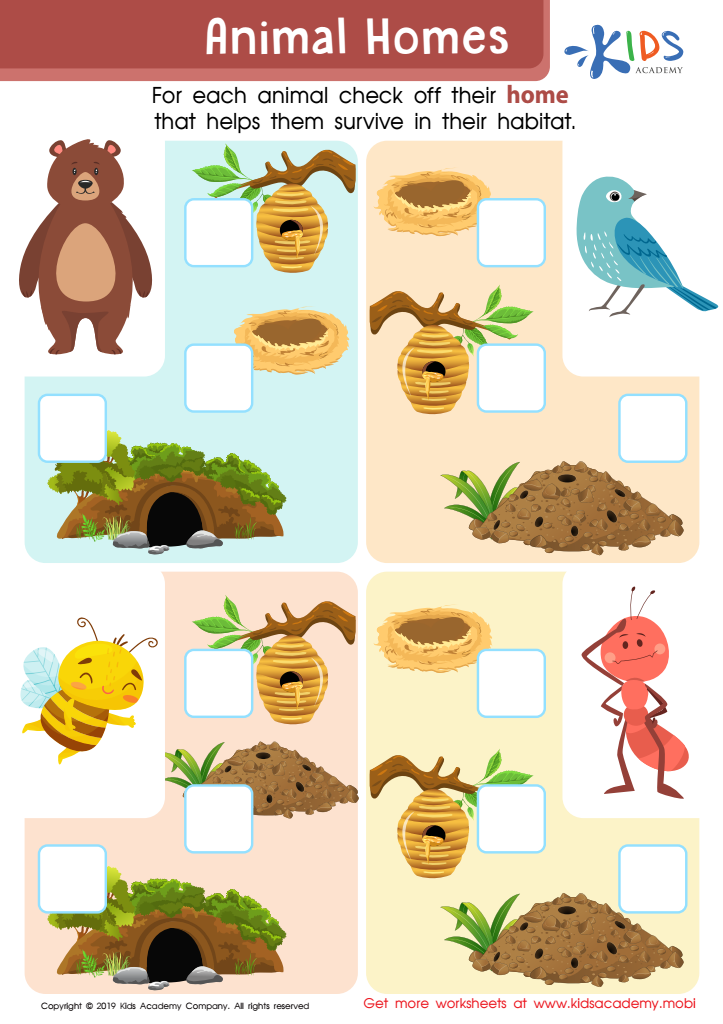
Animal Homes Worksheet
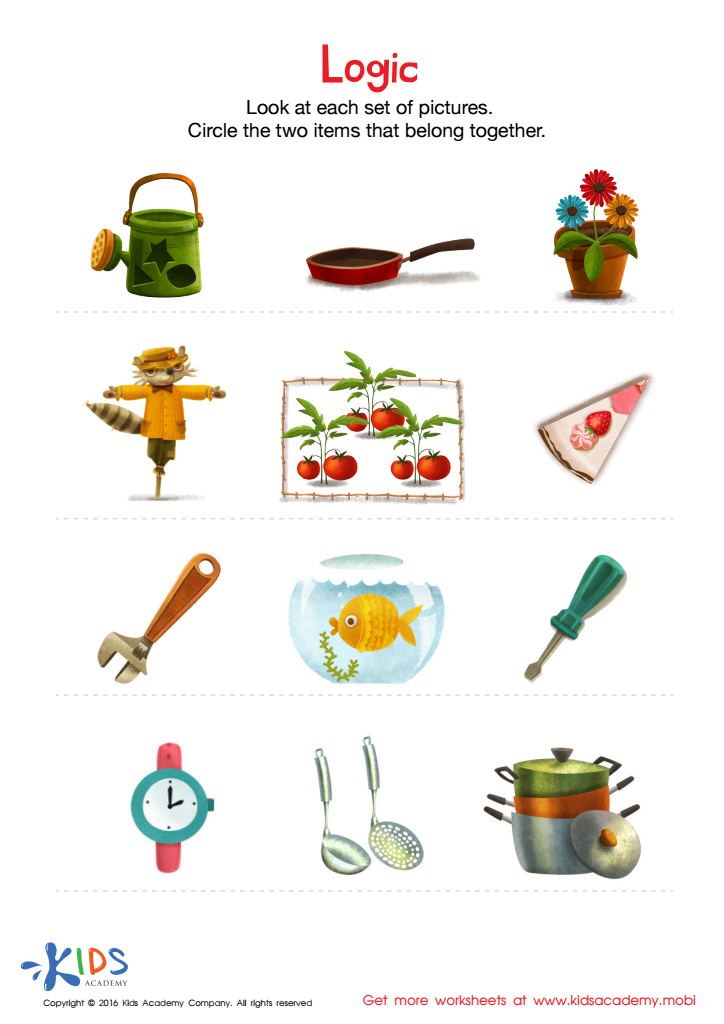
Logic Game Sorting Worksheet
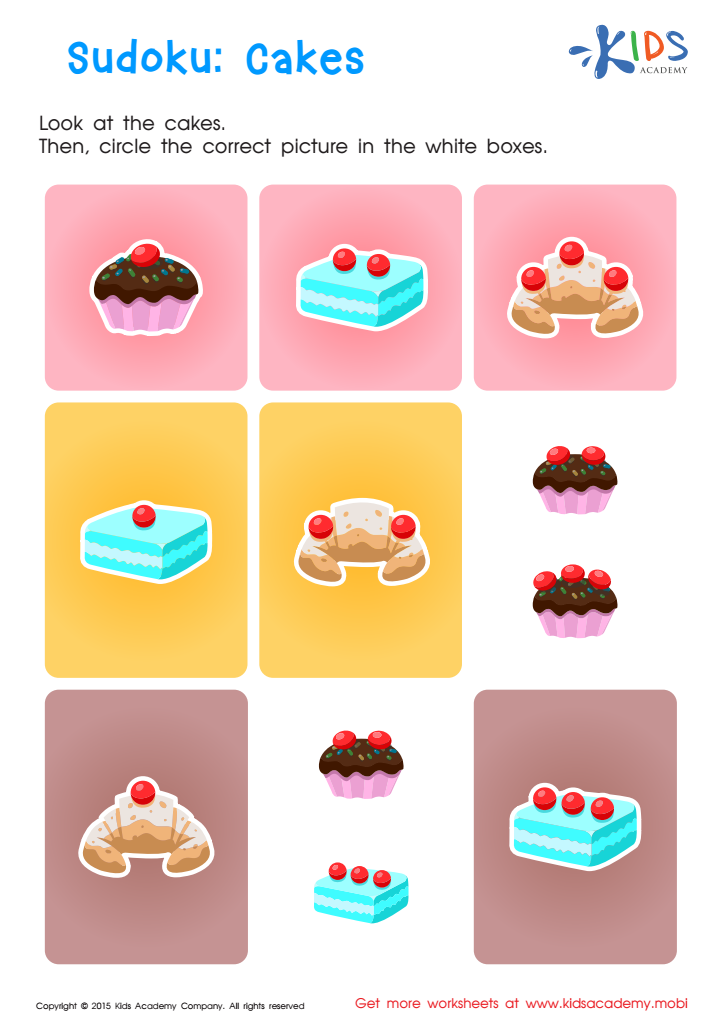
Sudoku Worksheet








Logical reasoning skills are crucial for children aged 4-6 because they lay the foundation for problem-solving and critical thinking, both essential in everyday life and academic success. At this developmental stage, children's brains are rapidly evolving, and nurturing logical reasoning helps them understand relationships between ideas, objects, and events. For parents and teachers, focusing on these skills encourages curiosity and fosters a love of learning, encouraging children to ask questions, explore, and interpret their surroundings confidently.
Moreover, logical reasoning aids in developing cognitive skills such as attention, memory, and the ability to follow multi-step processes, which are indispensable for tasks across all subjects. For example, early math concepts like sorting, patterns, and sequencing directly benefit from strong logical reasoning abilities. Additionally, these skills support language development, allowing children to structure thoughts coherently when narrating stories or sharing experiences.
Socially, logical reasoning helps children regulate emotions and behaviors by understanding cause and effect, enhancing their ability to resolve conflicts and make decisions. In today's complex world, the ability to think logically is indispensable, making it imperative for parents and teachers to prioritize these foundational skills, ultimately contributing to well-rounded, capable, and resilient individuals.








