Phonics Skills Worksheets for Ages 4-6 - Page 3
61 filtered results
-
From - To
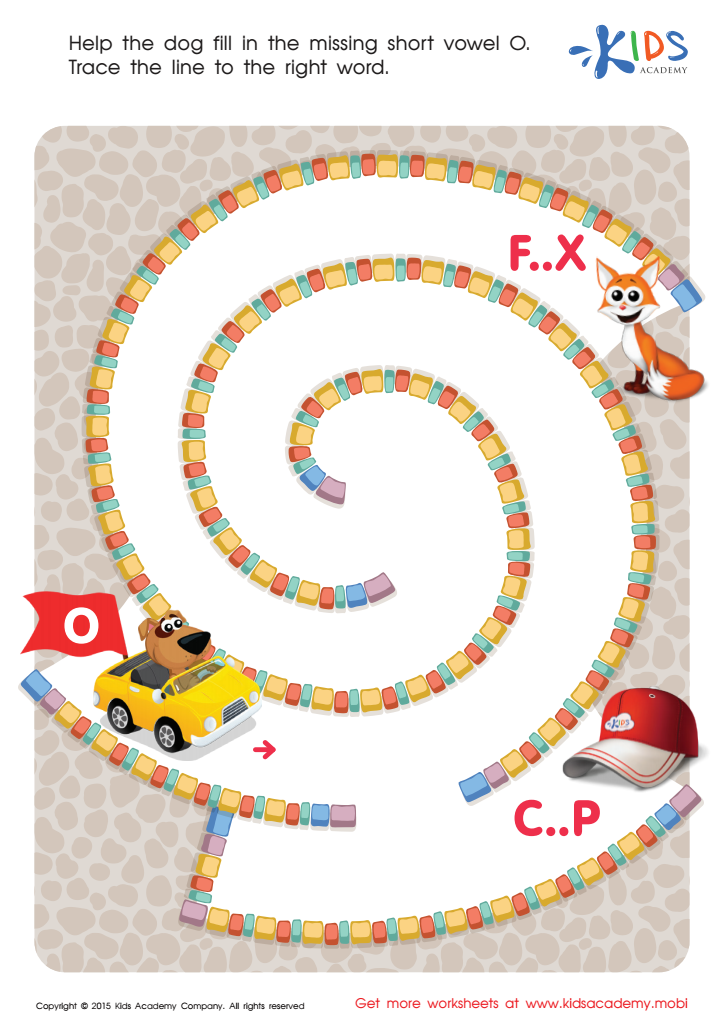
Short Vowel Sound O Worksheet
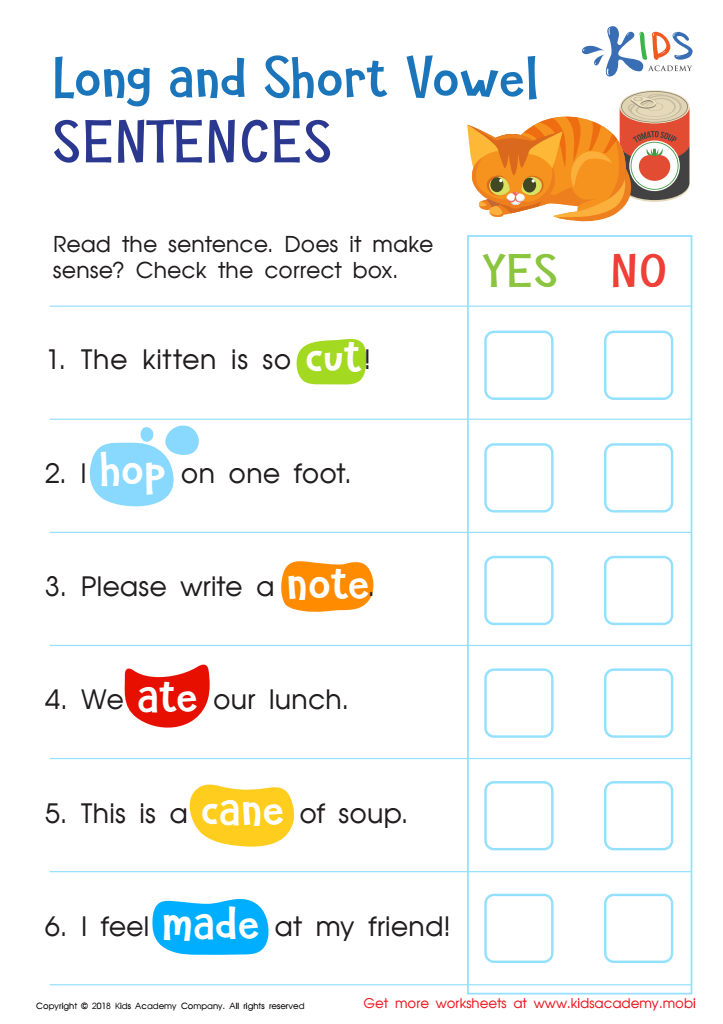
Long and Short Vowel Sentences: Assessment Worksheet
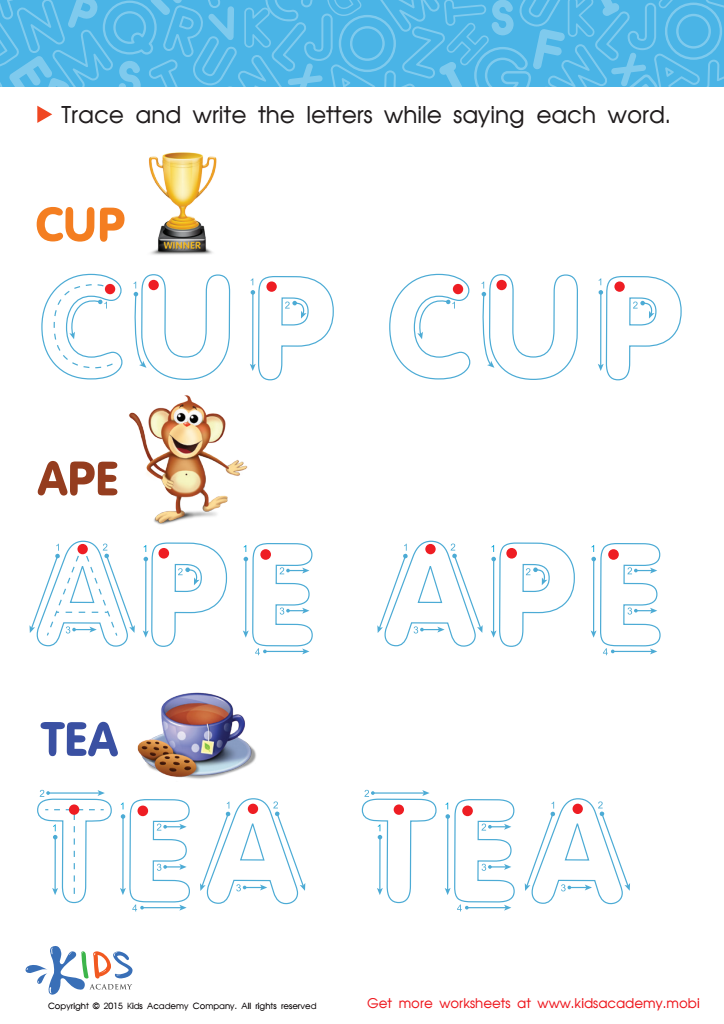
A Cup, an Ape and Tea Spelling Worksheet
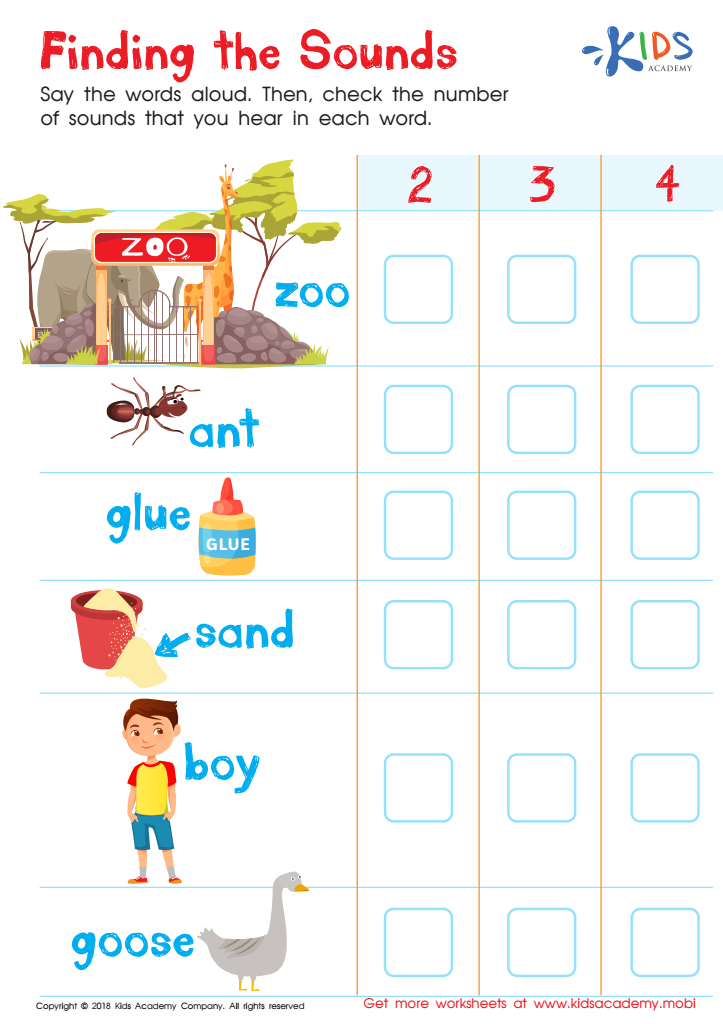
Finding the Sounds Worksheet
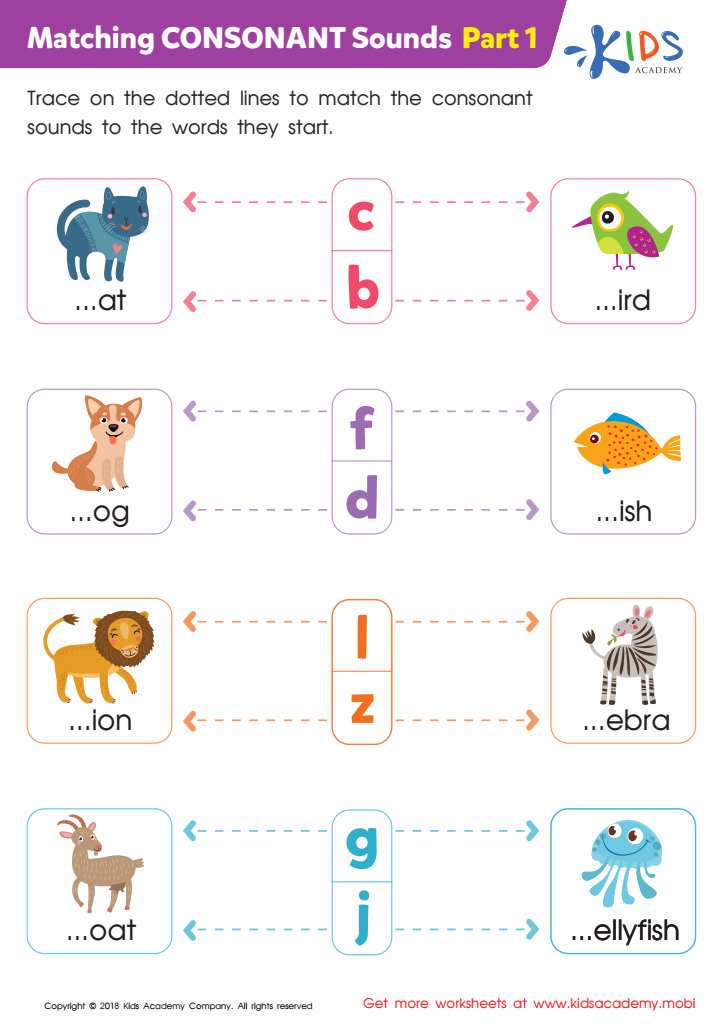
Matching Consonant Sounds: Part 1 Worksheet
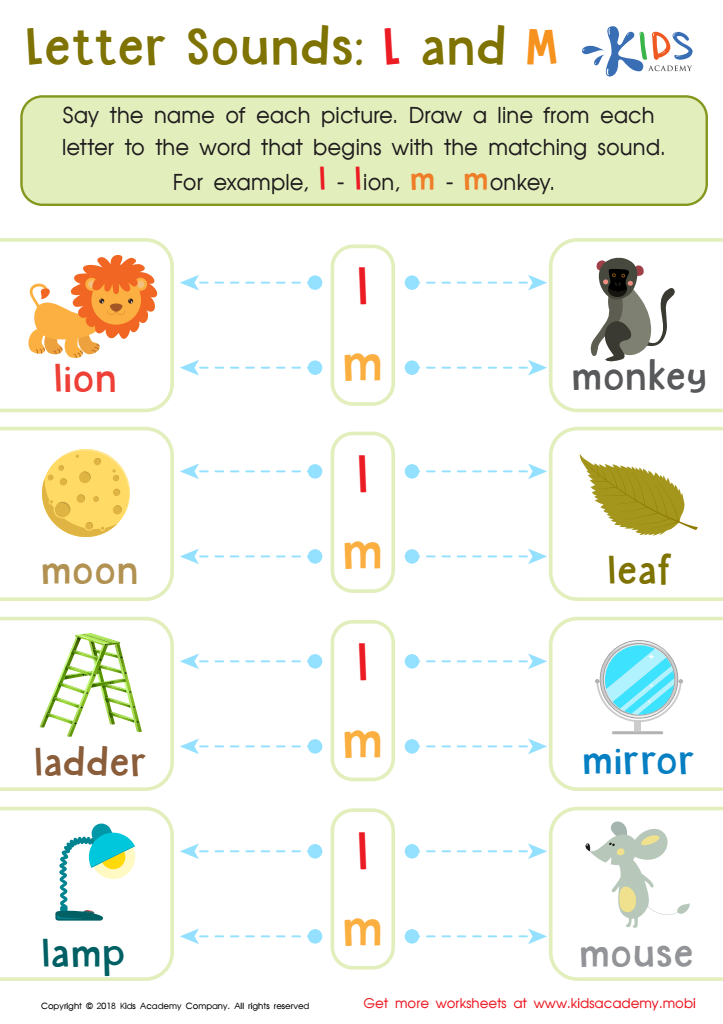
Letter l and M Sounds Worksheet
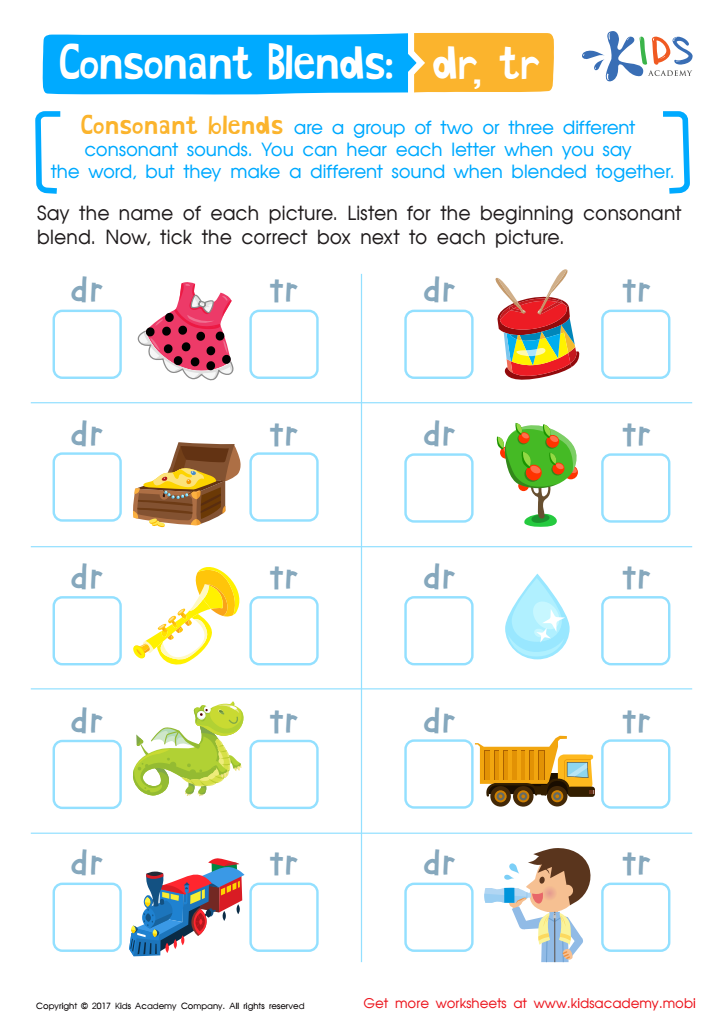
Consonant Blends: "Dr" and "Tr" Printable
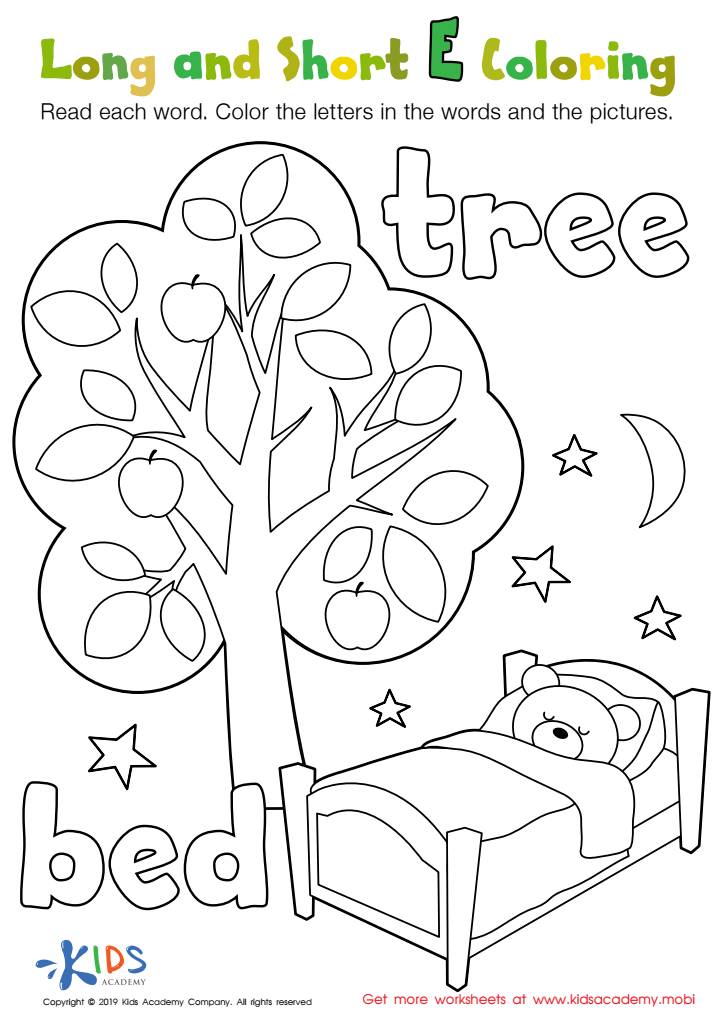
Long and Short E Worksheet
 Assign to My Students
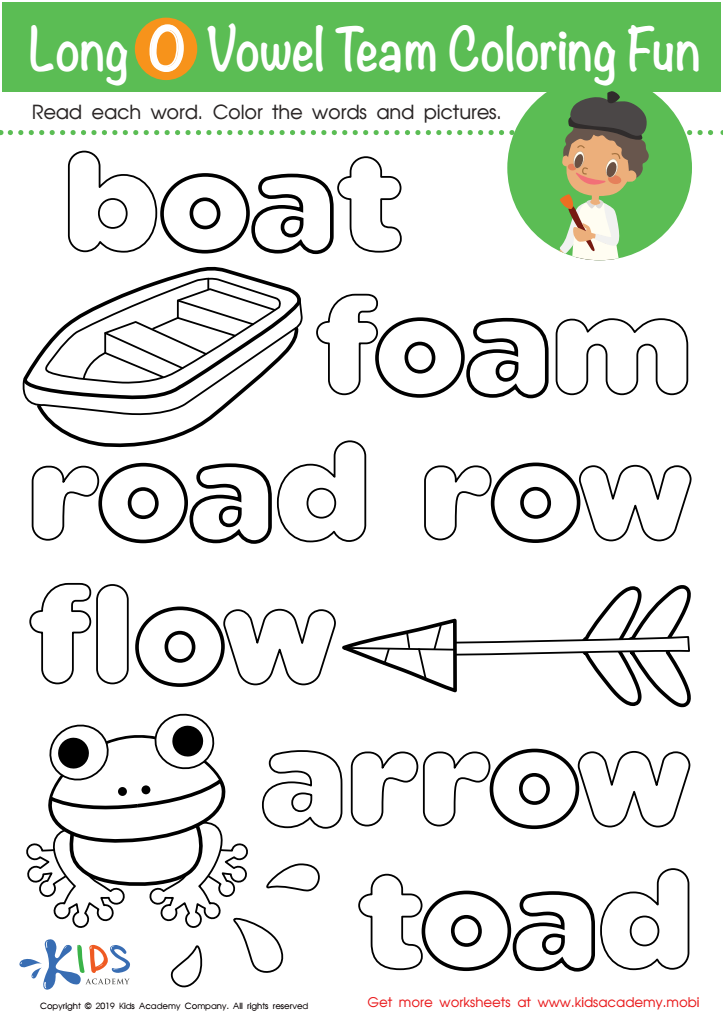
Long O Vowel Team Coloring Worksheet
Assign to My Students
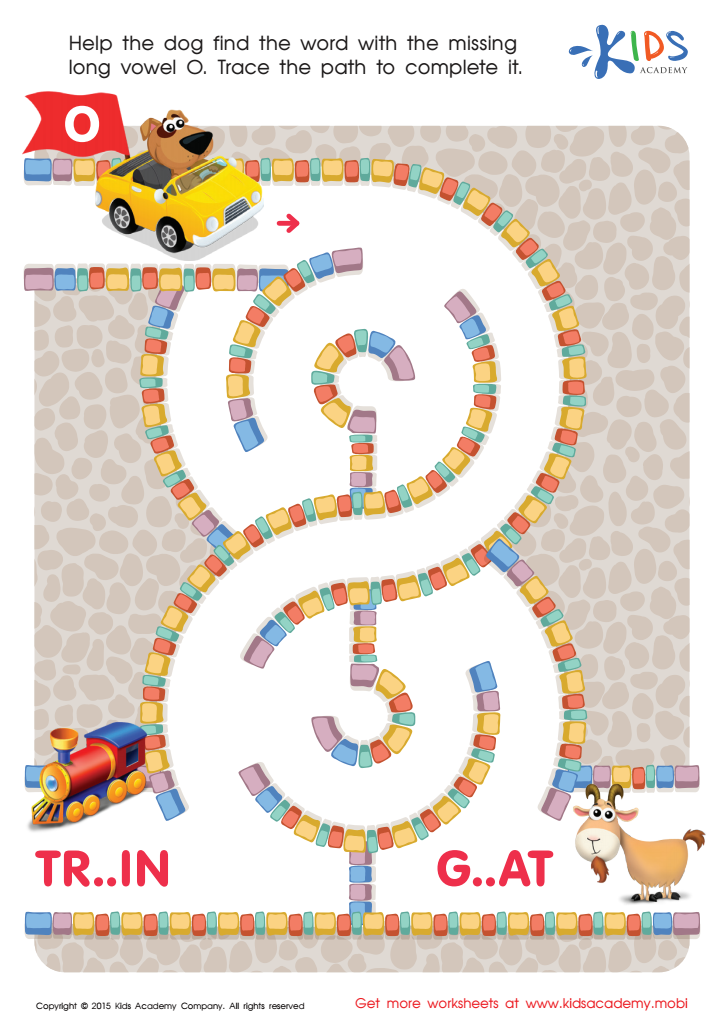
Long Vowel Sound O Worksheet
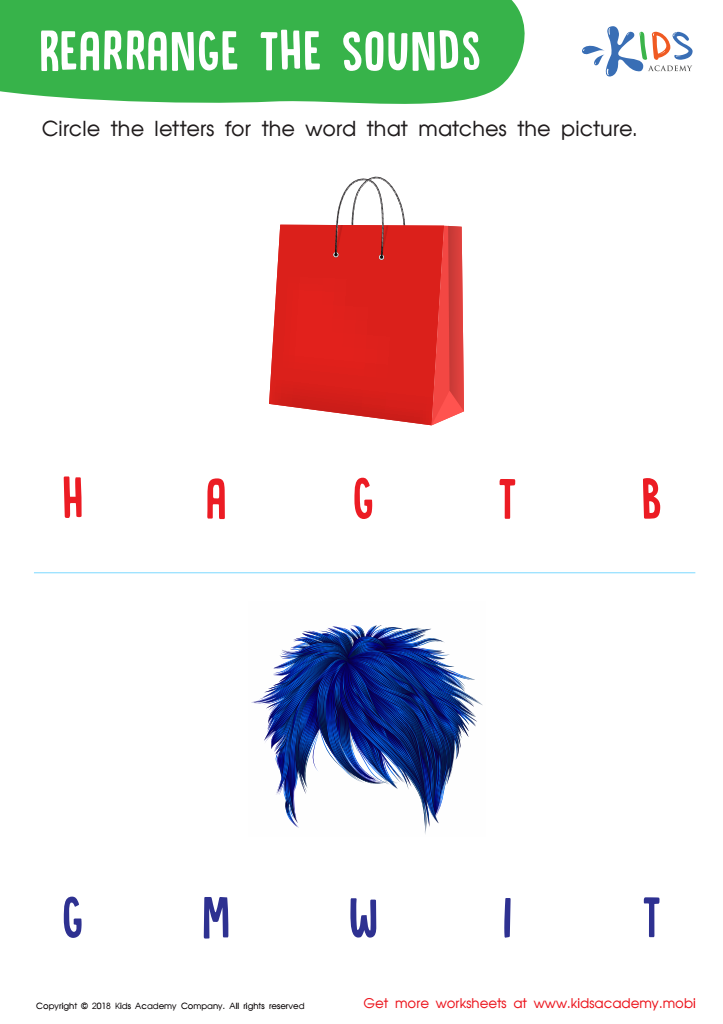
Rearrange the Sounds Worksheet
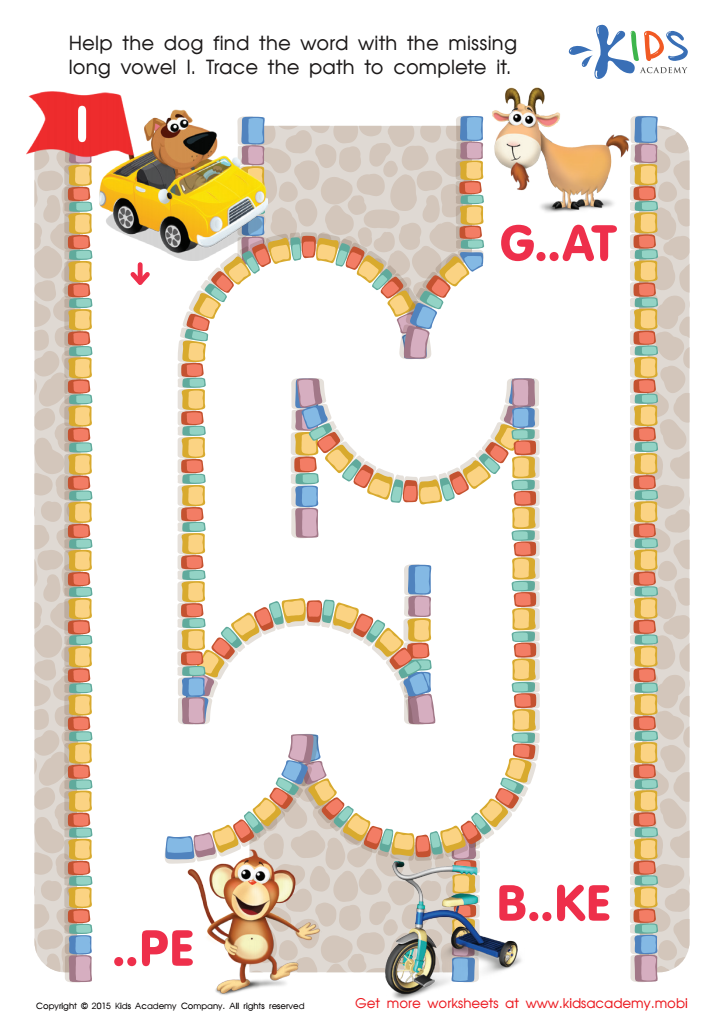
Long Vowel Sound I Worksheet
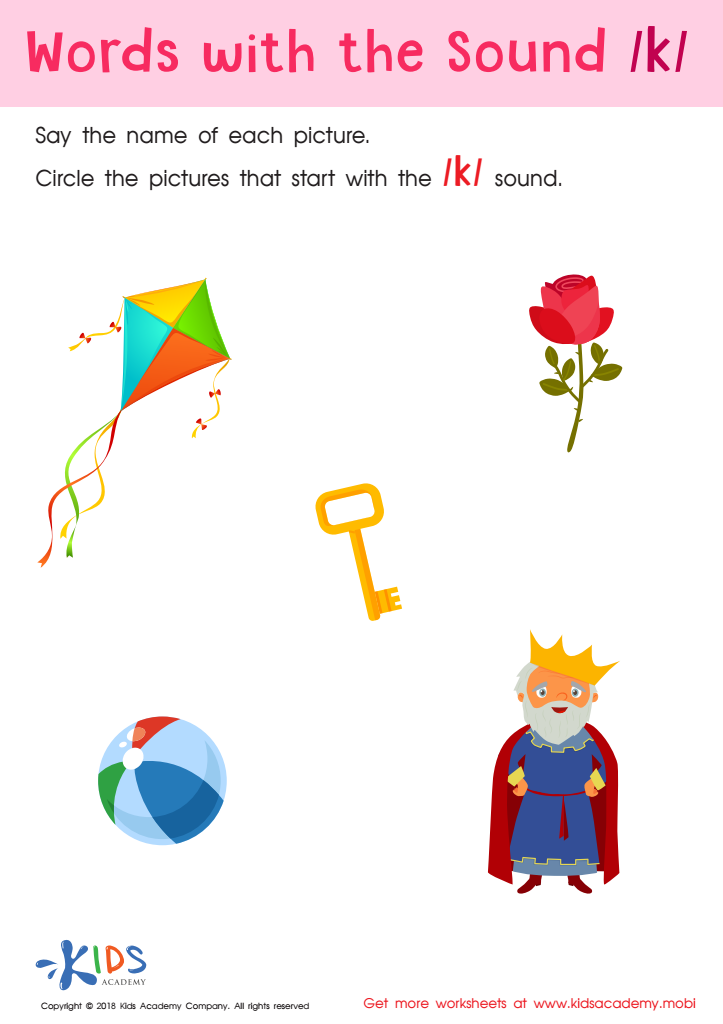
Words with sound k Reading Worksheet






Phonics skills are essential for children aged 4-6 as they lay the groundwork for successful reading and writing, which are cornerstones of education and lifelong learning. At this crucial developmental stage, young brains are exceptionally receptive to learning language. Phonics instruction teaches children the relationship between letters and their corresponding sounds, enabling them to decode new words by sounding them out.
Parents and teachers should care about phonics because it enhances children's reading fluency and comprehension. When children understand phonics, they can read with greater accuracy and speed, which boosts their confidence and encourages a love for reading. Proficient reading also improves vocabulary, language skills, and overall communication abilities.
Additionally, strong phonics skills support early writing. When children grasp the sound-letter association, they can phonetically spell words, fostering their writing capabilities. Importantly, phonics skills are linked to later academic achievement; children who develop strong reading foundations tend to perform better across all subjects, as reading is integral to understanding content in areas like math, science, and social studies.
By prioritizing phonics, parents and teachers can provide children with the necessary tools to become proficient readers and effective communicators, setting them up for academic success and a lifetime of enjoyable learning.








