Visual Learning Worksheets for Ages 4-6 - Page 2
99 filtered results
-
From - To
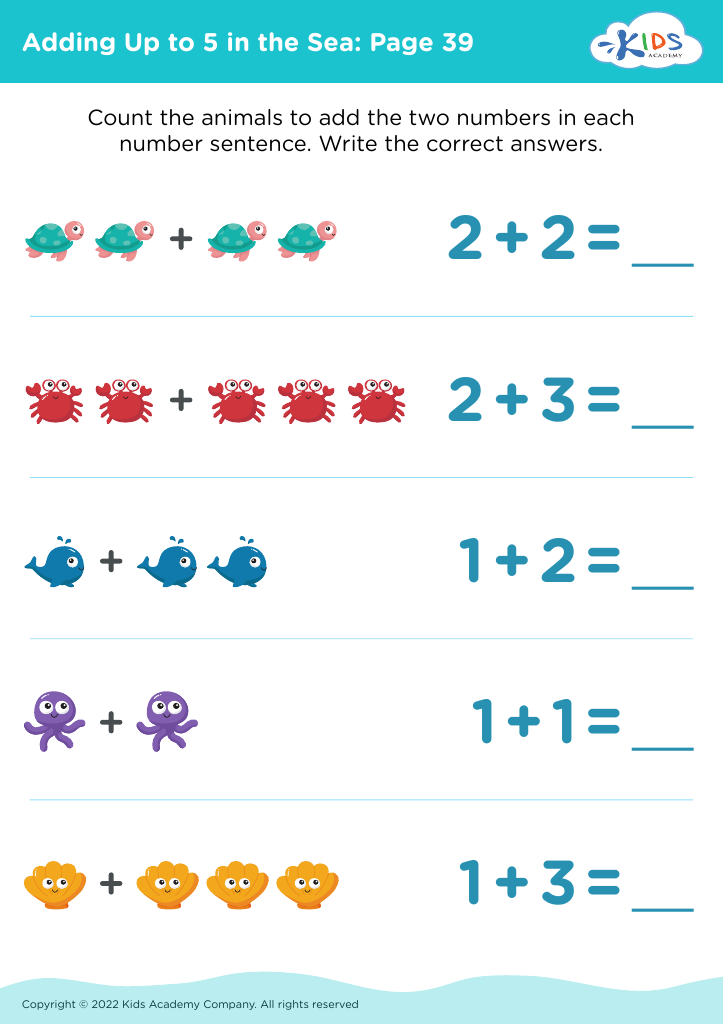
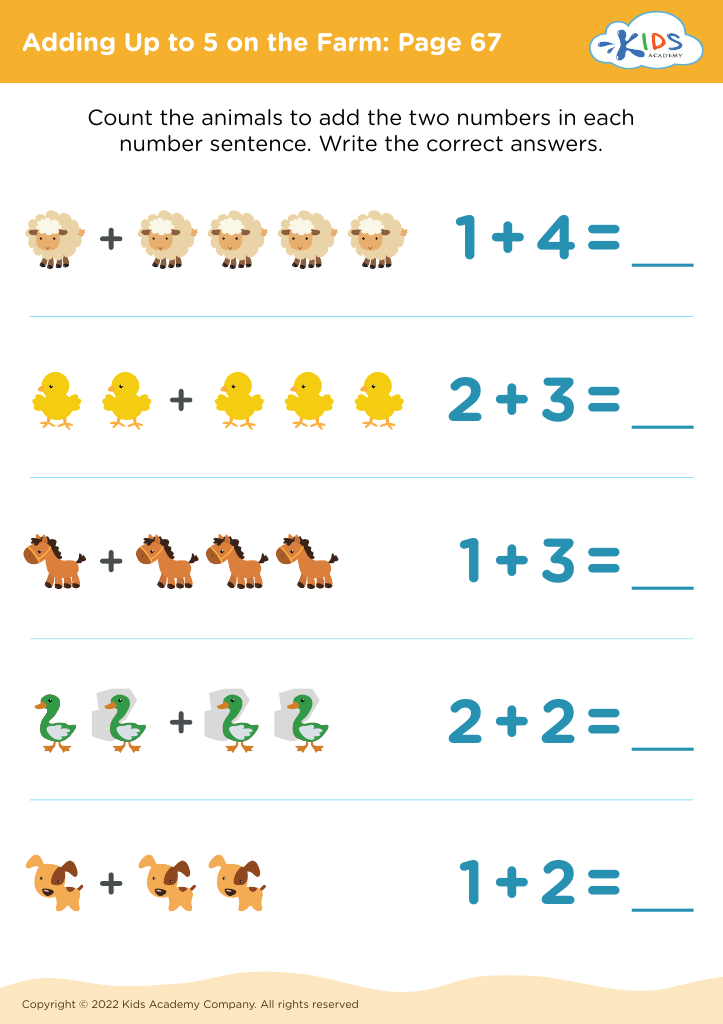
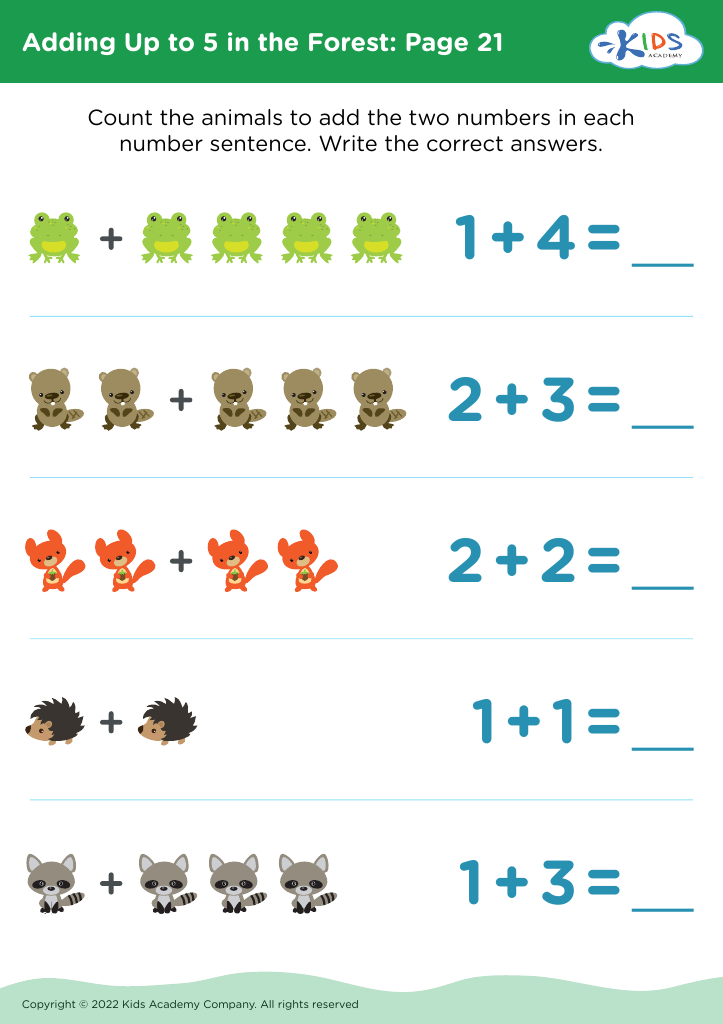
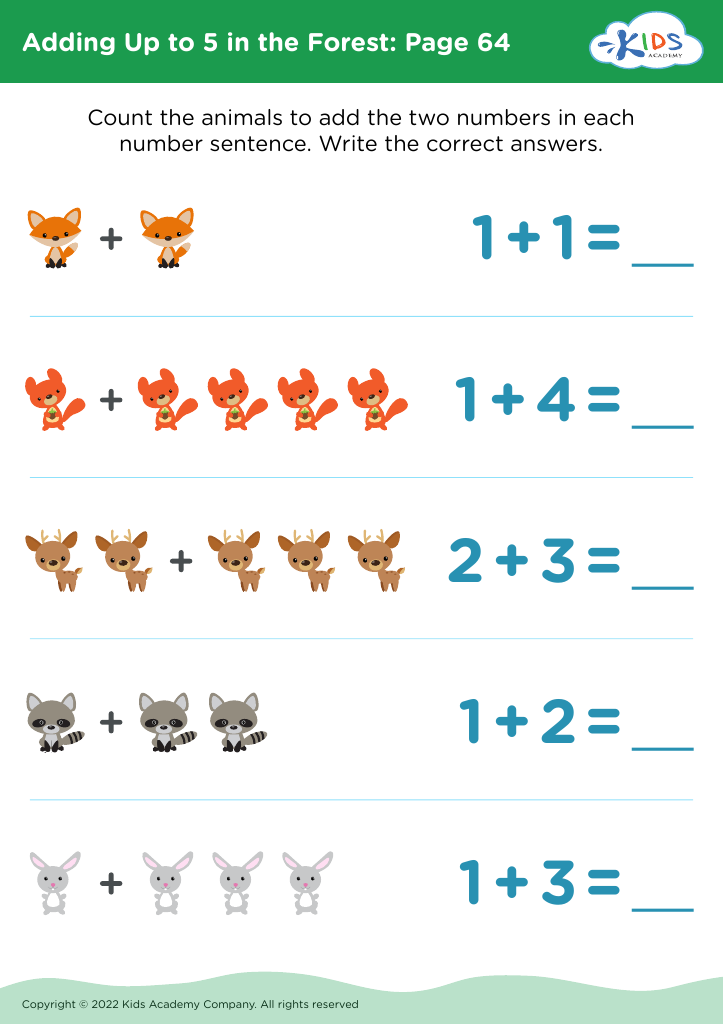
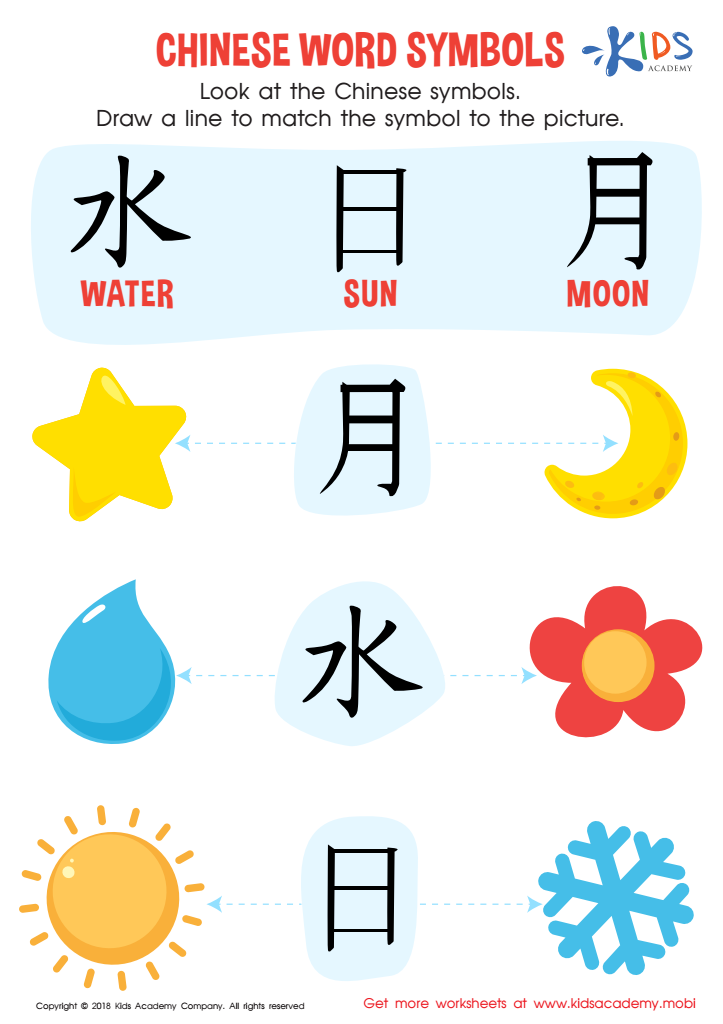
Chinese Word Symbols Worksheet
 Assign to My Students
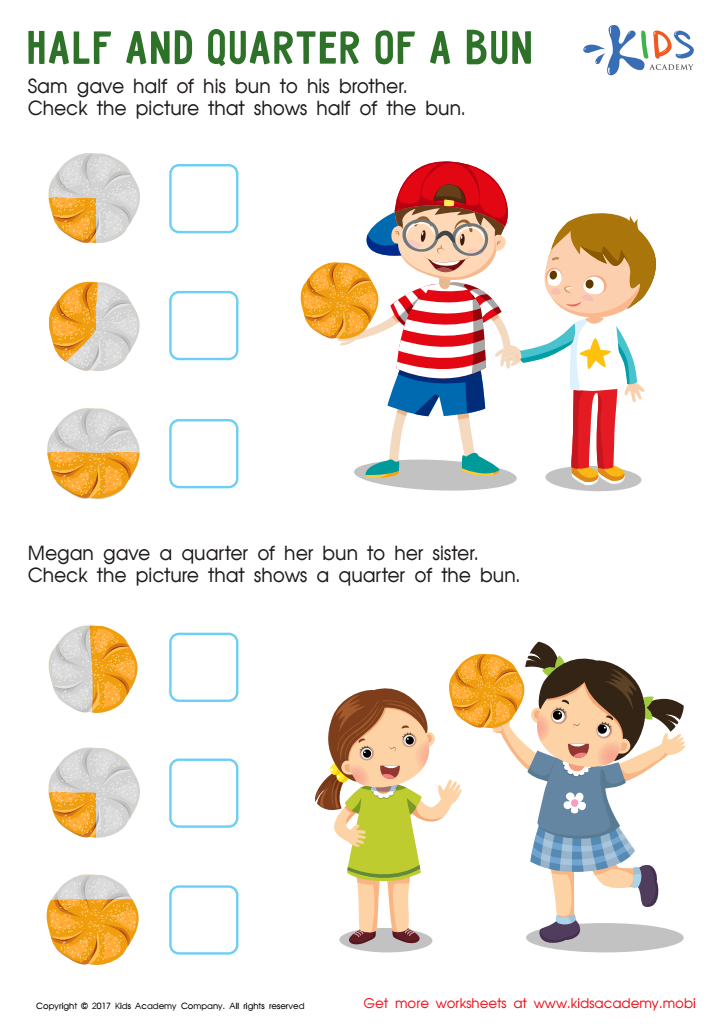
Half and Quarter of a Bun Worksheet
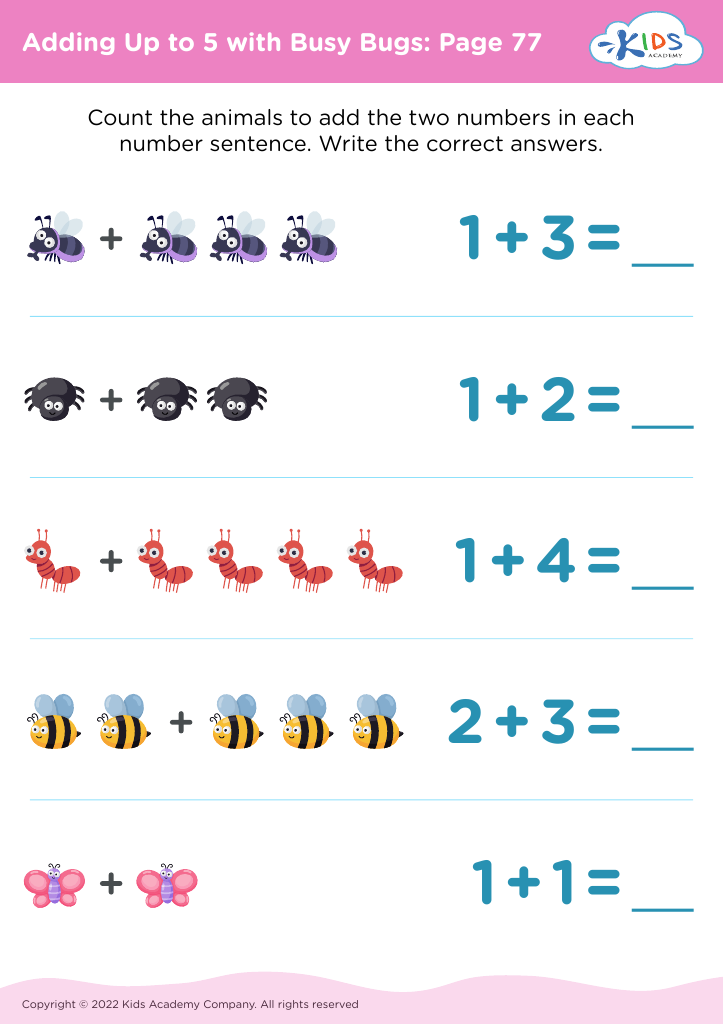
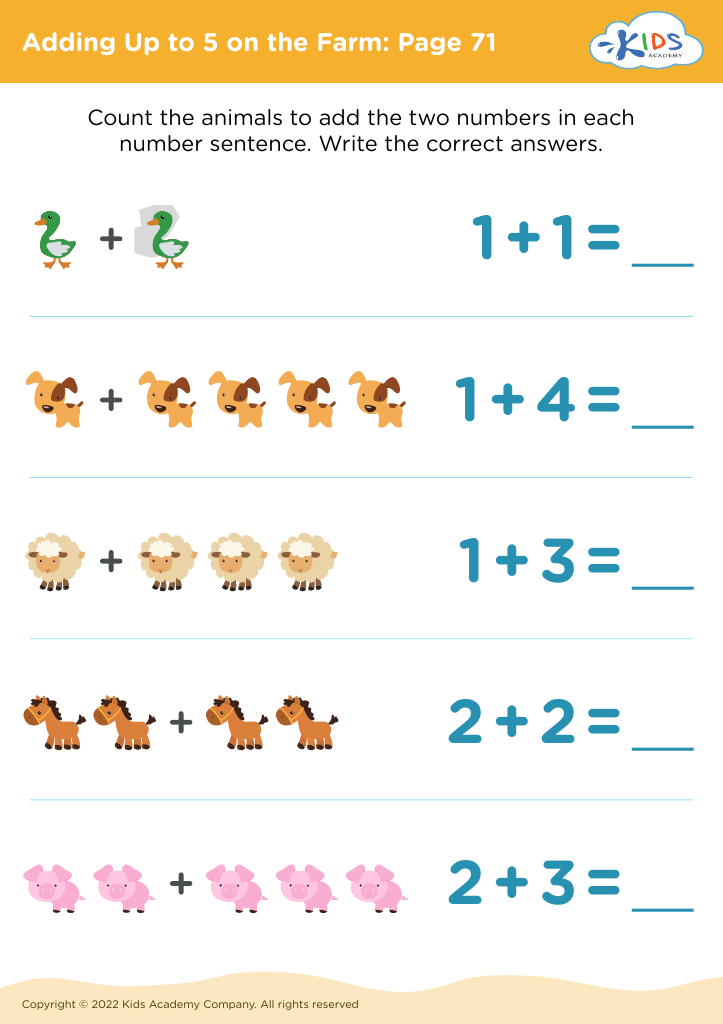
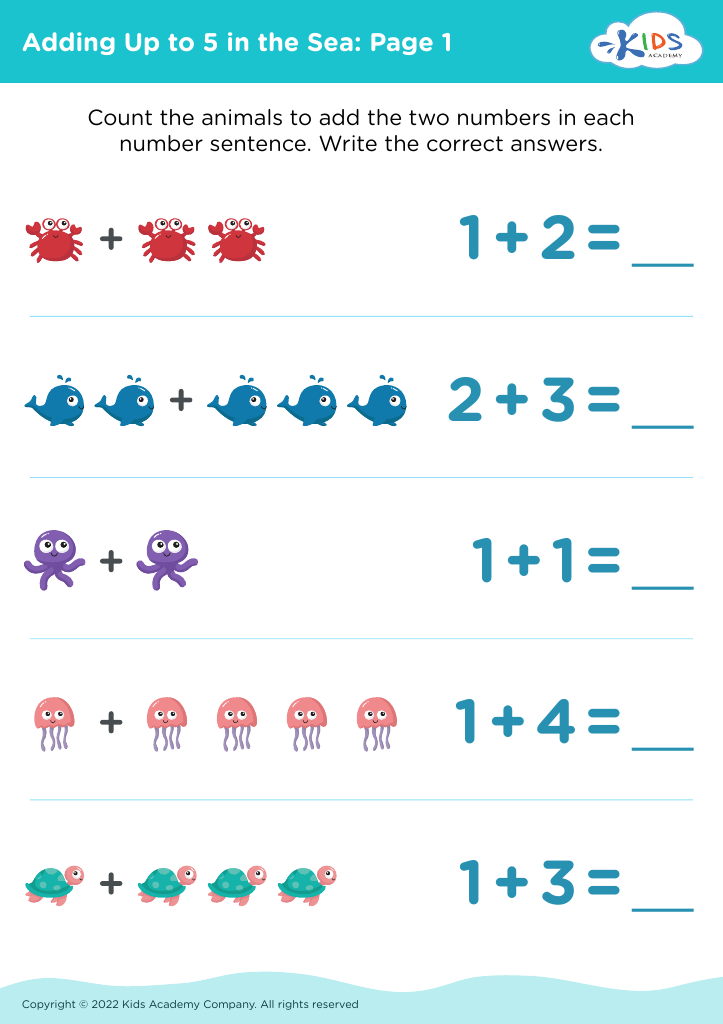
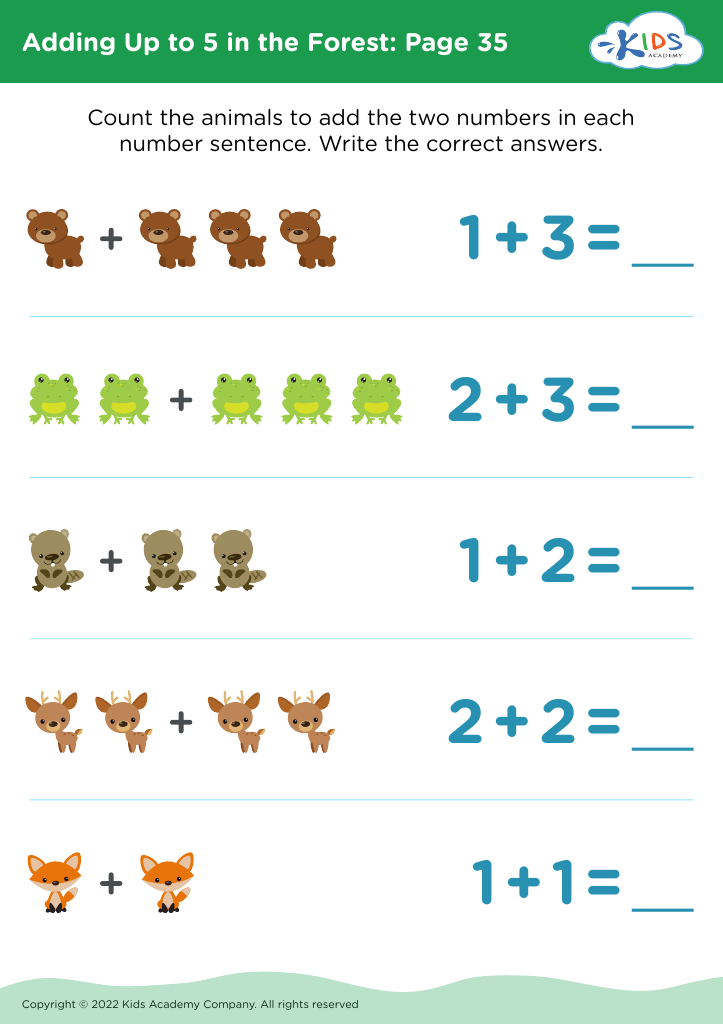
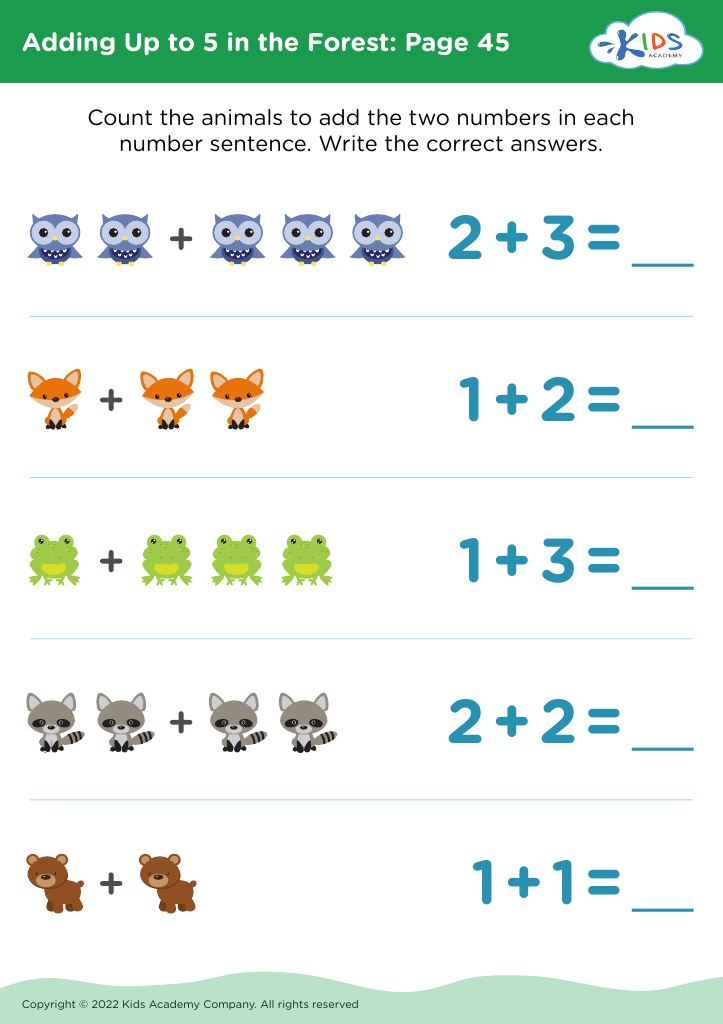
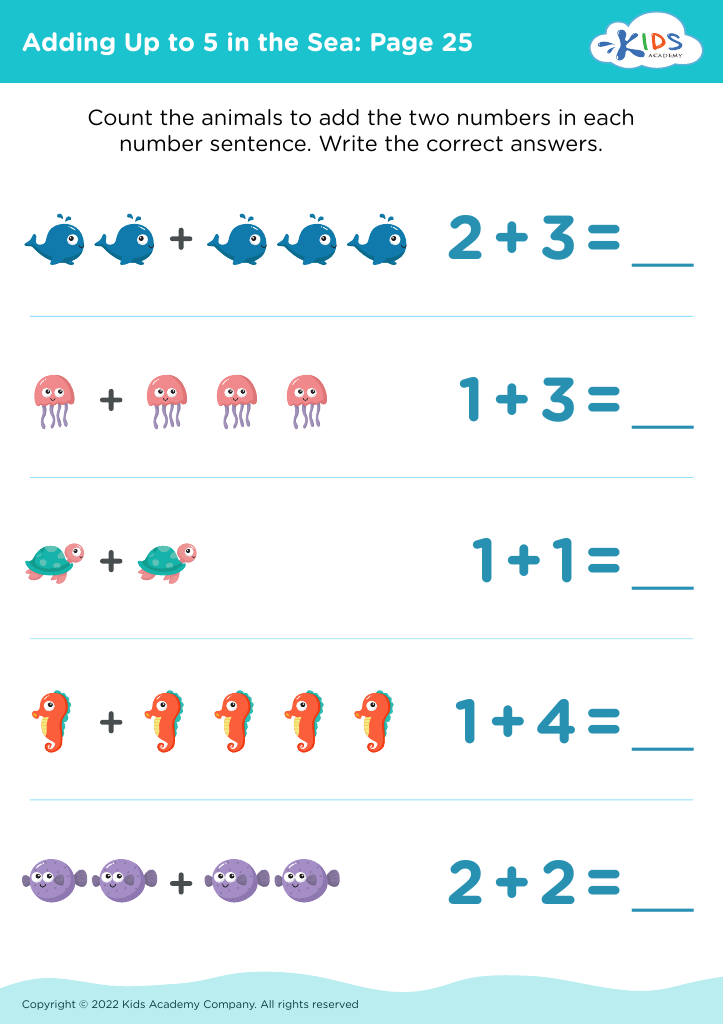
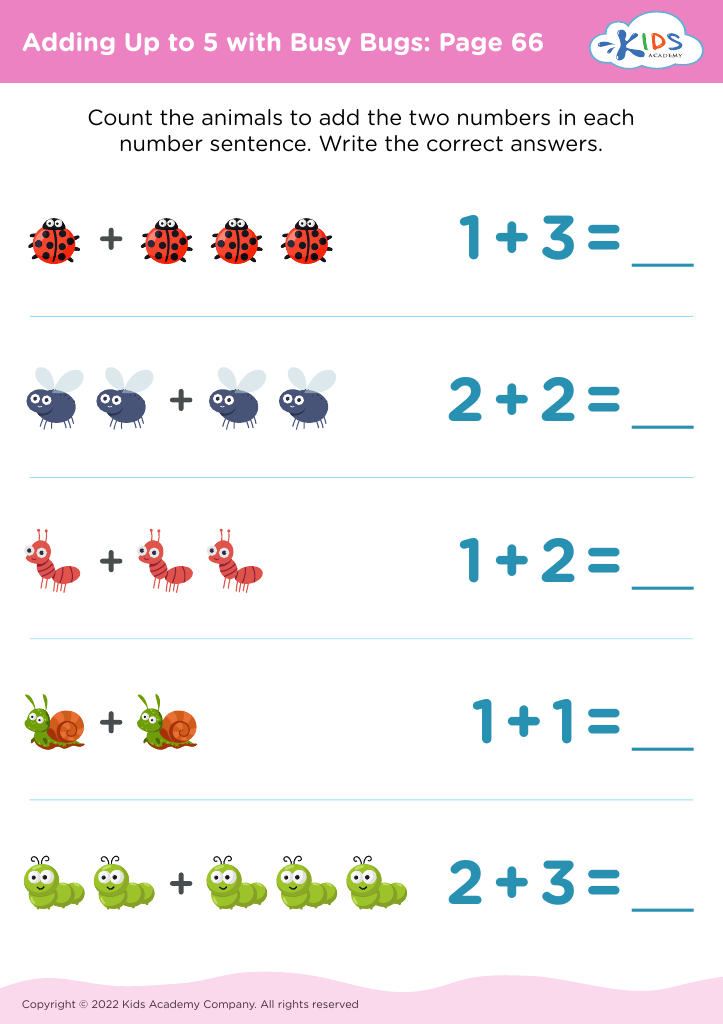
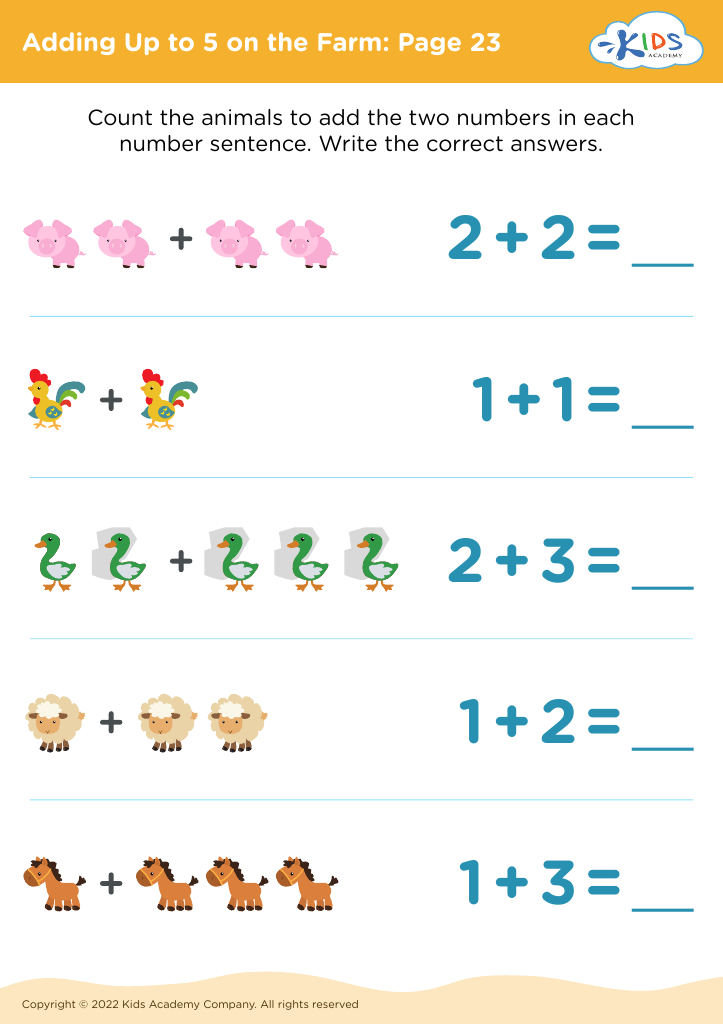
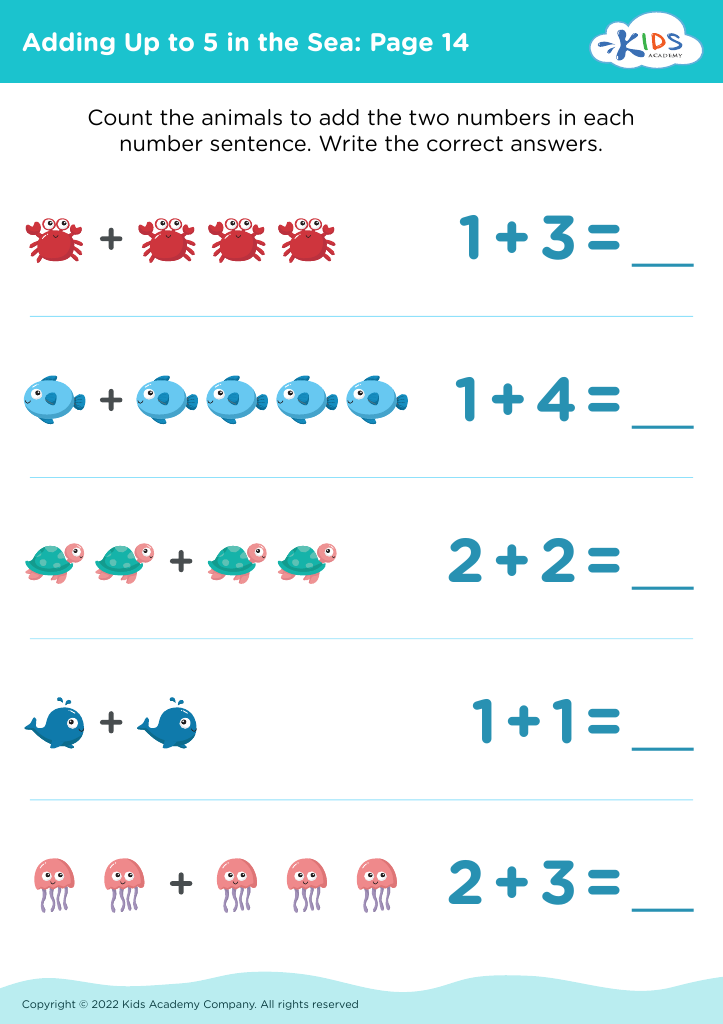
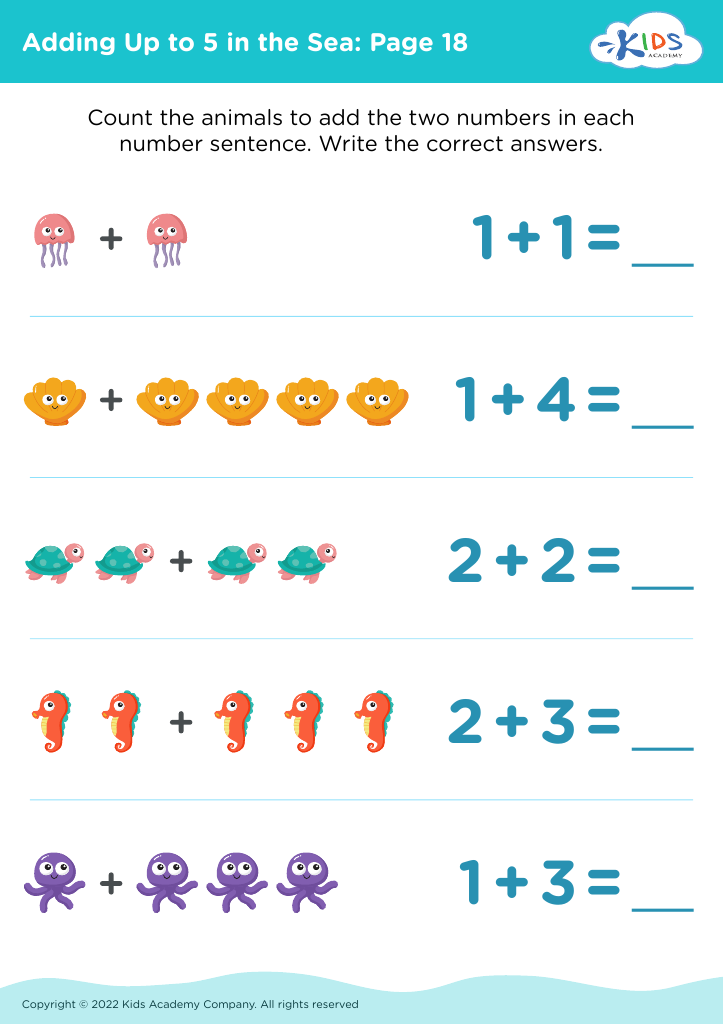
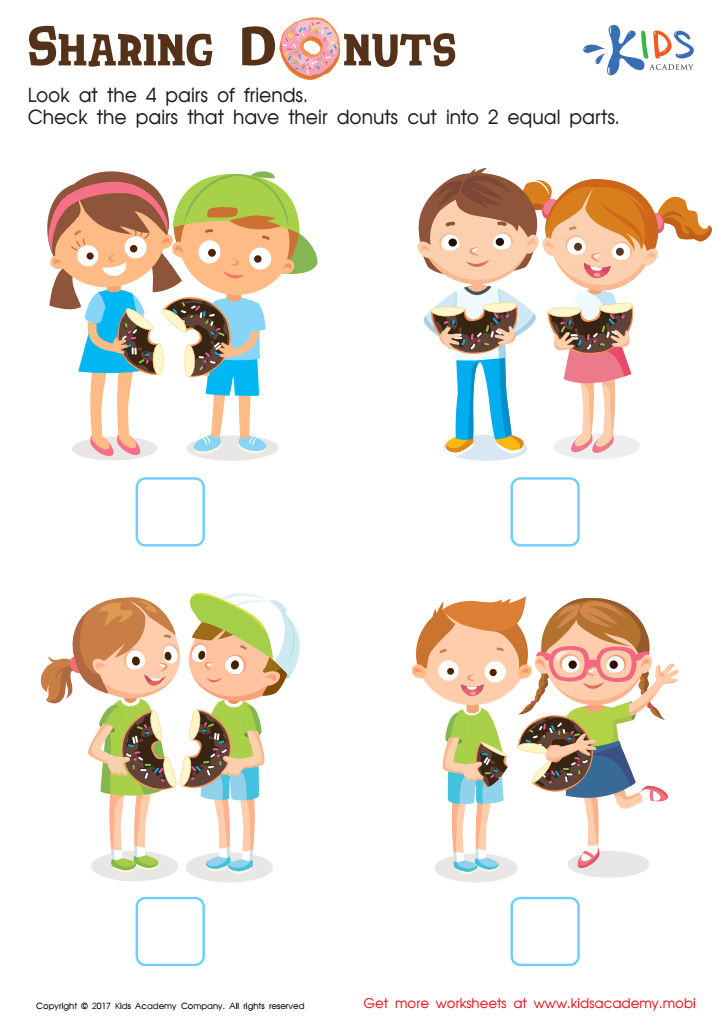
Sharing Donuts Worksheet
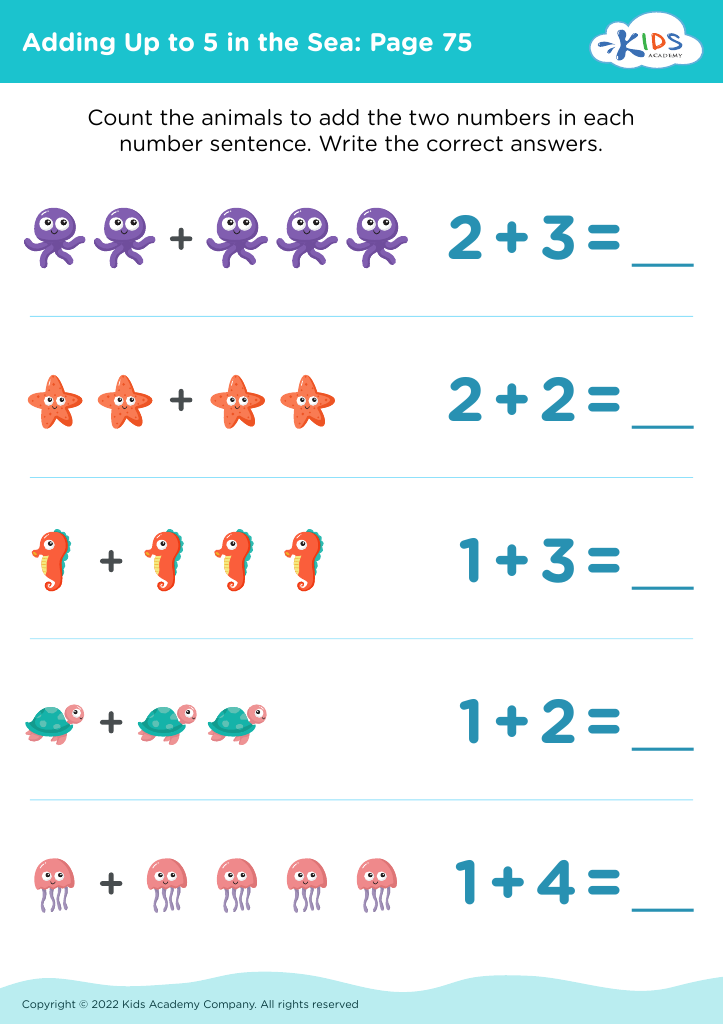
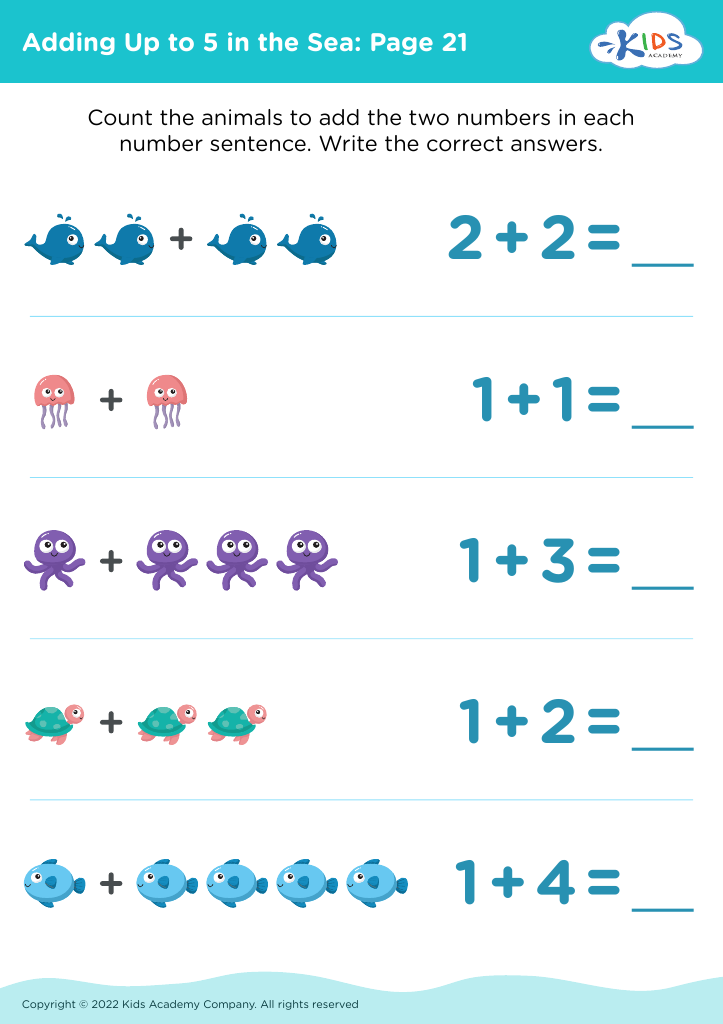
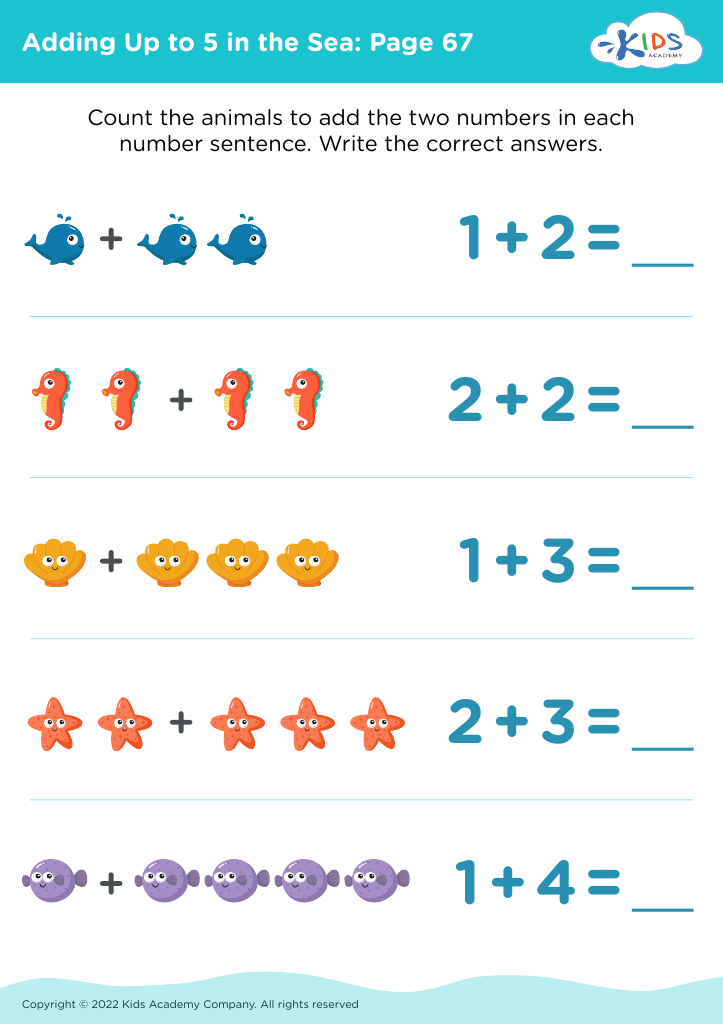






.jpg)

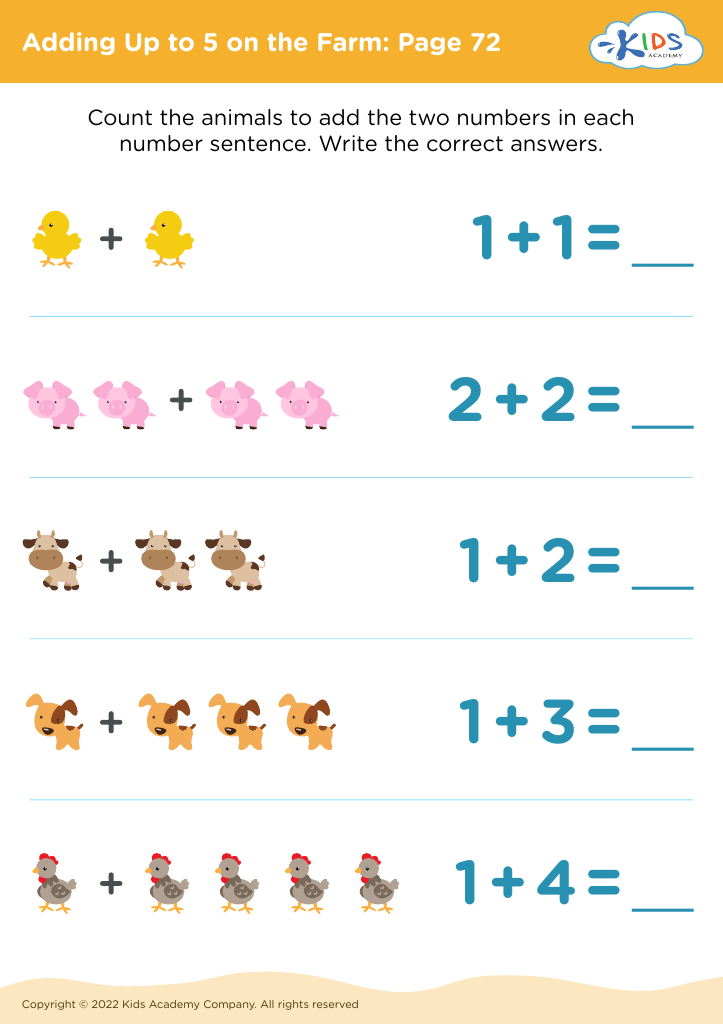
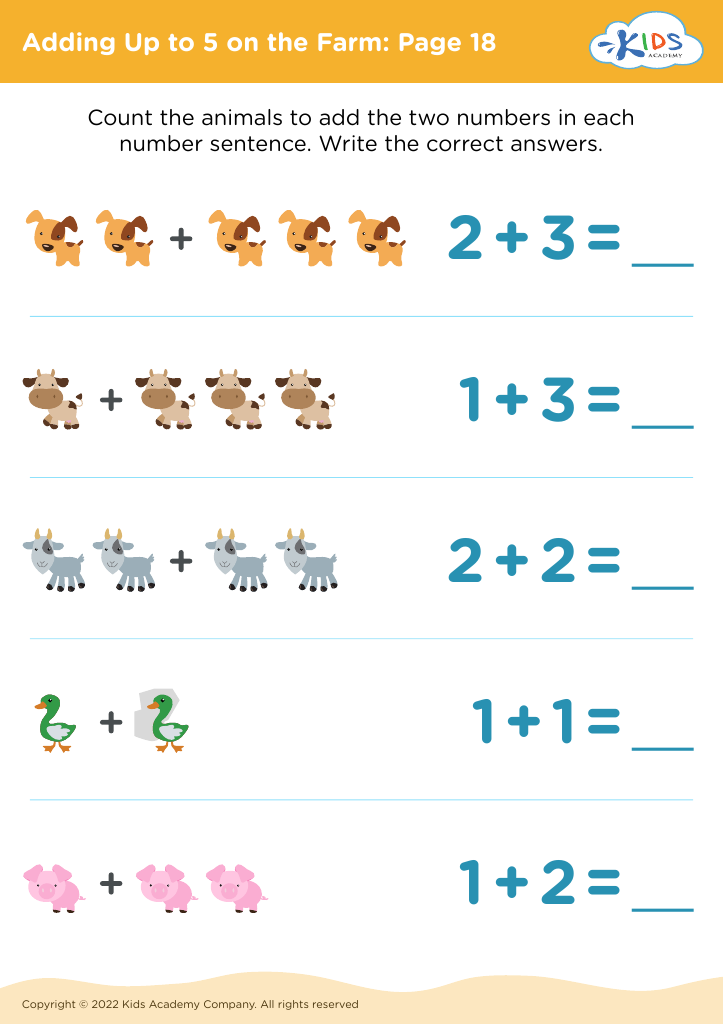
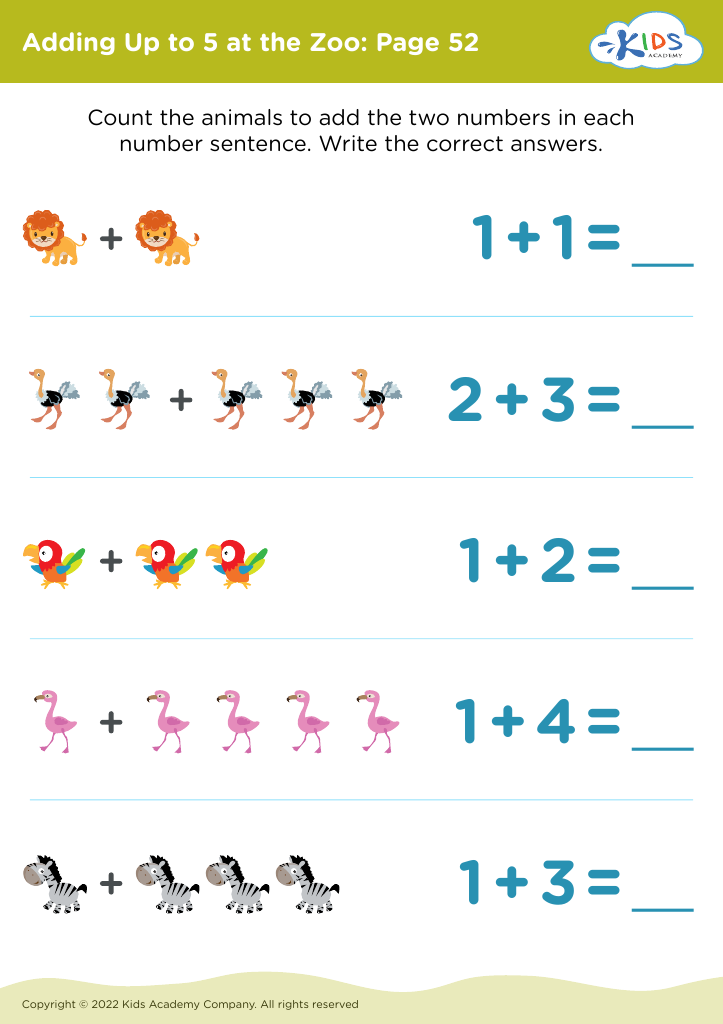
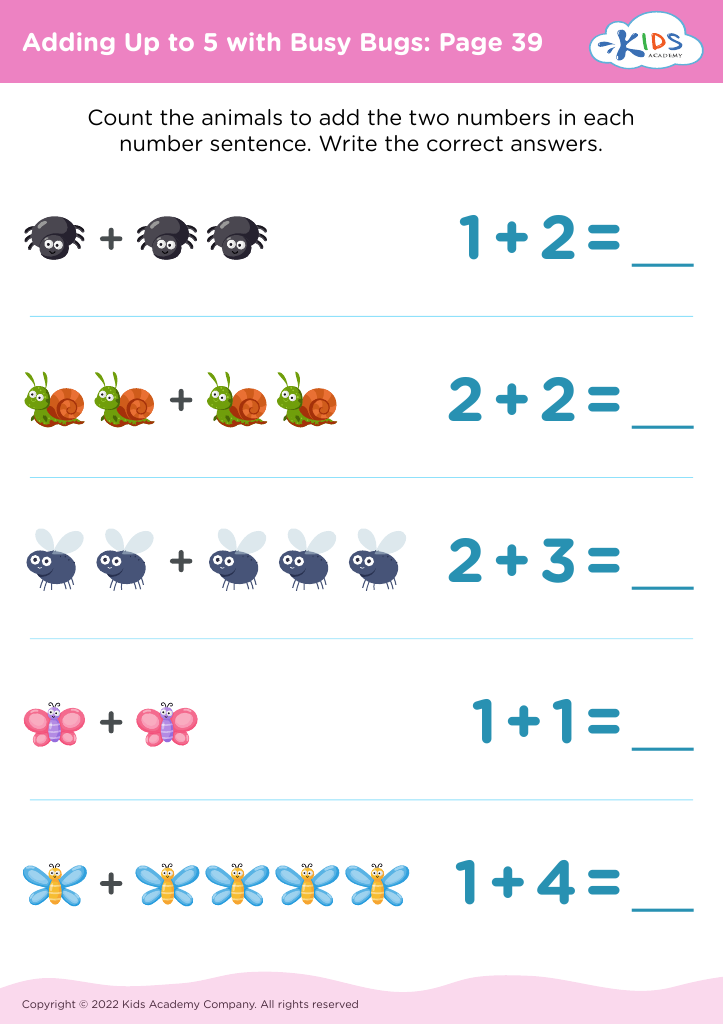
Visual learning is crucial for children aged 4-6 as it aligns perfectly with their developmental stages and natural learning preferences. At this age, children are highly receptive to visual stimuli; their cognitive functions are beginning to develop, and they rely significantly on images, colors, and objects to make sense of the world around them. Engagement through visual learning aids, such as pictures, diagrams, and hands-on activities, not only facilitates better comprehension but also helps retain information longer.
Parents and teachers should care about visual learning because it encourages creativity and exploration. Visual methods of teaching can make complex concepts more accessible and relatable, fostering a sense of curiosity in young learners. This approach supports diverse learning styles, including those of visual-spatial learners who thrive when ideas are presented visually.
Moreover, a focus on visual learning builds foundational skills such as critical thinking, problem-solving, and communication. By incorporating such strategies, educators and caregivers lay the groundwork for lifelong learning. Ultimately, supporting visual learning in early education environments can enhance overall cognitive development, promote confidence, and strengthen the parent-teacher collaboration crucial to a child’s success.








