Vocabulary expansion Worksheets for Ages 4-6
139 filtered results
-
From - To
Boost your child's language development with our exciting vocabulary expansion worksheets designed for ages 4-6! These engaging, printable worksheets from Kids Academy introduce young learners to new words through fun, interactive activities. With a mix of colorful illustrations, matching games, and simple exercises, children can build a strong vocabulary foundation while enhancing their reading and communication skills. Perfect for preschool and kindergarten, these worksheets make learning enjoyable and effective. Help your child discover the joy of words and watch their confidence grow as they master new vocabulary in an impactful and playful way!
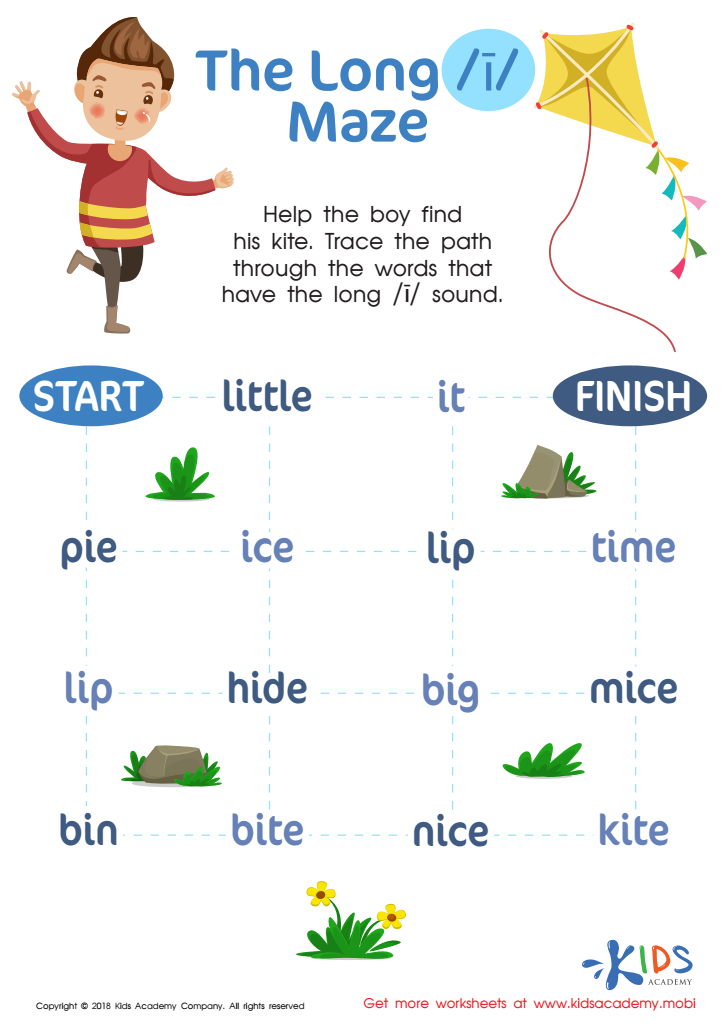
The Long I Maze Reading Worksheet
 Assign to My Students
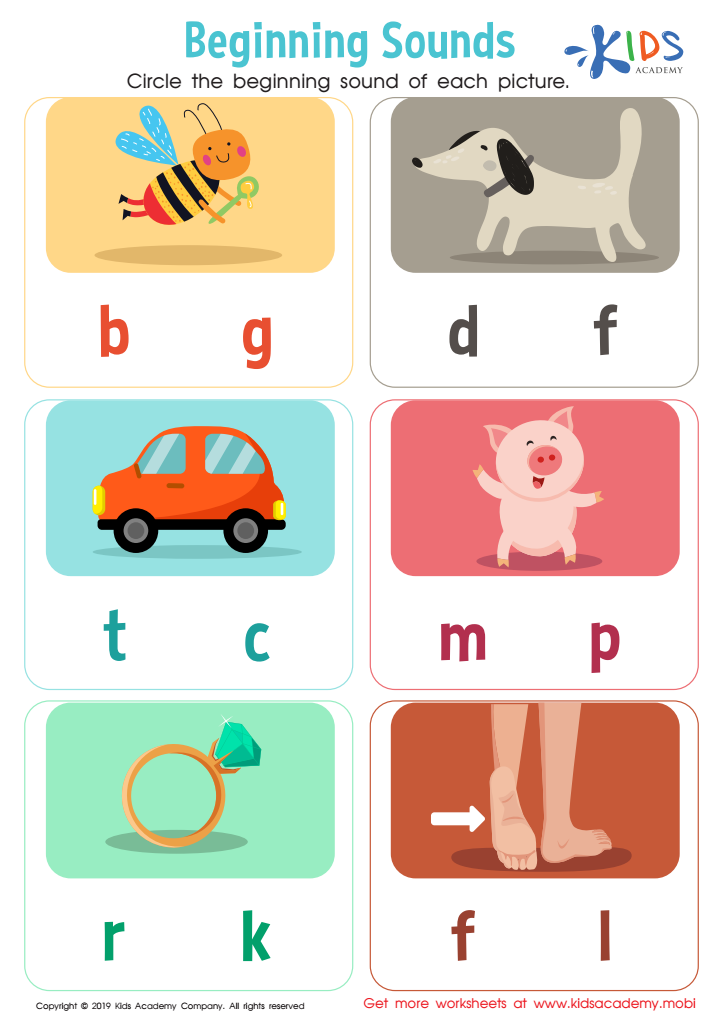
Beginning Sounds Worksheet
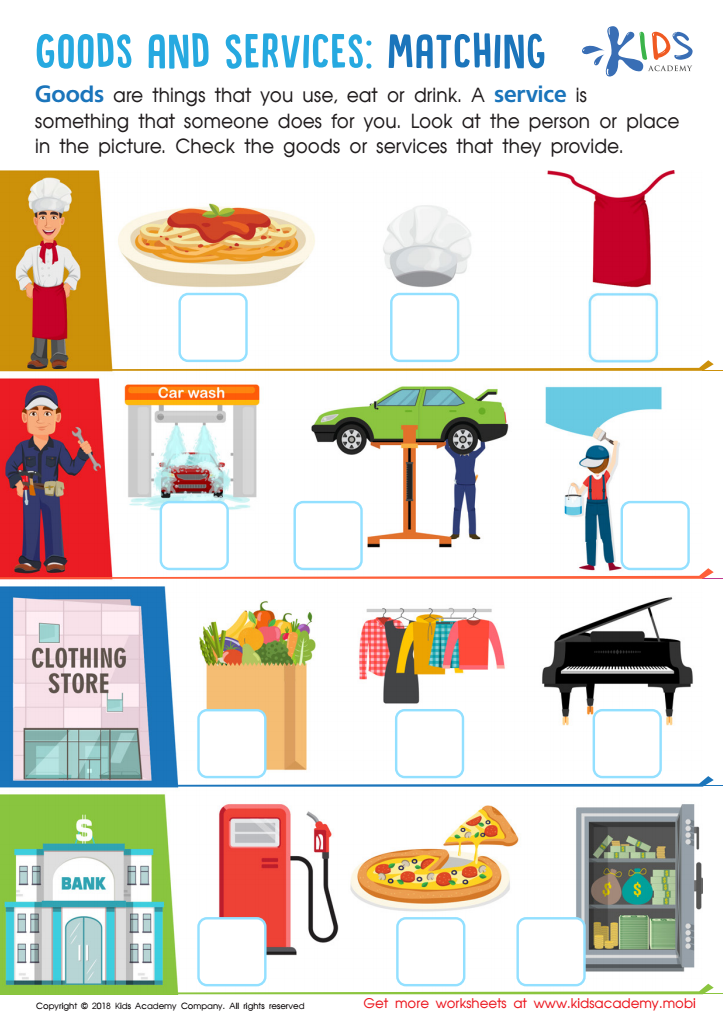
Goods and Services: Matching Worksheet
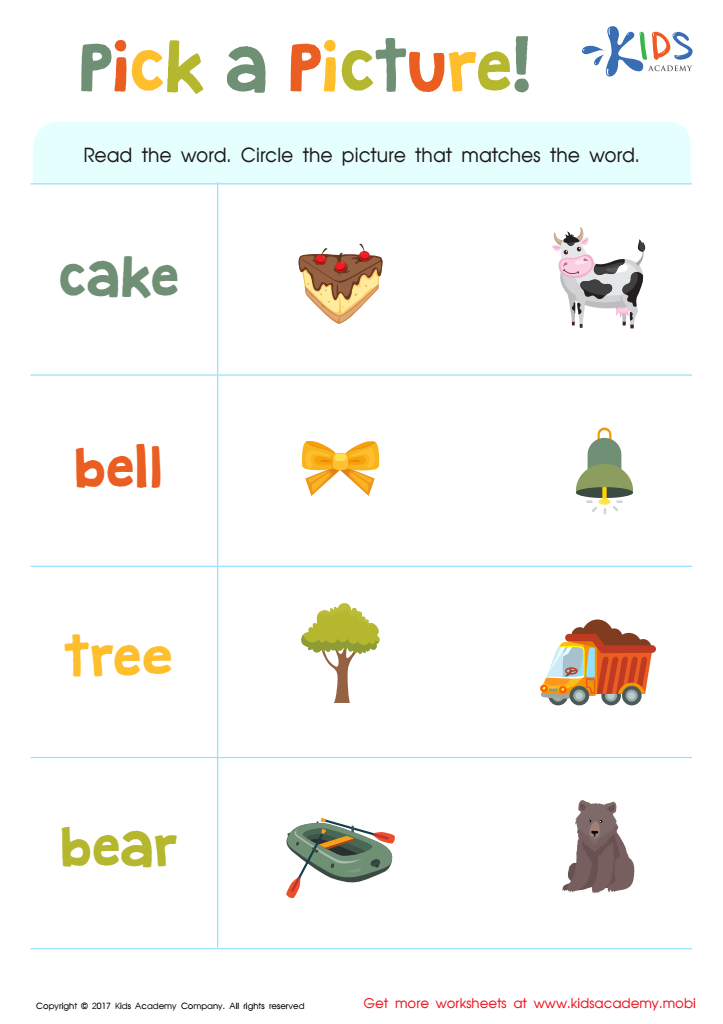
Pick a Picture Word Recognition Worksheet
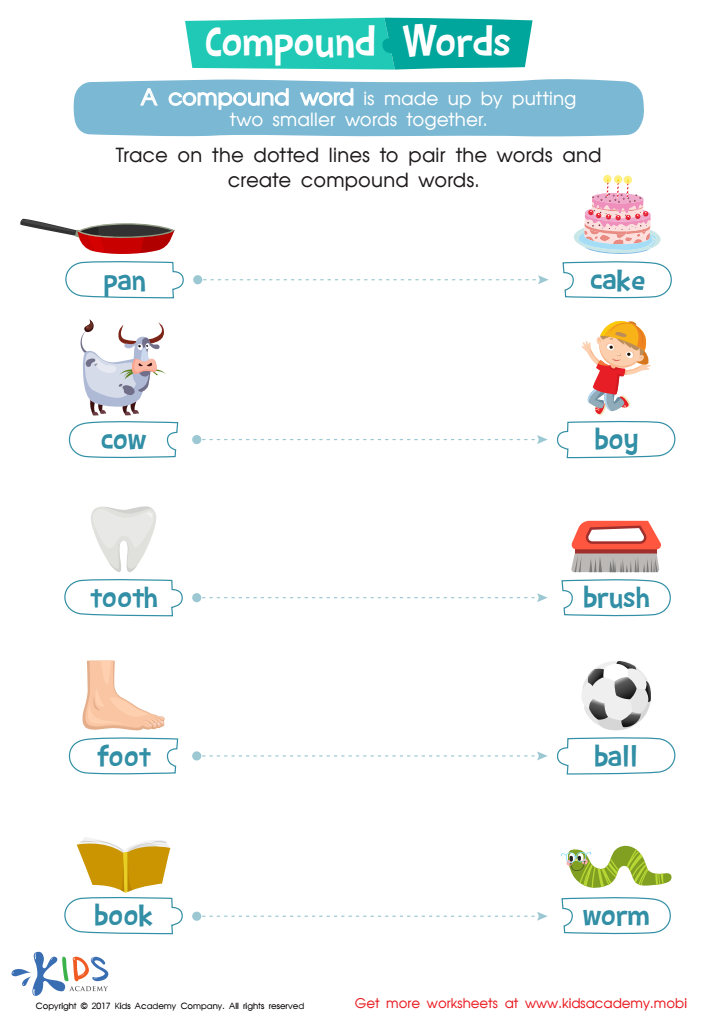
Compound Words Word Structure Worksheet
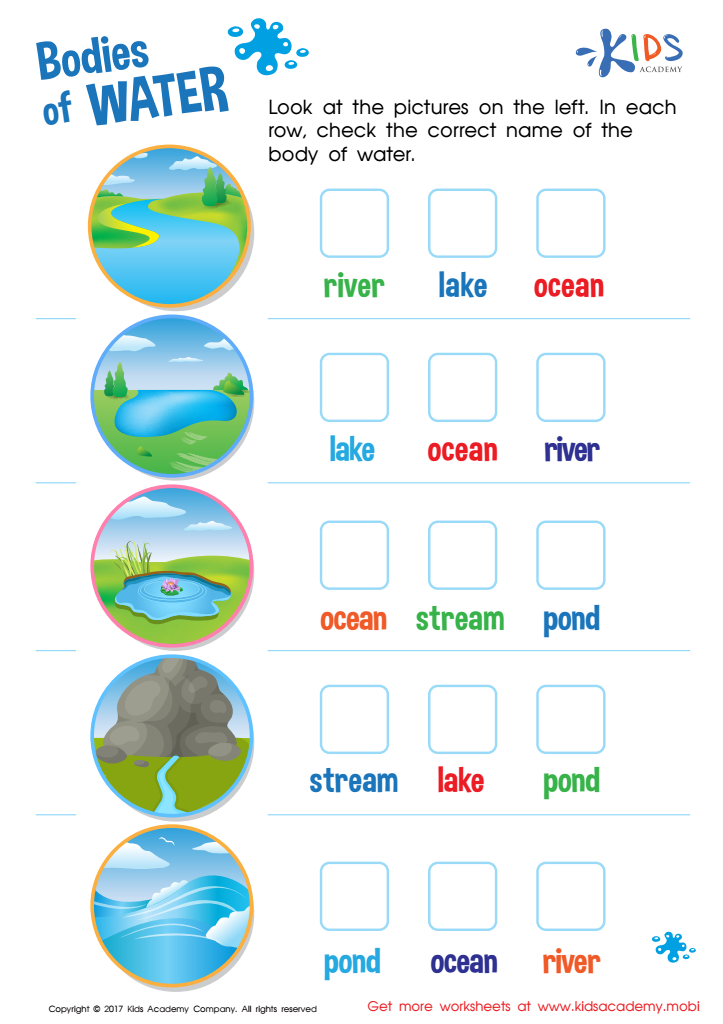
Bodies of Water Worksheet
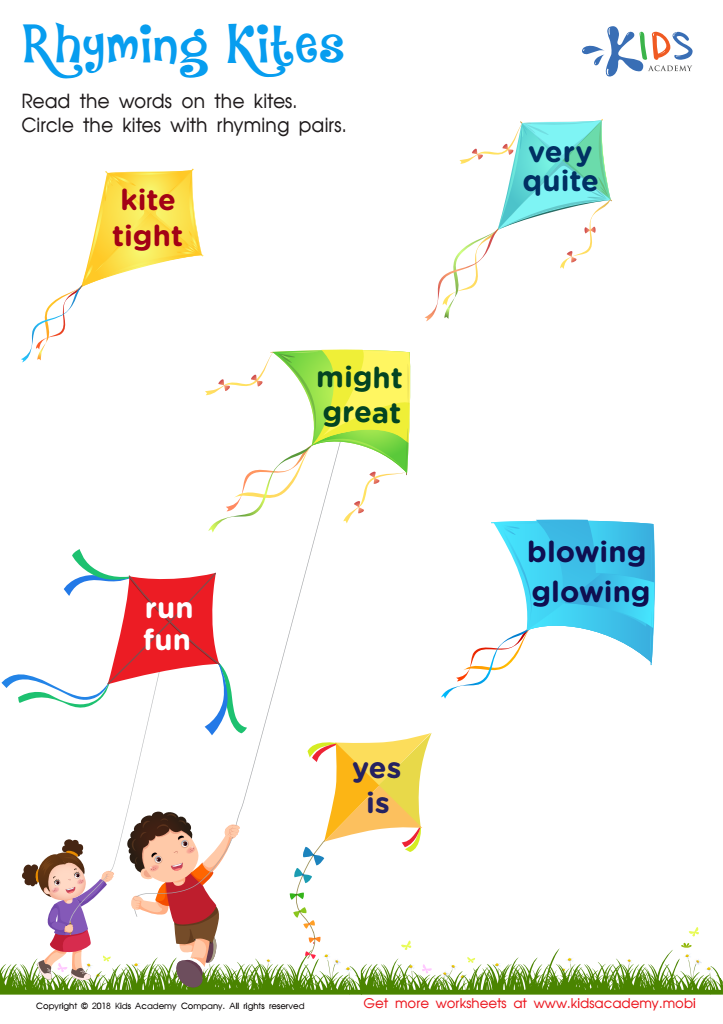
Rhyming Kites Worksheet
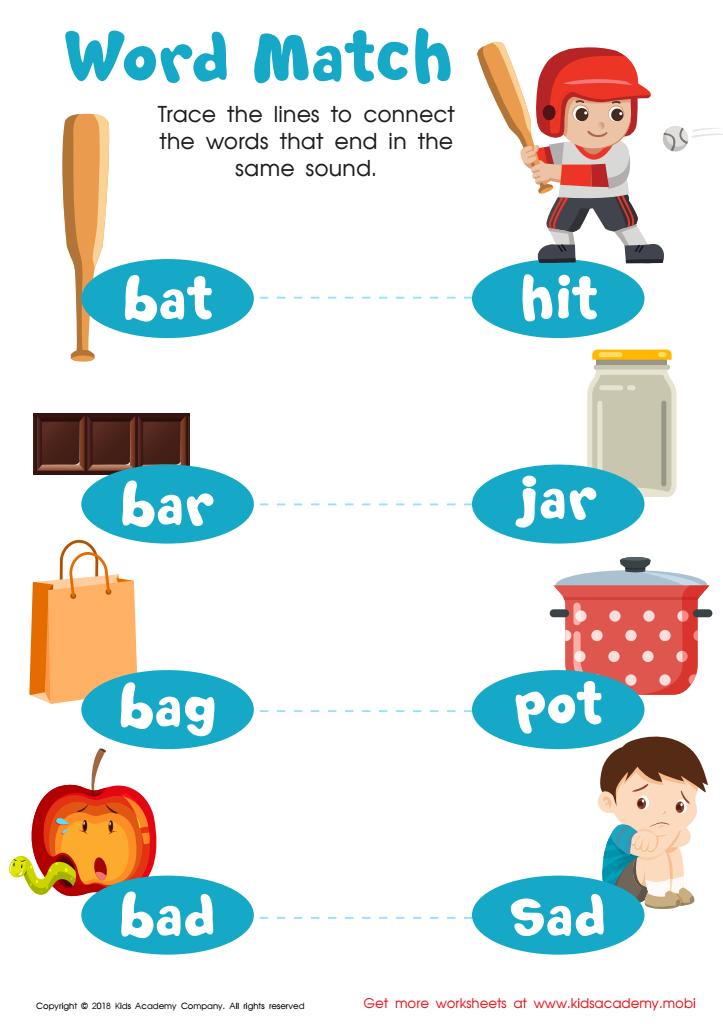
Word Match Reading Worksheet
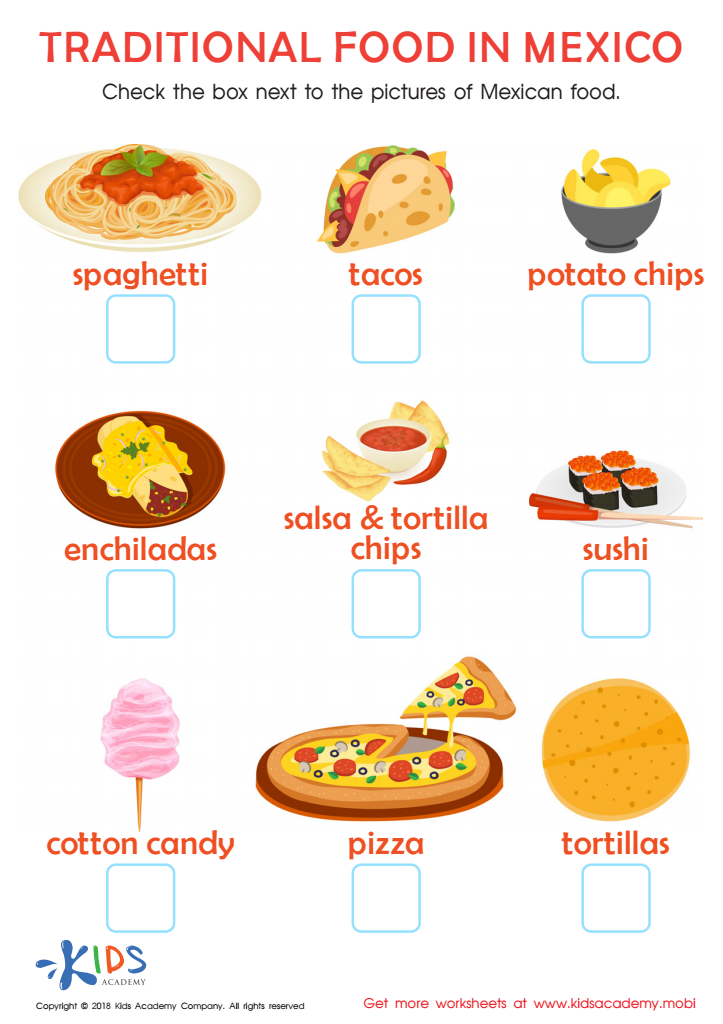
Traditional Food in Mexico Worksheet
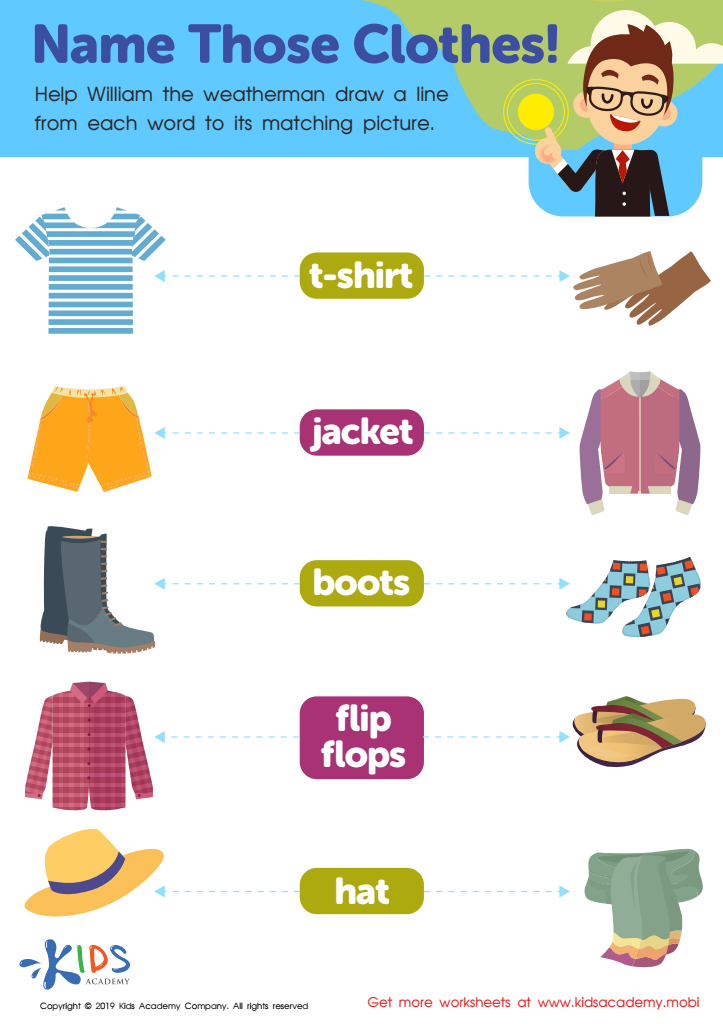
Name Those Clothes Worksheet
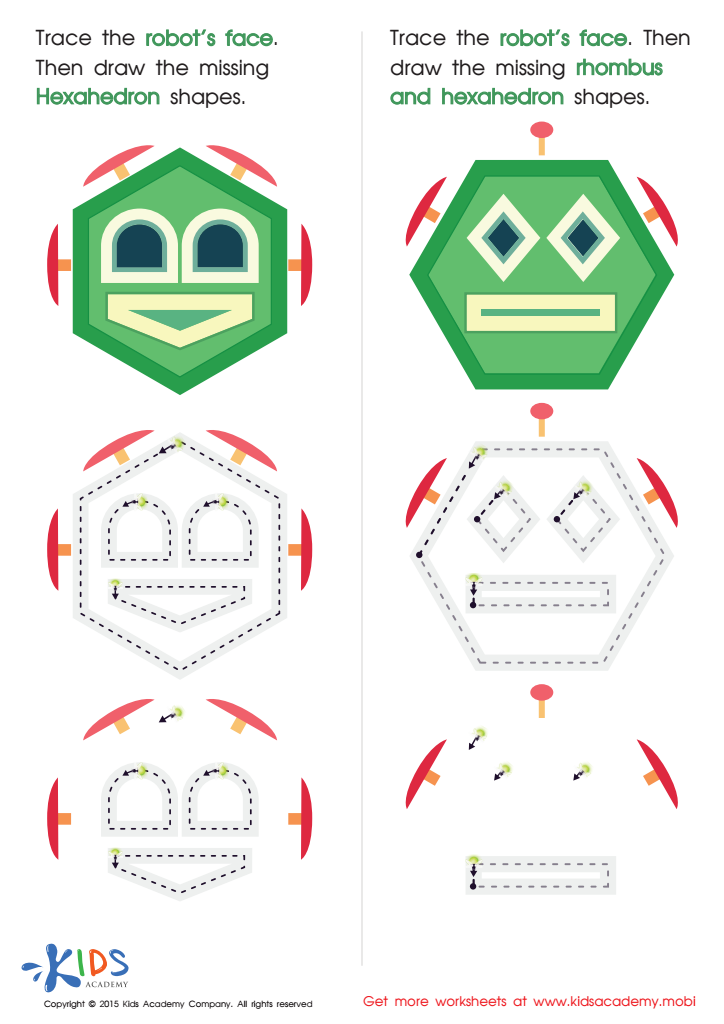
Practice Drawing Hexahedrons And a Rhombus Worksheet
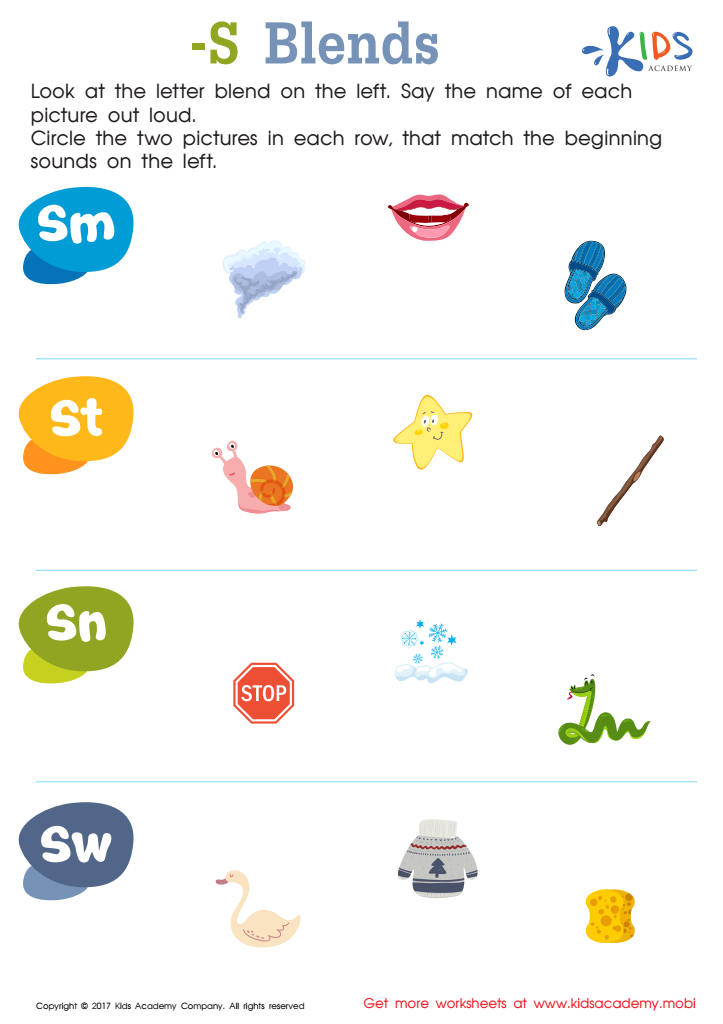
"s" Blends Spelling Printable
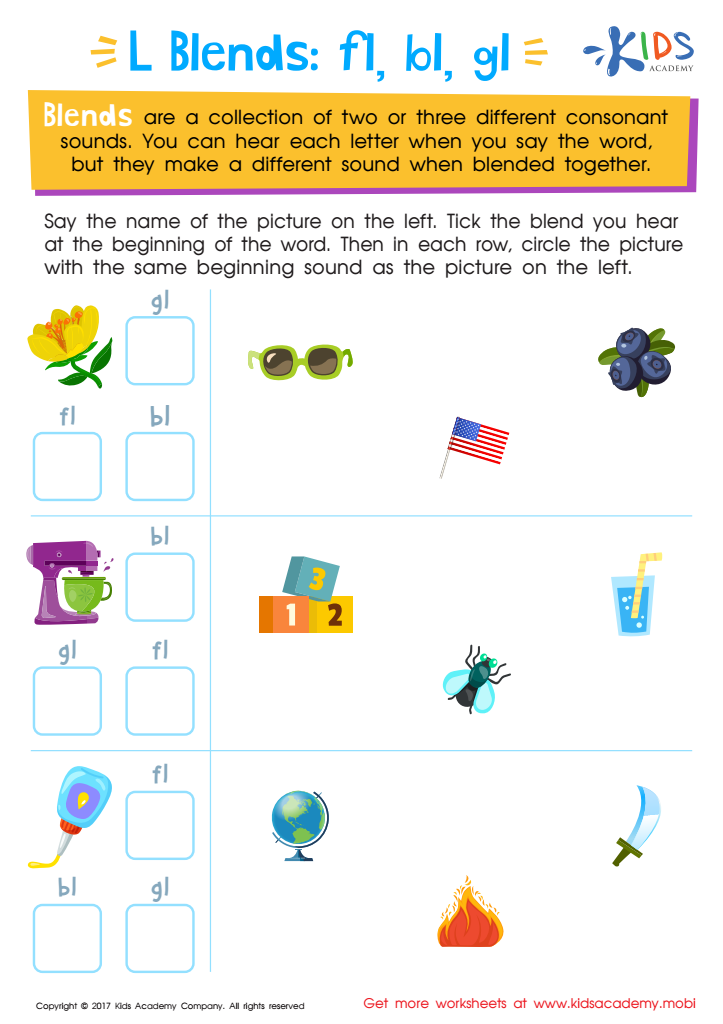
Blending Consonants: "Fl", "Bl" and "Gl" Printable
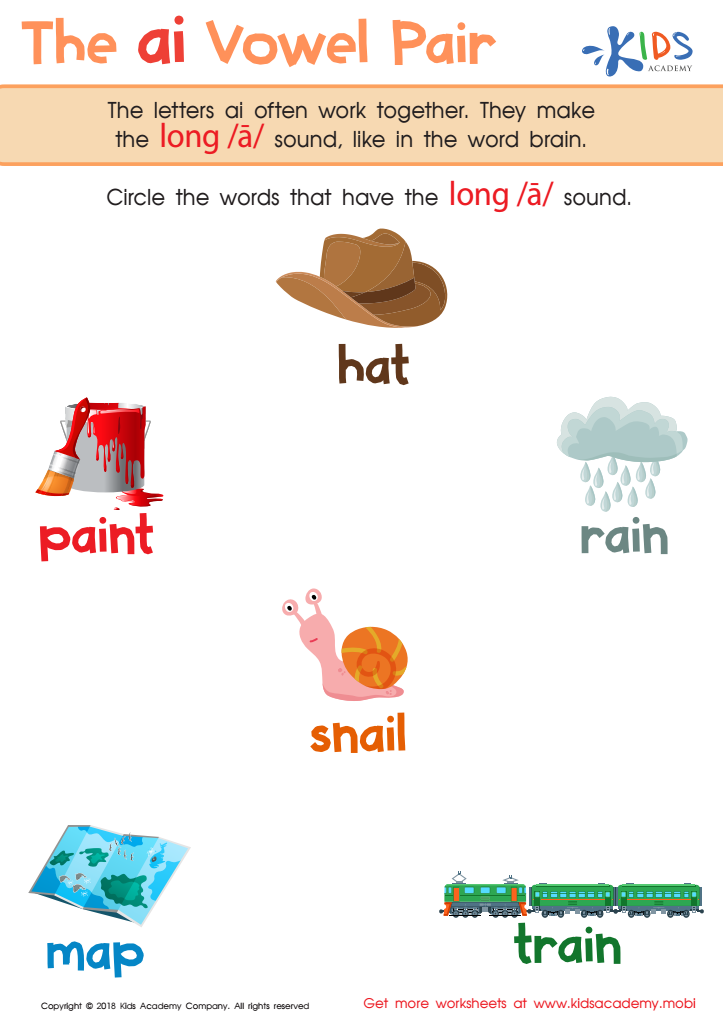
The AI Vowel Pair Worksheet
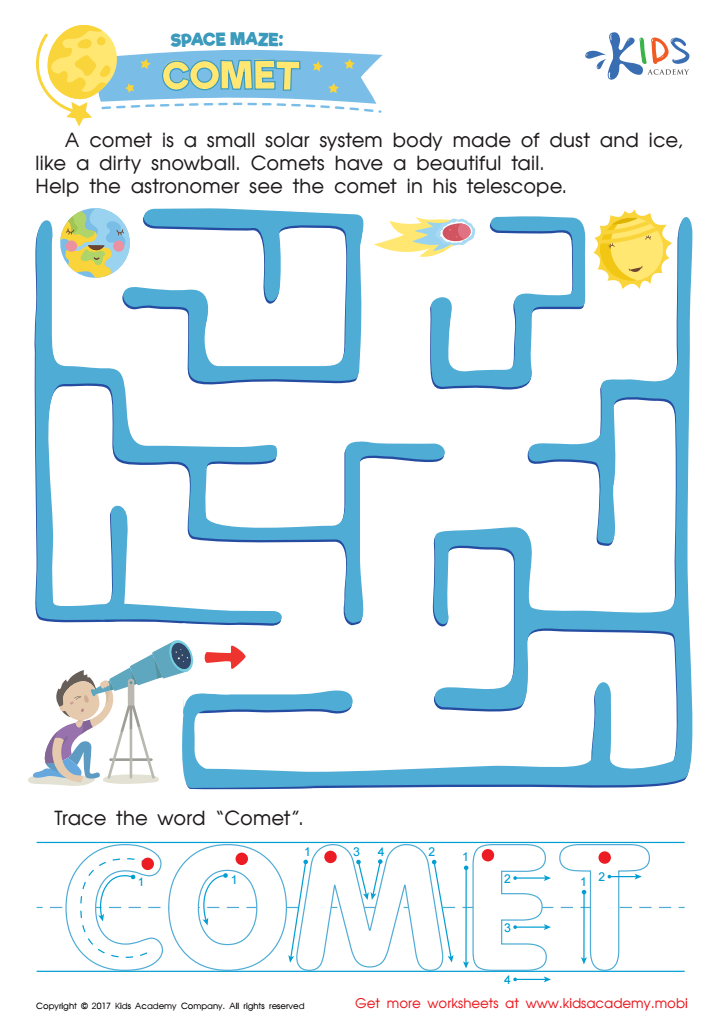
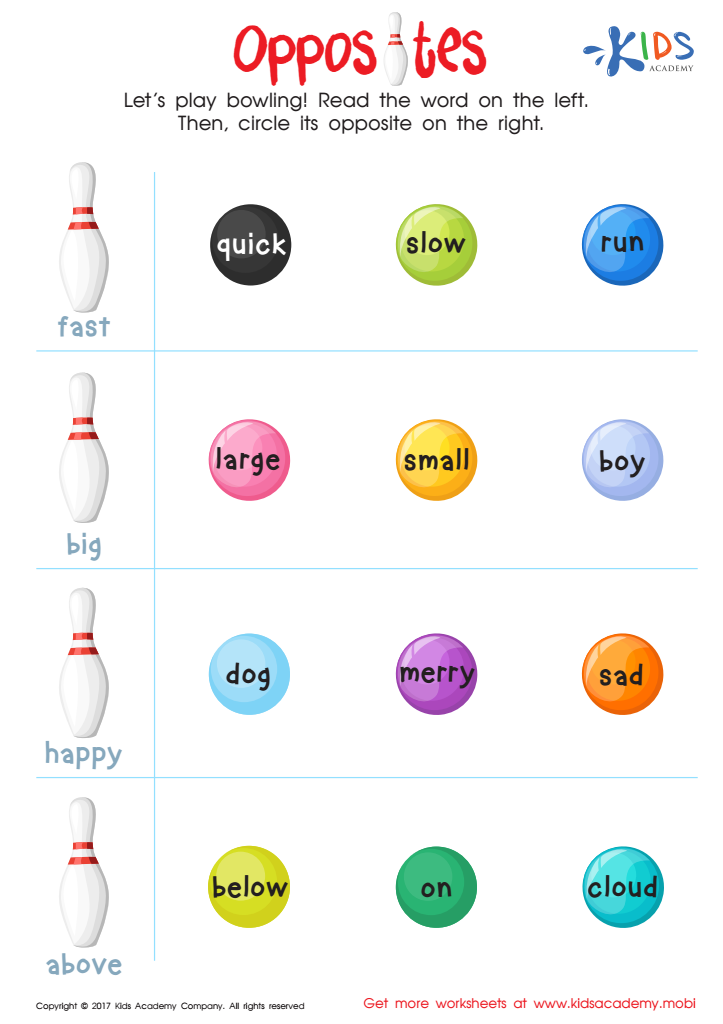
Opposites Worksheet
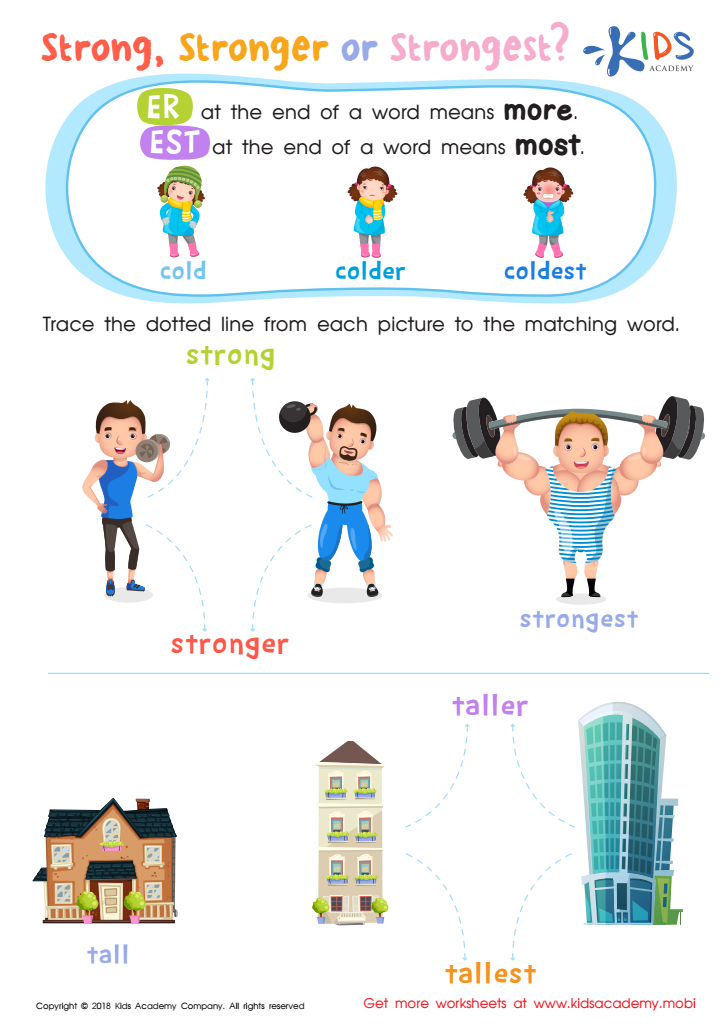
Strong or Stronger? Worksheet
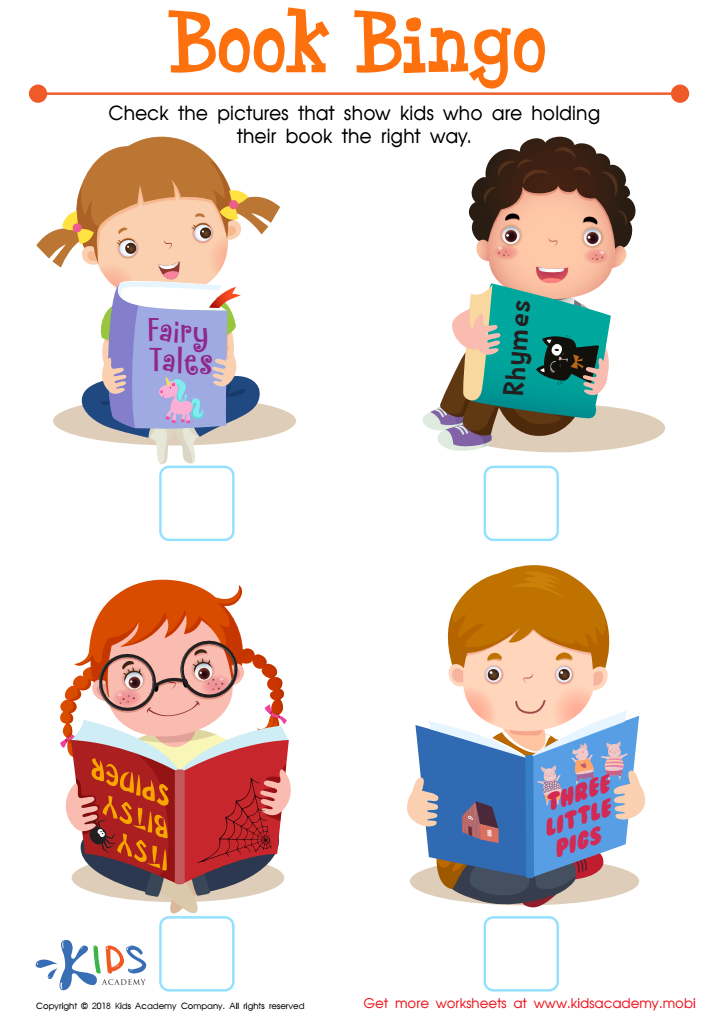
Book Bingo Worksheet
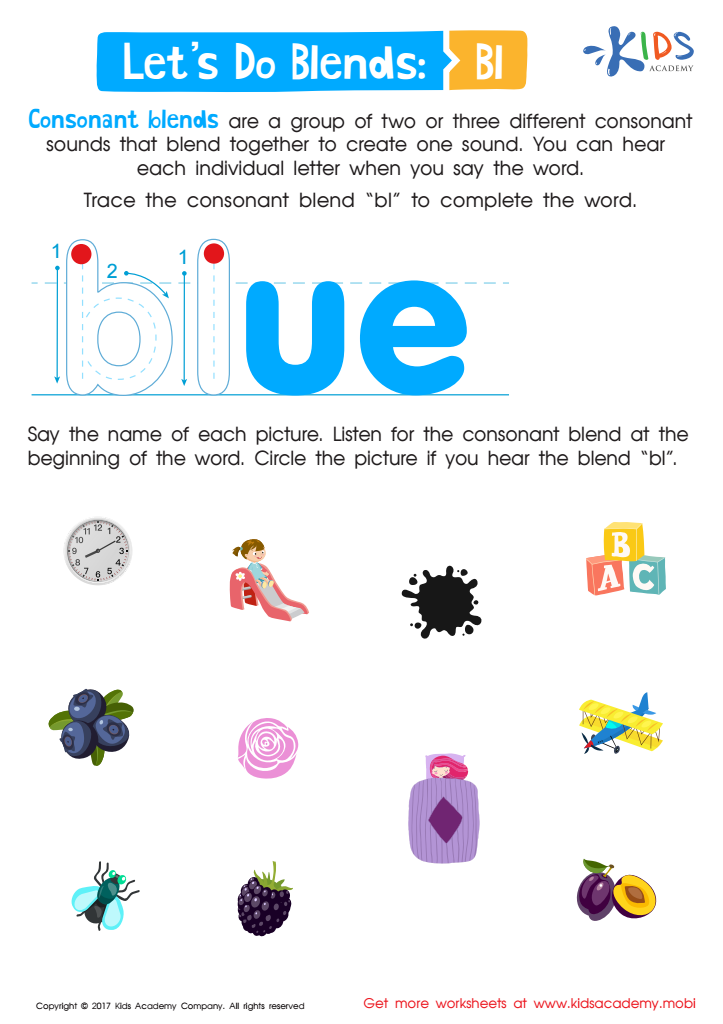
Beginning Blends: "Bl" Words Worksheet
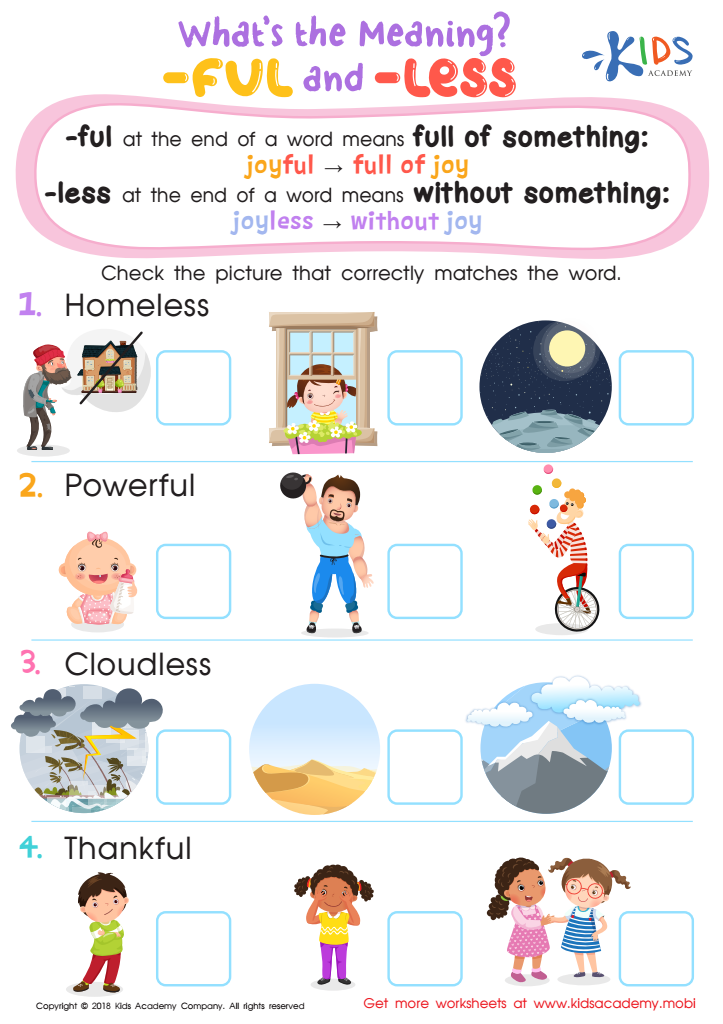
What's the Meaning? Worksheet
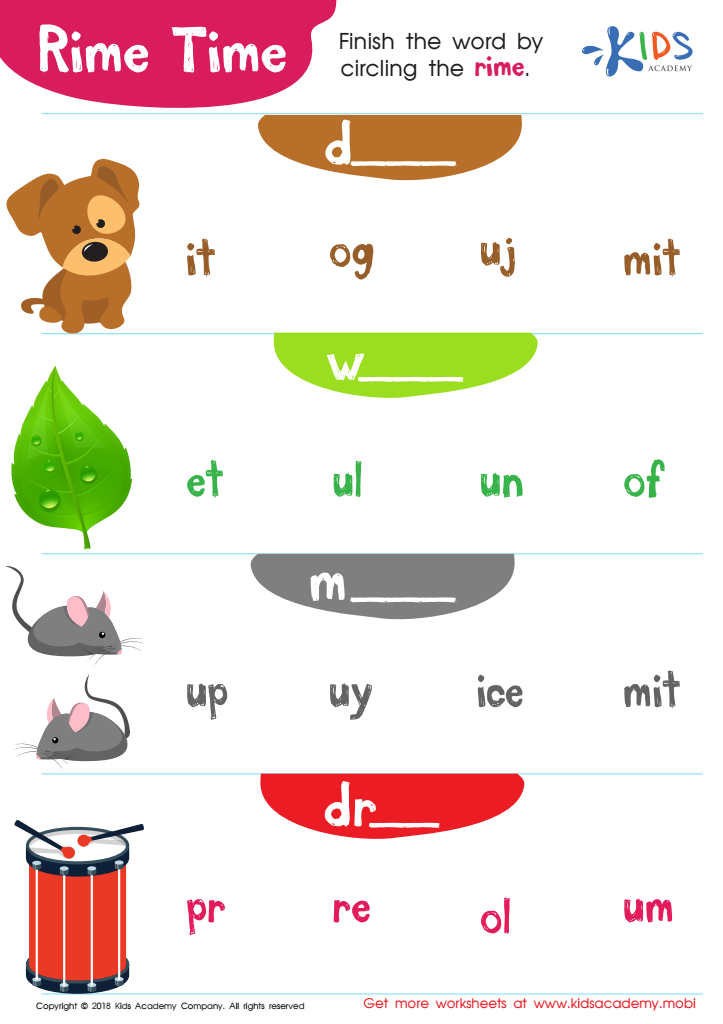
Rime Time Worksheet
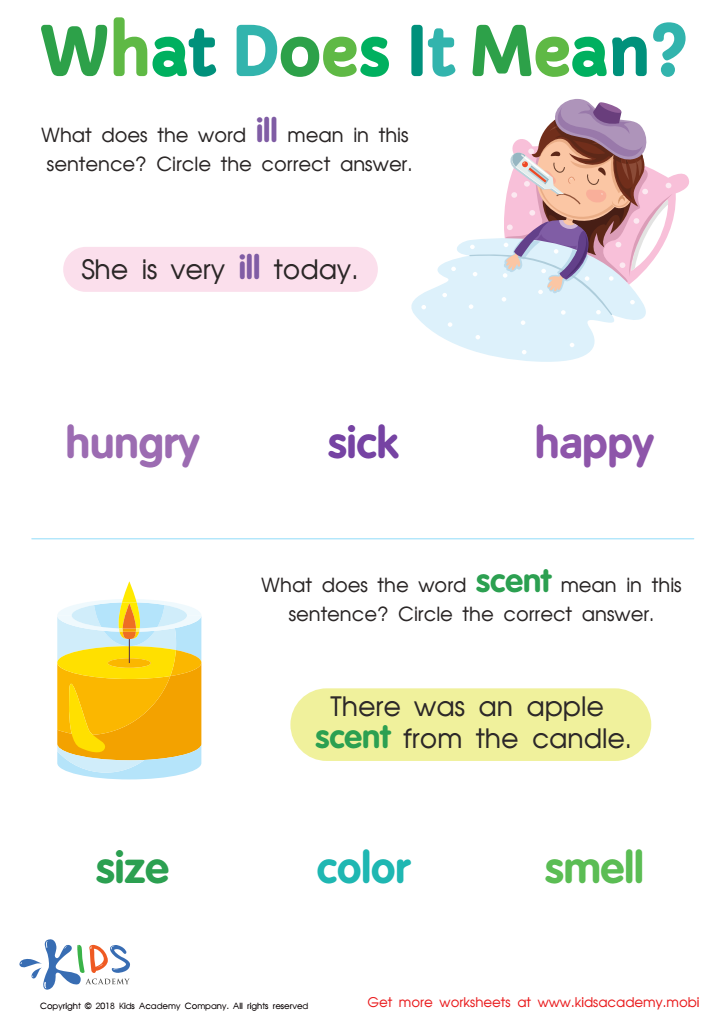
What Does It Mean? Worksheet
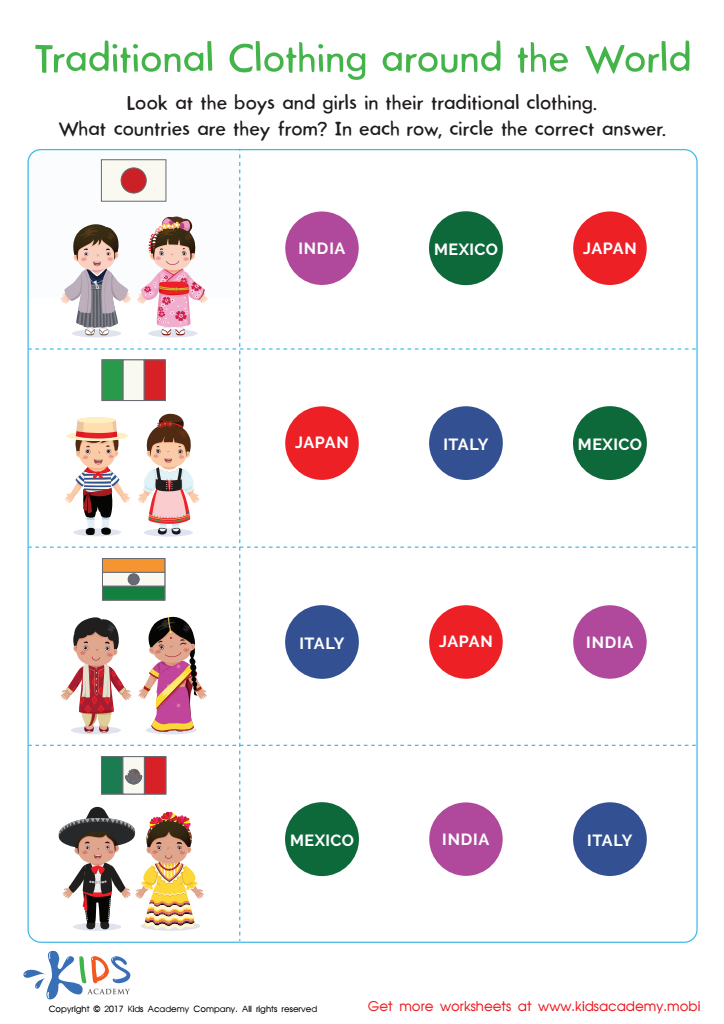
Traditional Clothing Worksheet
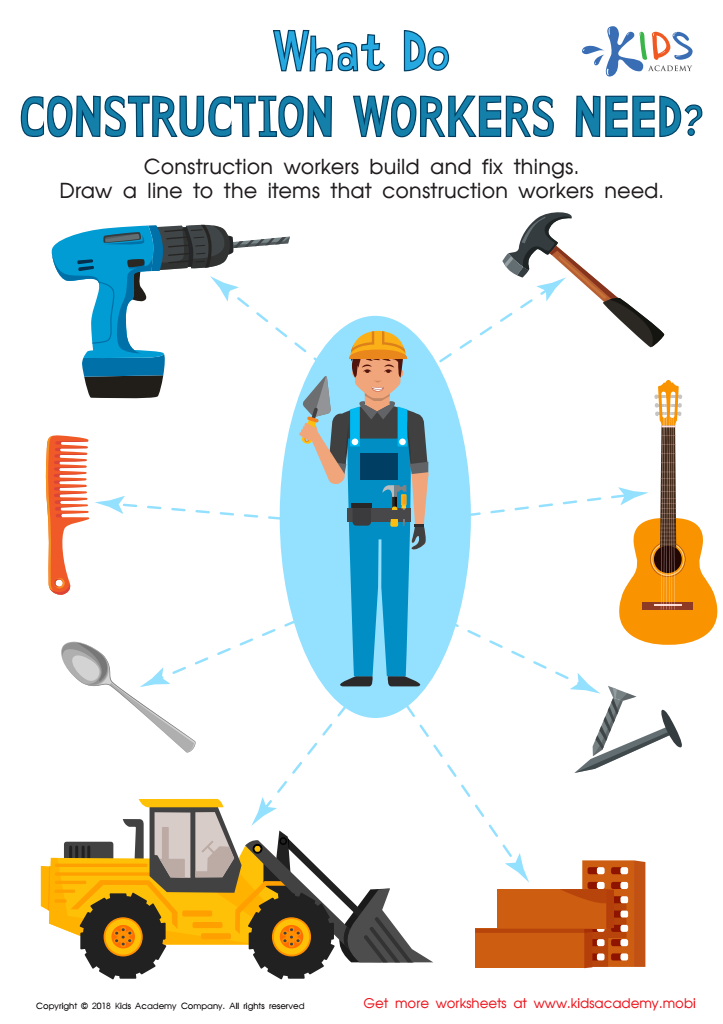
What Do Construction Workers Need? Worksheet


.jpg)





Vocabulary expansion is a crucial aspect of a child’s development for ages 4-6, and both parents and teachers should prioritize it for several compelling reasons. At this stage, children’s brains are like sponges, absorbing language and information at an astonishing rate. A rich vocabulary enhances their ability to communicate effectively, which is fundamental for their social and emotional development.
Firstly, an extensive vocabulary helps children express their thoughts, needs, and emotions more clearly, reducing frustration and behavioral issues that arise from miscommunication. Secondly, vocabulary is directly linked to academic success; children with a broader range of words comprehend reading material better and perform well in literacy-related tasks. This early advantage often leads to a positive attitude towards learning, laying the groundwork for future educational attainment.
Moreover, vocabulary expansion fosters critical thinking and cognitive development. As children learn new words, they also learn to categorize objects, understand relationships, and grasp abstract concepts, thereby enhancing their problem-solving skills. Parents and teachers act as pivotal guides; through daily conversations, storytelling, and reading, they can introduce new and diverse words.
In essence, investing in vocabulary development during these years ensures that children have the tools they need for successful communication, learning, and social interaction throughout life. Prioritizing this aspect of early education sets the stage for a well-rounded, confident, and capable individual.








