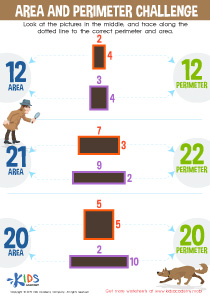
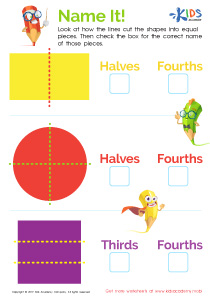
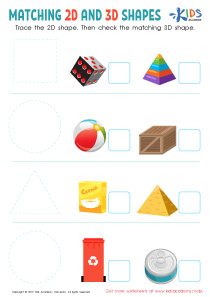
Following instructions 2D Shapes Worksheets for Ages 4-6
3 filtered results
Difficulty Level
Grade
Age
-
From - To
Subject
Activity
Standards
Discover our engaging "Following Instructions 2D Shapes Worksheets for Ages 4-6." These hands-on printable activities are crafted to enhance young children's understanding of geometric shapes while boosting their ability to follow directions. Each worksheet offers fun and interactive tasks that capture kids' attention, making learning both enjoyable and effective. Our worksheets are designed to develop important skills such as shape recognition, fine motor skills, and cognitive ability. Ideal for home or classroom use, these resources provide a solid foundation for early math success. Explore our collection and watch your child's confidence soar as they master 2D shapes!
Favorites
With answer key
Interactive
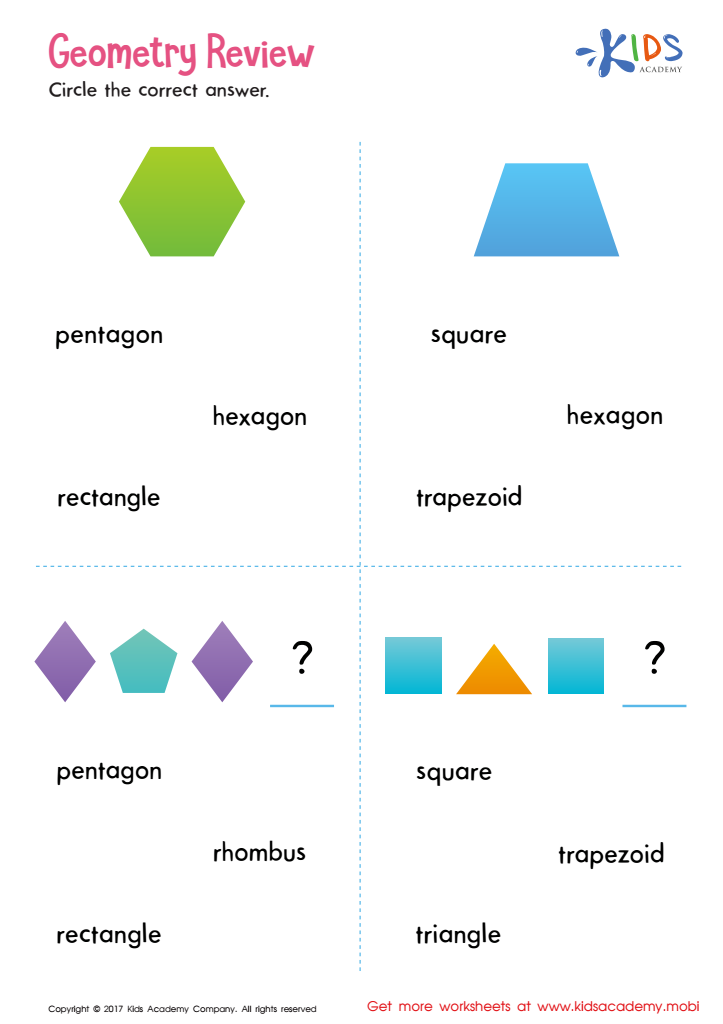
Geometry Review Printable
Repetition is key to success; give your child the practice they need with this geometry worksheet.
 Assign to My Students
Geometry Review Printable
Worksheet

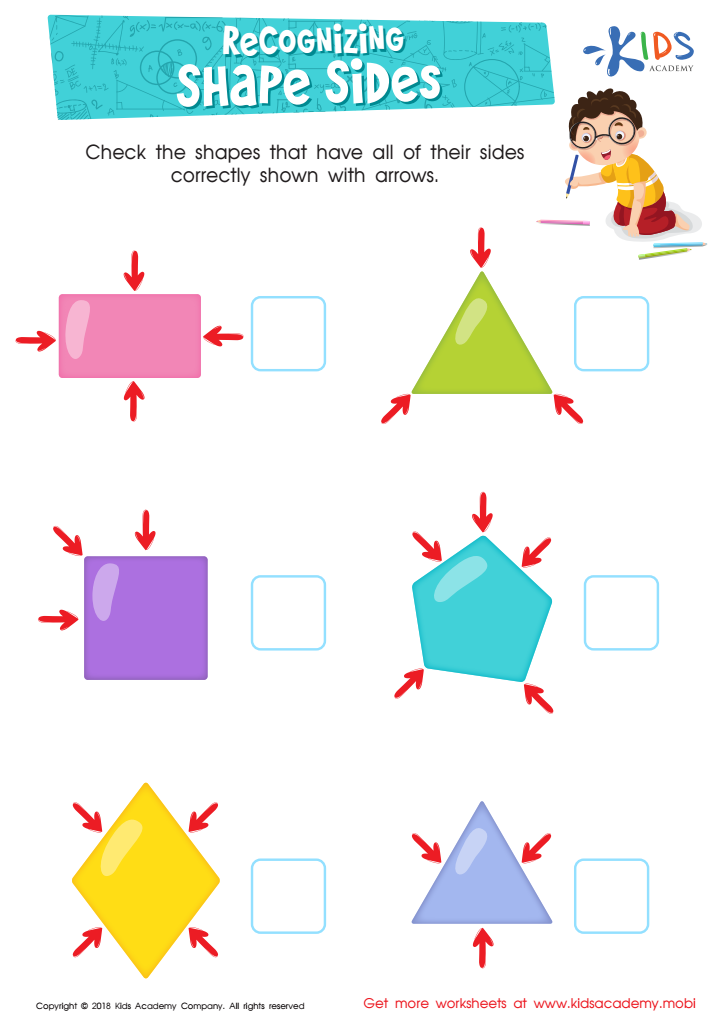
Recognizing Shape Sides Worksheet
This exercise will help your child recognize shape sides. Go over the difference between sides and angles first, then have them check the shapes with arrows to show the sides. They'll quickly get the hang of it and find it much easier after completing the colorful worksheet.
Recognizing Shape Sides Worksheet
Worksheet
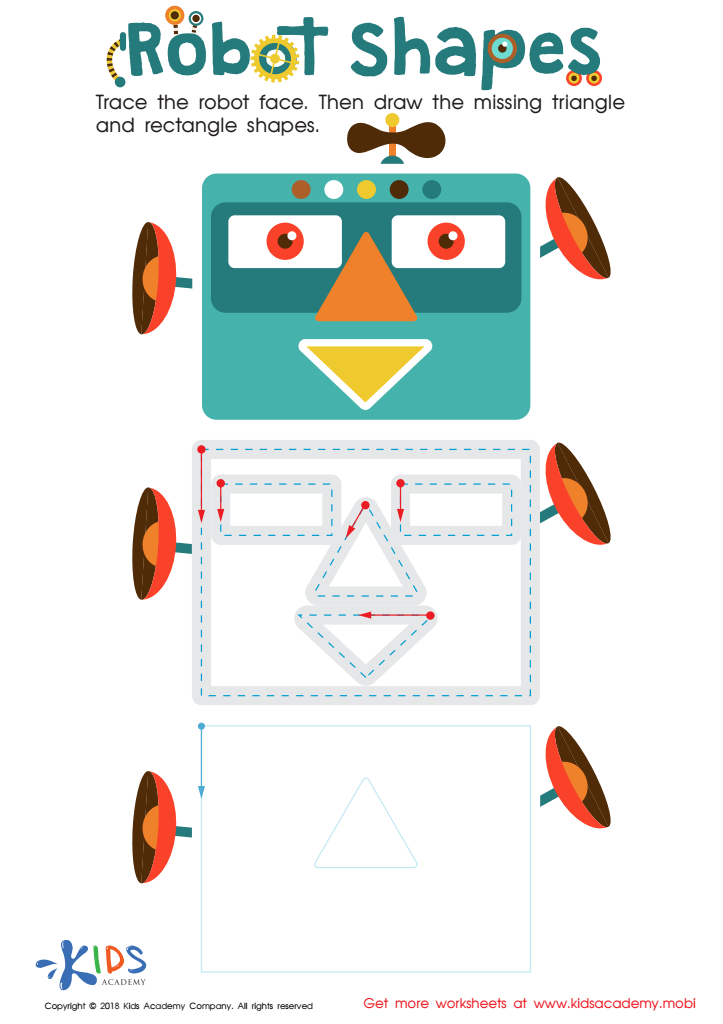
Robot Shapes Worksheet
Help your preschooler get started with math skills while having fun with this shape tracing worksheet featuring a cute robot! Ask them to study the first image, trace the dotted lines to draw the shapes in the second, and color the third. With this activity, they'll learn shapes while enjoying the funny robot pictures!
Robot Shapes Worksheet
Worksheet
Join Kids Academy for Free
Who is primarily going to use this learning content?








For children ages 4-6, learning about 2D shapes is about more than just recognizing circles, squares, and triangles; it's an essential foundation for cognitive, social, and academic development. Here’s why parents and teachers should care:
Firstly, understanding 2D shapes enhances cognitive skills. It involves critical thinking and problem-solving as children observe and differentiate between shapes. This aids in their ability to classify and categorize objects, fundamental skills for future math and science learning. Following instructions related to 2D shapes also improves listening abilities and memory, as children need to recall the characteristics of shapes and adhere to given guidance.
Moreover, this learning fosters fine motor skills. Tasks like drawing, cutting, and pasting shapes require precise hand movements, which boost hand-eye coordination and prepare children for writing.
Socially, shape activities often involve teamwork and communication. When children engage in group tasks, they learn to articulate ideas, follow directions, and cooperate, promoting emotional intelligence and social aptitude.
In addition, 2D shape knowledge supports literacy. Recognizing patterns, symbols, and sequences links directly to understanding letters and numbers, making early reading and math easier.
In essence, teaching 2D shapes within structured instruction is fundamental as it supports broader developmental milestones, equipping young children with the essential skills they need for educational success and personal growth.