Counting skills Addition and Subtraction Word Problems Worksheets for Ages 4-6
11 filtered results
-
From - To
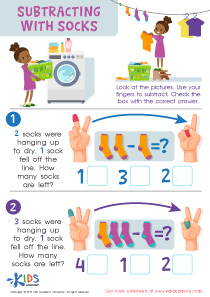
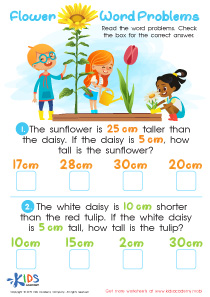
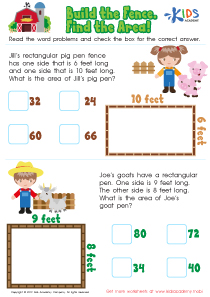
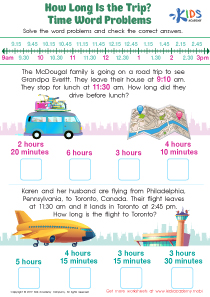
Introduce your little learners to the world of addition and subtraction with our engaging Counting Skills Word Problems Worksheets designed specifically for ages 4-6! These worksheets feature colorful illustrations and relatable scenarios, making math fun and accessible. Each activity promotes essential counting skills, helping children understand the concepts of addition and subtraction through real-life situations. With easy-to-follow instructions, these worksheets encourage problem-solving, critical thinking, and a solid foundation in early math. Perfect for independent practice or classroom use, our resources are an ideal way to foster a love for learning while enhancing your child's mathematical abilities. Jumpstart their math journey today!
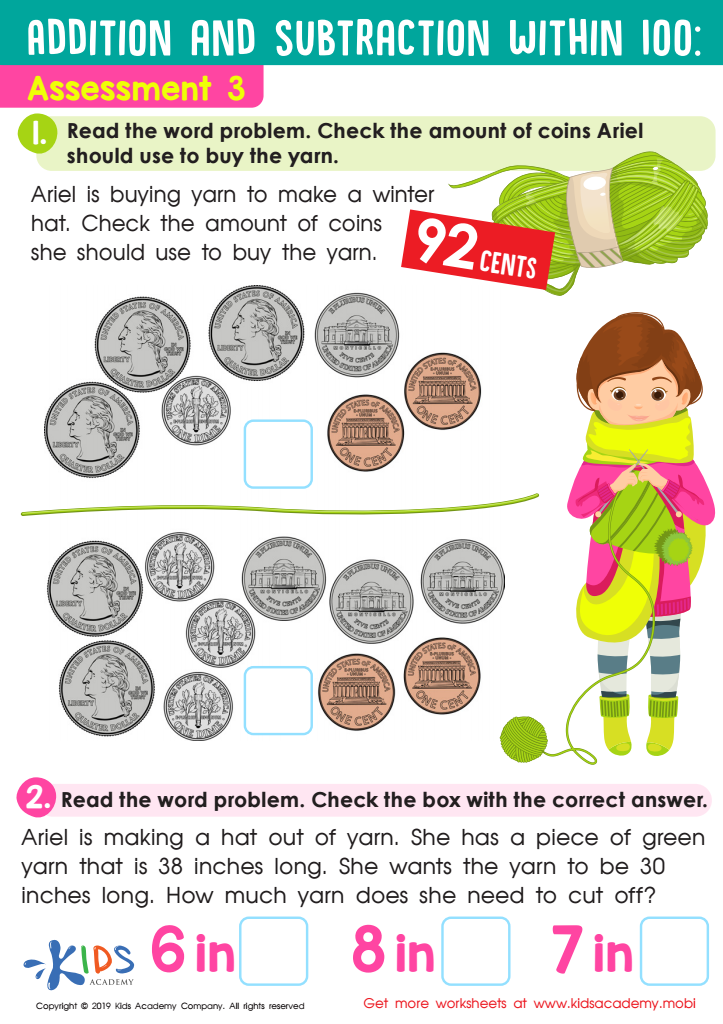
Assessment 3 Math Worksheet
 Assign to My Students
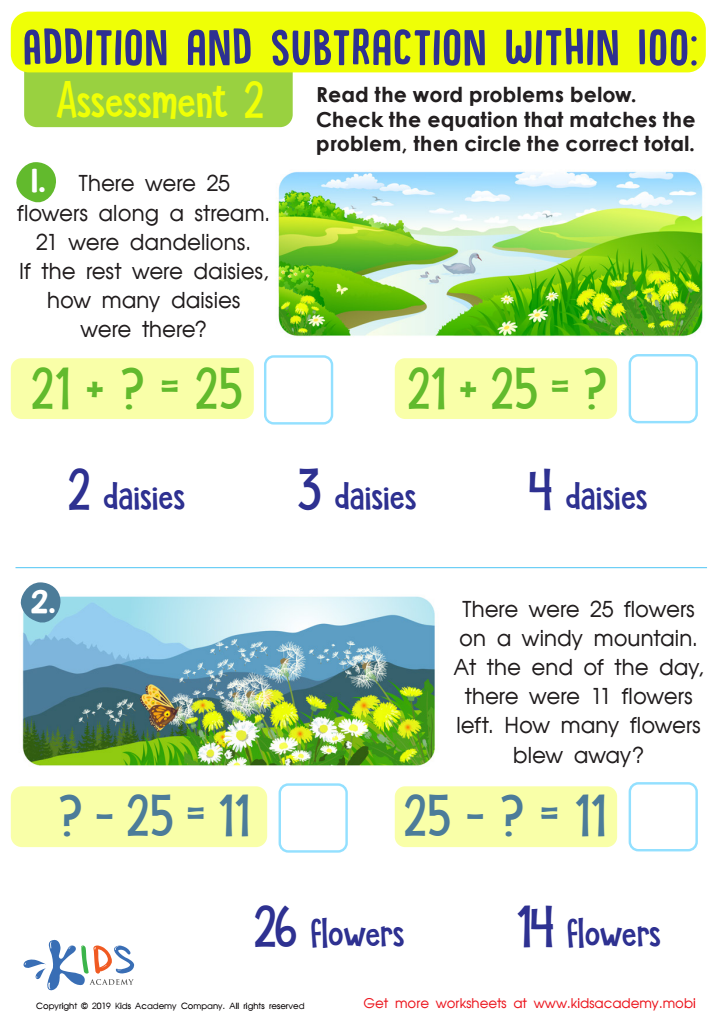
Assessment 2 Math Worksheet
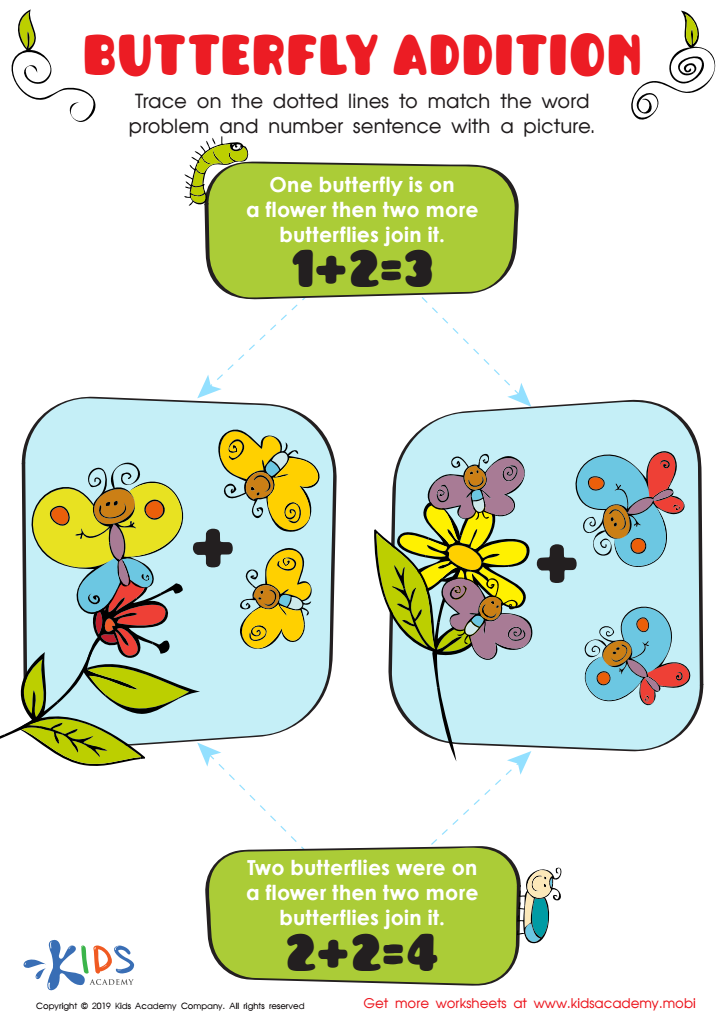
Butterfly Addition Worksheet
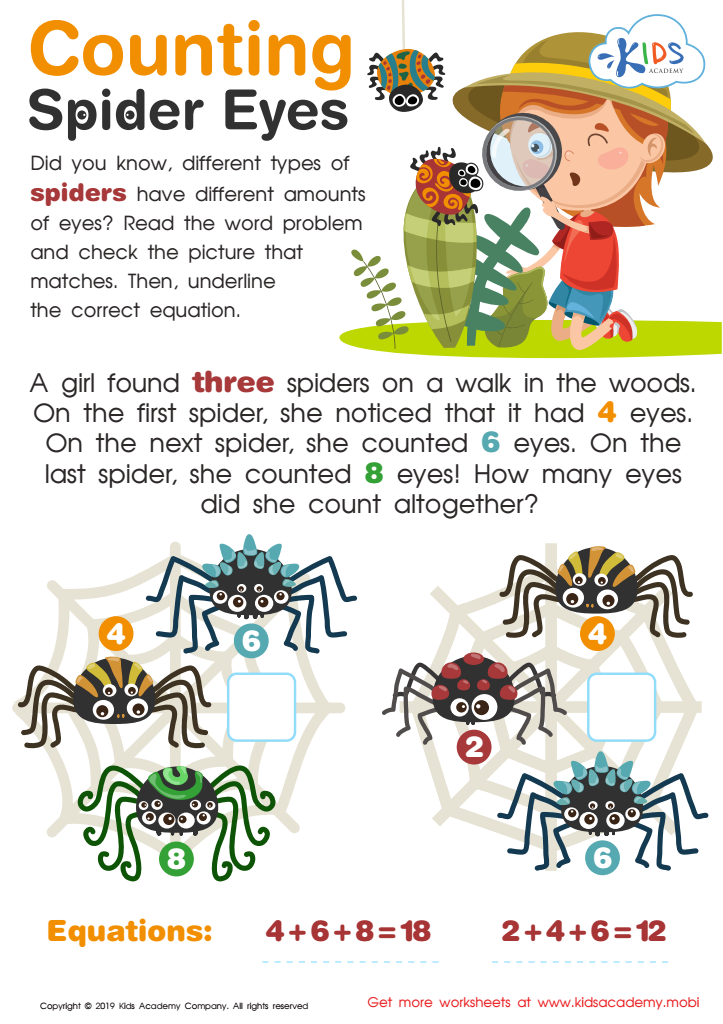
Counting Spider Eyes Worksheet
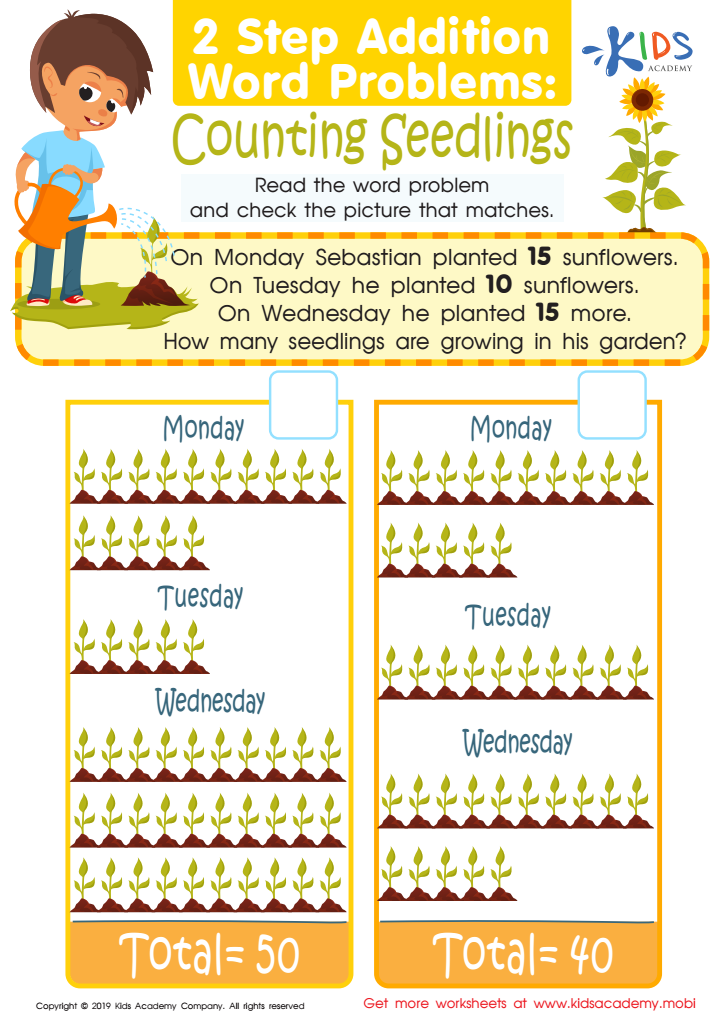
Counting Seedlings Worksheet
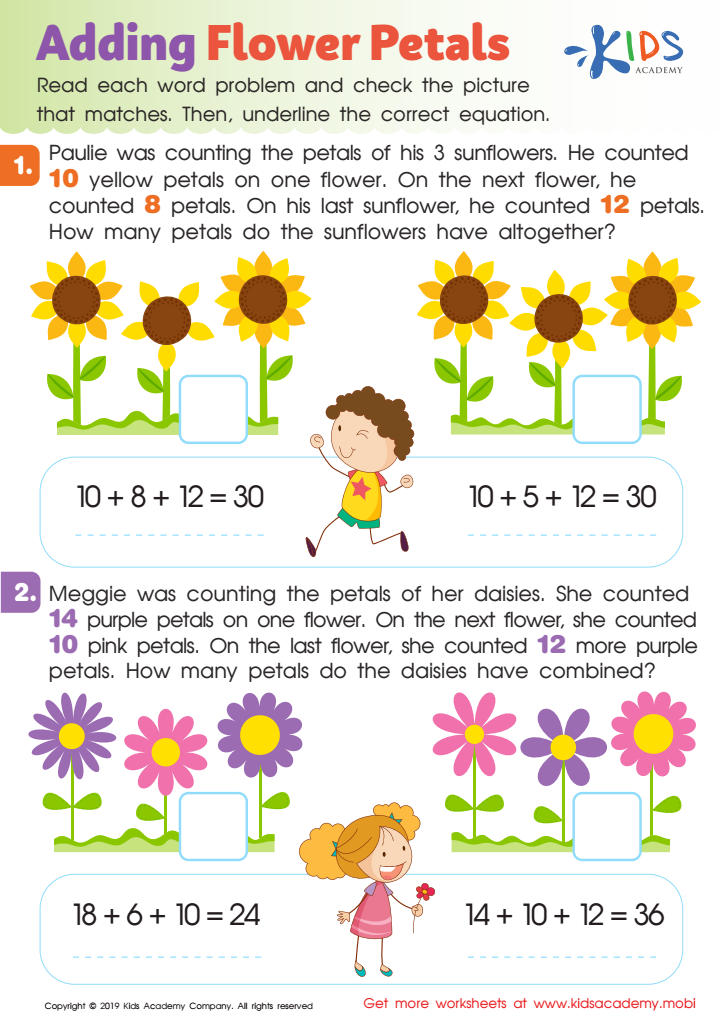
Adding Flower Petals Worksheet
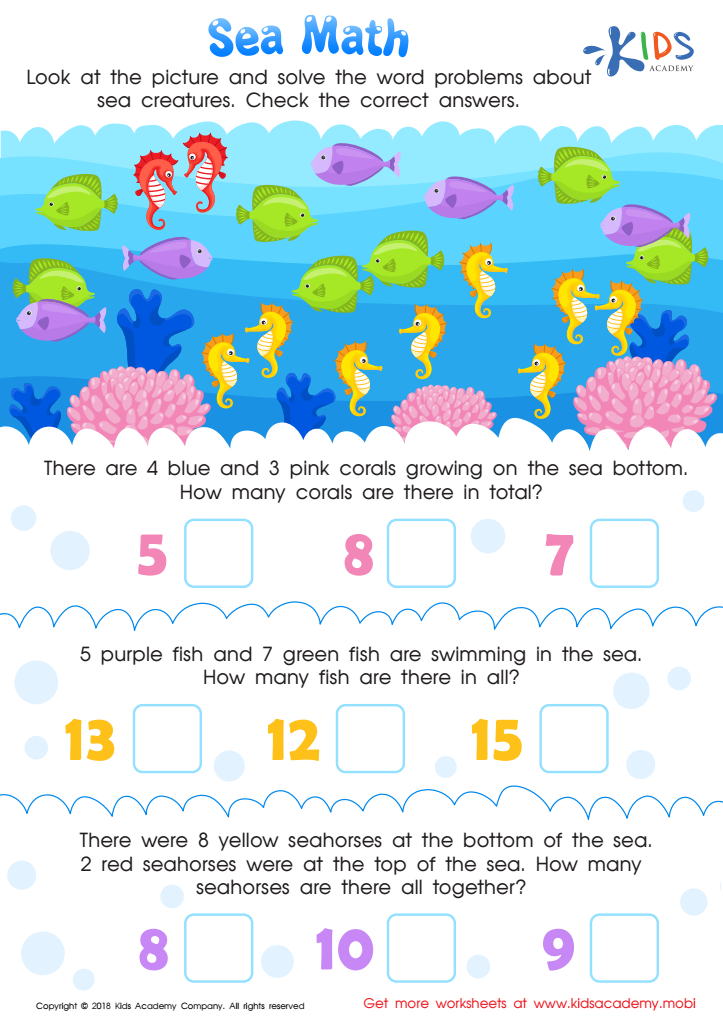
Sea Math Worksheet
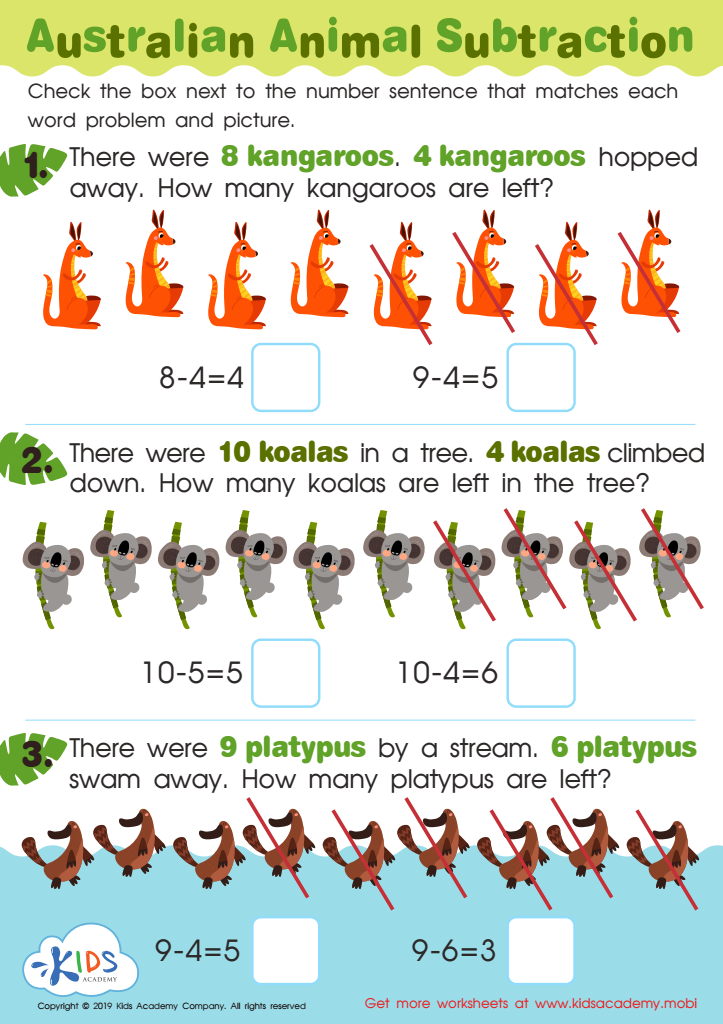
Australian Animal Subtraction Worksheet
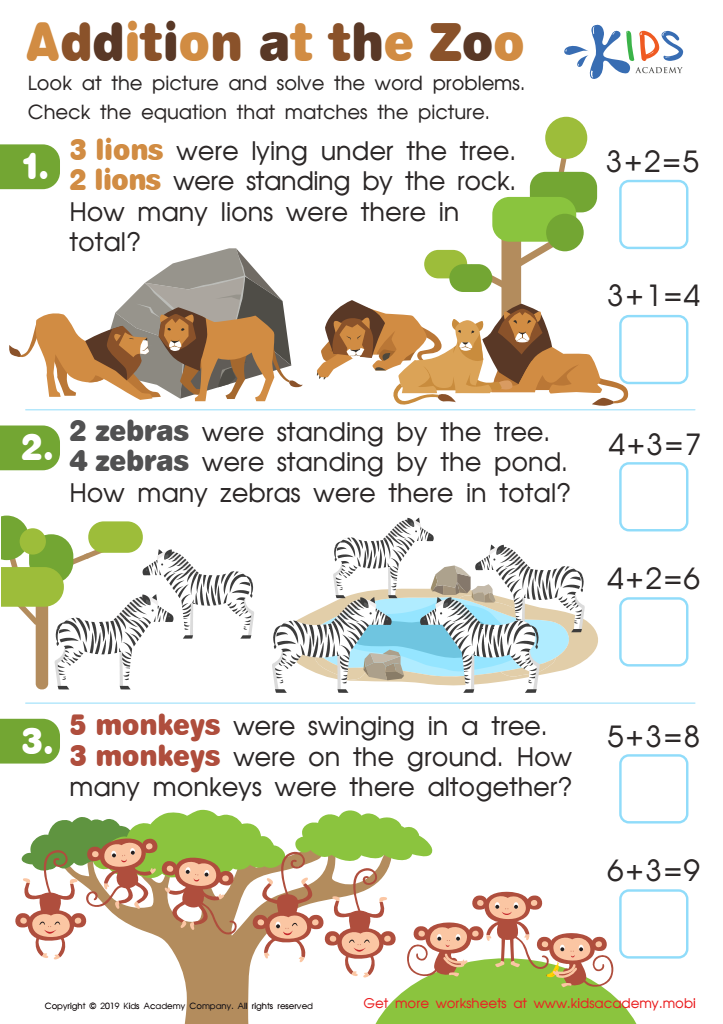
Addition at the Zoo Worksheet
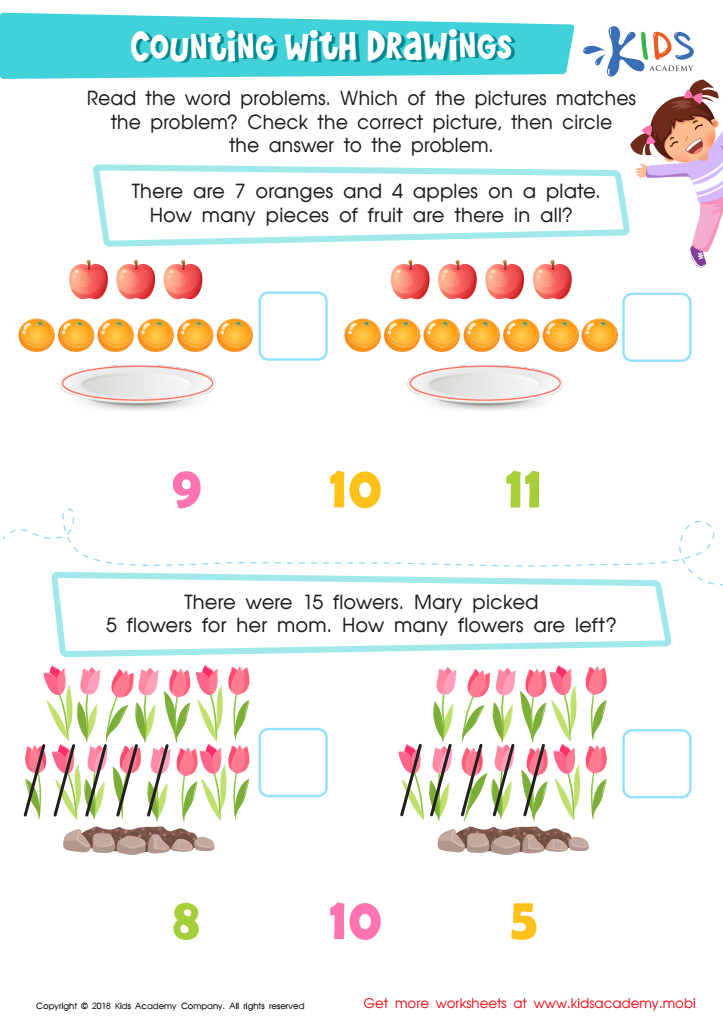
Counting with Drawings:Fruits & Flowers Worksheet
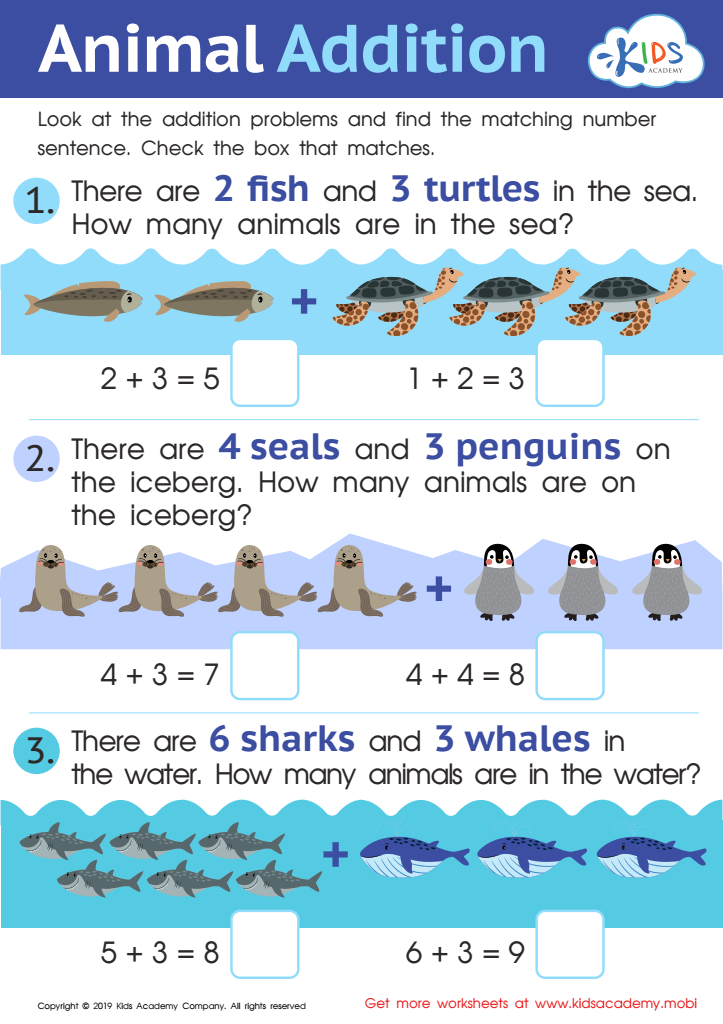
Animal Addition Worksheet








Counting skills, along with addition and subtraction word problems, are foundational elements of early math education for children aged 4-6. Parents and teachers should care about these skills for several important reasons.
Firstly, counting is the gateway to understanding numbers and quantitative reasoning. As children learn to count, they develop essential numeracy skills that underpin their ability to engage with more complex mathematical concepts later on. Recognizing and solving addition and subtraction word problems enhances their problem-solving capabilities, teaching them to interpret and analyze real-life situations mathematically.
Additionally, engaging with word problems fosters critical thinking and comprehension skills. Children learn to extract relevant information, which encourages them to make connections between math and the everyday world. This not only promotes cognitive development but also instills a sense of confidence and resilience in solving challenges.
Moreover, strong foundational skills in counting, addition, and subtraction form the basis for future academic success in mathematics and related subjects. When parents and teachers actively support the development of these skills, they are empowering children for lifelong learning and opening pathways to greater opportunities. Ultimately, nurturing these abilities helps to create a positive learning environment, laying the groundwork for students' ongoing mathematical Journeys.