Addition Practice Addition & Subtraction Worksheets for Ages 4-6 - Page 2
111 filtered results
-
From - To
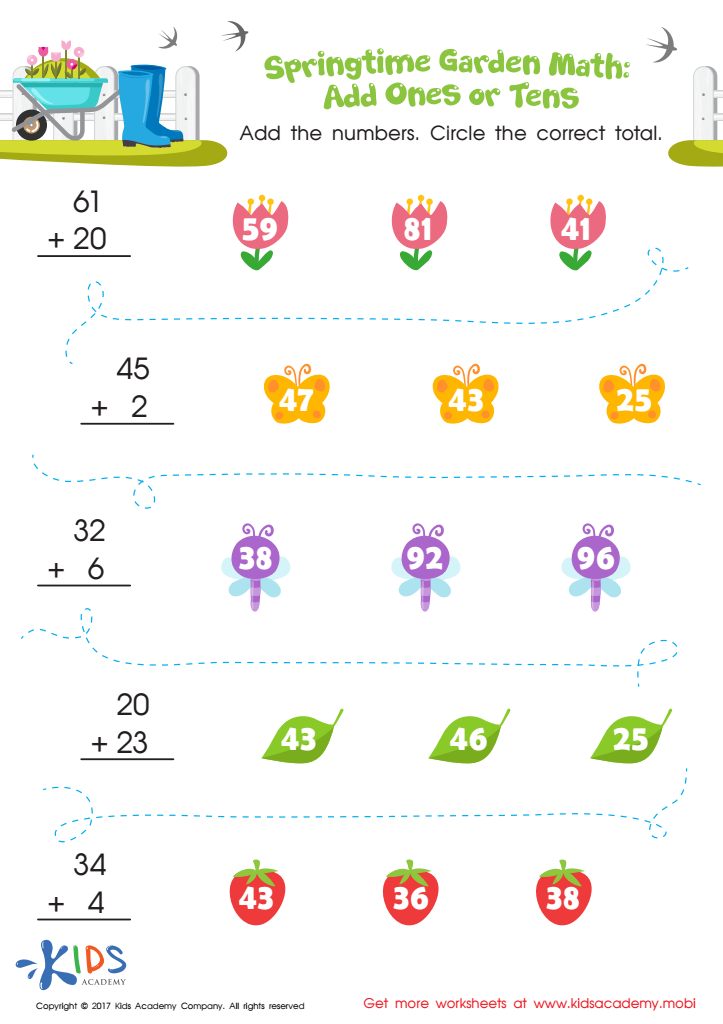
Springtime Garden Math Worksheet
 Assign to My Students
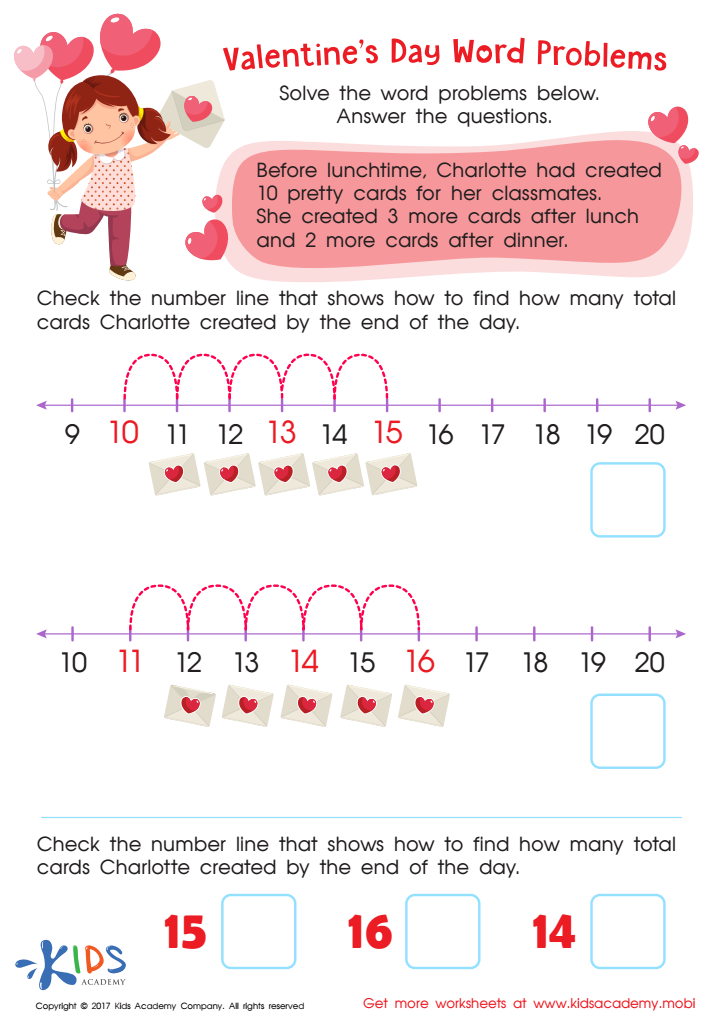
Valentines Day Word Problem Worksheet
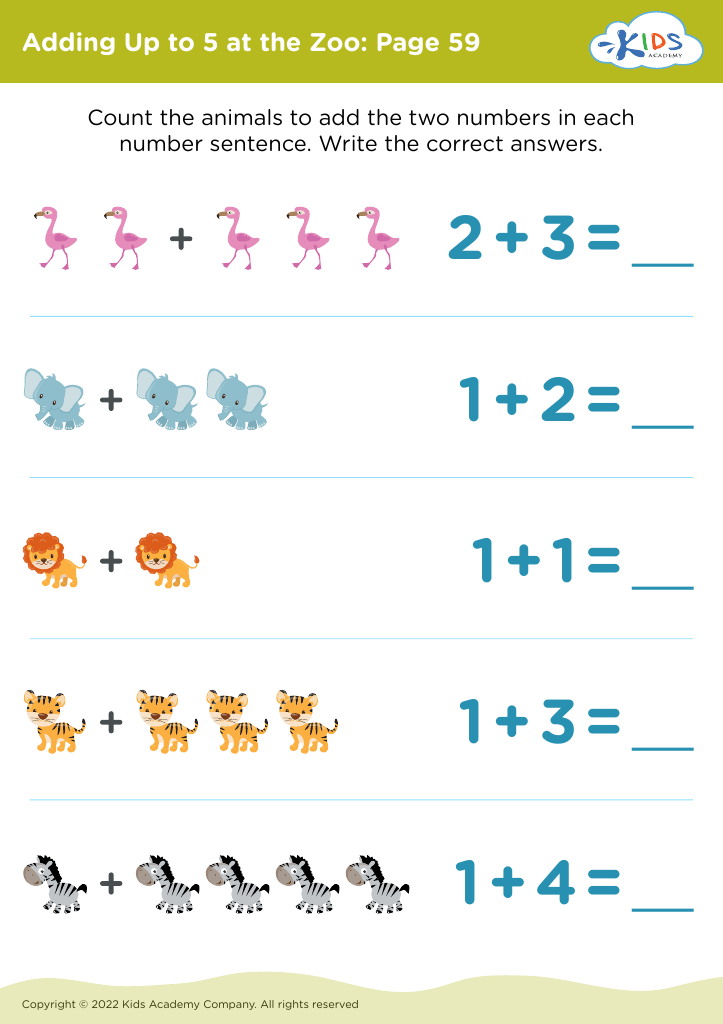
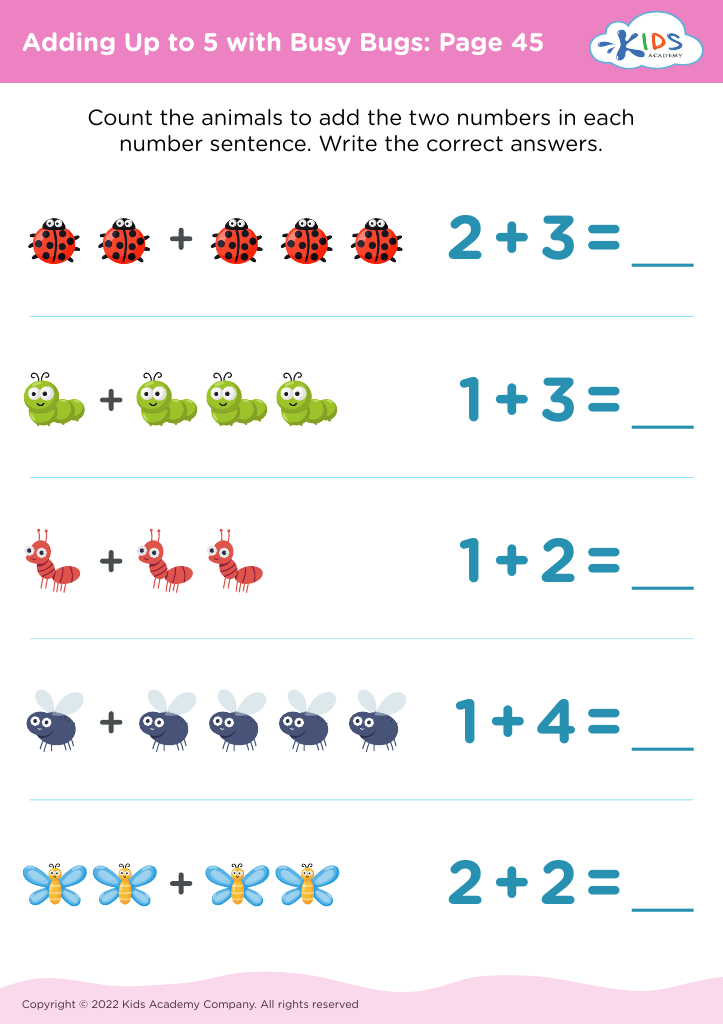
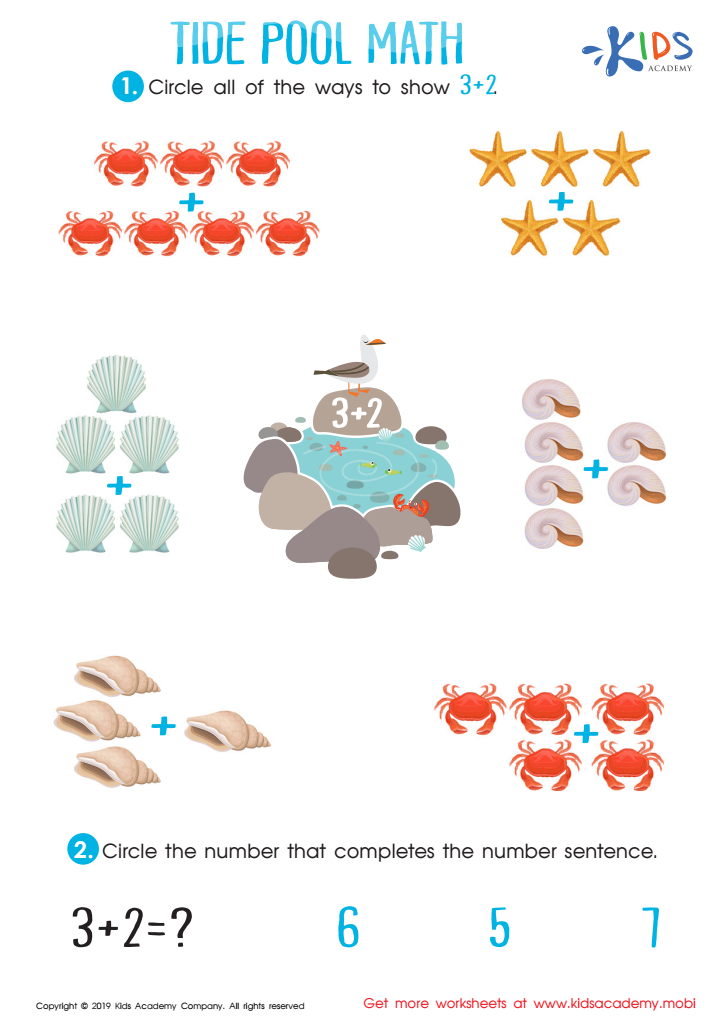
Tide Pool Math Worksheet
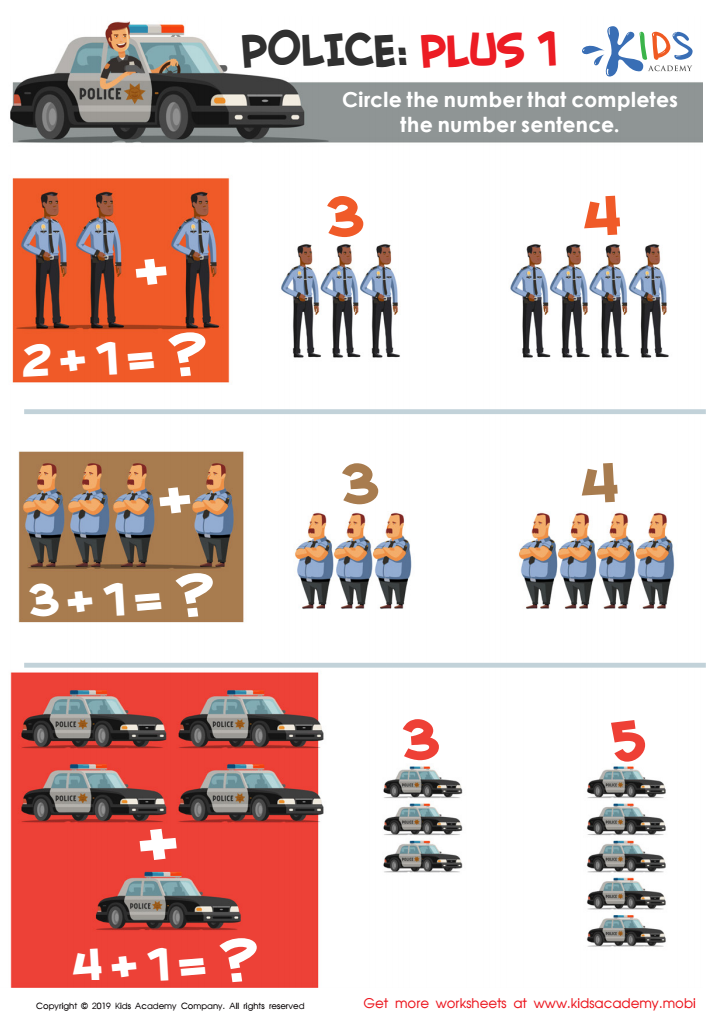
Police: Plus 1 Worksheet
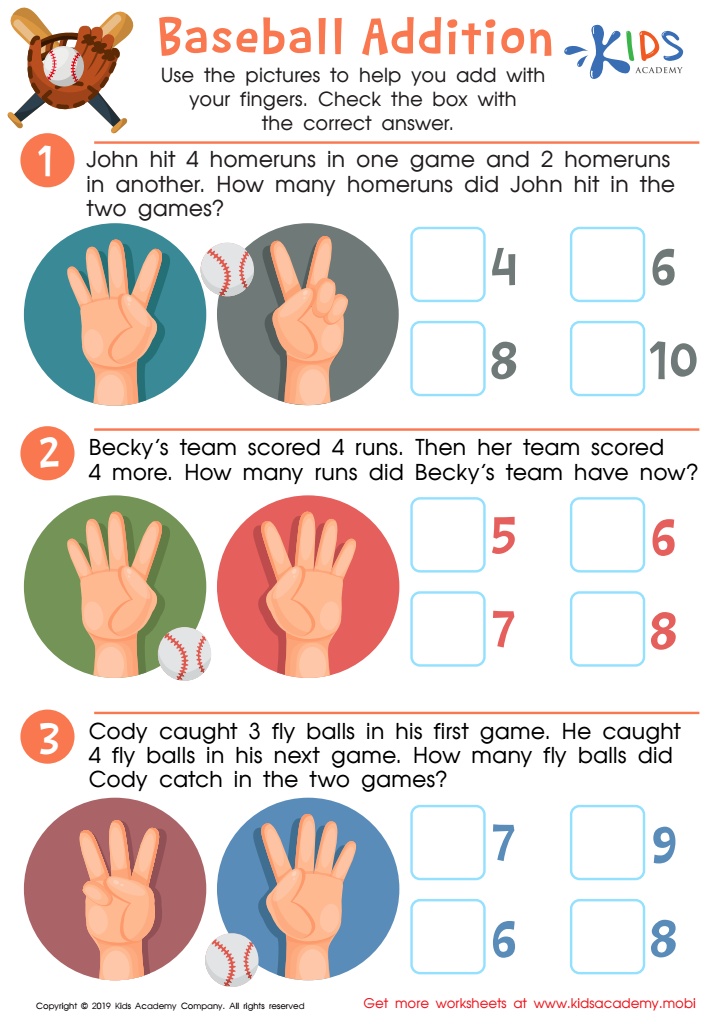
Baseball Addition Worksheet
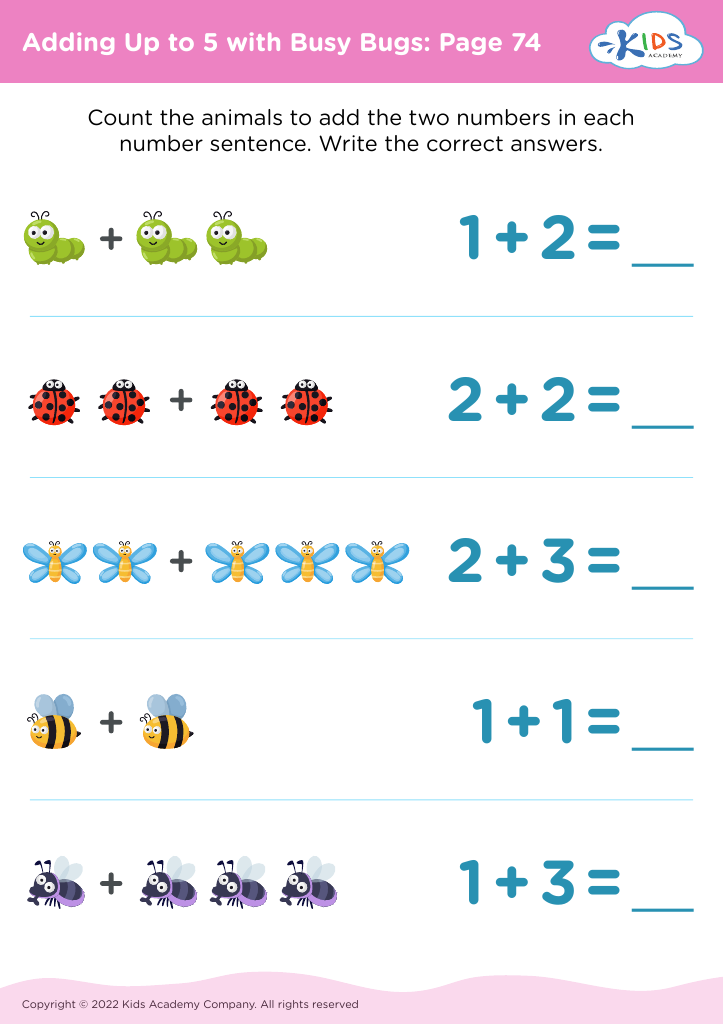
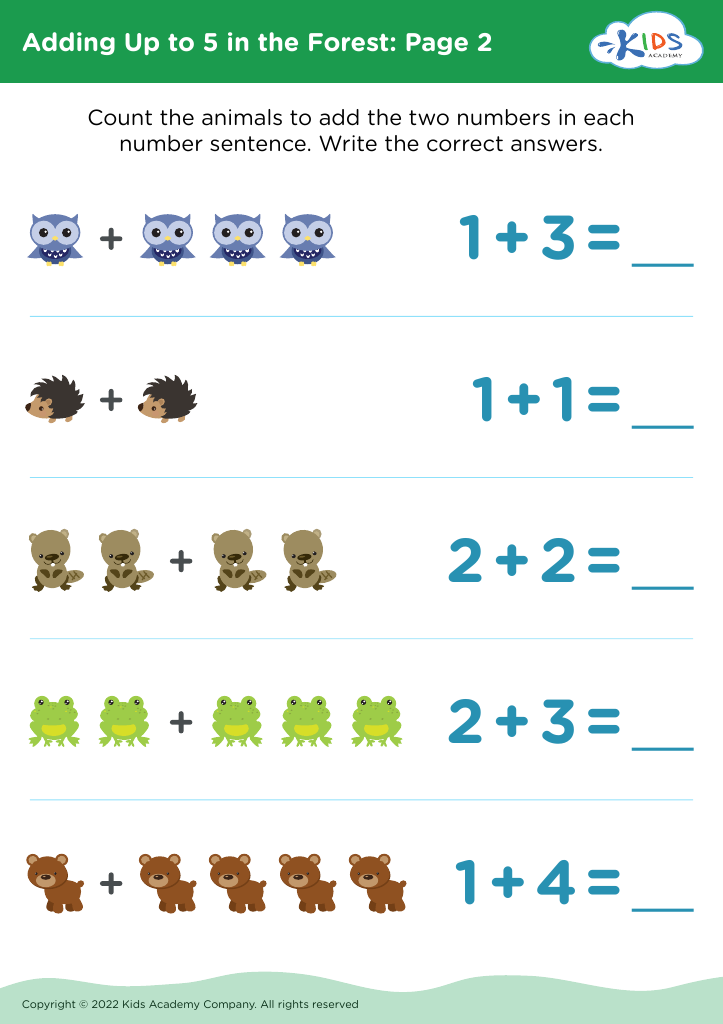
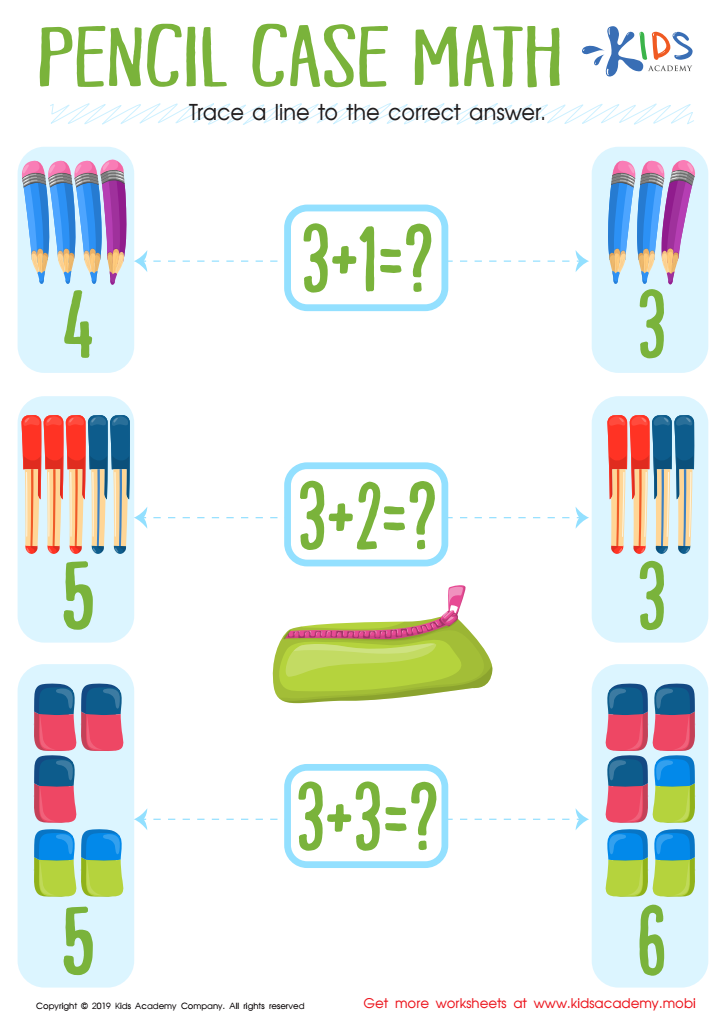
Pencil Case Math Worksheet
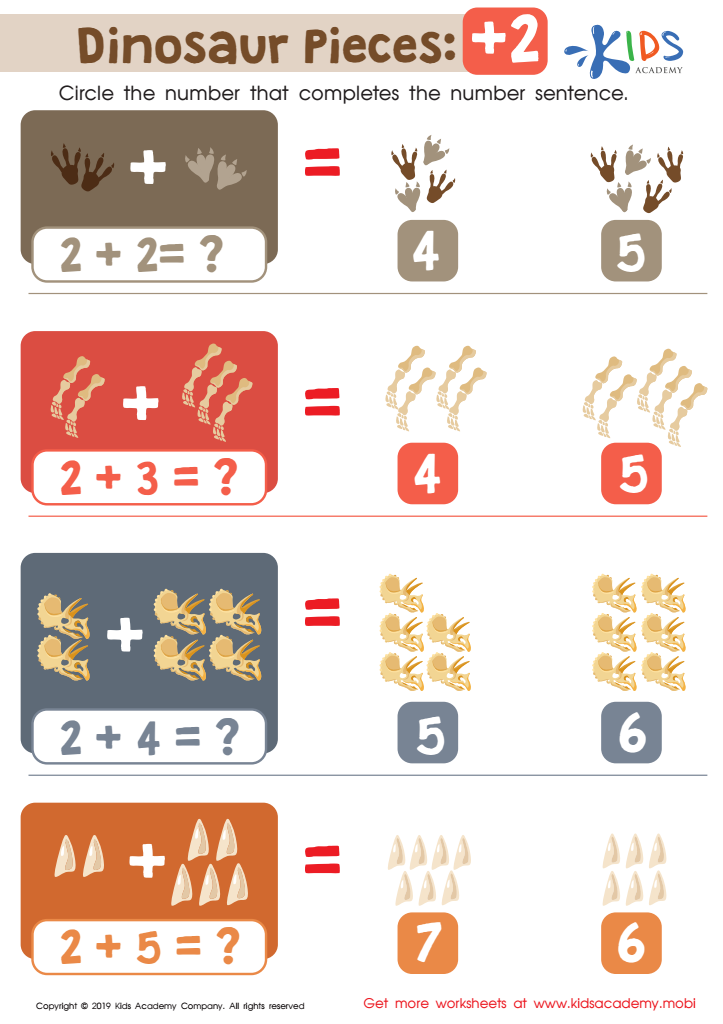
Dinosaur Pieces: +2 Worksheet
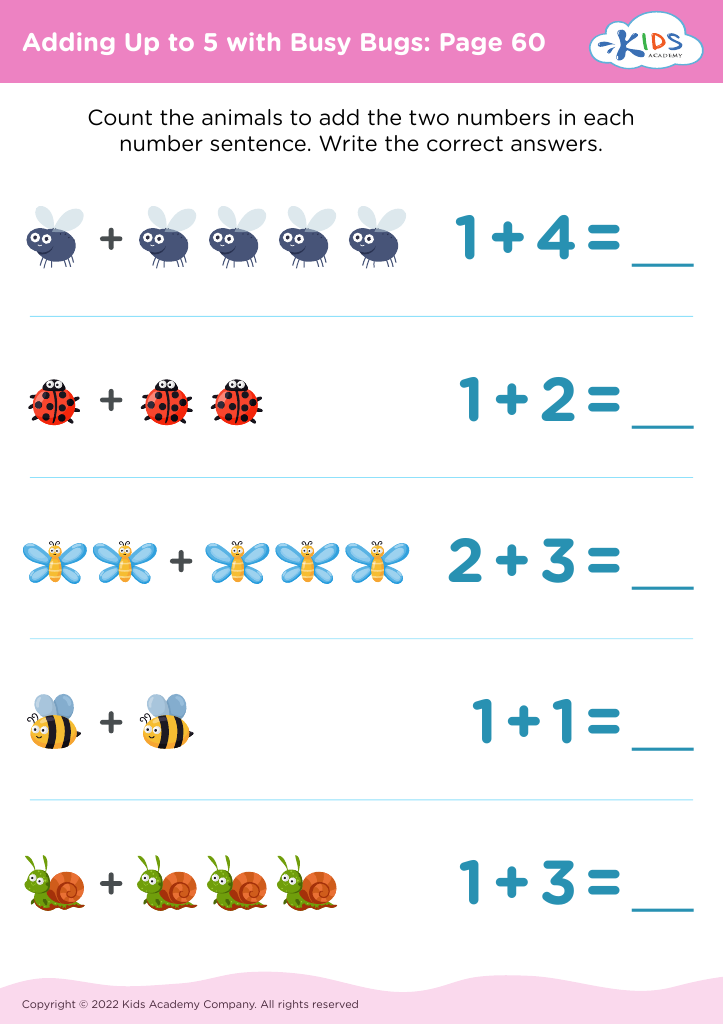
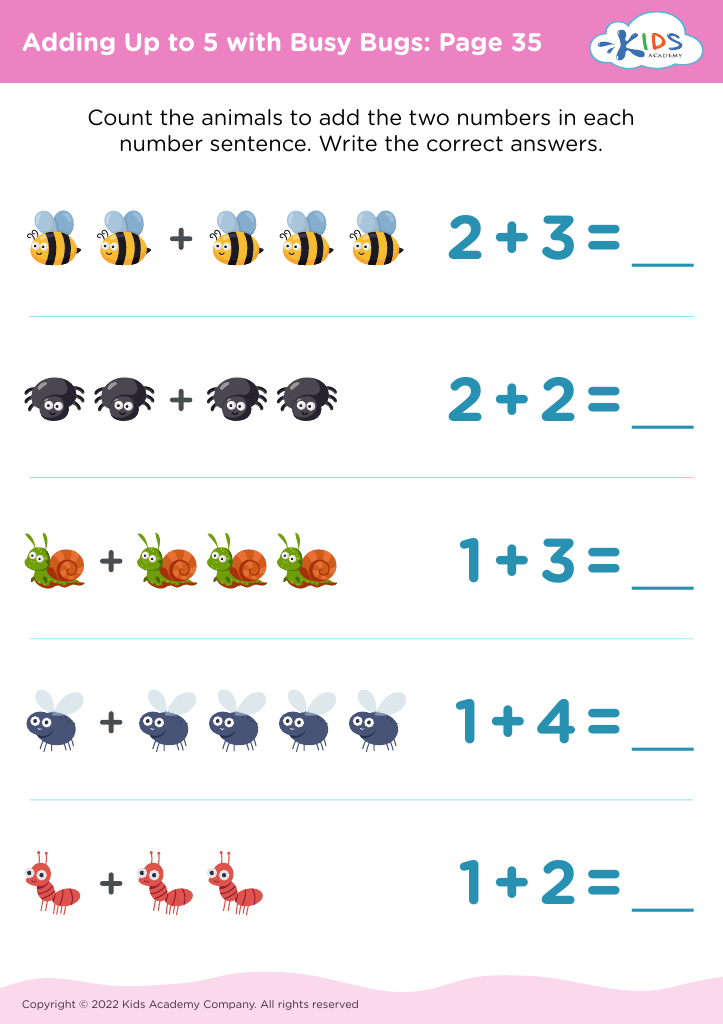
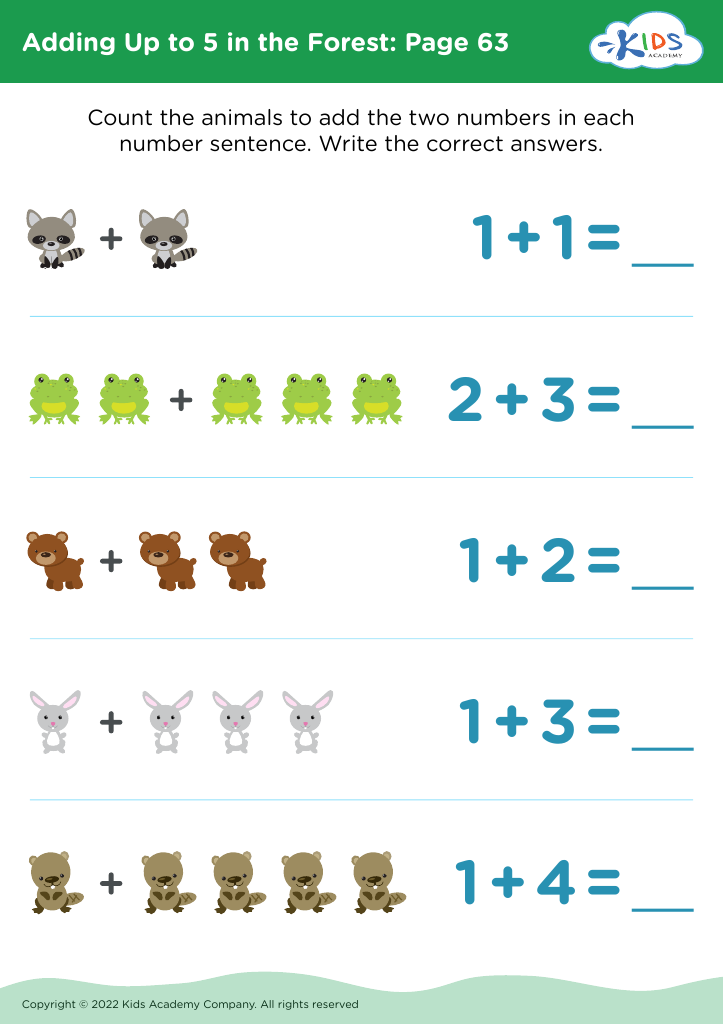
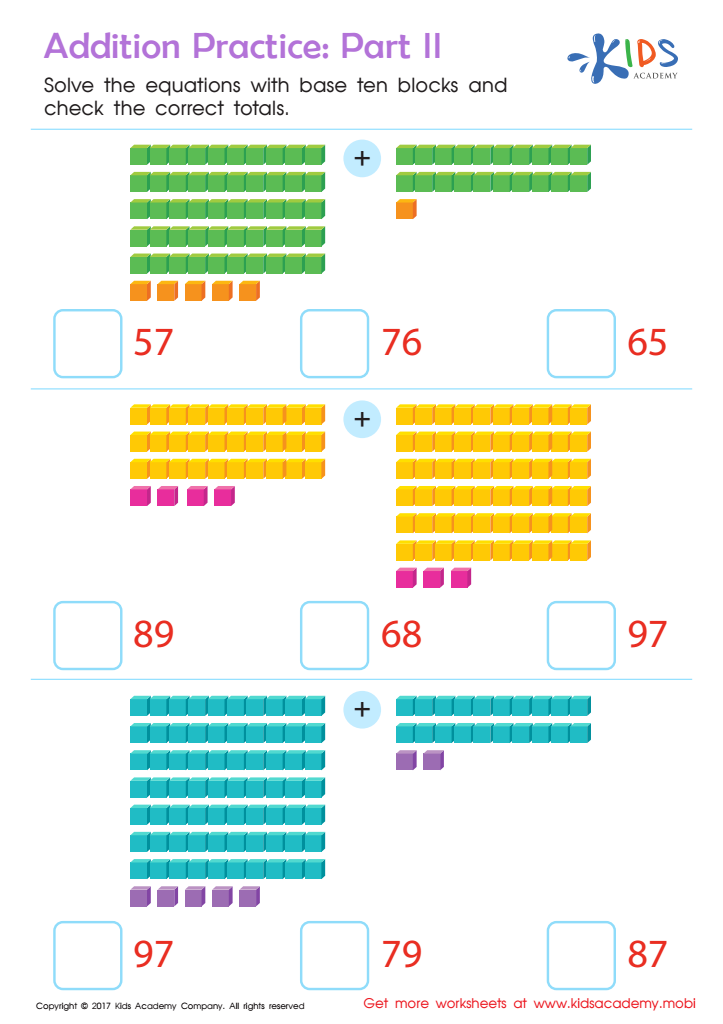
Addition Practice Sheet: Part 2
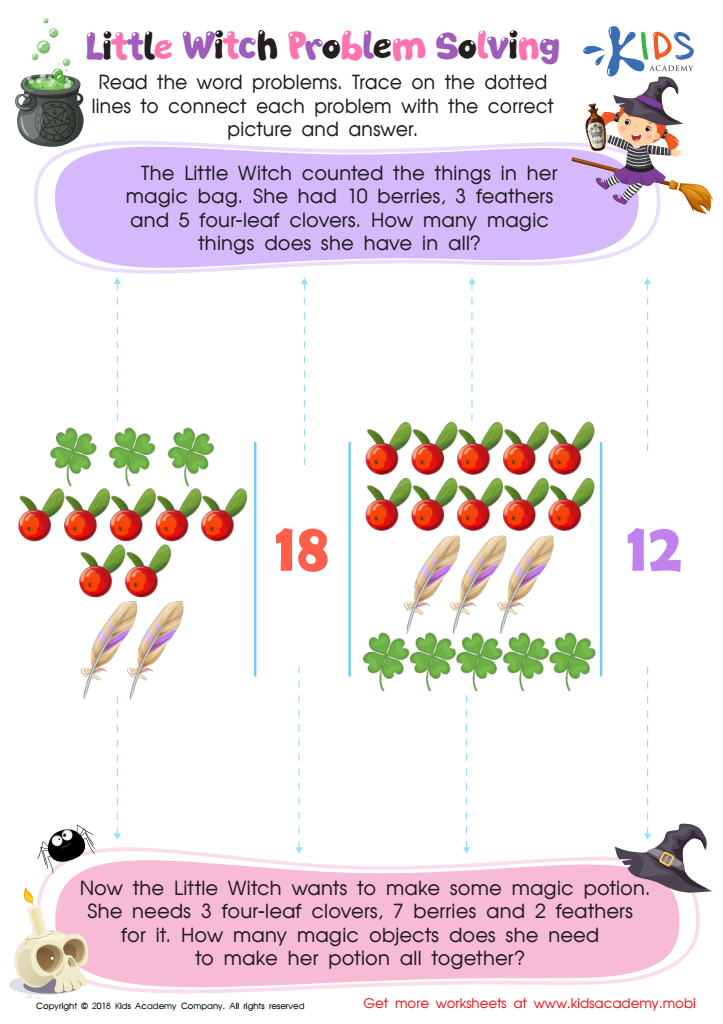
Little Witch Problem Solving Worksheet
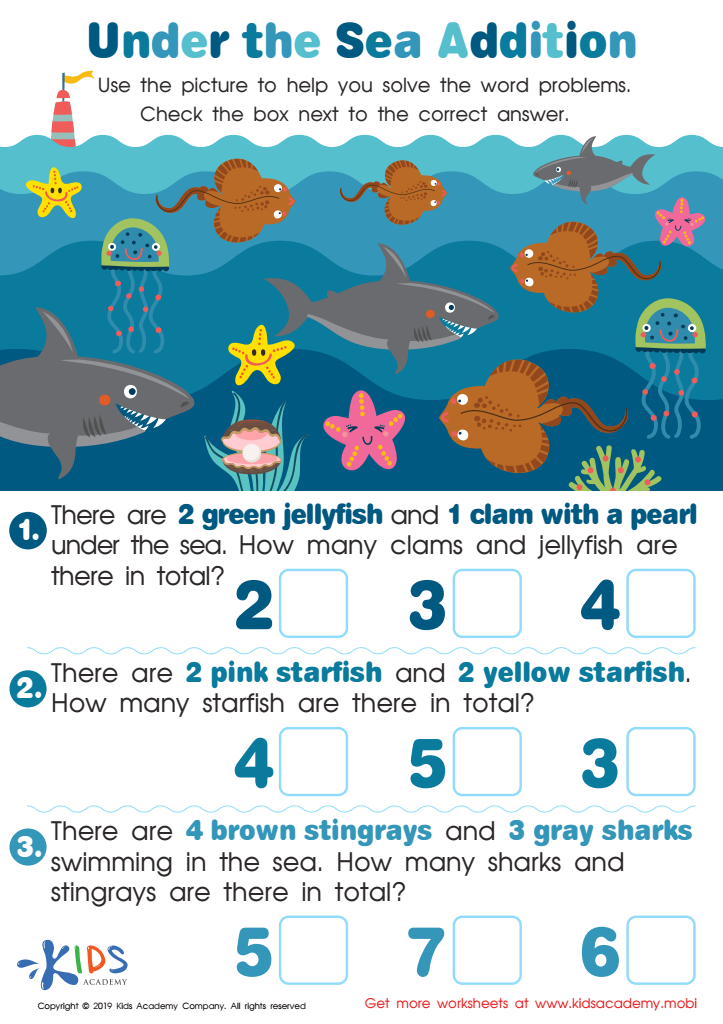
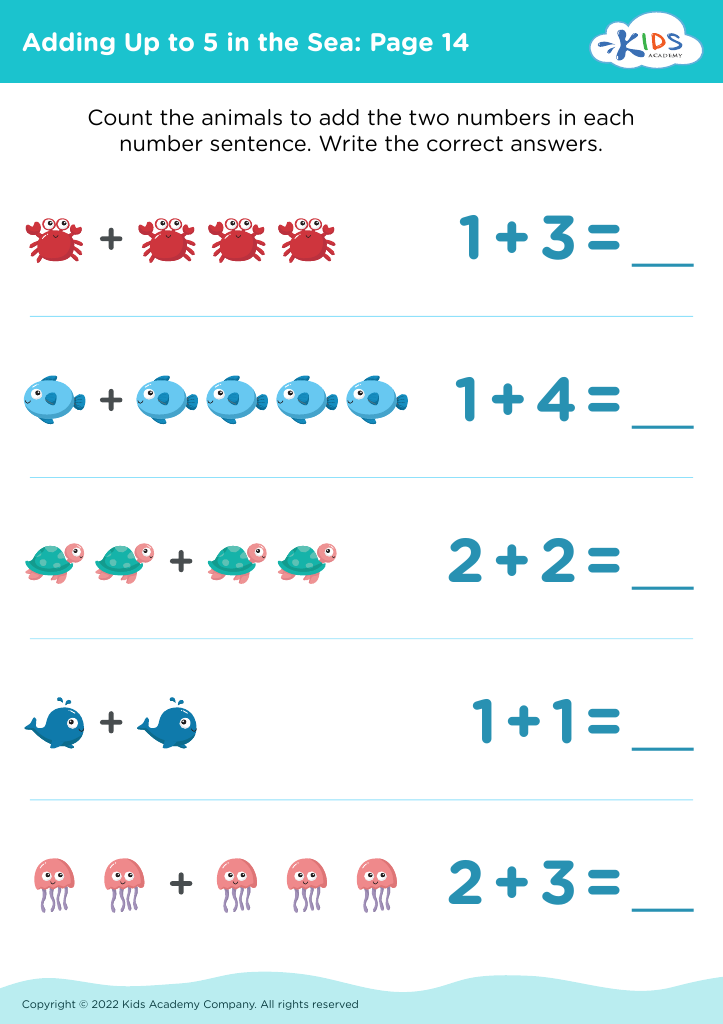
Under the Sea Addition Worksheet
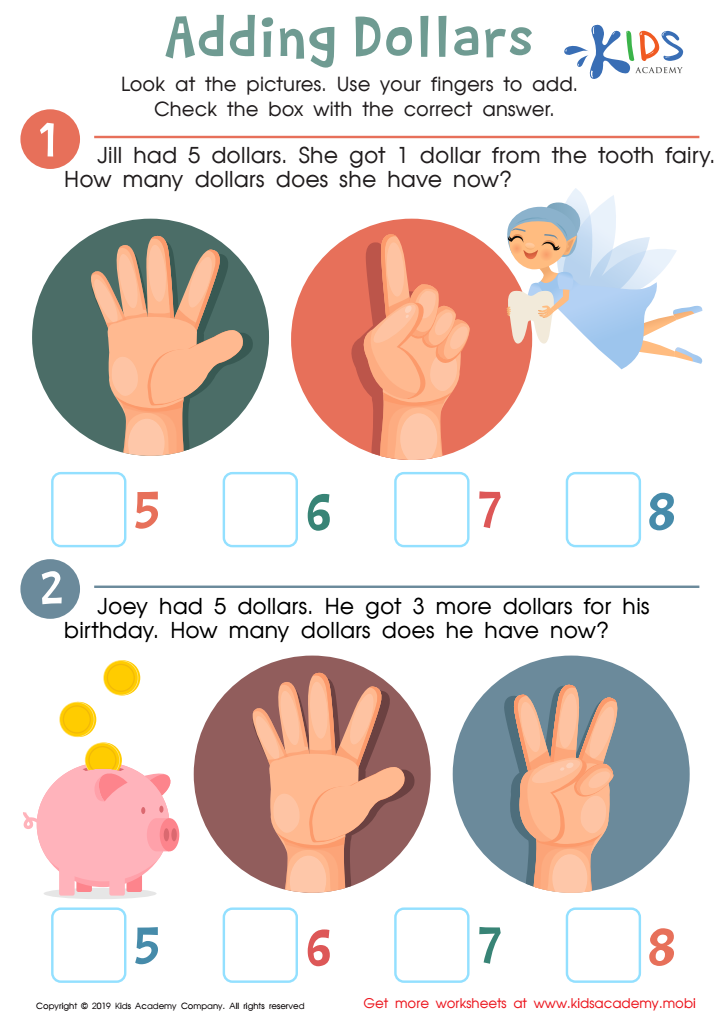
Tooth Fairy Addition Worksheet
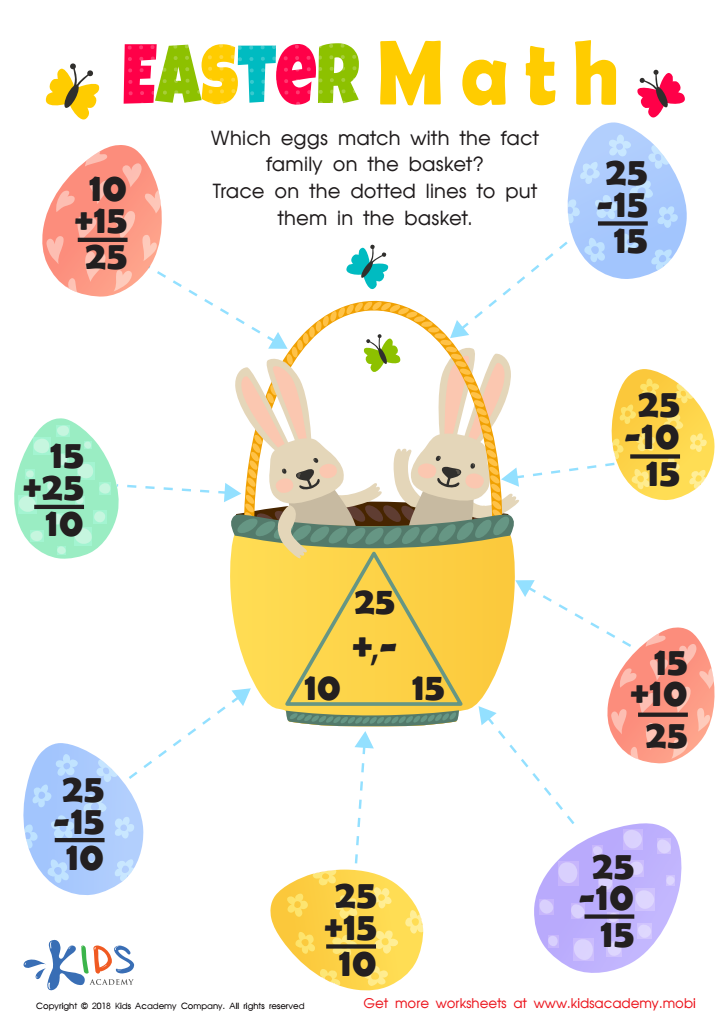
Fact Families: Easter Math Worksheet
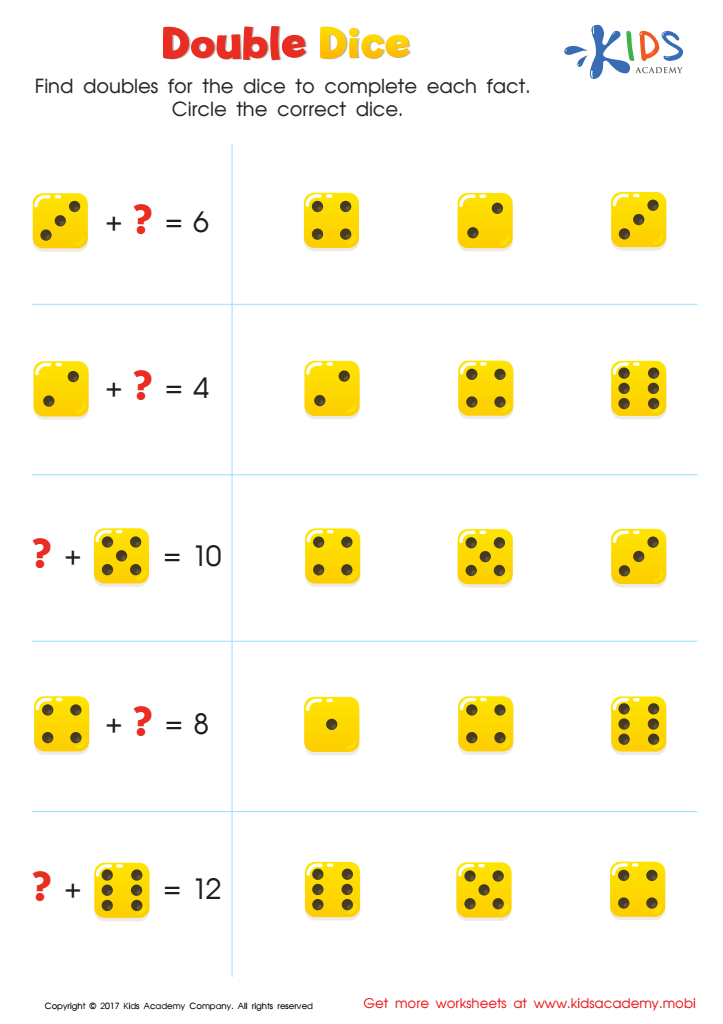
Addition Facts: Double Dice Worksheet








Early childhood is a crucial period for cognitive development, and introducing foundational mathematical skills, such as addition and subtraction, plays a significant role. Parents and teachers should focus on Addition & Subtraction practice for children aged 4-6 because it fosters critical thinking and problem-solving abilities essential for future academic success.
Firstly, learning basic arithmetic strengthens a child's number sense, helping them understand quantity, relationships, and patterns. This lays the groundwork for more complex mathematical concepts they will encounter later in their educational journey. Early exposure to addition and subtraction also improves memory, attention, and logical reasoning skills.
Moreover, incorporating fun and interactive methods, such as games or hands-on activities, makes learning engaging and helps children develop a positive attitude towards math. This enthusiasm can diminish math anxiety and encourage a lifelong interest in the subject.
Parental and teacher involvement is crucial because adults can provide individualized support, monitor progress, and celebrate successes, thereby boosting a child's confidence. Early mastery of these skills sets the stage for more significant achievements in both academics and daily life activities requiring mathematical understanding.
In essence, prioritizing Addition & Subtraction practice for young children equips them with vital skills that enhance their intellectual growth and prepares them for academic challenges ahead.








