
Following instructions Geometry Worksheets for Ages 4-6
6 filtered results
Difficulty Level
Grade
Age
-
From - To
Subject
Activity
Standards
Unlock the world of shapes and spatial understanding with our "Following Instructions Geometry Worksheets" tailored for ages 4-6. Designed to enhance young learners' ability to follow directions, these worksheets make geometry fun and accessible. They foster key skills such as pattern recognition, shape identification, and spatial reasoning. Each worksheet engages children with playful tasks, helping them grasp foundational concepts through hands-on activities. Perfect for both classroom and home practice, these printable worksheets bring learning to life, igniting curiosity and building confidence in early math skills. Download now and watch young minds flourish as they master the basics of geometry!
Favorites
With answer key
Interactive
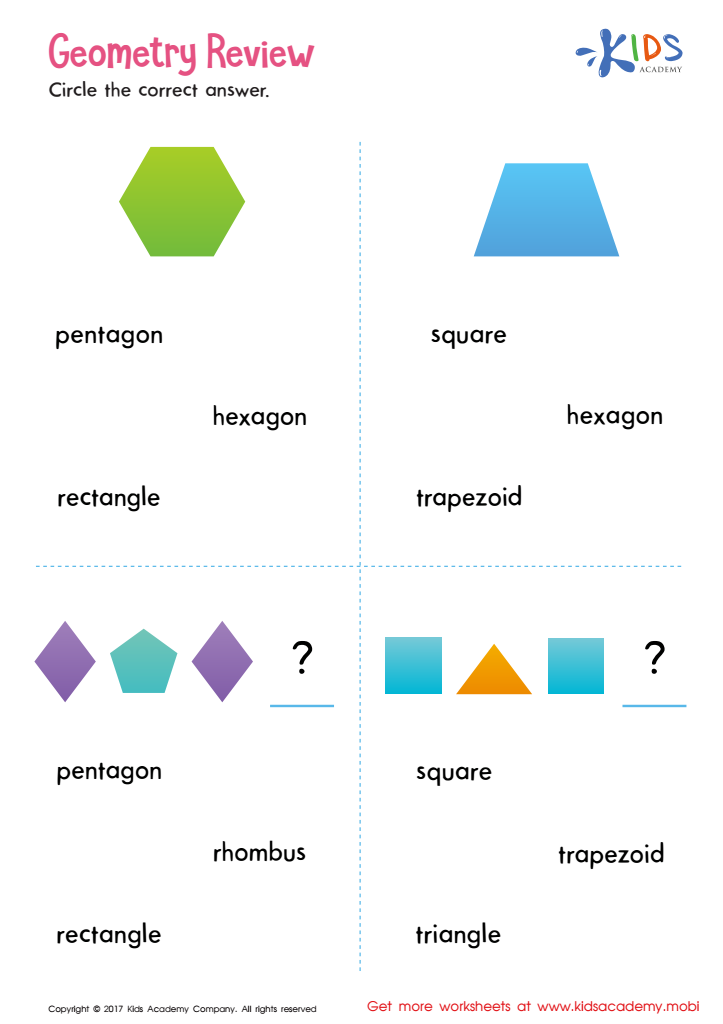
Geometry Review Printable
Repetition is key to success; give your child the practice they need with this geometry worksheet.
Geometry Review Printable
Worksheet











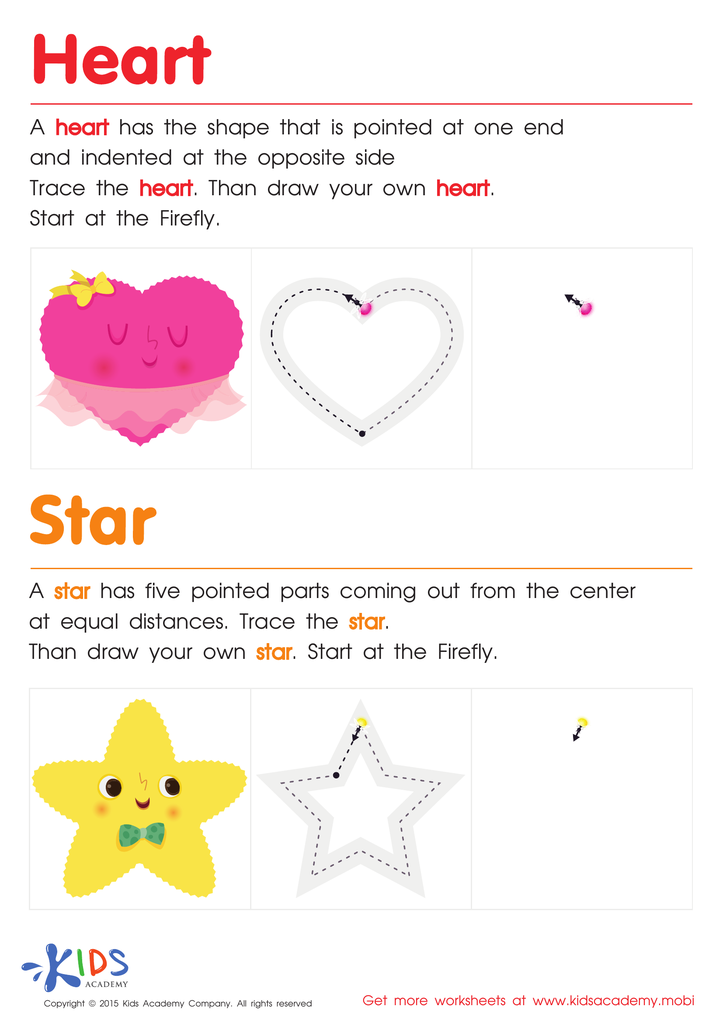
Let's Learn to Draw Hearts And Stars Printable
Trace and draw hearts and stars, learn their names and use them in your drawings. Start with the firefly and be creative!
Let's Learn to Draw Hearts And Stars Printable
Worksheet
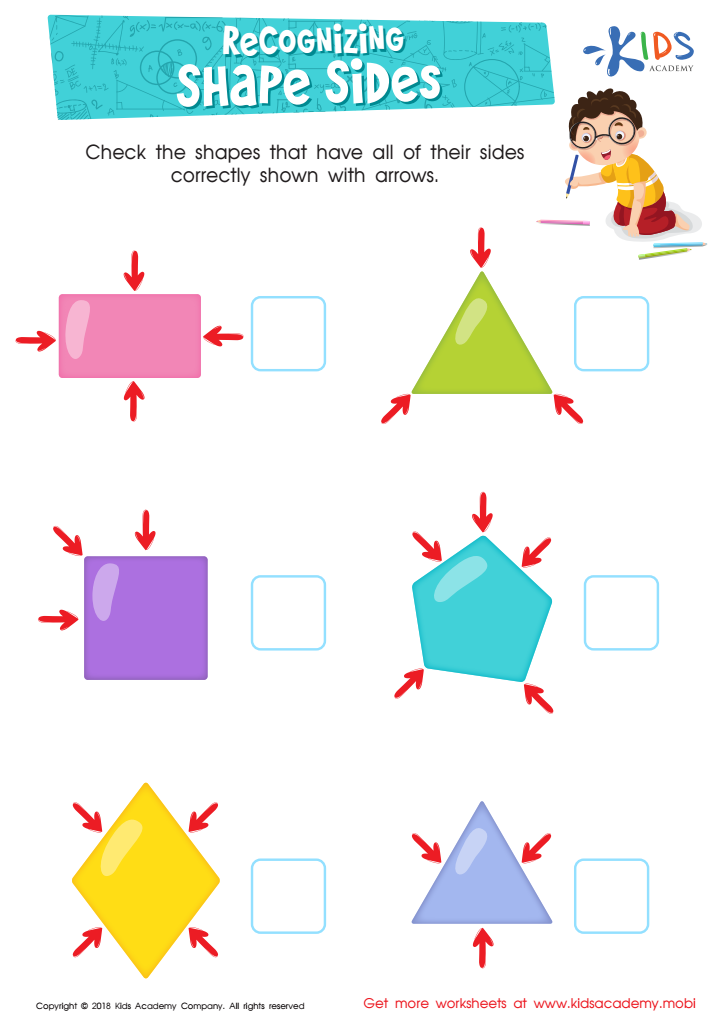
Recognizing Shape Sides Worksheet
This exercise will help your child recognize shape sides. Go over the difference between sides and angles first, then have them check the shapes with arrows to show the sides. They'll quickly get the hang of it and find it much easier after completing the colorful worksheet.
Recognizing Shape Sides Worksheet
Worksheet
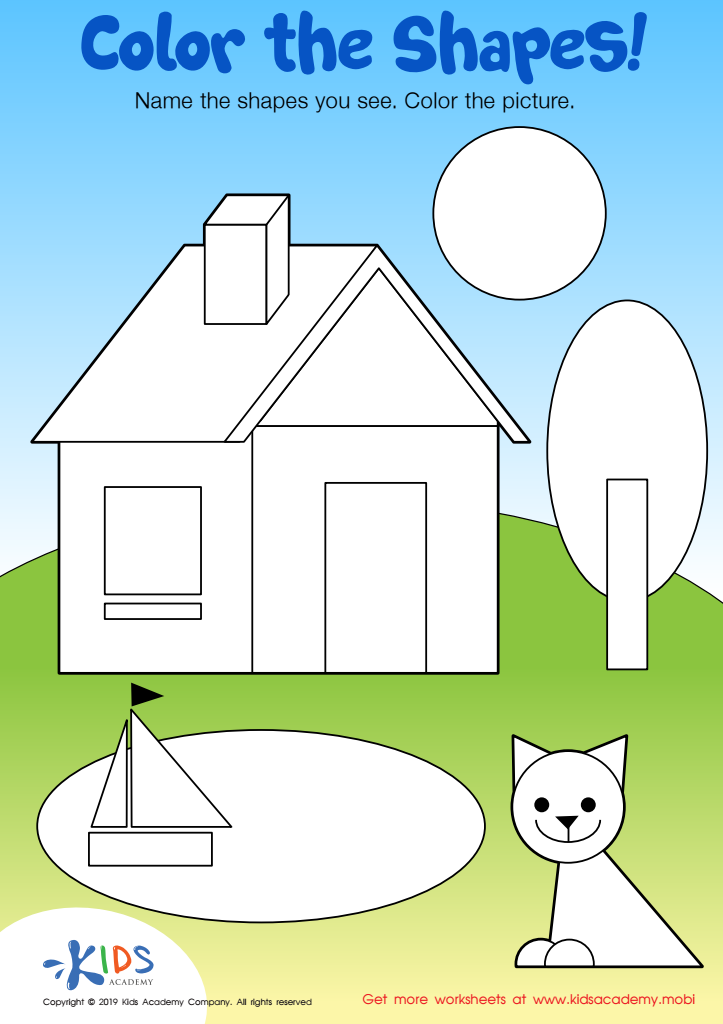
Color the Shapes Worksheet
Help your student master shape identification with this fun worksheet. Ask them to name the shapes in the picture, then color it! Ask questions like "How many squares do you see?" and "How many triangles?" to extend the learning. Identify squares, circles, triangles and rectangles with this enjoyable coloring page.
Download (PDF)
 Assign to My Students
Assign to My Students
Color the Shapes Worksheet
Worksheet
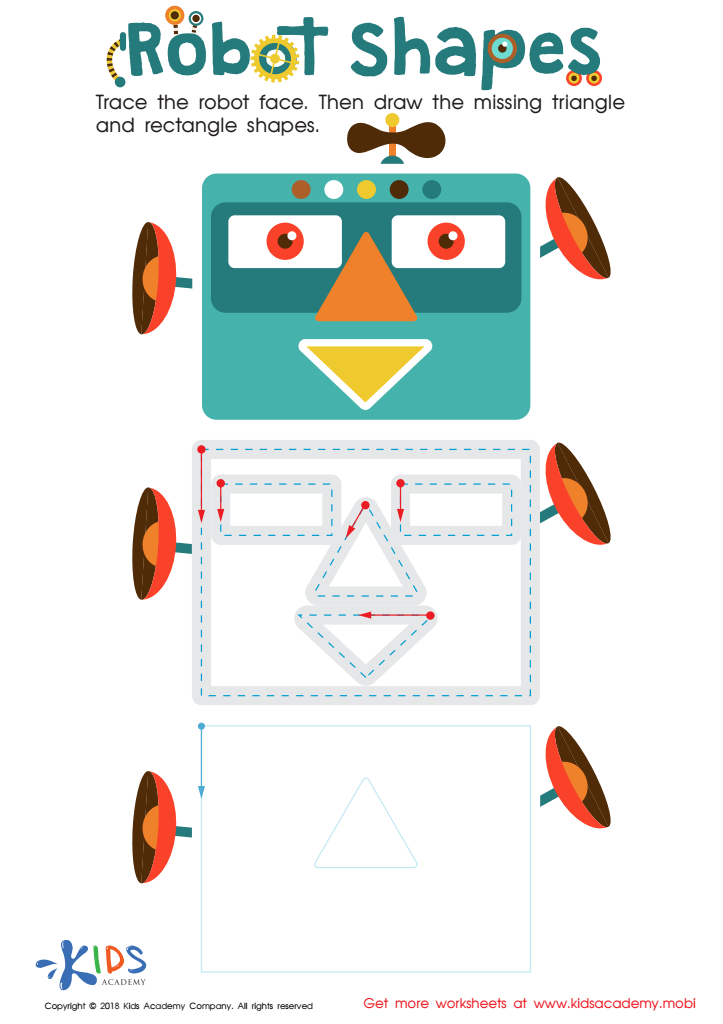
Robot Shapes Worksheet
Help your preschooler get started with math skills while having fun with this shape tracing worksheet featuring a cute robot! Ask them to study the first image, trace the dotted lines to draw the shapes in the second, and color the third. With this activity, they'll learn shapes while enjoying the funny robot pictures!
Robot Shapes Worksheet
Worksheet
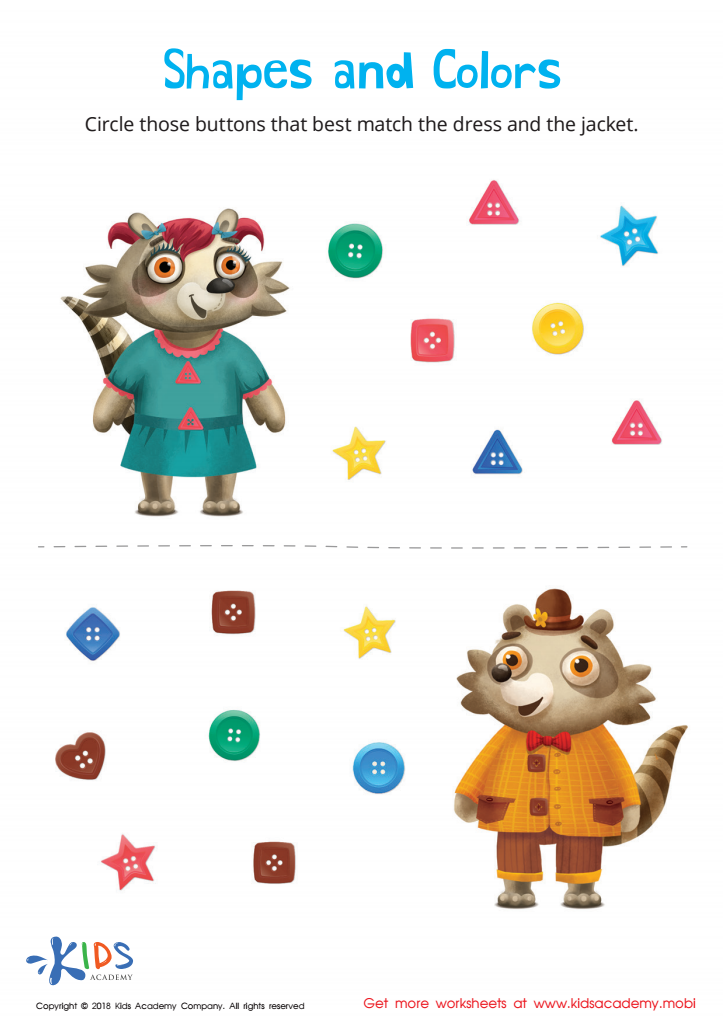
Shapes and Colors Worksheet
This worksheet is a fun way to teach toddlers shapes and colors! It has them match buttons on adorable racoon characters. Encourage your child to note the shape and color of the buttons then sort through and circle the matches. This helps build important attention to detail skills!
Shapes and Colors Worksheet
Worksheet
Join Kids Academy for Free
Who is primarily going to use this learning content?








Teaching geometry to children aged 4-6 is crucial for their cognitive development and lays the foundation for essential skills later in life. First, it enhances their spatial awareness. Understanding shapes and how they fit together helps children navigate their environment, improving both fine and gross motor skills.
Secondly, learning to follow instructions in geometry teaches children critical thinking and problem-solving skills. As they learn to identify different shapes and recognize patterns, they also practice listening, attention to detail, and sequential thinking—all vital skills for academic success.
Furthermore, geometry is often a child’s first encounter with abstract concepts. Recognizing that a triangle remains a triangle regardless of its orientation helps them develop an understanding of constancy and change, a fundamental principle in science and math.
Moreover, geometry lessons can easily be made fun and engaging. Activities like building with blocks, drawing shapes, and playing sorting games can excite and motivate young learners. Engaging in these activities with peers or adults fosters social and emotional development, teaching kids how to work cooperatively and follow social norms.
Lastly, early exposure to geometry aligns well with educational standards and prepares children for more advanced topics in math. By caring about geometry education, parents and teachers set children on a path toward lifelong learning and love for mathematics.








