Shape identification Geometry Worksheets for Ages 4-6
12 filtered results
-
From - To
Explore our engaging Shape Identification Geometry Worksheets designed specifically for children aged 4-6! These fun and interactive resources help young learners identify, name, and classify various shapes, from circles to triangles and squares. Each worksheet is thoughtfully crafted to enhance visual recognition and promote essential math skills through playful activities. With colorful illustrations and age-appropriate content, your little ones will enjoy honing their shape identification abilities while building a strong foundational understanding of geometry. Perfect for home or classroom use, our worksheets make learning shapes an enjoyable and effective experience. Download now and watch your child's confidence in geometry grow!
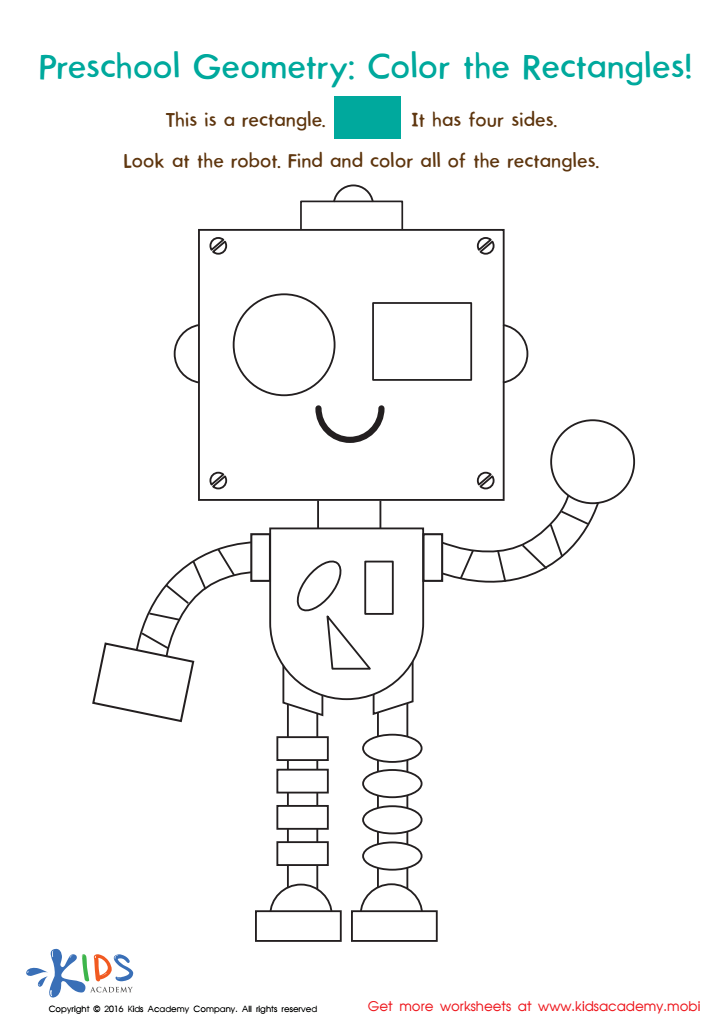
Geometry Worksheet
 Assign to My Students











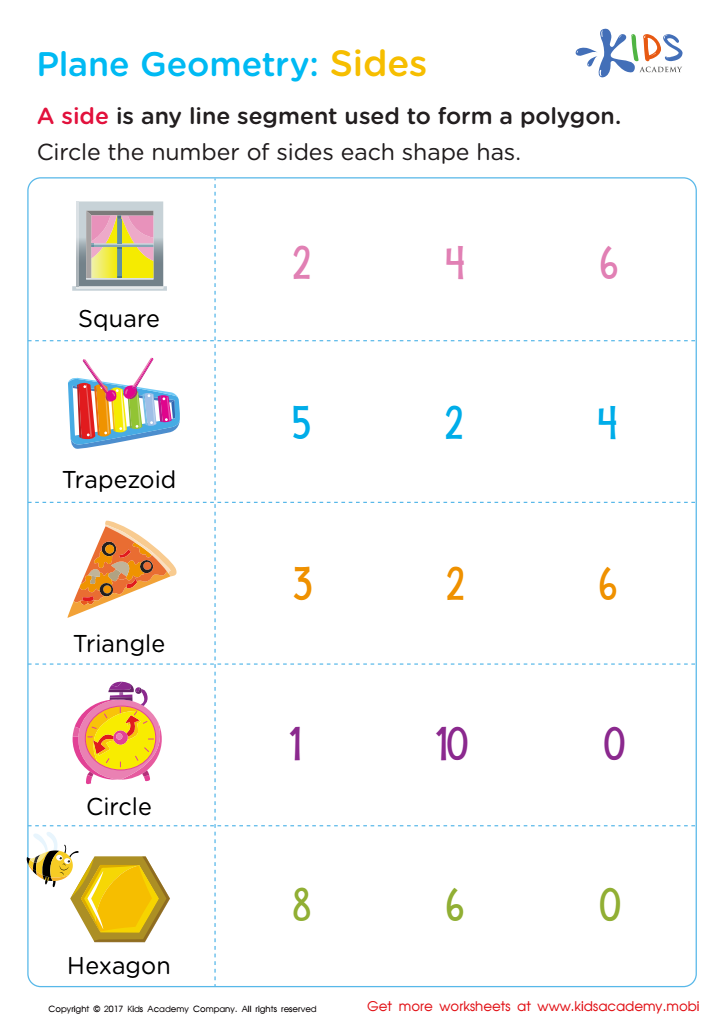
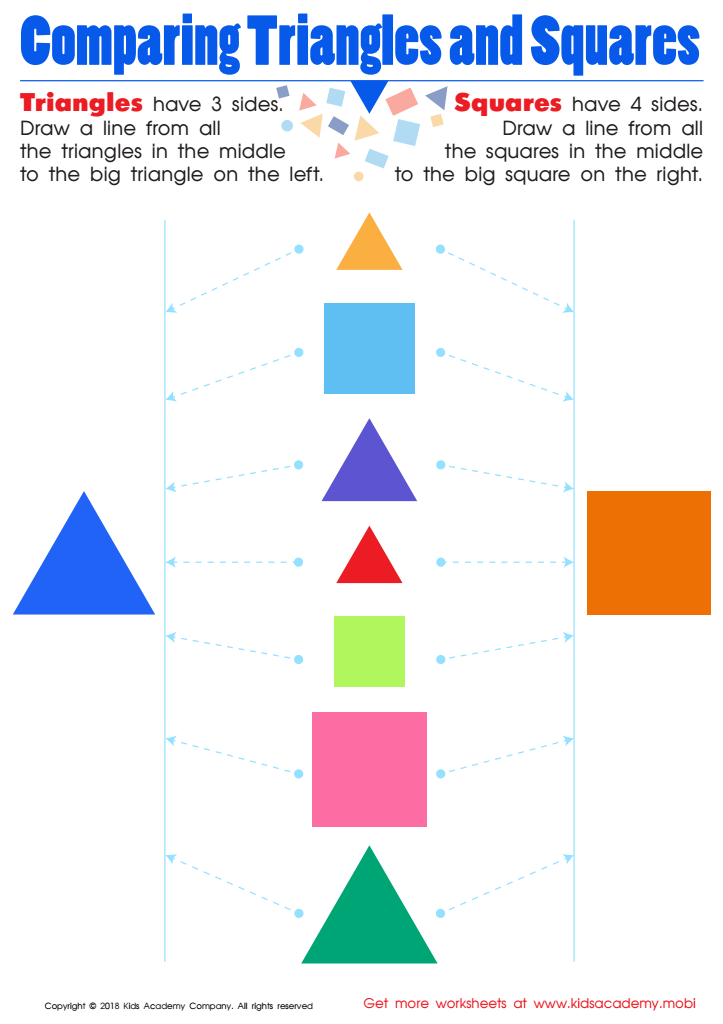
Comparing Triangles Squares Worksheet
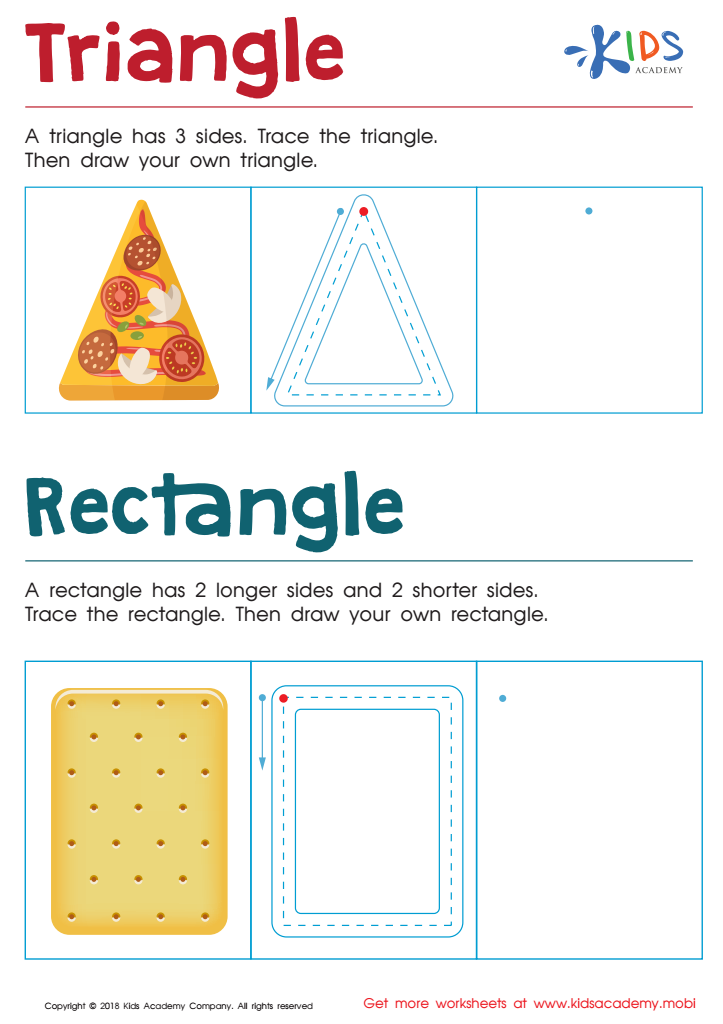
Triangle Rectangle Worksheet
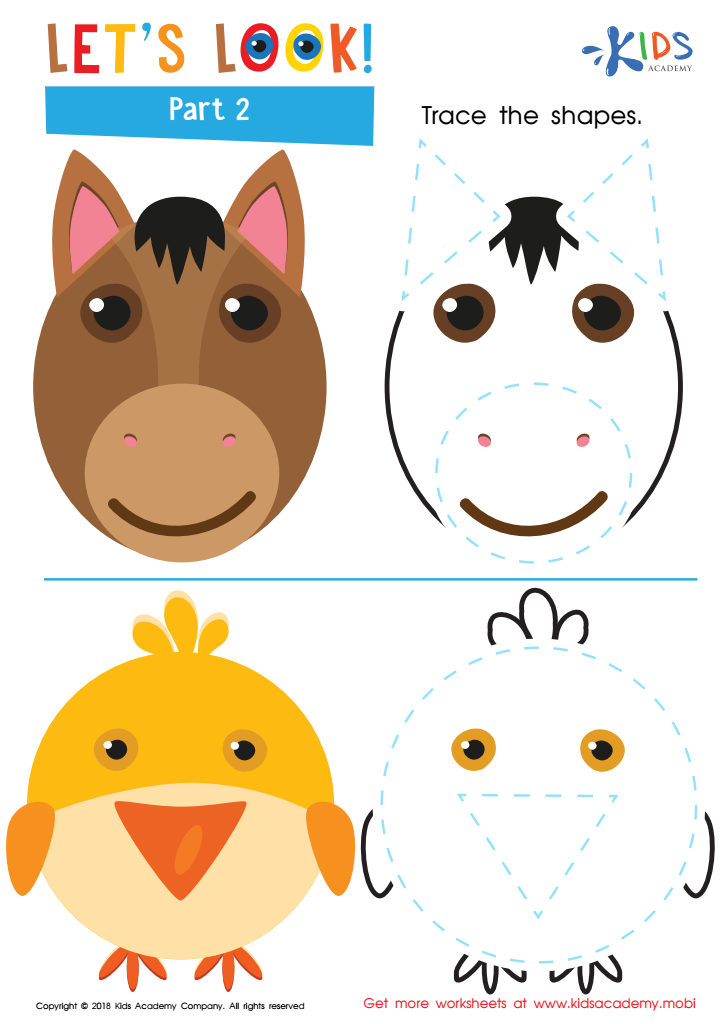
Let's Look! Part 2 Worksheet
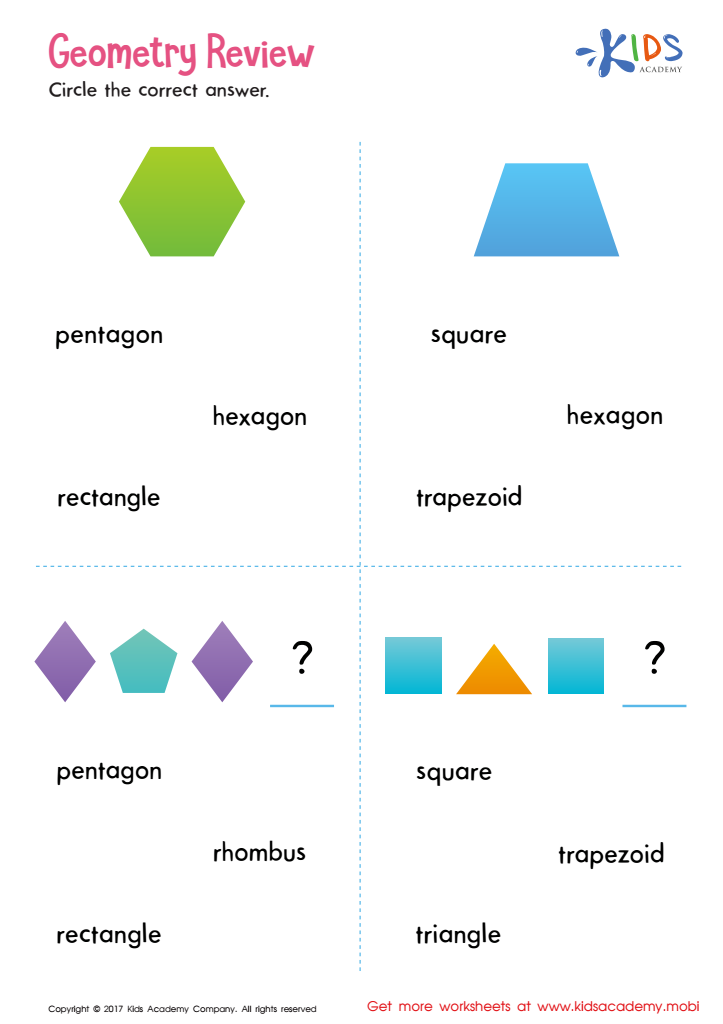
Geometry Review Printable
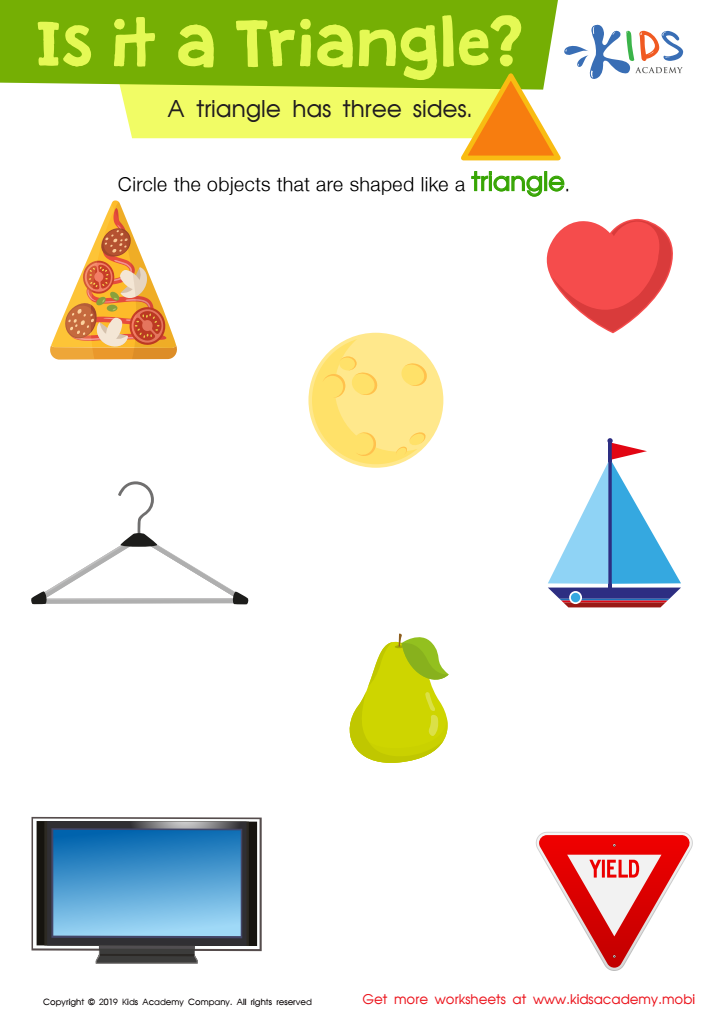
Is It a Triangle? Worksheet
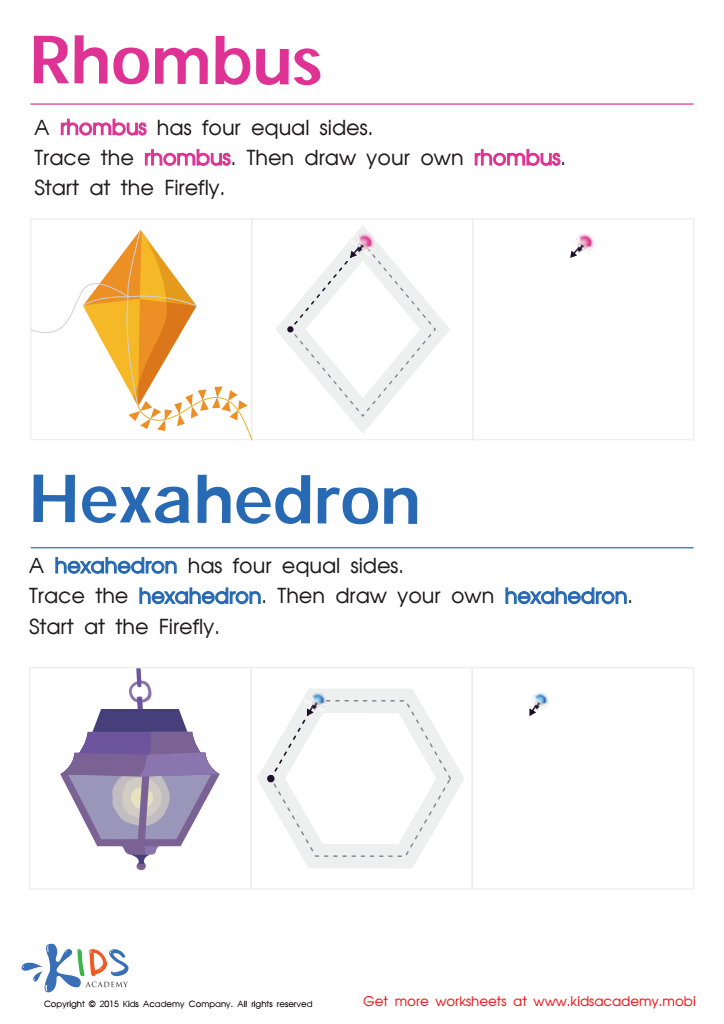
Draw a Rhombus And a Hexahedron Printable
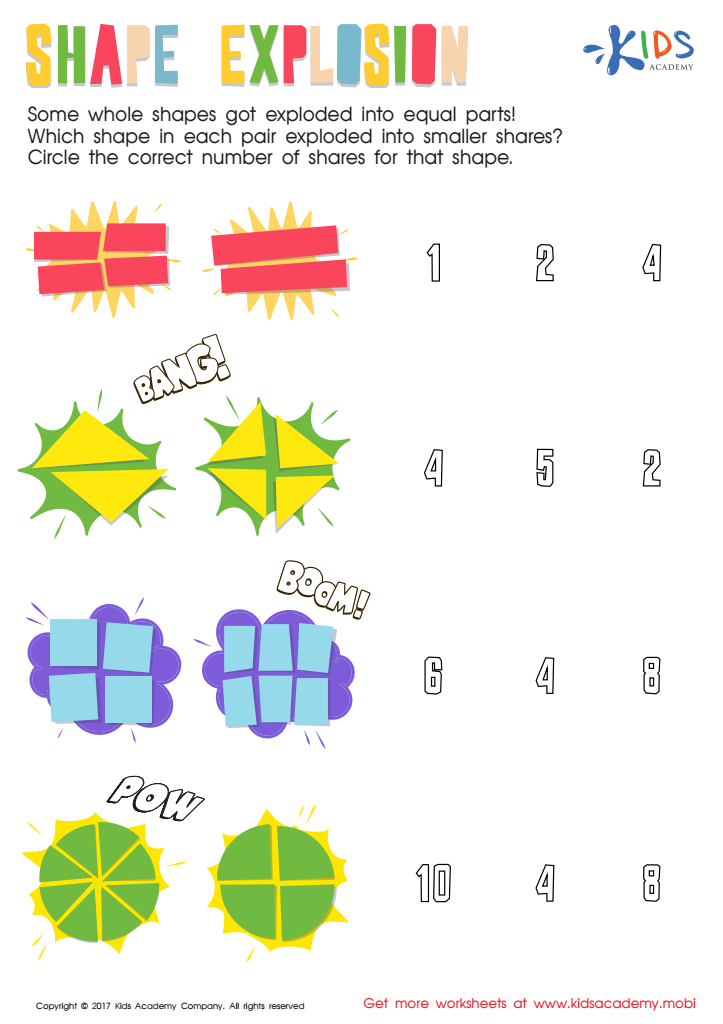
Shape Explosion Worksheet
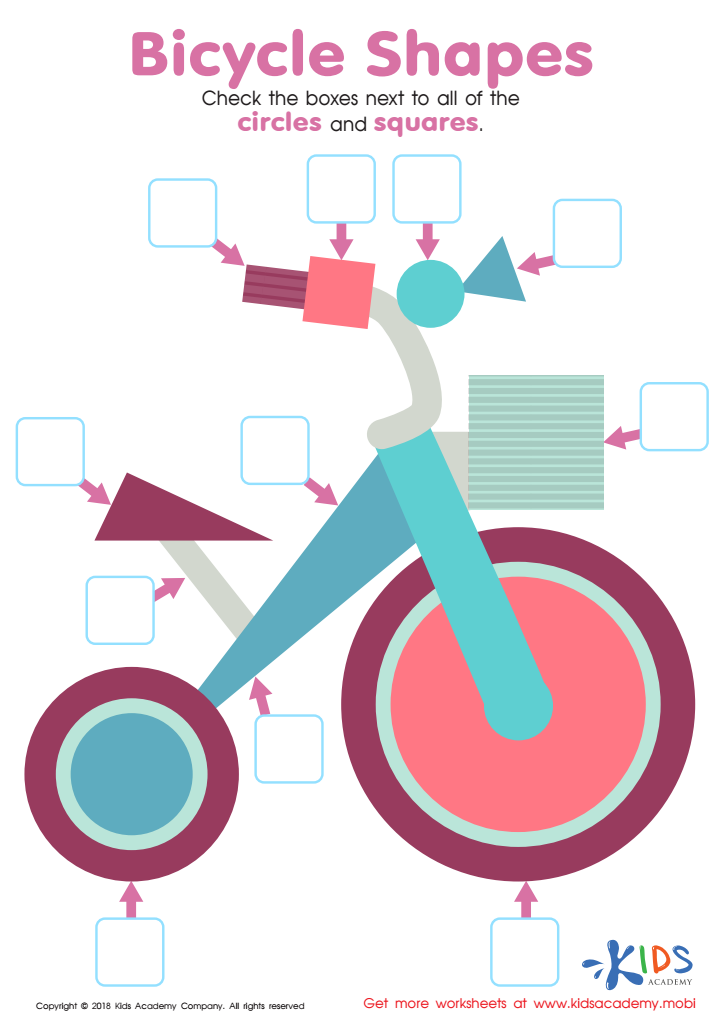
Bicycle Shapes Worksheet
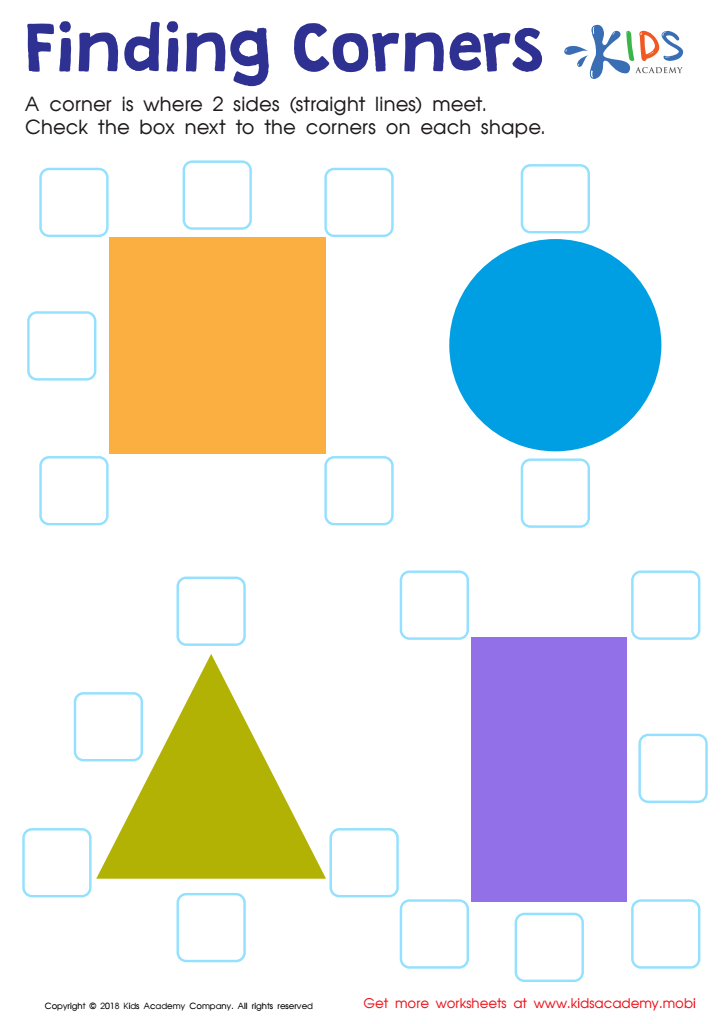
Finding Corners Worksheet
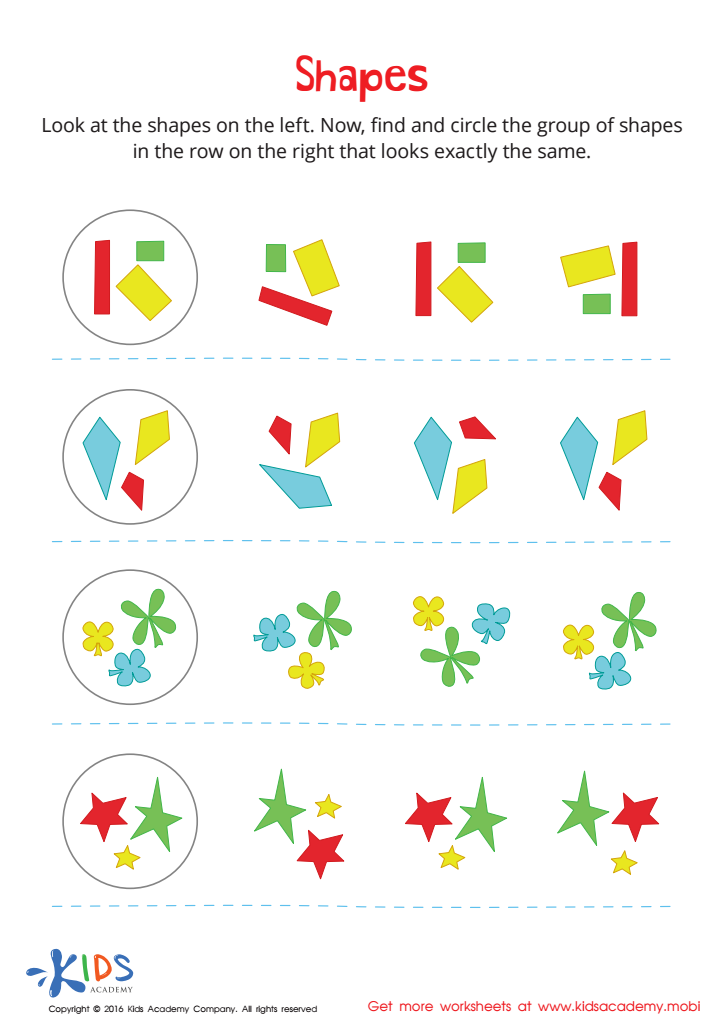
Shapes Worksheet








Shape identification is a foundational component of early childhood education that shapes a child’s cognitive development. For children ages 4-6, learning to identify and differentiate shapes enhances their spatial awareness and critical thinking skills. Understanding basic shapes such as circles, squares, triangles, and rectangles allows young learners to begin recognizing patterns and relationships in their environment, which builds the groundwork for mathematical reasoning.
Parents and teachers should care about shape identification as it not only fosters cognitive growth but also improves language skills; children learn to articulate their observations and descriptions of shapes, which promotes communication and vocabulary development. Engaging with shapes through play, art, and real-world examples strengthens a child’s problem-solving abilities.
Additionally, mastering shape identification supports children in more complex mathematical concepts later on, such as geometry and measurement, giving them confidence in their abilities. Finally, shape identification can encourage collaboration through group activities, building social skills essential for lifelong learning. Ultimately, nurturing a child's ability to recognize and understand shapes paves the way for a well-rounded education and a strong academic foundation, making it a critical focus for educators and caregivers alike.








