Problem-Solving Skills Numbers Worksheets for Ages 4-6 - Page 2
38 filtered results
-
From - To
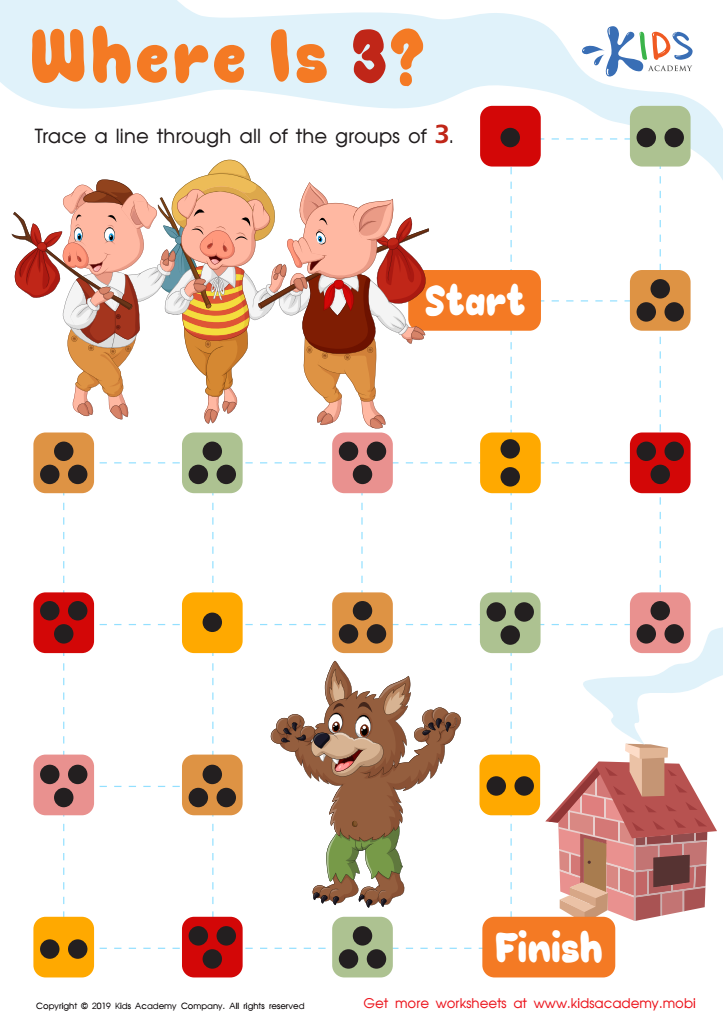
Where Is 3? Worksheet
 Assign to My Students
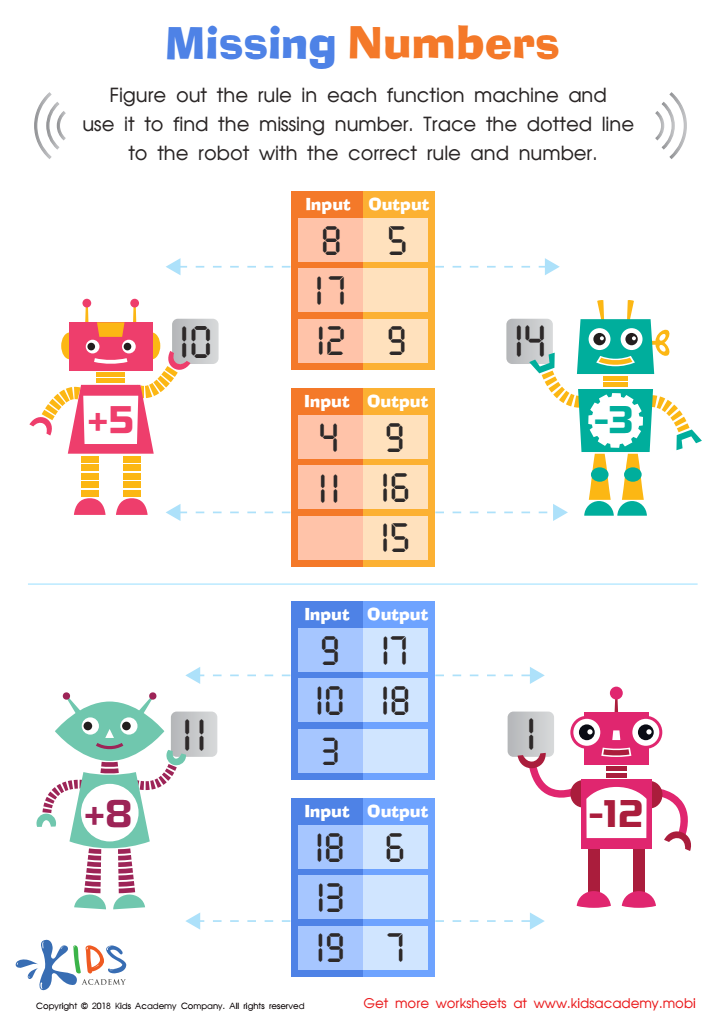
Missing Numbers Worksheet
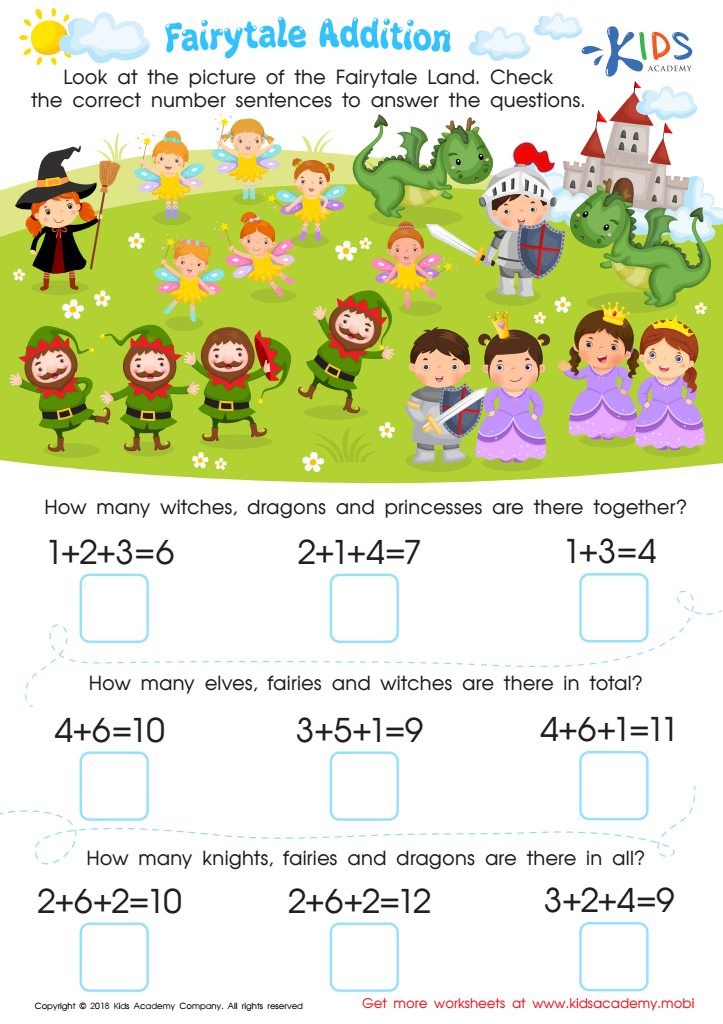
Fairytale Addition Worksheet
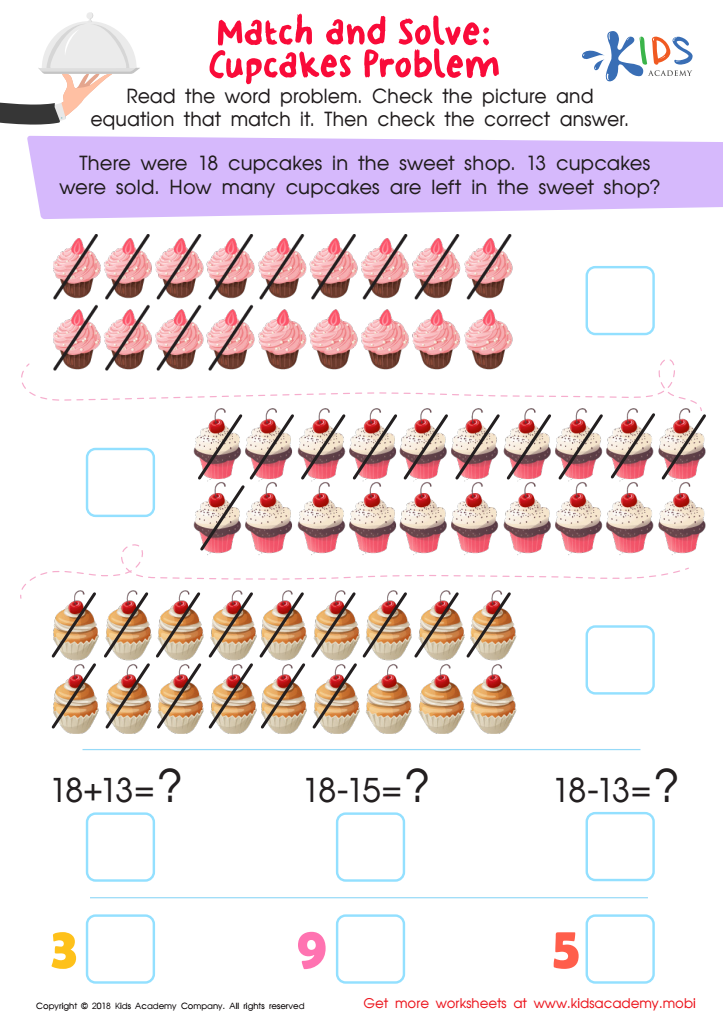
Match and Solve: Cupcakes Problem Worksheet
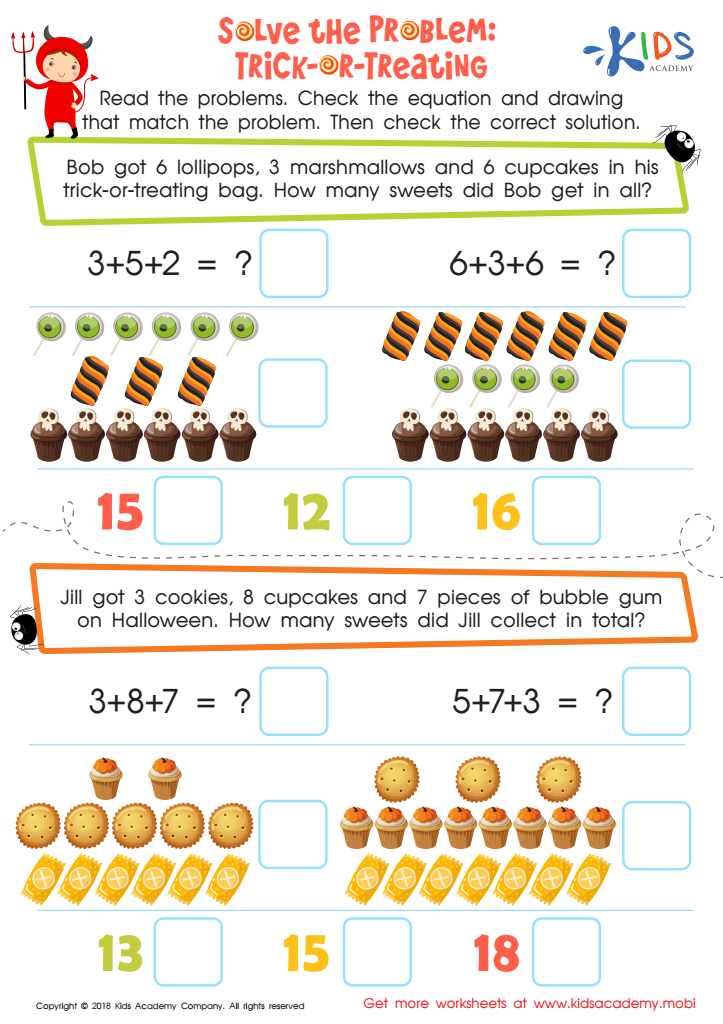
Solve the Problem: Trick–or–treating Worksheet
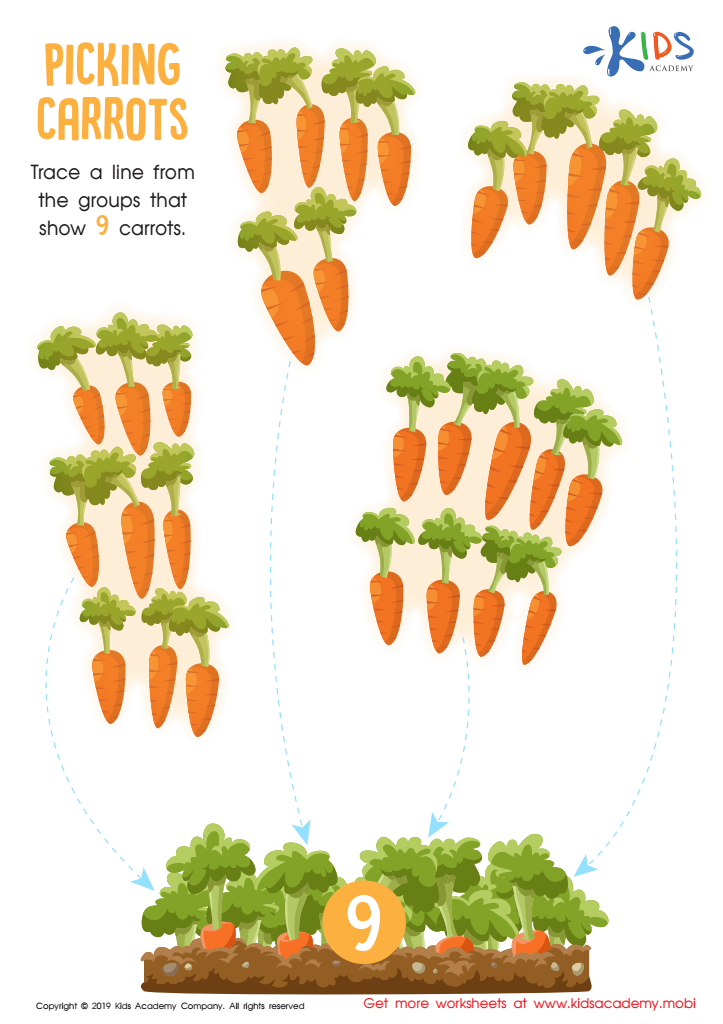
Picking Carrots Worksheet
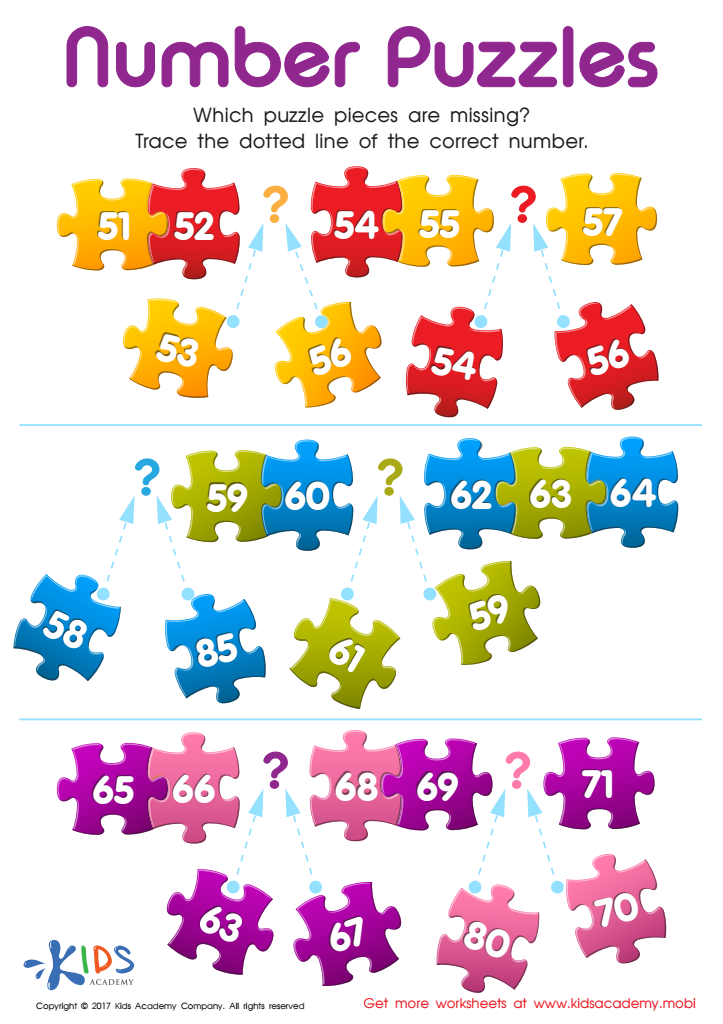
Number Puzzles Worksheet
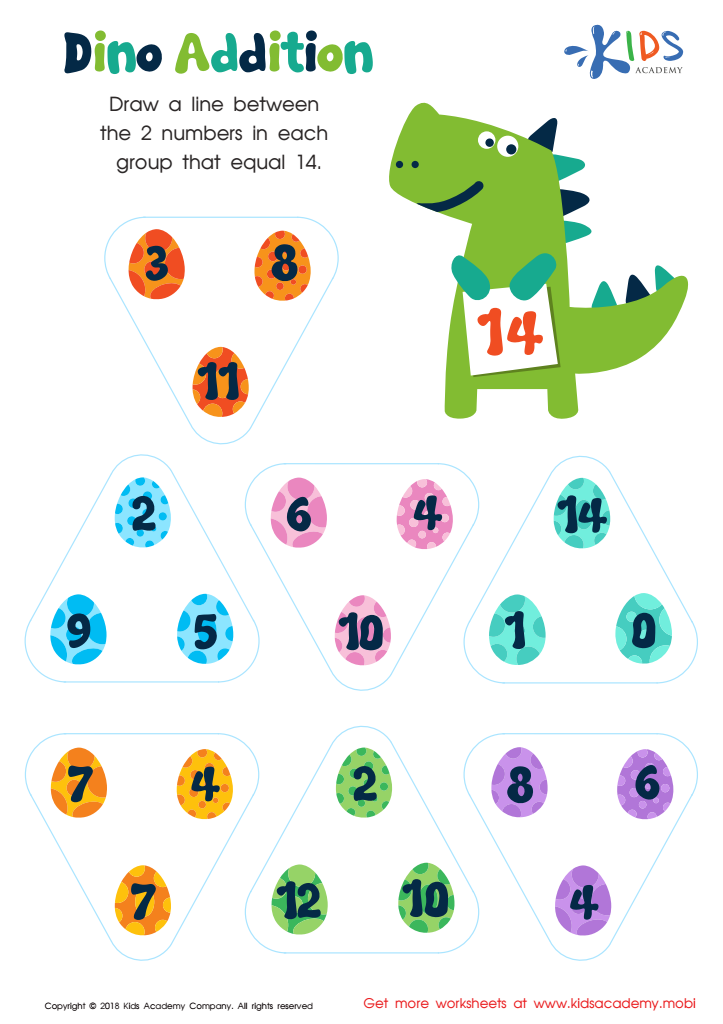
Dino Addition Worksheet
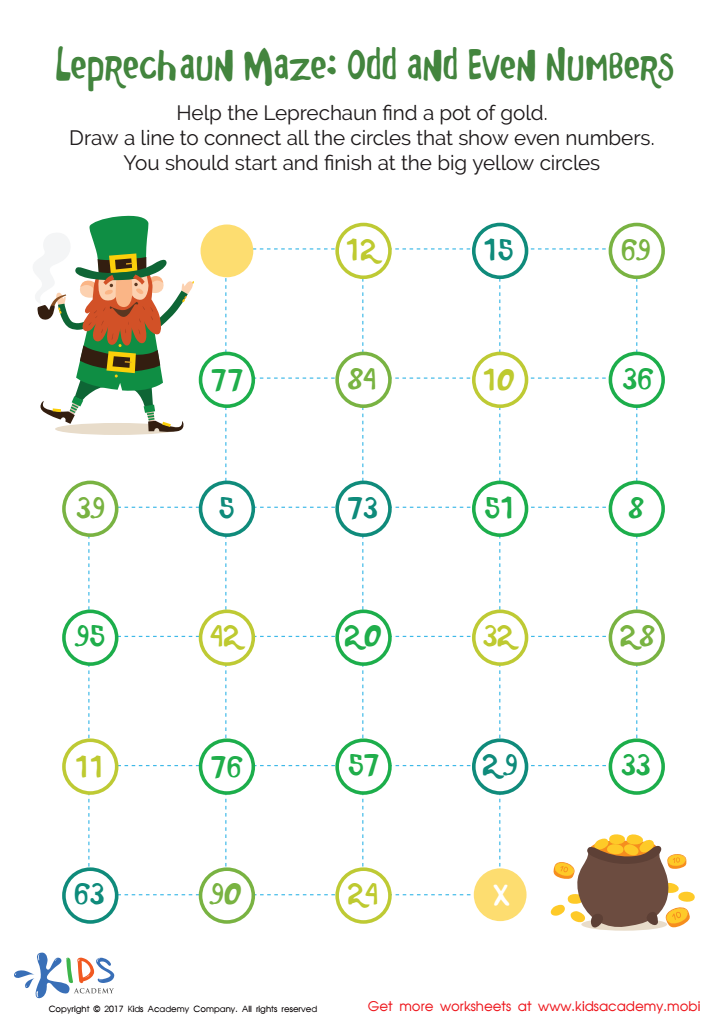
Leprechaun Maze Printable
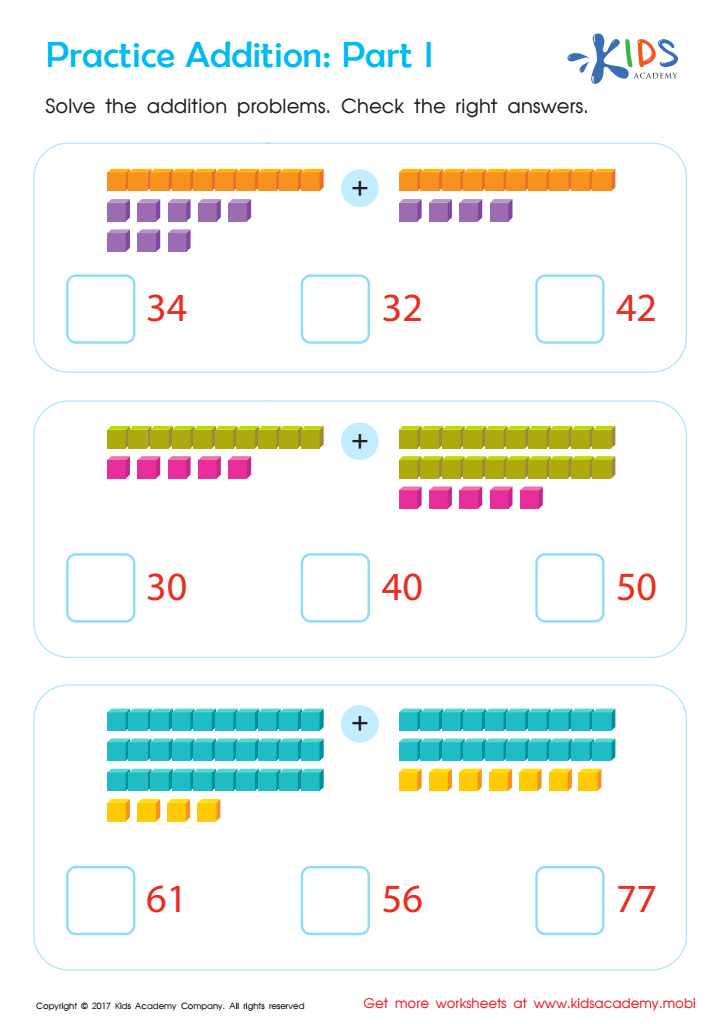
Practice Addition: Part 1 Worksheet
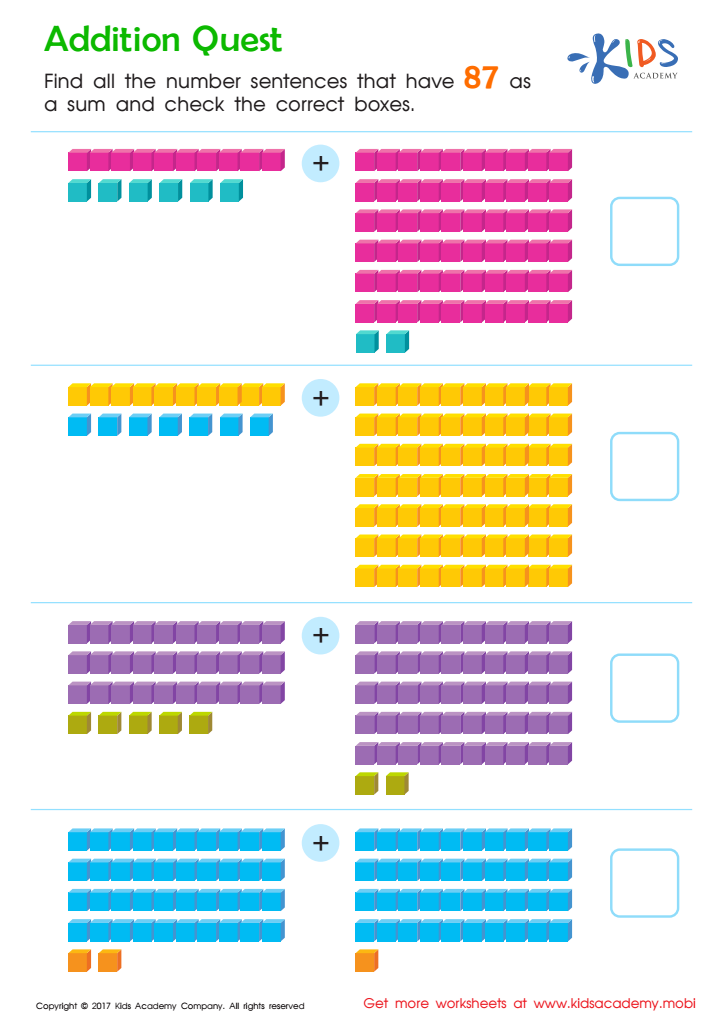
Addition Quest Worksheet: Part 1
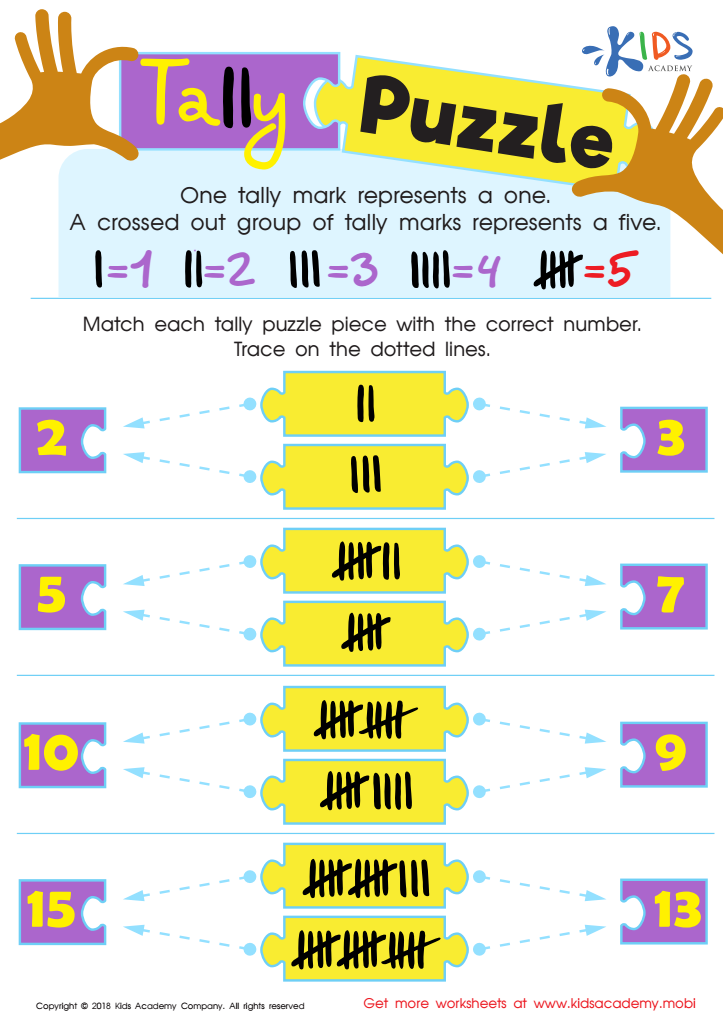
Tally Puzzle Worksheet

Haystack Steps Worksheet
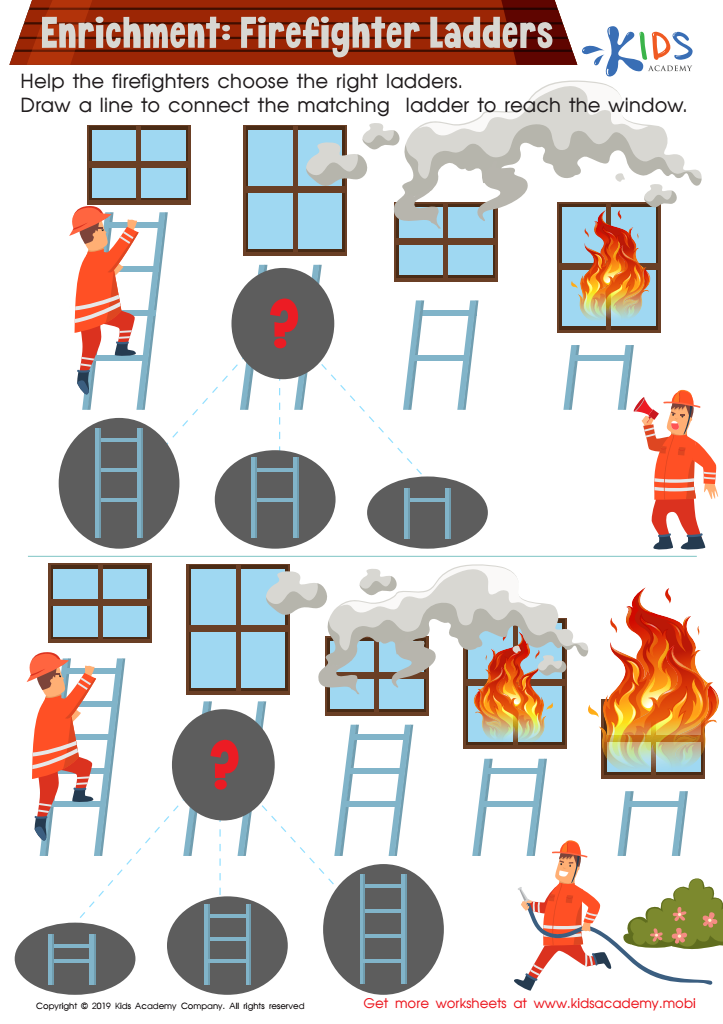
Enrichment: Firefighter Ladders Worksheet



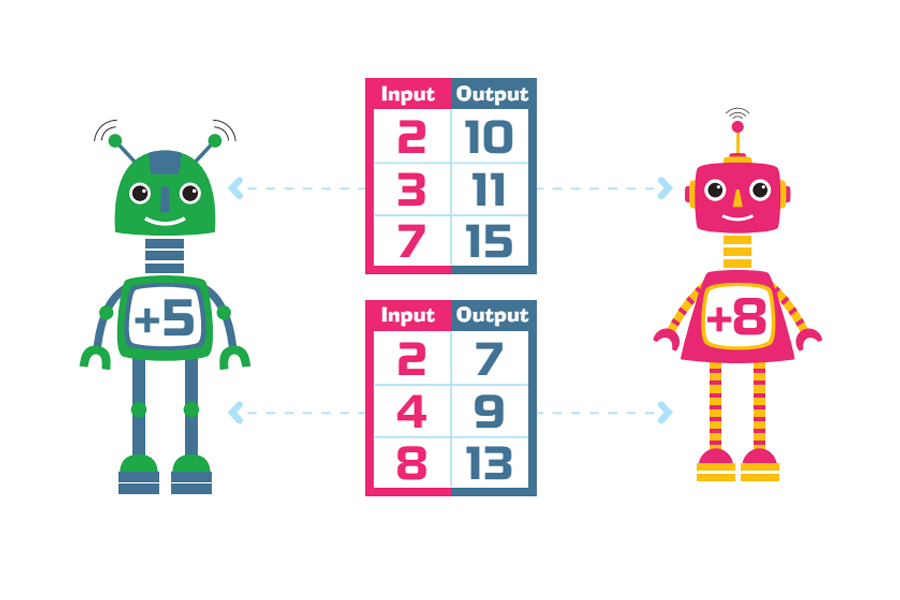




Problem-solving skills are crucial for children aged 4-6, as they lay the foundation for critical thinking and decision-making throughout their lives. At this age, children are naturally curious and eager to explore their environment. By nurturing their problem-solving abilities, parents and teachers foster a sense of independence and resilience. These skills help children learn how to approach challenges, understand the importance of perseverance, and accept failure as a part of the learning process.
Engaging children in age-appropriate problem-solving activities encourages creativity and innovation. This can be achieved through play-based learning, puzzles, and interactive games that stimulate their intellect. Furthermore, early problem-solving experiences help children develop essential language skills as they articulate their thoughts and explore different solutions.
In addition, children with strong problem-solving skills tend to be more adaptable and better equipped to handle social interactions, academic challenges, and emotional regulation. By investing time and resources in developing these skills, parents and teachers can set the stage for lifelong learning and success. In a fast-paced world that constantly presents new challenges, fostering a generation of capable problem-solvers will ultimately lead to more confident, engaged, and empowered individuals.








