Understanding patterns Numbers Worksheets for Ages 4-6
6 filtered results
-
From - To
Explore our "Understanding Patterns Numbers Worksheets" designed specifically for children ages 4-6! These engaging worksheets provide a fun way for young learners to recognize and understand patterns using colorful visuals and hands-on activities. By working through these carefully crafted exercises, children will enhance their cognitive skills, boost critical thinking, and develop a solid foundation in number recognition and sequencing. Each worksheet encourages creativity and interactive learning, making math an enjoyable experience. Ideal for homeschooling or classroom use, our worksheets promote independent learning and concept mastery, ensuring a head start in their educational journey. Check them out to brighten your child's learning experience!
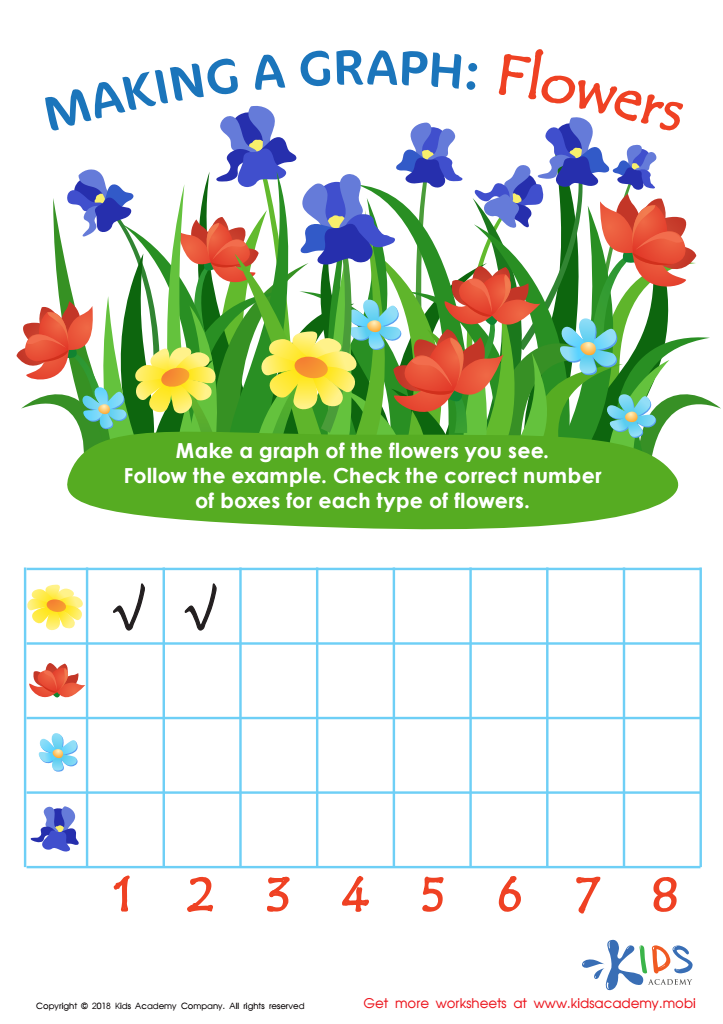
Making a Graph: Flowers Worksheet
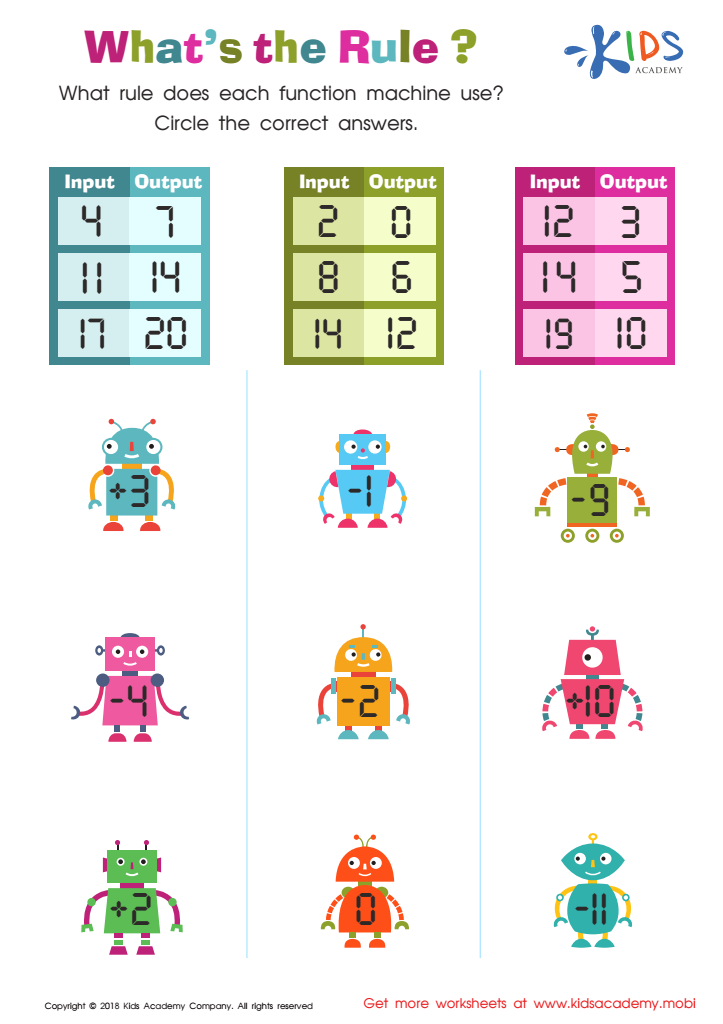
What's the Rule Worksheet
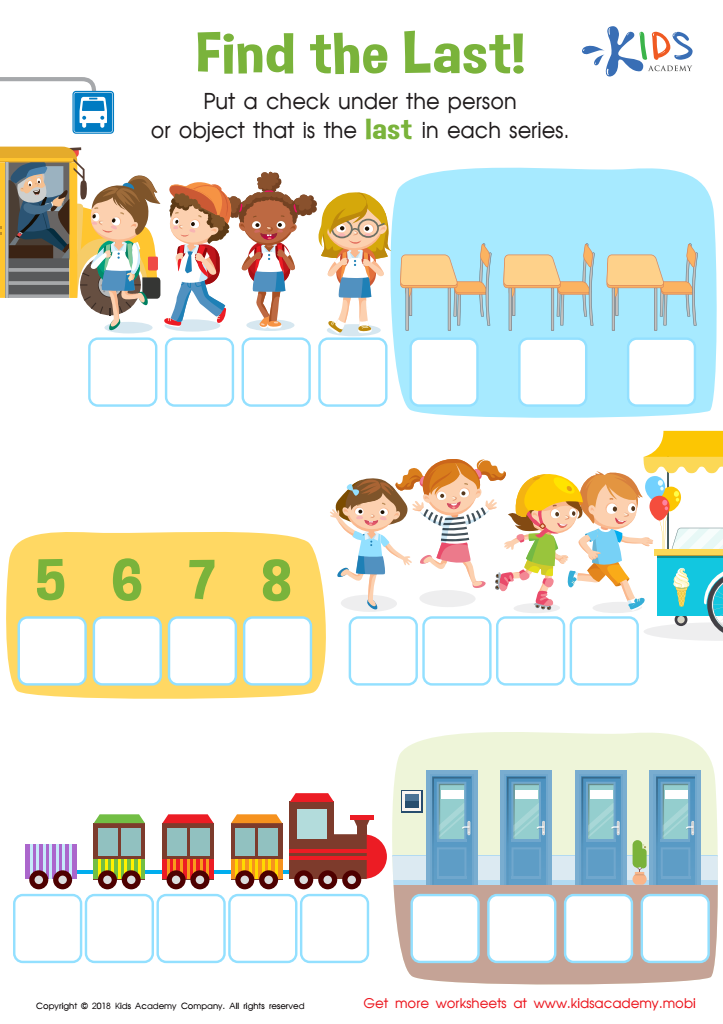
Find the Last! Worksheet
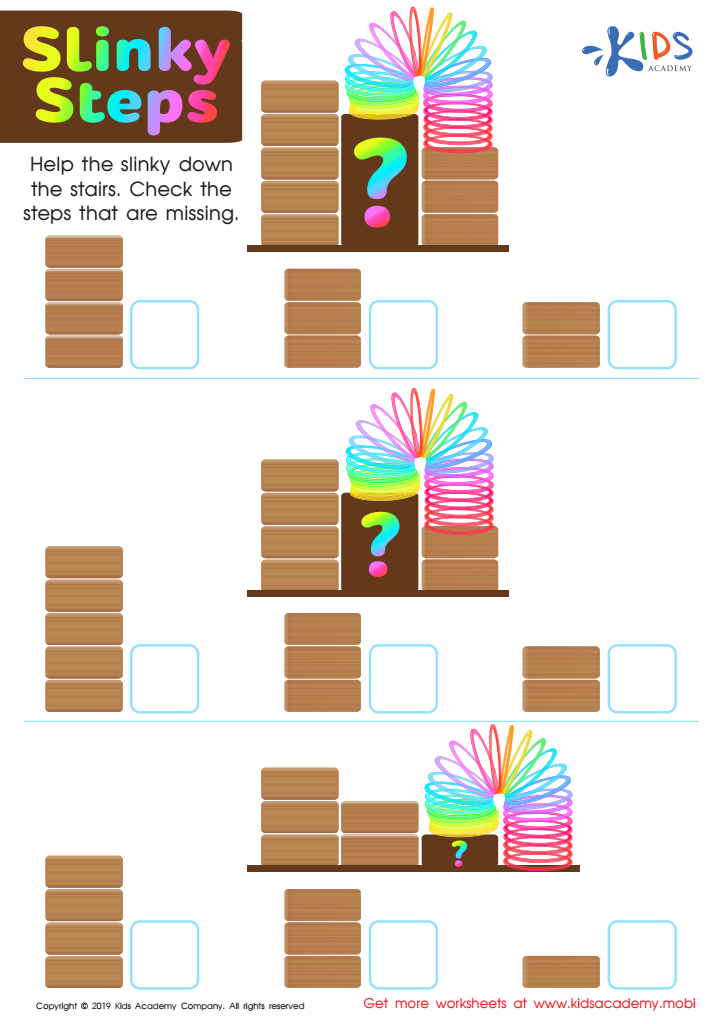
Slinky Steps Worksheet
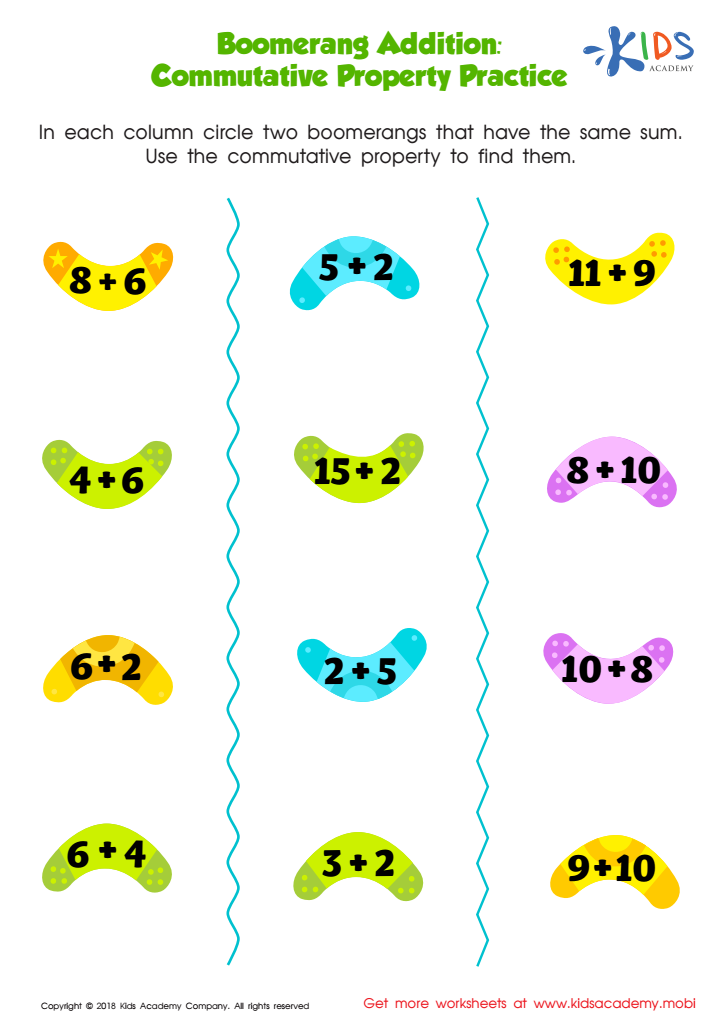
Boomerang Addition Worksheet
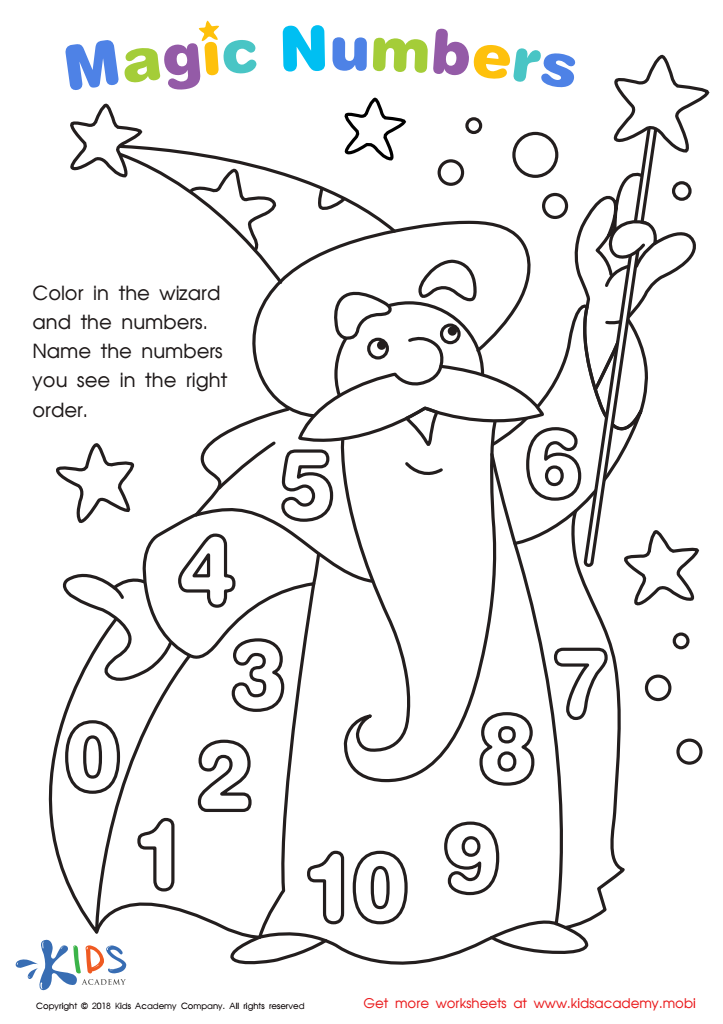
Magic Numbers Worksheet
 Assign to My Students








Understanding patterns and numbers is crucial for children aged 4-6 as it lays the foundation for essential math skills. Recognizing patterns helps children develop critical thinking and problem-solving abilities, enabling them to identify relationships in both mathematical concepts and everyday life. Patterns are everywhere, from color sequences in nature to routines in daily activities, teaching children to observe and predict outcomes.
Furthermore, developing number skills at this early age fosters cognitive development, enhancing memory and concentration. Early exposure to numbers and patterns not only boosts their mathematical capabilities but also nurtures analytical skills that are vital throughout their educational journey. Engaging in playful activities with patterns—like counting blocks or identifying shapes in their environment—makes learning enjoyable and interactive.
Parents and teachers play a vital role in this learning process, as they can create enriching environments that stimulate curiosity and engagement. By incorporating pattern recognition into daily routines and learning activities, adults can support children's growth, ensuring they feel confident as they advance to more complex math concepts. Ultimately, this foundational understanding is instrumental in promoting a love for learning and establishing a strong academic trajectory during crucial formative years.








