Visual perception Numbers Worksheets for Ages 4-6 - Page 2
28 filtered results
-
From - To
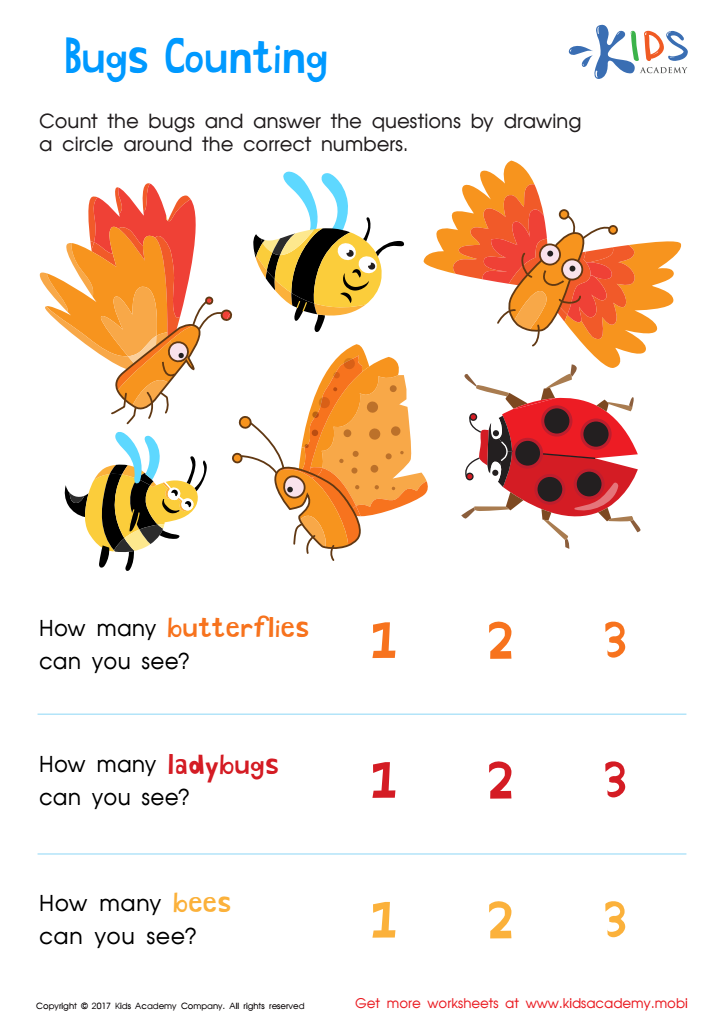
Bugs Counting Worksheet
 Assign to My Students
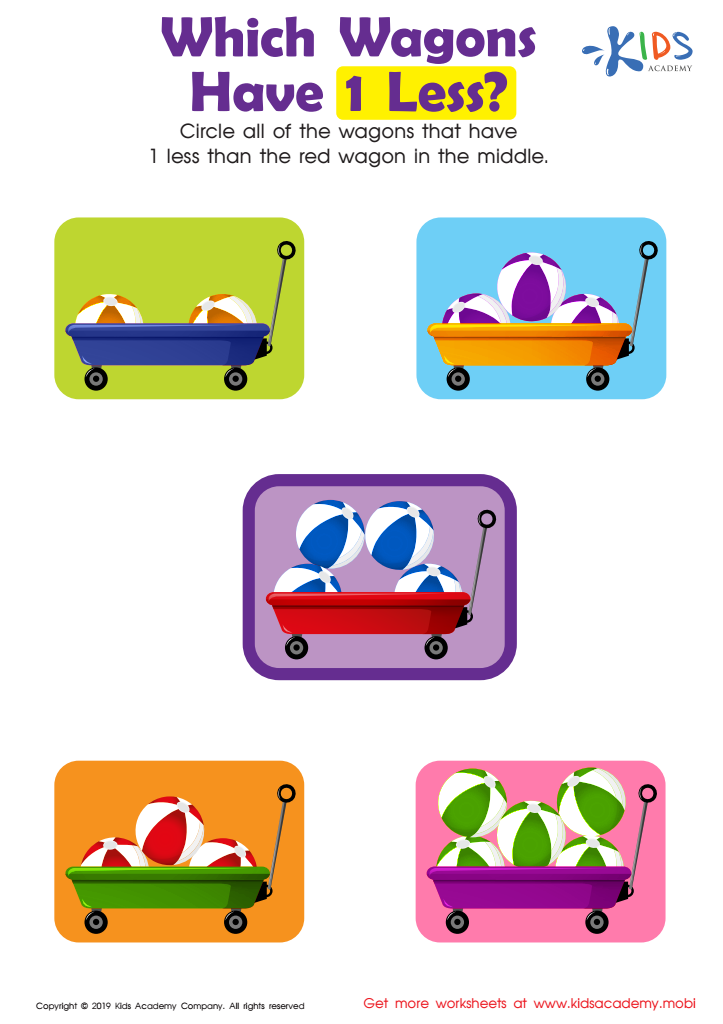
Which Wagons Have 1 Less? Worksheet
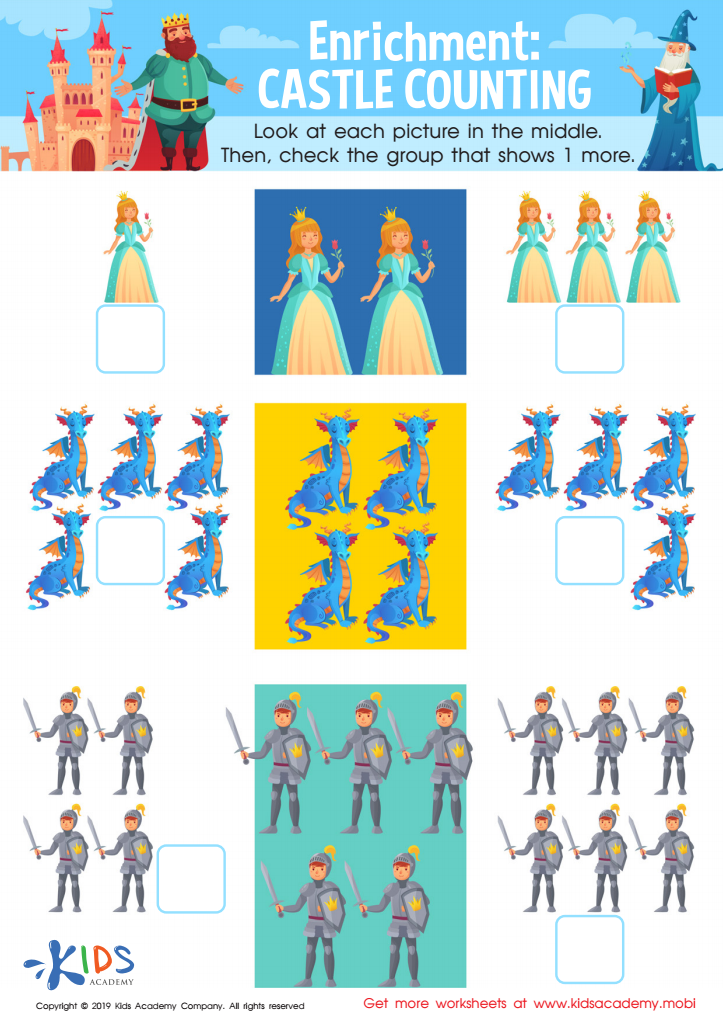
Enrichment: Castle Counting Worksheet
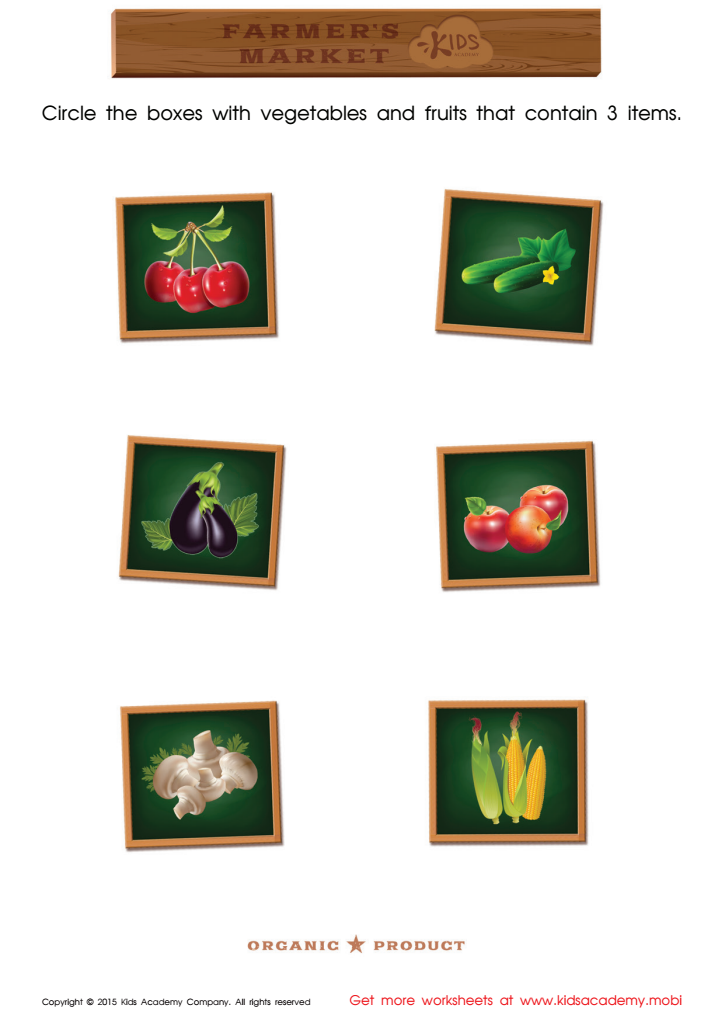
Count and Match Vegetables 1 – 5 Math Worksheet








Visual perception is a critical skill for children ages 4-6 as it directly influences their ability to understand and manipulate numbers. During these formative years, children are developing foundational math skills, and strong visual perception supports this growth by allowing them to recognize, interpret, and organize numerical information effectively.
For parents and teachers, fostering visual perception can enhance a child's ability to identify patterns, shapes, and spatial relationships, which are essential for mathematical concepts. When children can visually discriminate between different quantities, they are better equipped to understand addition, subtraction, and early geometry. This skill also promotes problem-solving abilities, encouraging children to visualize and strategize solutions in a mathematical context.
Furthermore, improving visual perception enhances overall cognitive development. Engaging children with activities like number games, shapes sorting, and visual puzzles will not only make learning enjoyable but will also build their confidence in handling math-related tasks.
Ultimately, prioritizing visual perception numbers equips children with the essential tools to succeed academically and fosters a positive attitude towards learning and mathematics, setting the stage for future educational achievement. Parents and teachers therefore play a crucial role in implementing activities that develop these skills through engaging and age-appropriate materials.








