Number Recognition Subtraction Worksheets for Ages 4-6
10 filtered results
-
From - To
Welcome to our engaging "Number Recognition Subtraction Worksheets" designed specifically for children ages 4-6! These interactive worksheets combine number recognition and subtraction skills to create a fun learning experience. Each worksheet incorporates colorful visuals and age-appropriate challenges that help young learners identify numbers and apply simple subtraction concepts. Through playful exercises, kids will boost their math confidence while developing essential skills that lay the foundation for future learning. Perfect for classroom use or at-home practice, our worksheets encourage creativity and critical thinking in early education. Download now to provide your child with a valuable resource that promotes early math success!
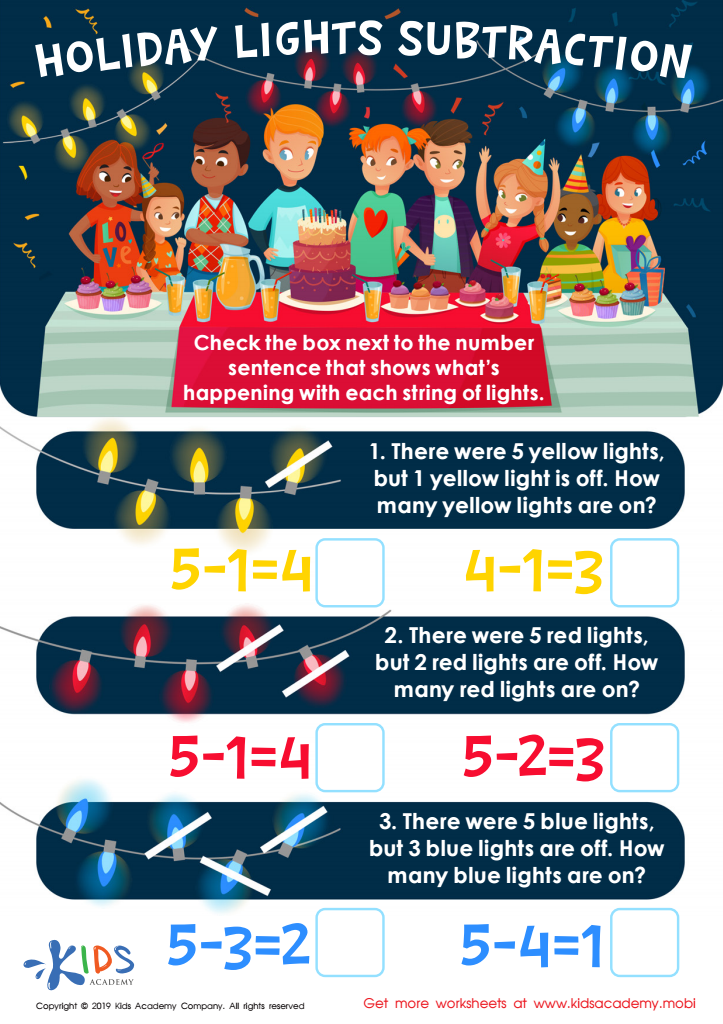
Holiday Lights Subtraction Worksheet
 Assign to My Students
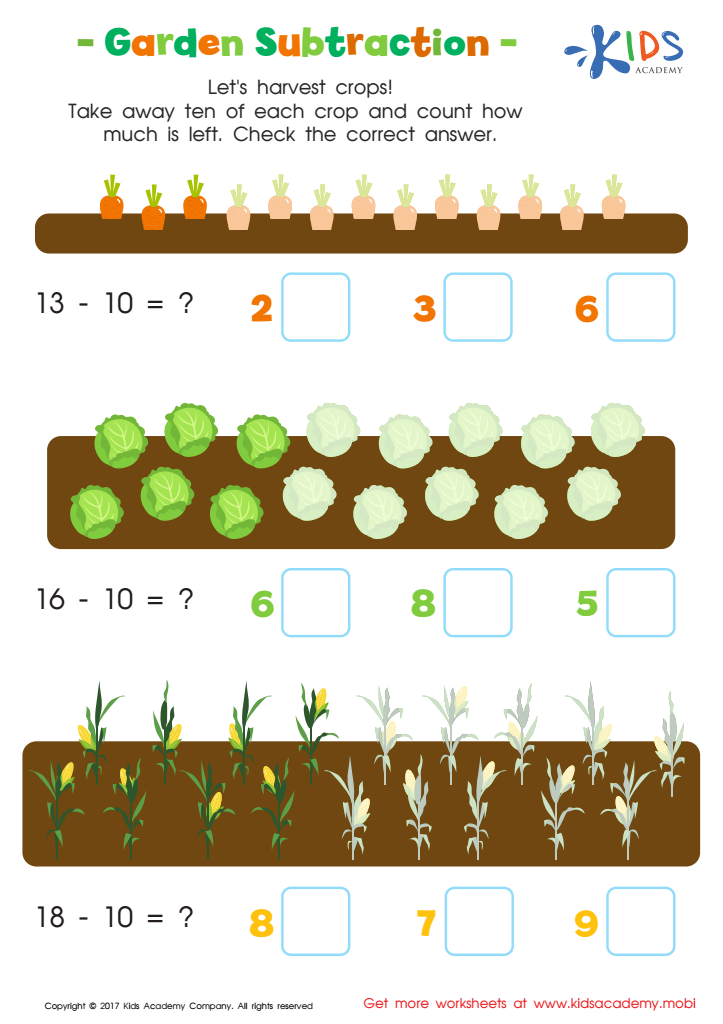
Garden Subtraction Worksheet
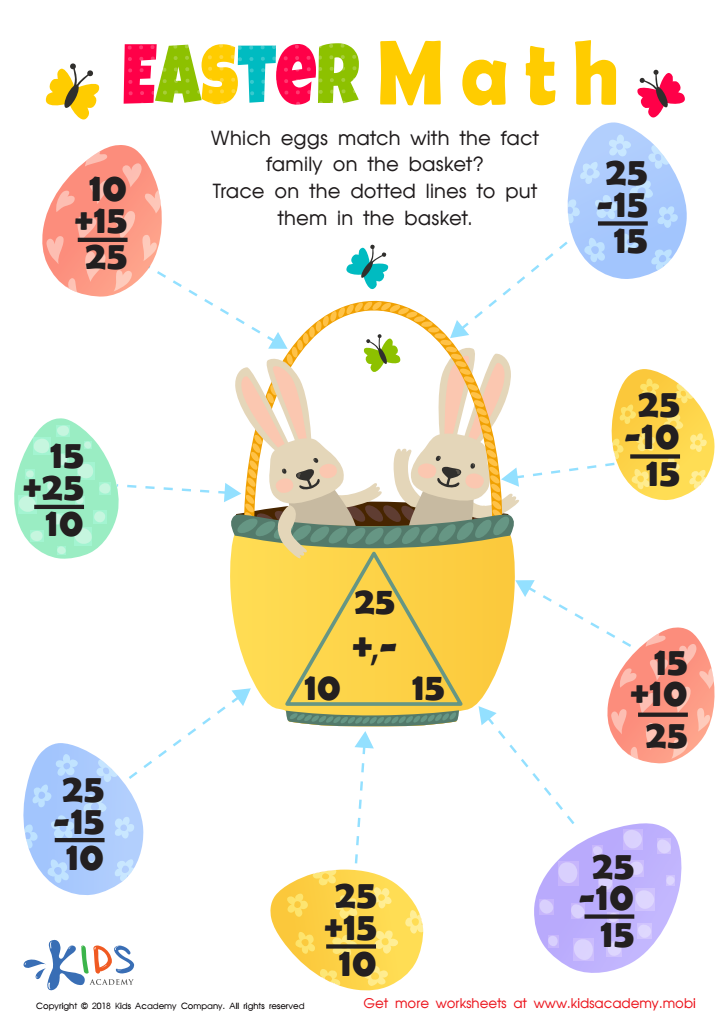
Fact Families: Easter Math Worksheet
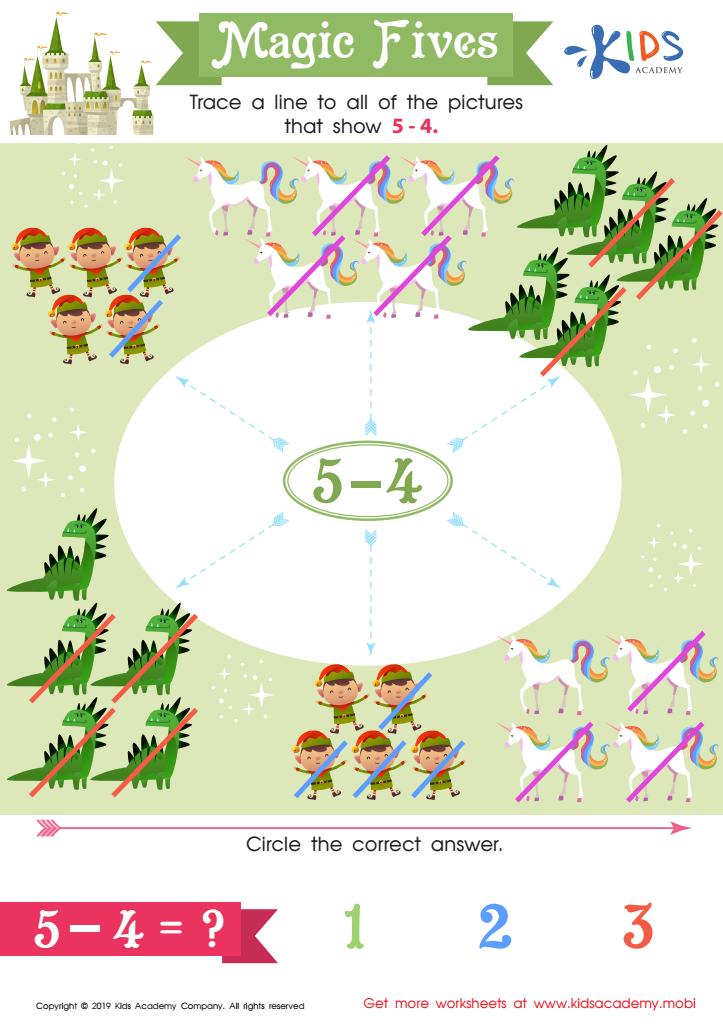
Magic Fives Worksheet
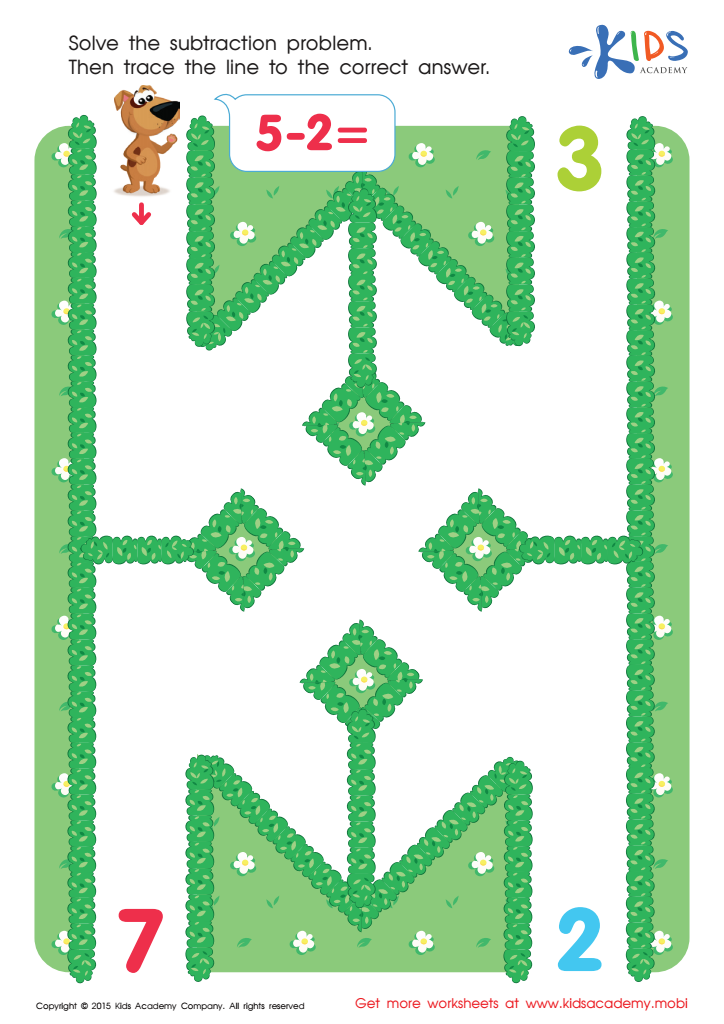
Five Minus Two Worksheet
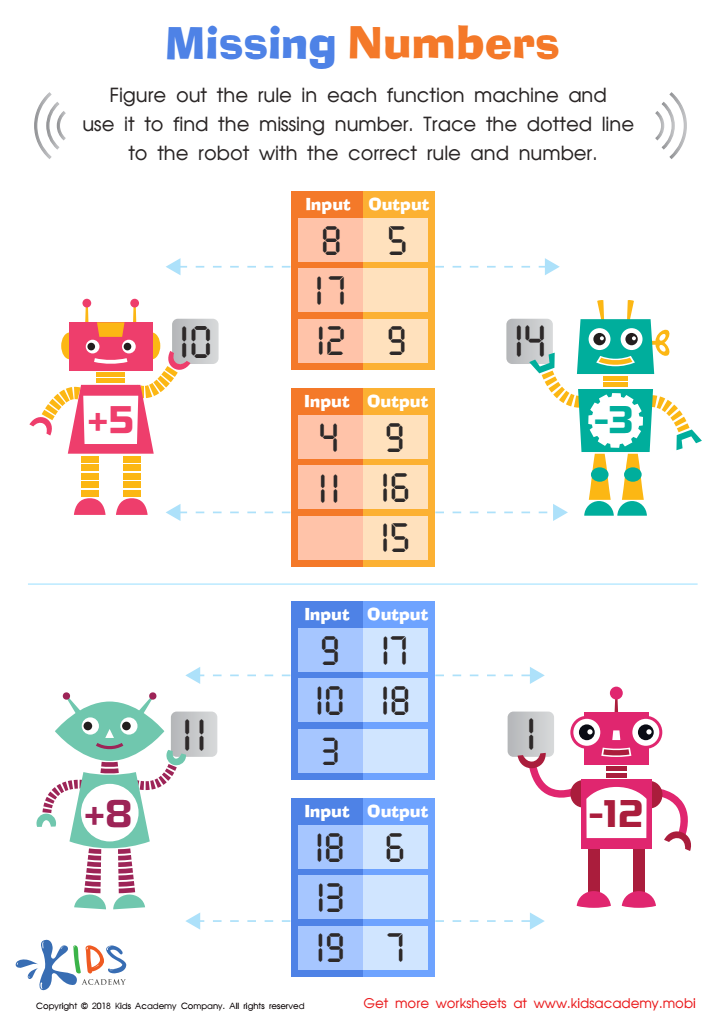
Missing Numbers Worksheet
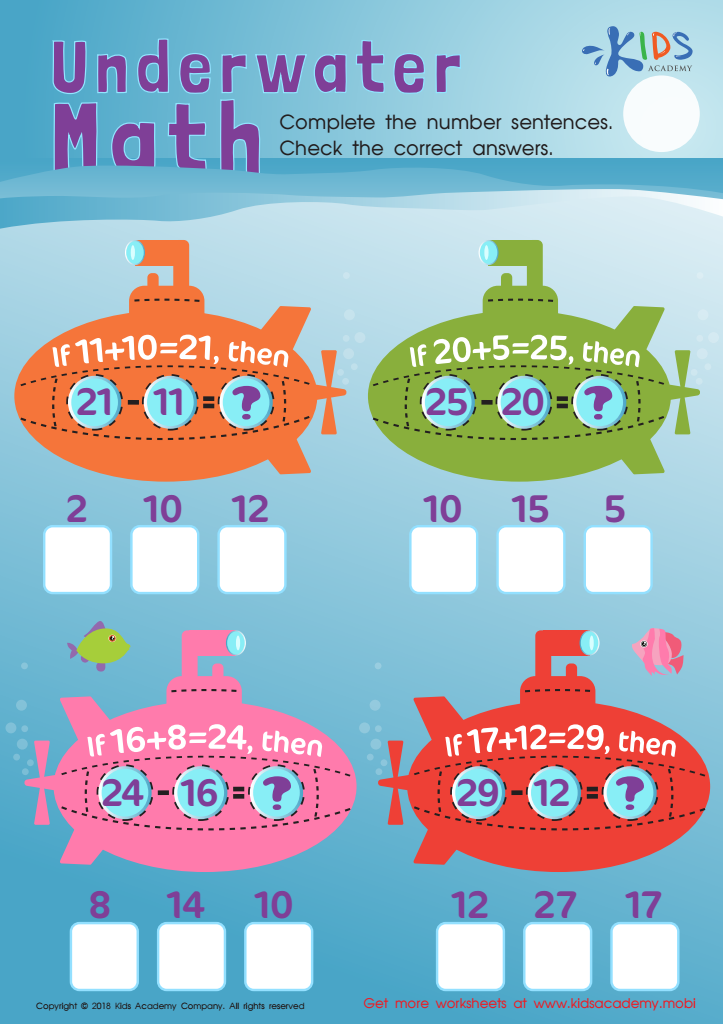
Addition and Subtraction: Underwater Math Worksheet
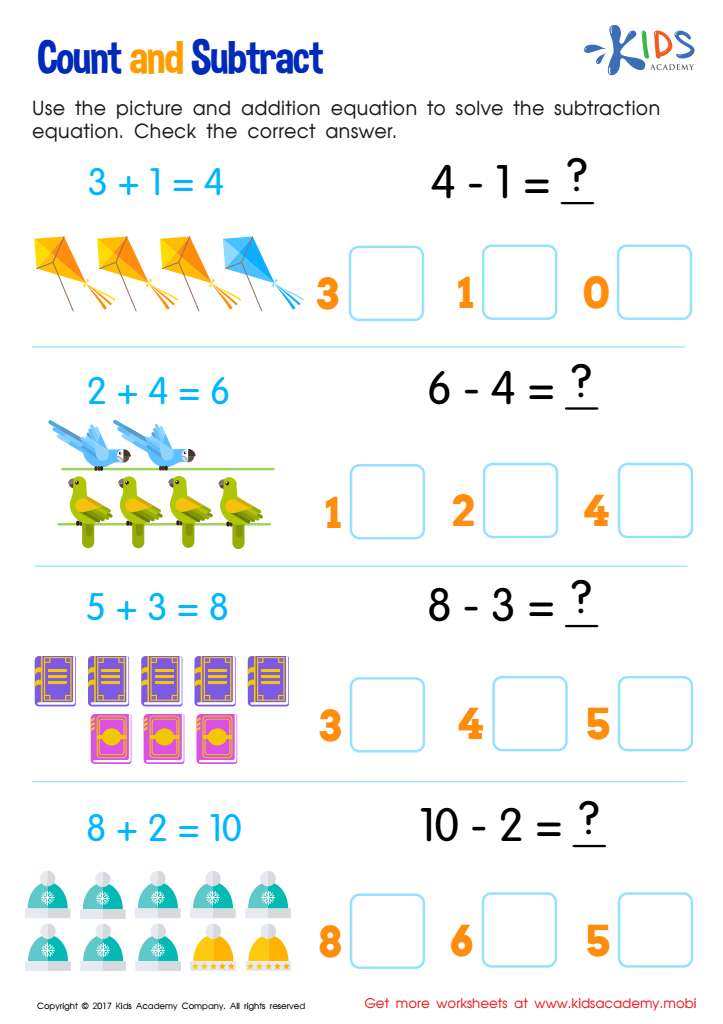
Count and Subtract Worksheet
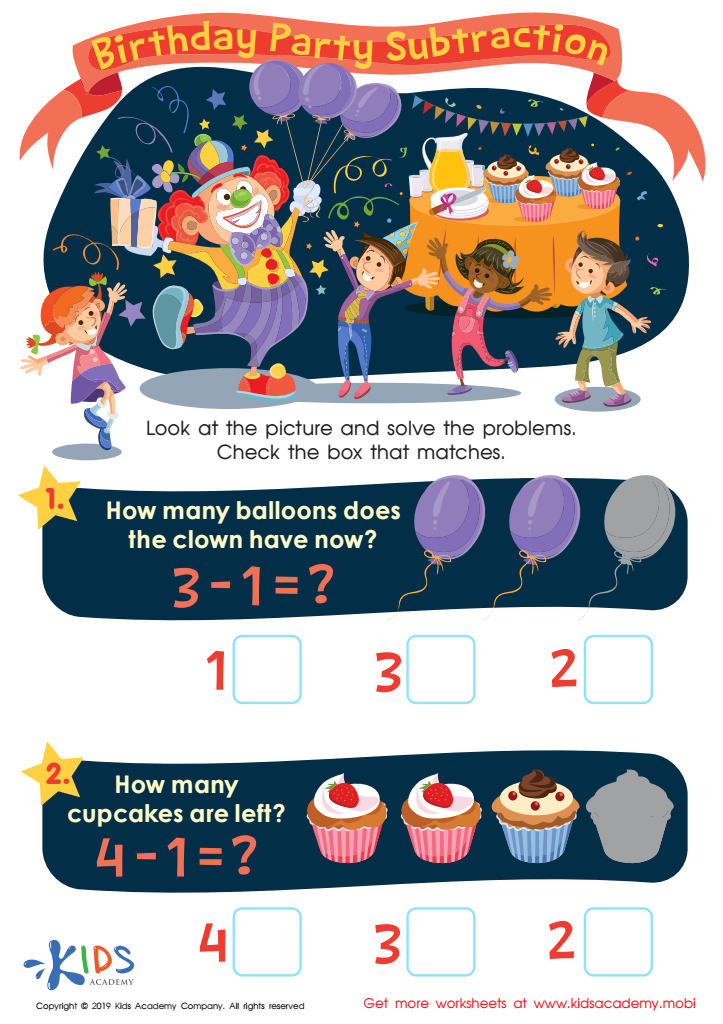
Birthday Party Subtraction Worksheet
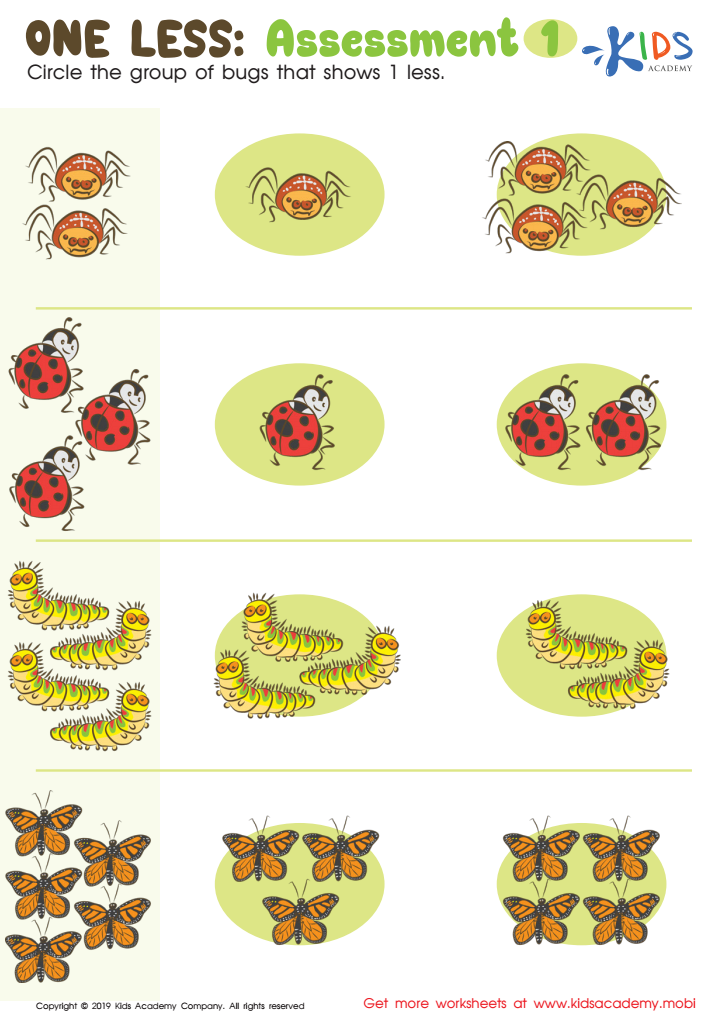
One Less: Assessment 1 Worksheet








Number recognition and subtraction are foundational skills in early mathematics for children aged 4-6. Understanding these concepts lays the groundwork for future mathematical learning and cognitive development. When parents and teachers facilitate number recognition, children learn to identify and interpret numbers, fostering confidence and enthusiasm towards math. This skill helps children relate numbers to quantities, essential for everyday activities, such as counting toys or sharing snacks.
Subtraction, on the other hand, introduces children to the concept of taking away, which is crucial for developing problem-solving abilities and logical reasoning. Early subtraction activities can engage children in playful ways, such as using physical objects or interactive games, making learning enjoyable. Practicing these skills can enhance critical thinking and promote the understanding of relationships between numbers, reinforcing concepts such as "more," "less," and "equal."
Moreover, number recognition and subtraction support emotional growth; children gain self-assurance as they engage with math. By nurturing these skills, parents and teachers not only bolster academic success but encourage a positive mindset towards math that can last a lifetime. Ultimately, investing time in these fundamental concepts can significantly shape a child's overall learning experience and confidence in their math abilities.








