Problem-Solving Skills Word Problems Worksheets for Ages 4-6 - Page 2
39 filtered results
-
From - To
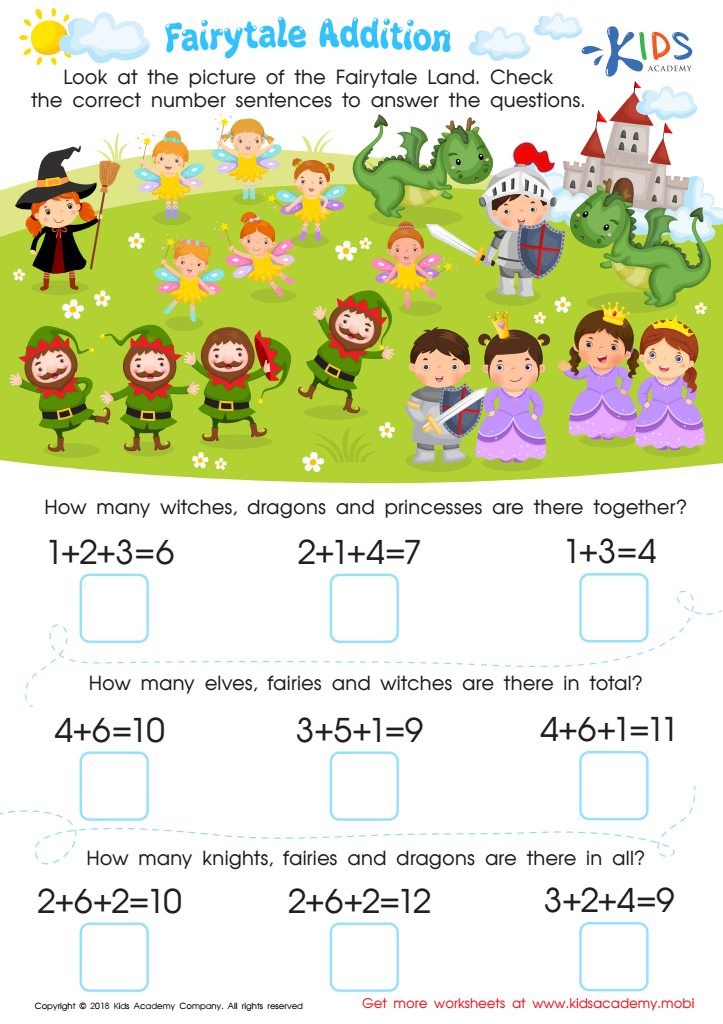
Fairytale Addition Worksheet
 Assign to My Students
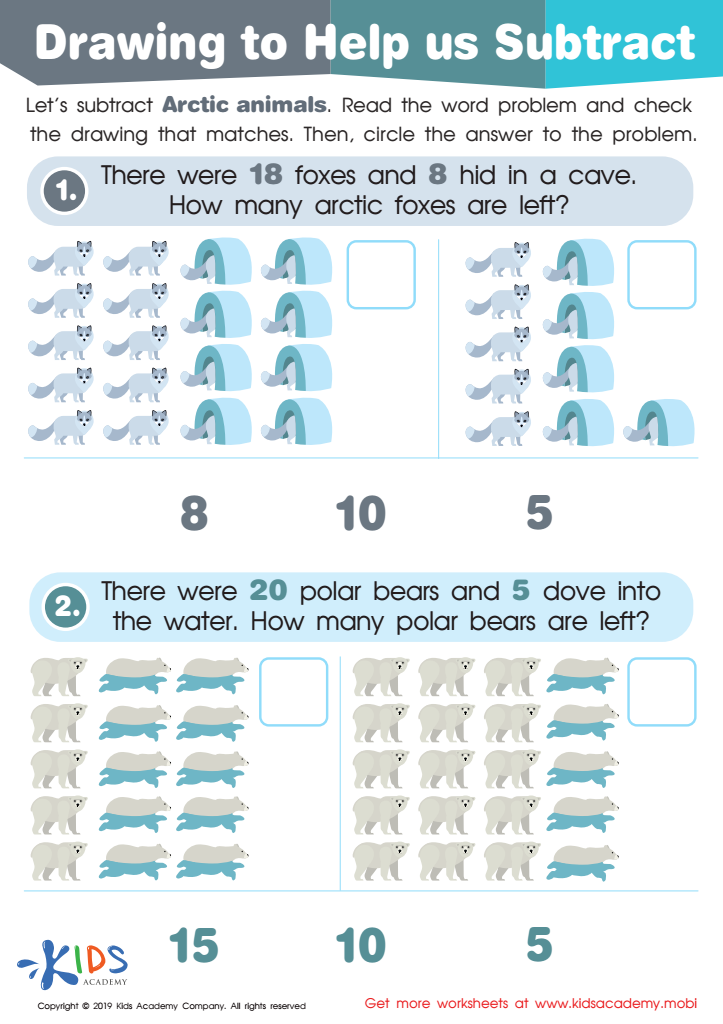
Drawing to Help Us Subtract Worksheet
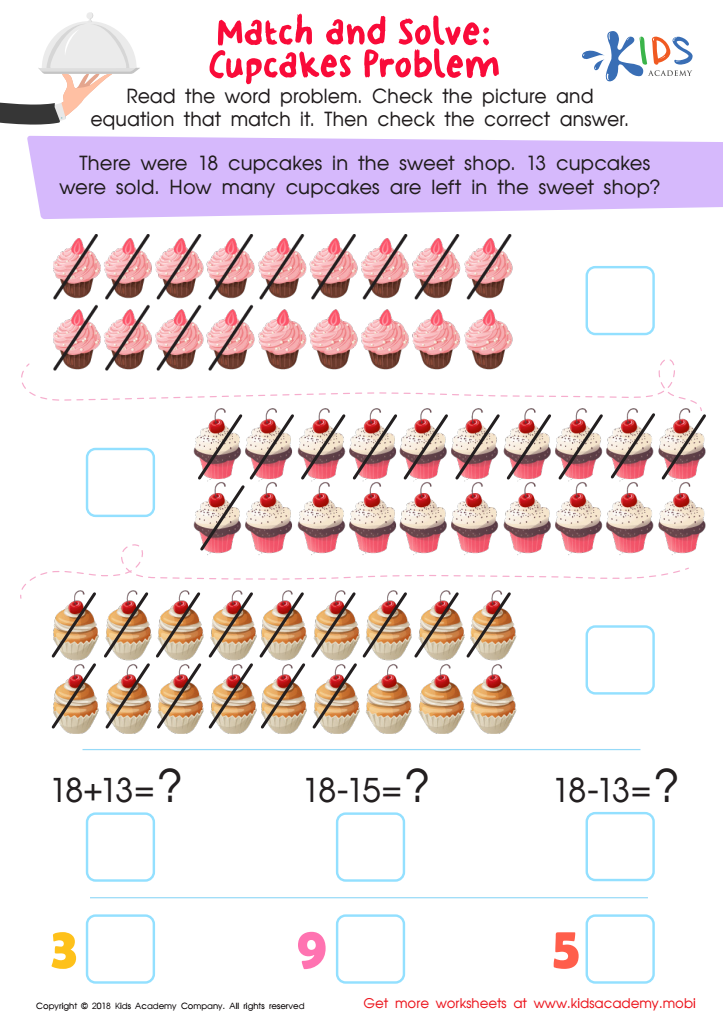
Match and Solve: Cupcakes Problem Worksheet
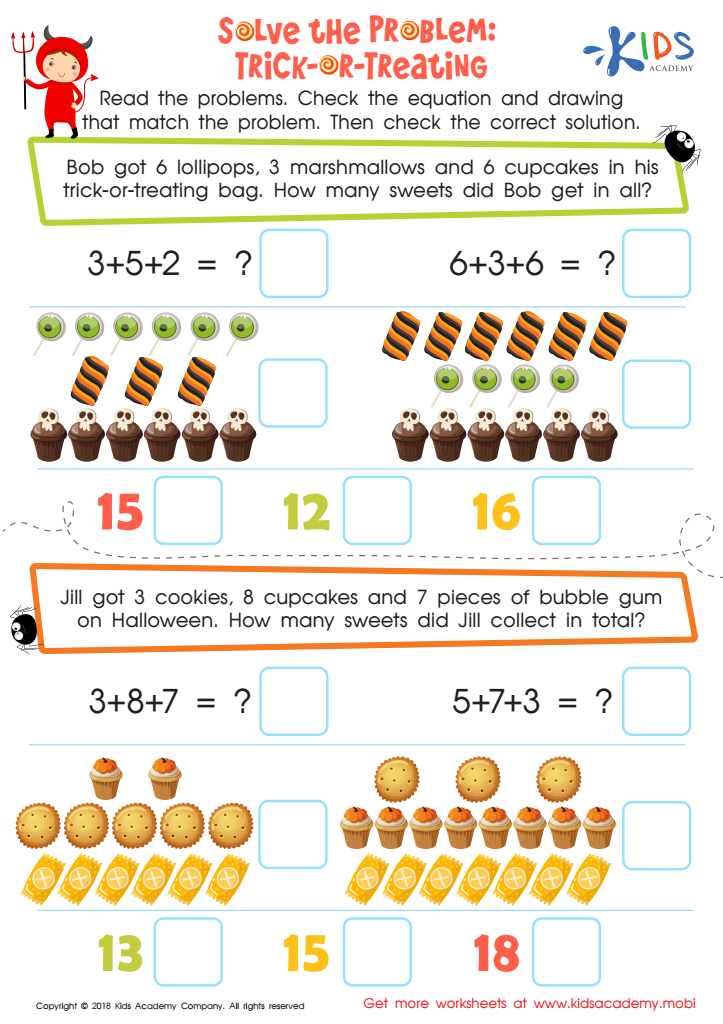
Solve the Problem: Trick–or–treating Worksheet
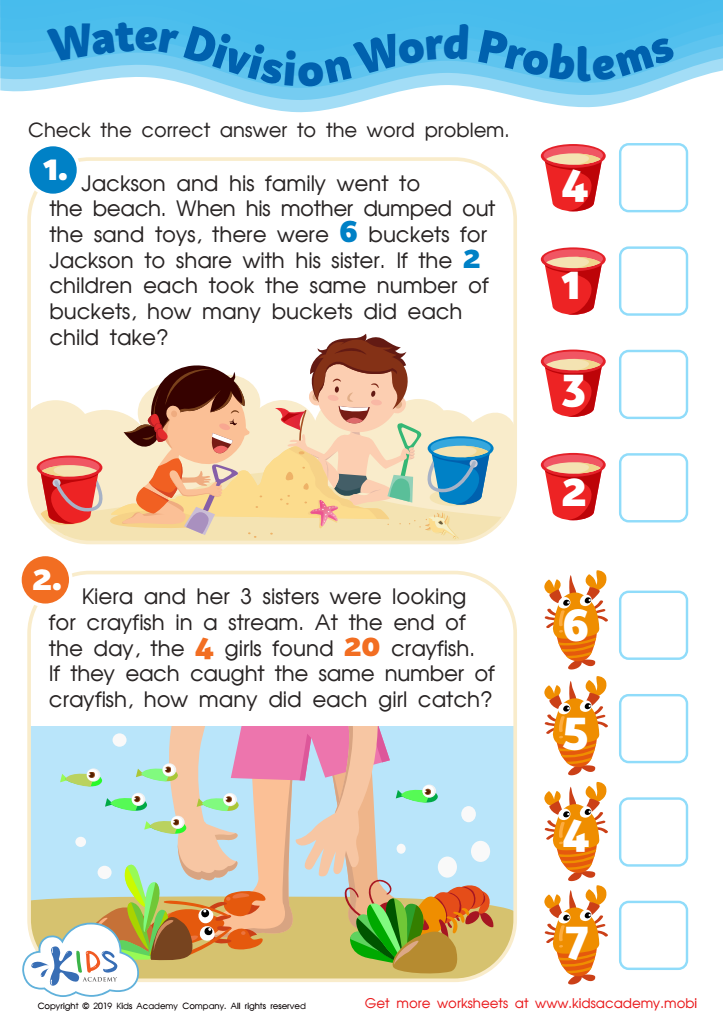
Water Division Word Problems Worksheet
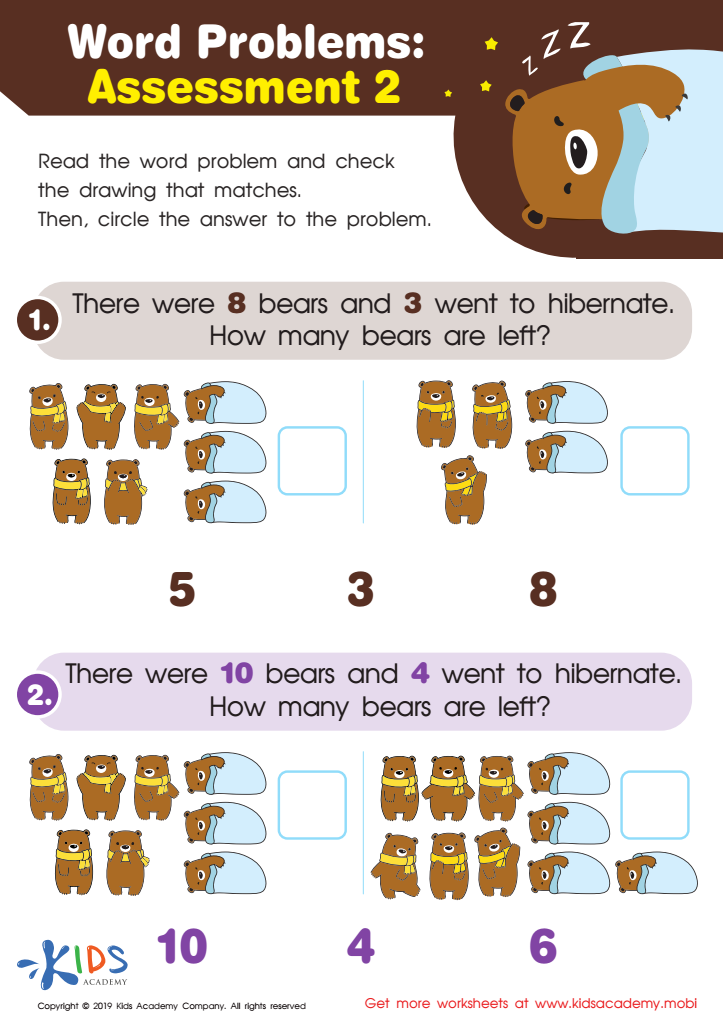
Word Problems: Assessment 2 Worksheet
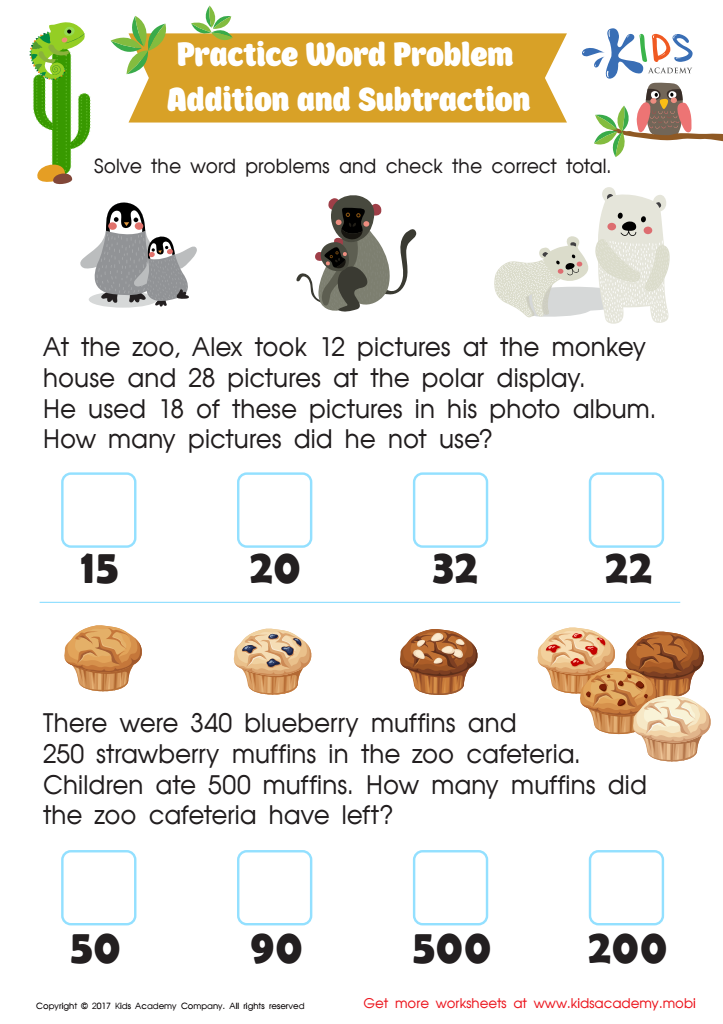
Addition and Subtraction: Word Problems Worksheet
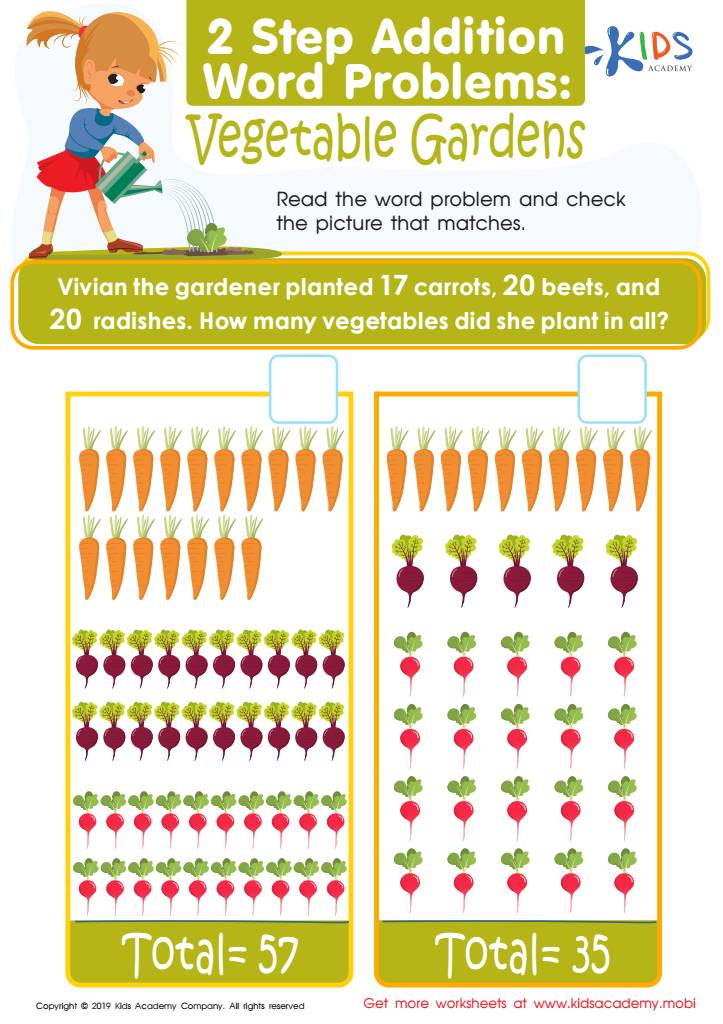
Vegetable Gardens Worksheet
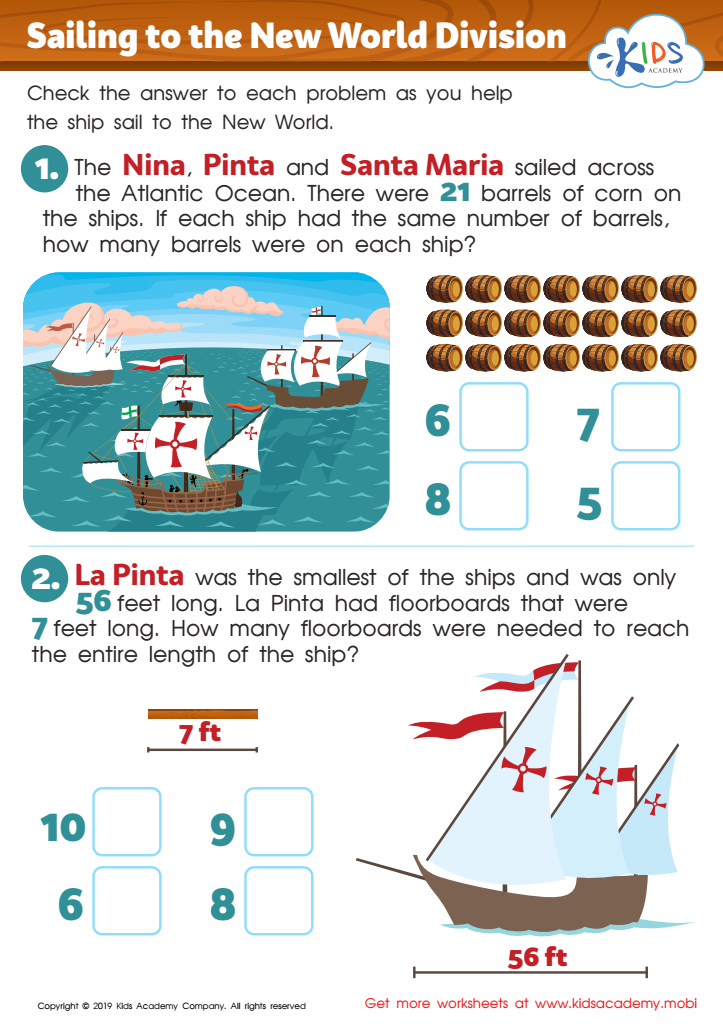
Sailing to the New World Division Worksheet
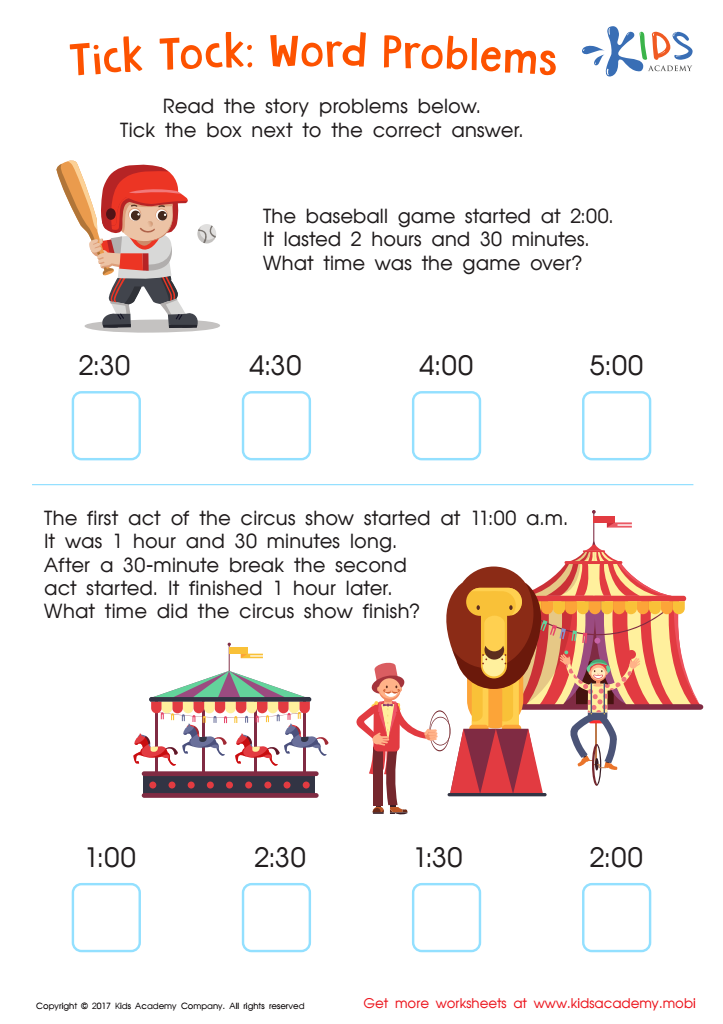
Tick Tock Word Problems Time Worksheet
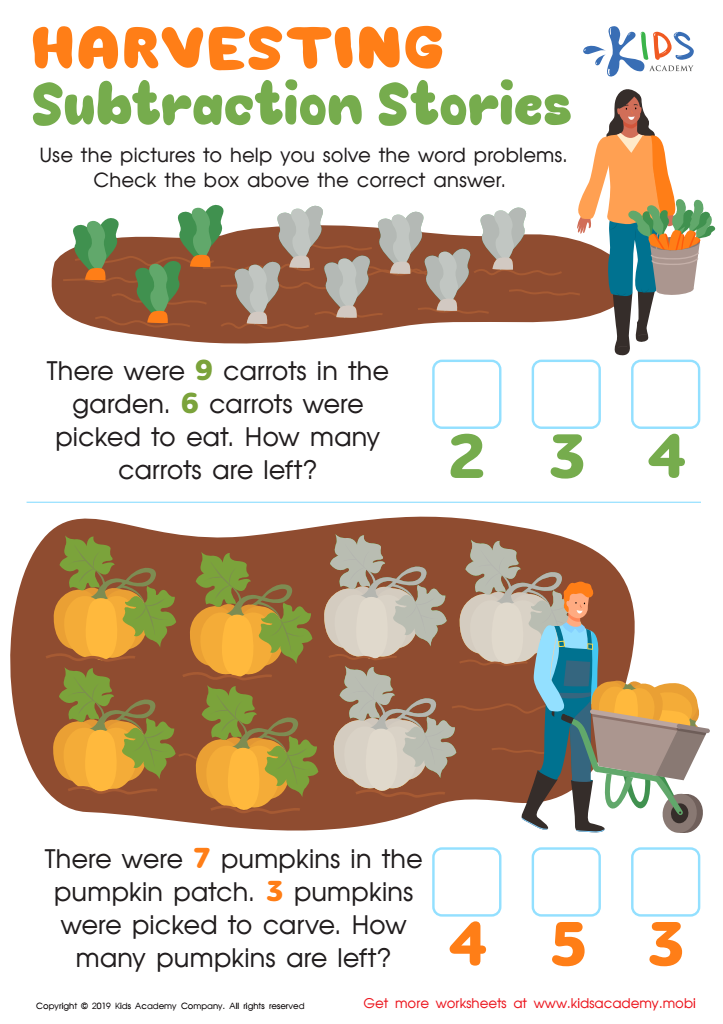
Harvesting Subtraction Stories Worksheet
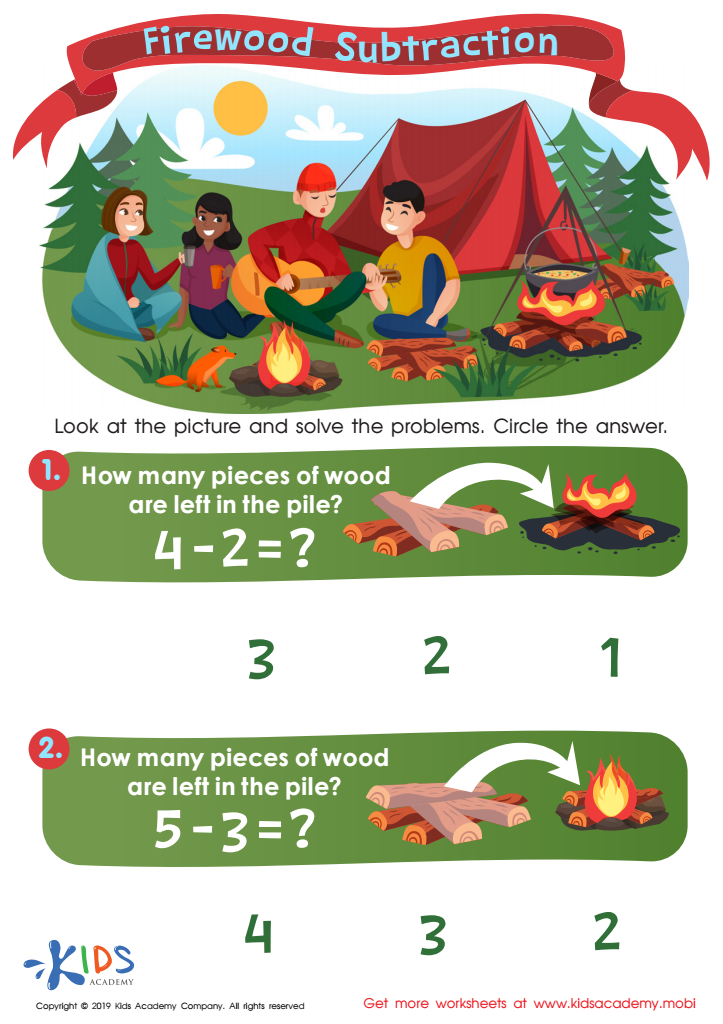
Firewood Subtraction Worksheet
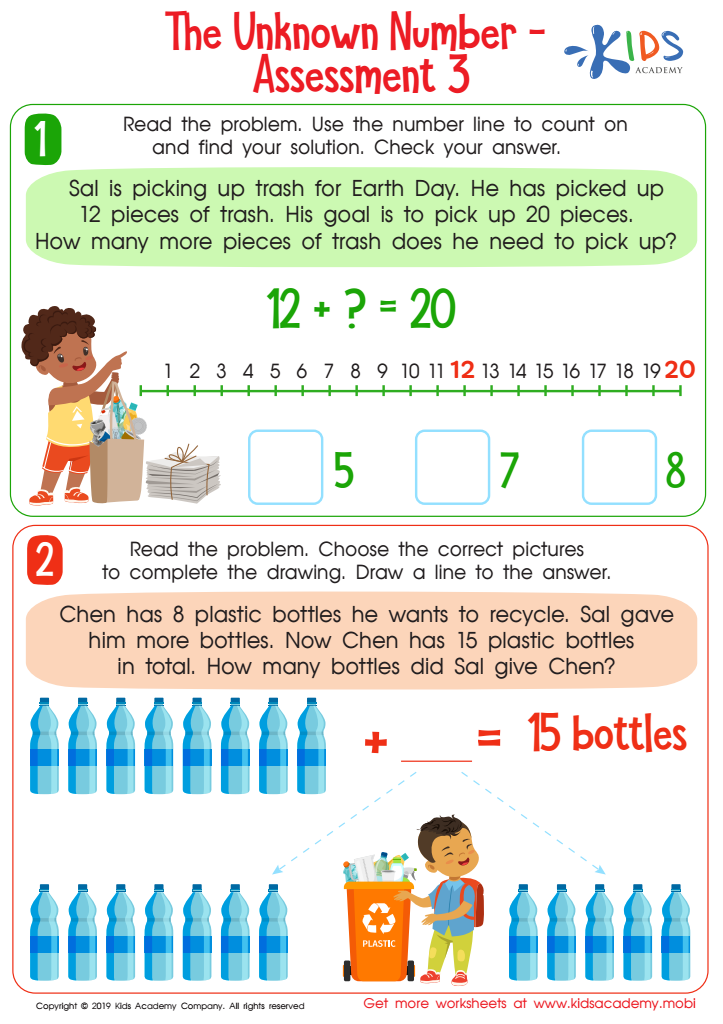
The Unknown Number - Assessment 3 Worksheet
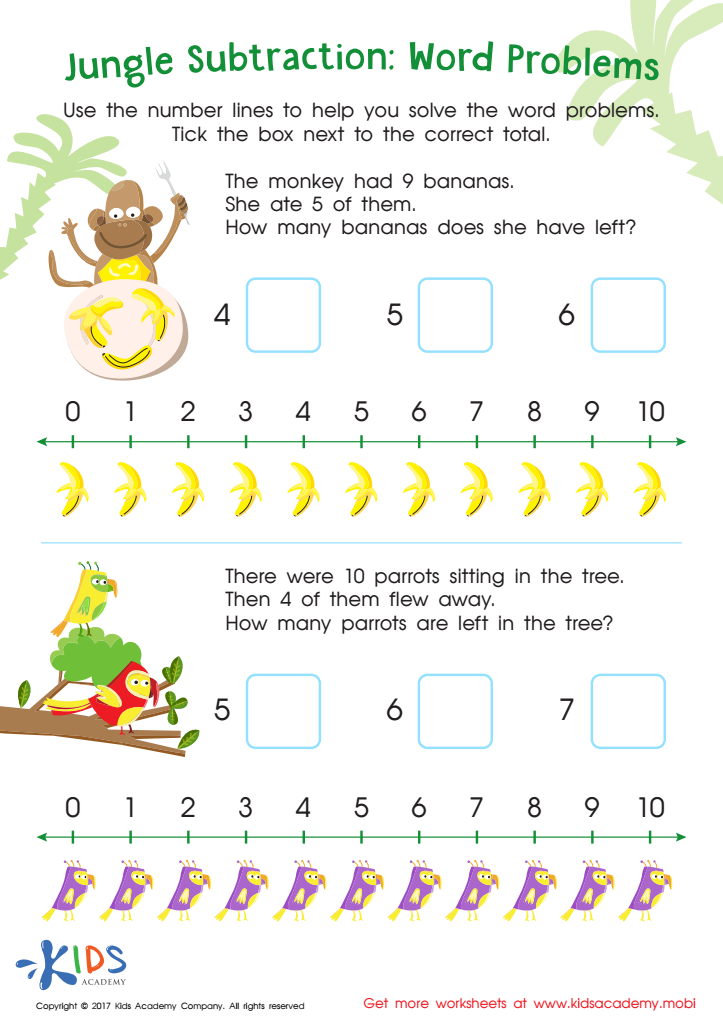
Jungle Subtraction Word Problems Substraction Worksheet
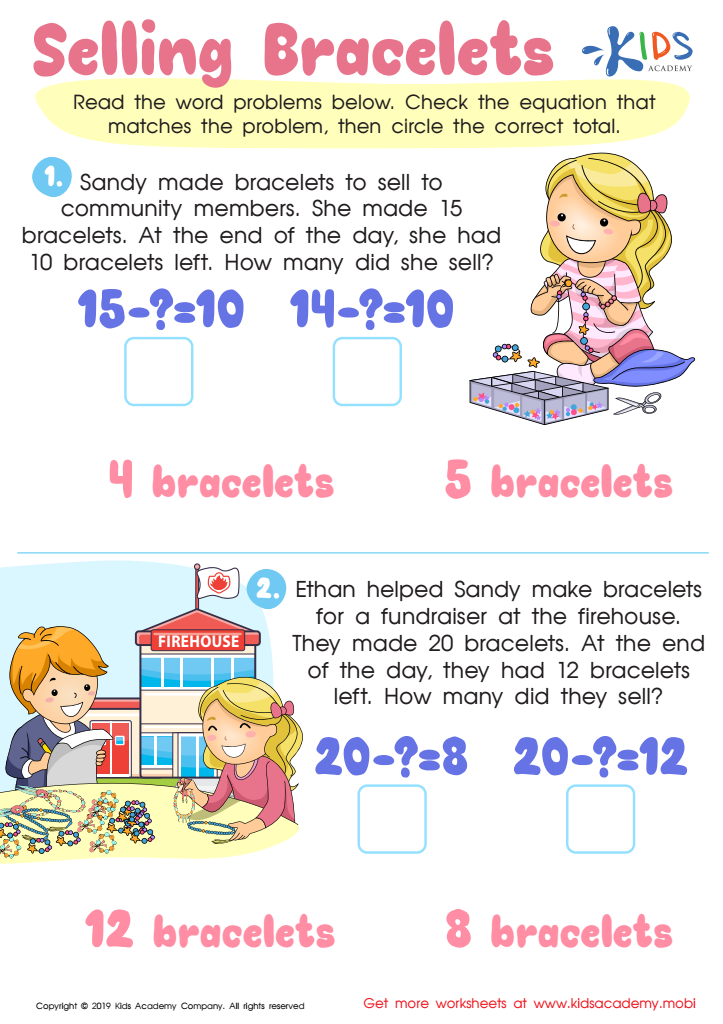
Selling the Bracelets Worksheet








Problem-solving skills, especially in the context of word problems, are crucial for children aged 4-6 as they lay the foundation for critical thinking and mathematical reasoning. At this early stage, children begin to develop a sense of numeracy, which is essential for their academic success. Engaging with word problems helps young learners connect mathematics to real-life situations, making the subject more relevant and enjoyable.
Teachers and parents should emphasize these skills because they encourage cognitive development, allowing children to analyze situations, interpret information, and explore various solutions. This not only builds their confidence in math but also fosters creativity and persistence in overcoming challenges. As children learn to break down word problems, they enhance their listening and comprehension abilities, valuable skills across all learning areas.
Additionally, strong problem-solving skills promote collaboration and communication, as children often work together to arrive at solutions, enhancing social skills. Investing time in developing these abilities not only prepares young learners for more complex mathematical concepts in later grades but also equips them with essential life skills that will benefit them beyond the classroom. Thus, supporting problem-solving practice is an investment in future academic and personal success.








