
Animal recognition Reading Worksheets for Ages 4-6
5 filtered results
Difficulty Level
Grade
Age
-
From - To
Subject
Activity
Standards
Discover our engaging Animal Recognition Reading Worksheets designed specifically for children aged 4-6! These comprehensive resources help young learners identify various animals while enhancing their reading skills. Our worksheets incorporate fun activities, vibrant illustrations, and simple texts to captivate and motivate kids. Each worksheet focuses on key learning objectives, including vocabulary development, comprehension, and language acquisition. Perfect for use at home or in the classroom, these downloadable worksheets make learning about animals enjoyable and interactive. Foster your child's love for reading and exploration as they embark on this exciting journey through the animal kingdom! Get started today!
Favorites
With answer key
Interactive
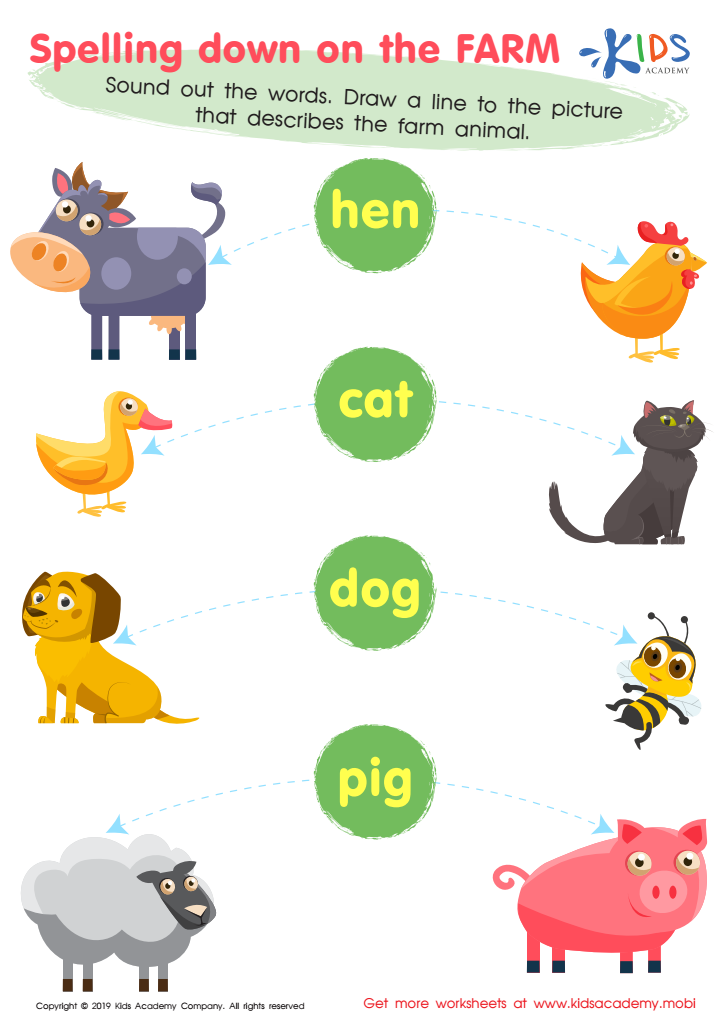
Spelling Down on the Farm Worksheet
Want to help your kids nail their spelling? Introduce them to this farm animal worksheet! Get them to look at the animals in the tracing sheet, name them and then sound out the words. Have them draw a line to the picture that describes it. You'll be surprised at how quickly their skills improve.
 Assign to My Students
Spelling Down on the Farm Worksheet
Worksheet
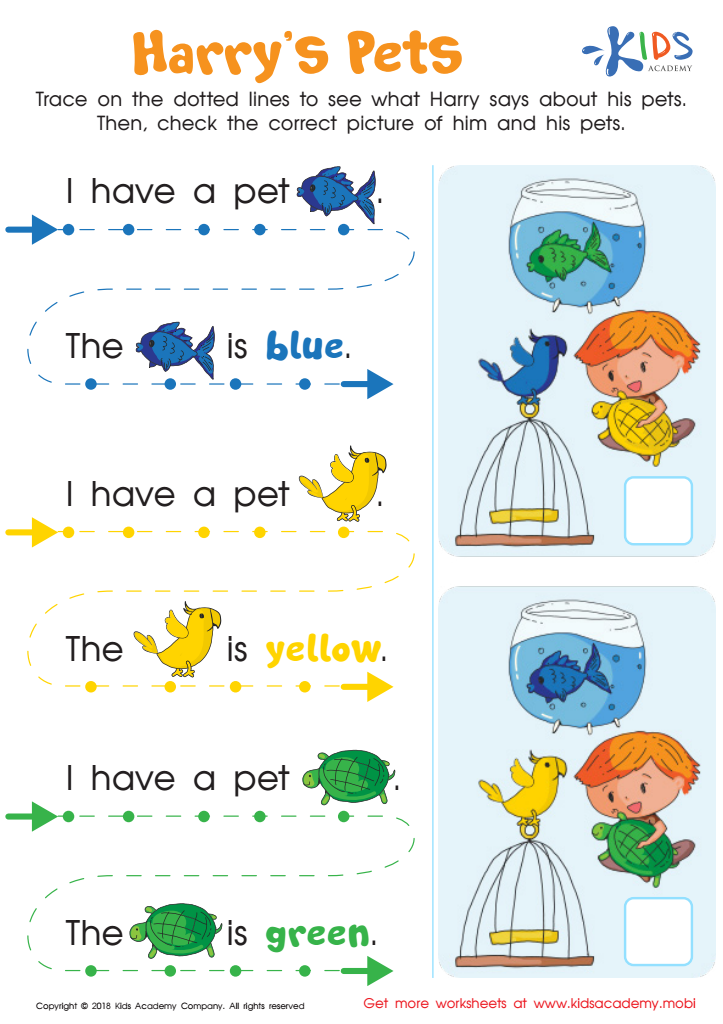
Read from Left to Right: Harry's Pets Worksheet
Help your child read the sentences on this tracing sheet about Harry and his pets. Point to the dotted lines and follow the sentences to the correct picture. Ask your child to identify which animal corresponds to which color. Check the picture to ensure accuracy. 80 words.
Read from Left to Right: Harry's Pets Worksheet
Worksheet
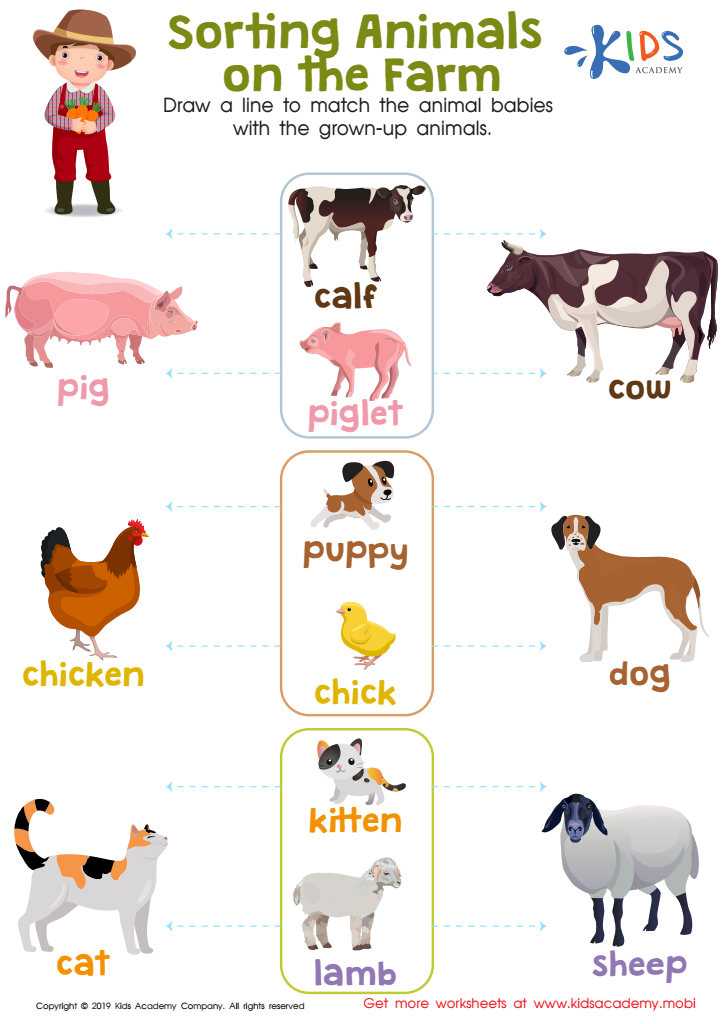
Sorting Animals on the Farm Worksheet
This PDF worksheet engages preschoolers in a fun activity to match Mama farm animals with their babies, strengthening their sorting and patterning skills. They'll learn to recognize rules and relationships, while gaining familiarity with animal-related words.
Sorting Animals on the Farm Worksheet
Worksheet
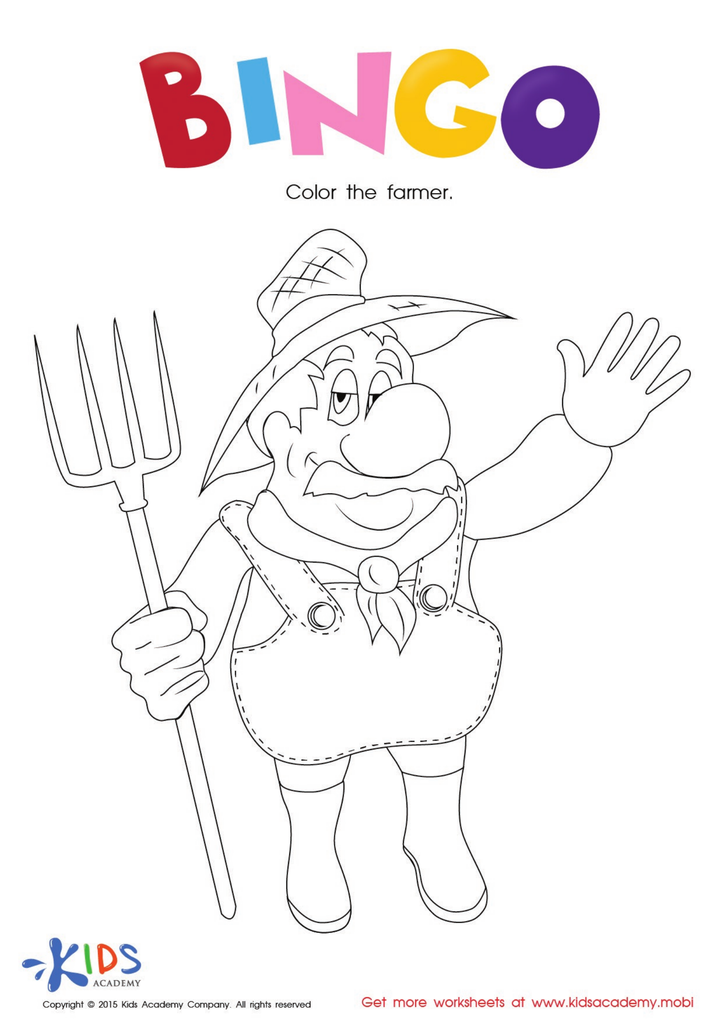
The Bingo Song: Coloring The Farmer Worksheet
Introduce The Bingo Song with concept questions then get your kids to color the free PDF coloring page. Visualize the characters while they sing and make the activity more fun with free nursery rhymes worksheets from our website. Clap along to The Bingo Song and enjoy!
The Bingo Song: Coloring The Farmer Worksheet
Worksheet
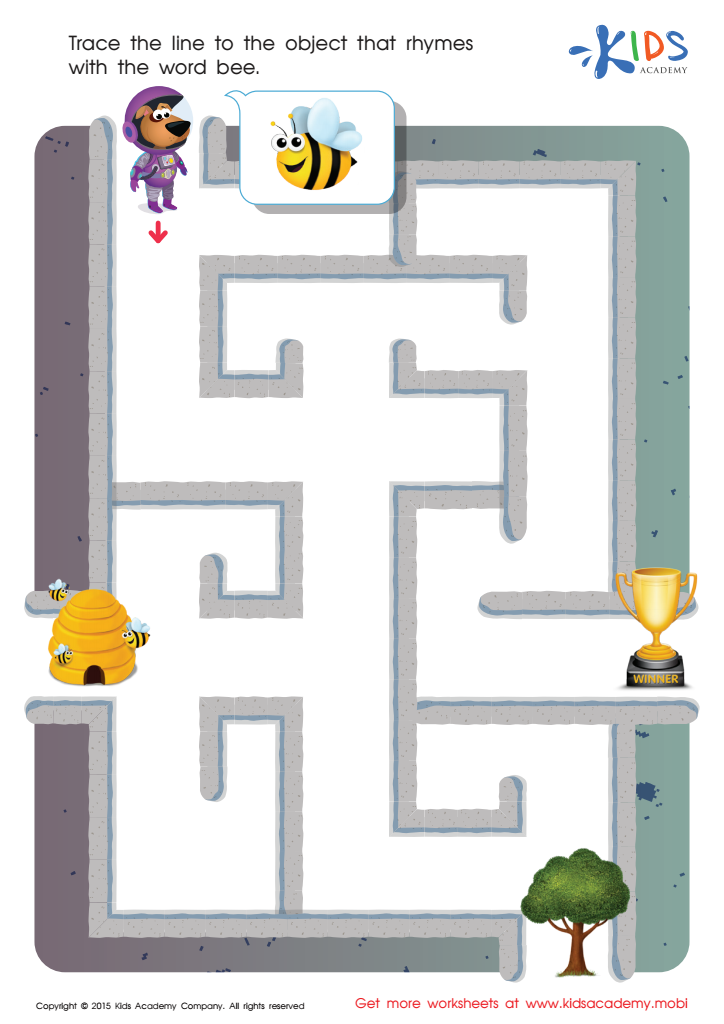
Bee Rhyming Words Worksheet
Download our new vocab builder worksheet and help our pup find rhymes. See how easy it is to trace the root between words! Make learning fun with our collection of English materials and worksheets. Get them now on our web site.
Bee Rhyming Words Worksheet
Worksheet
Join Kids Academy for Free
Who is primarily going to use this learning content?







Animal recognition reading for ages 4-6 is crucial for several reasons. First, it fosters early literacy skills by introducing young children to vocabulary and storytelling centered around animals, which captivates their imagination. By learning the names, sounds, and behaviors of different animals, children enhance their vocabulary and comprehension abilities while laying the foundation for more advanced reading skills.
Second, animal recognition discussions often lead to exploration of concepts such as habitats, diets, and conservation, integrating science into literacy. This not only broadens their knowledge base but also nurtures curiosity about the natural world, encouraging a lifelong love for learning.
Furthermore, animal-related books can serve as tools to promote empathy and social-emotional development, as children often identify with animals' experiences and emotions. Engaging with animal stories can elicit discussions about kindness, friendship, and understanding, helping to shape children's values.
Finally, parents and teachers can use animal recognition reading to create meaningful bonding experiences through shared reading. This not only reinforces literacy development but also strengthens relationships, making learning both effective and enjoyable. Investing in animal recognition activities enhances children's cognitive, emotional, and social skills, preparing them for future educational success.








