Unlock the power of early math skills with our "Comparing Fractions Reading Worksheets" designed for ages 4-6! These engaging worksheets help young learners understand the concept of fractions while developing essential reading skills. Each activity fosters critical thinking by encouraging children to identify and compare different fractions in a fun and interactive format. With colorful illustrations and age-appropriate language, our worksheets ensure an enjoyable learning experience. Perfect for home or classroom use, these resources empower children to build a strong mathematical foundation. Start your child's journey toward mastering fractions today and watch their confidence soar! Explore our collection now!
Check out this FREE Trial Lesson on Reading for age 4-6!

Match Exactly the Same

Favorites
With answer key
Interactive
  • 4-6
  • Comparing Fractions
  • Reading
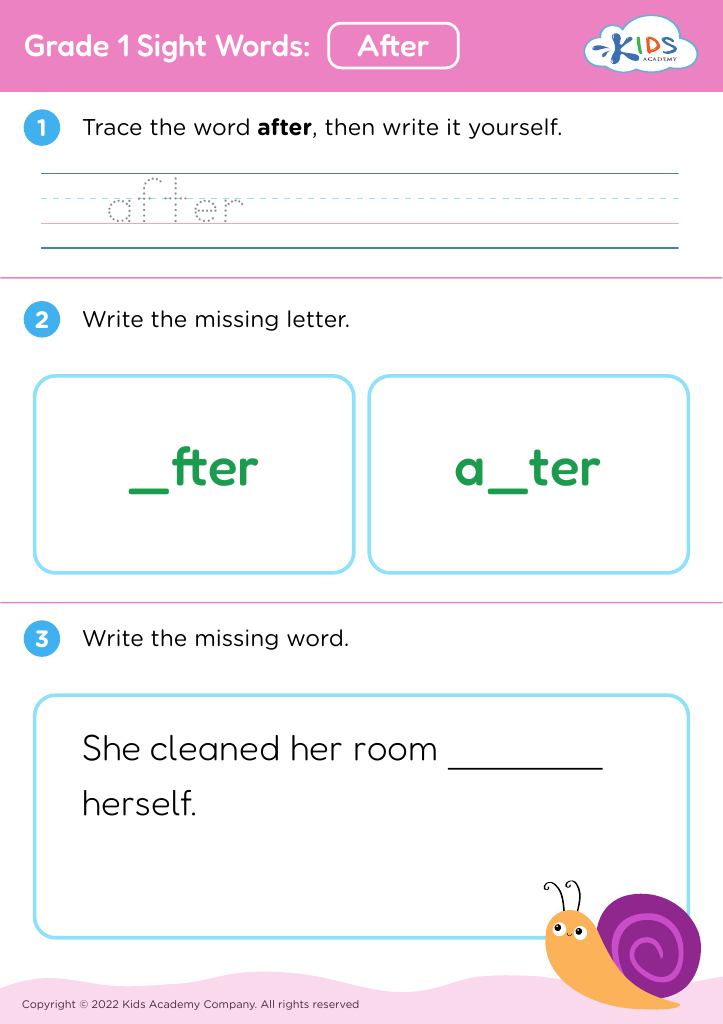
Grade 1 Sight Words: After

Grade 1 Sight Words: After

Grade 1 Sight Words: After
Worksheet
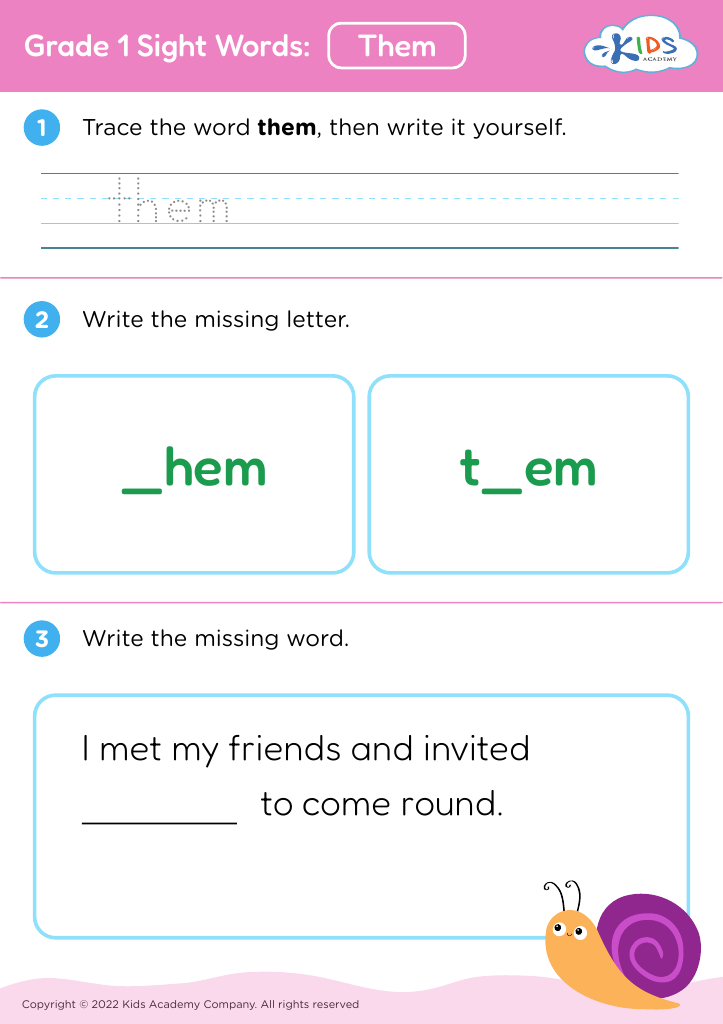
Grade 1 Sight Words: Them

Grade 1 Sight Words: Them

Grade 1 Sight Words: Them
Worksheet
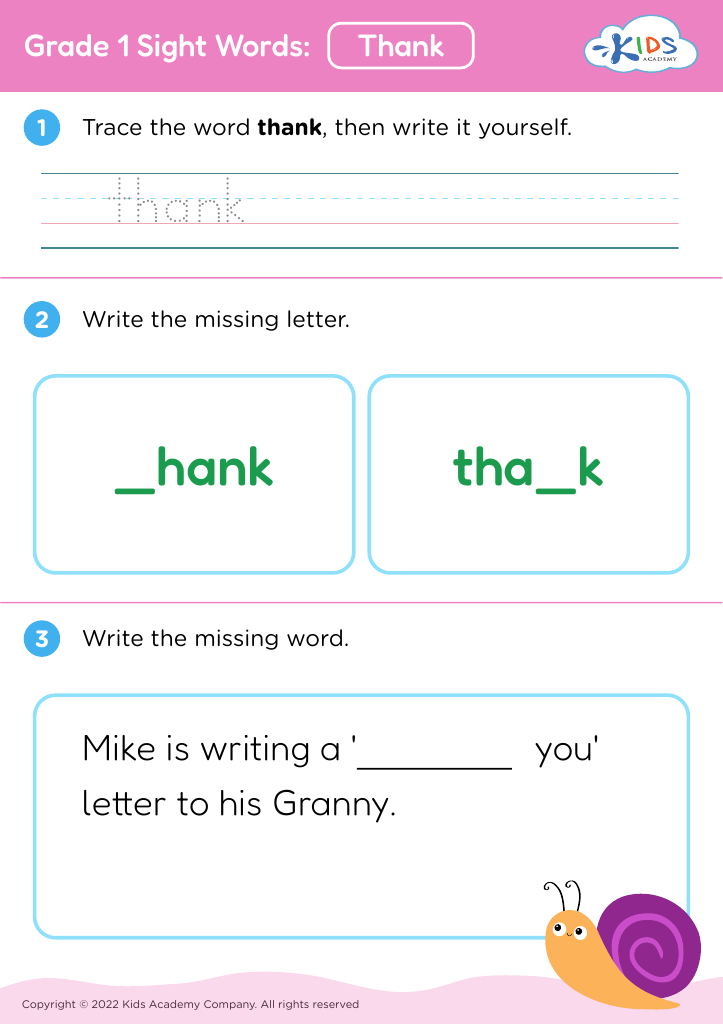
Grade 1 Sight Words: Thank

Grade 1 Sight Words: Thank

Grade 1 Sight Words: Thank
Worksheet
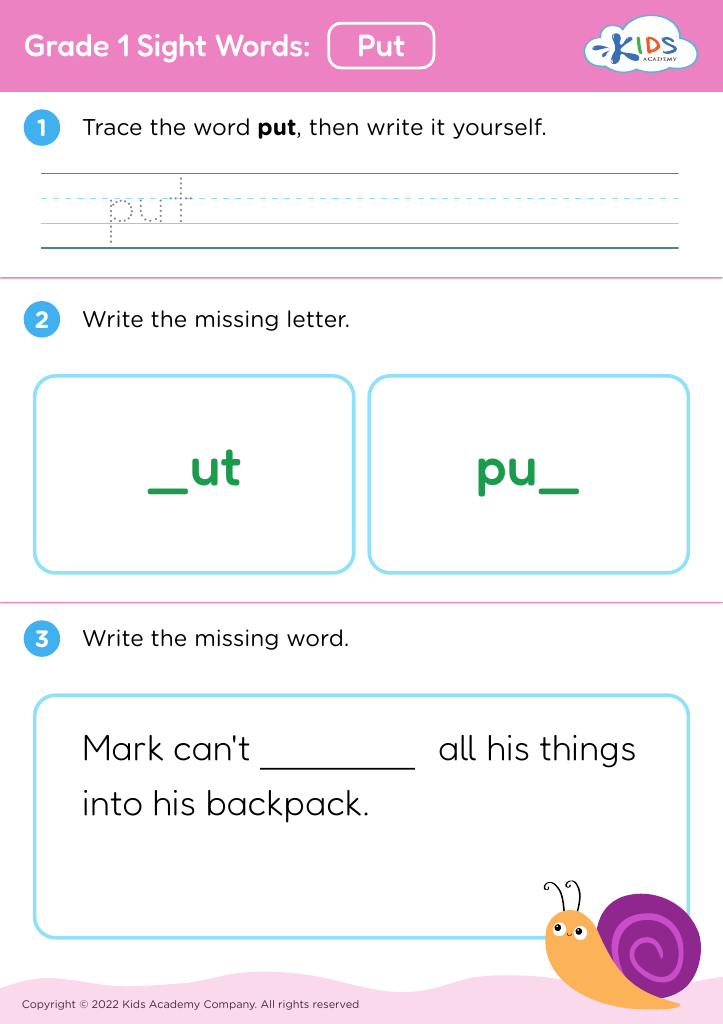
Grade 1 Sight Words: Put

Grade 1 Sight Words: Put

Grade 1 Sight Words: Put
Worksheet
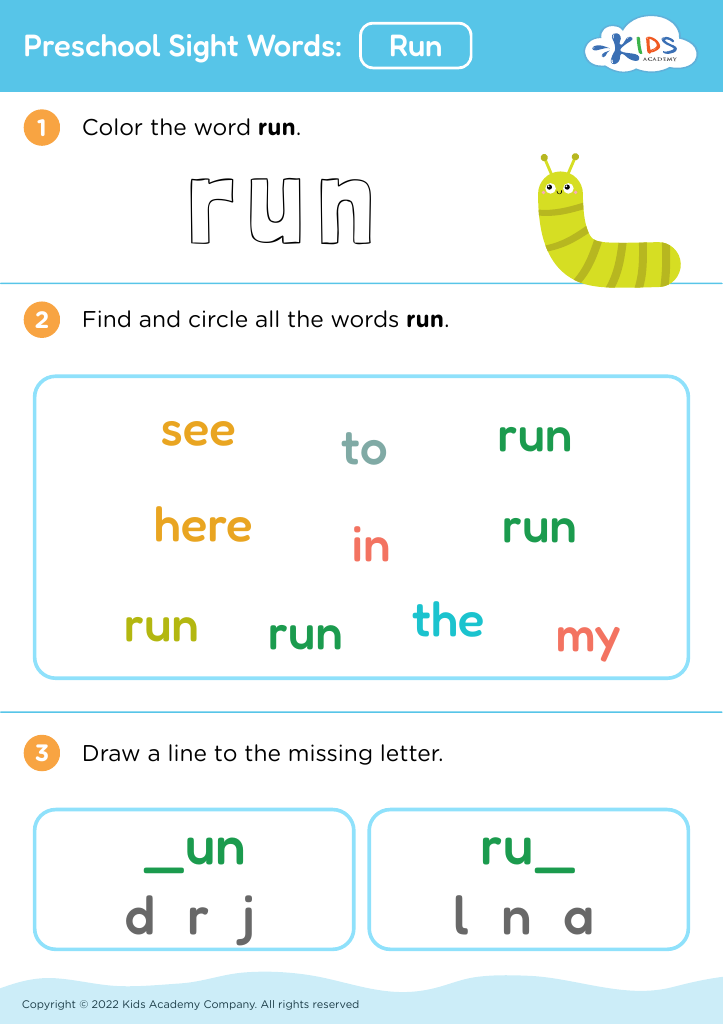
Preschool Sight Words: Run

Preschool Sight Words: Run

Preschool Sight Words: Run
Worksheet
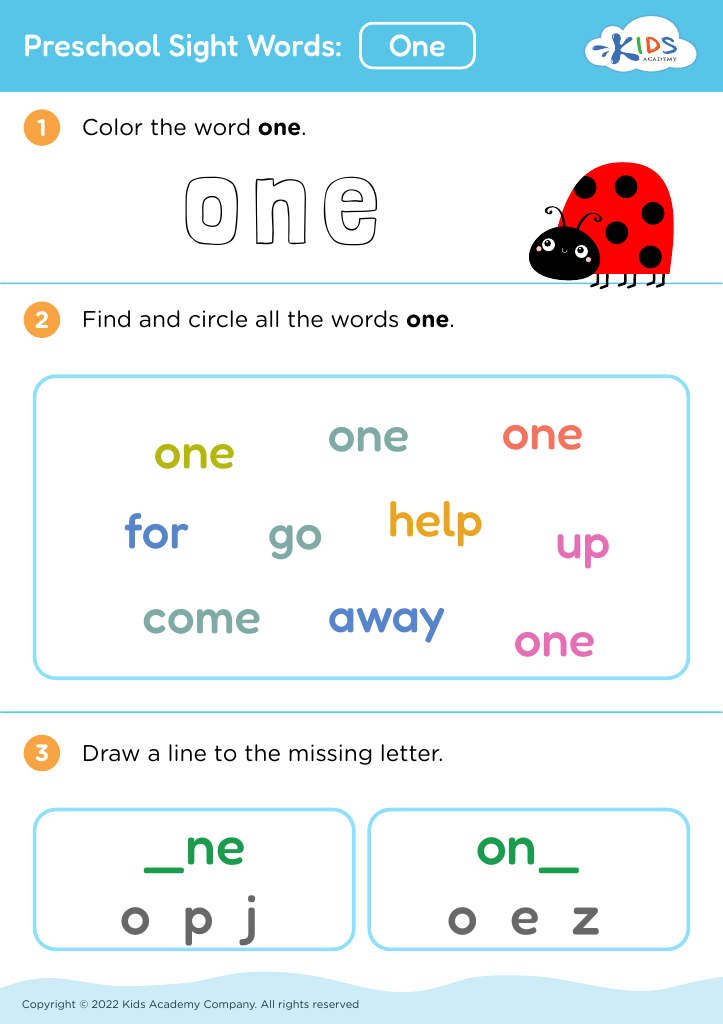
Preschool Sight Words: One

Preschool Sight Words: One

Preschool Sight Words: One
Worksheet
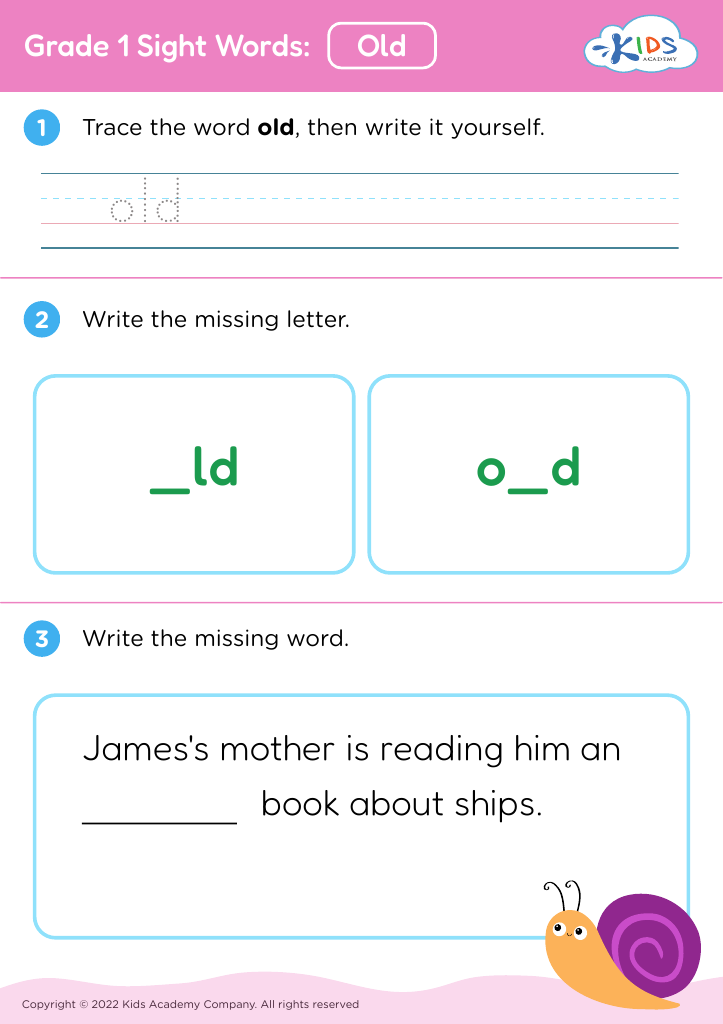
Grade 1 Sight Words: Old

Grade 1 Sight Words: Old

Grade 1 Sight Words: Old
Worksheet
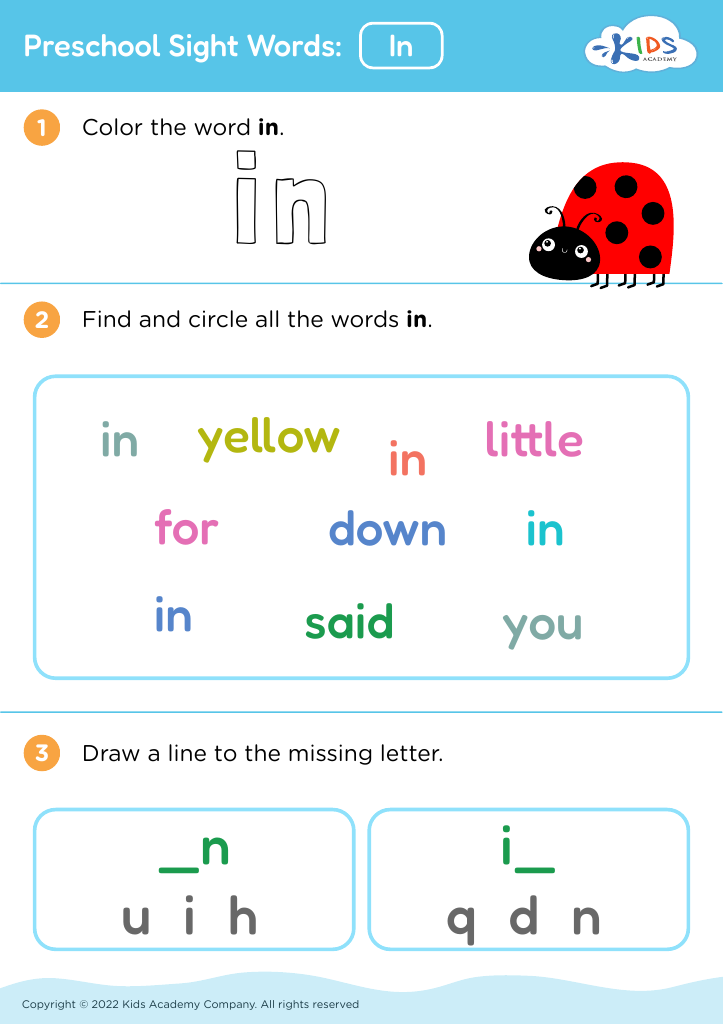
Preschool Sight Words: In

Preschool Sight Words: In

Preschool Sight Words: In
Worksheet
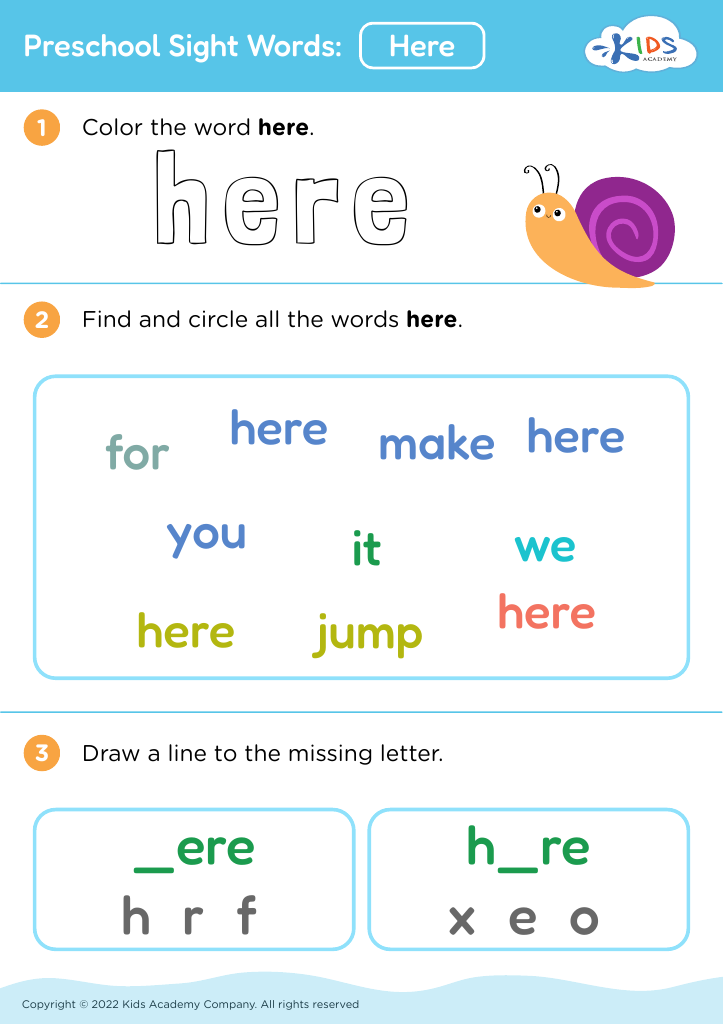
Preschool Sight Words: Here

Preschool Sight Words: Here

Preschool Sight Words: Here
Worksheet
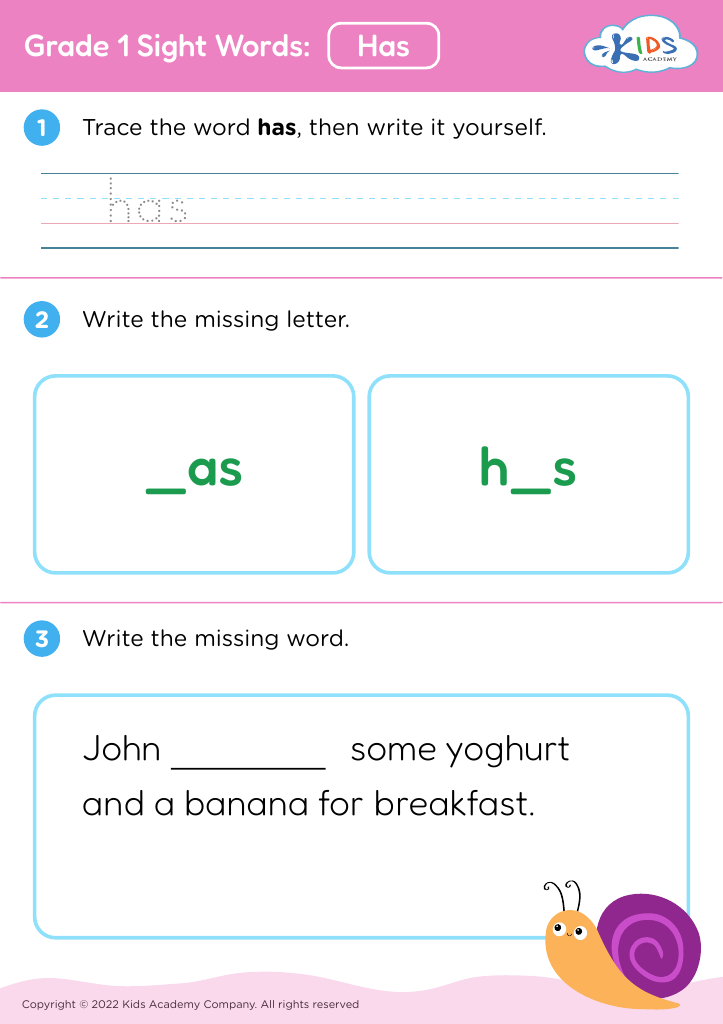
Grade 1 Sight Words: Has

Grade 1 Sight Words: Has

Grade 1 Sight Words: Has
Worksheet
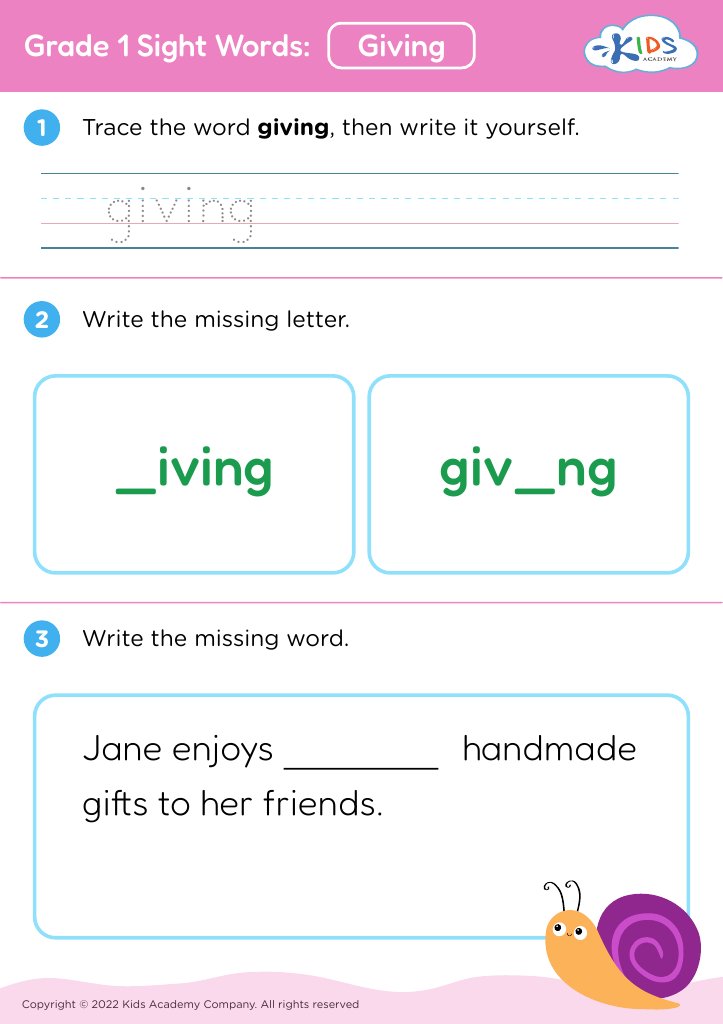
Grade 1 Sight Words: Giving

Grade 1 Sight Words: Giving

Grade 1 Sight Words: Giving
Worksheet
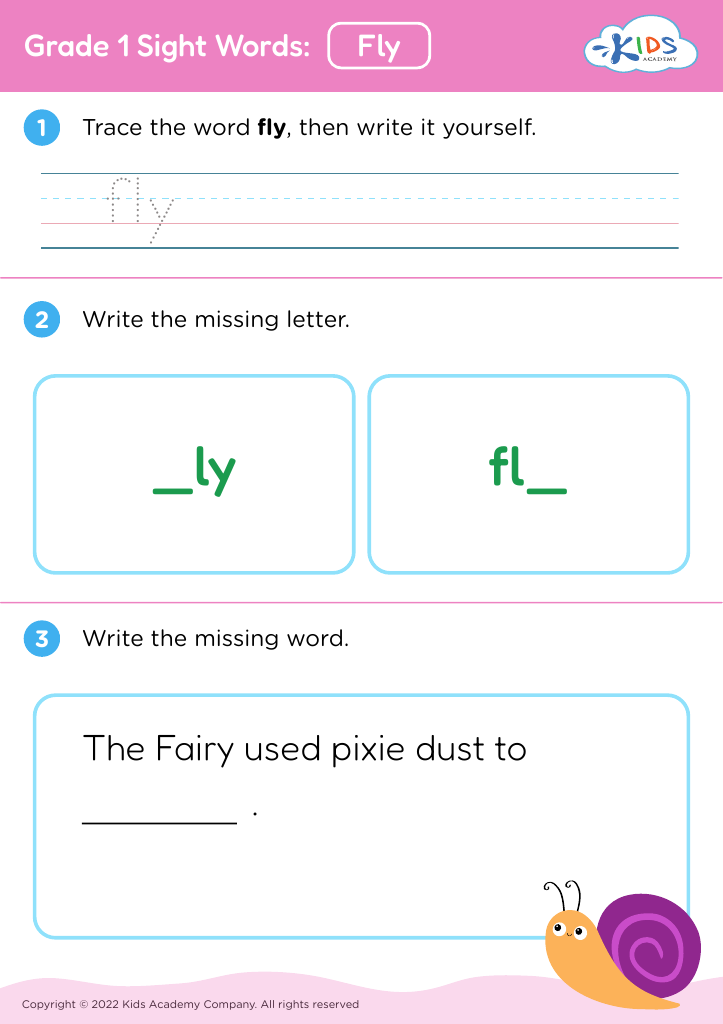
Grade 1 Sight Words: Fly

Grade 1 Sight Words: Fly

Grade 1 Sight Words: Fly
Worksheet
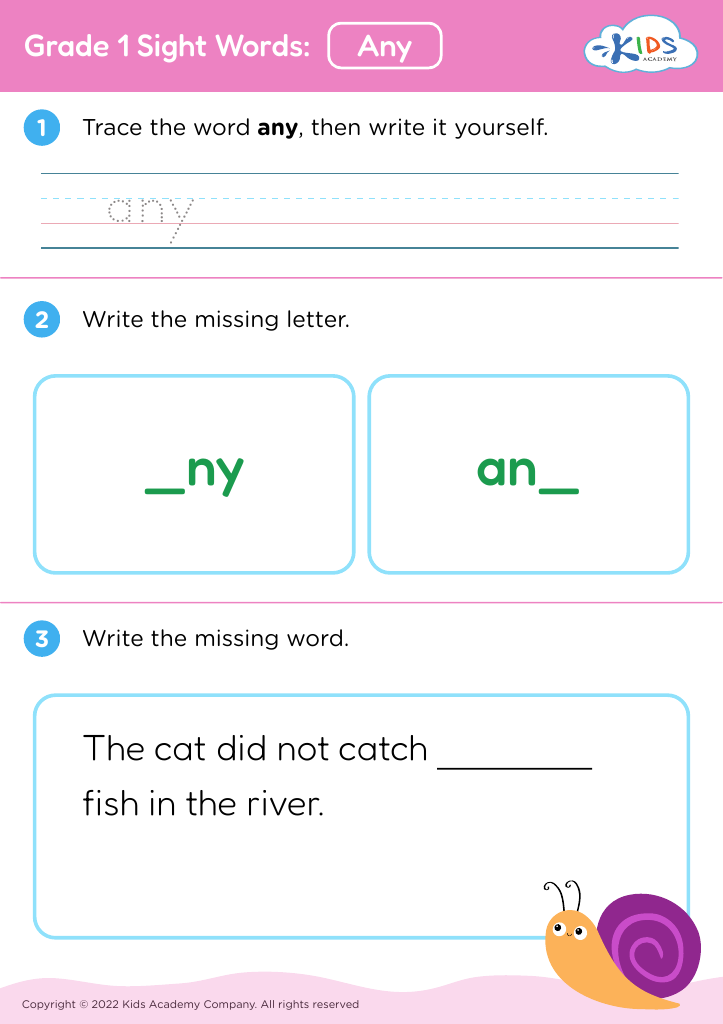
Grade 1 Sight Words: Any

Grade 1 Sight Words: Any

Grade 1 Sight Words: Any
Worksheet
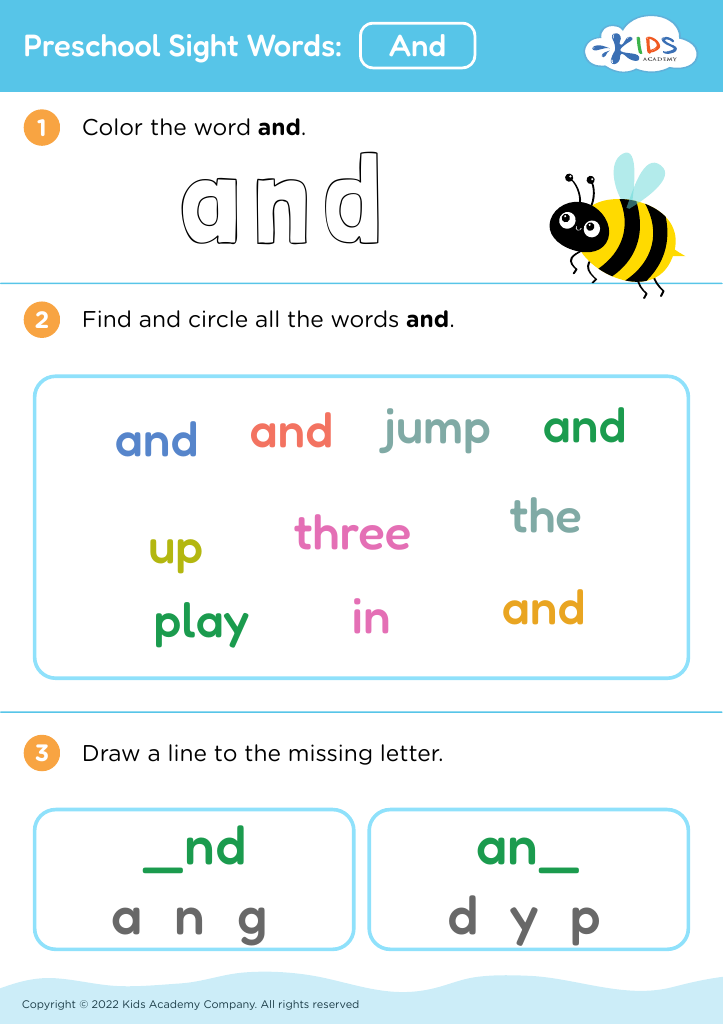
Preschool Sight Words: And

Preschool Sight Words: And

Preschool Sight Words: And
Worksheet
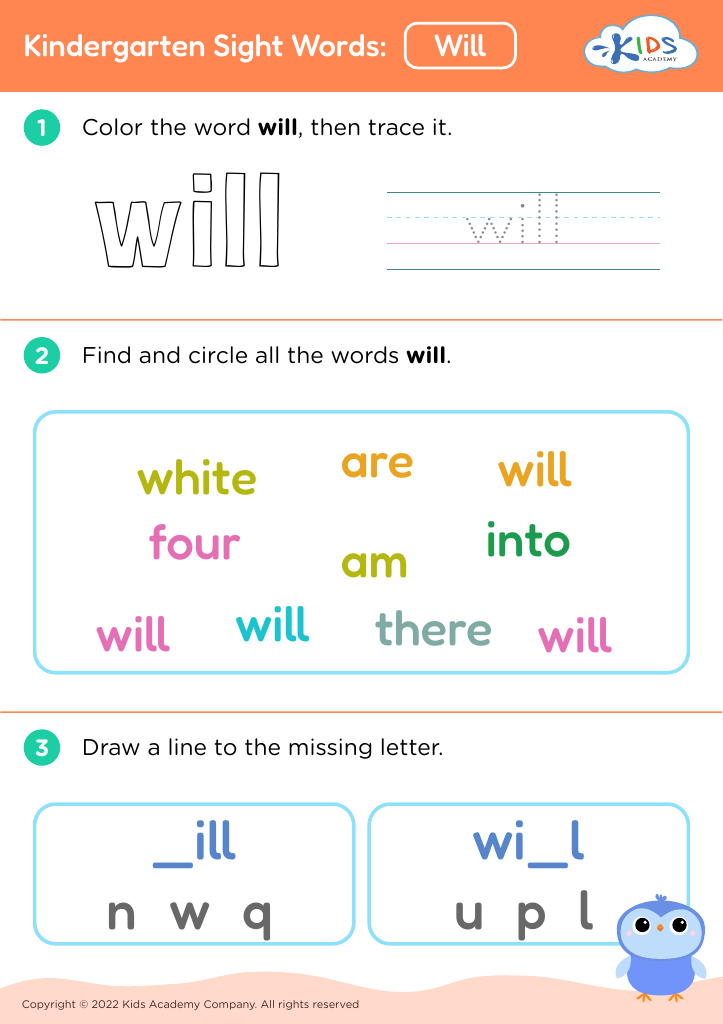
Kindergarten Sight Words: Will

Kindergarten Sight Words: Will

Kindergarten Sight Words: Will
Worksheet
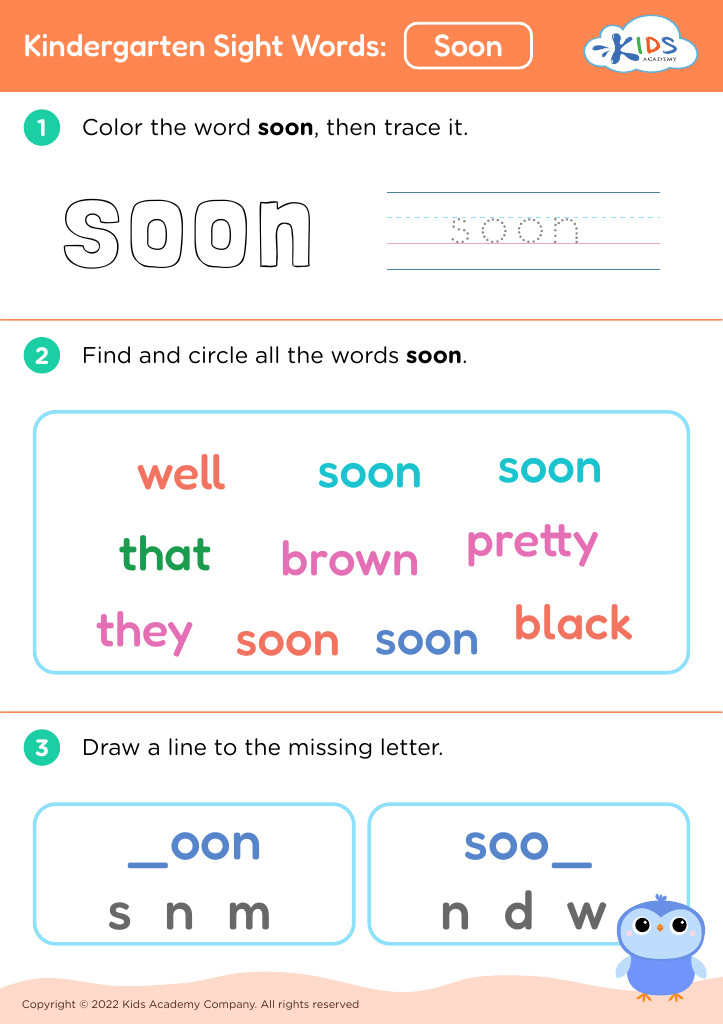
Kindergarten Sight Words: Soon

Kindergarten Sight Words: Soon

Kindergarten Sight Words: Soon
Worksheet
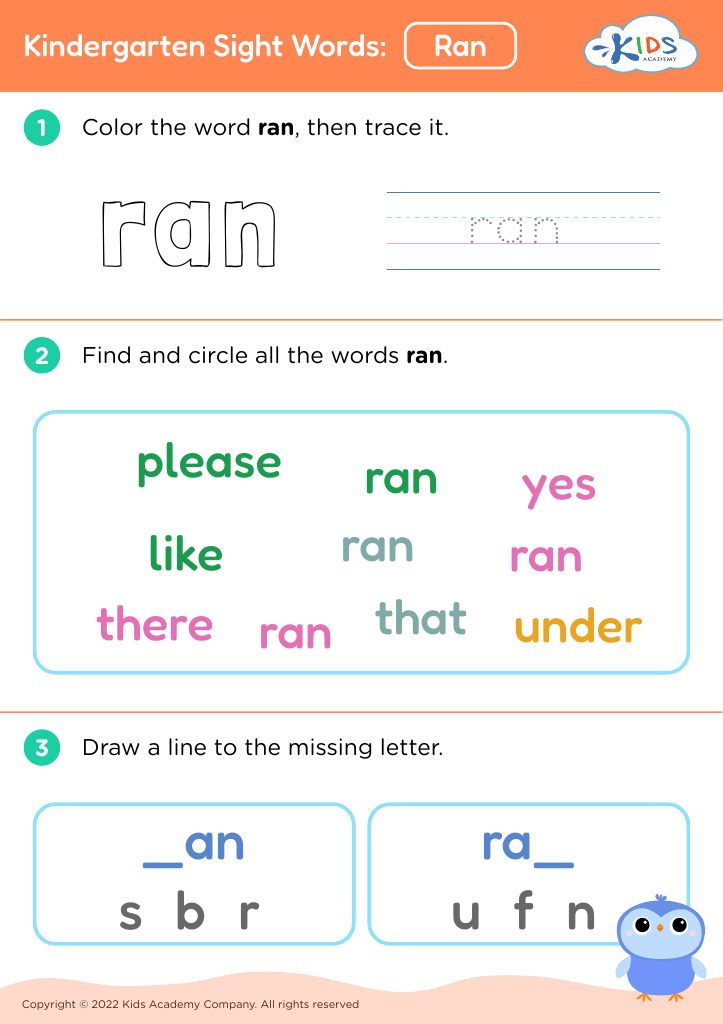
Kindergarten Sight Words: Ran

Kindergarten Sight Words: Ran

Kindergarten Sight Words: Ran
Worksheet
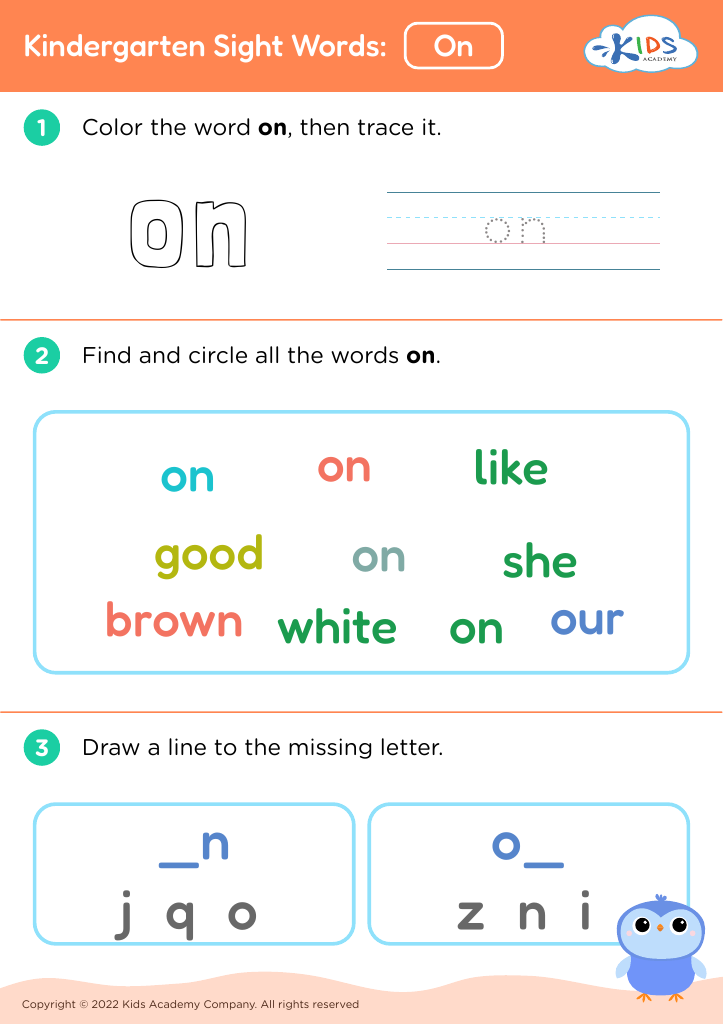
Kindergarten Sight Words: On

Kindergarten Sight Words: On

Kindergarten Sight Words: On
Worksheet
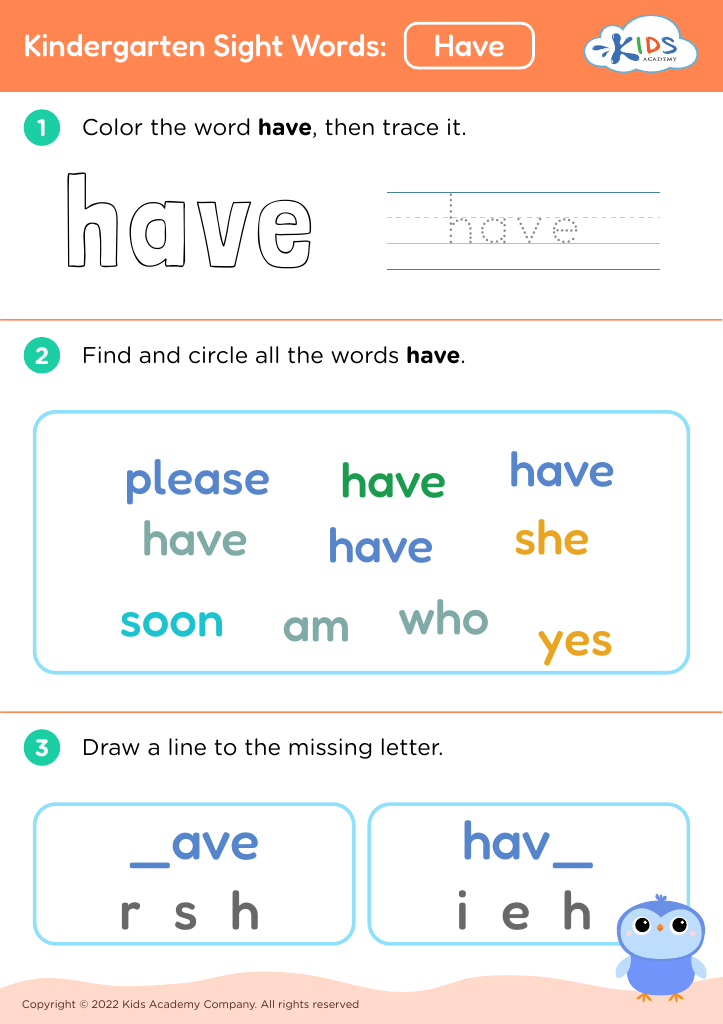
Kindergarten Sight Words: Have

Kindergarten Sight Words: Have

Kindergarten Sight Words: Have
Worksheet
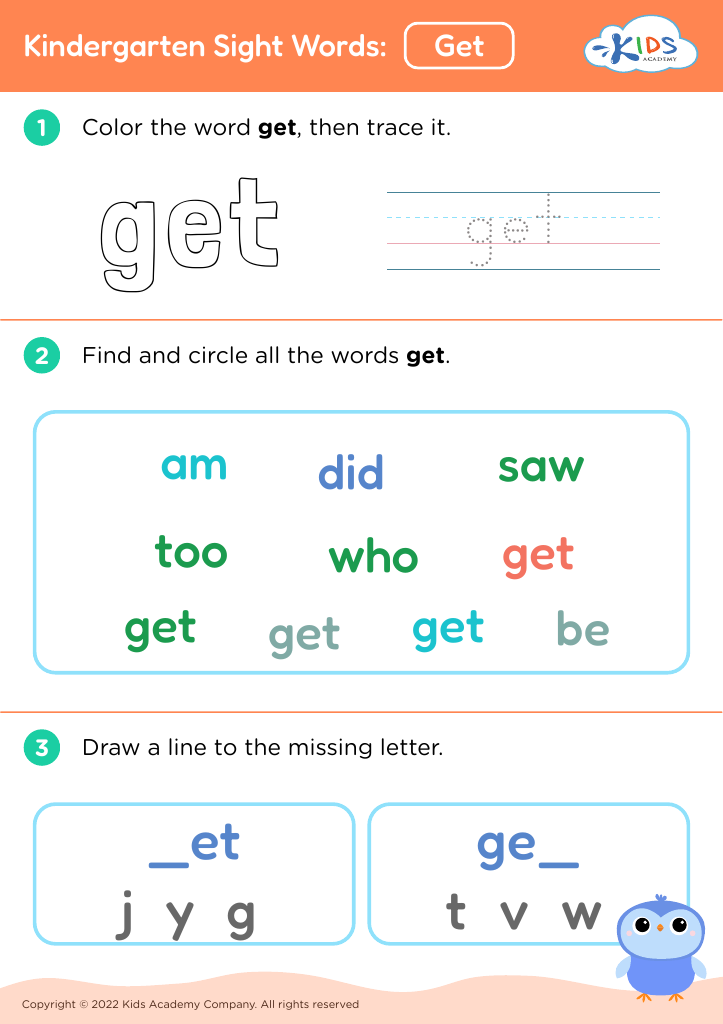
Kindergarten Sight Words: Get

Kindergarten Sight Words: Get

Kindergarten Sight Words: Get
Worksheet
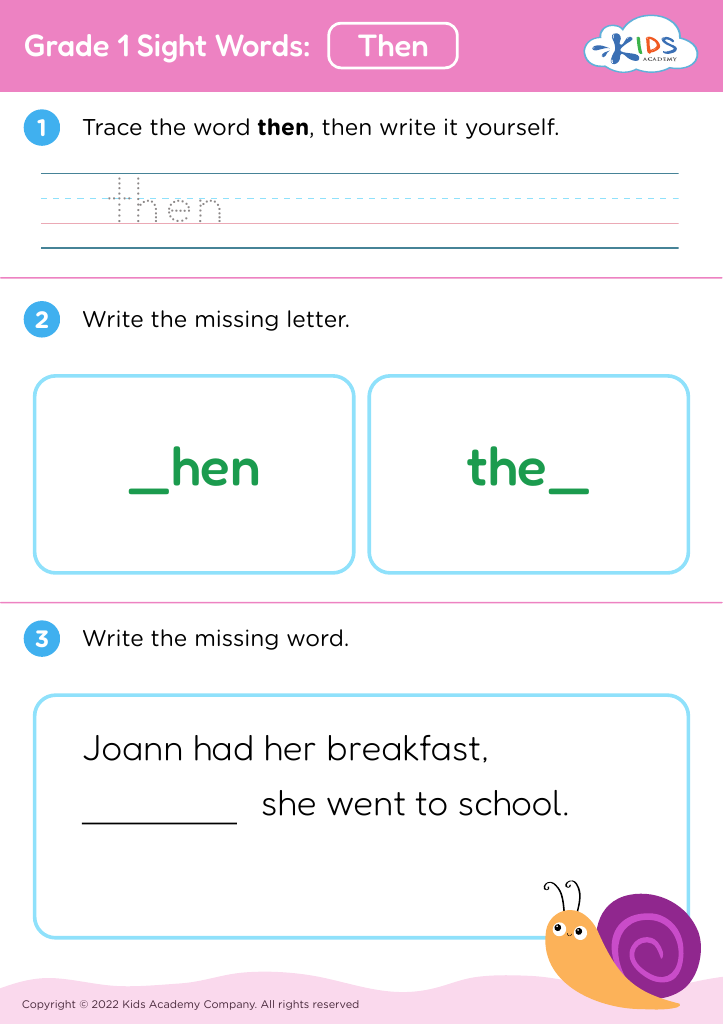
Grade 1 Sight Words: Then

Grade 1 Sight Words: Then

Grade 1 Sight Words: Then
Worksheet
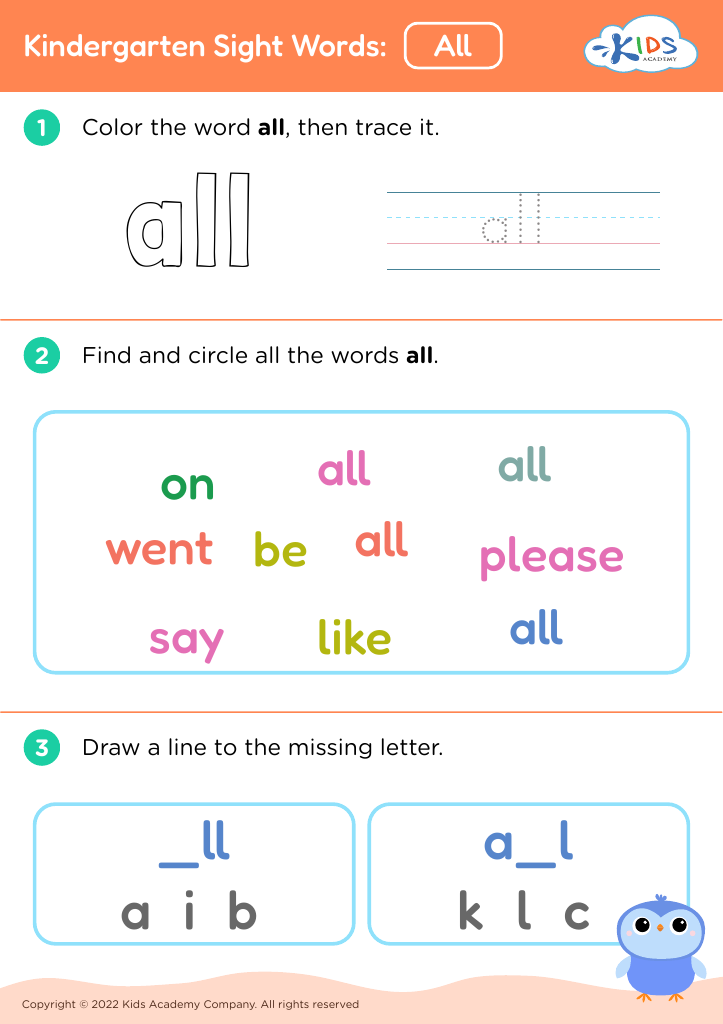
Kindergarten Sight Words: All

Kindergarten Sight Words: All

Kindergarten Sight Words: All
Worksheet


Parents and teachers should care about comparing fractions for children aged 4-6 because early mathematical understanding lays the foundation for future learning. Understanding fractions at a young age not only aids in developing critical thinking skills, but it also fosters a sense of number sense—an essential building block for more complex math concepts later on.

When children learn to compare fractions, they cultivate the ability to recognize parts of a whole and understand the concept of quantity, which is crucial for proficiency in math. Engaging with comparative fractions at this stage can enhance skills like problem-solving, reasoning, and analytical thinking.

Moreover, incorporating reading into this learning process supports literacy development. Picture books or stories that introduce fractions make the learning experience enjoyable and memorable. This approach nurtures a love for learning and helps children make connections between math and real-life situations, such as cooking or sharing with friends.

Overall, early exposure to comparing fractions fosters confidence in math skills and encourages a robust and well-rounded educational experience. By caring about this foundational skill, parents and teachers contribute to creating a positive attitude toward mathematics, ensuring children are better prepared for future mathematical challenges.