Identification skills Reading Worksheets for Ages 4-6
3 filtered results
-
From - To
Discover our engaging Identification Skills Reading Worksheets designed specifically for children aged 4-6. These thoughtfully crafted worksheets help young learners enhance their ability to recognize and label various objects, animals, and shapes, building a solid foundation for literacy development. With a fun and interactive approach, our resources encourage children to engage in critical thinking while improving vocabulary and observation skills. Aligned with early learning standards, these worksheets promote essential cognitive skills that are crucial for reading readiness. Foster a love for reading and help your child excel with our exciting identification skills worksheets today! Explore and download now!
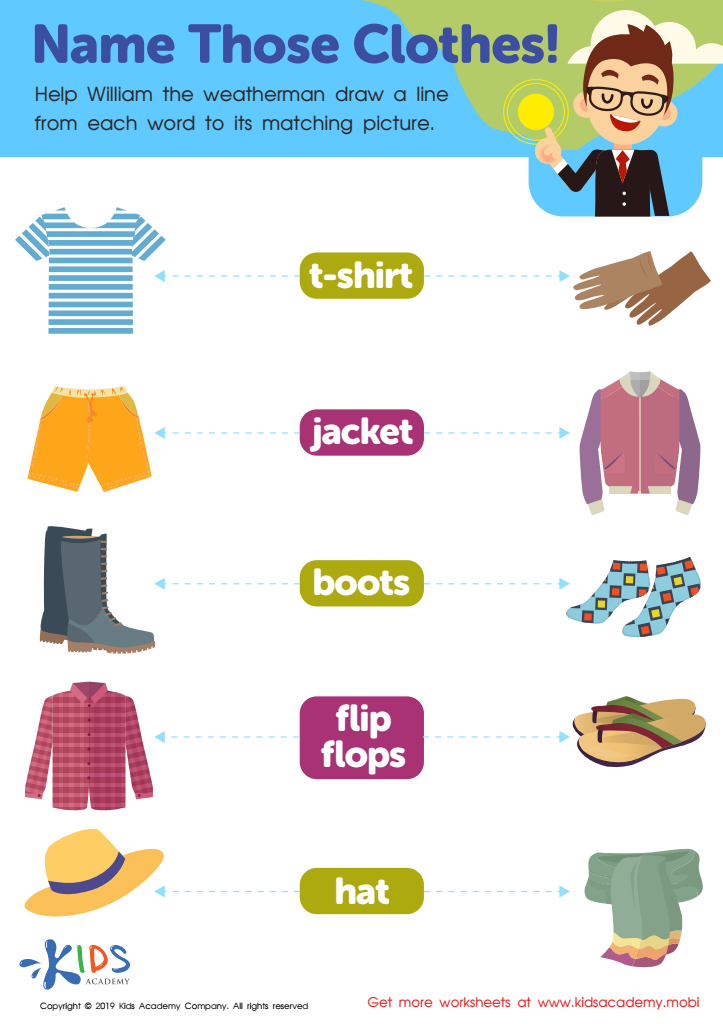
Name Those Clothes Worksheet
 Assign to My Students
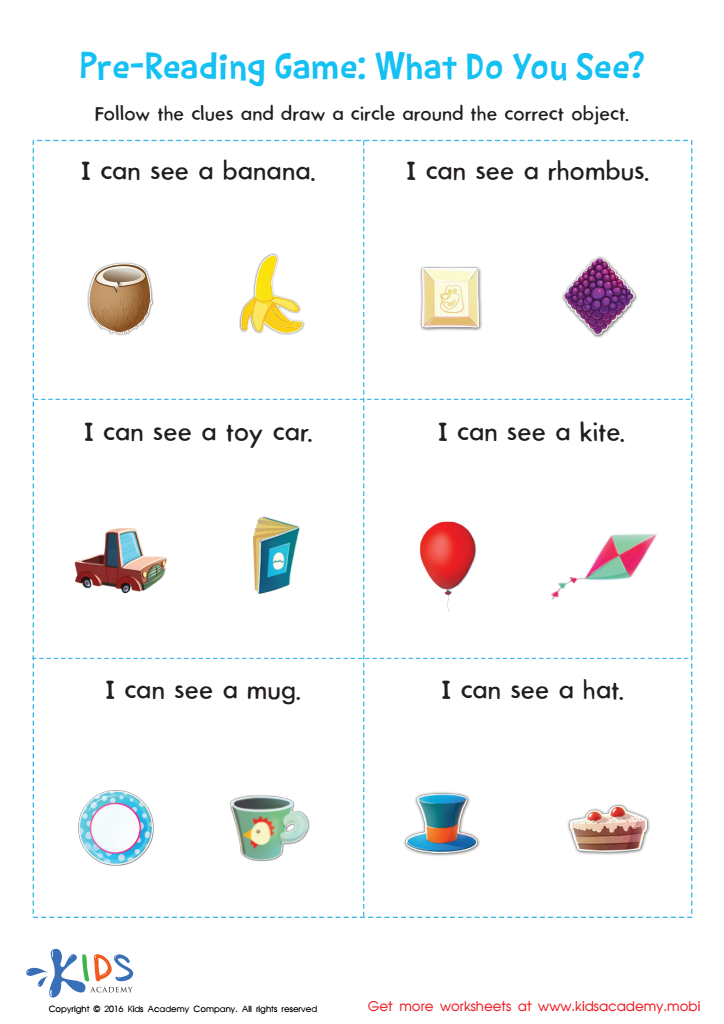
Pre–reading Worksheet: What Do You See?
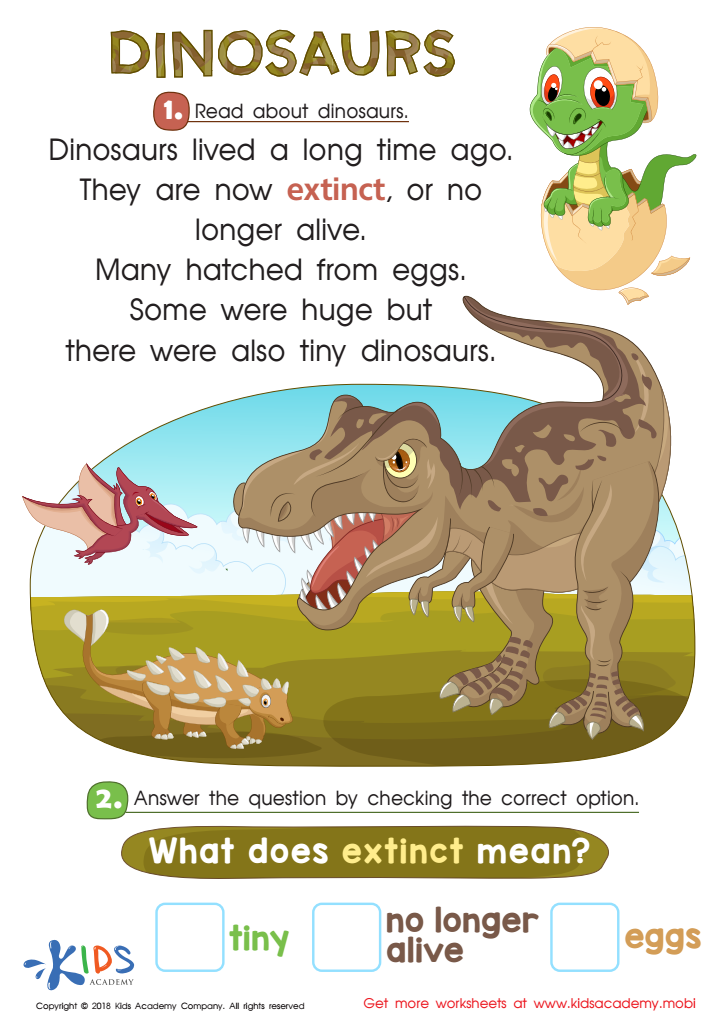
Dinosaurs Worksheet



.jpg)



Identification skills in reading are essential for children aged 4-6 as they lay the foundation for all future literacy development. During this crucial developmental phase, children learn to recognize letters, sounds, and eventually words, which form the building blocks of writing and reading comprehension. These skills are critical not only for academic success but also for fostering a love of reading.
Parents and teachers play a pivotal role in nurturing these skills. Engaging children in phonemic awareness activities helps them identify sounds in spoken words, which is foundational for decoding text. Additionally, recognizing letters and their corresponding sounds allows children to begin reading simple words.
Investing time in developing identification skills can lead to increased confidence in young learners, reducing frustration as they progress through early reading levels. Furthermore, strong reading skills enhance overall learning across subjects, as comprehension impacts mathematics, science, and social studies.
By prioritizing identification skills, parents and teachers can create an engaging, supportive environment that encourages exploration and curiosity about language and literature. This early intervention not only prepares children for academic success but also instills a lifelong appreciation for books and learning. Ultimately, fostering these skills sets the stage for a bright future in education and beyond.








