
Reading practice Reading Worksheets for Ages 4-6
5 filtered results
Difficulty Level
Grade
Age
-
From - To
Subject
Activity
Standards
Foster your child's reading skills with our engaging Reading Practice Worksheets designed for ages 4-6. These worksheets offer a perfect blend of fun and learning, helping young readers enhance their phonics, vocabulary, and comprehension abilities. With colorful illustrations and age-appropriate content, children will enjoy improving their reading fluency while building a strong foundation for future learning. Each worksheet is crafted to captivate your child's interest and make reading practice an exciting adventure. Parents and educators can easily print and incorporate these resources into daily routines, ensuring consistent progress and a love for reading from an early age.
Favorites
With answer key
Interactive
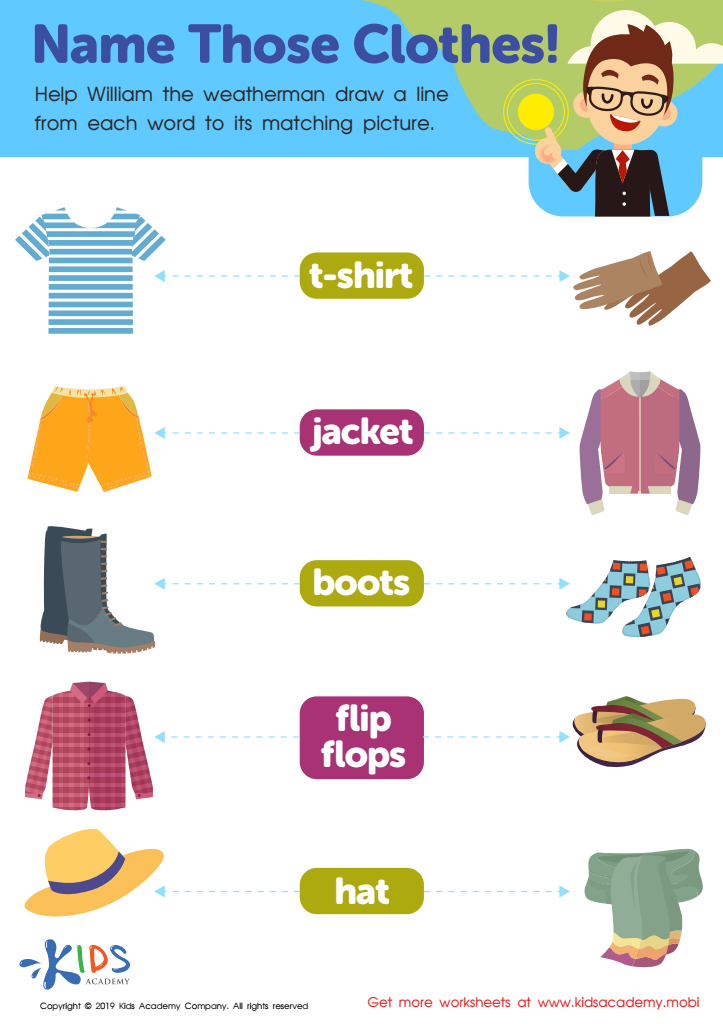
Name Those Clothes Worksheet
This worksheet will help your preschooler build their vocabulary, develop life-skills and work on fine motor skills. They'll analyze which clothing goes with the weatherman and match it to the word. It's a fun and interactive way to recognize high-frequency words.
Name Those Clothes Worksheet
Worksheet
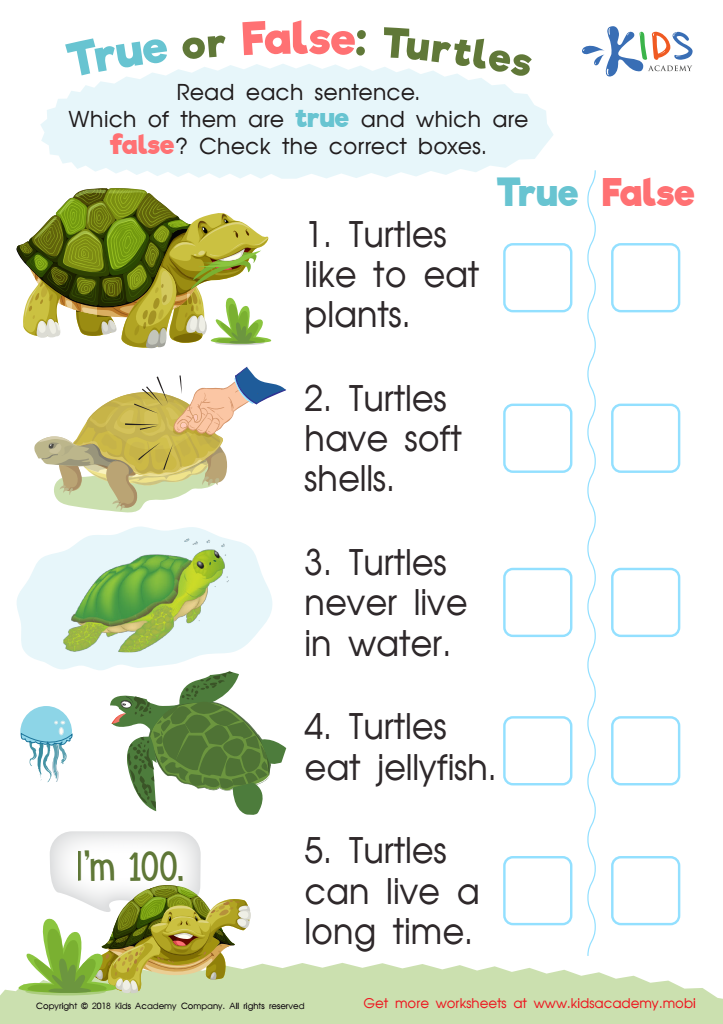
True or False: Turtles Worksheet
Print this free downloadable worksheet to strengthen your child's reading comprehension. Assist them to read each sentence and recall facts about turtles. Check true or false for each statement to verify their knowledge. Perfect for early learners!
True or False: Turtles Worksheet
Worksheet
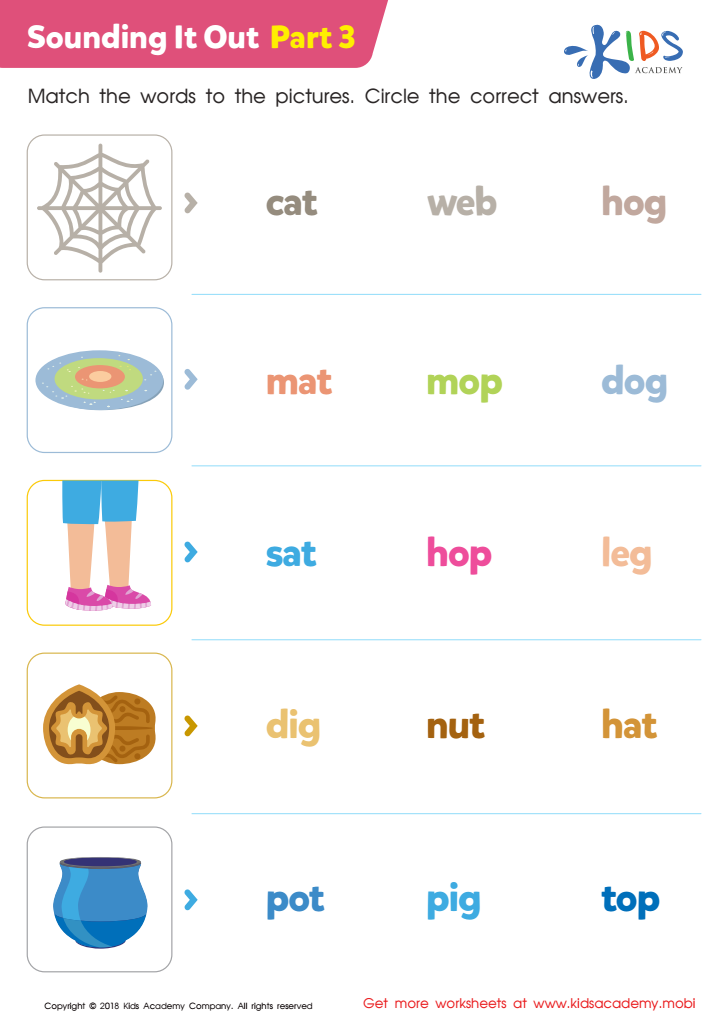
Sounding it Out: Part 3 Worksheet
Once Parts 1 and 2 are complete, this printable phonics worksheet will help kids take their reading skills to the next level! As they gain confidence, give them hints less often and direct their attention to three words in a row. Ask them to read and circle the correct word to complete!
Sounding it Out: Part 3 Worksheet
Worksheet
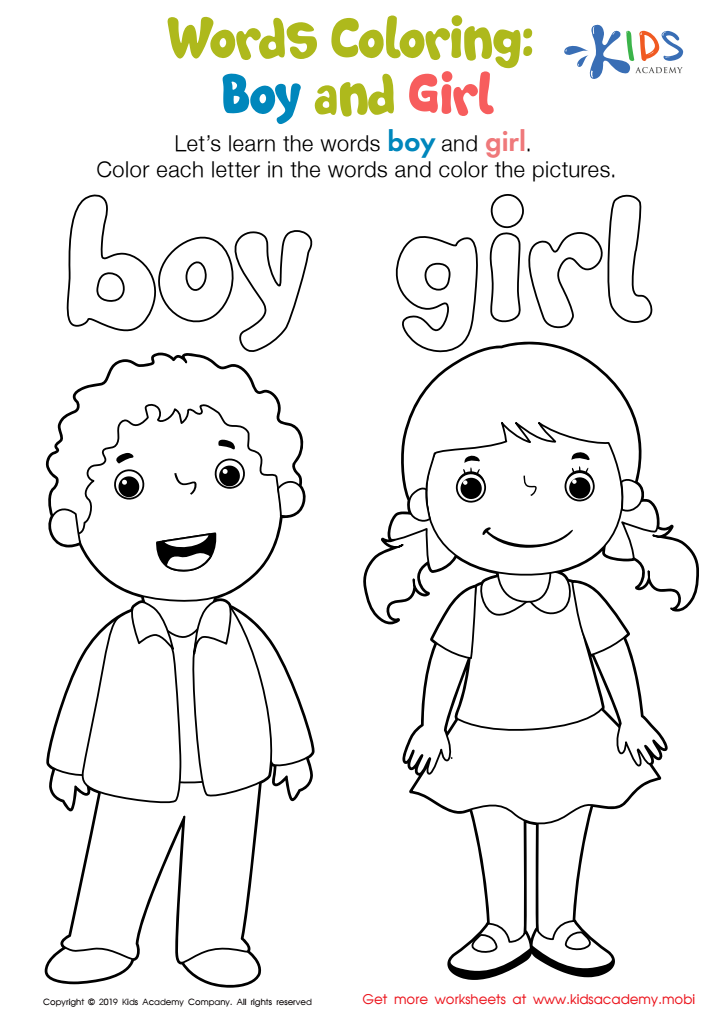
Boy and Girl Words Coloring Worksheet
Help your students build their sight word vocabulary! Early readers may not be able to sound out all words, so this worksheet teaches them to read two important sight words: boy and girl. They will color the letters and a picture of each, making it a fun and educational way to learn. Download the PDF now.
Download (PDF)
 Assign to My Students
Assign to My Students
Boy and Girl Words Coloring Worksheet
Worksheet
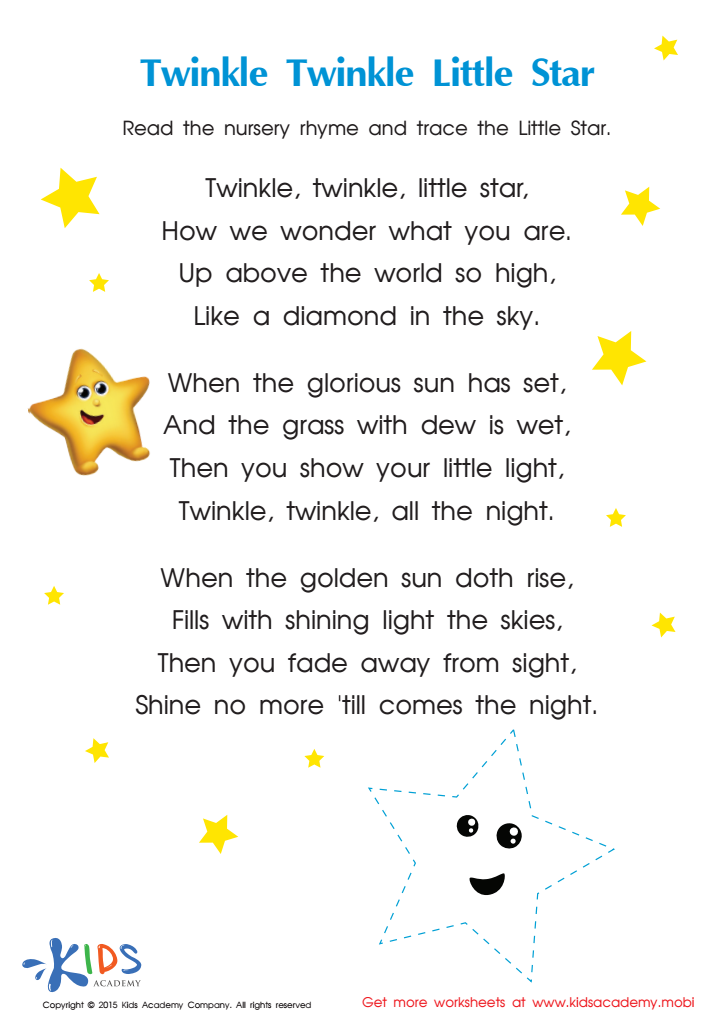
Nursery Rhymes: Twinkle Little Star Worksheet
Introduce your kindergartener to nursery rhymes using this printable worksheet. Sing Twinkle Little Star with your child and incorporate some simple actions. Even as a lullaby, it's a great way to teach letters and counting - have your child find and count all the letter 'S's in the song. For extra fun, try the Twinkle Little Star coloring page.
Nursery Rhymes: Twinkle Little Star Worksheet
Worksheet
Join Kids Academy for Free
Who is primarily going to use this learning content?





.jpg)

Reading practice for children aged 4-6 is critical for their overall development. During these formative years, children's brains are highly receptive and flexible, making it an ideal time to instill early literacy skills. Exposure to reading enriches their vocabulary, enhances their understanding of language structures, and even boosts cognitive abilities. Implementing regular reading sessions promotes attention span, listening skills, and comprehension, which serve as the foundation for all future learning.
Additionally, reading together builds strong emotional bonds, offering parents and teachers opportunities for positive interaction. This can foster a love for learning that extends beyond reading, instilling a curiosity and passion for discovering new information. Stories also serve as windows to various cultures, perspectives, and experiences that enhance empathy and social understanding. For pre-reading skills, children acquire knowledge about sounds, letters, and their correlations, setting the stage for successful, efficient reading in more complex grades.
Both at home and in educational settings, prioritizing reading helps create an ecosystem where learning is enriched and encouraged. Proactive parents and educators who dedicate time to early reading practice essentially equip children with tools for academic achievement and personal growth sustainability later in life, emphasizing the time-benefit relationship in educating young minds.








