Shape identification Reading Worksheets for Ages 4-6
5 filtered results
-
From - To
Unlock the power of learning with our "Shape Identification Reading Worksheets for Ages 4-6." Designed to blend fun and education, these engaging worksheets help young learners recognize and identify basic shapes. Through a variety of interactive exercises, children enhance their reading and cognitive skills, laying a strong foundation for future learning. Ideal for both classroom and home use, our meticulously crafted worksheets encourage curiosity and keep little minds active. Give your preschoolers a head start in shape recognition and reading readiness with our age-appropriate, expertly designed resources. Perfect for teachers and parents aiming for excellence in early education.
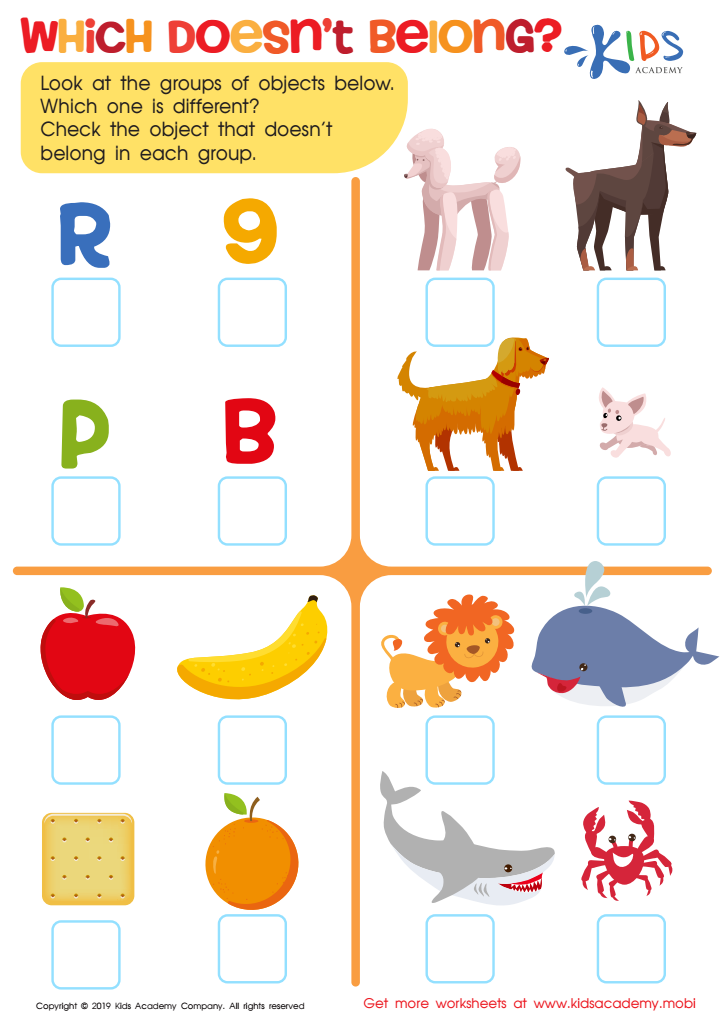
Which Doesn't Belong? Worksheet
 Assign to My Students
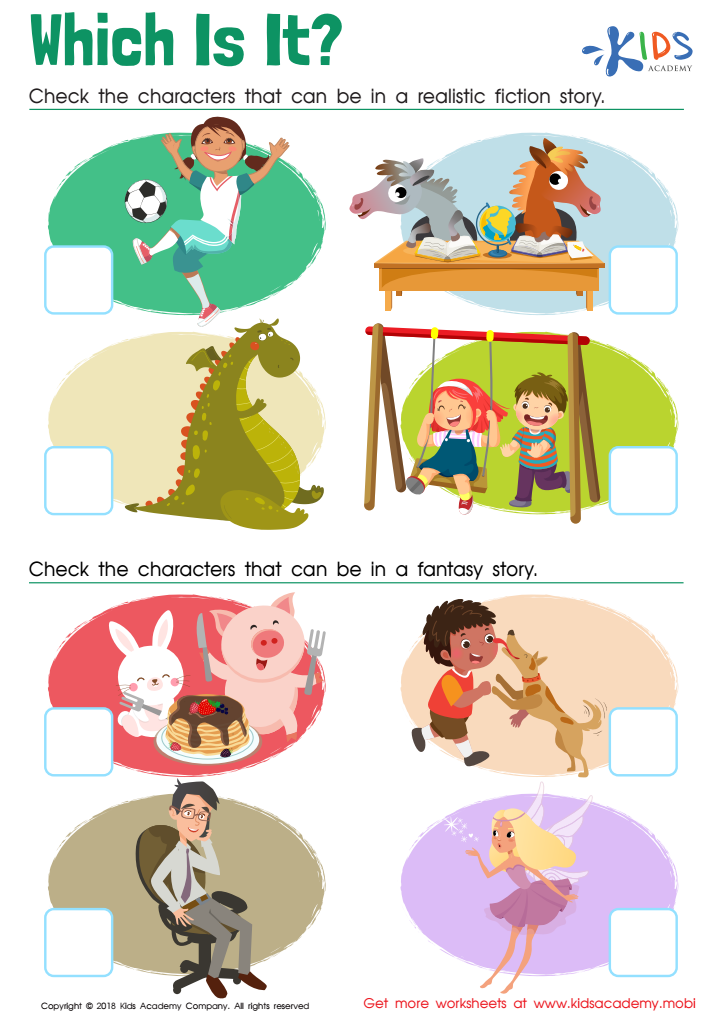
Which Is It? Worksheet
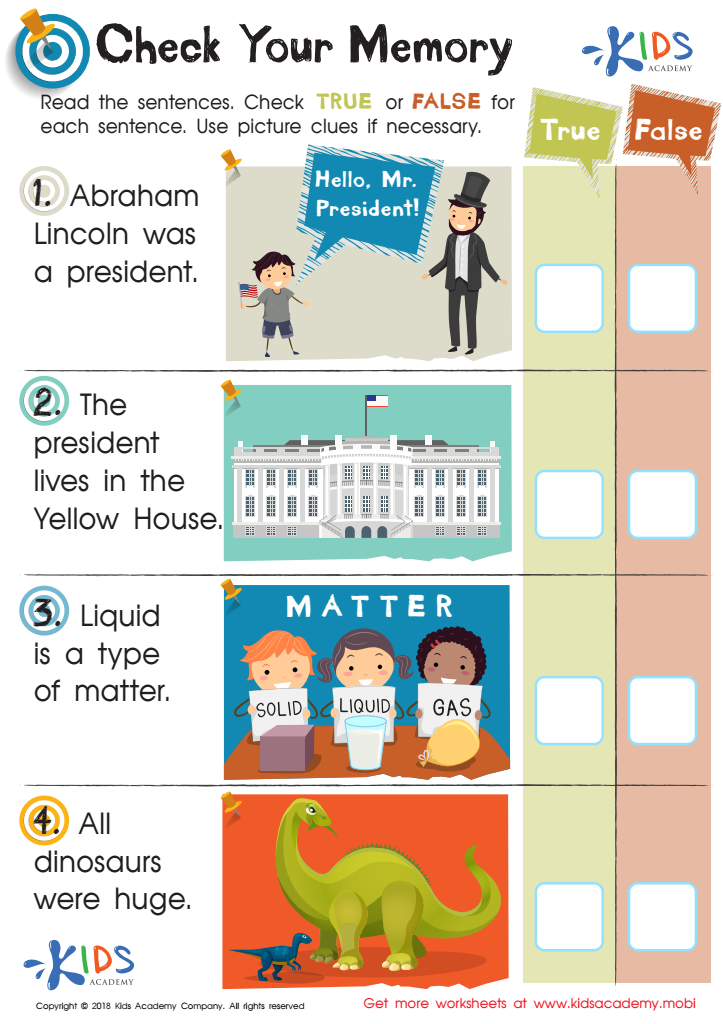
Check Memory Worksheet
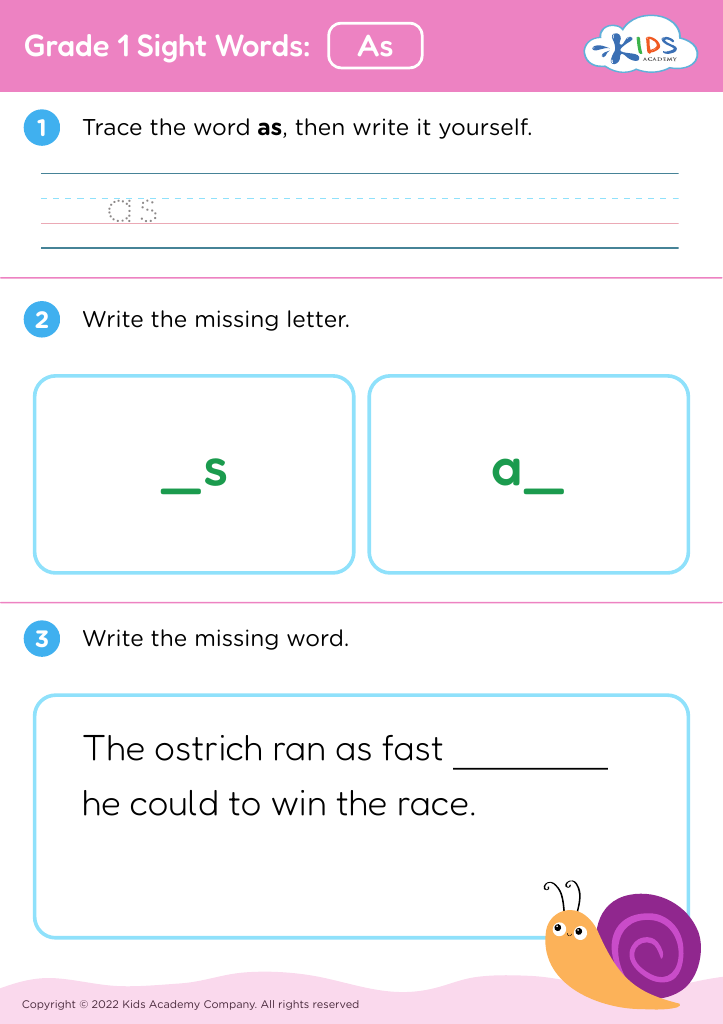


.jpg)




Shape identification is a foundational skill for young children, typically ages 4-6, that plays an essential role in their cognitive and fine motor development. When parents and teachers emphasize shape identification, they are laying the groundwork for mathematical understanding and literacy.
Firstly, recognizing different shapes enhances a child's spatial awareness and geometric skills. Understanding shapes like circles, squares, and triangles helps children better understand the physical world around them, which is crucial for future learning in math and science.
Additionally, shape identification helps improve visual discrimination – the ability to notice differences and similarities between objects. This skill is vital when children begin reading, as they need to distinguish between different letters and words. For example, differentiating between shapes like a circle and an oval can translate into recognizing the differences between letters like 'b' and 'd'.
Moreover, the process of identifying shapes involves not only visual perception but also verbal expressions. When children describe shapes, they practice language skills, expanding their vocabulary and enhancing expressive abilities.
Lastly, shape activities often involve playful, hands-on experiences like drawing, puzzles, and block-building, which develop fine motor skills. These early learning experiences make education enjoyable, nurturing a positive attitude toward learning.
In sum, parents and teachers should care about shape identification because it builds a strong foundation for future academic success, encompassing math, reading, and overall cognitive development.








