
Following instructions Reading Comprehension Worksheets for Ages 4-6
5 filtered results
Difficulty Level
Grade
Age
-
From - To
Subject
Activity
Standards
Boost your child's reading comprehension skills with our "Following Instructions Reading Comprehension Worksheets" designed specifically for ages 4-6. These engaging worksheets help young learners develop the ability to follow directions accurately while enhancing their reading skills. Features include fun activities that encourage comprehension of written instructions, fostering both literacy and critical thinking abilities. Perfect for parents and educators, these printable resources ensure meaningful learning experiences. Children will enjoy completing tasks that reinforce their understanding of language and improve their ability to navigate simple instructions, preparing them for future academic challenges. Explore our collection today to inspire confident young readers!
Favorites
With answer key
Interactive
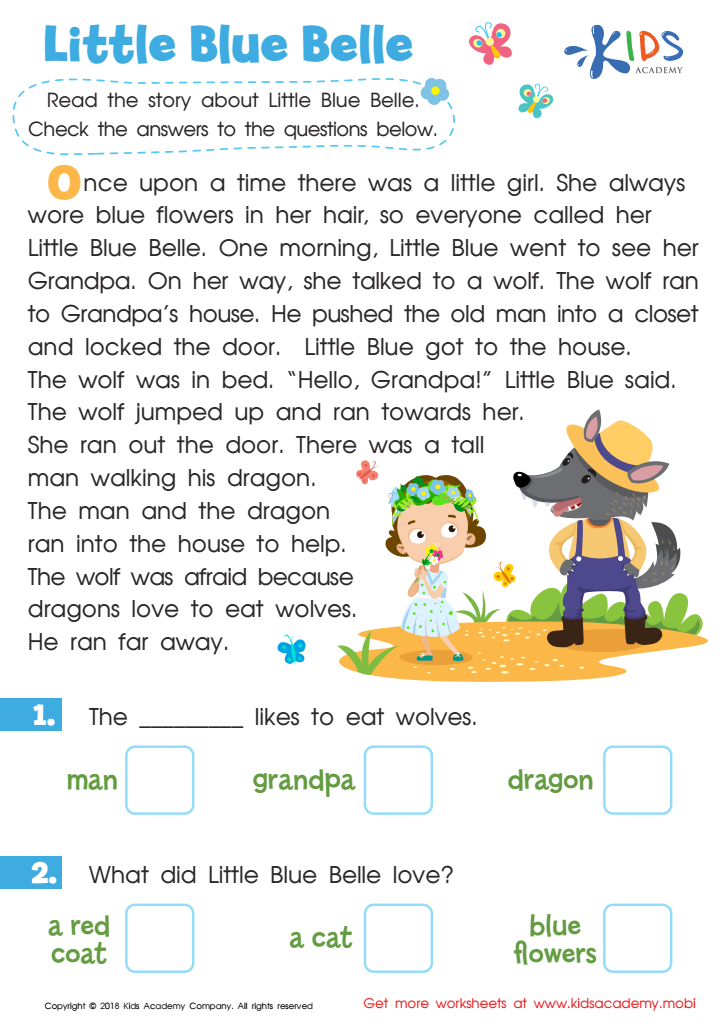
Little Blue Belle Worksheet
Check comprehension of fiction read in class by asking questions. Some students may struggle, so provide extra practice with a reading worksheet. Students read a story and answer questions at the bottom. A handy resource for reading classrooms!
Little Blue Belle Worksheet
Worksheet
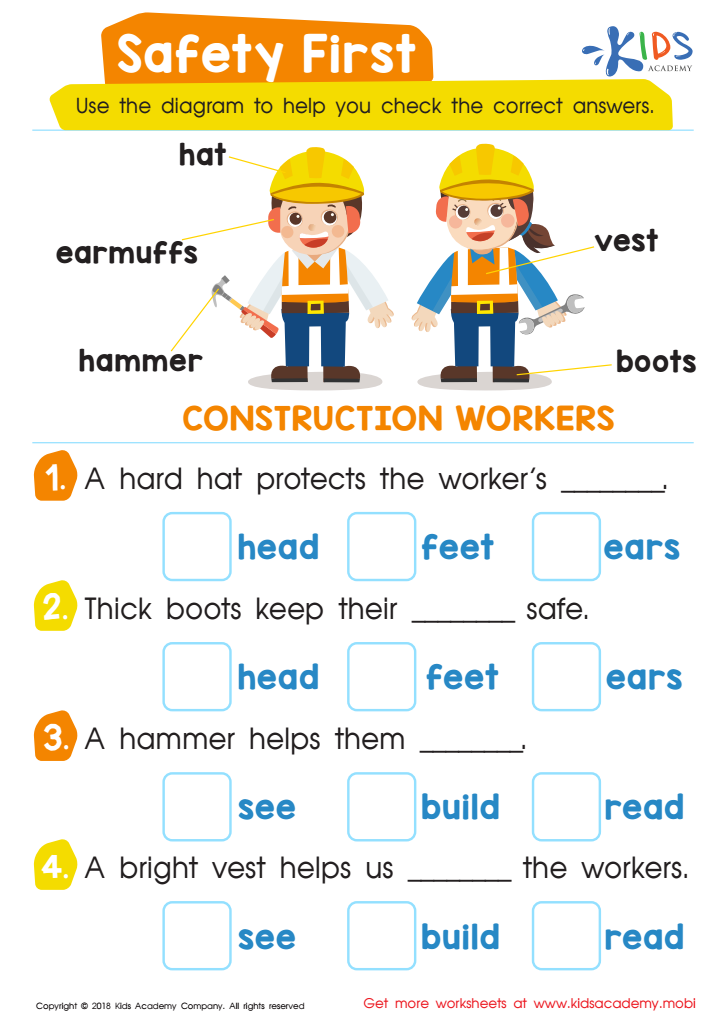
Safety First Worksheet
Diagrams can be informative but inference is key. This worksheet contains diagrams of construction worker equipment. Get your little one to use prior knowledge to work out the uses and protection of each part. Then read the sentences and check the correct answer that fills in the blanks!
Safety First Worksheet
Worksheet
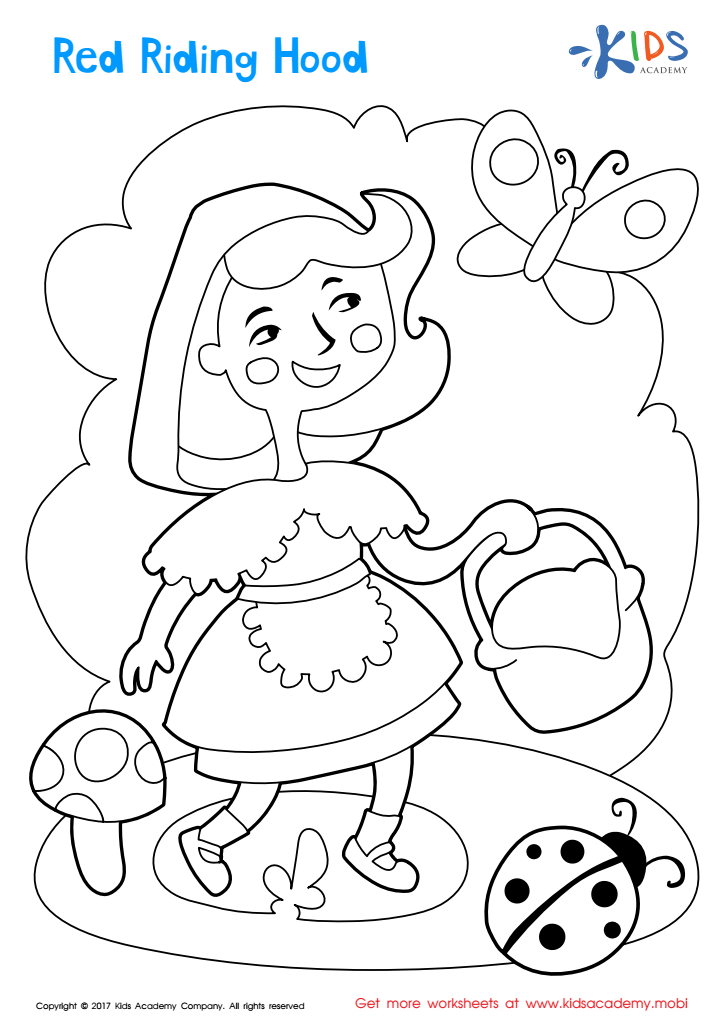
Red Riding Hood Coloring Page
Red Riding Hood awaits in the woods, with a butterfly, mushroom, and ladybug around her. Let your child bring the story to life with this magical printable coloring page. Fairytale fun for all!
Download (PDF)
 Assign to My Students
Assign to My Students
Red Riding Hood Coloring Page
Worksheet
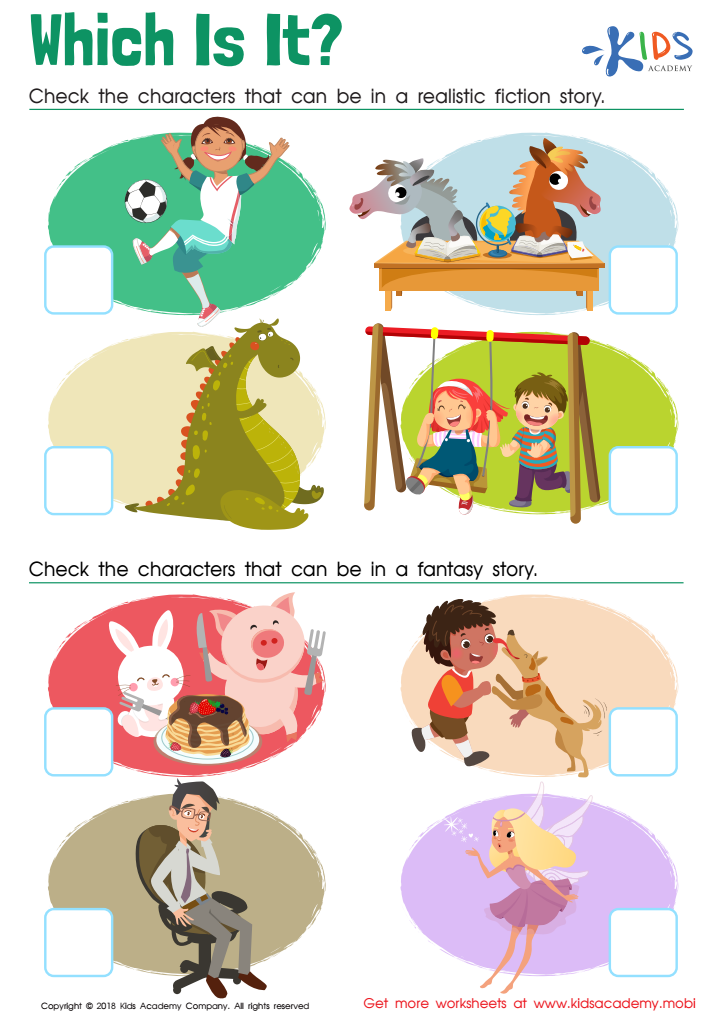
Which Is It? Worksheet
This colorful worksheet helps young readers identify elements of fact and fiction using fun picture clues. They can check off characters who exist in realistic fiction stories, which makes learning the difference between the two genres fun and engaging.
Which Is It? Worksheet
Worksheet
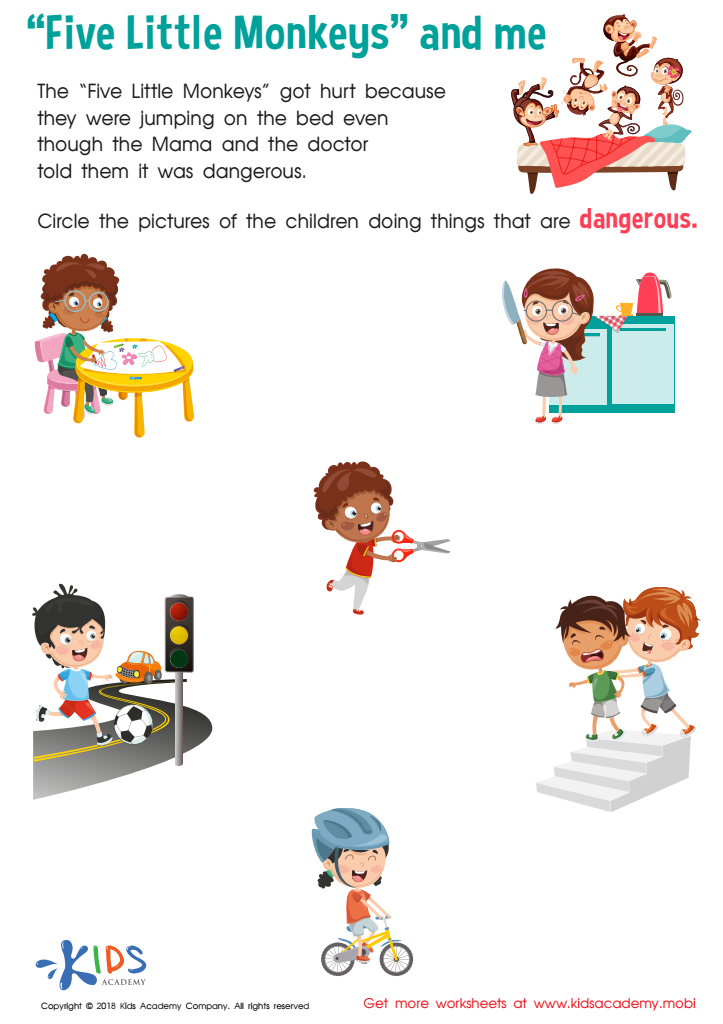
Five Little Monkeys and Me Worksheet
This free PDF worksheet provides preschoolers an understanding of danger and appropriate play. It allows them to recognize dangerous situations and why they can be risky, granting kids perspective from both parents and teachers. It's a fun, safe way to help them internalize what's dangerous and what's not.
Five Little Monkeys and Me Worksheet
Worksheet
Join Kids Academy for Free
Who is primarily going to use this learning content?



.jpg)




Following instructions and reading comprehension are fundamental skills for children aged 4 to 6, laying the groundwork for their future academic success and overall development. Understanding how to follow instructions is crucial as it helps young children navigate daily routines and learning activities, fostering independence, discipline, and critical thinking. When children can effectively follow directions, they become more engaged in their learning environment, which boosts their confidence and self-esteem.
Reading comprehension at this age is equally vital, as it aids in the development of language skills and cognitive abilities. Children who can comprehend read-aloud stories and simple texts not only expand their vocabulary but also strengthen their ability to think critically and make connections. Reading together encourages curiosity and a love for books, which form the foundation for literacy.
For parents and teachers, encouraging these skills helps create a supportive environment where children feel comfortable asking questions and expressing their thoughts. Ultimately, focusing on following instructions and comprehension during these formative years prepares children for more complex academic challenges and social interactions, ensuring they have the skills necessary for lifelong learning. Making these skills a priority will enrich their educational experiences and cultivate a strong foundation for their future.








