Understanding ecosystems Science Worksheets for Ages 4-6
5 filtered results
-
From - To
Explore the wonders of nature with our "Understanding Ecosystems Science Worksheets for Ages 4-6"! Designed to engage young minds, these worksheets introduce preschoolers to crucial ecological concepts in a fun and interactive way. From identifying plants and animals to learning about their habitats, each printable resource fosters curiosity and comprehension of our environment. With colorful illustrations and simple activities, children will enjoy hands-on learning experiences that encourage exploration and observation. Perfect for home or classroom use, these worksheets align with early childhood education standards, making science accessible and engaging for little learners. Dive into the ecosystem adventure today!
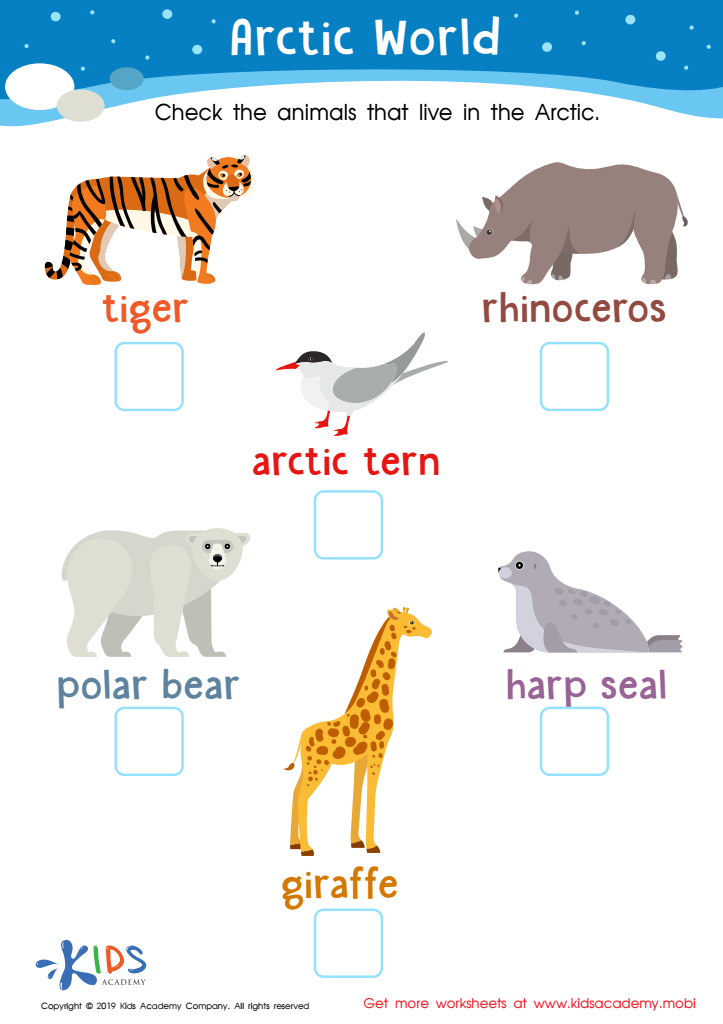
Arctic World Worksheet
 Assign to My Students
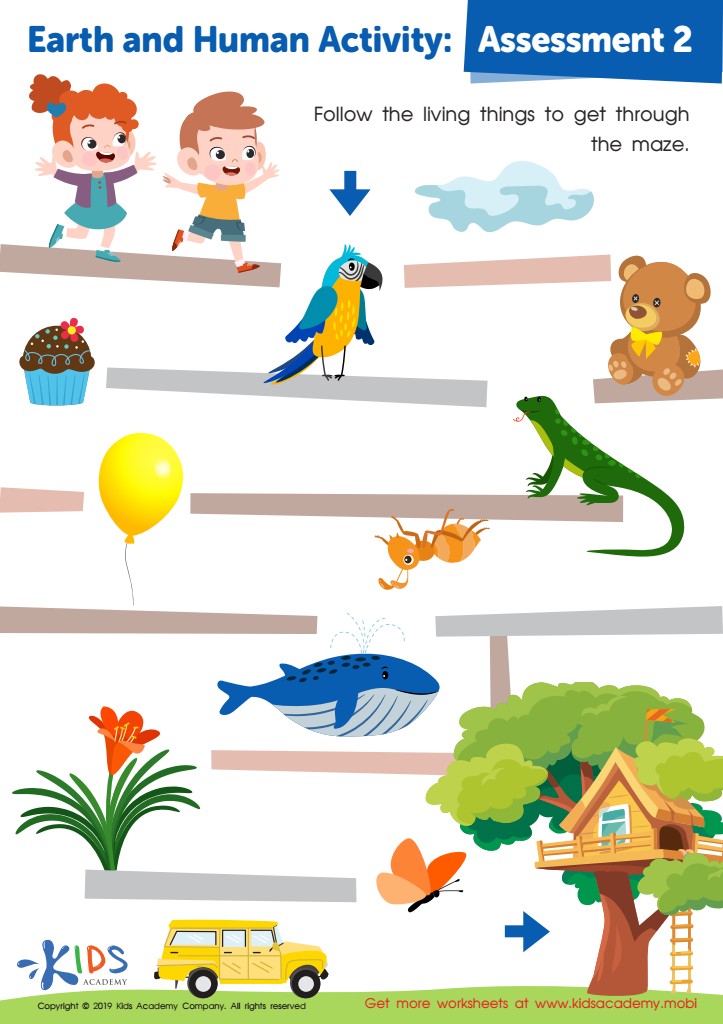
Earth and Human Activity: Assessment 2 Worksheet
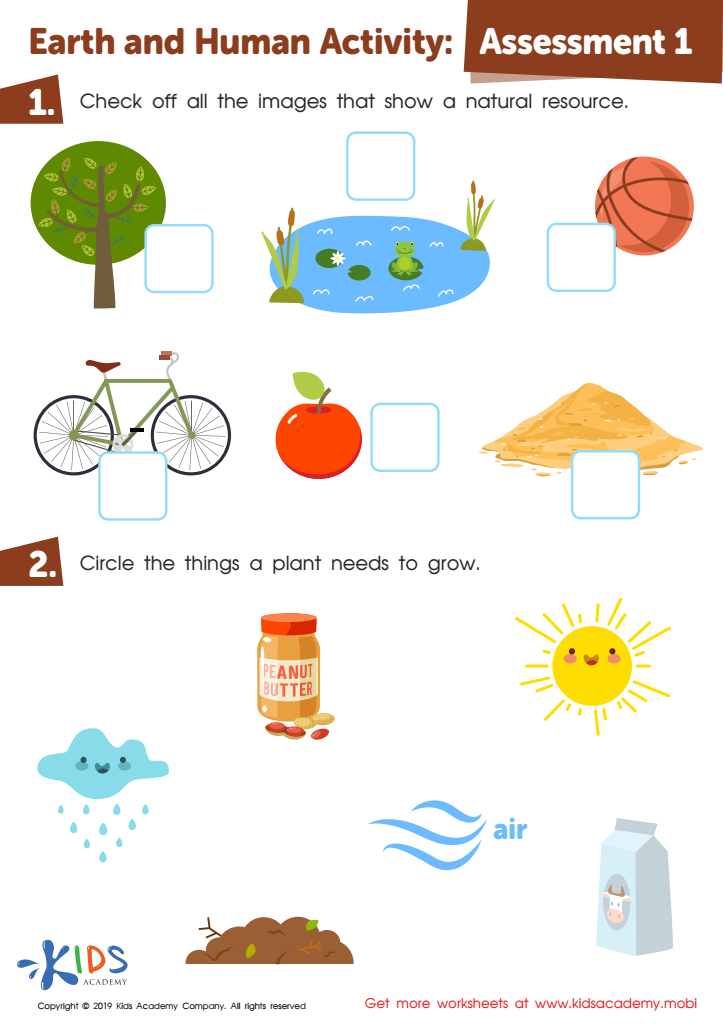
Earth and Human Activity: Assessment 1 Worksheet
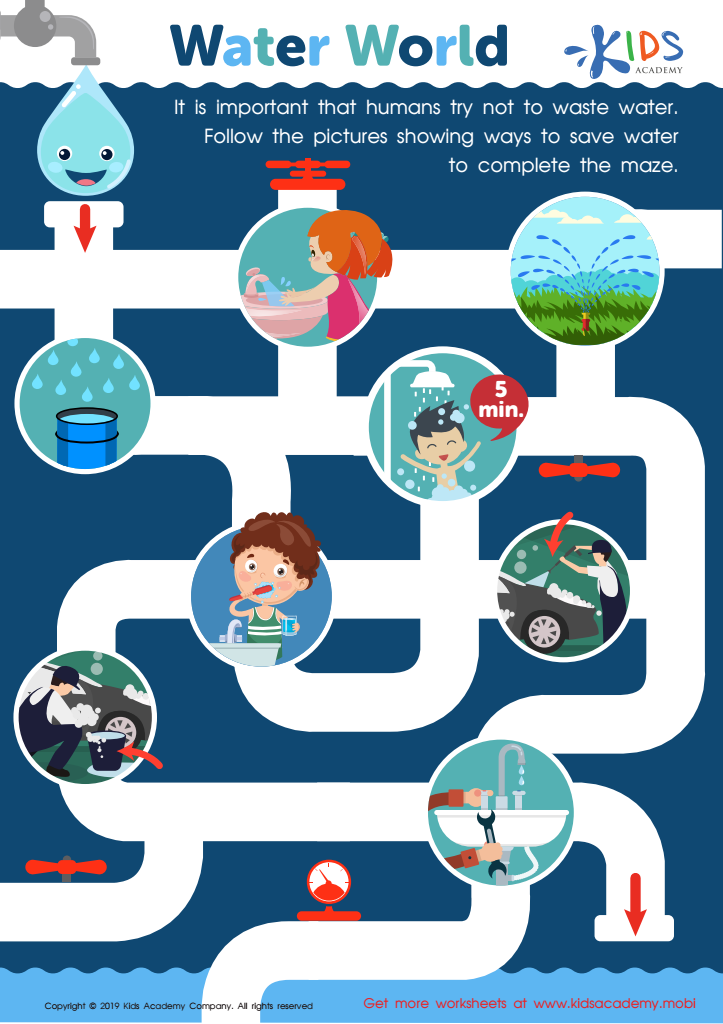
Water World Worksheet
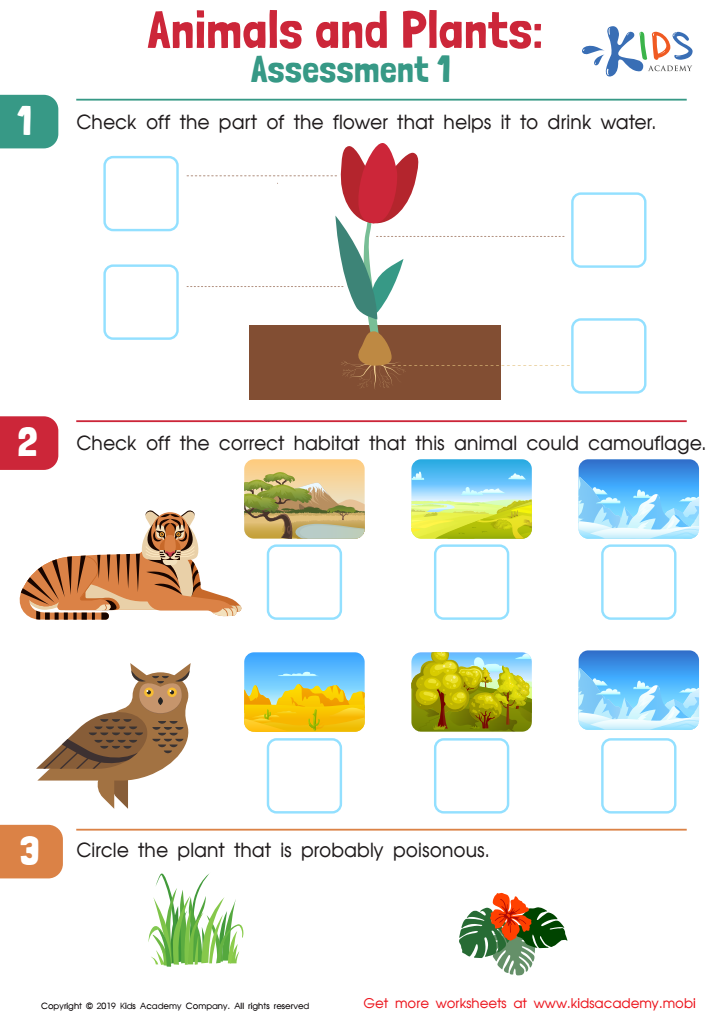
Animals and Plants: Assessment 1 Worksheet








Understanding ecosystems is crucial for children ages 4-6, as it nurtures a foundational appreciation for nature and the interconnectedness of all living things. At this age, children are naturally curious and equipped to explore their environment, making it the perfect time to introduce concepts of ecosystems.
When parents and teachers emphasize ecosystems in early education, they promote critical thinking and observational skills. Children learn about living organisms—plants, animals, and humans—and their roles within ecosystems. This understanding fosters empathy towards other species and awareness of environmental challenges, such as pollution and habitat destruction.
Moreover, learning about ecosystems can enhance teamwork and social skills, as it often involves group activities like field trips or collaborative projects. Parents and teachers can also indirectly instill a sense of responsibility for the planet by encouraging eco-friendly behaviors—like recycling and conserving resources—early on.
By incorporating ecosystem science into early education, we help shape environmentally-conscious future citizens. This knowledge not only enriches children’s educational experiences but also paves the way for lifelong environmental stewardship, ensuring that they grow up with the tools to support and protect the natural world. Thus, understanding ecosystems empowers both current and future generations.







