Observational skills Space Worksheets for Ages 4-6
3 filtered results
-
From - To
Unlock the wonders of the universe with our "Observational Skills Space Worksheets for Ages 4-6"! Designed to ignite curiosity and encourage exploration, these engaging worksheets help young learners identify and understand various elements of space. Through fun activities like identifying planets and stars, children develop crucial observational skills while enhancing their cognitive abilities. Perfect for home or classroom use, these worksheets support early science education by fostering critical thinking and creativity. Encourage your little astronauts to observe, compare, and share their findings in a stimulating and educational environment. Start their interstellar journey with our captivating space worksheets today!
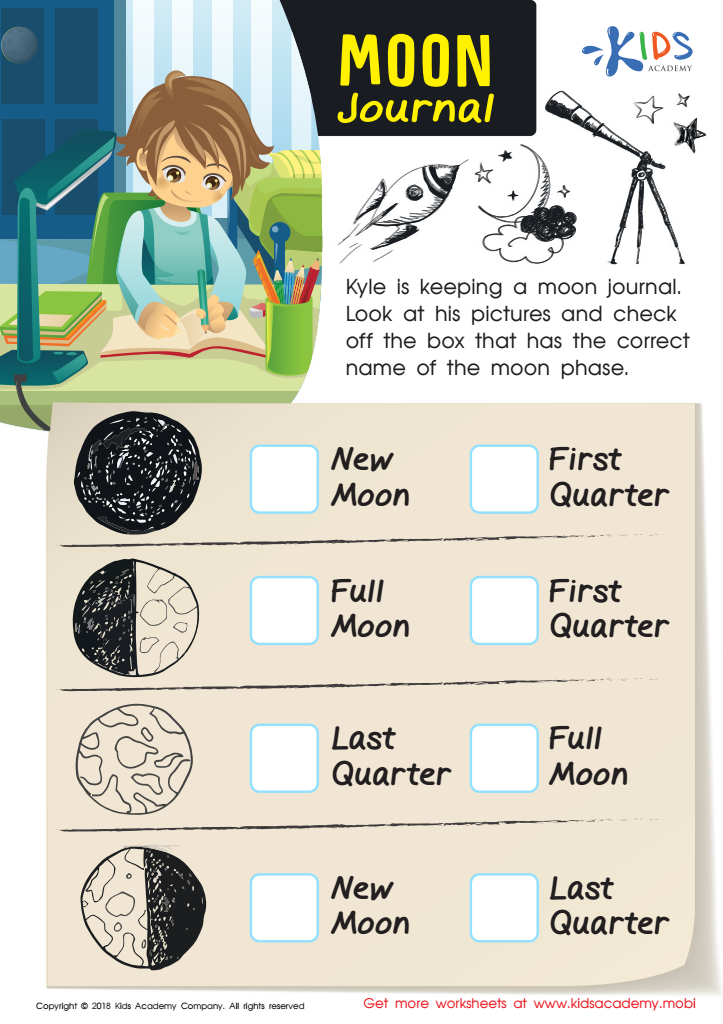
Moon Journal Worksheet
 Assign to My Students
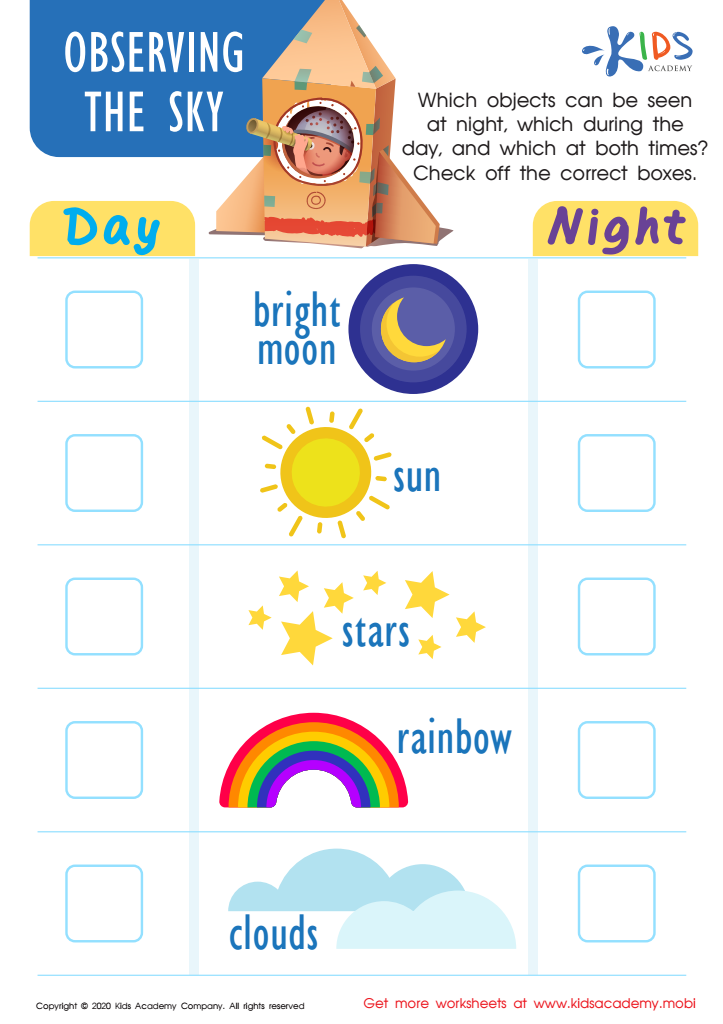
Observing the Sky Worksheet
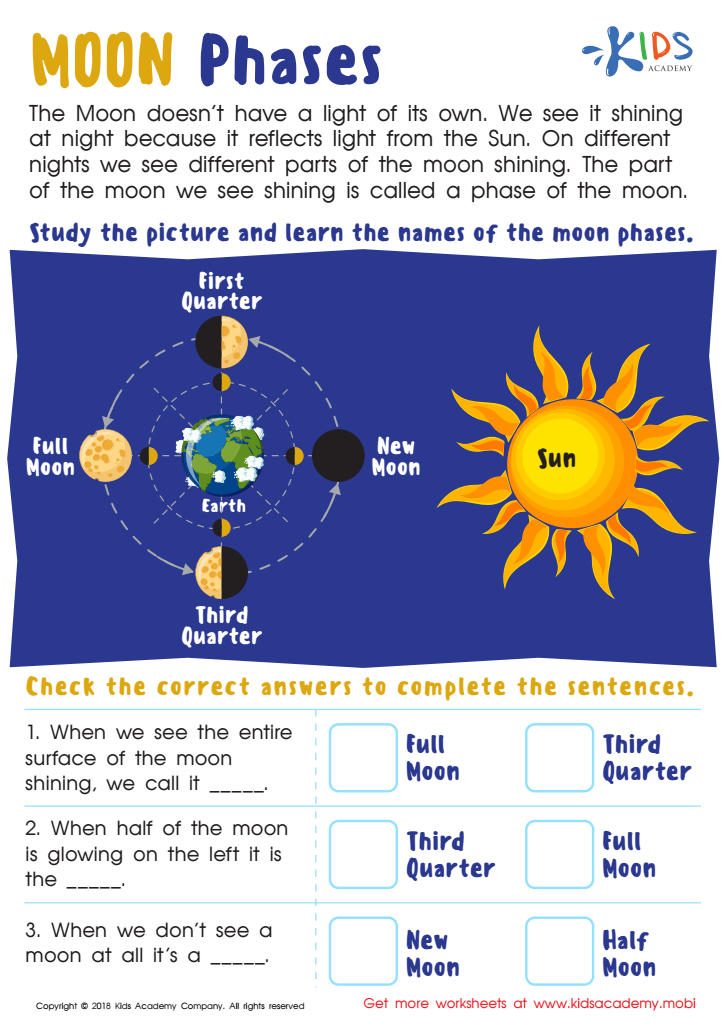
Moon Phases Worksheet






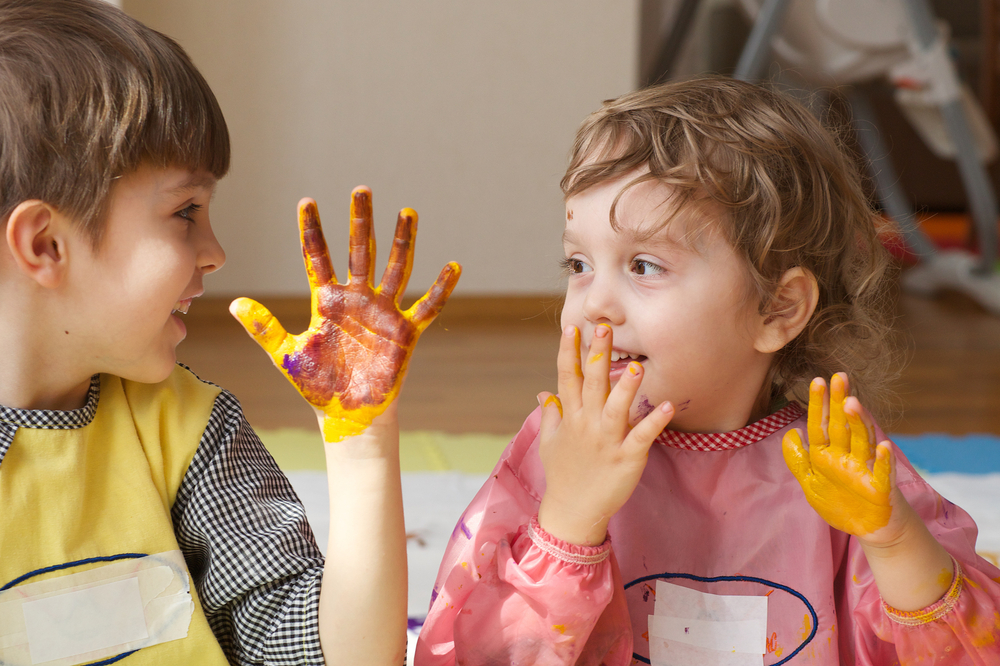
Observational skills serve as the foundation for a child's cognitive development, especially for those aged 4-6. At this young age, children are naturally curious; honing their observational skills nurtures critical thinking, focuses their attention, and enhances their ability to connect the dots between cause and effect. When parents and teachers prioritize fostering these skills, they enable children to engage meaningfully with their environment, transforming passive observation into active learning.
Engaging children in activities that encourage observation—like nature walks, classroom reflections, or storytelling—stimulates their creativity and instills a sense of wonder. This age group benefits from hands-on experiences where they can observe, explore, and question their surroundings. By cultivating these skills, children can better express emotions, solve problems, and communicate effectively. Furthermore, strong observational abilities augment social skills as children learn to interpret body language and non-verbal cues in their peers.
Ultimately, nurturing observational skills prepares children not only for academic success but also for holistic development, equipping them with essential life skills. Parents and teachers who invest in cultivating these abilities contribute significantly to their children’s intellectual and emotional growth, laying a robust groundwork for lifelong learning.







