Filters

30 filtered results

Clear all filters
Favorites
With answer key
Interactive

30 filtered results

Difficulty Level

Grade


Check out this FREE Trial Lesson on Phonics for age 4-7!

Consonant Blends with r

Favorites
With answer key
Interactive
  • 4-7
  • Word Recognition
  • Phonics
Missing Digraph: Part 2 Worksheet

Missing Digraph: Part 2 Worksheet

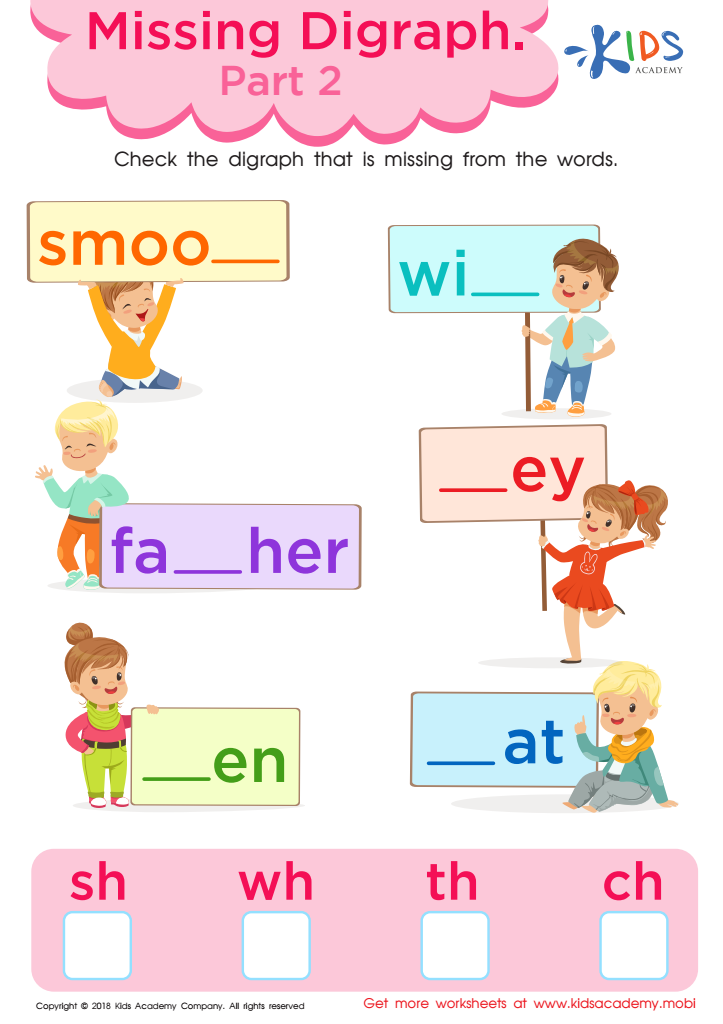
Practice the "th" digraph with this fun worksheet from Kids Academy! See how it appears at the beginning, middle, or end of words and help learners fill in the blanks. Check if they got it right by finding the th digraph at the bottom!
Missing Digraph: Part 2 Worksheet
Worksheet
Words with sound f Reading Worksheet

Words with sound f Reading Worksheet

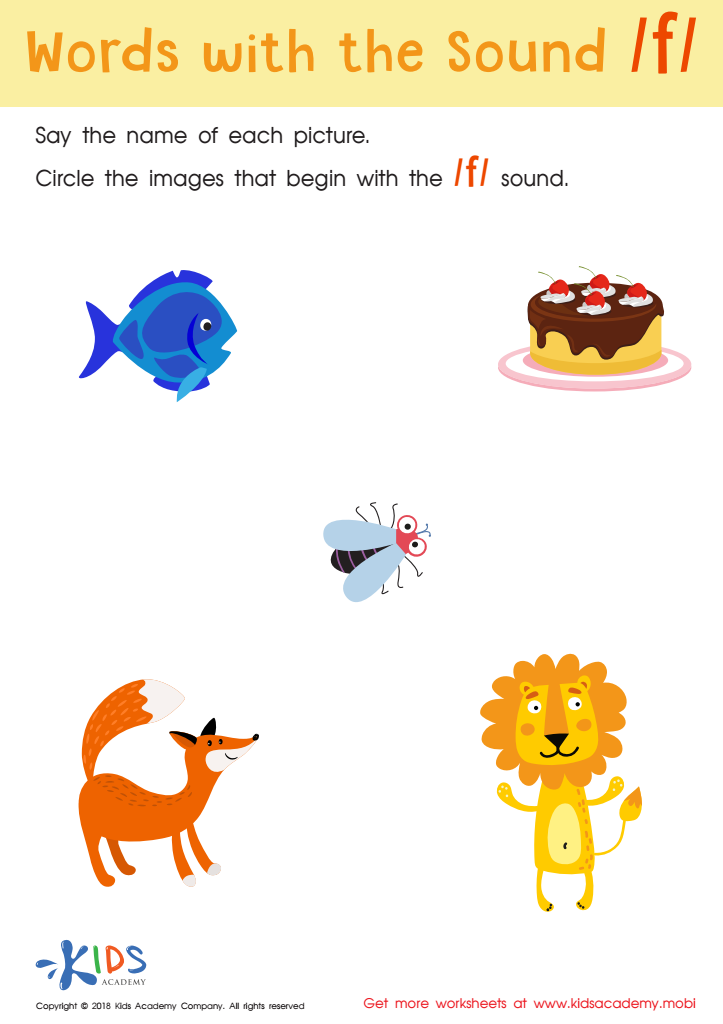
This illustrated phonics worksheet is ideal for preschool or kindergarten. It helps boost learners' literacy skills with a focus on the letter "f". Ask your child to name all the pictures, listening for that sound. Examples are fish, fox, lion, bug. When they can identify which words start with "f", have them circle the images. Congratulate them on a job well done!
Words with sound f Reading Worksheet
Worksheet
More than 1 word Worksheet

More than 1 word Worksheet

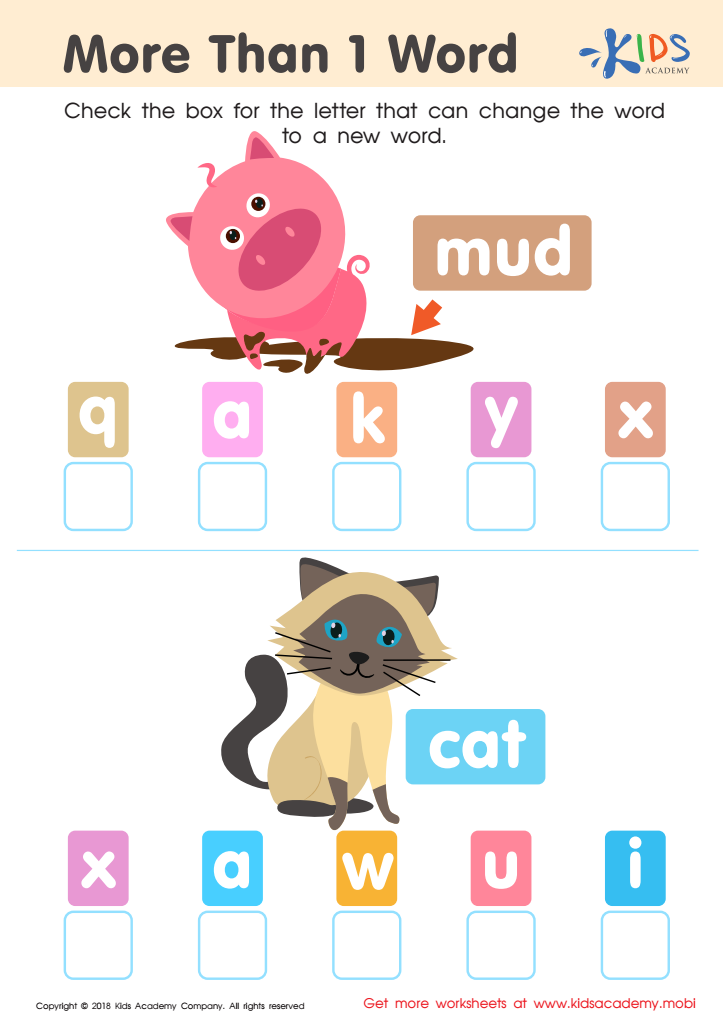
Test your child's reading skills with this fun worksheet! Point out the word in each picture, then switch the middle letter of each word with one from the list and check the box when you find a new word. It's a great way to develop your child's reading skills!
More than 1 word Worksheet
Worksheet
Consonant Blend Dr and Tr Printable Worksheet

Consonant Blends: "Dr" and "Tr" Printable
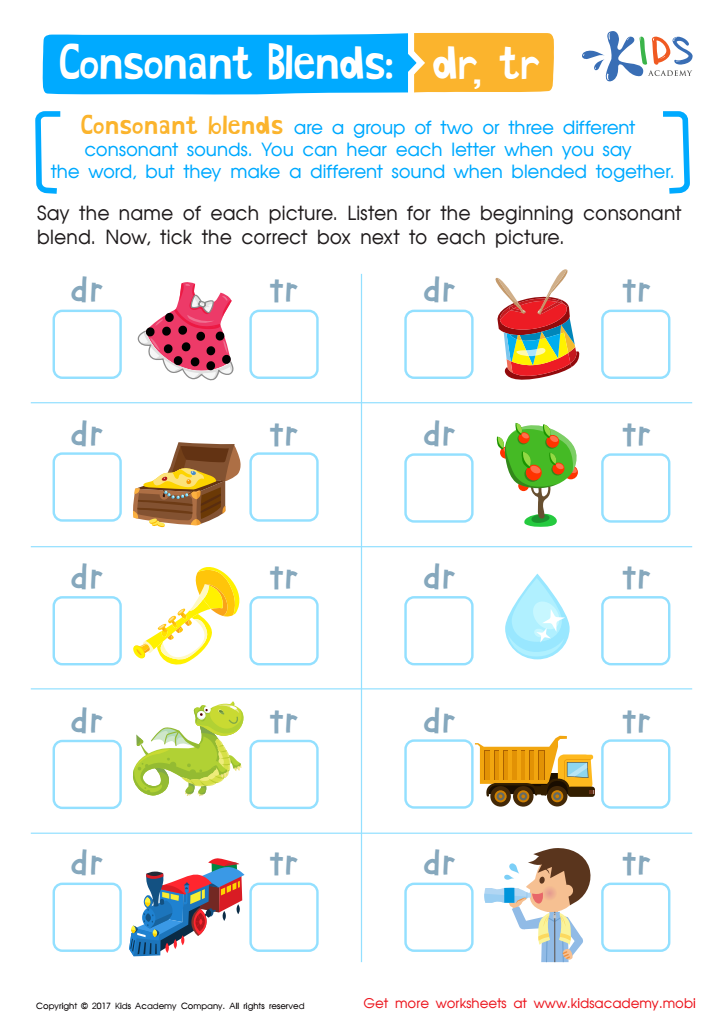
Pictures of the words provide a visual cue, and sound-outs help with auditory cues.
Consonant Blends: "Dr" and "Tr" Printable
Worksheet
Words with Sound M Reading Worksheet

Words with Sound M Reading Worksheet

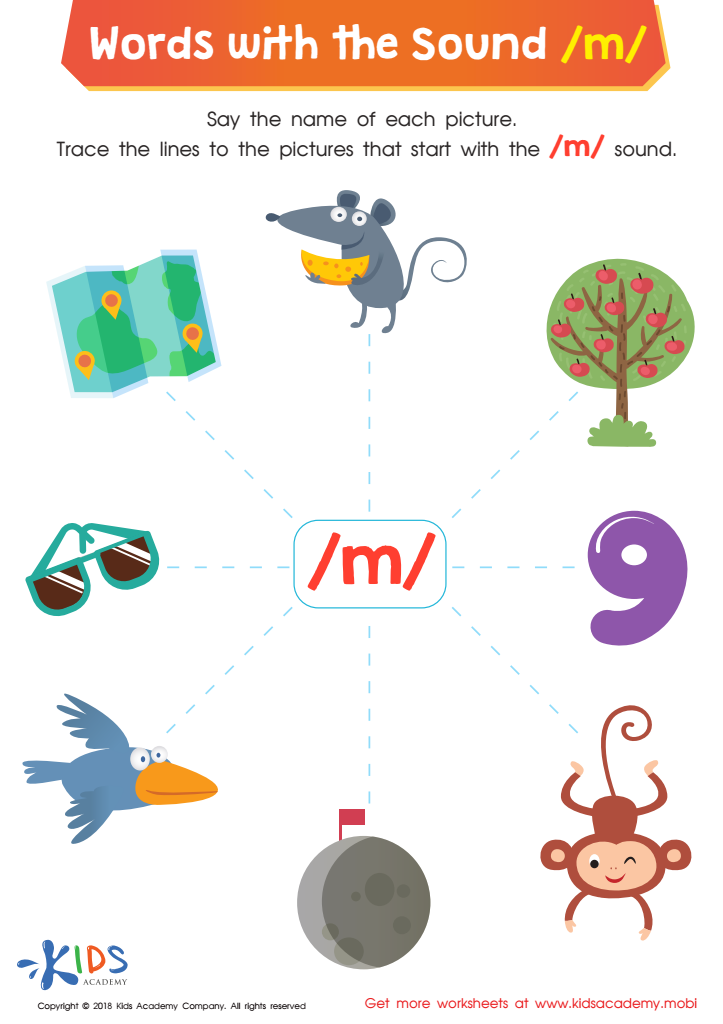
Emerging readers will use this traceable worksheet to name and trace pictures with the letter sound «m». Bright, engaging pictures make this fun and build confidence while strengthening fine motor skills. They won't even know they're also working on reading skills!
Words with Sound M Reading Worksheet
Worksheet
Sight Words Worksheet: The

Sight Words: The Worksheet

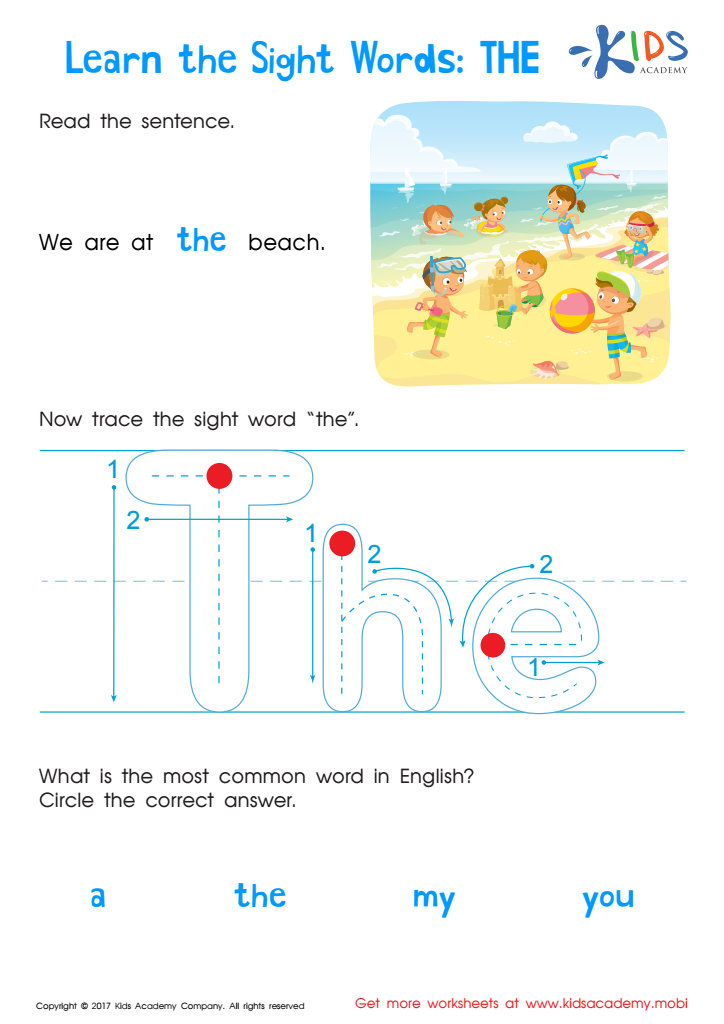
Get the worksheet and start now. The word "the" is an essential part of English. Teaching your child to read and write it is easy with this sight words worksheet. They'll practice reading the word, tracing it, and using it in sentences. It's the perfect way to take your child's language skills to the next level! Get the worksheet today.
Sight Words: The Worksheet
Worksheet


Parents and teachers should prioritize Word Recognition Phonics for children aged 4-7 because it establishes a critical foundation for their literacy journey. At this developmental stage, children's brains are exceptionally receptive to phonics, or the relationship between sounds and letters. Mastering phonics allows children to decode words efficiently, a skill essential for fluent reading. This, in turn, supports comprehension, as students can focus on understanding the text rather than struggling to decipher individual words.

Early success in reading also fosters a positive attitude toward learning and boosts confidence. When children feel competent, they are more likely to enjoy reading and seek out books, further enhancing their vocabulary and understanding of the world. It's also important to consider that literacy is a cornerstone for academic achievement in all subjects. Strong word recognition skills lead to better performance in science, math, and social studies, as these subjects require good reading comprehension.

Moreover, early gaps in literacy can widen over time, potentially leading to long-term academic challenges. Addressing phonics and word recognition skills promptly ensures that all children have equal opportunities to thrive academically. Parental and teacher involvement is crucial because it creates a supportive environment, providing children with the encouragement and resources needed to develop these foundational skills.