Fine Motor Skills Tracing Letters Worksheets for Ages 4-7 - Page 2
35 filtered results
-
From - To
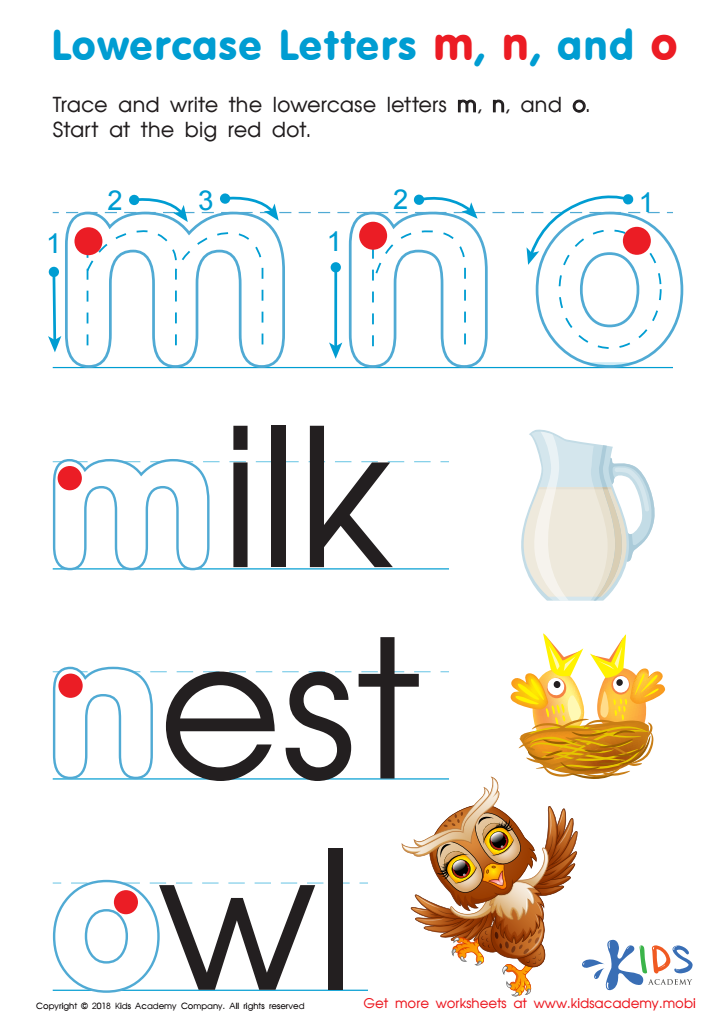
Lowercase Letters m n o Worksheet
 Assign to My Students
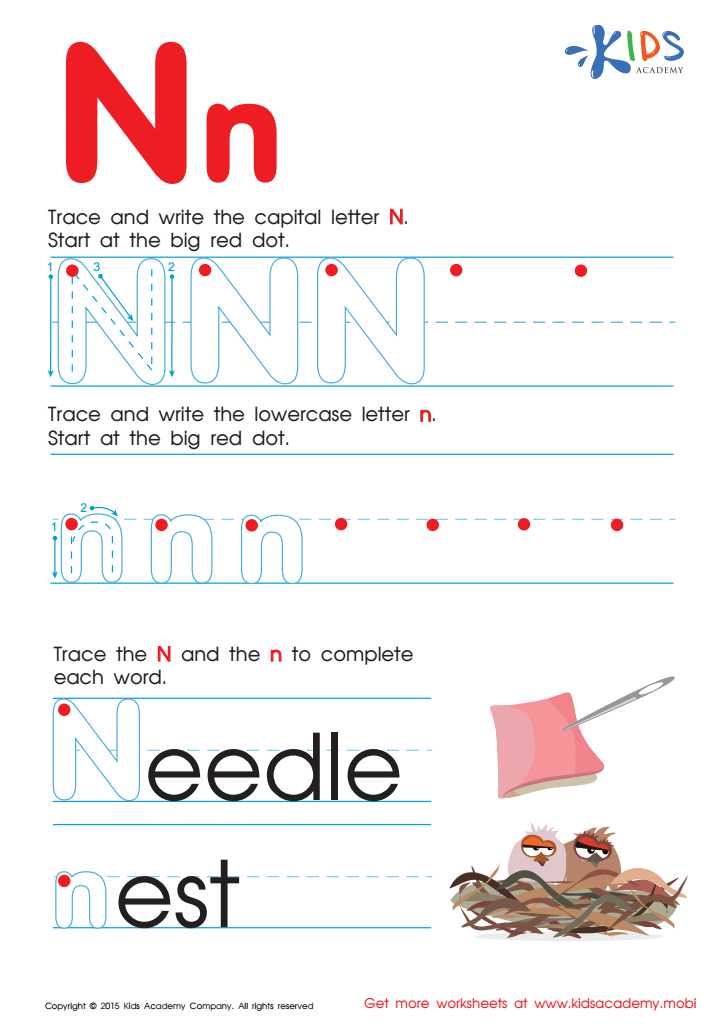
Letter N Tracing Page
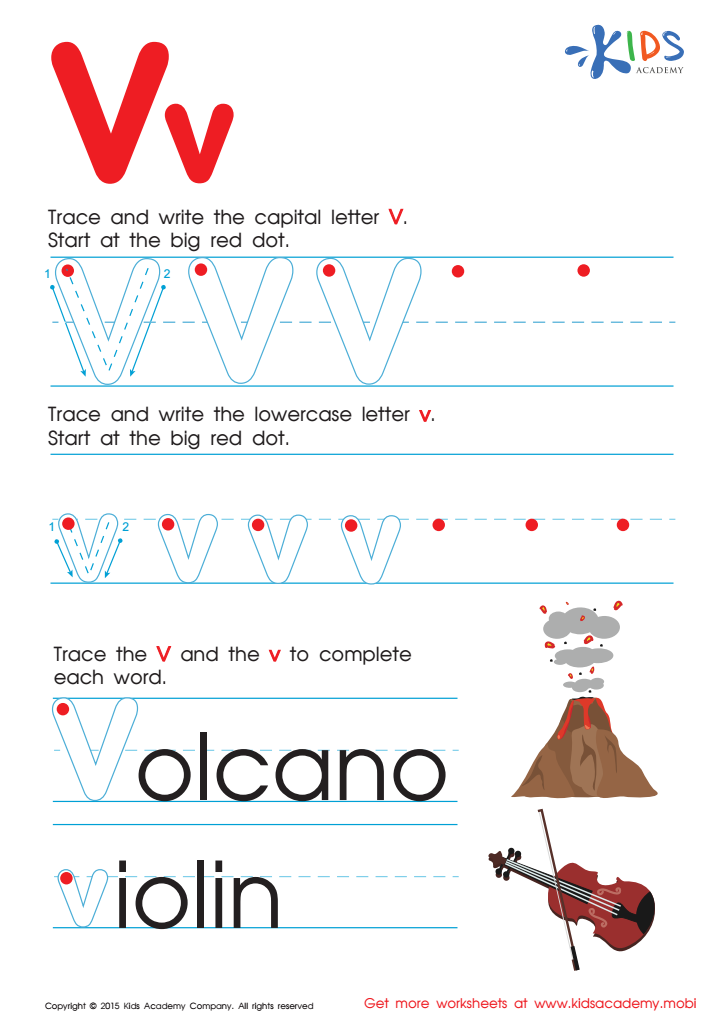
Letter V Tracing Page
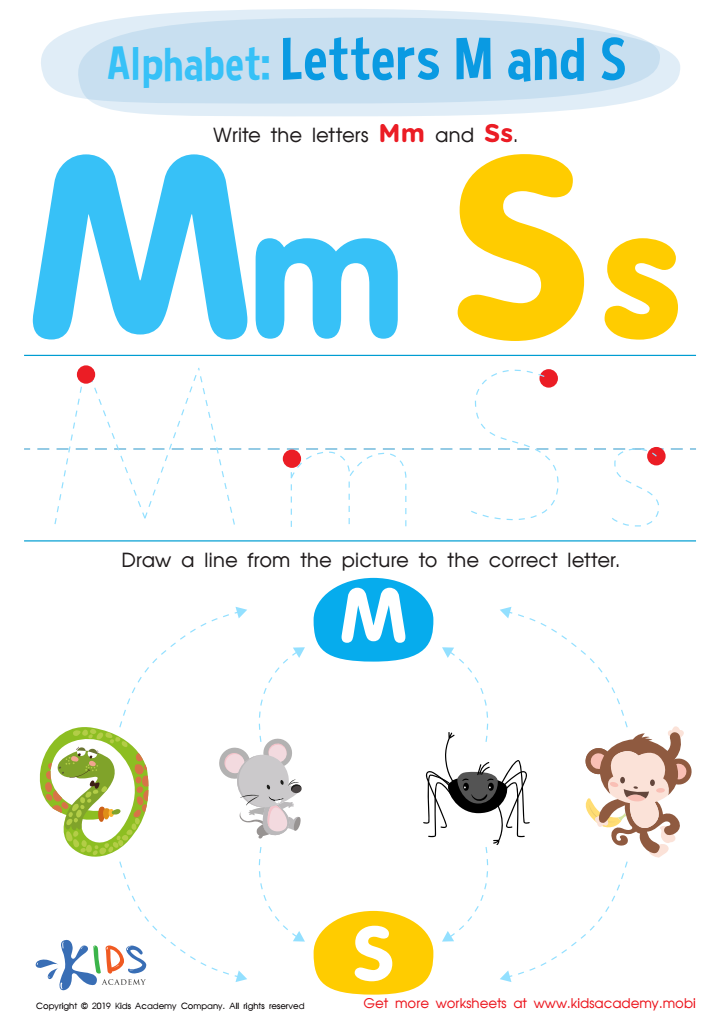
Letters M and S Tracing Worksheet
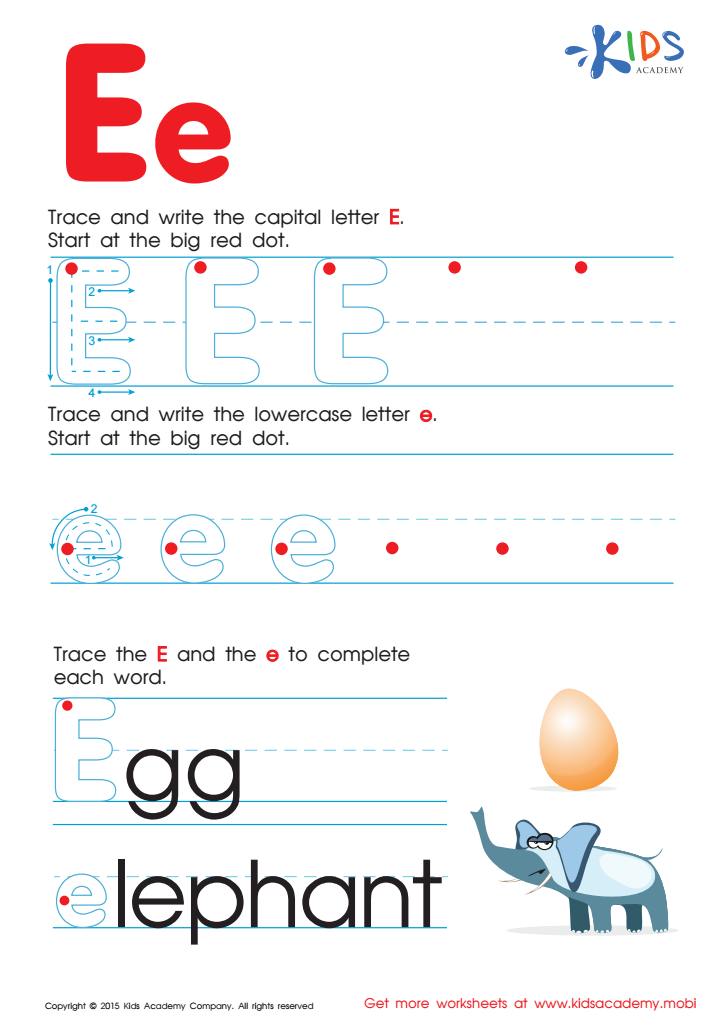
Letter E Tracing Page
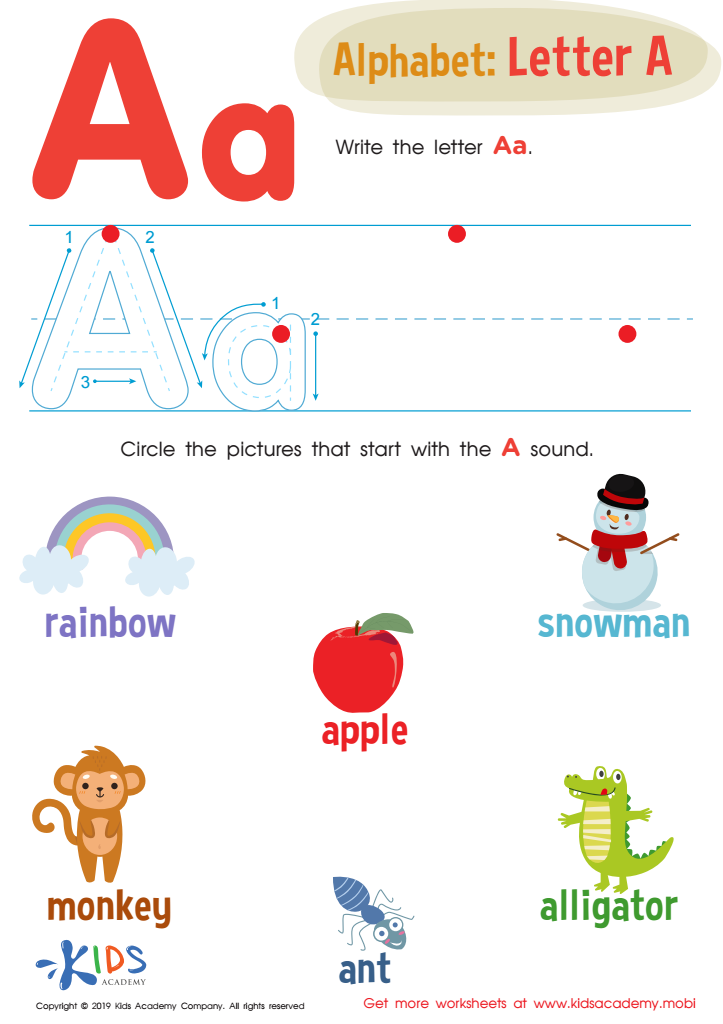
Letter A Tracing Worksheet
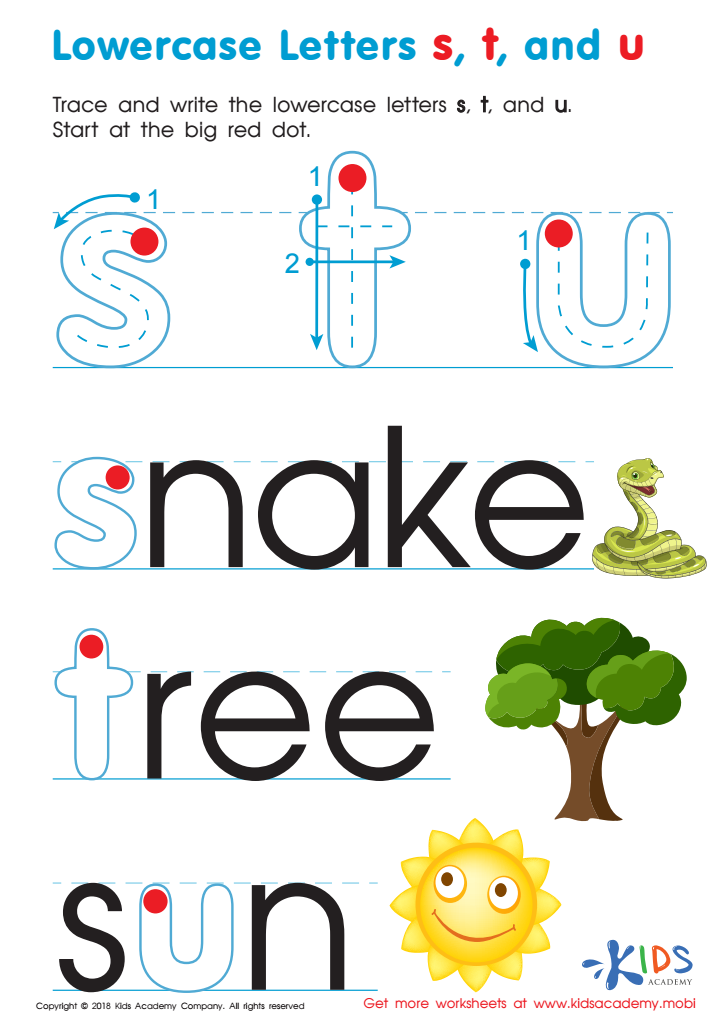
Lowercase Letters s t u Worksheet
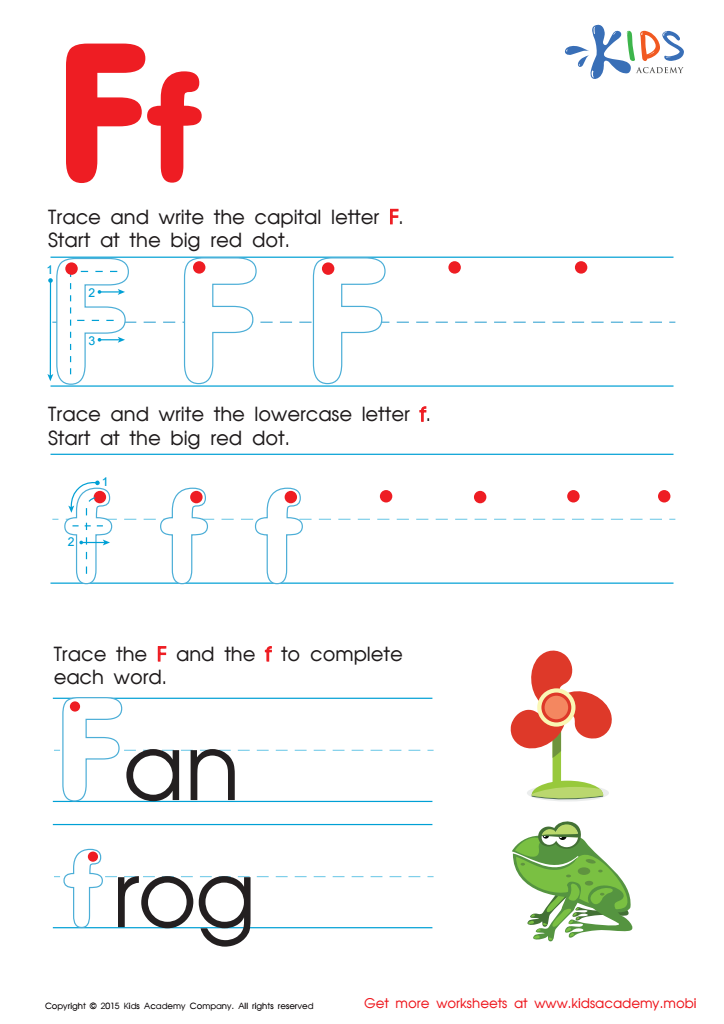
Letter F Tracing Page
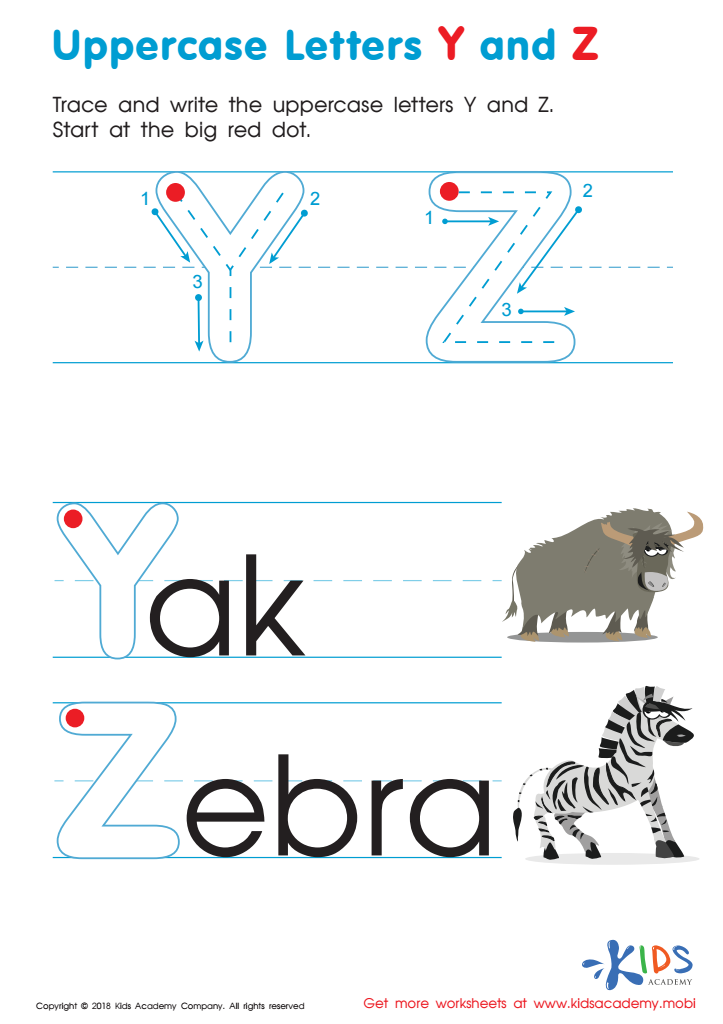
Uppercase Letters Y Z Worksheet
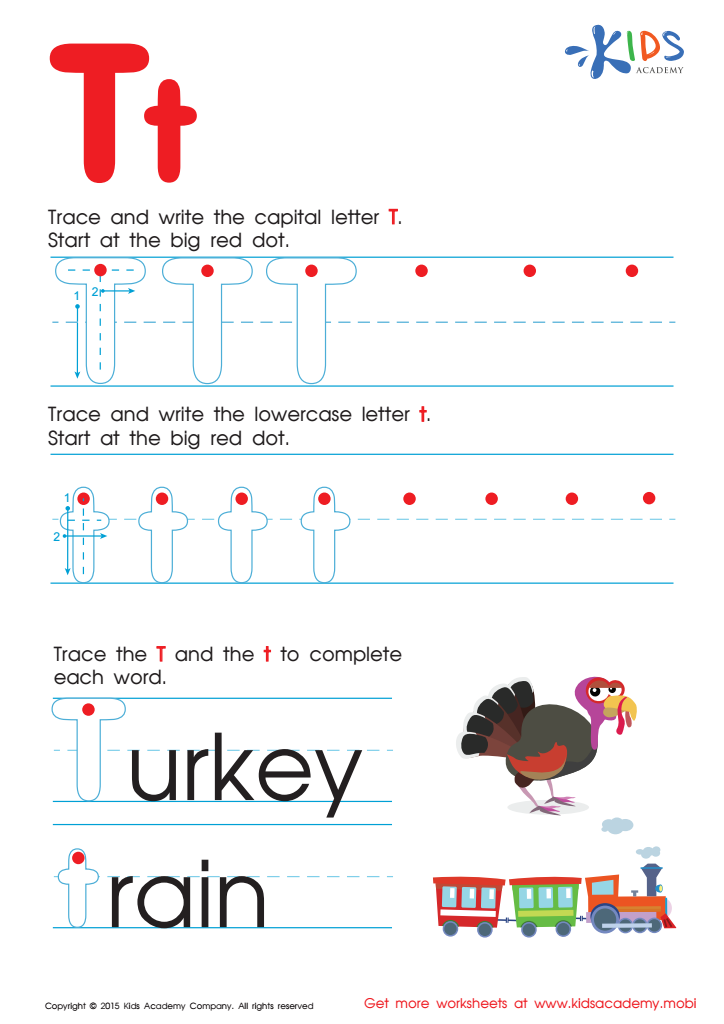
Letter T Tracing Page
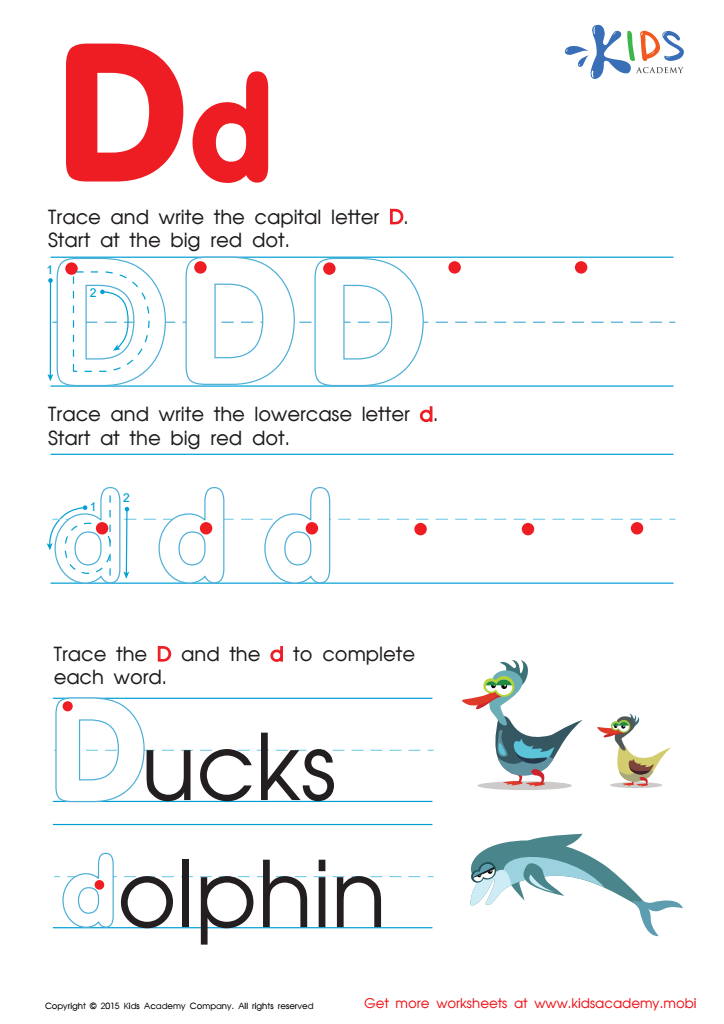
Letter D Tracing Page








Fine motor skills are crucial for young children, particularly in the 4-7 age range, as they form the foundation for many academic and daily activities. Tracing letters is an effective way to enhance these skills. For parents and teachers, paying attention to fine motor development through letter tracing is essential for several reasons.
Firstly, it strengthens the small muscles in the hands and fingers, which are necessary for writing, buttoning clothes, and using utensils. Improved fine motor control allows children to write with greater accuracy and legibility, contributing positively to their academic performance.
Secondly, letter tracing helps children understand the shape and structure of each letter, reinforcing literacy skills. This activity boosts letter recognition, an early step in reading that supports phonemic awareness, which is the ability to hear, identify, and manipulate sounds in spoken words.
Moreover, engaging in tracing can enhance a child’s concentration, hand-eye coordination, and spatial awareness. These cognitive benefits contribute to a child’s overall learning experience and ability to absorb more complex activities.
Lastly, early proficiency in writing can lead to increased confidence and a higher inclination to participate in classroom activities. In summary, parents and teachers should prioritize fine motor skills tracing for young children as it underpins significant aspects of their development, both academically and personally.








