Color Identification Coloring Pages Worksheets for Ages 4-7
14 filtered results
-
From - To
Enhance your child’s color recognition skills with our Color Identification Coloring Pages Worksheets designed for ages 4-7. These fun and educational printables help young learners identify and distinguish different colors through engaging activities. Each worksheet features vibrant illustrations that not only foster creativity but also reinforce color theory concepts. Perfect for preschool and early elementary students, our collection supports the development of fine motor skills, cognitive abilities, and memory retention. Whether used in classrooms or at home, these resources make learning colors an enjoyable and success-oriented experience. Download now and watch your child’s confidence and knowledge shine!
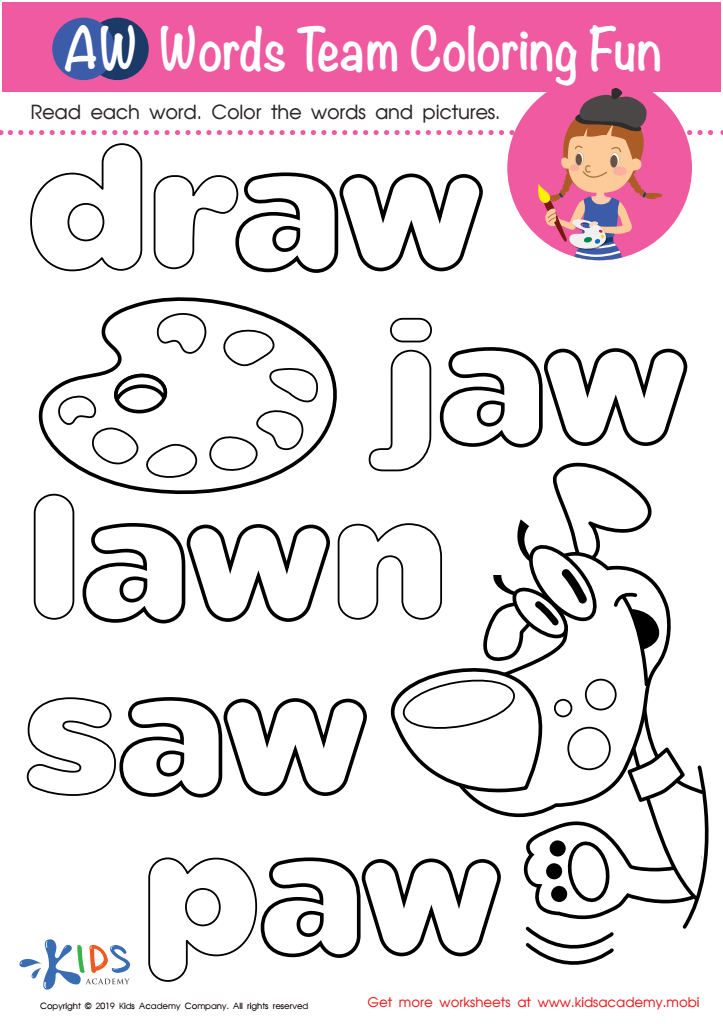
AW Words Team Coloring Fun Worksheet
 Assign to My Students
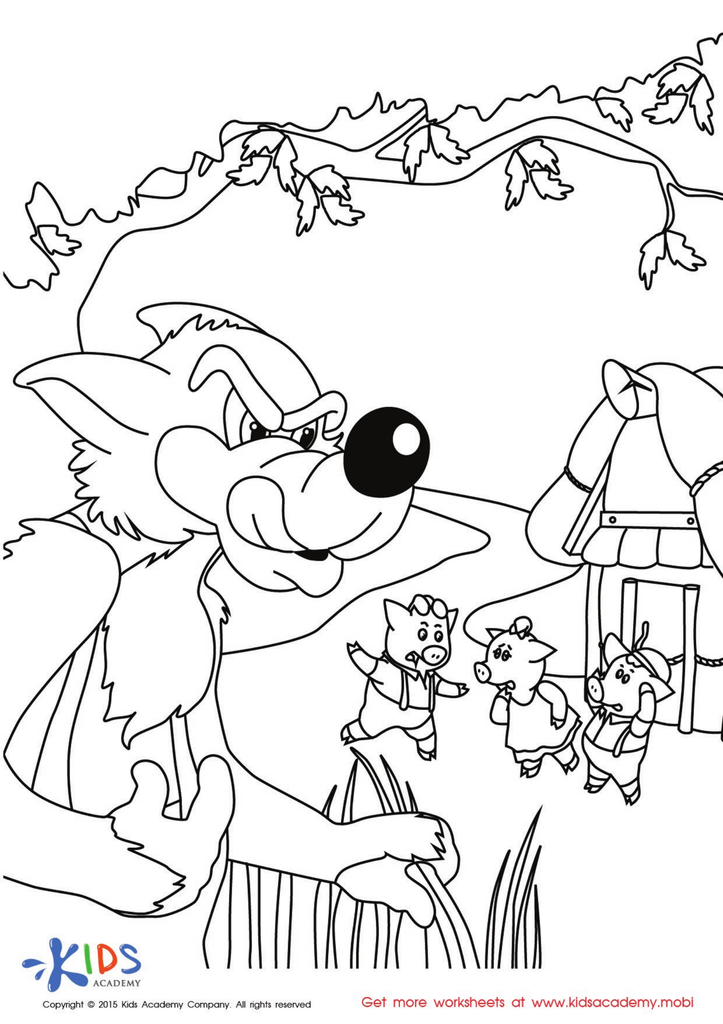
The Story of the Three Little Pigs Coloring Worksheet
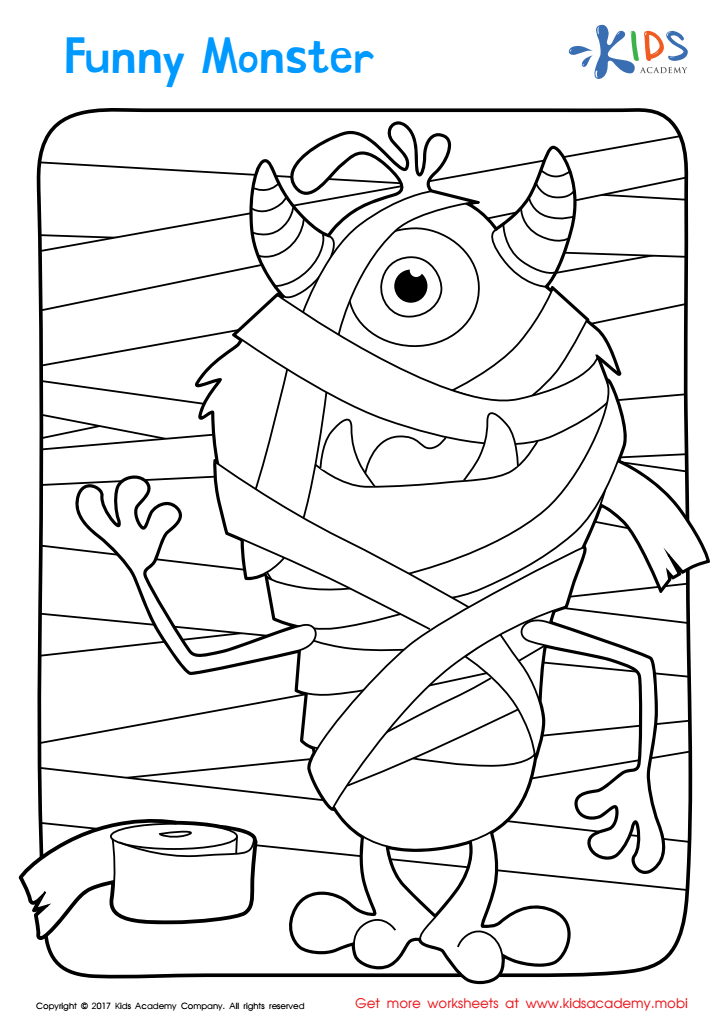
Halloween: A Funny Monster Worksheet
Assign to My Students
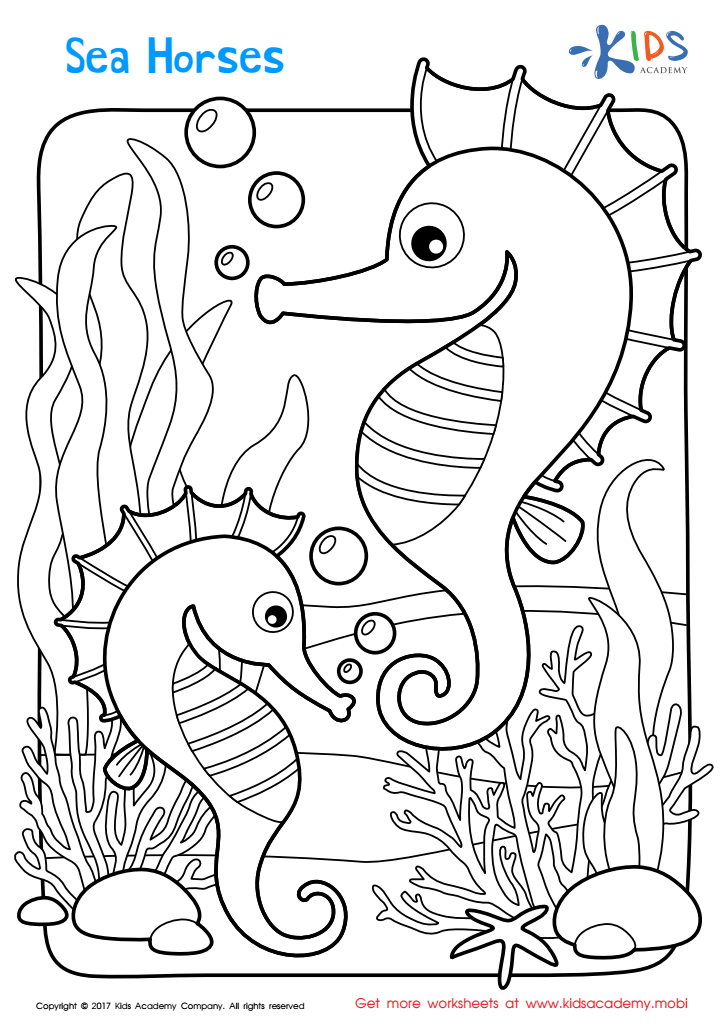
Sea Horses Printable
Assign to My Students
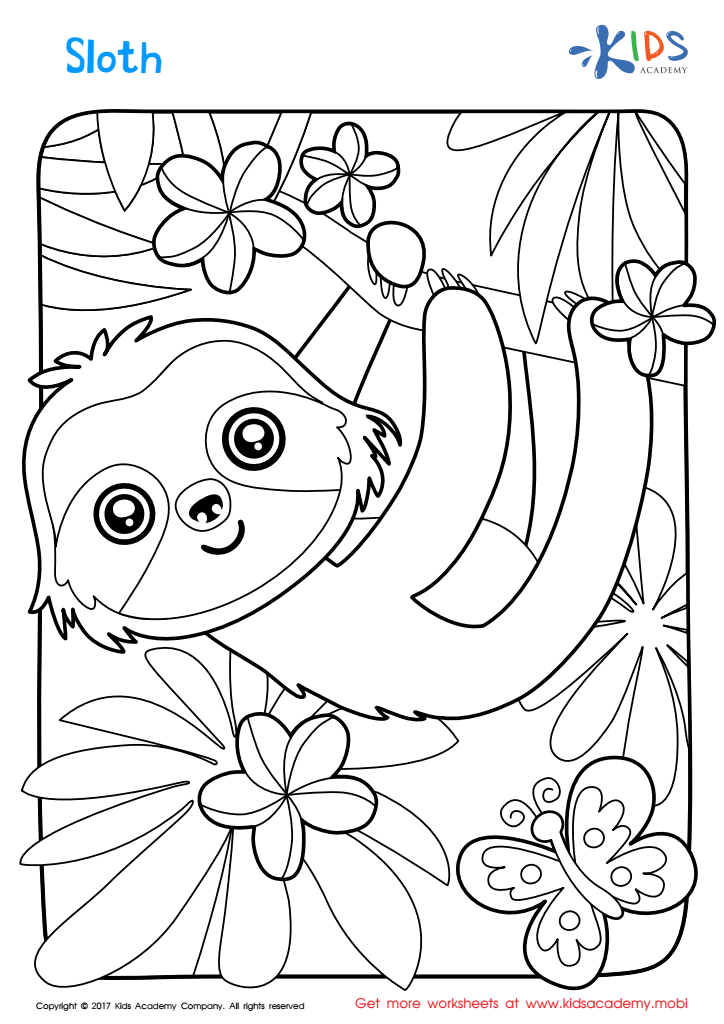
Sloth Worksheet
Assign to My Students
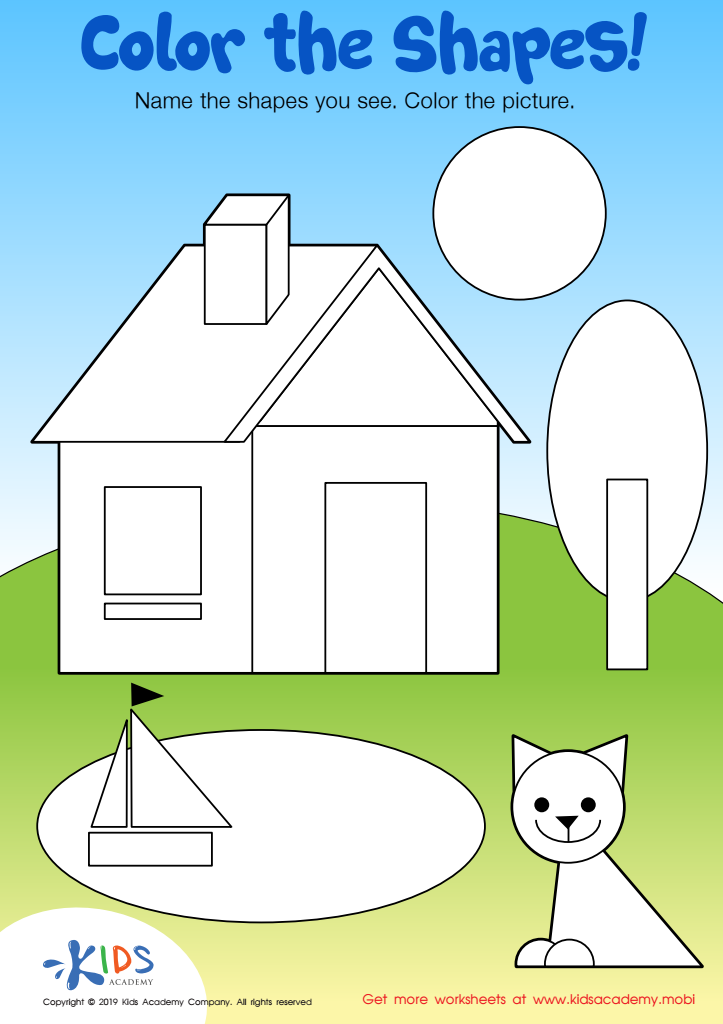
Color the Shapes Worksheet
Assign to My Students
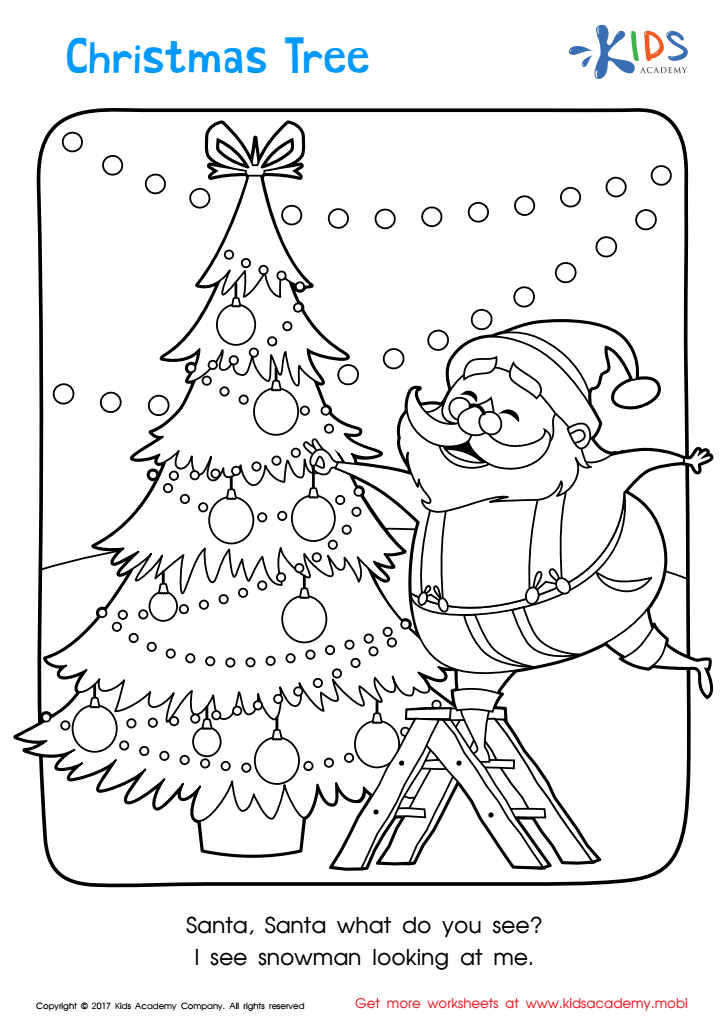
Christmas: Christmas Tree Printable
Assign to My Students
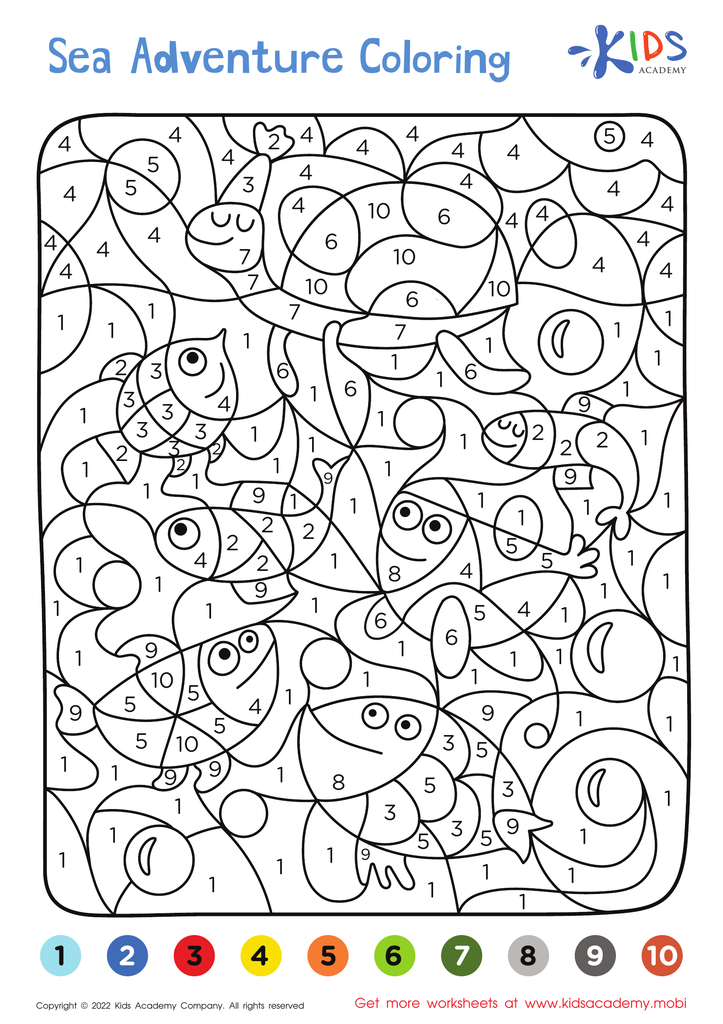
Sea Adventure – Coloring by Numbers
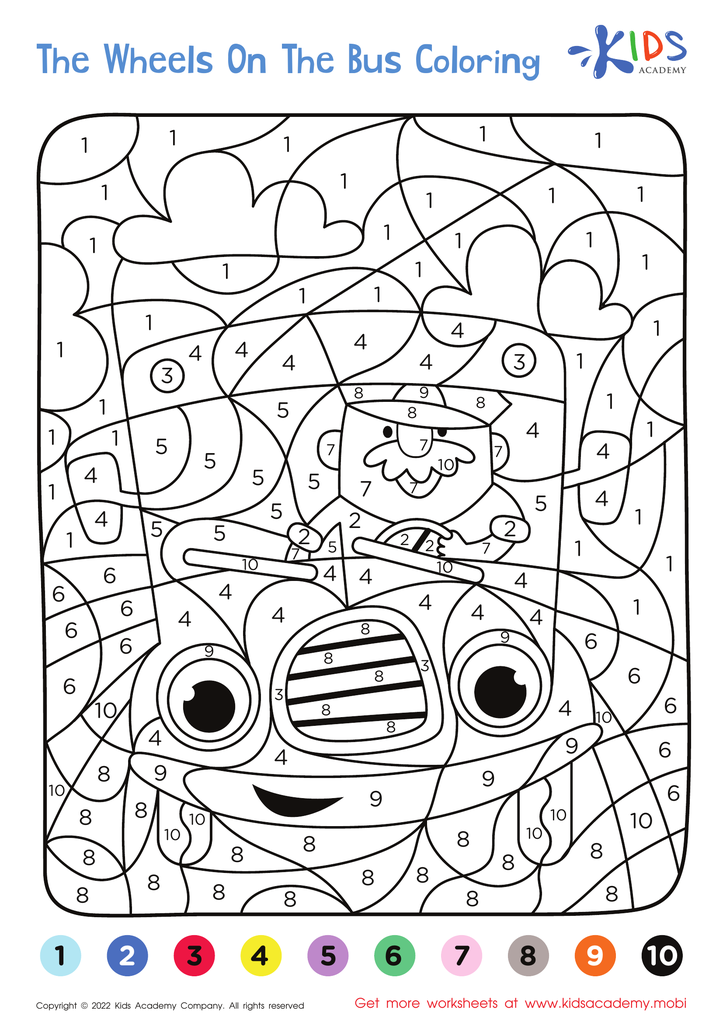
Wheels on the Bus – Coloring by Numbers
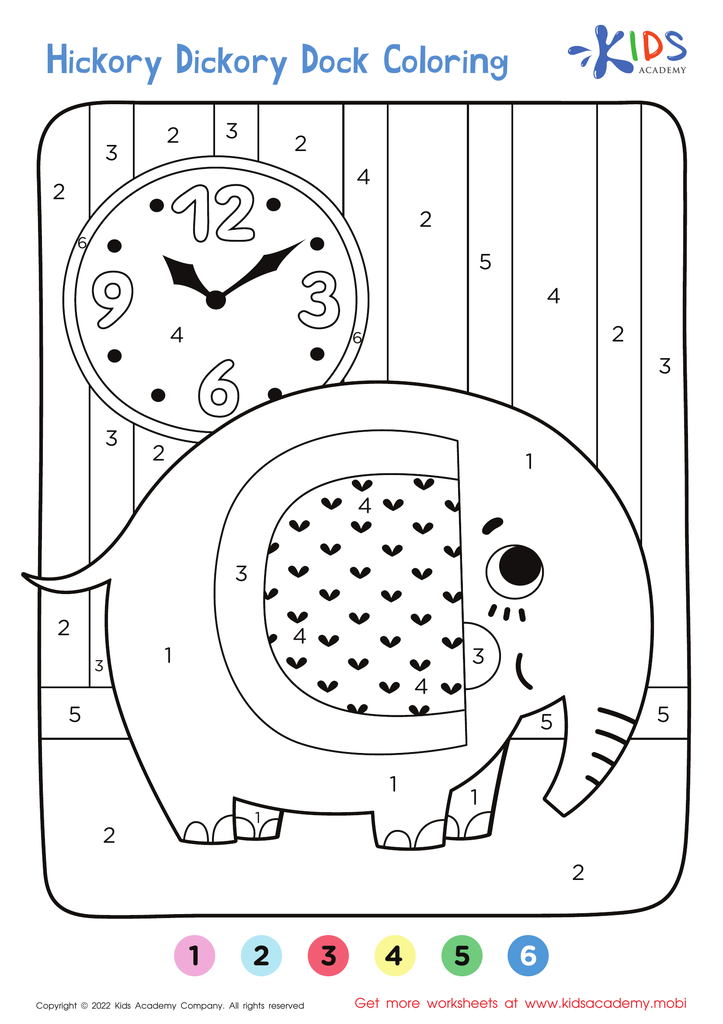
Hickory Dickory Dock – Coloring by Numbers
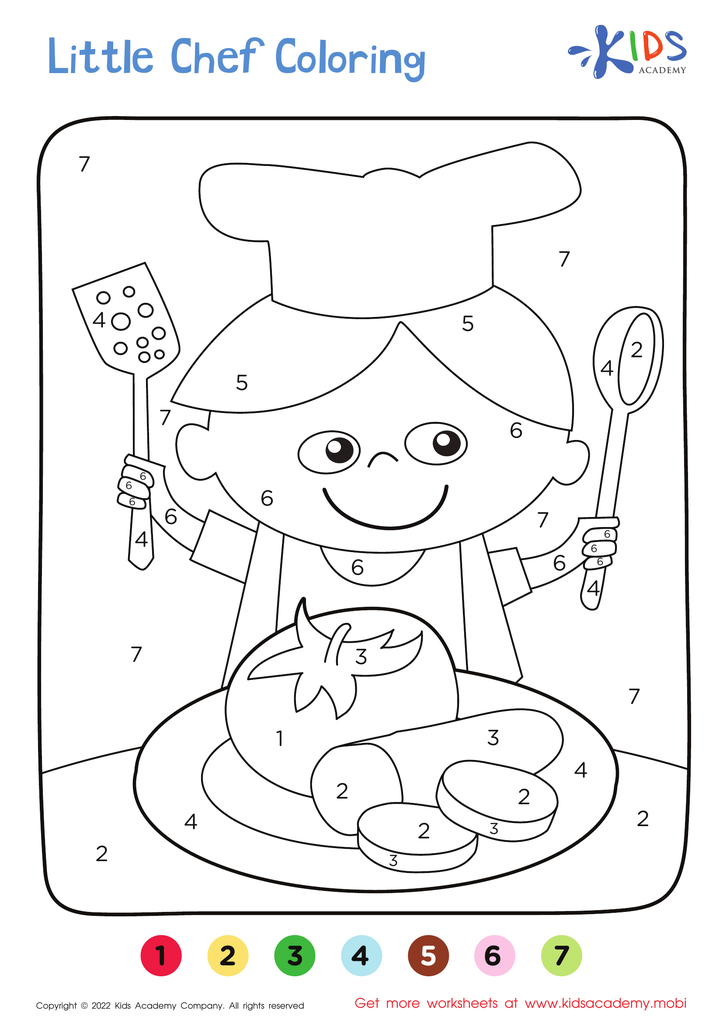
Little Chef – Coloring by Numbers
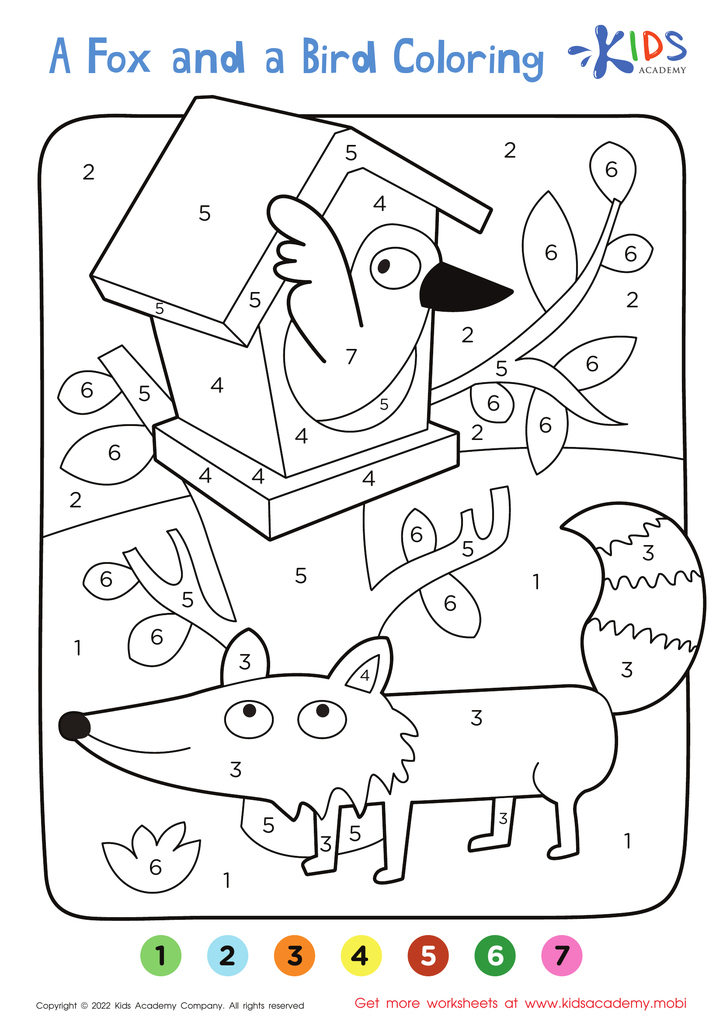
A Fox and a Bird – Coloring by Numbers
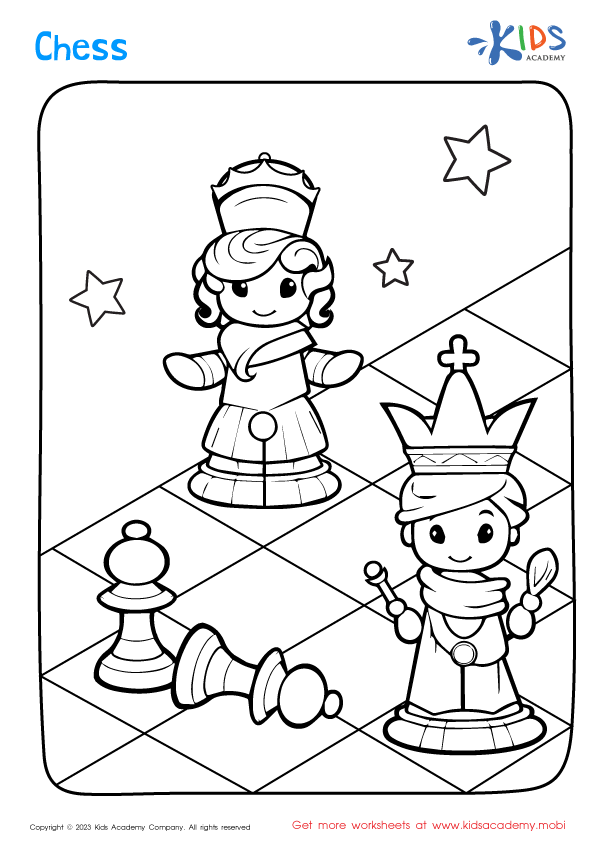







Color identification coloring pages are an invaluable tool in early childhood education, especially for children aged 4-7. Parents and teachers should care about these resources because they seamlessly integrate fun with fundamental learning objectives. First, these pages help children learn and recognize different colors, a foundational skill that aids in cognitive development and is instrumental in organizing and categorizing objects in their environment.
Moreover, coloring activities enhance fine motor skills. As children grasp crayons and scribble within the lines, they develop better hand-eye coordination and muscle control. This act of coloring boosts their ability to write more proficiently in subsequent years. Color identification coloring pages serve the dual purpose of engaging children creatively while imprinting essential educational concepts.
Social-emotional growth can also benefit from coloring activities. Completing a coloring page provides a sense of accomplishment, boosting self-esteem. Sharing such tasks in a group setting encourages social interaction, teamwork, and communication skills. Additionally, talking about the colors they use can significantly improve the child's vocabulary and language skills.
Ultimately, color identification coloring pages offer more than just a creative outlet; they form a robust educational experience integrating cognitive, motor, and emotional learning that prepares children for future academic challenges.